Key Takeaways
Navigating weight loss supplements can feel overwhelming, but separating fact from fiction saves you money, time, and your health. Here are the most practical, evidence-based points to help you make smart, safe decisions—no magic pills required.
- Supplements are support tools, not miracles—even the best-studied options deliver only 1–2 kg weight loss short-term, and only when paired with solid nutrition and regular movement.
- FDA oversight is minimal for supplements, so ingredients and safety aren’t guaranteed—always look for third-party certifications like NSF or USP before buying.
- “Natural” doesn’t always mean safe—unregulated products can hide banned drugs, contaminants, or dangerous fillers; treat label claims with healthy skepticism.
- Most popular ingredients (green tea extract, L-carnitine, capsaicinoids) show barely-there results in clinical trials—expect modest changes at best, not dramatic transformations.
- Red-flag claims include “rapid fat melting,” “miracle results,” and secret blends—rely instead on transparent ingredient lists, independent testing, and realistic expectations.
- Dosage and tracking matter—double-dosing doesn’t speed results and can increase health risks; always monitor for side effects and log your progress.
- Consult a healthcare professional before starting any supplement, especially if you have existing conditions, take medications, or are pregnant/nursing—personal safety tops all trends.
- Lasting weight loss comes from daily habits—diet, exercise, sleep, and stress management—think of supplements as small accessories, not the wardrobe.
Choose knowledge and skepticism over hype. Scroll through the complete article for smarter supplement shopping, deeper safety strategies, and tips to truly move the needle on your wellness goals.
Introduction
Ever pause while scrolling your feed, wondering if a “fat-burning” gummy could actually deliver—then notice that tiny voice in your head whispering, “Maybe this time”?
You’re not alone—47% of tech-savvy professionals admit they’ve considered or tried a weight loss supplement in the last year. The appeal is real: fast results, a “natural” fix, and zero extra hours logged in the gym.
But here’s the twist: most weight loss supplements barely outperform placebos in well-run trials, with typical results so mild they might not even register on your bathroom scale.
Why do bold promises and glowing testimonials still dominate supplement marketing? And with every TikTok or Slack thread hyping the “next big thing,” how can you separate wishful thinking from evidence-based strategy?
This guide breaks through the noise—serving up:
- Transparent insights on popular supplement ingredients: what sometimes works, and what’s pure hype
- Common myths vs. reality: spot and sidestep misleading claims before they drain your wallet
- Actionable checklists for evaluating supplement safety: avoid surprises hidden in flashy packaging
- Smart strategies for blending supplementation with sustainable health habits
Whether you’re managing a fast-growth business or building a smarter routine with AI, you need the facts—without the fluff. The supplement aisle is full of shortcuts, but nothing outpaces the power of daily choices.
Curious how effective these pills and powders really are—and what hidden risks might be lurking within the fine print? We’re about to decode what’s actually inside those bottles and map out where supplementation fits in your bigger weight-loss game plan.
Understanding Supplementation for Weight Loss
Picture this: you’re scrolling past ads promising rapid fat loss with a single pill, chewy gummy, or a “detox” tea.
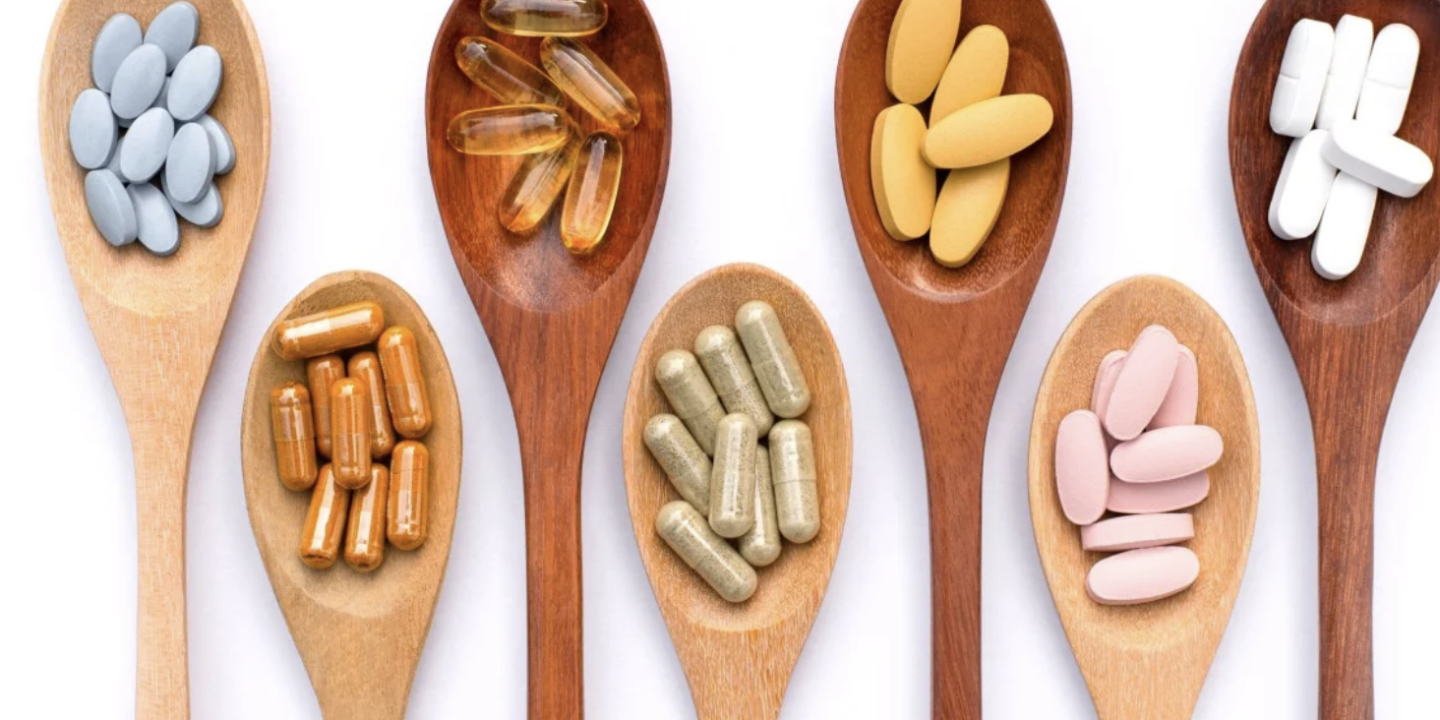
Weight loss supplements come in all shapes—pills, powders, teas, and plenty of herbal blends with unfamiliar ingredient lists.
But what are you actually getting? Often, it’s a mix of:
- Vitamins
- Herbal extracts
- “Natural” plant compounds
- Caffeine or stimulants
- Amino acids (think L-carnitine or green tea extract)
Where Supplements Sit in the Weight Loss Puzzle
It’s important to know where these fit.
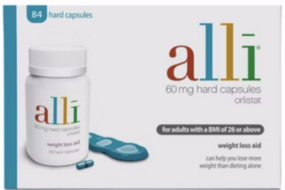
Supplements aren’t prescription drugs or true medications; they aren’t the same as FDA-approved tools like orlistat (Alli).
Instead, they’re lumped with over-the-counter options, making big claims but operating under far looser rules.
People turn to supplements because they want:
- Faster results than diet and exercise alone
- A “natural” approach to weight loss
- The convenience of a daily capsule versus counting calories
Visualize someone buying a tea blend online after seeing a celebrity’s “before and after”—that’s the dream supplements are selling.
What the FDA Actually Checks—and Doesn’t
Here’s a reality check for smart buyers: the FDA doesn’t test supplements for safety or accuracy before they hit shelves.
- No pre-market approval required
- Ingredients can vary widely, even between brands
- There’s risk of contamination or undeclared substances (think sibutramine or banned stimulants)
Quote this: “If a supplement promises ten pounds gone in a week, ask yourself—has anyone actually checked what’s inside that bottle?”
Set Your Expectations: What the Science (Doesn’t) Show
Most supplements have limited, often weak scientific support.
Key studies show:
- Even the best-studied options lead to 1-2 kg weight loss, short-term
- Results rarely last if you ditch healthy eating or skip exercise
Think of supplements as a possible nudge, not a shortcut—never the “magic fix.”
Memorable takeaway: “Supplements can cost you plenty, but what you really need—sustained change—can’t be bottled.”
Before buying anything promising effortless weight loss, ask yourself what else you’re doing to support health. Real progress comes from daily choices, not quick fixes.
Ingredients With Evidence: What (Sometimes) Works
Some weight loss supplements make big promises—but what do the numbers really show? Think of these as “supporting actors” rather than superheroes. Most evidence points to modest, short-term results—think 1 to 2 kg lost over several weeks to months.
Clinical trials and meta-analyses confirm it: no supplement produces dramatic weight loss without lifestyle changes. Use this as your at-a-glance cheat sheet for what (sometimes) works.
Green Tea Extract (Catechins)
- Typical effect: less than 0.5 kg lost, statistically significant only in short-term trials, especially at doses under 500 mg/day when paired with calorie restriction.
- Side effects may include digestive upset, elevated liver enzymes, or insomnia.
- Always check with a healthcare provider before starting.
“Green tea extract might help you drop half a kilo, but it won't move mountains.”
L-Carnitine
- Studies show 1.3 kg more weight loss on average vs. placebo.
- Benefits are sometimes higher when combined with prescriptions like orlistat or in people with diabetes.
“Picture this: a small but real difference, most notable for folks managing diabetes.”
Capsaicinoids (Capsicum/Red Pepper Extracts)
- Some studies report a reduction in daily calories burned—about 250 calories less eaten per day over 12+ weeks.
- Acts by curbing appetite and slightly raising metabolic heat.
Chitosan
- Cochrane review finds about 1.7 kg lost short-term vs. placebo at 3g/day, but most trials are low-quality.
- Quality of evidence is a frequent concern.
Chromium Picolinate & Other Ingredients
- Chromium picolinate: 1.1 kg more lost over six months in select studies.
- Others like caffeine blends or Irvingia gabonensis show preliminary results (very small samples, bias risk).
The Big Picture: Limits of Effectiveness
- No supplement in this category delivers meaningful, sustained weight loss in real life.
- Most studies are short (under 6 months), with small groups and high bias—results fade when lifestyle support disappears.
- Top trends prove: No shortcut beats solid nutrition and consistent movement.
“If you're hoping for ‘miracle' results in a bottle, your best bet is still a balanced diet, good sleep, and daily steps.”
For the results-savvy reader: weight loss supplements may nudge your numbers on the scale, but only when paired with steady nutrition and physical activity. If a claim sounds too good to be true, the data almost always agrees.
Common Myths and Realities About Weight Loss Supplements
Let’s cut through the supplement noise—there’s no shortage of bold claims, but the facts tell another story.
The world of weight loss pills is packed with myths that trip up even the smartest tech pros and business builders. Ready for some real talk? Let’s separate the science from the sales pitch.
“Natural Means Safe”
It’s tempting to trust a supplement just because it’s called “herbal” or “plant-based.” But picture this: some plant-based pills have actually been spiked with banned drugs like sibutramine or contaminated with heavy metals. Your “clean” weight loss tea could be hiding a pharmaceutical surprise.
- Fact: Only Alli (orlistat) is actually FDA-approved for over-the-counter use.
- Risk: Many supplements have been tied to organ damage, especially liver injuries.
- Action Step: Look for third-party testing and regulated brands—don’t trust just the glossy label.
A memorable one-liner: “If you wouldn’t download a .exe from a sketchy site, don’t trust an unverified supplement.”
“Supplements Replace Diet or Exercise”
If you’re hoping for a magic pill, here’s the data reality: studies show even the best-proven supplements yield tiny results—think 1-2 kg lost, and always with diet and movement.
- Shortcut myth: No supplement can swipe right on calorie tracking and workouts for you.
- Outcome: Stop the pill = regain the pounds. No sustainable lifestyle, no lasting results.
“All Supplements Cause Meaningful Weight Loss”
Have you ever seen epic “before and after” pics and wondered, “Is that even possible?” Systematic reviews say most products produce little more than a blip—about 1 kg lost over weeks, not transformation territory.
- Over 1,700 studies: The average supplement barely beats placebo and often loses in the long run.
- Teaching moment: Don’t let staged photos and paid testimonials cloud your judgment.
“More Is Better / They’re Like Food Nutrients”
Chasing double doses? The science says stop: higher amounts don’t equal bigger results—they boost your risk. Unlike actual food, supplements are absorbed and used very differently in your body.
- Dangers: Overdosing can stress your organs or create dangerous interactions.
- Pro tip: More isn’t safer—it’s just pricier (and sometimes riskier).
“Fat Melting Results/Quick Fixes”
Picture this: a “lose 30 pounds in a month” ad flashes on your feed. The fine print? Most supplement studies last just a few months—or even weeks—meaning long-term change is almost never measured.
- Trend: Rapid “fat melting” claims drive yo-yo dieting and repeat buys.
- Lesson: Real fat loss comes from the boring stuff—habits, not hype.
The key takeaway: Smart supplement use means filtering marketing through real data and skepticism. Always ask, “Where’s the evidence? Who’s verifying this product?” When in doubt, lean on healthy routines over hype.
Evaluating Safety and Risk: What You Need to Know
When it comes to weight loss supplements, the smartest move is to pause and vet each product carefully—never just “add to cart” on impulse.
The FDA does not test or pre-approve supplements for safety or content accuracy, meaning what’s on the label isn’t always what’s inside the bottle.
“Don’t mistake an attractive label for a safety seal—what you don’t see can hurt you.”
Hidden Ingredients, Contaminants, and Adulteration
It’s not rare to find hidden surprises in unregulated supplements:
- Unlisted pharmaceutical drugs (think banned stimulants or appetite suppressants like sibutramine)
- Heavy metals and toxins, especially in imported herbal products
- Cheap fillers or incorrect dosages
Choose only supplements with third-party verification—look for symbols from organizations like NSF, USP, or Informed Choice. Imagine unboxing a supplement and discovering an FDA warning sticker; it happens more than you might think.
Side Effects and Interactions
Common side effects are more than just an upset stomach. You could experience:
- Digestive issues (bloating, nausea, diarrhea)
- Increased heart rate or jitters (especially with caffeine-based pills)
- Psychiatric symptoms like anxiety or mood swings
- Organ toxicity, such as kidney or liver injury
People with medical conditions, or taking medications, face extra risks—even “natural” ingredients can sabotage blood pressure meds or diabetes treatments.
Recognizing Red Flags in Supplement Marketing
It’s easy to get sucked in by flashy ads, but watch for:
- Unrealistic promises: Claims like “10 pounds in a week” are pure fantasy
- Fake testimonials and before/after photos
- Overuse of “miracle,” “scientific breakthrough,” or “clinically proven” without clear references
Use this quick trust checklist:
- Does the label list all ingredients, company info, and a lot number?
- Are there third-party certifications?
- Do the claims match official health organization recommendations?
- Is there a clear refund policy?
- Is the price suspiciously low for the promised effects?
There’s no substitute for looking past the marketing and making safety your top priority. Picture this: a supplement might promise shortcuts, but real security comes from what’s verified, not just what’s advertised. Before any new supplement journey, talk with a healthcare pro—it could save your health, your wallet, and a lot of unnecessary risk.
Navigating Supplement Labels, Brands, and Claims
Ever tried reading a weight loss supplement label and felt like you needed a decoder ring? You’re not alone. Understanding these labels is your first defense against hype and hidden ingredients.
Label Basics: What You Need to Know
It all starts with the Supplement Facts panel. Picture this:
- Active ingredients: The “main event”—the stuff that’s supposed to make a difference
- Inactive ingredients: Fillers, binders, colorings—often overlooked, but allergies happen
- Serving size: Are you taking what’s listed, or doubling up? Watch those numbers
- Daily Value (%): How much this supplement contributes to your recommended intake
A bottle might promise “natural weight loss,” but check for these details first. If the numbers don’t add up or the ingredient list looks like alphabet soup, it’s a red flag.
Sorting Science from Sales Hype
How do you tell what’s real and what’s marketing magic?
Try this mental checklist whenever you see a bold claim:
- Look for percentages (“clinically tested,” “backed by X studies”)—then ask, which studies?
- Such claims should reference actual research, not just “doctor recommended”
- Watch for words like “ancient,” “secret blend,” or “proprietary formula”—translation: ingredients undisclosed
- If it sounds too good to be true—like “10 lbs in a week!”—it is
Certifications matter. If you see NSF or USP—but not a random gold star sticker—that means:
- NSF/USP-certified: Product tested for purity and that what’s on the label is actually inside
- No certification? Consider another brand
Making Informed Choices
Before you buy or try, hit pause and ask yourself (and your provider):
- What’s my goal with this supplement, and is there real evidence it works?
- Does this brand list all its ingredients clearly—no “proprietary blend” mystery?
- Has it been independently tested (see USP, NSF), and are there any safety recalls tied to the brand?
Track your experience like a pro—jot down when you start, any changes you notice, and side effects, if any.
Set realistic expectations: Most supplements don’t deliver dramatic results, but tracking helps you separate fact from placebo.
Staying informed is your competitive edge. Read every label with a dose of skepticism, favor brands with transparent certifications, and never skip the “is this safe for me?” conversation. Smart supplement shopping starts (and ends) with your questions.
Integrating Supplement Use With Sustainable Weight Loss Strategies
Let’s get real: no supplement can outmuscle a balanced lifestyle. If you’re picturing a single pill wiping away months of takeout and desk marathons, it’s time to zoom out.
What really shifts the needle? Diet quality, daily movement, sleep, and stress management—these four pillars account for long-term weight trends far more than any over-the-counter capsule.
A recent review of over 1,700 weight loss studies found most supplements add only about 1–2 kilograms of short-term loss—barely a dent unless paired with eating and activity changes.
A Smart Supplement Strategy
Supplements can sometimes play a role, but only as support tools, never substitutes.
Here’s a practical framework for using supplements wisely:
- Anchor to routine: Make diet, exercise, and sleep your foundation—consider supplements only if you’re already consistent here.
- Stay skeptical: If a product promises “life-changing” results, pause—no legal supplement delivers this.
- Monitor and reassess: Set clear expectations (think: evidence shows maybe a kilo or two, not a transformation). Track changes for a few months, then re-evaluate.
Imagine this: You’re cooking more at home, walking daily, but weight loss slows—a brief, carefully chosen supplement (like green tea extract under 500mg) might, at best, nudge progress forward. Think of it as an accessory, not your outfit.
When (and When Not) to Consider Supplements
Consider a supplement only if:
- You’ve already optimized your lifestyle,
- You’ve hit a true plateau,
- Your doctor or registered dietitian suggests a clinically-tested ingredient for your specific situation.
Avoid supplementation if you:
- Are pregnant or breastfeeding,
- Take multiple medications (polypharmacy),
- Have a history of adverse reactions to supplements,
- Aren’t able to verify product safety (third-party tested and transparent labeling).
The Real-World Takeaway
Most meaningful weight changes are made in the kitchen, the gym, and the bedroom—not the supplement aisle.
Picture this: Pairing a supplement with poor habits is like trying to drive on a flat tire—you might move an inch, but you’ll never hit your destination.
If you’re thinking about supplements, keep your health team in the loop, track your progress, and always err on the side of safety. Lifestyle builds the path—supplementation is just the gravel, not the road.
Trends, Regulations, and the Future of Weight Loss Supplementation
Weight loss supplements are everywhere right now—walk down any pharmacy aisle, and you’ll spot “fat burners” starring green tea extract, L-carnitine, and caffeine.
But market trends are shifting fast, fueled by new research, consumer skepticism, and a laser focus on “evidence-based” options.
What’s Hot in the Supplement Aisle?
Today's most-searched—and purchased—ingredients include:
- Green tea extract (for its modest, short-term fat loss effects)
- Capsaicinoids (those “red pepper” or “heat” supplements)
- L-carnitine (often paired with gym routines)
- Plant-based blends targeting the “clean label” and “natural” trend
Picture this: Wellness TikTokers racing to try every new “metabolism” supplement, while a growing base of consumers are fact-checking claims before clicking “buy.”
Regulatory Moves and Real-World Action
It's easy to assume supplements are automatically safe, but the FDA doesn't pre-approve weight loss pills—most products hit shelves without clinical proof.
Recent regulatory shakeups have included:
- The FDA issuing warnings, recalls, and import bans on products tainted with sibutramine or hidden pharmaceuticals
- Heavy enforcement on misleading “miracle” claims
- Push for brands to use third-party certifications (like NSF or USP) to win trust
These enforcement actions have weeded out some bad actors but haven’t caught every unsafe supplement.
Looking Ahead: What’s Next in Weight Loss Supplements?
Emerging trends are shaping the future, including:
- Precision formulations using genetics or wearables to personalize supplements
- Integrations with digital health tracking apps for real-time habit coaching
- Greater demand for long-term, independent trials
Quotable: “The weight loss supplement aisle is where hype meets hope—but the future is about evidence and personalization.”
Staying Up to Date
Want the inside scoop before acting? Use these strategies:
- Set Google Alerts for terms like “weight loss supplement recall” or “FDA supplement warning”
- Check databases like ConsumerLab and the Office of Dietary Supplements for unbiased reviews and safety updates
- Follow organizations like NSF International for third-party tested product lists
By tracking market shifts, enforcement news, and new research, you’ll avoid outdated fads and unsafe products while getting closer to interventions that actually work.
Here’s the big takeaway: The world of weight loss supplements changes fast—if you’re considering any product, keep your standards high and research habits sharp. Reliable brands, third-party testing, and skeptical reading are your best friends in a crowded marketplace.
Conclusion
Understanding weight loss supplements isn’t just about sidestepping hype—it’s about giving yourself the confidence to navigate a crowded market with clarity and control.
When you approach supplements as sidekicks rather than saviors, you open the door to informed choices—grounded in data, not just dreams.
Key actions you can take right now:
- Scrutinize supplement labels: Always verify ingredients, serving sizes, and look for credible third-party certifications (like USP or NSF) before you buy.
- Anchor your strategy in lifestyle first: Make nutrition, movement, sleep, and stress your foundation—supplements are only a support, not the star.
- Stay skeptical of quick-fix claims: If a product promises dramatic results without effort, that’s your cue to dig deeper or walk away.
- Consult a healthcare pro: Especially if you’re on medication or have health conditions—professional input is your best filter for safety.
- Track and reassess your progress: Set realistic expectations, monitor for side effects, and revisit your supplement routine every 2–3 months.
Move forward with intention:
- Start by choosing one label to inspect today; spot red flags and filter out the noise.
- Share what you’ve learned with a colleague—being the one who knows the difference between evidence and empty promises positions you (and your team) for better results.
No supplement can shortcut the fundamentals, but empowered decisions will always give you a real-world edge. When you lead with science and skepticism, you transform noisy marketing into actionable progress—for your health and your bottom line.
“Your best investment isn’t in a pill—it’s in the habits you build, the questions you ask, and the curiosity you bring to every health choice.”
Take the first step, and let knowledge power your results.