Key Takeaways
Mastering how calories, energy balance, and body fat interact is the foundation for real results—whether you’re aiming to lose, gain, or maintain your weight. Cut through the confusion with these highly actionable insights, all backed by science, so you can confidently take control of your body composition and nutrition.
- Energy balance is law: If you consume more calories than you burn, your body stores the surplus as fat—no fad diet or “fat-burning” ingredient changes this fundamental math.
- Your metabolism adapts: As you reduce calories, your body burns fewer calories and drives up hunger, making continued weight loss slower over time—plan to tweak your strategy as you progress.
- Fat-free mass is your metabolic engine: Muscle and organ tissue (fat-free mass) drive about 70% of daily calorie burn, so maintaining muscle is key to keeping your metabolism high during weight loss.
- Protein punches above its weight: High-protein diets help preserve muscle, boost calorie burn through digestion by up to 30%, and keep you full longer, making fat loss more sustainable.
- Hormones defend body fat: Leptin and other hormones increase appetite and drop metabolic rate after weight loss, explaining plateaus and the tendency to regain—combat this with mindful eating and regular activity.
- Sustainable fat loss is about small, consistent actions: A daily deficit of just 250–500 calories or adding 30–60 minutes of movement can drive steady progress, while over-restriction often backfires.
- No food magically melts fat: “Fat-burning foods” and guaranteed calculators are myths—fat loss always comes back to sustained calorie deficits and adapting as your body changes.
- Calorie tracking is just a compass: Use apps and rough estimates to guide you, but focus on trends and regular adjustments rather than chasing precision.
Prioritize muscle, monitor your trends, and embrace flexible habits—check out the full guide for step-by-step science-backed strategies to outsmart biology and achieve sustainable results!
Introduction
Ever scrolled through fitness threads or tech-savvy Slack channels and wondered why “just eat less, move more” stalls out—even when your tracking app says you’re nailing your goals?
You’re not alone. Nearly 90% of tracked dieters plateau long before reaching their target, while others see weight shifts that seem to defy simple math.
Could it be that calories, energy, and body fat are more like a dynamic system—think “self-calibrating automation”—than a straightforward spreadsheet?
Understanding how energy balance actually works is the first step to hacking your results, whether your goal is to lose, maintain, or optimize your body composition for better focus, energy, and longevity.
Here’s what sets this breakdown apart:
- No fluff: We cut through trendy misconceptions and miracle shortcuts.
- Actionable insights: See how calorie math, metabolic adaptations, and real-world strategies interact—just like an evolving AI workflow.
- Smart experimentation: Learn why small, measurable tweaks (not sweeping changes) create sustainable results.
Think of this guide as your expert explainer and troubleshooting toolkit: you’ll see why body fat is “stored energy with a built-in defense system,” how the body adapts to changing intakes, and which nutrition levers actually move the needle.
The surprises? Your metabolism can drop by 10–15% when you diet, appetite can surge by 100 kcal for every kilo lost, and muscle isn’t just “nice to have”—it’s your metabolic engine.
You’ll come away able to:
- Spot BS in “fat-melting” food claims
- Read data trends in your progress like a high-powered dashboard
- Build a sustainable strategy—whether you’re a gym regular or a deskbound code warrior with zero hours for cardio
Curious what’s really happening behind the scenes of your body’s “calorie economy?”
Let’s unlock the science—as practical, flexible, and reality-checked as the best AI tools you rely on—and see how the numbers shape up inside your own metabolic bank account.
Energy Balance: The Foundation of Body Fat and Weight Change
Picture this: Your body is a bank account. Every calorie you eat is a deposit; every calorie you burn is a withdrawal.
If your deposits and withdrawals are equal, your account balance—your body fat—stays steady. In real-world terms, stable weight means your calorie intake and calorie expenditure are roughly the same, day after day.
So what happens if your deposits outpace your withdrawals, or vice versa? Let's break it down with a quick list:
- Weight Gain: Consistently eating more calories than you burn leads to a surplus—60–80% of that surplus gets stored as body fat.
- Weight Loss: Eating fewer calories than you need creates a deficit—the body mobilizes stored fat to make up the difference over time, resulting in progressive fat loss.
This is the universal rule: energy in vs. energy out shapes body composition. It’s not about “magic” numbers or mythical fat-burning foods.
“Your body can’t defy the math: more deposits than withdrawals means a higher body fat balance—no matter how ‘clean' the calories.”
Components of Energy Intake and Expenditure
Let’s get specific. Every calorie you consume comes from food or drink—no exceptions.
But where do those calories go? Your body burns energy in three ways:
- Resting Energy Expenditure (REE): Keeps your heart beating, lungs breathing—think of it as your phone’s operating system always running in the background.
- Thermic Effect of Food (TEF): The calories your body uses to digest and process what you eat—like the processing power for software updates.
- Activity Energy Expenditure (AEE): The energy spent moving: walking, exercising, fidgeting, even typing this sentence—everything beyond your phone’s OS and updates.
Each of these contributes to your total calorie burn, and together, they determine if your “fat balance” moves up, down, or stays the same.
“You can’t out-exercise a major calorie surplus, and you can’t starve yourself past biology—energy balance always wins.”
The Bottom Line
Understanding energy balance is non-negotiable for effective weight management. If your goal is to lose, gain, or simply maintain your weight, remember: calorie math drives results, no matter the latest trend or headline. Want to take action? Start by tracking your personal “bank account”—it’s the only way to manage your balance with confidence.
How the Body Responds to Changes in Calorie Intake
When you change how much you eat, your body doesn’t just sit back and take notes. It adjusts, adapts, and even pushes back, all thanks to a complex system designed for survival—not for six-pack abs.
The classic myth says, “Cut 3,500 calories, lose 1 pound.” Here’s the reality: as you eat less, your body changes gears, meaning weight loss slows as you go. You're not broken—just running up against a finely tuned “energy conservation” machine.
Why Calorie Deficits Lose Power Over Time
With ongoing calorie restriction, your body triggers several energy-saving responses:
- Resting Energy Expenditure (REE) drops: Your engine runs cooler and burns fewer calories at rest.
- Activity Energy Expenditure (AEE) falls: You unconsciously fidget and move less, and every movement costs less with a lighter body.
- Thermic Effect of Food (TEF) declines: Less food (especially protein) means fewer calories spent digesting, absorbing, and processing.
- Adaptive thermogenesis kicks in: There's an extra drop in calorie burning beyond what just “weighing less” would predict.
Picture this: You’re driving a hybrid SUV that keeps getting more fuel-efficient the less gas you put in. The effect? To keep losing weight, you need to cut calories further or move more, even as progress slows.
Overeating and Energy Expenditure: Is It Self-Correcting?
What if you consistently overeat? Your body does try to hit the brakes:
- REE slightly increases as you gain both fat and muscle.
- AEE goes up—moving a heavier body takes more effort.
- TEF rises—your gut’s got more work to do with extra food.
But don’t expect a miracle: modest increases in burning energy rarely match the surplus intake. If you keep overfilling the tank, most of the excess ends up as stored fat.
Research shows that while the body opposes both weight loss and gain, it defends against weight loss much more powerfully—think “stubborn” when trying to lose, “easy-going” when gaining.
Ultimately, your body’s adaptive system explains why continued weight change requires ongoing strategy tweaks. Anyone hitting a plateau—or gaining more quickly than planned—isn’t failing: they’re seeing biology in action. The key insight? Weight management is a dynamic process, not one-and-done math—monitor, adjust, and be kind to your body’s resistance.
The Role of Body Composition in Energy Balance
Body composition is more than a buzzword—it’s the single biggest factor shaping your metabolism.
With each pound you carry, your body is made up of two main parts:
- Fat mass: Like the energy savings you keep in reserve (that’s body fat).
- Fat-free mass (FFM): Everything else—muscles, organs, bones, and water.
If you want to understand your calorie needs, start here: FFM is the main driver of how many calories you burn daily. In fact, about 70% of the difference in energy expenditure between people comes down to variations in FFM.
Why Fat-Free Mass Matters Most
Picture this: two people, same weight, but one is muscular and the other has more body fat.
- The person with more muscle (higher FFM) will naturally burn more calories—even at rest.
- Larger bodies (higher FFM) usually mean a faster metabolism and a higher appetite, not just during workouts but sitting at your desk, too.
This is why athletes and active professionals often eat far more than their less active peers.
Dieting, Muscle, and Metabolic Rate
When you begin a calorie deficit, it’s not just fat you lose.
- FFM often drops in the early phases of dieting
- This means your resting metabolic rate (REE) can decrease before all that body fat melts off
- You may notice that those first few pounds are easy, but progress slows as your metabolism adapts
The result? “The more muscle you lose, the slower your engine runs.”
Maintain Muscle, Sustain Your Burn
Want to keep your calorie-burn high—even as you lose weight?
- Protect your fat-free mass by focusing on strength training and maintaining protein intake
- Small drops in FFM can have outsized effects on your daily burn—think of it like taking the battery out of your phone: suddenly, nothing works as efficiently
A shareable tip: “Muscle is metabolic gold. Hang onto it when losing weight for lasting results.”
Maintaining muscle isn’t just about looking fit—it’s about building a body that burns calories efficiently, supports your energy needs, and helps your weight loss stick in the real world.
Key takeaway: Prioritize muscle maintenance during any weight loss phase. The more FFM you keep, the easier it’ll be to stay lean, active, and energetic as your body adapts.
Hormonal and Biological Regulation of Body Fat
Picture this: You’re trying to shed a few pounds, but your body feels like it has a mind of its own. That’s not just your imagination—biology actively defends a certain range of body fat. This “set-point” model means your body subtly pushes back when you drop below its comfort zone.
Your fat cells do more than store energy—they’re like your body’s fuel gauge. As you lose fat, your body produces less of a hormone called leptin.
How Leptin Tunes Appetite and Metabolism
When leptin drops, here’s what typically happens:
- Hunger amplifies—you crave more food, sometimes far beyond conscious control
- Metabolism slows down—you naturally burn fewer calories, even at rest
- Daily movement dips—you unconsciously fidget and move less, saving energy
This is why, after successful weight loss, you might feel hungrier and less energetic. It’s your biology pulling the “brake” on further loss.
Why Weight Regain Happens So Easily
Research shows this adaptive system is biased toward protecting against weight loss—not preventing gain. In fact, after losing weight:
- Your appetite can increase by about 100 kcal/day for every kg lost (that’s three times larger than the drop in daily metabolism)
- Energy expenditure remains suppressed even as hunger rises, making maintaining losses harder
It’s as if your body is more eager to refill its reserves than to stay lean. This helps explain long-term rebound weight gain—the dreaded “yo-yo” effect.
Practical Steps: Outsmarting Your Biology
So how do you tip the scale in your favor? Start with these strategies:
- Adopt mindful eating habits—regular routines, slower meals, and tracking hunger signals
- Stay physically active—exercise is your secret weapon to maintain higher metabolism after loss
- Build a supportive environment—remove triggers, prep healthy options, and create friction for high-calorie choices
You can’t negotiate with your hormones, but you can outsmart them with behavior.
If weight loss feels like swimming against the current, you’re not alone—your body is designed to keep you fueled and safe. Understanding these hidden biological levers is the first step to crafting a plan that lasts, not just for a season, but for life.
Calories, Macronutrients, and the “A Calorie Is a Calorie” Debate
Ever wondered if all calories are created equal? Let’s settle the debate with evidence and actionable insights you can use today.
In pure energy terms, one calorie from carbs, fat, or protein has the same effect on weight change—the body’s energy bank sees every 1 kcal as +1 to your daily balance.
But here’s the twist: while the math is equal, your body’s response can differ based on what you eat.
Why Protein Packs a Punch
Protein is the multitasker of the nutrition world.
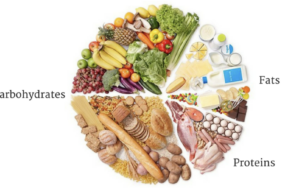
When you eat 100 calories of protein, your body burns about 20–30 calories just digesting it (the “thermic effect”).
Compare that to:
- Carbs: burn about 5–10% of their calories during digestion
- Fat: burns only 0–3% during digestion
This means that, gram for gram, protein slightly boosts your metabolic rate.
The Secret to Keeping Muscle and Feeling Full
Lose weight without losing muscle? Prioritize protein.
Eating more protein during a calorie deficit:
- Helps preserve your fat-free mass (FFM)—think muscle, organs, bone—so your metabolism stays higher
- Keeps you feeling fuller, longer, than a high-carb or high-fat meal
Meta-analyses show that when protein and calorie intake are matched, the debate between low-carb and low-fat diets isn’t nearly as heated: “Any advantage is tiny—around 16 g more fat lost per day on low-fat diets, which is less than the calories in a half tablespoon of butter.”
Pick the Best Macro Mix for You
Want takeaways you can use right now?
- Prioritize protein at every meal for satiety and sustaining muscle
- Don’t obsess over carbs vs. fat: pick a mix you genuinely enjoy and can stick with for months—not just days
- Track and adjust total calories if fat loss or maintenance is your goal
Think of it this way: “Eating for results shouldn’t feel like punishment. Find the balance that fits your lifestyle—then let consistency do the work.”
Bottom line: While every calorie counts, what those calories are made of can help your body burn more energy, feel satisfied, and maintain muscle as pounds drop. Master your macros, and you’ll have a toolset for sustainable success.
Practical Strategies for Sustainable Fat Loss and Weight Maintenance
When it comes to losing fat and keeping it off, two actions drive results: reducing calorie intake and increasing activity.
Think of energy balance like managing your budget—if you regularly “spend” (burn) more than you “deposit” (eat), your “savings” (body fat) shrink. If you spend less, those savings pile up fast.
Building Your Calorie Deficit: What Actually Works
To create and maintain a negative energy balance, focus on these essentials:
- Reduce calorie intake by swapping calorie-dense foods for lighter options, shrinking portions, or skipping snacks.
- Increase activity with purposeful exercise (think 30-60 minutes of walking, cycling, or gym time) and more everyday movement—like taking the stairs or standing during meetings.
- Remember, even a daily deficit of 250–500 kcal can lead to steady, manageable fat loss.
Population studies suggest that most adults could avoid excess weight gain by trimming just 100–250 kcal each day—about the difference between a candy bar and a handful of berries.
Why You Need to Adapt as You Progress
Weight loss isn’t static—your body adapts to fewer calories and a lighter frame:
- Your resting energy expenditure drops (your body gets more efficient).
- You may unconsciously move less (lower activity energy expenditure).
- Hunger signals get stronger over time.
To break through plateaus, you’ll likely need to further adjust your calories or activity as the scale moves. This could mean:
- Cutting a bit more from meals.
- Upping daily steps or workouts.
- Mixing up food choices to prevent boredom while staying full.
The Power of High Energy Flux and Real-World Tips
Higher “energy flux”—where you eat more because you burn more—makes maintenance simpler and often more enjoyable. Picture someone regularly hiking or cycling so they can enjoy large, healthy meals guilt-free.
Here are easy adjustment tactics:
- Use tracking apps for calorie benchmarks and trend spotting.
- Re-evaluate food choices weekly—swap one high-calorie treat for a lower-calorie favorite.
- Batch-cook proteins and veggies for quick, healthy meals.
- Catch environmental cues: Move chips off your desk, park farther from entrances, or set a “water before snacks” rule.
Overcoming Everyday Hurdles
Common obstacles? Tempting food environments, unpredictable routines, and old habits. Sustainable change means experimenting:
- Build a supportive routine you can live with—maybe meal prep, group workouts, or digital accountability partners.
- Adopt “friction edits”: put healthy foods in sight, schedule default active breaks, crowd out mindless snacking.
Quick reality-check: “Small, consistent tweaks beat big, unsustainable sweeps.”
Remember, fat loss is rarely linear. Every pound you lose, your body will try a bit harder to defend the status quo. Ongoing adjustment and flexible habits aren’t just recommended—they’re the real secret to long-term success.
Scientific Myths vs. Facts in Calorie Counting and Fat Loss
You’ve probably heard the classic weight loss advice: “Just eat less and move more.”
Simple, right? Not quite.
Myth-Busting: The Biggest Misconceptions
Let’s set the record straight and break down some persistent myths:
- “Starvation mode”: Skipping meals doesn’t make your body “store” fat. True starvation mode—where your metabolism screeches to a halt—doesn't happen until weight loss is extreme and prolonged.
- Guaranteed calorie calculators: No website or wearable knows your “exact” calorie needs. Calculators offer rough estimates—your real energy needs can swing by 100-400 calories/day.
- Fat-melting foods: There’s no food (yes, even grapefruit) that magically “burns” fat. Fat loss comes down to sustained calorie deficits, not individual ingredients.
“Don’t get caught up in food fads or miracle hacks—the foundation is energy balance, always.”
What Science Actually Tells Us—2025 Edition
New data shows: When you reduce calories, your body fights back.
- Metabolism adapts—your resting energy expenditure can drop by 10–15% as you lose weight.
- Appetite rises—by about 100 kcal/day for every kilogram lost.
- That’s why the classic “3500 calories = 1 pound” formula is outdated. Real-world results vary and slow down with continued dieting.
Picture this: You’re eating “below maintenance,” stepping up your steps—but after a few weeks, progress crawls. That’s your body’s survival systems in action.
Practical Takeaways: What Actually Works
Tracking calories isn’t perfect, but it is useful.
- Most apps under/overestimate; accept a buffer—use trends, not daily numbers, to judge progress.
- Focus on protein and fiber to maintain fullness and minimize muscle loss.
- Big picture:
- Adjust your intake as you lose weight.
- Boost activity for metabolic flexibility.
- Monitor biofeedback (energy, hunger, performance).
The smart play? Treat calorie tracking as a compass, not a GPS, and rely on data trends rather than individual blips.
When it comes to fat loss, skip the shortcuts and lean into approaches that respect both your biology and real-world complexity—because knowledge always outperforms hype.
Conclusion
Energy balance isn’t just a numbers game—it’s the key to unlocking consistent, lasting control over your body composition and health. Understanding how calories, metabolism, and macronutrients interact is like having the user manual for your most important personal tech: your own body.
Ready to make knowledge work for you? Focus on practical tweaks—small shifts in habits that accumulate over time yield results you can see and feel.
Takeaways to Put Into Action Today:
- Track your calorie “bank account”—use an app or simple notebook to watch your intake versus your output
- Prioritize protein and strength training—help your body burn more and protect lean muscle during any weight change
- Adjust as you go—notice plateaus? Tweak your calories or activity, just like you would optimize a workflow
- Use simple friction edits—prep healthy options and set up your environment for better choices, not willpower battles
- Rely on trends, not short-term fluctuations—watch your progress over weeks, not days
Here’s how to move forward, starting now:
- Commit to logging meals and movement for one week—even a rough estimate creates valuable data
- Experiment by swapping one high-calorie habit for a leaner alternative
- Set a simple, tech-enabled reminder for daily activity—like a walk after lunch or workout check-in
- Share your top insight from this article on social media to solidify your learning and inspire others
You’ll get further by thinking like a systems designer—adjust, test, and refine until your approach fits your life and goals.
Remember: “Mastering your energy balance is the ultimate self-upgrade—every smart choice compounds, building the results you want.”
The next step is simple: pick one strategy, take action today, and watch your momentum build.