Key Takeaways
Navigating weight loss isn’t about willpower alone—your hormones set the rules, influencing hunger, cravings, and metabolism behind the scenes. Understand these science-backed insights to work with your biology, not against it, and get smarter about sustainable weight strategies.
- Hormones drive your hunger and fat storage, acting like internal traffic signals that control cravings, metabolism, and energy use—not just calories in vs. calories out.
- Leptin and ghrelin dictate appetite swings; after just 5-10% body weight loss, leptin drops up to 50% while ghrelin rises, making hunger spike and plateaus more likely.
- High-protein meals blunt hunger hormones, helping you control post-diet cravings and preserve muscle—think eggs for breakfast for less snack stress at lunch.
- Small, sustainable weight loss (5-10%) delivers real hormonal shifts, boosting metabolism, lowering estradiol by up to 20% in women, and improving insulin sensitivity.
- Chronic stress and poor sleep crank up cortisol, which ramps up cravings and makes belly fat stickier—prioritize 7+ hours of sleep and stress-reducing habits for hormonal balance.
- Tech tools like wearables and AI-powered apps help you track sleep, activity, and hunger cues, making it easier to spot hormonal trends and make data-driven tweaks.
- Hormonal imbalances—like leptin resistance or low testosterone—can sabotage results, so if progress stalls despite solid habits, consider a check-in with a pro (think endocrinologist or registered dietitian).
- Sustainable weight loss happens when you partner with your hormones—replace “hormone reset” hype with proven habits: high-protein meals, regular workouts, quality sleep, and mindful tracking.
Your best edge? Work with your body’s signals and let science guide your next move—check out the full article for practical strategies to harness your hormones for weight loss that sticks.
Introduction
Ever cut calories, crank up your workouts, and still see the scale stall—or worse, feel even hungrier than before? You’re not imagining it: your hormones are hardwired to defend your current weight, and for tech-minded professionals, that’s both a challenge and a fascinating biological puzzle.
Turns out, the real gatekeepers to lasting fat loss aren’t just your meal planner, spreadsheet, or step tracker—they’re chemical messengers like leptin, ghrelin, and insulin quietly shaping every craving, energy dip, and stubborn plateau.
Why does this matter now? The latest research reveals that even a 5-10% change in body weight triggers powerful hormonal countermeasures—a behind-the-scenes negotiation that can make sustainable weight loss feel like an endless tug-of-war. For anyone optimizing health or performance with data, ignoring these signals is like flying blind.
Here’s what you’ll gain by decoding your body’s internal “signal system”:
- Understand the major hormones influencing appetite, fat storage, and energy regulation
- spot the telltale signs when hormonal imbalances are sabotaging your progress
- apply practical, science-backed strategies—think high-protein hacks, smarter tech, and targeted lifestyle tweaks—that actually work with your biology, not against it
Whether you’re a marketer running on metrics, a busy entrepreneur tracking every macro, or an AI enthusiast mapping life’s inputs and outputs, you’ll find takeaways here you can measure and apply.
Most importantly, you’ll see why “eat less, move more” misses the real complexity—and how new tools and smarter self-tracking help you outsmart the body’s built-in resistance.
Ready to look under the hood? Let’s unpack how hormones set the rules for appetite, metabolism, and weight—laying the foundation for results that truly stick.
How Hormones Influence Weight: The Foundations
Hormones are your body’s internal messengers—tiny molecules with big control over your metabolism, appetite, and fat storage.
Think of hormones like traffic signals for your energy use: some tell your body when to refuel, others say when to stop, and a few act like speed bumps or green lights for burning calories.
Who’s in the Hormonal Driver’s Seat?
When it comes to weight, a handful of powerhouse hormones are always in play:
- Leptin: Regulates fullness—tells your brain when you’ve had enough.
- Ghrelin: Your hunger cue—spikes before meals and after dieting.
- Insulin: Manages how your cells use and store sugar.
- Adiponectin: Boosts metabolism and improves insulin sensitivity.
- Neurotensin: Linked to keeping weight off after dieting.
- Estrogen & Testosterone: Influence fat distribution, muscle, and metabolism.
- Cortisol: The “stress hormone”—can trigger cravings and stubborn fat.
How Hormones Shape Hunger, Fat, and Energy Use
Every time you feel a craving, skip a meal, or crush a workout, hormones are running the show.
Here’s what’s happening in the background:
- Leptin and ghrelin are in constant communication, balancing when to eat and when to stop.
- Insulin and adiponectin help determine if calories get burned or stored as fat.
- Cortisol ramps up in stressful situations, pushing your body to hold onto energy reserves (hello, stress belly).
Picture this: You’re two weeks into a diet. At first, the pounds come off easily. Suddenly, progress slows—even if you’re eating the same. That’s hormonal adaptation at work: your body senses weight loss, so it lowers leptin (less fullness) and raises ghrelin (more hunger), making each pound harder to lose.
Why Your Calorie Deficit Isn’t the Whole Story
Creating a calorie deficit—burning more than you eat—remains the foundation of weight loss.
But hormones can make your body resist losing more, slow your metabolism, or amp up your appetite after initial progress. In studies, even a 5-10% drop in body weight triggers these hormonal defenses.
If you’ve ever wondered, “Why does my appetite spike after losing weight?”—it’s your hormones working to keep your body in balance, not sabotage you.
Hormones set the rules, but you’re in the driver’s seat. Understanding these signals is the first step to long-term success—because smart weight loss is all about working with, not against, your body’s natural traffic lights.
Picture your metabolism as a complex highway—hormones direct every lane change and pit stop.” Knowing how these signals work gives you a genuine edge in building weight strategies that actually stick.
Key Hormones in Weight Loss and Gain: What Science Reveals
Ever wonder why your appetite spikes the second you finish a diet? Hormones are the hidden traffic signals that control when you feel hungry, when you store fat, and how your body reacts to new routines.
The Most Impactful Weight-Related Hormones
Let’s break down the real-world effects of each major hormone on weight—and how they change before and after you lose body fat:
- Leptin: Released by fat cells to tell your brain “you’re full.” In obesity, leptin soars, but your brain can become “leptin resistant”—it stops listening to that fullness signal. When you lose weight, leptin levels drop around 30-50%, which can make you hungrier, even if you’ve hit your goal.
- Ghrelin: Known as the “hunger hormone,” it rises sharply after dieting, pushing you to refill lost calories. High-protein meals (like eggs or Greek yogurt) have been shown to lower ghrelin and help keep cravings under control.
- Adiponectin: Usually low in obesity and linked to insulin resistance. Losing just 5-10% of bodyweight boosts adiponectin, promoting better metabolism and fighting inflammation.
- Neurotensin: This gut hormone jumps after meals in people who sustainably keep off weight post-diet. Maintainers have 20% higher neurotensin levels than weight regainers.
- Sex Hormones (Estrogen, Testosterone, SHBG): Moderate weight loss (≥5%) in postmenopausal women drops estradiol by up to 20% and raises SHBG, contributing to reduced breast cancer risk and improved metabolic health.
- Other Emerging Players: Chemerin and RBP-4 fall with weight loss, improving insulin sensitivity. Animal research hints at undiscovered fat hormones that might one day change everything we know.
Visual Snapshot: How Hormones Shift With Weight Changes
Picture This: Why Science Cares About Hormones
Imagine finishing a month-long calorie deficit. You stick to your plan…but suddenly, you’re thinking about snacks nonstop. That’s your leptin dropping and ghrelin rising—a one-two punch that can trigger rebound weight regain if you’re not prepared.
Three practical takeaways for your next weight journey:
- High-protein meals blunt post-diet hunger flu (quotable: “Eggs for breakfast, less snack stress at lunch”).
- Focusing on small, sustainable losses (5-10% body weight) boosts healthy hormone levels and is linked to long-term metabolic wins.
- Monitor and adapt: Notice cravings and energy dips. They could be hormone-driven, not just willpower lapses.
Hormones both help and challenge any weight-loss attempt. By tuning in to your body’s signals and using smart diet strategies, you can sidestep some of their toughest curveballs.
Hormonal Imbalances and Weight Challenges
What Does a Hormonal Imbalance Look Like?
Not all weight struggles are just about calories in versus calories out. Hormonal imbalances can quietly sabotage even the smartest game plan.
The villains of the story?
- Leptin resistance (your brain ignores “I’m full” signals)
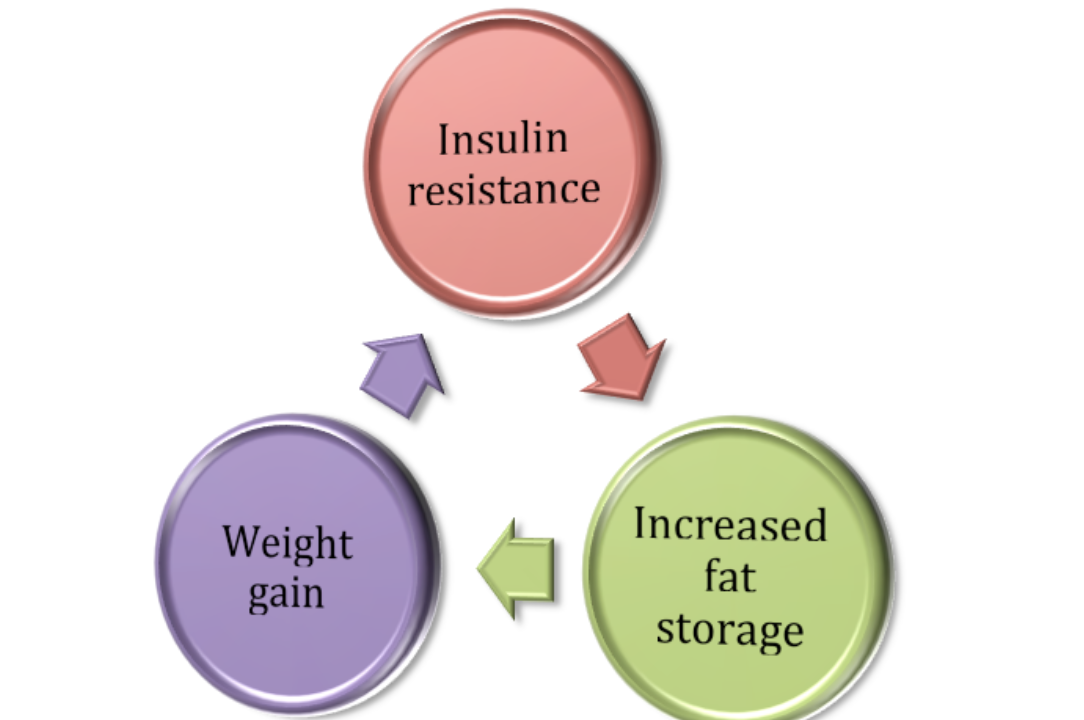
- Insulin resistance (your blood sugar stays too high)
- Low testosterone or estrogen
- High cortisol (your stress hormone stuck in overdrive)
If your scale won’t budge or your energy’s constantly crashing, hormones could be running the show.
Why Do Hormones Go Off Track?
Genetics aren’t the only trigger.
Common hormonal disruptors include:
- Chronic stress (hello, cortisol spikes)
- Menopause or andropause
- Poor sleep quality or erratic schedules
- Underlying metabolic conditions, like PCOS or thyroid issues
Picture this: after a sleepless week, you crave all the snacks, feel foggy, and struggle to recover from workouts. That’s your hormones on the front lines.
Real-World Impact: More Than “Just Willpower”
When hormones misfire, stubborn fat clings on—in spite of your efforts.
You might notice:
- Persistent cravings (especially for carbs or sweets)
- Energy dips that last all day
- Plateaued weight loss, regardless of diet tweaks
Research shows that leptin resistance is common in obesity, making fullness signals weaker just as you’re trying to eat less. High cortisol can pack fat around the belly, while low testosterone might zap muscle and motivation.
How Do You Spot a Hormonal Red Flag?
Calories matter, but so do symptoms that whisper something hormonal is off.
Watch for:
- Rapid weight gain or loss without obvious cause
- Ongoing fatigue, mood swings, or sleep problems
- Hunger that feels unstoppable—even after eating
“Cravings that just won’t quit aren’t about willpower—they’re often your hormones talking,” is a reality check worth remembering.
If your healthy habits aren’t moving the needle, these clues could mean it’s time for a deeper hormonal check-in.
An honest look at your symptoms, plus awareness of your risk factors, may reveal why diet-only strategies sometimes fail. Stubborn fat, high cravings, and frustrating plateaus aren’t just “laziness”—they’re often your hormones sending SOS signals.
Evidence-Based Interventions and Lifestyle Strategies
Cutting through the noise, sustainable weight loss always starts with a calorie deficit—but hormones can shape how tough that journey feels.
Tiny hormonal shifts in response to diet, stress, and sleep can either help or completely sabotage your efforts, so it’s critical to work with (not against) your biology.
Picture this: you’re hungry right after lunch, fighting off cravings. This isn’t just “weak willpower”—it’s usually ghrelin and leptin doing a hormonal tug-of-war.
Dietary Strategies That Work With Your Hormones
For many professionals, high-protein diets are a secret weapon:
- Suppress the hunger hormone ghrelin more than carbs or fats
- Help preserve muscle, boosting metabolism when calories drop
Stuck at a plateau? Remember, even successful weight loss lowers leptin levels, so maintaining your calorie deficit gets trickier as you go—try:
- Using meal prep apps to monitor intake
- Scheduling regular meals to stabilize appetite swings
Quotable: “Hormones don’t care about your spreadsheet—they care about your sleep, stress, and plate.”
Exercise, Sleep, and Stress: Impact on Hormones
Different types of movement affect hormone levels in unique ways:
- Resistance training (think weights or bands): Increases testosterone, preserves muscle, can lower belly fat
- Cardio (running, cycling, HIIT): Improves insulin sensitivity, supports heart health, reduces excess estrogen
Short on recovery? Chronic lack of sleep or high stress increases cortisol, which drives cravings and makes fat loss harder. Quick fixes:
- Prioritize at least 7 hours of quality sleep
- Use mindfulness or yoga to reduce daily stress surges
Sorting Hype from Science and Tech-Forward Tools
Be wary of “hormone reset” diets—they sound tempting, but peer-reviewed science just isn’t on their side. Most success stories come from calorie changes, not magic food lists.
Now, enter tech:
- Wearables (like Apple Watch or Fitbit): Track sleep and activity to spot patterns affecting hormones
- Biofeedback apps: Log symptoms and habits, helping you see the link between lifestyle and mood, energy, or cravings
When progress stalls for weeks despite doing everything right, it might be time to consult:
- An endocrinologist to check for hidden imbalances
- A registered dietitian for personalized tweaks
It all comes down to this—work with your biology, not against it. The best intervention is the one you can actually sustain, measuring progress not just by the scale, but by how much easier each day feels.
The Big Picture: Hormones, Genetics, and Sustainable Weight Management
Hormones and genes work together like a backstage crew, shaping your weight loss journey in ways you can feel—sometimes before you see results.
Think of hormones as the “traffic signals” for energy use, hunger, and fat storage, while your genetics set the road map. What works for one person may stall out for another thanks to this complex interplay.
Why No Single Hormone Acts Alone
There’s no magic lever for weight loss.
Instead, multiple hormones—like leptin, ghrelin, neurotensin, and insulin—team up or compete, driving appetite, cravings, and fat burn.
- Ghrelin rises after weight loss, ramping up hunger, especially after rapid dieting.
- Leptin drops with fat loss, lowering fullness cues—your brain shouts “eat” even when your jeans say “enough.”
- Adiponectin climbs as you lose weight, dialing up fat burning and improving insulin sensitivity.
“Most people struggling to keep weight off are actually battling hormonal counterstrikes, not a lack of willpower.”
Genetics Set the Boundaries—Environment and Habits Draw the Lines
Some people have a genetic blueprint for higher ghrelin or more active fat-storing pathways. Still, there’s plenty you can influence.
- Modifiable factors include sleep, stress, food choices, and workout routines.
- Non-modifiable factors are harder—think family history or rare hormone conditions.
- Successful strategies tailor interventions: if sleep is short, cortisol may rise, making cravings impossible to ignore.
Picture this: Two colleagues go on the same diet. One finds it (relatively) easy, while the other faces constant hunger and sluggish progress—genetics and hormones are calling the plays.
Lifestyle Wins, Hormones Adapt—What's Science Say?
Evidence still points to a calorie deficit as the main engine for weight loss, but how your body adapts is all about hormones.
- Appetite hormones like ghrelin and leptin defend your “set point,” leading to plateaus and rebounds.
- Sustainable habits (consistent sleep, high-protein diets, strength training) keep hormones—and results—moving in your favor.
- Medical therapies and surgeries exist but are typically last-resort or for specific hormone disorders.
Current studies find that losing just 5-10% of body weight can cut estrogen by 9–20% in postmenopausal women and boost adiponectin levels—real metabolic wins.
Your biggest edge? Approach weight loss as a system, not a single solution.
Reality Check and the Road Ahead
No single hack or “hormone reset” outsmarts physiology.
Instead:
- Track symptoms and progress (wearables, AI-driven apps) to get personal feedback loops.
- Seek expert input if weight stalls or unexplained fatigue hits.
- Stay up to date—research on gut hormones and genetic markers is unfolding fast.
The takeaway: Long-term results depend on working with your biology, not against it. Sustainable strategies blend science, self-awareness, and a willingness to adjust—making you the project manager for your own metabolic road trip.
Interpreting the Latest Research: Numbers, Trends, and What’s Next
Translating Breakthroughs for Busy, Data-Driven Readers
Let’s cut through the clutter—recent research is rewriting what we know about hormones and weight loss as we head into 2025.
The numbers are real: moderate weight loss of just 5-10% of your body weight—think 10-20 pounds for many adults—can spark dramatic shifts in your hormonal landscape.
Picture this: after weight loss, studies show
- Estradiol and free testosterone drop by 16-20%, especially in women
- SHBG (sex hormone-binding globulin) rises, helping lower active sex hormones linked to health risks
- Leptin levels fall (which often ramps up hunger), while adiponectin climbs, boosting metabolism and slashing inflammation
The Prevalence—and Pitfalls—of Hormone Resistance
It’s not just about what’s lost.
A surprising 80-90% of people with obesity have some form of leptin or insulin resistance—your body’s version of mixed signals that can make shedding pounds trickier than the calorie math suggests.
After major weight loss or bariatric surgery, ghrelin (“the hunger hormone”) often surges, which explains the new hunger games many face after dieting.
Short-term, appetite hormones shift fast; long-term, your body fights back with hormonal “adaptations” that can stall progress.
Can Real-Time Data and AI Give You an Edge?
Tech isn’t just hype—tools like continuous glucose monitors and AI-powered trackers are bringing hormonal trends to your pocket.
Try this:
- Use wearables to map post-meal hunger cues against steps, sleep, and stress
- Rely on AI-driven reminders to spot patterns in your weekly “craving spikes”
- Track tangible stats: How does your fasting horomone panel evolve as you lose weight?
“If you don’t measure, you’re just guessing.” Actionable insight: Start logging changes—not just pounds, but hunger, mood, and sleep—so you can see trends, not just numbers.
Navigating Hype Versus Hope
Here’s the honest bottom line—no single hormone or sensor explains every weight journey.
- Animal research sometimes gets headlines, but results rarely translate 1:1 to humans
- Small human trials show promise; larger studies highlight individual variability you can’t ignore
- Genetics, lifestyle, and even tech engagement all tweak your hormonal “dashboard”
The most shareable truth? “Sustainable change happens when you combine real-world tracking, evidence-based habits, and a dash of patience.”
For anyone feeling stuck: measure what you can, watch for trends, and focus on steady progress over perfection—that’s what the science, and your data, really say.
Conclusion
Understanding how hormones shape weight loss isn’t just a science lesson—it’s a game-changer that lets you play smarter, not just harder, with your own biology. Real progress happens when you tune in to your body’s signals and make your habits work with, not against, your hormonal “traffic lights.”
You’re not at the mercy of willpower or vague diet rules—clarity on hormones means you have new levers for real, lasting change.
Key takeaways you can use right away:
- Prioritize high-protein meals to minimize hunger spikes and keep metabolism steady.
- Track cravings, energy, and mood alongside the number on the scale—these are your early warning signs of hormonal pushback.
- Sleep and stress management aren’t add-ons—they’re make-or-break tools for keeping cortisol and appetite hormones in check.
- Leverage tech tools—from simple food diaries to wearables—to uncover your unique patterns and trigger points.
- Don’t ignore persistent symptoms—if plateaus or chronic fatigue continue, consult a professional for a deeper dive.
Here’s how to put this knowledge into action starting now:
- Log your meals and hunger cues for the next week. Watch for patterns that relate to sleep, stress, or protein.
- Experiment with meal timing—smaller, regular meals can help balance energy and appetite signals.
- Set a realistic goal: Focus on losing 5-10% of your current weight, then check in on how your body and mind respond.
- Try a wearable or biofeedback app to take your awareness into the data-driven zone.
When you align your habits with your hormonal roadmap, every smart step creates compounding returns.
Remind yourself: “Your biology isn’t the enemy—when you work with it, sustainable change becomes possible.”
Own your process, keep adapting, and let science keep fueling your progress. The path to results isn’t a mystery anymore—you’re the driver, and now, you know which signals to follow.