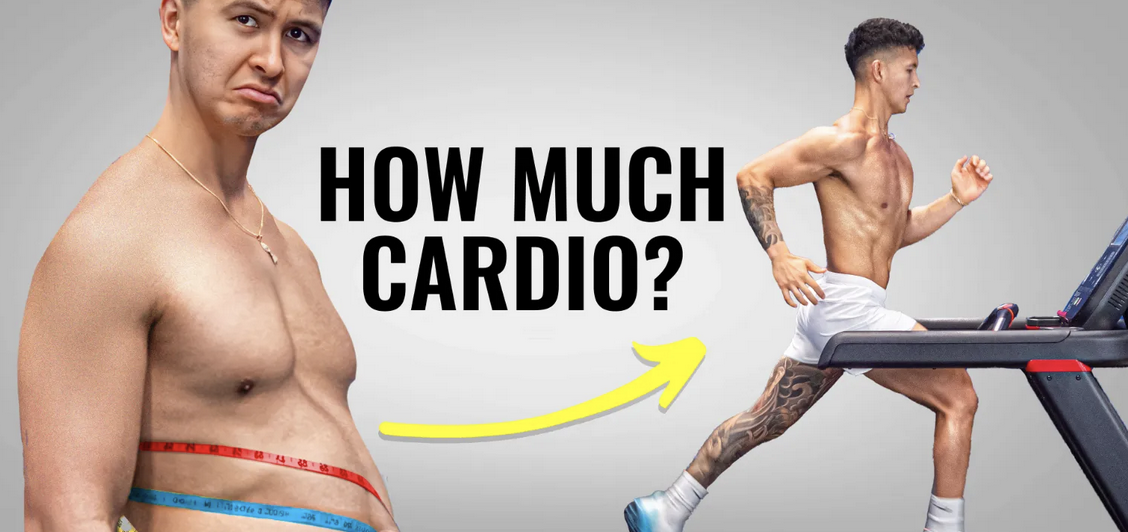
Key Takeaways
Ready to make cardio work for you in 2026? Here’s everything you need to know, fast. These scannable insights distill the latest science and real-world strategies so you can torch calories, stay motivated, and actually enjoy the journey—whether you’re a newcomer or a seasoned pro. Let’s get right to what works.
- Cardio is your fat-burning engine—aim for 150 minutes of moderate or 75 minutes of high-intensity cardio weekly for proven weight loss results.
- HIIT packs maximum efficiency, letting you burn the same calories in 20–30 minutes as an hour of steady jogging—plus, afterburn keeps your metabolism revved for up to 24 hours.
- Smart workout choices matter: top calorie-torchers include jump rope (600 cal/hr), running/sprinting (480–570 cal/hr), and rowing/cycling (420–622 cal/hr)—choose based on your schedule and gear.
- Mix cardio with strength training to protect muscle and double your fat-loss impact—try pairing cardio days with resistance or weights for results you’ll see and feel.
- Fuel and hydrate for success: eat a moderate, carb-rich meal 1–2 hours before cardio and refuel with protein and complex carbs post-workout to boost recovery; stay hydrated to maintain peak performance.
- Leverage technology to track progress: wearables and fitness apps now measure calories, EPOC, recovery, and more—tracking turns every session into actionable data and motivates consistency.
- Personalize your routine for long-term sustainability: focus on activities you enjoy, set specific, trackable goals, and use community support or accountability partners to make cardio a lifestyle, not a chore.
- Embrace variety and recovery: rotate formats (HIIT, running, class, cycling) and listen to your body—consistency, not exhaustion, is the secret to lasting results.
Apply these strategies today to power up your fat loss, avoid burnout, and make your cardio routine something you’ll want to keep up long after 2026. Ready to optimize your next workout? Dive into the full article for detailed tips, pro scenarios, and the latest cardio breakthroughs!
Introduction
Did you know the right cardio workout can help you burn up to 600 calories in under an hour—without chaining yourself to a treadmill or losing your lunch break?
If you’ve ever set out to lose weight, you know the struggle isn’t commitment—it’s knowing which routines actually deliver results. Maybe you’re juggling meetings, managing deadlines, or following the latest AI trends, and squeezing fitness into your busy life feels nearly impossible.
Here’s the good news: 2026 is overflowing with smarter, tech-powered ways to get leaner—faster, and more efficiently than ever before.
What does that mean for you, as a tech-savvy professional or digital creator? It means you don’t have to run endless miles (unless that’s your thing). Instead, you’ll discover:
- The most effective cardio workouts ranked by calorie-burn and time efficiency
- How to match routines to your schedule, fitness level, and gear
- The science behind why HIIT and other cutting-edge methods work better for busy lifestyles
- Real-world strategies for making cardio sustainable—think motivation hacks, smart nutrition, and next-level tracking tools
No vague platitudes or alphabet-soup advice—just actionable picks, practical tips, and evidence-backed insights that respect your time.
Whether your goal is shedding pounds, boosting midday focus, or sticking to a healthier routine (without burning out), you’re about to find out how simple—and empowering—the right cardio strategy can be.
Let’s look at why cardio is still king for weight loss in 2026, and exactly how you can make it work for your goals, your life, and your favorite tech.
Why Cardio Is Essential for Weight Loss
If you're serious about losing weight in 2026, cardio needs a starring role in your routine.
Cardio—short for cardiovascular exercise—includes any activity that raises your heart rate, gets you breathing heavier, and mobilizes big muscle groups.
We're talking running, cycling, jumping rope, swimming, even high-intensity dance or martial arts.
The Science of Burn: Calories, Fat Loss, and Afterburn
Here's the trick: Every cardio session burns calories—that’s energy your body has to pull from stored fuel (yep, that means fat).
Want specifics? Depending on your size and intensity, you’ll torch 200–800 calories per session.
What’s more, certain cardio methods unlock the metabolic “afterburn” (EPOC), meaning you burn extra calories for up to 24 hours after finishing HIIT or sprints.
Think of your metabolism as a fireplace. The right kind of cardio “throws in extra logs,” so the fire keeps going long after your workout wraps.
How Long and How Hard? The Latest Research for 2026
Stop thinking you need endless miles on the treadmill.
Experts now recommend:
- 150 minutes of moderate cardio/week
- OR 75 minutes of high-intensity cardio/week
- Spread over 4–5 sessions (that’s 30 minutes a day—totally doable with a busy schedule)
Two numbers to memorize: “20 minutes of hard HIIT = 40–60 minutes of steady jogging.”
Cardio + Nutrition: The Winning Combo
Burning calories is only half the story.
Pair that with:
- A slight calorie deficit through smart eating
- Protein for muscle repair
- Consistent hydration for performance
This combo is what creates real, sustainable fat loss—without crash diets or burnout.
Busting the Biggest Cardio Myths
You don’t need to become a cardio machine, nor does one size fit all.
Let’s dispel a few classics:
- You do not have to do hours of cardio daily (in fact, that’s a fast track to burnout)
- Short, intense routines (HIIT, sprints, intervals) can produce equal or better fat-loss results in half the time
- Progress matters more than perfection; fitness watches and apps make tracking wins easier than ever in 2026
Cardio for Newbies vs. Pros
Picture this:
- Beginners: Start small—think walking, low-impact cycling, or short intervals. Build up as stamina rises.
- Seasoned athletes: Add intensity, new formats (like live-stream HIIT or smart rowers), and extended intervals for challenge.
Don’t compare your Chapter 1 to someone else’s Chapter 10.
Self-assess each week and tweak frequency or duration for progress—not punishment.
Whether your goal is “ditch the 2 p.m. slump” or “see visible abs,” cardio is your metabolic Swiss Army knife.
Start where you are, show up consistently, and let each session build your body’s fat-burning engine.
That’s your real secret weapon for weight loss, no matter what innovations 2026 brings.
Ranking the Most Effective Cardio Workouts for Weight Loss
Finding the most effective cardio workout in 2026 comes down to one word: efficiency.
If you want maximum fat-burning power, prioritize workouts ranked by how many calories they can torch—in 30–60 minutes, these top picks can burn 400 to 600+ calories for most adults.
High-Calorie Burn, Full-Body Engagement: The Big Winners
- Jump Rope: Up to 600 calories/hour. Fast, portable, and targets legs, abs, and shoulders.
- Running/Sprinting: 480–570 calories/hour. Use sprint/jog intervals (20–30 sec sprint, 1 min jog, repeat 5–10x) for max burn.
- Rowing/Cycling (Stationary Bike): 420–622 calories/hour. Great for low-impact, full-body work—perfect for anyone avoiding joint strain.
- Swimming: 400–580 calories/hour. The “gravity-fighter”—you’ll engage every muscle, all while floating.
- HIIT Circuits: 390–580+ calories/hour, thanks to short bursts (30 sec on, 15 sec off, 20–30 minutes total). EPOC means your body keeps burning calories long after the workout’s over.
BIG takeaway? “You can burn the same calories in 20–30 minutes of HIIT as an hour of jogging. Let that efficiency sink in.”
Matching Workout to Preference, Level, and Gear
Picture this: You’re pressed for time, but you want the best results.
- Choose jump rope or HIIT for short, powerful sessions at home or in the gym.
- Love being outdoors? Put on your running shoes or try cycling, then track your burn with a smartwatch.
- Prefer team support? Join an indoor rowing or swimming class, or check out group boxing/Kickboxing for high motivation.
Key stat: “Twenty minutes of focused HIIT rivals 40–60 minutes of moderate cardio. Your calendar just cheered.”
Blending Strength with Cardio: Modern Favorites
Some workouts double-dip: they blend cardio burn with strength.
- Kickboxing/Boxing: 430–610 calories/hour. Combine strength with agility—30 sec punches or kicks, 15 sec rest.
- Stair Climbing/Elliptical: 250–500 calories (30 min) and builds lower-body power.
- Focus on good form to prevent injury—gradual intensity wins.
Visual cue: Imagine sweat flying while you jab, duck, and climb your way to a leaner physique—no fancy equipment required.
In a world packed with choices, let your favorite movement pick your path. By focusing on workouts that fit your style and burn the most calories in your available time, you’ll get results you’ll be sharing long past 2026.
Designing an Effective Cardio Routine for Weight Loss
Picture this: you want to burn fat, boost energy, and actually enjoy the process.
That’s only possible if your cardio plan fits your schedule and goals—while being easy to stick with week after week.
The best routines in 2026 are built around three essentials: consistency, variety, and tracking progress (yes—your smartwatch or favorite app counts as a secret weapon).
Frequency, Intensity, and Duration: Finding the Right “Dose”
The current gold standard is 4–5 days per week of cardio, aiming for 75–150 minutes split by intensity.
You don’t need marathon sessions. Instead, match your routine to your experience:
- Beginners:
- 2–3 days/week
- 20–30 minutes/session
- Moderate pace (think brisk walk, gentle cycling)
- Intermediate:
- 3–4 days/week
- 30–45 minutes/session
- Mix in intervals or tempo workouts
- Advanced:
- 4–5 days/week
- 40–60 minutes/session
- Incorporate HIIT or challenging steady-state sessions
Listen to your body: fatigue, declining performance, or nagging soreness signal it’s time to dial things back.
“You can’t out-train inconsistency—consistency is your true fat-burn multiplier.”
Integrating Cardio with Strength Training
Want next-level results? Combine cardio’s calorie-torching with strength training to preserve lean muscle.
Try this weekly pairing for maximal impact:
- Example Mix-and-Match Week:
- Mon/Wed/Fri: Cardio (run, cycle, HIIT)
- Tue/Thu: Strength (weights, resistance bands, bodyweight)
- Sat/Sun: Optional light cardio or full rest
Studies show blending both methods leads to greater fat loss—not just lower scale numbers.
“Muscle is your metabolic engine—keep it humming with resistance work.”
Safety, Recovery, and Avoiding Burnout
Staying injury-free means playing the long game.
Prioritize:
- Warm-ups: 5–10 minutes to prep your body
- Cool-downs: Gentle movements and stretches to aid recovery
- Active recovery days: Yoga, easy walking, light mobility work
Use tech to track fatigue (HRV, steps) and celebrate hitting smart goals, not just extreme ones.
If you feel worn down, sore, or not improving, it’s time to modify intensity or rest. Remember: progress comes from recovery too.
“Burning out helps nobody—rest is not a detour, it’s part of the journey.”
A routine that fits your life, mixes up cardio and strength, and values recovery sets you up for real, resilient fat loss—without sacrificing sanity or time. That’s the kind of plan you’ll actually follow when 2026 rolls around.
Fueling and Tracking for Better Cardio Results
Creating real, lasting change with cardio isn’t just about killer workouts—it’s about supporting those sweat sessions with smart nutrition and dialed-in self-monitoring.
If you’re looking for that leaner, fitter look in 2026, the magic happens when you combine targeted fueling and tracking the right data—not just winging it and hoping for the best.
“Think of your body like a high-performance engine: it’ll burn cleaner and run faster when you use the right fuel, monitor your dashboard, and make key tweaks along the way.”
Nutrition Strategies to Maximize Burn and Recovery
Studies show a slight calorie deficit—200 to 500 calories below your daily burn—supercharges fat loss from cardio.
- Aim to eat 1-2 hours before cardio for max energy, but keep meals moderate and carb-focused (think oatmeal with berries or a banana and nut butter).
- Refuel with lean protein and complex carbs within 45 minutes post-workout; a simple protein shake or Greek yogurt with fruit does the trick.
- Hydration is a silent champion. Even a 2% drop in body water can zap your performance and slow fat burning, so keep a water bottle within reach before, during, and after every session.
A picture-perfect scene: You finish a HIIT run, reach for chilled coconut water, and know you’re not just burning calories—your recovery is already underway.
Using Technology: Wearables, Apps, and Smart Equipment
In 2026, tapping into digital tools isn’t optional—it’s your personal accountability system. Your smartwatch or phone can literally turn you into a fat-loss superhero (if you actually use it).
There’s a tech option for every personality:
- Apps like MyFitnessPal, Strava, and Apple Fitness+ make calorie logging and step-counting seamless.
- Advanced features on wearables (think Garmin, Fitbit, Whoop) now track EPOC, sleep score, and recovery readiness—so you can optimize both effort and rest.
- Even tech-cautious readers can benefit: a $15 pedometer can transform your daily motivation if you just clip it on and check it nightly.
Shareable tip: “If you can track it, you can improve it. Don’t just work out—watch your progress grow, day by day.”
When in doubt, step onto the treadmill and let the data shape your next move.
One key takeaway? Marrying smart fueling with the right tracking tools makes your cardio truly effective—helping you burn more fat, recover quicker, and stay motivated for the long haul.
Making Cardio Sustainable: Motivation, Enjoyment, and Lifestyle Fit
Cardio only works long-term if you actually want to show up for it. The best cardio routine is the one you’ll genuinely look forward to, whether that’s sunrise runs or a VR boxing class with coworkers.
For busy professionals, passion beats discipline every time. Picture this: you’re glancing at your calendar and actually feeling curious about tonight’s class instead of dreading it. Enjoyment fuels consistency.
Personalizing Cardio for Maximum Engagement
Finding your “fun factor” matters more than chasing trends. There’s no shame in loving a classic brisk walk—just as interval sprints or dance cardio could be your thing. Ask yourself:
- Which workouts match my energy after work—low-key or high-octane?
- Do I want social interaction (group ride, class) or solo focus (treadmill, cycling apps)?
- What fits my schedule: quick 20-min HIIT, or a long weekend rowing session?
Set specific, trackable goals: Instead of “get fit,” try “do three 30-minute sessions this week.” Small milestones add up quickly.
Gamify your process—fitness apps reward streaks, smartwatches ping with badges, and leaderboards keep it interesting. Celebrate every win, however small.
Social Support and Accountability
Community is your secret weapon. Studies show people are up to 42% more likely to stick with workouts when supported by friends or a group.
Boost your odds with these tactics:
- Join a local running crew, online cycling class, or gym challenge
- Share your progress via group chats, fitness apps, or work Slack channels
- Pair up with a friend or colleague for scheduled sessions—accountability partners work wonders
Don’t underestimate virtual clubs or even sharing weekly step counts—these micro-connections transform “should” into “want to.”
Mixing It Up: Preventing Boredom and Plateaus
Repeat anything long enough, and it gets stale. Variety breaks plateaus and stops your mind from wandering mid-workout.
Shape your week like this:
- Swap in different formats: Monday jog, Wednesday swim, Friday HIIT
- Test new classes: kickboxing, stair climbing, or even a trending VR workout
- Adapt with the seasons—outdoor running in spring, indoor rowing in winter
Sticking with the same old routine? Challenge yourself: try a new playlist, switch from solo to group, or race against your best time.
In the end, motivation thrives where enjoyment and accountability intersect. When your cardio routine feels less like a chore and more like a lifestyle, progress follows—one session (and one playlist) at a time.
Conclusion
When it comes to shedding weight and boosting your energy in 2026, the smartest cardio strategy is the one you’ll actually love and stick with—not the one burning up your willpower every week.
The power is in your hands: technology, research, and smarter routines mean you can make real changes without sacrificing your schedule or sanity. Let your workouts fit your lifestyle—not the other way around.
Take these immediately actionable moves to jump-start your progress:
- Pick a cardio activity that excites you—whether that’s sprints, swimming, or a dance class, enjoyment drives consistency.
- Set a clear weekly schedule—aim for 4–5 sessions of 20–40 minutes, with at least one day focused on higher intensity or intervals.
- Track your efforts using tech—a fitness app or smartwatch will turn small wins into streaks and keep your motivation front and center.
- Pair every workout with smart fueling and recovery—hydrate, eat for your goals, and never skip warm-ups or cool-downs.
- Bring in social accountability—grab a friend, join a group, or challenge your office in a weekly leaderboard.
Ready to take action?
- Open your calendar and lock in this week’s cardio sessions.
- Sync your favorite app or tracker for instant feedback.
- Invite a colleague, friend, or online buddy to join a session—or just message someone your commitment.
Fat loss and fitness don’t belong to the most extreme; they belong to the most consistent.
Start where you are, have fun with the process, and remember—every session is a vote for the future you’re building.
Stay curious, stay consistent, and let 2026 be the year your cardio habit changes everything.