Key Takeaways
Understanding macronutrients is a game-changer for efficient, sustainable weight loss—it's not just about cutting calories, but about spending your calorie “budget” wisely. Here are the actionable, expert-backed strategies you'll want to keep front and center:
- Prioritize protein for sustainable fat loss—aim for 1.2–1.6 grams per kg of body weight to preserve muscle, boost fullness, and keep your metabolism humming.
- Emphasize high-fiber, whole-food carbs like vegetables, legumes, and whole grains for steady energy, reduced cravings, and better long-term results.
- Include healthy fats at every meal to support hormones, satiety, and brain power; opt for sources like olive oil, avocado, nuts, and fatty fish.
- Balance your macro split to fit your lifestyle—most succeed with 25–30% protein, 40–50% carbs, and 20–30% fat, but personalize based on your energy and preferences.
- Use simple portion cues (palm, thumb, fist) and tech tools like MyFitnessPal for easy, on-the-go macro tracking—think “visual plate,” not spreadsheet stress.
- Troubleshoot plateaus by checking actual intake (watch for “liquid calories” and sneaky fats), adjusting your calorie target, or slightly boosting protein and fiber.
- Adapt macros for real life—tweak your approach for busy schedules, social events, and changing routines, focusing on consistency over perfection for lasting progress.
Curious to level up your results and avoid macro mistakes? Dive into the full guide for step-by-step playbooks, customization tips, and smarter meal strategies tailored for tech-driven lifestyles!
Introduction
Ever tracked your calories like it’s a spreadsheet—only to wonder why the results don’t add up? Maybe you’ve cut out entire food groups, or tried a viral “macro hack” that fizzled once real life (or late-night cravings) hit.
Here’s the twist most people miss: the “macro split”—how you balance protein, carbs, and fats—is the real driver behind how you feel, perform, and actually stick to any weight loss plan. It’s not just about eating less; it’s about eating smarter.
Tech-savvy professionals like you know a good system beats random effort—and nutrition is no different. Understanding macronutrients lets you:
- Preserve muscle and keep your metabolism firing (think: more energy, less hunger)
- Cut cravings and make healthy eating sustainable—even on deadline days or business trips
- Personalize your approach so weight loss doesn’t demand perfection, just consistency
Forget “one-size-fits-all” advice. The right macro ratio isn’t about chasing trends—it’s about engineering a plan that fits your life, not the other way around. What if upgrading your plate could be as efficient as optimizing your workflow?
We’ll break down the fundamentals so you can:
- Spot the most common macro mistakes before they slow your progress
- Build meal templates you can “copy-paste” on busy days
- Use macro tracking tools (or simple visual cheats) to remove the guesswork
- Customize for your unique needs—whether you’re fueling late-night projects or recovering from a workout
Think of this guide as your blueprint for making every calorie work harder.
As you read on, you’ll discover how to unlock new levels of energy, satisfaction, and results—without the frustration of rule-heavy diets.
Ready for a practical, data-driven playbook that respects your time and your real life? Let’s start with the underrated science of macronutrients, and why it’s the real leverage point for sustainable weight loss success.
The Fundamentals of Macronutrients in Weight Loss
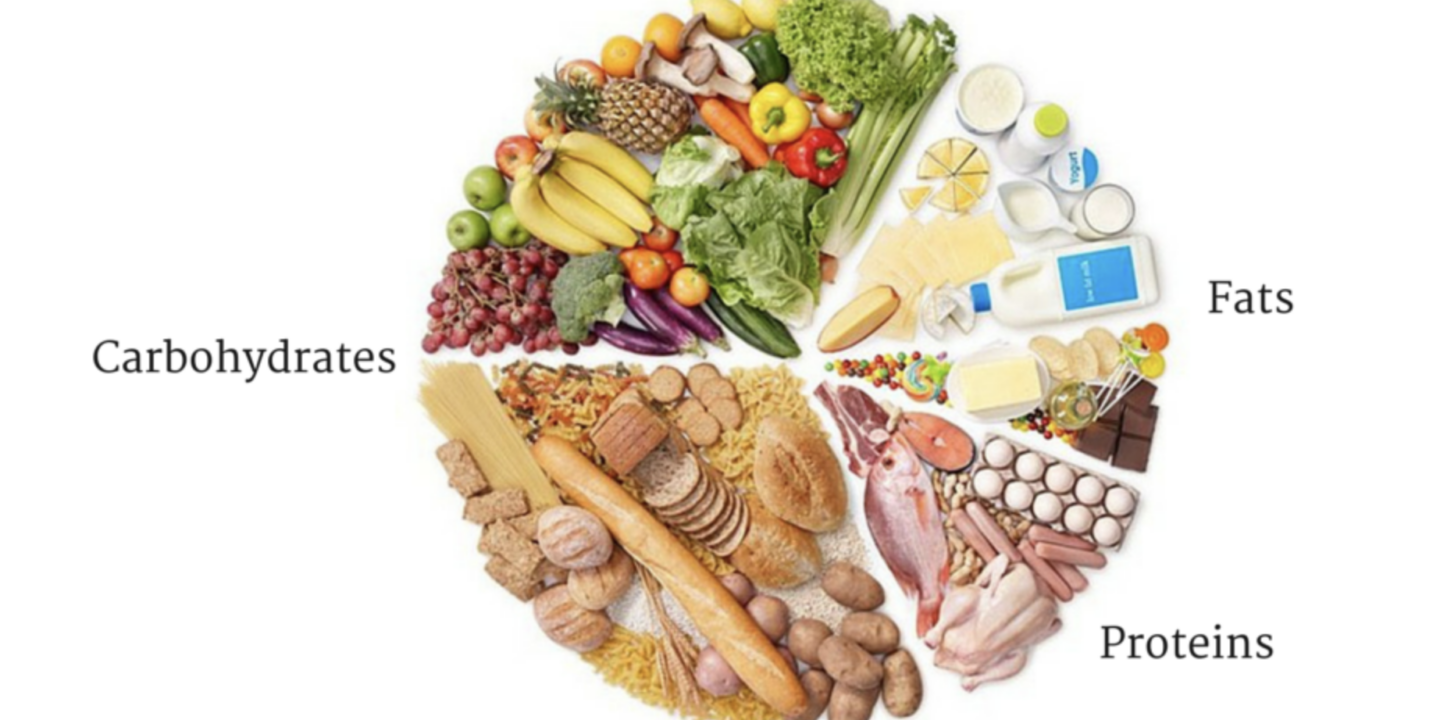
When it comes to weight loss, macronutrients—protein, carbohydrates, and fat—are your nutrition foundation. Each plays a distinct role in how your body feels, functions, and burns calories.
Macronutrients provide energy, measured in calories, and keep your systems running smoothly.
- Protein fuels muscle and repairs tissue
- Carbohydrates supply quick energy for your brain and daily activity
- Fat supports hormones and long-term fuel
Micronutrients, like vitamins and minerals, support health but don’t provide energy directly.
Calories: The Budget, Macros: The Spending
Think of your daily calorie target as your budget—it’s the bottom-line number that determines whether you lose or gain weight.
But how you “spend” those calories—meaning your macro split—shapes the experience:
- Protein helps you feel fuller and preserves muscle, even when in a deficit
- Carbs keep your brain sharp and workouts strong
- Fats make meals satisfying and drive hormone health
Picture this: two people eat the same calories, but one gets enough protein while the other doesn’t. The first keeps more muscle, feels less hungry, and powers through the day.
“The calorie deficit is non-negotiable for weight loss, but the right macro balance makes the process feel doable—not miserable.”
Myths, Macro Diets, and What Actually Works
Let’s clear the air: there’s no single macro that magically melts fat. Claims like “low-carb torches belly fat” or “high-fat burns more calories” often oversimplify what research shows.
- Low-carb, high-protein, low-fat—the diet buzzwords each have a moment in the spotlight
- Studies show when calories are equal, weight loss is similar no matter which macro dominates
What changes is how you feel:
- Macro balance influences hunger, energy, and how easy it is to stick with a plan
- The best approach is a macro split that matches your life—think “personal recipe,” not “universal formula”
Real talk: You can’t hack your way out of the laws of thermodynamics, but you can make them work for you.
Key takeaway: Nail your calorie deficit, then experiment with macro balance to find what keeps you full, energized, and moving toward your weight loss goals.
Protein: The Power Player in Fat Loss
Protein is your ultimate secret weapon for sustainable fat loss. While cutting calories is step one, prioritizing protein is how you keep your energy, maintain muscle, and actually enjoy your results.
Eating enough protein helps preserve lean muscle—crucial for keeping your metabolism from slowing as you lose weight. Picture this: if you slash calories without protein, your body burns not just fat, but muscle too. That means feeling tired, losing strength, and stalling your fat loss progress.
Satiety, Calorie Burn, and Why Protein Works
Protein is the most satisfying macronutrient by a mile. Meals higher in protein leave you full longer, cut cravings, and make it much easier to stick to your plan.
- Satiety power: Research shows high-protein diets reduce appetite and help prevent late-night snacking.[2][3][7]
- Thermic boost: About 20–30% of your protein calories are burned just from digestion—way more than carbs (5–10%) or fats (0–3%).
That’s why adding protein is like putting your body's calorie-burning on autopilot.
How Much Protein Do You Need?
- Sedentary adults: ~1.2 g/kg body weight (think: 84g/day for a 70kg/154lb person)
- Active or dieting: 1.2–1.6 g/kg (often 25–35% of daily calories)[2][3][6]
- Athletes or lean individuals: Closer to the high end of the range
Imagine a tech professional weighing 160 pounds, aiming for ~90–115g of protein daily—about a palm-sized serving with every meal.
Where to Get Your Protein (and What to Watch For)
Quality counts. Mix up animal and plant-based sources for the best nutrient profile.
- Animal-based: Chicken breast, turkey, lean beef, eggs, Greek yogurt, seafood
- Plant-based: Lentils, tofu, tempeh, edamame, beans, seitan
Pro tip: Vegan? Combine several sources to hit your targets—think tofu scramble for breakfast, lentil salad for lunch.
Myths, Mistakes, and Real Talk
Worried about protein hurting your kidneys? No evidence—unless you have preexisting kidney disease. High intake is widely considered safe for healthy adults.
Biggest mistake? Slashing calories without increasing protein—this tanks energy and sacrifices muscle. Or, relying on “protein bars” that are mostly sugar.
Investing in protein is like upgrading your tech stack: it makes every other tool (macro) work better. The key: hit your daily protein goal first, then plug in carbs and fats. This simple shift rewires your results, helps you stay full, and makes weight loss far more sustainable—no hacks required.
Carbohydrates: Quality, Quantity, and Weight Management
Carbohydrates are your body’s go-to energy source, especially for your brain and muscles.
But here’s the catch—not all carbs deliver the same results for your waistline, energy, or long-term health.
Why the Type of Carb Matters
Picture this: a bowl of steel-cut oats versus a sugary donut.
Both are “carbs,” but the difference in fiber, nutrients, and blood sugar impact is striking.
- Whole, high-fiber carbs (like vegetables, legumes, whole grains, and fruit) help:
- Boost fullness
- Keep blood sugar steady
- Support gut health
- Refined carbs and added sugars (think white bread, pastries, soda) tend to:
- Spike and crash your energy
- Trigger cravings
- Undercut your weight loss in the long run
“Eating more fiber can help you feel full with fewer calories—think of fiber as your nutritional secret weapon.”
The Fiber Factor: Small Change, Big Result
Most adults get less than 16 grams of fiber daily, but the sweet spot for weight management is often 25–35 grams.
Easy fiber-boosting tweaks for busy schedules:
- Swap white rice for quinoa or brown rice
- Add berries or chia seeds to breakfast
- Keep roasted chickpeas or cut veggies for snacks
Small upgrades like these support steady energy and help prevent snacking spirals.
Low-Carb and Keto: Headlines Versus Real Life
You’ve seen the transformations: keto, low-carb, or carb-cycling is everywhere.
Here’s what the data actually says:
- Low-carb and keto can help with short-term weight loss, but when calories are matched, results are similar to higher-carb diets over 12 months.
- Best candidates: People with strong carb cravings, insulin resistance, or a preference for rich, savory foods sometimes feel and stick with low-carb more easily.
For most, a flexible approach—balancing carbs to your routine—tends to last longer.
Optimizing Your Carbs: Timing, Tailoring, and Busting Myths
How you structure your carb intake can make a difference:
- If active, time most carbs around workouts for energy and recovery
- Use carb cycling (alternating higher and lower carb days) for variety and satisfaction
- On low-activity days, emphasizing veggies and legumes keeps calories in check
And those myths?
- Carbs don’t “make you fat”—excess calories do
- Eating carbs at night? Studies show it’s about total daily intake, not the clock
“Smart carb choices keep your energy up and curb cravings, without strict off-limits rules.”
The key takeaway: Prioritize quality over quantity—load up on high-fiber, whole-food carbs most of the time, experiment with your timing, and let your energy and results guide your adjustments. It’s about making carbs fit your life, not fighting against them.
Fats: Friend, Not Foe, in Sustainable Diets
Essential Roles of Dietary Fat
Dietary fats aren’t just fuel—they’re VIPs for your health.
- They’re crucial for hormone production, keeping your mood, appetite, and metabolism on track.
- Fats help your body absorb vitamins A, D, E, and K (aka the “fat-soluble” vitamins).
- Your brain is nearly 60% fat; healthy fats help keep you sharp and focused.
Picture this: skipping out on fat is like running your laptop with half the RAM—you’ll notice the lag.
Types of Fats and Best Choices
All fats aren’t created equal. Navigating the options gets easier when you know what’s what:
- Saturated fats: Mostly found in red meat, butter, coconut oil. OK in moderate amounts, but best not to overdo.
- Monounsaturated fats: Olive oil, avocado, nuts. Heart-healthy and versatile—add these liberally.
- Polyunsaturated fats: Fatty fish (salmon, sardines), walnuts, sunflower seeds. Rich in omega-3s, which support brain and heart health.
Think about your next salad: a drizzle of olive oil and a sprinkle of walnuts, and you’re feeding your brain and your taste buds.
Fat, Satiety, and Enjoyment
Here’s something most diets won’t tell you: Fat makes meals satisfying.
- Fats slow down digestion, keeping you fuller for longer and limiting cravings.
- Little pleasures—a few slices of avocado, a handful of roasted almonds—can make sticking to your plan a lot more doable.
“You’re not hungry… you’re under-fatted.” Share that with a friend next time they’re hangry on a light salad.
Rethinking Fat Phobia and Portion Control
“Fat phobia” created a generation of dry sandwiches and unsatisfying dinners—and research shows ultra-low-fat diets are rarely sustainable.
- Successful diets include a balanced amount of healthy fats for energy, satisfaction, and adherence.
- Because fat is dense (about 9 calories per gram, more than double protein or carbs), staying mindful of portions keeps you on track.
Visual cues: Use your thumb as a guide—one thumb-size portion of oils or nut butter per meal is a simple, effective strategy.
Your best fat game plan? Prioritize plant oils, nuts, seeds, avocado, and fish—and let fat make your healthy habits enjoyable, not restrictive. If every meal has some color, fiber, and a little healthy fat, you’re fueling for long-term success, not just short-term loss.
Building Your Macronutrient Split: Does Ratio Matter?
When it comes to weight loss, one truth stands tall: you need a calorie deficit—consume fewer calories than you burn.
But here’s the twist—how you split your protein, carbs, and fat (your macros) makes a huge difference in how you feel, perform, and stick to your plan.
What the Evidence Says—And Why It Matters
Decades of research show that while calorie deficit drives fat loss, your macro split can make or break your experience.
Large-scale studies (including a 2‑year trial of 800+ people) found no significant difference in weight loss between low-carb and low-fat diets when total calories match.
But the right balance helps you:
- Curb cravings
- Maintain energy levels
- Preserve lean muscle
In other words: “Calories decide if you lose weight, but macros decide if you want to keep going.”
Macro Ratios in Real Life: What Actually Works?
Most successful fat loss diets land in these sweet spots:
- Protein: 25–30% of calories (roughly 1.2–1.6 g/kg body weight)
- Carbs: 40–50% of calories, with a focus on high-fiber, minimally processed sources
- Fat: 20–30% of calories, ideally from unsaturated fats
Picture this: A standard 1,800-calorie day with 30% protein, 45% carbs, and 25% fat might look like:
- Chicken breast + brown rice bowl (lunch)
- Greek yogurt parfait with berries (snack)
- Salmon with quinoa and veggies (dinner)
Personalization Beats Perfection: Don’t Ignore Your Needs
One-size-fits-all macro splits crash fast—here’s why.
Your age, activity, metabolism, preferences, and goals all tweak your “best fit.” You might shift to higher carbs for endurance sports, or emphasize protein if trying to gain muscle or preserve lean mass on a cut.
- Vegans: more plant-based proteins, healthy fats from nuts/seeds
- Busy professionals: prioritize easy, portable mixes (think Greek yogurt + fruit, or protein bars)
- Night owls: meal timing can help control nighttime cravings
Flexibility Wins: How to Find Your Macro Sweet Spot
Rigid macro rules can crush motivation. The real secret? Pick a macro split that fits your lifestyle, keeps you satisfied, and is sustainable.
- Test a “template” (like 30/45/25 or 25/40/35)
- See how you feel: satiety, energy, mood
- Adjust every couple of weeks as needed
“Macro balance is like customizing your playlist—you want what works for your unique rhythm, not someone else’s.”
Making the numbers work for your tastes, schedule, and goals is what keeps weight loss doable, not dreadful. The most effective macro split is the one you’ll actually follow, day after day—with results that stick.
Setting Practical Macro Targets: A Step-by-Step Playbook
Start With Your Maintenance Calories
If you want to dial in your macros for sustainable weight loss, your first step is finding your maintenance calories—the number you need to stay at your current weight.
You can use an online calculator like TDEECalculator.net, or estimate with this formula:
- Men: 10 × weight (kg) + 6.25 × height (cm) – 5 × age (years) + 5
- Women: 10 × weight (kg) + 6.25 × height (cm) – 5 × age (years) – 161
Pro tip: Subtract 500 calories/day for a steady 1-pound-per-week loss. “Your calorie budget is the fuel for your results.”
Set Your Protein, Carb, and Fat Numbers
Now split your calorie budget into macros that actually work for your body and lifestyle.
A common, research-backed split for fat loss:
- Protein: 25–30% of calories (or 1.2–1.6 g/kg body weight)
- Fat: 25–30% of calories (or 0.6–1.0 g/kg)
- Carbs: Fill the rest with high-fiber, minimally processed carbs
Picture this: You weigh 70 kg (154 lbs), have 1,800 calories/day, and shoot for 30% protein.
- Protein: 540 calories = 135 g (1 g protein = 4 cal)
- Fat: 540 calories = 60 g (1 g fat = 9 cal)
- Carbs: 720 calories = 180 g (1 g carb = 4 cal)
“Think of your macros as the ‘spending categories’ in your calorie budget.”
Visual Portion Hacks and Easy Tech Tools
Tech-savvy, but don’t love obsessing over numbers? Use simple portion cues:
- Protein: Palm-sized per meal
- Carbs: Cupped hand
- Veggies: Fist
- Fat: Thumb
Apps like MyFitnessPal or Cronometer make tracking nearly effortless, but just eyeballing these hand guides—especially when eating out—can keep you on track.
“See your plate as a pie chart, not a spreadsheet.”
Adjust and Transition as You Go
If you’re stuck or hungry, tweak your macros before slashing calories:
- Bumping protein or fiber can tame hunger
- Reducing carbs or fats slightly can jumpstart stalled loss
- Feeling low on energy? Nudge carbs up by 10-15% for a week and check how you feel
When you hit your goal, bump calories up by 100–200 per week until you stop losing—this is your maintenance spot.
“Think of maintenance as finding your new normal, not hitting pause.”
Setting practical macros is all about customizing your calorie ‘spending plan’—then using tech, visual cues, and small tweaks to keep it working for real life. It’s clarity that frees you up to focus on your results, not your calculator.
Practical Strategies to Optimize Macros for Sustainable Weight Loss
Structure Every Meal for Macro Balance
Every meal you eat should have all three macronutrients—protein, carbs, and fat—working together. This combo helps your body burn fat, stay energized, and keep cravings off your radar.
Try these macro templates:
- Breakfast: Eggs with avocado and whole-grain toast
- Lunch: Grilled chicken, quinoa, and a big salad with olive oil
- Dinner: Salmon, brown rice, and roasted veggies
- Snacks: Greek yogurt with berries and almonds; hummus with carrots and whole-grain crackers
For plant-based folks, picture tofu stir-fry, lentil soup, or chickpea salad wraps. The goal? Build every plate to support energy, focus, and fat loss.
“Putting protein, carbs, and fats on every plate is like building a team—each plays a unique role in helping you hit your goals.”
Prioritize Protein and High-Fiber Foods
Busy mornings: Grab a Greek yogurt, protein shake, or hard-boiled eggs.
For fiber, round out meals with:
- Oats, berries, chia seeds (breakfast)
- Legumes, whole-grain wraps, crisp veggies (lunch)
- Edamame, pears, roasted chickpeas (snacks)
High-protein and fiber-rich foods keep hunger in check and your brain firing on all cylinders. Imagine hitting your next meeting feeling satisfied—not spaced out from a sugar crash.
Quotable: “Protein fills you up, fiber keeps you steady—your two best friends for sustainable results.”
Upgrade Carb and Fat Quality
Focus on whole foods: swap white bread and sugary cereals for:
- Whole grains (quinoa, brown rice)
- Legumes (beans, lentils)
- Healthy fats (avocado, walnuts, olive oil, fatty fish)
Limit:
- Refined grains (white pasta, pastries)
- Trans fats (fried snacks, some baked goods)
- Added sugars (sodas, candy)
Always scan nutrition labels. If sugar, white flour, or “partially hydrogenated” pops up early—move on. Upgrading your carbs and fats isn’t just better for your waistline; it supports long-haul well-being.
Smart Meal Timing and Macro Distribution
Data shows larger breakfasts and protein with every meal can help control hunger and improve energy.
- Intermittent fasting? Works for some, but only if you can sustain it.
- Spread protein across meals—aim for 20–35g per meal for best muscle support.
Prevent nighttime snacking by front-loading calories earlier and opting for balanced evening meals—picture roasted chicken, sweet potatoes, and greens instead of cereal at midnight.
“How you spread macros across the day changes how you feel, focus, and recover from a tough day or workout.”
Combining Macros With Resistance Training
Strength training, paired with enough protein, is legit the “cheat code” for busting plateaus.
If you add 2–3 sessions of lifting or bodyweight work per week, bump up protein to 1.2–1.6g per kg of body weight. Your body will burn more fat and keep muscle—translating to more energy and a stronger look.
“Lift weights, eat smart, and watch your body composition change—no crash diets needed.”
Use these strategies as your daily playbook: balance every plate, double down on protein and fiber, choose quality carbs and fats, time meals to your life, and train smart. Sustainable weight loss isn’t about restriction—it’s about getting your macros to work for you, everywhere from the boardroom to the gym.
Customizing Your Macro Approach for Real Life
Getting your macronutrient mix right isn’t about rigid rules—it’s about making your plan work for real life, with all its curveballs and personal quirks.
Your “perfect” macro split depends on more than just numbers.
Think about how your daily routines, food culture, and energy needs affect your habits.
Key Personalization Factors
People succeed with macros when they make them fit their world, not the other way around.
Consider your:
- Dietary restrictions: vegetarian, vegan, gluten-free, dairy-free
- Cultural foods: favorite dishes or must-have ingredients from home
- Taste preferences: what keeps you genuinely satisfied
- Schedule: meal times, work demands, family life
This means your go-to macro template can and should look different from your neighbor’s.
“The best macro balance is the one you’ll actually follow on a Monday—and a Friday night out.”
Adjusting for Special Situations
Not all bodies or lifestyles thrive on the same macro rules.
Here’s how you might tweak:
- Women: May shift macros slightly during menstrual cycles or menopause; sometimes higher protein helps fight cravings.
- Older adults: Prioritize protein (1.2–2.0g/kg) to protect muscle and metabolism.
- Athletes/active folks: Often need extra carbs for fuel and protein for recovery.
- Busy professionals: Prepping easy, portable meals with balanced macros can keep you on track (think: protein boxes, Greek yogurt parfaits).
When routines get thrown off—like travel, illness, or meetings-gone-long—flexibility wins:
- Opt for “macro-friendly” menu swaps (grilled fish + veggies instead of pasta in restaurants)
- Keep shelf-stable, high-protein snacks in your bag (jerky, protein bars, roasted chickpeas)
- Shift your focus to protein and veggie-rich meals when carb sources are limited or unpredictable
Navigating Social Life, Travel, and Sudden Changes
Out with friends or traveling? You don’t have to blow your progress:
- Scan the menu: Spot lean proteins and veggie sides
- Share or halve rich entrees: You still enjoy without excess
- Alcohol: Alternate with sparkling water, choose lower-calorie options
- Office pizza day: Double up on the salad, enjoy a slice (guilt-free!)
If your week explodes, remember: Perfection is not the goal—consistency over time is what changes your body.
Picture this: You’re at a family celebration with your favorite comfort foods. You fill half your plate with veggies and protein, then savor that special dish – balanced, present, and confident.
Your macros are there to serve you—not the other way around. Ajust as life shifts, and you’ll make sustainable progress no matter what comes up.
Troubleshooting: Common Macro Mistakes and Simple Fixes
Stuck in a weight loss rut despite tracking your macros? You’re not alone. Even tech-savvy, detail-oriented eaters make simple mistakes that sabotage results.
Most Common Macro Missteps
If your fat loss has stalled, these are the usual suspects:
- Not enough protein: Many aim for 1.2–1.6 g/kg, but with spotty tracking or “healthy” meals lacking protein, results can lag.
- Too many liquid calories: Smoothies, fancy coffees, and juices can quietly add 300+ calories before noon.
- Health halo traps: Just because it’s labeled “organic,” “plant-based,” or “keto” doesn’t mean it fits your macro or calorie needs.
- Overeating healthy fats: Avocado toast is delicious—and surprisingly dense in calories.
Picture this: You grab a protein bar thinking, “Perfect macro balance!” but it’s packed with added sugar, driving up carbs and total energy intake without true satiety.
Solutions for Stalls and Plateaus
Hitting a plateau can feel like running in place. Here’s how to break through:
- Recheck actual intake: Use a digital food scale and log for seven days; most underestimate portions by 20–30%.
- Adjust your calorie target: Lost weight? Maintenance needs may be lower—consider trimming by 100–150 kcal/day.
- Shift your macro split:
- Boost protein for better fullness.
- Swap out some starches for non-starchy veggies.
- Moderate fat portions, even with healthy sources.
“Sometimes, the fastest way forward is simply staying the course. Don’t change for change’s sake.”
Managing Hunger, Cravings, and Energy Dips
A macro-conscious plan isn’t immune to afternoon cravings or late-night fridge raids.
Try these quick fixes:
- Front-load protein: High-protein breakfasts (like Greek yogurt + berries) are proven to cut afternoon hunger by 20–30%.
- Prioritize fiber: Add beans, lentils, or leafy greens to meals—aim for at least 25–30g fiber daily.
- Check hydration: Thirst and tiredness often masquerade as cravings.
You’ll notice: building snacks with at least two macros (protein + fiber, or fat + produce) keeps you fuller for longer.
Mindset for the Long Haul
Stay focused on progress over perfection. Even pros miss targets sometimes.
Remind yourself:
- One slip doesn’t erase a week of good choices.
- Use data, not guilt, to adjust.
- “Consistency outperforms intensity every time—give yourself the margin to learn and adapt.”
If your journey hits a rough patch, see it as feedback, not failure. The most sustainable results come from relentless, patient iteration—not chasing every trend or tip.
You’ll move forward fastest by noticing what’s actually working (or not), adjusting with data, and recommitting to the simple habits behind macro balance and true weight loss progress.
Conclusion
Mastering your macronutrient balance isn’t about rigid rules—it’s about unlocking a system that consistently delivers real-world, sustainable results. When you approach macros as a flexible framework, you set yourself up for weight loss that actually fits your lifestyle, not just the latest trend.
You have the power to build habits that make nutrition simpler, more energizing, and truly achievable. Remember, the right macro mix fuels your performance at work and in life, elevating your focus, energy, and long-term health.
Key Takeaways:
- Prioritize protein and fiber at every meal to curb cravings and support fat loss
- Visual cues over spreadsheets: Use hand-based portion guides for effortless, tech-free tracking
- Quality trumps quantity: Choose whole, nutrient-dense carbs and healthy fats for satisfaction and steady energy
- Let flexibility win: Adjust your split based on your schedule, workouts, and what keeps you feeling your best
- Consistency beats perfection: Progress is powered by repeatable daily actions, not all-or-nothing thinking
Next Steps:
- Start building macro-balanced meals today—use a palm of protein, a cup of whole carbs, a fist of veggies, and a thumb of healthy fat
- Download a nutrition tracker or set up simple visual reminders so you stay on track without analysis paralysis
- Experiment for two weeks with your macro split and use your own energy, focus, and hunger as your north star for tweaks
- Schedule your next grocery run with a focus on versatile, high-protein and high-fiber foods you actually enjoy
Empower yourself to make every plate your ally—because when you tailor your macros to your real life, sustainable weight loss isn’t just possible, it’s inevitable.
Your journey starts with the next meal. Ready to fuel your best results, one smart choice at a time?