Key Takeaways
Great sleep isn’t just for dreamers—it’s the secret weapon for sharper thinking, better weight loss, and more consistent daily wins. Here’s how dialing in your sleep routine can give tech professionals and creators a real performance edge, based on the latest science and practical advice.
- Quality sleep drives both fat loss and focus by repairing tissues, balancing hunger hormones, and clearing out mental clutter—even one disrupted night can knock your energy and decision-making off track.
- Sleep deprivation triggers a feedback loop: Less shut-eye leads to 55% less fat loss, sharper cravings, and slower creative problem-solving—no matter how strong your willpower or workflow.
- Sleep quality matters as much as quantity: Waking up frequently or skimping on deep sleep breaks your brain and body's nightly “system update,” sabotaging both your metabolism and mental clarity.
- Seven to nine hours is the sweet spot for most adults; less than 6 hours reliably increases appetite, mistakes, and stubborn belly fat, while more than 9 hours can actually dull focus and slow performance.
- Better sleep powers up weight loss: Improved sleep quality boosts your odds of long-term fat loss by 33%, with study participants spontaneously eating 270 fewer calories per day when well-rested.
- High-quality rest supercharges cognitive edge: Steady, undisturbed sleep fuels sharper attention, decision speed, and learning—think of it as a daily reboot for your mental RAM.
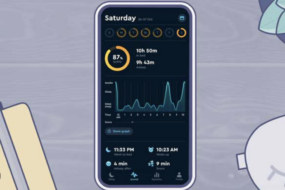
- Actionable strategies yield big results: Try tech-powered sleep tracking, set a digital wind-down 30 minutes before bed, and move your last meal 2–3 hours before lights out to keep cravings and fatigue in check.
Ready to unlock easier weight management and next-level focus? Dive into the full article for step-by-step tips to transform your sleep into your most valuable business and wellness tool.
Introduction
You make it through a marathon of meetings, deadlines, and notifications—but by 3PM, your focus is toast and your hand is in the snack drawer for the third time.
Sound familiar?
What if your “willpower problem” or stalled weight loss isn’t about motivation at all—but about sleep running silently in the background, out of tune?
Recent studies show that slashing just 2-3 hours from your nightly rest can cut fat loss in half, even if your workouts and nutrition are flawless. On top of that, just one restless night can leave your brain feeling like you forgot to uninstall a buggy Chrome extension: slow, glitchy, and nowhere near full capacity.
Here’s the real shocker: For marketers, tech-savvy pros, or entrepreneurs juggling high-stakes decisions, your creativity, appetite, and productivity are all running on last night’s sleep “software.” Debug your sleep—and you upgrade everything else.
So, what’s actually going on when you crash early, power through on five hours, or burn the midnight oil? In the next few scrolls, you’ll discover:
- How sleep transforms your metabolism and mental clarity behind the scenes
- Real-world data that links fragmented sleep to more cravings, mistakes, and stubborn “plateau” pounds
- Science-backed strategies for managing sleep as the missing piece of your performance stack—no white noise machines required
Expect plain-English insights with zero sleep-shaming. You’ll get practical examples, actionable tweaks, and a few myth-busting moments—so your next sleep upgrade fits as seamlessly as your favorite workflow automation.
Ready to uncover why sleep may be the most underrated force multiplier for both your body and your “brain bandwidth”?
Let’s start by mapping what really happens behind the scenes while you’re under the covers—and how even subtle improvements can transform your energy, focus, and results.
The Science Behind Sleep, Weight Loss, and Cognitive Function
Quality sleep isn’t just a luxury—it’s the unspoken engine behind effective weight management and sharp mental performance.
While you’re under the covers, your body is in full-on maintenance mode, repairing tissues, balancing key hormones, and rebooting cognitive networks. If you’ve ever felt foggy-headed after a rough night, that’s your brain lagging behind on critical updates.
Sleep Architecture: The Engine Room of Recovery
Our nightly rest has stages: NREM (including deep sleep) and REM. Each phase has a specific job, from burning fat to clearing mental clutter.
- Deep NREM sleep: Boosts fat loss by dialing down stress hormones and repairing muscle.
- REM sleep: Supercharges memory, creativity, and problem-solving by cementing new information.
Disrupting these stages—even if you log enough total hours—can leave you running on a flickering battery.
Picture this: you “sleep” for eight hours, but wake five times. The result? Your energy, appetite, and focus never get the full recharge.
Sleep Deprivation’s Feedback Loop
Here’s where it gets wild—short or poor sleep triggers a feedback loop that messes with both body and mind:
- Hormonal chaos: Lower leptin (satiety), higher ghrelin (hunger), and boosted cortisol (stress) collectively ramp up cravings and fat storage.
- Cognitive slowdowns: Each hour of lost sleep increases mistakes, slows decision-making, and blunts creative thinking, even for tech pros.
In fact, research shows a 55% drop in fat loss when sleep is cut from 8.5 to 5.5 hours—even with the same diet.
How Sleep Quality Differs from Sleep Quantity
Not all sleep is created equal. Sleep quantity is your total hours; sleep quality is how restful those hours are.
Think of quantity as pouring gas in your car—if it’s low-quality fuel (fragmented sleep), you’ll sputter all day.
Disruptions like:
- Waking up frequently
- Shallow, non-restorative sleep
- Inconsistent bed/wake times
…all sabotage outcomes. Even perfect sleep duration can’t offset poor sleep structure.
The bottom line? “Getting enough sleep” only counts if it’s deep, undisturbed, and consistent.
When you make high-quality, sufficient sleep your non-negotiable, you transform weight loss, focus, and total well-being. Treat great sleep like your daily performance upgrade—because, for your metabolism and your mind, it absolutely is.
Sleep’s Impact on Weight Loss: The Missing Ingredient
If you’re hitting a plateau with your weight loss, your sleep habits may be the “X factor” you’re missing.
Research is clear: both sleep quantity and sleep quality dictate how much fat—not just weight—you actually lose.
Picture this: you’re on track with your nutrition, exercise is dialed in, but after a few short nights, you notice more cravings, and the scale stops moving—sound familiar?
Hormonal Pathways: Sleep’s Role in Appetite, Metabolism, and Fat Storage
Every night of poor sleep triggers a hormonal ripple effect.
Here’s what actually changes in your body:
- Lower leptin levels (the “I’m full” hormone) and boosted ghrelin (the “feed me” hormone) crank up appetite
- Cortisol stays higher, telling your body it’s time to store fat
- Insulin sensitivity drops, which makes it harder to use carbs for energy and easier to add pounds around your middle
That’s why, after a few restless nights, you crave pizza, cookies, or anything high-calorie—your biochemistry is basically begging for it.
Real-World Studies: Sleep Duration, Diet, and Fat Loss Results
Let’s get granular.
- In a legendary two-week study, sleeping 5.5 hours instead of 8.5 cut fat loss by 55%, even with identical calories
- Short sleep meant more lost muscle and less fat—nobody wants that as a side effect
- When people slept more, their daily calorie intake dropped by about 270 calories without changing activity
These aren’t abstract findings—they’re the reason your “fat-burning” routine might not be working if you’re stuck in the late-night grind.
“Your fat loss potential comes alive when you repair your sleep, not just your macros.”
Making Better Sleep a Pillar in Weight-Loss Programs
Emerging evidence shows that those who track and improve their sleep see better results—one study found 33% higher odds of long-term weight loss with better sleep quality.
Here’s how to make it actionable:
- Use a sleep log or a wearable to track quality and consistency
- Treat sleep like a non-negotiable strategy, right alongside nutrition and exercise
- Experiment with bedtime routines and cut back on late-night screen time (bonus: fewer cravings)
If you’re struggling to lose those last stubborn pounds, don’t overlook the most overlooked macro—sleep.
A few focused changes to your sleep routine could help unlock progress where nothing else has worked, making your fat loss efforts finally “click.”
High-Quality Sleep and Mental Focus: How Rest Builds a Sharper Mind
Busy professionals and creators often try to squeeze more out of their day by skimping on sleep, but the research is clear: even mild sleep deprivation delivers a direct hit to your brain’s performance.
Just one night of short or restless sleep can sap your attention, slow decision speed, and make new ideas feel like wading through quicksand. This fog isn’t just about feeling tired—studies show that even partial sleep loss (think: “just” 5 or 6 hours) degrades memory, alertness, and creative problem-solving before you hit your first Zoom call.
Key Cognitive Domains That Suffer
Here’s where poor sleep stings most for tech pros and marketers:
- Attention and focus: Distractibility spikes, and tiny mistakes slip into important projects.
- Decision-making: Speed drops, and “executive function” gets clunky—bad news for anyone running a campaign or a busy team.
- Working memory: Your “mental RAM” fills much faster, making it harder to juggle multiple ideas or brainstorm on the fly.
- Judgment: Strategic thinking grows fuzzier, and risky decisions seem more tempting.
More than an all-nighter problem, even slightly shorter sleep tanks next-day cognitive power—and those small deficits add up over weeks.
How Your Brain Learns—While You Sleep
Picture this: every night, your brain needs a “system update.” During REM and deep (slow-wave) sleep:
- Memories are consolidated—turning digital clutter from meetings and projects into long-term knowledge
- Synaptic homeostasis kicks in; think of it as cleaning out old files so you can process new data the next morning
“Just like your laptop, your brain performs at its best with regular reboots.”
Neglect this nightly work and you risk mental overload, slower learning, and stale creative thinking.
Data-Backed Sleep for Professional and Creative Edge
Science pinpoints the sweet spot: around 7 hours of consistent, quality sleep per night.
- Studies show that both <6 hours and >9 hours link with worse performance—think slower response times and more mistakes
- Higher sleep quality (not just hours) predicts better focus, faster learning, and higher productivity, even after controlling for age or education
- In fast-paced roles, quality sleep isn’t a luxury—it’s the silent power-up fueling your sharpest work
Better sleep = bigger wins. Every extra hour of productive rest sharpens your ideas, raises your baseline, and keeps you ahead in demanding environments.
Aim to treat sleep as a core part of your performance stack: the research-backed, results-driven upgrade you can give yourself tonight.
How Much Sleep Is “Just Right” for Body and Mind?
Finding your optimal sleep zone is like calibrating the battery on your favorite device—too little charge and everything slows down, too much and performance can actually get glitchy.
Research consistently points to a sweet spot of 7–9 hours of sleep per night for most adults.
The Evidence-Based Zone: 7–9 Hours for Most Adults
Large-cohort studies show that ~7 hours nightly is linked to peak cognitive performance and better weight management.
Go below this threshold, and you set off a cascade of issues:
- Increased hunger and cravings, driven by changes in leptin and ghrelin
- Reduced fat loss (a 14-day study found those sleeping 5.5 hours lost 55% less fat)
- More workplace mistakes and slower mental processing during the day
At the other extreme, more isn’t always better. Consistently sleeping 9+ hours has been linked to:
- Worse memory, decision-making, and focus—especially in people with mood symptoms
- Feeling sluggish and actually increasing risk of metabolic problems in some cases
Imagine starting your week like a pro: you get eight hours and notice fewer “autosave panic” moments or daydreaming at your desk.
Building a Personalized Sleep Routine
Customizing your routine means focusing on both quality and consistency rather than just clocking hours.
Some practical steps:
- Assess your patterns: Try a week-long sleep diary or use a wearable to track sleep cycles
- Adjust routines:
- Set a tech wind-down 30 minutes before bed
- Go to bed and wake up at the same time daily (yes, even on weekends)
- Track your daytime energy and focus—these are often better signals than just looking at hours slept
Don’t fall into the “I get by on 5 hours!” myth—chronic short sleep quietly tanks both your creativity and your waistline. And that “weekend catchup” isn’t a true fix; your body craves steady rhythms.
Dialing in 7–9 high-quality hours of sleep is a genuine performance boost for your body and your mind. With a few tweaks and consistent habits, you can unlock sharper mental focus and easier weight control—no extreme hacks required. Start treating sleep like your most important business tool, because it just might be.
Actionable Strategies for Integrating Sleep Into Your Wellness Toolkit
Fixing Sleep to Boost Weight Loss
Reaching your weight goals isn’t just about food and fitness—sleep is a secret third pillar. Your willpower drops and cravings spike when you’re tired, so set up nightly rituals that make late-night snacking less tempting.
Try these for a fat-loss–friendly routine:
- Aim to finish your last meal at least 2–3 hours before bed to support steady metabolism.
- Cut out caffeine after 2pm—it lingers in your system long after your last sip.
- Use blue light filters or “night mode” on your screens to help your brain power down naturally.
- Set a smart alarm that wakes you during lighter sleep—making it a little easier to get out of bed, even if your brain wants “just five more minutes.”
“Every hour of quality sleep is like a silent partner in your weight loss journey—cravings go down and fat loss goes up.”
Supercharging Mental Focus Through Better Rest
Picture this: You wake up sharp, every idea clicks, and creative blocks are nowhere in sight. That’s what happens when sleep is intentional, not accidental.
Add these sleep-first tools for next-level cognitive performance:
- Establish a “power-down hour” with no emails, no doom-scrolling—just real wind-down time.
- Try guided relaxation or AI-powered sleep stories to transition your busy mind into sleep mode.
- Pair a mindfulness routine with sleep tracking apps to see what actually delivers results.
“Your brain clears out yesterday’s mental clutter every night—if you let it.”
Managing Sleep for Tech-Savvy Lifestyles
If you work mostly on screens or juggle multiple time zones, you need strategies as clever as your schedule. Even small tweaks can deliver big returns:
- Use wearable sleep trackers to see real data on what’s helping (or harming) your rest.
- Experiment with “digital sunset” times—physically dimming screens at least 30 minutes before bed.
- Try biofeedback devices that guide breathing or relaxation for deeper, more restful sleep cycles.
“Sleep is the performance enhancer your wearable doesn’t track by default—but it’s the upgrade you need most.”
Whether you want faster fat loss or next-level clarity, optimizing your sleep is one of the smartest, most immediate upgrades you can make. Focus on consistent, high-quality rest—the kind that makes everything else you do feel just a little more effortless.
Conclusion
Recognizing sleep as your untapped asset for both weight loss and crisp, creative thinking puts you in control of outcomes most people chalk up to “luck” or willpower alone.
With the right approach, you can turn quality rest into a high-leverage tool—one that boosts metabolism, sharpens focus, and actually makes your daily workflow easier.
Here are the most actionable ways you can start optimizing your sleep (and, by extension, your results):
- Treat sleep as a non-negotiable pillar—schedule it with the same commitment you give meetings or workouts.
- Leverage tech with intention: Use smart alarms, wearables, and blue-light filters to align your rest with natural sleep cycles.
- Stack healthy habits: Finish your last meal 2–3 hours before bed, and make a “power-down hour” digital-free for more restorative sleep.
- Track changes consistently—notice how even minor tweaks to your sleep routine affect cravings, mental focus, and energy levels.
- Experiment and personalize: Adjust your sleep and wake times or wind-down rituals, then review the impact on both body and mind.
Here’s what you can do tonight:
- Set a bedtime and stick to it—no excuses.
- Power down screens at least 30 minutes before sleep.
- Jot down tomorrow’s top task so your mind can let go, making room for real rest.
When you prioritize your sleep, you unlock clarity, energy, and resilience that no supplement or shortcut can match.
Upgrade your sleep tonight—the ROI starts the moment you open your eyes tomorrow.
Great sleep isn’t just a good habit. It’s your silent edge in both business and life.