Key Takeaways
Unlocking real, sustainable weight loss in 2026 goes beyond fads—it's about evidence-backed strategies and building habits that fit your real life. These actionable insights cut through the noise and empower you to start making progress, one practical step at a time.
- Sustained calorie deficit drives results—aim for a 500–1,000 calorie cut daily to lose 1–2 lbs per week, focusing on consistency over perfection for lasting change.
- Smart eating trumps crash diets—choose a plan (Mediterranean, low-carb, or high-protein) that fits your preferences and builds satisfying, nutrient-rich meals you can stick with long term.
- Physical activity supercharges weight loss—strive for 30–45 minutes of moderate movement, 3–5 times a week, to burn fat, sharpen your mind, and maintain weight loss.
- Behavioral strategies make new habits stick—set clear, trackable goals using apps or visual trackers, and lean on accountability for triple the success rate over six months.
- Sleep and stress management are hidden levers—prioritize 7–9 hours of sleep and use micro-breaks or mindfulness to lower cortisol and curb cravings.
- Expect and overcome plateaus with flexibility—when progress stalls, re-evaluate your plan, tweak your routine, or enlist extra support to pivot instead of quitting.
- Personalization is your secret weapon—adapt your diet, exercise, and habits to fit your real life, preferences, and cultural norms for unstoppable adherence and results.
- Support and tech tools amplify progress—join communities, partner up, or use fitness trackers and habit apps to double your odds of long-term success.
Ready to ditch the myths and start seeing real, lasting results? Dive into the full article for step-by-step guidance and personalized strategies you can implement today.
Introduction
Picture this: you start a fresh weight loss plan on Monday, track your calories like a machine, but by Thursday, late-night cravings and Zoom fatigue knock you off course. Sound familiar?
You’re not alone—over 80% of dieters regain lost weight within a year when they chase quick fixes instead of building truly sustainable systems. The problem isn’t willpower—it’s outdated advice and unrealistic expectations.
If you’re a tech-savvy professional, marketer, or entrepreneur, you know the power of measurable progress and iterative strategy. Imagine channeling those same skills into your health—treating weight loss less like a bootcamp, and more like a project you optimize and track over time.
This guide is built for you: no overhyped hacks, just evidence-based strategies designed for real-life results, even when your days are packed and your inbox is overflowing.
You’ll discover:
- The proven science behind how weight loss really works in 2026 (spoiler: it’s not just calories in vs. out)
- Smart, realistic goal-setting techniques that tech-minded pros can actually stick with
- Dietary frameworks, movement suggestions, and behavioral tweaks for real traction—without the all-or-nothing guilt trip
- Modern tools, tracking tips, and accountability hacks tailored to busy, tech-focused lifestyles
What sets this approach apart? We’re grounding every tip in up-to-date research, practical routines, and the kind of tracking, adjustment, and feedback loops you use to power your work and business.
Ready for strategies you’ll want to revisit on your phone, share with your inner circle, or even reference at your next morning stand-up?
Let’s start with the foundations: what actually drives sustainable weight loss in 2026—and why it’s about more than just the numbers on a scale or the meals on your plate.
The Foundations: How Weight Loss Works in 2026
Understanding how weight loss really happens in 2026 means looking beyond old-school calorie counting and crash diets.
At the core, it’s all about energy balance—burning more calories than you take in leads to weight loss.
Think of it like your phone battery: sometimes you drain more energy (busy days, lots of movement), and sometimes you’re running on standby (low movement, less activity).
The Science Behind Weight Change
Your body weight is regulated by a complex mix of metabolism, hormones, and genetics—not willpower alone.
Key drivers include:
- Calorie deficit: Consuming 500-1,000 fewer calories per day spurs a safe, steady 1-2 lbs per week loss (the gold standard, backed by decades of clinical trials).
- Metabolism speed: Influenced by age, muscle mass, and genetics. Picture this: as your body adapts to losing weight, it sometimes “downshifts” like a battery saver mode.
- Hormones and set points: The body resists big drops in weight, nudging you back to its favored “set point.” That’s why slow, patient persistence wins.
Setting Realistic Expectations
Forget losing 20 lbs in a month—slow and steady wins every time.
Smart health targets are:
- 1-2 lbs per week loss (5-10% of your starting weight over 6 months), leading to measurable health gains like lower blood pressure and risk of diabetes.
- For most, this means focusing on sustainable eating and movement habits, not quick fixes.
- Crash diets or extreme calorie drops may grab headlines, but 80% of dieters regain all the weight within a year if they go too fast.
Picture this: A tech pro or marketer consistently making small changes—switching up food choices, prioritizing sleep—watching the trend line move over weeks, not days.
Today’s Takeaway: Embrace the Process
Consistent, science-backed strategies guide healthy weight change—think progress over perfection.
You’ll get the biggest, longest-lasting results by aiming for a steady calorie deficit, understanding what drives your body’s changes, and ditching “more is better” for “better is better.”
“When you treat weight loss like a strategic business project—a bit of planning, steady tracking, and adaptability—results actually stick.”
Core Components of Proven Weight Loss Strategies
Dietary Therapy: The Backbone of Lasting Results
Want real traction? Calorie control is the kingpin—every evidence-based approach starts here.
An effective plan usually means a 500–1,000 calorie per day deficit, targeting a safe 1–2 lbs of weight loss per week.
That doesn’t mean starving—how you eat matters just as much as how much.
Picture this:
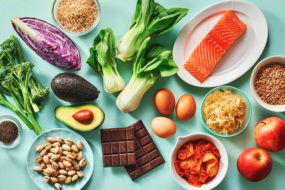
- Mediterranean diets pack plates with veggies, fish, berries, and healthy fats—think colorful, flavorful, and heart-protective.
- Low-carb or keto diets reduce carbs to speed up initial weight loss, but match low-fat results after about a year.
- High-protein diets help you feel full, support muscle, and often mean you crave less (aim for 25–30% of calories, or 1–1.2g per kg ideal body weight).
Meal planning is your secret weapon:
- Swap soda for sparkling water.
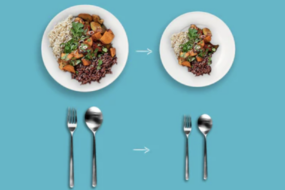
- Use smaller plates to shrink portions with zero math required.
- Prep tomorrow’s lunch tonight—one less excuse to order out.
Here’s the shareable line: “Long-term weight loss is about consistency, not perfection.”
Physical Activity: Moving the Needle (And the Scale)
Diet alone drops pounds, but movement supercharges the process.
Aim for:
- 30–45 minutes of moderate activity (like brisk walking or cycling)
- 3–5 days/week, working toward daily movement
You don’t need a gym contract—walking meetings, morning HIIT, or resistance bands at home all count.
Benefits are real:
- Reduces belly fat and improves heart health
- Supports mental sharpness and boosts daily energy
- Increases odds of keeping the weight off for good
Imagine hitting a daily step goal that rivals your favorite productivity hack. Now that’s “multitasking for your health.”
Behavior Therapy: Habits that Actually Stick
The secret ingredient? Behavior change—the software that actually runs the show.
Start with:
- Self-monitoring using food/activity apps
- SMART goals: “lose 10 lbs in 3 months” beats “lose weight”
- Accountability via check-ins—think friendly texts, app nudges, or even professional coaching
Troubleshooting is key (“We all hit rough patches. What’s the plan—skip your next meal or just keep moving?”).
Ongoing support triples your chances you’ll stick with it six months from now.
Picture documenting a “win” in your app—one more step in a story that keeps you motivated.
Ready to take this forward? Blend diet, activity, and habit hacks for results that last—and remember, small steps stack up to big wins over time.
Goal Setting and Weight Loss Timelines: Mapping Your Journey
Defining clear, achievable weight loss goals is where real progress begins.
Instead of saying, “I want to lose weight,” aim for targets like “Lose 10% of my body weight in 6 months.”
This type of specific, trackable goal is supported by research showing that 1-2 pounds lost per week is both safe and sustainable; a 5-10% loss can translate into measurable health improvements like lower blood pressure and better energy.
Personalized, Trackable Goals Made Simple
Picture this: you set your sights on 12 pounds in 12 weeks, track your weekly check-ins, and actually see the numbers on your app or calendar tick down—motivating, right?
To bring these goals to life, use:
- Visual trackers (apps, charts, or even a simple sticky note on your fridge)
- Milestone rewards (a new playlist, a weekend hike, or just a non-food treat)
- Specific timelines: Research-backed phases look like this:
- 1-2 lbs/week for the first 6 months
- 5-10% loss from your starting point is a proven target
- Transition to maintenance mode after the initial period
This system creates steady wins and course-correction moments—think of it like marking your route on a GPS.
Motivation That Actually Lasts
Stay fired up by reframing setbacks as “data, not drama.”
Don't let a plateau send you spiraling; instead, use these moments to review your plan, tweak workouts, or celebrate a new non-scale victory, like better sleep or more energy at work.
Try these motivation-boosters:
- Visual progress tracking: Chart your losses and celebrate all wins (including clothing fit or stamina)
- Reward systems: Treat yourself when you hit mini-goals
- Reframing routines: Turn an off-day into valuable feedback, not failure
Remind yourself: “Progress isn’t linear—consistency outperforms perfection.”
Maintenance: The Secret Weapon
Here’s the untold truth: long-term maintenance is just as important as the initial drop.
Studies show that continuing regular habits, check-ins, and accountability is what prevents regain—think of it as setting your phone reminders so you never lose momentum.
Setting personalized, specific goals and embracing visual, actionable tracking keeps you focused for the long run. Small steps, repeated consistently, build the kind of momentum that transforms not only your weight, but your sense of control and resilience.
Lifestyle Integration: Beyond Diet and Exercise
Optimizing Sleep, Stress, and Daily Routines
Want to know a hidden secret of weight loss success? It’s not just about food and movement—your daily routines matter.
Studies show that getting 7-9 hours of quality sleep can dramatically impact hunger hormones like ghrelin and leptin. One restless week can actually increase your cravings and reduce your willpower to stick to healthy choices.
Chronic stress isn’t just mental—it can raise cortisol levels, which contributes to stubborn belly fat and late-night snacking. Picture this: You’re hitting your calorie targets, but evening stress triggers mindless scrolling and unplanned snacks. That’s “hidden sabotage” at work.
For immediate wins, try these micro-tweaks:
- Set a consistent bedtime—yes, even if you’re a night owl.
- Stack your mornings with a real breakfast to stabilize energy and mood.
- Build five-minute micro-breaks into your day for breathing or movement.
- Cut screen use 30 minutes before sleep—your brain (and waistline) will thank you.
Wondering if your habits are holding you back? Dive deeper into “7 Hidden Habits Sabotaging Your Weight Loss Progress.”
“Even the smartest meal plan can’t outwork sleep debt and stress overload.”
The Role of Mindset and Motivation
Here’s the twist: Your mindset is the ultimate lever for lasting change. Research in 2026 confirms that adopting a “growth mindset” (believing you can adapt and improve) is linked to greater weight loss maintenance, especially past the six-month mark.
When progress stalls (and it will), self-talk is your cheat code. Swap “I blew it” for “What’s one thing I’ll do differently tomorrow?” Identify your true ‘why’: Is it confidence, longevity, or keeping up with your kids?
Try these to recharge motivation:
- Visualize your progress—use an app or a simple chart.
- Celebrate milestones (not just pounds lost, but workouts completed or habits built).
- Pair accountability with inspiration—a support group, coach, or check-in partner works wonders.
“Plateaus aren’t failure—they’re a signal to tweak the playlist, not stop the music.” To tailor your approach, see “Personalized Weight Loss: Why Mindset & Motivation Matter.”
Lasting weight loss goes beyond what’s on your plate or in your gym bag. Dialing in sleep, stress, daily routines, and mindset creates the true foundation for results that last years—not weeks.
Navigating Challenging Scenarios and Plateaus
Hitting a weight loss plateau or dealing with unpredictable life moments is normal—even the most data-driven plans hit speed bumps.
Picture this: You’re three months in, feeling strong, then suddenly the scale refuses to budge. Welcome to the plateau club (membership: everyone).
Common Hurdles: Where Progress Stalls
Most people encounter recurring roadblocks, such as:
- Plateaus—weeks where your weight stays exactly the same
- Cravings that strike late at night or under stress
- Social situations (work dinners, celebrations, that endless “just one slice” pressure)
- Travel and interrupted routines
- Mood shifts that nudge you towards comfort food
A 2023 study found more than 60% of dieters report at least one plateau in a six-month period.
Evidence-Based Ways to Get Back on Track
When progress slows, here’s what works—according to randomized controlled trials and 2026 coaching trends:
- Re-evaluate your calorie needs (as you lose weight, you burn fewer calories—think of your metabolism as your phone battery holding a smaller charge)
- Switch up your workouts: Try HIIT if you’re a walker, or add resistance bands to your gym time
- Plan flexibly for meals—build in room for real life, not just “perfect days”
Quote this: “The secret to long-term success isn’t never stumbling—it’s knowing how to pivot, not quit.”
Mindset Tactics for Overcoming “Stuck” Moments
When your routine gets disrupted or motivation dips, sharpen your recovery plan:
- Set new mini-goals or track a different metric (like inches or energy level)
- Prep “craving busters”—think water first, then a protein-rich snack
- Map a backup plan for travel: find hotel gyms or scope grocery stores near your destination
Plateaus happen because your body adapts—it’s a survival feature, not a failure.
When to Adjust or Switch Up Approaches
If your results stall beyond 3-4 weeks or stress leads to repeated slips, shake things up:
- Change up your meal timing or macro targets
- Enlist a fresh layer of support—digital accountability partners are proven to boost success by up to 30%
- Focus on progress over perfection—you don’t have to “start over,” just “start adjusting”
“Think of plateaus as pit stops, not dead ends.” Every challenge is a signal—not a red light, but a detour.
Keep this top of mind: Realistic, sustainable weight loss means expecting—and outsmarting—these roadblocks. The best results happen when you treat setbacks as part of the journey, not the end of it.
Advanced and Clinical Options: When to Seek Professional Help
When Lifestyle Changes Aren’t Enough
If your weight loss progress has stalled despite months of consistent effort—or if you’re facing health risks like type 2 diabetes or sleep apnea—it could be time to explore medical strategies. Picture this: stepping on the scale for the tenth week in a row, seeing no change, and realizing your toolkit needs an upgrade.
You’re not alone—millions of adults annually turn to clinical programs after hitting plateaus or tackling conditions where DIY isn’t sufficient.
Medical Weight Loss: Your Key Options
Three main categories of professional support stand out:
- Prescription medications: FDA-approved options like semaglutide (Wegovy, Ozempic), liraglutide (Saxenda), and bupropion/naltrexone (Contrave) help curb appetite and improve metabolism.
- Supervised clinical programs: Provide intensive coaching, monthly health checks, group support, and usually require weekly engagement for at least 6 months.
- Bariatric surgery: For those with a BMI over 40 (or 35 with complications), surgeries like gastric sleeve or bypass offer 60-80% excess weight reduction within 1-2 years. Recovery is measured in weeks, but life-changing results are common.
“Medical tools can help you achieve what grit and green smoothies alone can't.”
Risks, Benefits, and Blending Support
Let’s keep it real: every intervention has trade-offs.
- Prescription medications can trigger side effects (GI symptoms, rare headaches) and may cost $1,000+/month without insurance.
- Surgery carries risks (infection, vitamin deficiencies) but can reverse chronic illnesses for many.
- Behavioral support is essential—clinical studies show ongoing coaching boosts success, while “set-it-and-forget-it” interventions often lead to regain.
Imagine celebrating your first 10% weight loss thanks to a combination of medication and digital support—it’s more common than you think.
Knowing When to Reach Out
Consider seeking professional help if:
- You’ve lost less than 5% of your body weight after 3-6 months of structured lifestyle change.
- You’re dealing with serious health risks or medication side effects.
- Emotional barriers—like persistent stress eating—get in the way.
“Asking for help isn’t defeat—it’s strategy.”
Remember: blending medical and behavioral approaches delivers stronger, longer-lasting results than either alone. If you’re stuck, curious, or ready to take your journey to the next level, connecting with a qualified health team could be the fastest path forward.
Customizing Your Approach: Finding What Works for You
There’s No One-Size-Fits-All—Weight Loss is Personal
Forget cookie-cutter plans: your weight loss strategy should fit you as well as your favorite playlist.
The most successful programs in 2026 are personalized—tailoring diet, exercise, and habits to your preferences, cultural background, schedule, and even medical needs.
Just like you'd only add songs you love to a workout playlist, you’ll stick to a plan that suits your taste and life realities.
Adapting Around Your Real Life
Start by making your plan flexible enough to thrive in the real world.
Key factors to customize:
- Dietary preferences: Vegan? Gluten-free? Keto curious? Choose foods you'll actually eat long-term.
- Allergies or intolerances: Filter out troublemakers—no one needs a diet that causes discomfort.
- Cultural and family food norms: Bring your own flavor; swap-in local staples or adapt recipes to fit tradition.
As the evidence shows, adherence drives results, not the label on your diet—Mediterranean, high-protein, and low-carb all work when you can maintain them.
Quotable tip: “A diet you can’t stand is a diet you won’t keep.”
Safe Experimentation and Tracking Your Results
Don’t be afraid to test, tweak, and rewrite your plan as you go.
Here’s how tech-savvy pros do it:
- Experiment safely: Make one or two changes at a time—maybe add a protein-rich breakfast or try a new workout style.
- Use tracking apps (like MyFitnessPal or wearable devices) to log daily calories, step counts, and even trends over weeks.
- Review and adjust: Every 2-4 weeks, assess what’s working. If the scale or energy levels stagnate, adjust portions, workout routines, or meal timing accordingly.
Picture this: You’re checking your smartwatch over coffee, celebrating a week where you hit your step goal every single day—with breakfast tacos that fit your plan, not fight it.
Shareable truth: “The best weight loss plan is the one you’ll actually follow—consistently.”
Takeaway: Flexibility is Strength
Customization isn’t a luxury—it’s the secret weapon behind sustainable change.
If you experiment, track, and adapt, you’ll build a plan that gets results and matches your life.
Bottom line: Don't force it—let your weight loss strategy work for you, not the other way around.
Weight Loss Myths, Misconceptions, and the Power of Evidence
Picture this: You’re scrolling through your feed and spot bold claims like, “Only keto works,” or “A slow metabolism is ruining your results.” It’s time to cut through the noise and get real about what science actually shows.
Busted Myths You Can Let Go—Today
Let’s do a rapid-fire rundown of the most stubborn myths still floating around in 2026:
- Myth: “Some diets magically burn fat faster.”
Fact: No single diet beats all others for long-term weight loss—adherence is what matters, according to year-long, head-to-head trials.
- Myth: “If you eat too little, your body goes into starvation mode and stops losing fat.”
Fact: Yes, metabolism slows somewhat during weight loss, but there’s no evidence you’ll stop burning fat or gain weight by eating less. Picture your metabolism like your phone battery—it may run slower, but it doesn’t shut off.
- Myth: “Metabolic damage” permanently blocks weight loss.
Fact: Real “damage” is extremely rare; for most, the culprit is eating more than you think or moving less—not broken biology.
What the Latest Data Really Shows
You’ll see bold results from combined strategies—not shortcuts. Studies now confirm:
- A sustained calorie deficit—usually 500-1,000 kcal/day below needs—delivers 1-2 pounds of loss per week and 5-10% body weight drop in six months.
- Any balanced diet (Mediterranean, low-carb, high-protein) can work if it fits your preferences and lifestyle.
- Progress sticks when you layer diet, activity, and behavior therapy instead of chasing fads—RCTs prove this combo trumps any single solution.
How to Tune Out the Hype and Focus on Facts
- Prioritize science-backed advice—start with reputable sources and look for data, not just anecdotes.
- Bookmark myth-busting lists like “Top 10 Science-Backed Weight Loss Myths Busted in 2026”.
- When you hear wild claims, ask: Does credible research support this, or is it just another viral headline?
The fastest way to results isn’t a miracle pill—it’s focusing on the fundamentals, not the folklore. Anchor your actions in what’s proven to work. What if your next big win comes from ignoring the noise and trusting real evidence? Let’s make evidence your secret advantage.
Resources, Support, and Staying Connected
Picture this: it’s 7 am, you’re scrolling through your favorite fitness app, and a cheer from your accountability partner lands in your DMs. Sustainable progress thrives on connection. Research shows that regular support—whether from online communities, trusted friends, or a trained coach—can double your chances of long-term success and help maintain weight loss past the tricky six-month mark.
Smart Ways to Build Your Weight Loss Network
- Join thriving online forums, like Reddit’s r/loseit or the Weight Watchers digital community, where shared wins and struggles keep motivation high.
- Find an accountability buddy you actually look forward to hearing from—sync up for step challenges, recipe swaps, or vent sessions about late-night cravings.
- Enlist professional guidance, whether from a dietitian, behavioral therapist, or a certified health coach, especially during plateaus or frustrating slowdowns.
“One supportive text can make the difference between sticking to your plan and giving up for the week.”
Tech Tools and Trackers That Drive Results
- Calorie-tracking apps (like MyFitnessPal or Lose It!) help you log food and spot hidden calories—most people underreport intake by 20-40%, according to recent studies.
- Connected fitness devices (think: Fitbit or Apple Watch) turn daily steps and workouts into instant feedback—hello, dopamine rush when you hit those goals.
- Habit trackers and community boards (even inside Slack or Discord) transform solo sprints into team marathons for tech-minded professionals.
“Turning your phone into a fitness dashboard isn’t just possible—it’s the new normal for results-driven folks.”
Stay Informed and Inspired—Even When Science Changes
- Always pursue ongoing education—subscribe to reputable newsletters, follow evidence-based experts on social, and plug into podcasts for new insights.
- Embrace healthy skepticism: If it sounds too easy, it probably is; scan for sources, updated research, and real-world reviews.
- Bookmark and revisit these resources whenever you need to “dive deeper”:
- Mastering Exercise: The Ultimate Weight Loss Workouts
- 7 Essential Diet Changes That Transform Weight Loss
Bottom line: The smartest strategies aren’t just about diet—they’re about who you lean on, which tools keep you accountable, and how you keep learning as the science evolves. Every resource is a potential game plan upgrade—so stay plugged in, stay curious, and never go it alone.
Conclusion
Lasting weight loss isn’t about chasing the newest trend—it’s about building a smarter, more personalized strategy that actually fits your real life and goals.
You’ve got the evidence, the tech, and the tools to make each small win stack up—all that’s left is to choose your next step.
Here’s how you can start strong and keep momentum:
- Set a clear, trackable goal—think 5-10% weight loss in six months, and use your favorite app or calendar to stay accountable.
- Craft your daily plan around calorie control and meal prep—don’t wait until you’re hungry and tired to decide what’s for dinner.
- Schedule movement you enjoy—make it as normal as your morning email check.
- Monitor your habits and progress regularly; log meals, track steps, and note how you feel—not just what the scale says.
- Connect with support—join a community, recruit an accountability partner, or tap into expert coaching when you hit a wall.
Don’t overthink it: choose one new step today, whether it’s a walk around the block, prepping tomorrow’s lunch, or setting a progress check-in for next Friday.
Every powerful change begins with a single, intentional choice—then another. Let consistency, patience, and a little curiosity do the heavy lifting.
“Success isn’t perfect days—it's progress built by smart, sustainable actions.”
Ready to treat your weight loss like the real project it is? You already have everything you need to start—and what you start today could be the story you’re proud to tell next year.