Key Takeaways
Curious if Ozempic is the real deal for weight loss in 2024 and beyond? Here’s your quick-start guide—distilled for high-achievers who value both the “how” and the “why.” Scan these essentials to get the clinical facts, practical realities, and tech-driven strategies before you dive in.
- Ozempic works by dialing down your appetite using semaglutide, a GLP-1 agonist—think of it as a “smart switch” that boosts fullness and tames cravings for more sustainable weight loss.
- Average real-world weight loss lands at 10–14% in one year with consistent, higher-dose use—clinical trials hit up to 19% at 7.2 mg weekly, but only for the most diligent, closely monitored users.
- Managing side effects is all about strategy: start with a low dose, increase slowly, and track symptoms—70% see GI issues like nausea and diarrhea fade within 4–8 weeks as your body adapts.
- Muscle loss is a big risk—up to 25% of total pounds lost—so double down on strength training and higher protein to protect energy, performance, and long-term health.
- Adherence trumps ambition: skipping doses or stopping early cuts weight loss to just 3–7%, while steady, long-term use keeps results strong—supply issues, cost, and side effects are the main hurdles.
- Medical guidance beats DIY every time: partner with a provider to monitor labs, avoid rare but serious risks (gallbladder, pancreas), and personalize your plan for safer, better outcomes.
- Tech tools turbocharge your results: set digital reminders, log side effects, track workouts and nutrition in apps, and share your data with your care team for a smarter, more connected approach.
Want to unlock lasting results? Commit to consistency, lean on tech, and check in with your care team as the Ozempic ecosystem evolves—read the full guide for all the latest 2026 updates and next-gen strategies.
Introduction
What if one weekly shot could help you drop 10–16% of your body weight in a year—all while curbing cravings and possibly boosting your focus at work?
The buzz around Ozempic isn’t just media hype—clinical trials show double-digit weight loss, and everyday professionals are noticing real-world results that often outpace diet pills or “miracle” supplements.
But there’s a twist that too many social threads gloss over: those headline numbers only stick around if you do, and side effects can be more than just mild heartburn. Ever felt tempted by solutions that overpromise but leave you frustrated or spinning your wheels? You’re not alone.
If you’re a tech-forward marketer, business owner, or content creator, Ozempic poses a whole new question: how do you leverage this tool safely, efficiently, and with an eye on data—rather than just chasing the latest fad?
Here’s what you can expect as you read:
- Clear breakdowns of Ozempic’s real-world effectiveness, not just the hype
- What actually happens when you stop—straight from recent trials and user data
- A practical guide to managing side effects, dosage, and long-term health impacts
- The latest insights for 2026––including new medications shaking up the playing field and smart tech tools that help you maximize every dose
- Actionable strategies that balance your goals (think: protecting muscle, sustaining results, monitoring the metrics that matter)
No sugarcoating, no fearmongering—just the honest, up-to-date information you need to make smart, confident decisions with your provider and stay ahead of the curve.
Ready to separate the science from the sizzle? Let’s start by breaking down exactly how Ozempic works for weight loss—because understanding what’s happening inside your body is step one to using this breakthrough medication to its full potential.
Understanding Ozempic: How It Works for Weight Loss
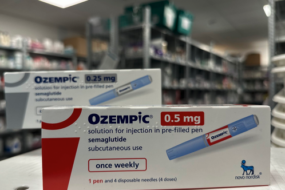
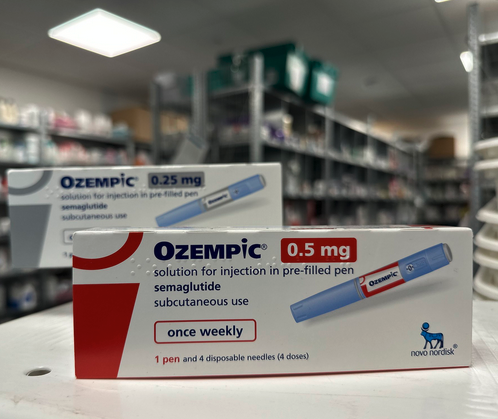
Ozempic (semaglutide) started as a type 2 diabetes medication, designed to help lower blood sugar.
Now, it’s become a heavy-hitter in the weight loss world—especially for adults who need safer, non-surgical support. Think of Ozempic as a “smart switch” for hunger: it clicks your appetite down without eliminating your energy.
What Exactly Is Ozempic?
Ozempic uses the active ingredient semaglutide, which is a GLP-1 receptor agonist.
Here’s what that actually means for your body:
- It mimics a natural gut hormone (GLP-1), signaling your brain that you’re full.
- Slows down how fast food leaves your stomach, creating longer-lasting fullness.
- Tames cravings and helps control blood sugar—all with one weekly shot.
Quotable moment: “Think of GLP-1 drugs like a thermostat for your appetite—they help turn down cravings and make it easier to say no to that extra donut.”
Ozempic vs. Wegovy: Similar Drug, Different Purpose
You might see both Ozempic and Wegovy on your pharmacy shelves. Confused? Here’s the fast breakdown:
- Ozempic is FDA-approved to treat type 2 diabetes, but is frequently prescribed “off-label” for weight loss.
- Wegovy uses a higher dose of the exact same ingredient (semaglutide) and is specifically approved for weight management.
- The magic number: Wegovy is prescribed at 2.4 mg weekly for obesity; Ozempic’s highest diabetes dose is 2.0 mg.
Both work by the same biological mechanism, just in different size packages.
Why the Buzz? Why Has Ozempic Become So Popular?
Here’s the real deal:
- Consistent research proves significant weight loss (average 10–16% over 1 year, even higher with dedicated use).
- Appetite control is often felt within just a few weeks—picture this: your lunch comes, and for once, you’re not fighting the urge to clean your plate.
- Users see improvements in blood sugar, cholesterol, and even heart health—beyond just the number on the scale.
“It’s rare for a prescription to impact weight, cravings, and metabolic health in one shot—literally.”
Ozempic made headlines because it delivers science-backed weight loss without surgery. The real value? Understanding that it works not by suppressing willpower, but by tweaking your own body’s appetite settings.
If you’re considering high-impact, medically supported weight loss, Ozempic’s unique approach—turning down internal hunger cues—explains why it’s quickly become a top choice for professionals seeking real results.
Effectiveness of Ozempic: Clinical Trials vs Real Life
Clinical Trial Results (2024–2025 Insights)
Picture this: You’re in a structured clinical trial, tracked by experts, doses adjusted like clockwork. With semaglutide at 2.4 mg weekly (Wegovy), participants averaged ~16% total body weight loss over about 16 months.
When researchers pushed to 7.2 mg per week, results jumped—~19% weight loss in 72 weeks, and nearly half lost at least 20% of their body weight. Many went beyond, with about a third shedding 25% or more.
But it’s not just about the scale:
- Blood sugar, cholesterol, and blood pressure improved
- Markers for heart and metabolic health got a meaningful boost
Social-ready stat: “In clinical trials, up to 1 in 2 people on the highest semaglutide doses lost ≥20% of their weight.”
Real-World Data & What Users Actually Experience
Step into everyday life, and the numbers shift. Cohort data from the Cleveland Clinic paints a realistic picture: With good adherence and higher weekly doses, most users lost ~10–14% of their starting weight after one year.
If someone stopped early (as many do, due to cost or side effects), average loss sank to just 3.6–6.8% at one year. Motivation, access, supply issues, and provider support matter—big time.
Even self-starters taking low or irregular doses (think 0.25–1 mg per week) still saw ≥5% weight loss in as little as 8–12 weeks. But optimal, lasting results? Those require consistency.
Key quotable: “Ozempic works—if you stick to it. Real-world weight loss can vanish fast if you stop early.”
How Ozempic Stacks Up Against Other Weight Loss Methods
Stack the options side-by-side, and you’ll see:
- Bariatric surgery (like sleeve gastrectomy): ~25.7% average loss after 2 years
- GLP-1 medications (Ozempic, Wegovy): Typically 5–14% loss in daily practice
- Newer rivals (tirzepatide): ~18% average loss at top doses
- Older meds: Often <5–8% weight loss, with less staying power
Ozempic best fits tech-savvy professionals or health-focused users seeking major weight loss without surgery, but who’re ready for ongoing self-tracking—and a bit of patience.
If you want double-digit weight loss without the scalpel, and you’re game to monitor side effects, Ozempic delivers best for those who stick with it weekly.
Real-world weight loss with Ozempic typically lands at 10–14% in a year—sometimes more, often less if you’re not consistent. Consider your goals, support, and ability to follow through; the most impressive numbers always come from those who stay the course.
Side Effects, Safety, and Latest Concerns (2024–2026)
Most Common Side Effects and How to Manage Them
Ozempic’s most frequent side effects are gastrointestinal—think of these as your body’s very vocal feedback to the medication “resetting” your appetite thermostat. You may experience:
- Nausea (especially during dose escalation)
- Vomiting or mild abdominal pain
- Diarrhea or constipation
- Early satiety (feeling full fast, often after small meals)
Most GI issues are dose-dependent—meaning they flare up when increasing your weekly dose. The good news: about 70% see symptoms calm down within 4–8 weeks as the body adapts.
Managing these effects is all about strategy:
- Start with the lowest dose possible and increase gradually.
- Eat smaller, slower meals and skip greasy foods early on.
- Stay hydrated and consider simple remedies (ginger chews, fiber, or walk breaks).
Yes, that uncomfortable “Ozempic nausea” is real, but most people say it settles by the time they reach a steady dose.
Rare but Serious Risks to Watch Out For
While rare, a few risks deserve top billing on your radar:
- Gallbladder Disease: Rapid weight loss ramps up gallstone risk. Signs include upper right abdominal pain or sudden digestive distress.
- Pancreatitis: This is serious. If you ever have sudden, severe abdominal pain (“like a punch or burning”), call your doctor ASAP.
- Thyroid C-cell Tumor Risk: Proven in rodents, not people, but those with family history of medullary thyroid carcinoma or MEN2 syndrome should skip Ozempic.
It’s smart to put emergency contacts in your phone and let someone know you’re starting the medication, just in case.
2025–2026: Lean Mass, Muscle Strength, and Whole-Body Health Effects
Here’s a trend to watch: not all weight lost is just fat.
- 15–25% of total loss is lean mass—which means you could lose muscle or even shrink your liver (in fact, one 2025 study showed liver mass dropping by 50% in animal models).
- Real-life: Some users noticed less muscle power after big losses, sparking concern over functionality.
Expert tip for tech-oriented pros: combine Ozempic with:
- Resistance training 2–3 times weekly
- Higher-quality protein goals (imagine a visually appealing balanced plate, not a sad salad)
If you value physical performance—or just good energy at work—protecting muscle is your next-level win.
Health Benefits Beyond the Scale
Here’s a perk that looks awesome in charts and IRL:
- Blood sugar, cholesterol, and blood pressure all trend downward, especially at higher doses
- Early studies hint at cognitive and behavioral boosts—picture sharper focus in that Monday morning meeting, though more research is underway
GLP-1 medications are doing more than trimming the waistline—they’re giving your body a system-wide upgrade.
The most important thing to remember: Ozempic’s side effects are usually manageable with smart strategies, but every body responds differently. Start slow, stay observant, and always check in with your care team if something feels off—your best results depend on protecting both your weight and your overall health.
Staying Power: Adherence, Long-Term Use, and What’s Changing
Why Sticking With Ozempic Is the Whole Ballgame
Consistency is everything—that’s the headline you want to remember with Ozempic.
Real-world data shows that people who stay on higher-dose semaglutide for at least a year typically lose 10–14% of their body weight.
But here’s the twist: if you stop early, average weight loss can plummet to just 3.6–6.8%.
That’s a massive difference, and the gap comes down to a handful of big barriers:
- Side effects (nausea, GI issues, fatigue)
- Out-of-pocket costs (often $1,000+ monthly without coverage)
- Insurance approval hoops and prior authorization headaches
- Medication supply shortages (yes, even in 2025)
Picture this: two people start Ozempic—one checks in monthly with a medical team, the other DIYs it. The first is way more likely to power through side effects and reach their goals.
“Adherence, not ambition, is what separates real results from wishful thinking.”
How Higher Doses & New Meds Are Reshaping the Game (2025–2026)
In 2025, researchers pushed the “dose limit” with triple-dose semaglutide (7.2 mg weekly).
Trial participants dropped an average of ~19% body weight in 72 weeks, with half losing over 20%. Most common side effect? Still nausea, but nothing new or life-threatening.
But Ozempic isn’t the only game in town anymore. New contenders are shaking things up:
- Tirzepatide (Mounjaro): Delivers up to ~21% loss in trials—possibly more than Ozempic
- Oral GLP-1s (think pills, not injections)
- Weight-loss “vaccines” (new in pipeline, promise once-a-season dosing)
- Next-gen drugs (MariTide, etc.) targeting both weight loss and long-term regain prevention
All these options are fighting for a spot in your doctor’s prescription pad—and might work differently or better for some people.
What Happens When You Stop—And How the Picture Is Changing
Stopping Ozempic? Chances are, you’ll see some (or a lot) of the lost weight come back.
Recent trials showed that many patients regain weight after going off GLP-1 drugs, though current research is racing to find better maintenance strategies.
High-dose and combination therapies are the trend to watch: future options may keep the weight off longer, with fewer side effects and easier dosing routines.
“Tech innovations and new medications mean the playbook is changing—fast.”
Right now, your best bet for lasting weight loss with Ozempic is sticking with it, working closely with your doctor, and staying tuned for what’s coming next.
Building lasting change means focusing on what you can sustain, not just what you can start—that’s the key lesson from today’s Ozempic research.
Practical Guidance for Tech-Savvy Professionals Considering Ozempic
Setting Realistic Expectations: Weight Loss Timelines and Plateaus
When it comes to Ozempic, patience pays off—most users see noticeable changes by week 8–12, but the real shift happens over months.
Picture this: At 3 months, expect 5–7% total weight loss if you’re consistent; at 6 months, this can bump up to 10%. Stick it out to a full year on higher doses, and 10–15% weight loss is solidly in reach—but only if you stay on the medication.
- Best-case scenario: Some clinical trial participants lost over 20%, especially at 7.2 mg/week, but these are outliers.
- Plateau warning: If your progress stalls for 6+ weeks, it’s time to troubleshoot—often, a missed dose, reduced adherence, or your body simply adapting.
One scroll-stopper: “Consistent dosing equals consistent results. Early drop-offs rarely break the 7% barrier.”
Maximizing Results and Minimizing Risks: Actionable Steps
To make Ozempic work for you, habit stacking is non-negotiable. The number one reason for lackluster outcomes? Stopping early.
Try this practical framework:
- Schedule injections and set digital reminders.
- Track side effects daily using a health app—watch especially for GI symptoms and escalating abdominal pain.
- Monitor your labs: liver, kidney, and thyroid function every 3–6 months.
- Muscle first: Use resistance bands or bodyweight routines 2–3x per week; hit at least 1.2g/kg/day of protein to shield lean mass.
- Know your exit plan: If side effects, costs, or motivation wane, talk to your provider about switching to tirzepatide, orforglipron, or even bariatric surgery.
“Muscle maintenance isn’t optional—Ozempic-induced weight loss can shrink your lean mass by up to 25%. Lift, eat protein, and don’t skip your strength checks.”
Personalized Considerations and Shared Decision-Making
Your tech-savvy toolkit should empower, not overwhelm. Bring data to your appointments: share your weight trends, side effect logs, and questions.
When consulting your provider, ask:
- “Given my health profile, what’s my realistic weight loss range on Ozempic?”
- “Should I start at a lower dose to manage GI effects?”
- “How can I avoid losing too much muscle along the way?”
Smart teams (doctor + patient + tech) make smarter, safer choices. “Weight loss decisions get powerful when you use data to steer, not just react.”
Whether you’re coding workflows or optimizing your health, Ozempic works best when you blend digital discipline with real-world insights. Set milestone reminders, track more than pounds, and keep curiosity in the driver’s seat for every dose.
Where Ozempic Fits in the Bigger Weight Loss Landscape
Picture this: you’re deciding between prescription weight loss medications, over-the-counter (OTC) diet pills, or that supplement influencer ad you just scrolled past. Ozempic—along with other GLP-1 drugs—has quickly climbed to the top tier of prescription options because of its data-backed, sustained weight loss (think 10–15% in a year, sometimes higher).
But here’s the catch: Ozempic isn’t magic, and it comes with some real-world trade-offs.
Why Ozempic Isn’t a One-Size-Fits-All Solution
Compared to other options, Ozempic outperforms traditional diet pills and most supplements by a mile. The numbers don’t lie: average 10–14% weight loss at 1 year with long-term, high-dose use, versus just 2–5% for most legal OTC products.
But for those seeking massive change—say 25%+ total body weight loss—bariatric surgery still delivers the highest results (but with greater risks and recovery).
Consider:
- Prescription GLP-1 drugs (Ozempic, Wegovy, Mounjaro): 10–20%+ loss; steady, requires ongoing use and monitoring.
- Bariatric surgery (e.g., sleeve gastrectomy): 25%+ loss over 2 years, higher up-front risk and cost.
- OTC pills/supplements: 2–5% loss at best (if any), safety and efficacy less clear.
- Lifestyle programs: Highly variable results, but critical in every treatment plan.
The Role of Medical Guidance (and What DIY Users Miss)
It’s tempting to try Ozempic “solo,” especially for tech-oriented, self-starters—but this can backfire. The most successful users:
- Work with a provider to optimize dose, manage side effects, and monitor health (think gallbladder and pancreas check-ins).
- Tweak exercise and diet strategies to limit muscle loss and maximize fat reduction, based on emerging studies.
- Catch complications early, like rare but serious abdominal pain or gallstone symptoms.
“DIY weight loss medicine is a shortcut to disappointment—or worse, ER visits.”
Leveraging Technology for Better Outcomes
If you geek out over health metrics, there’s good news: apps, wearables, and trackers are changing how we use GLP-1s.
- Set medication reminders through your favorite app.
- Track strength workouts and protein intake to maintain muscle.
- Use connected scales or glucose monitors for real-time feedback.
- Share collected data with your practitioner for truly personalized plans.
As companies roll out “Ozempic companion” apps and smart tracking features (especially in 2025–2026), tech-savvy users are uniquely positioned to get the most from therapy.
Stay curious: Want to dig deeper? Explore our in-depth medication comparison guides, real-world case studies, and 2026 research updates—linked throughout this site.
Bottom line: “Ozempic is a headline-grabbing tool, but its real power comes when you combine medical oversight, data-driven habits, and the right tech.” If you’re serious, treat it like a system—not a solo shortcut.
Conclusion
Ozempic is rewriting the rules for science-backed weight loss—especially for tech-minded professionals who thrive on data, consistency, and innovation. The real edge isn’t just in the medication, but in how intentionally you combine it with smart tracking, honest self-assessment, and medical partnership.
If you’re ready to leverage the latest breakthroughs for lasting change, here’s how you can start seeing results right away:
- Start with medical guidance—bring your health data, goals, and questions to a trusted provider for a tailored approach.
- Build routine with tech tools—use apps to set reminders, track doses and side effects, and monitor progress in real time.
- Prioritize muscle and nutrition—integrate strength training and protein goals to keep your results healthy and sustainable.
- Be proactive about plateaus and side effects—review strategies with your clinician or explore alternative medications if needed.
- Commit to consistency—remember, sticking with your plan is the single most powerful driver of real, lasting weight loss.
Ready to get started? Schedule your next health appointment, install a tracking app, or set your first reminder today. Every action moves you closer to stronger habits, better outcomes, and a more empowered mindset.
Your weight loss journey, powered by Ozempic and smart strategy, is a system—not just a shot. Own it, track it, and let technology be your accelerator. The future of health is here, and it’s yours to pilot—one data point, and one decision, at a time.