Key Takeaways
Looking to slim your face the smart way? Here’s what tech-savvy professionals and innovators need to know about the realities and myths behind facial fat loss. These actionable, bite-sized insights cut straight through the noise, so you can focus on science-backed strategies—not gimmicks.
- Facial fat is a blend of genetics, hormones, and anatomy—so you can't control where you lose fat first, and some “chubby cheeks” will stick around even as the rest of you slims down.
- Spot reduction is a myth—facial exercises and chewing gum won’t burn cheek fat; systemic weight loss is the only proven way to see real facial changes.
- Buccal fat pads are stubborn—these deep cheek fat stores often resist shrinking, even after major weight loss, explaining why “baby face” features may persist.
- Body-wide calorie deficit is key—aim for a consistent 300–500 calorie daily shortfall to drive healthy weight loss, which may gradually reveal sharper contours in your face.
- Banish bloat with smarter habits—hydration, cutting excess salt/sugar, and minimizing alcohol can quickly deflate puffiness, giving you an almost “instant” facial slim-down without touching real fat.
- Rapid weight loss ages your face—shedding pounds too quickly (especially via medications like Ozempic) can lead to hollow cheeks, sagging, and deeper lines; slow, steady loss protects a youthful look.
- Surgical and non-surgical options exist for stubborn areas—buccal fat removal and dermal fillers can help when genetics override your progress, but require expert consultation and realistic expectations.
- Confidence comes from realistic, sustainable changes—balancing healthy habits, personal style tweaks, and, if needed, expert help ensures your results fit your goals—not just social media trends.
Ready for a deep dive into what actually works (and what wastes your time)? Scroll on for smarter strategies and science-backed solutions to achieve your healthiest, most confident face.
Introduction
Ever scrolled through your camera roll and wondered, “Why do my cheeks never seem to slim down, no matter what I do?”
You’re definitely not alone—“How to lose weight in your face” is one of the most searched appearance-related questions online. But here’s a surprise: most viral face-slimming “hacks” aren’t just ineffective—they’re based on stubborn myths that refuse to die.
For tech-savvy professionals like you, who value both time and results, chasing rumor-fueled quick fixes can be more than disappointing—it can chip away at your confidence. Ready for something smarter, more actionable, and genuinely grounded in science?
This guide breaks down the real anatomy behind face fat, reveals why you can’t hack away your cheeks with jaw exercises, and gets candid about what does—and doesn’t—work. You’ll get:
- Unfiltered myth-busting so you can skip the noise and focus on proven strategies
- The truth about genetics, age, and hormones—why they matter more than any trend
- A toolkit of real-world approaches for reducing facial fullness or strategically enhancing your best features
- Advanced guidance for when lifestyle shifts aren’t enough, including what to know before considering procedures
With data-driven insights and practical examples, you’ll learn how facial fat actually works, which habits pay off, and how to avoid common pitfalls that keep even the savviest professionals stuck in an endless cycle of “face slimming” fads.
Curious about why your cheeks seem invincible—or if there’s one change that could finally move the needle? Let’s unpack how anatomy, physiology, and a few key choices shape the face you see in the mirror every day.
Understanding Facial Fat: Anatomy and Physiology
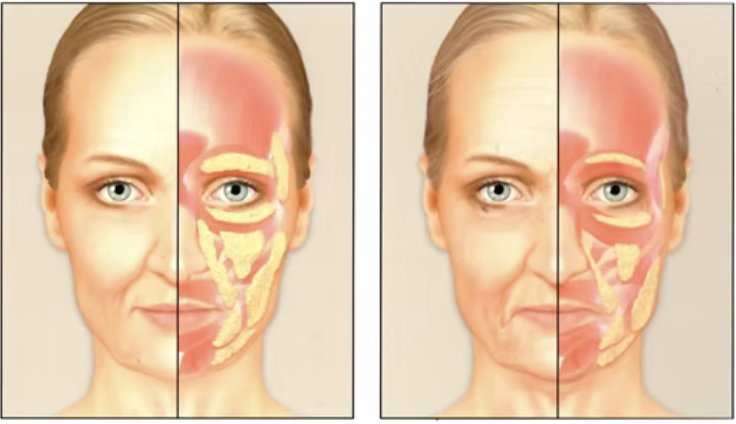
Facial fat isn’t just about what you see in the mirror—it’s a blend of superficial and deep fat compartments that create your unique facial structure.
Picture this: superficial fat sits just under the skin, adding softness, while deeper pads—like the famous buccal fat—shape and contour your cheeks.
Why Faces Store Fat Differently
Ever wondered why some people keep “baby cheeks,” even when they’re lean everywhere else?
These differences come down to a cocktail of factors:
- Genetics: Certain genes can dictate where your face tends to hold or lose fat.
- Hormones: Fluctuations (think puberty, menopause, testosterone) alter facial fullness.
- Sex: Women often hold more midface fat than men.
- Overall body composition: Higher body fat = plumper cheeks, though not always symmetrically.
- Ethnicity: Some groups naturally have larger buccal pads or deeper-set fat.
These factors mean facial fat is hugely personal—what works for your friend might not work for you.
The Truth About Buccal Fat Pads
Buccal fat pads are like the stubborn “storage drawers” deep in your cheeks.
Unlike surface fat, these pads often resist shrinking—even after significant weight loss. That’s why chubby cheeks can stick around on an otherwise angular face.
Research shows that buccal pads maintain volume while other areas slim down, making targeted facial change frustratingly tricky.
How Age Changes the Face
Did you know the average person loses about 12% of their midface fat every decade after age 30?
- This gradual loss flattens cheeks and deepens lines, especially around the eyes and mouth.
- Rapid weight loss can accelerate this, sometimes causing up to 70% fat loss in the midface and temples—cue the so-called “Ozempic face” many folks have seen trending.
Combine this with gravity and thinner skin, and you get more pronounced hollows and sagging.
The Big Picture: Factors That Sculpt Your Face
Your lifestyle matters, too.
- Diet: High salt/sugar can puff up the face via water retention, not true fat gain.
- Exercise: Cardio and strength training burn overall body fat, which may slim facial contours—just not as “targeted” as myths promise.
- Alcohol: Can trigger facial bloating (hello, puffy Monday!).
- Hydration: Sufficient water minimizes fake fullness from dehydration.
Bottom line: Facial fat is a complex blend of anatomy, genetics, hormones, age, and lifestyle—targeting just one element rarely delivers jaw-dropping results.
If you take away one thing, let it be this: your face’s fat story is uniquely yours, and smart strategies focus on overall health, not just chasing “cheekbones overnight.”
The Myth of Spot Reduction: Breaking Down Common Misconceptions
Think you can do jaw exercises, chew gum, or massage your face to lose weight right where you want it? That’s the most persistent myth in facial fat loss.
Spot reduction—the idea that you can burn fat in a specific body area through targeted moves—isn’t how fat loss works. Multiple studies confirm that fat loss is systemic: your body pulls from overall reserves based on genetics, hormones, and total energy deficit, not your choice of workout.
Why Exercises and Massages Don’t Melt Face Fat
Let’s break down some top “face slimming hacks”:
- Facial yoga, jaw workouts, and gum chewing don’t eliminate cheek fat. They tone muscles (think: slightly firmer jawline), but they don’t touch the fat pads beneath.
- Overusing jaw muscles can even cause extra bulk or squared-off angles—think less model, more “chewing champion.”
You’ll see videos promising “chiseled cheekbones in 30 days” just from moving your face. In reality, no amount of facial movement will shrink your buccal fat pads—the deep cheek fat that gives your face fullness.
“Chewing gum daily will burn enough calories to slim your face” sounds catchy, but research shows the calorie burn is negligible. Picture this: you’d need to chew for hours a day to see any result—and you’d likely just build up jaw muscles, not burn fat.
Systemic Fat Loss vs. Temporary Water Changes
- Cutting carbs, salt, or dehydrating can make your face look leaner—for a day or two. That’s water weight, not true fat loss.
- Once you resume normal hydration or eating habits, the puffiness can return, reminding you: real facial slimness comes from total body changes, not quick tricks.
Even if you follow every trick in the book, genetics and hormones still drive how and where your body lets go of fat. Some people keep “baby cheeks” no matter how lean they get elsewhere.
Why the Face Often Feels Stubborn
- Buccal fat pads famously resist change—even when you’re down 10, 20, or 50 pounds, they may stay mostly unchanged.
- Certain ethnicities and hormonal backgrounds store more subcutaneous and deep facial fat, making cheeks, chins, or jawline fullness especially persistent.
If your face doesn’t slim down at the same pace as your body, you’re not doing anything wrong—your biology just has its own plan.
The truth? Facial fat loss isn’t a shortcut or hackable process. The only proven solution is persistent, whole-body weight loss, and even that can’t override genetics or the structure of your face. Remember: “Facial slimming secrets” usually just shrink your expectations, not your cheeks.
Proven Strategies for Reducing Facial Fat: What Actually Works
Ready for some truth bombs? You can’t spot-reduce face fat—but you can trim it down as part of your whole-body strategy. The science is simple: a consistent calorie deficit creates sustainable weight loss, which may also smooth out your jawline or slim those cheeks.
Picture this: You dial down your daily intake by 300–500 calories, stick to whole foods, and your mirror starts showing sharper contours in as little as 8–12 weeks.
The Science of Calorie Deficit and Body-Wide Changes
Here’s what reliably works:
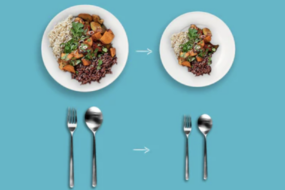
- Create a moderate calorie deficit: Aim for a daily shortfall of 300–500 calories—enough to lose about 1–2 pounds per week.
- Focus on overall weight loss: As your body burns fat, your face may gradually lose fullness, but results vary by genetics and hormone levels.
Imagine your face as a live progress bar—every healthy pound you drop inches that bar toward a more sculpted look.
Diet, Hydration, and Fast-Acting Tweaks
Your diet and habits matter just as much as calories:
- Choose balanced meals: Load up on lean protein, whole grains, high-fiber veggies, and healthy fats.
- Stay hydrated: Drink at least 2 liters of water daily to fight puffiness and fake “bloat.”
- Cut processed foods, salt, and added sugars—these can trigger water retention, making your face look fuller than it really is.
- Minimize alcohol (it’s dehydrating and high-calorie).
Social-share snippet: “Hydration is your instant face-slimming secret weapon—sometimes the quickest change isn’t fat loss, but less bloat.”
Exercise, Habits, and What Actually Changes
Physical activity plays a starring role (but forget face yoga):
- Cardio: Shoot for 150+ minutes each week—think brisk walks, cycling, or swimming.
- Strength training: At least 2 sessions weekly helps preserve or build muscle as you lose weight.
- Rethink quick fixes: Jaw workouts and gum-chewing won’t melt fat. They tone muscle, but won’t shrink cheeks.
Think of your lifestyle like a daily system update—less snacking, more movement, smarter hydration, and you’re optimizing facial appearance with every choice.
Results, Expectations, and Long-Term Takeaways
Be realistic: some areas (like buccal fat pads in the cheeks) are stubborn even for the most dedicated. Weight loss usually impacts the lower face, jawline, and under the chin first, but cheek fullness may persist if it’s genetic.
Key takeaway: Commit to sustainable routines—diet, hydration, exercise—and you’ll see the best version of your face emerge over time. Quick hacks flatten bloat, but real change comes from bodywide fat loss. Every healthy habit is a small upgrade to your daily “face filter.”
Advanced Considerations: The Aesthetics and Downsides of Rapid or Massive Weight Loss
How Fast Weight Loss Transforms Your Face
If you’ve ever noticed someone’s face looking suddenly slimmer but less vibrant after major weight loss, you’re not imagining things.
Rapid weight loss—especially from GLP-1 medications like Ozempic—can result in more skin laxity, hollow cheeks, and deeper folds. Skin doesn’t always shrink at the same speed as fat disappears, so you might see:
- Sagging or looser skin around the jaw and cheeks
- Pronounced lines around the mouth and eyes
- Loss of midface fullness, making a person appear older
These changes aren’t just anecdotal—research shows a 12-18% decrease in midface volume over time with aggressive weight loss, and up to 70% fat loss in cheeks/temples for some.
“Ozempic face” has become shorthand for these hollow, aging facial changes, sparking an online debate about how much is hype and how much is real.
The Real Tradeoffs: Slimness vs. Youthfulness
Losing lots of weight quickly can sometimes cross the line from “healthy slim” to what some call “accelerated facial aging.”
Picture this: A marketing exec loses 40 pounds on a new regimen and suddenly her face looks sharp but noticeably tired—think deeper nasolabial folds and almost “sunken” eyes.
So, what determines whether you stay on the right side of that line?
- Your starting age and how quickly you lose weight
- Genetics—some people naturally have resilient, elastic skin
- Where your face holds fat (deep vs. superficial compartments)
“It’s possible to get lean and still look well-rested, but speed and method matter,” is advice you can take to the bank.
Minimizing Unwanted Aging: Actionable Steps
Don’t want to risk looking older, even as you get healthier? Prioritize these:
- Aim for slow, steady loss—1-2 pounds a week lets skin adapt.
- Maintain skin health with daily SPF, retinoids, and deep hydration.
- Lift weights and do facial muscle toning (not overdoing it) to support skin and maintain fullness.
- Prioritize protein intake—crucial for both skin and muscle.
- If changes are dramatic, consult a medical expert—small tweaks with fillers or non-surgical options can help restore lost volume.
When “Overdone” Needs Intervention
Sometimes, the “rail-thin face” look calls for expert help. Consider talking to a specialist if you notice:
- Severe sagging or unwanted hollowing that affects your confidence
- Persistent folds or wrinkles that don’t improve with time
- Emotional distress linked to appearance changes
Cosmetic interventions like subtle fillers or skin tightening might restore the look you want—just make sure you’re working with a board-certified pro.
Rapid or massive weight loss can reshape your face in ways you might love or regret. When in doubt, go slow, safeguard your skin, and seek professional guidance for tweaks—healthy looks should always feel like you.
When Lifestyle Isn’t Enough: Buccal Fat Removal and Facial Contouring Options
Considering a slimmer face and not seeing results from diet or exercise? You’re not alone—persistent cheek fullness can resist even disciplined routines, thanks to the unique anatomy of buccal fat pads and genetics.
Who Should—and Shouldn’t—Consider Buccal Fat Removal
Buccal fat removal suits adults with:
- Naturally round, prominent lower cheeks that don’t slim with weight loss
- Stable overall weight (not fluctuating rapidly)
- Realistic expectations—not seeking drastic transformation overnight
Those who should rethink the procedure include:
- Individuals with already sculpted or narrow faces (risk of excessive hollowing)
- Anyone under 21 (faces are still maturing)
- Anyone expecting it to fix jowls, double chin, or sagging skin—it only targets deep cheek fat
Pro tip: “If you’re picturing dramatic TikTok makeovers, remember: buccal fat removal is about subtle contour, not a face swap.”
How the Procedure Works and What It Solves
The procedure takes about 30 minutes under local anesthesia:
- A tiny cut inside each cheek lets a surgeon remove targeted fat
- No visible scars; downtime is usually 3-5 days
- Results develop gradually over weeks as swelling fades
It’s not a solution for sagging skin, double chins, or significant jowling—these need other procedures.
Benefits, Risks, and Setting Expectations
Consider these trade-offs before signing up:
- Benefits: Long-lasting slimmer cheek contour, improved facial shape, confidence boost
- Risks: Asymmetry, infection, excessive hollowing (especially after weight loss), changes over time as you age
Cost: Most procedures range from $2,000-$5,000 USD in the U.S.—not typically covered by insurance.
Quote for your story: “Facial contouring is a partnership between anatomy, skilled hands, and realistic goals.”
Non-Surgical Options and Restoring Lost Volume
Not ready for surgery? Explore:
- Dermal fillers or fat grafting: Restore youthful volume in hollow cheeks or deep folds after rapid or age-related fat loss
- Non-surgical contouring (ultrasound or radiofrequency devices): May tighten skin slightly, but don’t target deep fat pads
What doesn’t work: Chewing gum, jaw trainers, “fat melting creams”—these won’t deliver sustained, visible change.
Why Professional Guidance Matters
Always:
- Seek a board-certified plastic surgeon or facial specialist
- Ask to see before/after photos of patients with similar facial features
- Request a 3D image preview or a personalized treatment plan
Your face deserves more than a one-size-fits-all approach.
When diet and exercise can’t reach your “chubby” cheeks, expert consultation can reveal whether surgical or filler enhancements fit best—or if your unique structure is already balanced. The right option depends on your anatomy, age, and confidence goals—not anyone else’s Instagram before-and-after.
Addressing Reader Questions: Genetics, Stubborn Areas, and Sustainable Solutions
Let’s talk about that frustrating moment when you’ve lost weight, but cheeks, chin, or jowls just won’t budge. It’s not your fault—deep facial fat pads and natural anatomy make some areas much more resistant to change.
Why “Stubborn” Facial Fat Happens
Certain fat compartments—like buccal pads and jawline zones—are designed to resist weight fluctuation. Genetics, hormones, and even sex-based fat distribution mean:
- Some people keep “chubby” cheeks at the same fitness level others get gaunt
- Men and women often store facial fat differently (think: rounder cheeks vs. sharper chins)
- Deep fat pockets hold volume, even if your overall body fat is low
Picture this: Two people could follow identical diets and exercise routines, but only one will notice a dramatic facial change. The other may always have slightly fuller cheeks—it’s a personal blueprint, not a failure.
“Why Me?”—Customizing Your Fat Loss Journey
If you’re feeling like it’s just your face holding on, you’re not alone. Thousands ask, “Can I ever lose weight here?”
Here’s what matters most:
- Systemic weight loss (not targeted facial exercise) is the proven approach
- Hydration and sodium control help with puffiness but don’t touch real facial fat
- Real change is usually slow—plan for at least 8-12 weeks for visible results
- “Cheek fillers” or surgical options are available, but don’t rush—natural shifts often take more time than we hope
Creative, Real-World Solutions—Style and Maintenance
Can’t out-genetics your cheekbones? Try these tricks:
- Change your hairstyle to create shadows or balance your face shape
- Use contouring makeup to highlight angles and slim your look on camera
- Choose statement glasses or jewelry to draw eyes upward
Sometimes the best ‘weight loss’ is perception, not just pounds.
Staying Results-Focused and Encouraged
Long-term, balancing aesthetics with health goals matters. Experts agree: Sustainable, whole-body changes—not fads or extreme diets—yield the longest-lasting shifts.
Recent data shows that most people see the first noticeable facial slimming after losing 10-15% of their total body weight.
Remember: “Don’t compare your cheekbones to your neighbor’s—your face is as unique as your fingerprint.”
Even if stubborn areas stick around, there are smart, confidence-building strategies for every face—because great results start with understanding what’s realistic for you.
Conclusion
Understanding the real story behind facial fat isn’t just about looks—it’s about knowing how your body, genetics, and lifestyle team up to shape your experience.
Instead of chasing quick fixes or viral “face slimming” hacks, you’re stepping into a smarter, science-backed approach that actually respects your biology.
The best results come from informed, consistent choices—yours to make every day.
Key Takeaways:
- Embrace holistic change: Sustainable, whole-body weight loss—not just isolated tactics—creates the clearest path to facial slimming.
- Focus on hydration and nutrition: Prioritizing water intake and a balanced diet helps reduce puffiness for instant face wins.
- Ditch the spot-reduction myths: No jaw exercise or trendy “fat melting” hack will outplay genetics or deep fat pads.
- Customize your strategy: Genetic factors set the stage—use pro advice and small lifestyle shifts to work with, not against, your unique face.
- Explore expert help if needed: Considering contouring or fillers? Consult with a board-certified specialist who understands your goals.
Immediate Next Steps:
- Audit your habits: Start with one daily upgrade—swap sugary drinks for water or add a cardio session this week.
- Capture progress: Take a photo today and set a check-in for 8 weeks; real changes happen quietly before they’re obvious.
- Ask for guidance: If you’re frustrated or considering surgical options, book a consult with a reputable aesthetic expert—personalized insight goes further than DIY.
- Celebrate small wins: Notice how better hydration or a few pounds lost already change your energy and confidence.
Your face is one-of-a-kind—so honor your own timeline, not someone else’s filter.
The strongest confidence boost comes from understanding your options and making intentional, empowered choices—one healthy habit at a time.
You don’t need overnight miracles; you’ve got a strategy that actually works.
Share this with a friend who’s ready to stop chasing myths and start making real progress—because your best look is the one that feels authentically you.