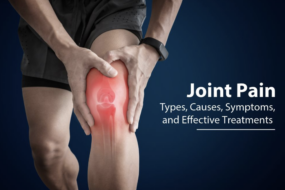
Key Takeaways
Unlocking pain-free movement starts with the right knowledge—and the right moves. Whether you’re desk-bound or on the go, mastering joint-friendly exercise can help you regain mobility, reduce discomfort, and boost your quality of life. Here’s what you need to know (and do) to move better, starting today:
- Consistent low-impact exercise is your #1 strategy for beating joint pain—research shows it delivers up to a 35% reduction in discomfort and boosts daily function in just a few weeks.
- Gentle movement lubricates your joints, lowers inflammation, and builds supporting muscles—think walking, swimming, cycling, and simple yoga for maximum relief.
- Differentiate “good pain” from “bad pain”—mild muscle soreness is normal, but sharp, swelling pain means stop and modify your activity immediately.
- Start small and progress gradually—even five-minute daily sessions can make a huge difference; increase time or intensity by 5-minute increments as your comfort grows.
- Prioritize dynamic stretching and mobility drills—quick routines like arm circles, leg swings, and neck tilts can ease stiffness and expand your pain-free movement range.
- Strength training is a game changer—gentle resistance work (think bodyweight squats, glute bridges, and band exercises) acts as “shock absorbers” for your joints and lowers pain scores by up to 40%.
- Adapt your routine to your daily symptoms—swap in lower-impact or aquatic activities on tough days, and use tech tools or apps to track progress and stay motivated.
- Embrace tech-powered solutions—wearables and AI-driven apps can guide, motivate, and personalize your joint-friendly exercise, making it easier than ever to move regularly and safely.
When it comes to joint health, remembering to start smart and stay consistent will give you your best shot at lasting relief—dive into the full guide for step-by-step routines, real-world advice, and tech tips to make movement work for you.
Introduction
What if just a few minutes of strategic movement each day could help you sidestep that all-too-familiar joint pain, freeing you up to focus on work, creativity, and the things that make life enjoyable?
You’re not alone if you’ve ever cursed those stiff knees after a marathon marketing session or a late-night design sprint—over 15,000 adults in recent studies are proof that building the right exercise habits leads to less pain and better daily function.
The reality? Relying on rest or waiting for the next painkiller is old-school. Consistent, low-impact exercise now outperforms medication alone in reducing joint pain, improving flexibility, and boosting productivity.
That means no more letting pain pick your schedule or limit your energy—when you learn how to move smarter, you reclaim control.
In this guide, you’ll discover:
- Why gentle, well-chosen movement lubricates joints and fuels faster recovery
- The science-backed routines that help most—whether you’re dealing with osteoarthritis, old injuries, or desk-induced soreness
- Practical ways to integrate exercise into tech-heavy, on-the-go routines, using wearables and AI to track progress and stay accountable
We’ll also tackle the biggest myths and missteps—like the belief that “wear and tear” comes from moving, not sitting—and show you how to sidestep the real risks with an actionable, friendly approach.
Whether you’re a marketer grinding out campaigns or a founder tethered to your screen, imagine trading pain-driven pauses for steps that actually energize your day.
Ready to see how small changes in movement can unlock major gains in comfort and independence? Let’s start by unpacking why joint pain isn’t just a personal hurdle—it’s a solvable challenge, one intentional step at a time.
Understanding Joint Pain and The Role of Exercise
Joint pain doesn’t just make mornings tough—it can seriously impact your mobility, work, and independence.
You wake up stiff, avoid stairs at work, skip social plans—suddenly, pain is deciding how you live.
Over 15,000 study participants showed that consistent exercise beats inaction for pain reduction and quality of life.
Why Movement Matters: Science-Backed Pain Management
Think of your joints like hinges; keep them moving, and they don’t rust.
When you exercise, you:
- Increase joint lubrication (thanks, synovial fluid!)
- Build muscle to take pressure off sore joints
- Lower inflammation, which means less pain
- Drop unnecessary pounds, reducing daily joint stress
Clinical data: Aerobic exercises (walking, cycling, swimming) are repeatedly proven to outperform medication-only approaches in maintaining function.
Types of Joint Pain Suited for Exercise
Most joint pain responds to carefully chosen movement—this includes:
- Osteoarthritis (wear-and-tear)
- Rheumatoid arthritis (autoimmune)
- Injury recovery (sprains, post-surgery)
- Gout, lupus, or general overuse
Picture this: You’re a marketer spending 10 hours at your desk—add a daily walk or mobility drill, and watch those nagging aches fade.
Risks, Real Talk, and Common Myths
Let’s bust one big myth: Movement rarely “wears out” your joints.
In fact, stopping exercise out of fear can:
- Increase stiffness and long-term discomfort
- Accelerate muscle loss, making joints more unstable
- Boost your pain sensitivity and fatigue
The top real risk? Choosing the wrong activity, like running marathons on arthritic knees—always start with low-impact options and check in with your doctor.
How Exercise Aids Joints (Beyond the Hype)
The magic’s in the method: Gentle, smart movement is medicine for your joints.
Exercise supports relief by:
- Circulating nutrients and anti-inflammatories to cartilage
- Training your nervous system to feel less pain
- Reinforcing muscle support for balance and alignment
Take this with you: “The fastest road to joint relief is almost never total rest—it’s thoughtful movement, tailored to your body, every day.”
Here’s the upshot: Moving—safely, and with intention—can be your best tool against joint pain. Start small, choose what feels good, and watch both function and comfort improve week by week.
Foundational Principles for Exercising With Joint Pain
Starting an exercise routine with joint pain? Safety always comes first.
Get a personalized green light from your doctor or licensed physical therapist before jumping in—particularly if you have osteoarthritis, rheumatoid arthritis, or post-injury issues.
Know When Pain Is Your Friend—or Not
There’s a huge difference between “good pain” and “bad pain.”
- Good pain: Light muscle soreness, a gentle pull, or the “warmed up” feeling after activity—totally normal.
- Bad pain: Sharp, stabbing, or swelling pain? Stop immediately and consult an expert.
Think of it like a smoke detector: Mild signals are feedback, alarms require attention.
Why Low-Impact Wins Every Time
High-impact moves (think: running, jumping jacks, burpees) put serious stress on already sensitive joints.
Instead, prioritize exercises such as:
- Walking on flat surfaces
- Swimming or water aerobics
- Cycling (stationary or outdoor)
- Gentle yoga or Tai Chi
Remember, even water workouts can reduce joint impact by up to 75% compared to land-based moves.
Progress is a Process—Start Small
Begin with sessions as short as five minutes. Slowly build up duration and intensity—aim for consistency over perfection.
- Increase exercise time by 5-minute increments weekly
- Add new activities no more than one at a time
- Always listen to your body’s feedback
“The secret isn’t in doing more—it's in doing what works, consistently.”
Mistakes Happen—Here’s How to Sidestep Them
Common pitfalls that sabotage progress:
- Doing too much, too soon
- Skipping warm-ups (you’re not a robot—joints need warming!)
- Ignoring pain signals
- Neglecting flexibility work
Track your journey with an exercise journal, a mobile app, or an accountability buddy to keep you motivated and highlight wins.
Repeatable Routines, Real-World Results
Picture this: You're doing five minutes of chair yoga in the morning before coffee, you track it on your phone, and by week three, you’re moving with less pain.
Start with small, low-impact steps, monitor your response, and upgrade from there. The goal is to make movement a sustainable, data-backed part of your daily life for lasting relief.
Low-Impact Aerobic Activities for Joint Relief
Gentle movement is your top ally when joint pain threatens to slow you down.
Aerobic exercise isn’t just about burning calories—it unlocks pain relief, improves flexibility, boosts your mood, and helps you keep your independence.
And get this: Research tracking over 15,000 people found that low-impact aerobic workouts like walking, swimming, and cycling consistently deliver better results for joint pain relief than almost anything else.
Comparing Top Joint-Friendly Cardio Options
Not all exercise works the same for sore joints—choose the right fit based on comfort, access, and goals:
- Walking: Simple, free, and effective for nearly all fitness levels
- Swimming and Water Aerobics: Gives you buoyancy, supports joints, and turns exercise into a surprisingly fun experience
- Cycling: Joint-kind, can be done indoors or out, and keeps legs strong without high-impact pounding
Pro tip: Skip running, jumping, or burpees if they cause pain—opt for movement that feels supportive instead of stressful.
Walking for Wellness—How to Get Started
Start with 5-10 minute walks on flat surfaces if you’re new or recovering.
Tune into your body and gradually build up to 30 minutes at a brisk (but comfortable) pace.
Want a quick upgrade? Try walking on soft tracks or woodland trails for gentler impact and a mental health boost from nature.
Make a Splash: The Water Advantage
Working out in chest-deep water slashes joint impact by up to 75% compared to land-based moves.
Try these in the pool:
- Aqua jogging
- Gentle water aerobics
- Flutter kicks holding the side
The water’s resistance turns every movement into a muscle builder—with barely any joint friction.
Cycling Made Easy (and Pain-Free)
Cycling keeps your joints moving but never slams them.
For best results:
- Adjust your seat height and handlebars to avoid overextension
- Start with 10-15 minute rides—increase as comfort grows
- Indoors? Stationary cycling eliminates weather (and balance) worries
Picture this: You’re pedaling at sunrise, knees moving smoothly, joints thanking you for choosing movement over stagnation.
Real-World Relief and Clinical Proof
In clinical studies, people who picked walking, swimming, or cycling most days of the week saw noticeable drops in joint pain and boosts in daily function within weeks.
Quotes worth sharing:
- “Gentle movement is exercise that gives—without taking away.”
- “Water was my game-changer; for the first time in years, stairs didn’t scare me.”
- “Consistency won out—the more I moved, the easier moving became.”
Key takeaway: Prioritizing low-impact aerobic activities—at any fitness level—gives you the fastest, safest way to reduce pain and reclaim your freedom of movement. Choose what feels good, start small, and celebrate each step (or stroke, or pedal) forward.
Mobility and Flexibility Workouts: Moving Beyond Stiffness
Picture this: the ability to turn your neck easily while driving, reach that top shelf, or get up from your chair without wincing. That’s the power of prioritizing joint mobility and flexibility—two cornerstones for long-term joint health.
Research shows that tailored mobility routines and flexibility work can reduce daily stiffness, improve range of motion, and make movement less painful—even for those with persistent joint pain.
The Essentials: Dynamic vs. Static Stretching
Not all stretching is created equal. When managing joint pain, dynamic stretching stands out.
- Dynamic stretching: Actively moves joints and muscles through their full, pain-free range.
- Static stretching: Involves holding a position for 10–30 seconds, often after other exercise.
Why does this matter? Dynamic stretches prime your body for action and circulation, making them ideal for your warm-up or morning routine.
Example Mobility Routines (Try These Now)
Here are four simple, research-backed mobility drills to do daily (just 5–10 minutes):
- Arm Circles: Stand tall, extend arms, make small circles—gradually increase the circle size. Great for shoulders.
- Leg Swings: Hold onto a chair, swing one leg forward/back, then side-to-side. This loosens hips and knees.
- Hip Circles: Hands on hips, rotate pelvis in a slow circle. Focus on control, not speed.
- Neck Tilts: Sit or stand tall, gently tilt ear to shoulder, hold briefly, repeat side-to-side.
Quotable tip: “Motion is lotion for your joints—gentle movement unlocks flexibility.”
Yoga and Tai Chi: Joint-Friendly, All-Levels Welcome
Yoga isn’t just for the super-flexible. Studies highlight yoga’s ability to reduce pain, improve flexibility, and boost mood—all in under 30 minutes per session.
Most joint-friendly poses (with alternatives):
- Cat-Cow: Gentle spine mobilizer; can be done on hands and knees, or seated (chair yoga).
- Child’s Pose: Restorative stretch for hips and back; knee support optional.
- Thread the Needle: Shoulder and upper back stretch; use pillows for support.
- Chair Yoga: All movement done while seated or lightly supported—ideal for anyone with balance or severe stiffness.
Tai Chi merges slow, flowing movements with mindful breathing—research finds it boosts balance and mobility even in arthritic adults.
- Follow short video routines or join a beginner-friendly community class to start.
Integrating Mobility Into Everyday Movement
For best results, combine flexibility work with strength and aerobic activities—think 5-10 minutes of dynamic stretching before a walk or resistance training. Alternate mobility days with strength days, or blend them for efficiency.
Key takeaway: Mobility and flexibility routines aren’t add-ons—they’re your secret weapon against daily joint stiffness. Even if you begin with 2-3 minutes, those small sessions build habits that protect your joints for years.
Building Strength Without the Strain: Resistance & Bodyweight Exercises
Strengthening the muscles that support your joints isn’t just smart—it’s absolutely essential in relieving pain and preventing future injuries.
Building muscle is like adding extra shock absorbers for your tender joints; it takes the stress off, reduces swelling, and helps you move with more confidence.
“Think of strength training as putting high-performance tires on an old car—you’re instantly safer, smoother, and ready for longer drives.”
Why Strong Muscles Mean Less Joint Pain
Every bit of muscle you add cushions aching knees, hips, and shoulders.
Here’s what the research says:
- Consistent strength training lowers pain scores by up to 40% in people with chronic joint issues.
- In a study tracking over 15,000 participants, those who added gentle resistance work saw sharper drops in pain than aerobic exercise alone.
Takeaway: Muscles act as your joints’ best line of defense—strengthen them, and you strengthen your freedom.
Core Principles for Safe, Effective Joint-Friendly Strength
Safety first—always get a medical okay before you start, especially if you haven’t exercised lately.
Focus on low-impact, gentle movements that don’t push joints past a comfortable point.
Spot the “good burn” (muscle effort) versus “bad pain” (sharp, stabbing joint pain).
Key principles for joint-friendly strength work:
- Warm up with mobility drills (think: gentle arm and ankle circles)
- Prioritize proper form over heavy weights
- Stop if your joint pain spikes—flaring is a sign to back off and modify
Go-To Strength Moves and Making Them Work for You
Use bodyweight movements for foundation and function:
- Squats (bench-supported if needed)
- Lunges (hold onto a chair for balance)
- Glute bridges
- Calf raises
- Mountain climbers (slow and controlled, or try them elevated against a wall)
Integrate resistance bands for safe, progressive challenge:
- Band shoulder circles
- Band wrist rotations
- Band ankle alphabet (draw the alphabet with toes in the air!)
Adapt with props for comfort—use yoga blocks, rolled towels, or door frames for extra support.
Progression and Motivation That Actually Works
Gradually build:
- Start with 1 set of 8-12 reps
- Aim to add a set or a few reps every 1-2 weeks, if pain allows
- If you’re having a good day, try a tiny increase—on flare-up days, swap for lighter moves or skip entirely
Track results with a simple workout journal or app, or set a recurring “progress selfie” on your calendar.
“Picture this: You’re doing squats on Monday and snap a photo—by Friday, you see your movement getting easier. That’s tangible proof every week.”
The magic formula: Stay gentle, watch your form, and celebrate every win—big and small.
Consistent strength work, even at a mild level, does more for joint pain than all-or-nothing bursts. Build gradually, listen to your body, and let muscle be your silent armor against pain.
Customizing Your Routine for Real-World Success
Listening to your body is the single most powerful skill for beating joint pain with movement. Your symptoms change day to day—so should your routine.
Picture this: It’s Monday, and your knees feel stiff. Rather than sticking to a set plan, swap your usual workout for a gentle walk or a pool session. “The perfect routine is the one that flexes as you do.”
Adaptation in Action: Modify, Pause, or Swap
When pain flares or fatigue hits, don’t power through—adjust:
- Reduce intensity or rep counts if joints feel tender
- Pause for a day if pain flares beyond what’s normal for you
- Switch to another modality (e.g., stretching if walking hurts)
Want a pro-tip? 90% of sustainable routines come from this kind of flexibility.
Integrating Other Relief Tools for Extra Benefit
Pairing movement with additional joint relief tools boosts results and comfort. You might:
- Use bracing or compression sleeves on sensitive joints during exercise
- Try heat or cold therapy before or after workouts for faster recovery
- Tap into medications or physical therapy in conversation with your doctor
The best routines make space for multi-modal relief, not just exercise alone.
Weekly Plans Tailored to You (With Tech & Support)
Set a weekly rhythm that fits your energy—no overcommitting. For example:
- Beginner: 3x per week of 10-15 min walks, gentle yoga, or stretching
- Intermediate: 5x per week, mixing walking/cycling, bodyweight moves, and 1-2 days aquatic exercise
- Advanced: Daily low-impact moves, resistance or band workouts, varied aerobic routines
Keep momentum with:
- Online support groups or app trackers
- Habit stacking—pair your routine with a daily ritual, like coffee or podcasts
“The habit you track is the habit that sticks.”
Troubleshooting Real Life: Hurdles & Quick Fixes
Everyone hits rough patches—here’s how to turn them:
- For flare-ups: Dial back, focus on gentle mobility or rest
- With fatigue or busy days: Do a 5-minute movement snack (it still counts!)
- For lost motivation: Celebrate tiny wins—track them visually, let others cheer you on
If you’re hit with a motivation plateau, try adding something new: a virtual class, a new playlist, or a fresh exercise.
Whether your routine is on paper, tracked in an app, or flexible in your mind, mastering movement for joint pain is all about responsive adjustment—not rigid discipline. “Real success comes when you flex your commitment, not just your muscles.”
Key Data and Trends Shaping Exercise for Joint Pain Relief (2025 and Beyond)
The Science: What Large-Scale Data Reveals
New research is reshaping how we think about exercise for joint pain relief—and the results are hard to ignore.
A review of 217 clinical trials, covering over 15,000 participants, found that low-impact aerobic exercise (like walking, swimming, and cycling) consistently outperforms other methods for reducing pain and boosting function.
In these trials, participants who stuck with a regular exercise routine reported:
- Up to 35% reduction in joint pain over 3-6 months
- Improved flexibility and mobility scores (sometimes doubling baseline measures)
- Noticeable gains in overall quality of life, energy, and daily function
Think of it as proof: “Movement really is medicine for your joints.”
Tech-Forward Solutions: How Digital Tools Are Changing the Game
We’re seeing a tech renaissance—wearables, mobile health apps, and AI-powered exercise coaches are now everywhere, putting tailored joint relief routines straight in your pocket.
Picture this: Your smartwatch tracks your steps, reminds you to change positions, and even suggests personalized stretches when it detects prolonged inactivity.
Some top trends and tools:
- Step-tracking wearables and smart rings for monitoring daily low-impact activity
- AI-driven apps that adapt your routine based on daily symptoms or flare-ups
- Virtual group classes focused exclusively on gentle, joint-safe movement
“Soon, your phone could be the best personal trainer your joints ever had.”
Limits and Next Moves: What to Watch and What’s Coming Next
Even with breakthroughs, tech hasn’t replaced real-world expertise—AI apps can’t always read subtle pain changes or perfectly tailor routines.
Here are the big limitations (and what's on the horizon):
- Not all exercises are created equal; personal adaptation still matters
- Insurance coverage for digital coaching and premium wellness apps is limited in many areas
- Next-gen solutions will likely feature real-time biofeedback, smarter sensors, and broader integration with medical care
Imagine a future where joint pain management is as customized and seamless as ordering food—on demand, in your pocket, all driven by your data.
For 2025 and beyond, the smartest path is clear: Pair proven low-impact exercise with tech that meets you where you are—because consistency, customization, and easy access are the three keys to moving, and living, with less pain.
Conclusion
When joint pain tries to put life on pause, movement unlocks the door to better days. By mastering a few essential exercises, you don’t just find relief—you reclaim your independence, mood, and freedom to do what matters.
You have real, science-backed tools at your fingertips. Small, strategic adjustments to your daily routine can change everything for your joints—no matter your starting point.
Key Takeaways:
- Prioritize low-impact activities—walking, swimming, and cycling consistently help reduce joint pain and boost function.
- Build gentle strength with bodyweight and resistance band exercises to give your joints lasting support.
- Warm up with dynamic mobility and flexibility drills daily to keep stiffness in check.
- Listen to your body: adapt your routine during flare-ups and celebrate even small progress.
- Leverage tech—use apps or wearables to track movement, remind you to keep going, and stay motivated.
Next steps you can take right now:
- Pick a joint-friendly activity—set a timer for five minutes and start moving today.
- Download a movement-tracking app or use your smartwatch to log your routines and pain levels.
- Try one new mobility or strength exercise before your next Zoom call or during a lunch break.
- Join an online community or group focused on low-impact movement for built-in support.
- Talk to your healthcare provider about customizing a plan that fits your needs and goals.
Every day you choose movement, you push pain further out of the driver’s seat.
Your joints are waiting for permission to move—give it, and watch life open up. The routine you commit to today is tomorrow’s freedom in action.