Key Takeaways
Treating nail ridges isn’t just about cosmetic fixes—it’s about reading your nails as early signals for health, stress, and self-care. Here’s what every tech-minded professional and wellness enthusiast needs to know for smarter, healthier nail routines.
- Vertical ridges are usually harmless, showing up in up to 80% of adults by age 60 as a natural part of aging or mild trauma like typing or manicures.
- Horizontal ridges (Beau’s lines) signal bigger issues—if you spot them across multiple nails, especially with color changes or pain, connect with your doctor as they can flag illness or major stress.
- Daily hydration is your frontline defense—moisturize with oils or creams containing ceramides and hyaluronic acid to maintain nail elasticity and resilience.
- Buff gently and protect, don’t overdo it—stick to soft buffers, always file in the direction of growth, and wear gloves to shield nails from water and harsh chemicals.
- Upgrade your nutrition for stronger nails—focus on biotin, zinc, and folic acid from whole foods or supplements, and expect visible results in 3-6 months.
- Scan your nails monthly as a health check—watch for new ridges, sudden discoloration, or swelling, and log any changes to discuss at checkups.
- Avoid aggressive or unproven remedies—skip lemon juice, toothpaste, or excessive buffing, as these can actually make ridges worse.
- Let experts step in for sudden changes—if you notice multiple new horizontal ridges, pain, or pus, a dermatologist can provide targeted care and rule out underlying conditions.
Spotting and treating nail ridges is about staying ahead—follow these steps and you’ll protect both your nail health and overall wellbeing. Dive into the full article for detailed routines, warning signs, and pro tips that keep your hands (and your workflow) in peak condition.
Introduction
Ever caught yourself tapping your fingers during a video call, only to spot mysterious ridges running across your nails? For tech pros and creators who spend most days behind keyboards—and sometimes in front of cameras—those subtle grooves can feel like a detail you shouldn't ignore.
Here's a surprise: up to 80% of adults over age 60 spot these nail ridges, but they're cropping up earlier and more often for busy professionals juggling deadlines, handwashing, and high-stress sprints. Sometimes, harmless. Other times, your nails are sending a clear “heads up” about health in ways your notifications never could.
Why care? Because nail ridges aren’t just a cosmetic blip—think of them as the dashboard warning lights for your body. They can flag everyday wear, nutrient gaps, or even signal a serious internal reset. And with more professionals structuring their wellness routines for efficiency, understanding which ridges are harmless and which demand your attention is practical self-care you can’t afford to skip.
In this guide, you’ll find:
- Actionable ways to identify vertical vs. horizontal nail ridges—and know exactly what each style means for you
- Real-world causes (from nail-biting marathons to massive project deadlines) that often get overlooked by busy hands
- Step-by-step fixes you can actually fit into your routine—no medical jargon, just expert-backed solutions that work
You’ll also learn which symptoms are your cue to phone a pro and how small changes can spark long-term nail strength (no miracle polishes required).
Think of this as your smart, sanity-saving roadmap to interpreting—and tackling—nail ridges with confidence.
Next, get the basics on what ridges really mean, and how your nails quietly record every professional pivot, late-night sprint, and run-in with cleaning supplies.
Understanding Nail Ridges: The Basics
Nail ridges are the raised lines or grooves that pop up on your fingernails or toenails—a little like tiny speed bumps. Nearly everyone sees them at some point, especially as we age or our health shifts.
Think of your nails as the dashboard warning lights for your wellness. They often signal what’s happening inside your body before anything else does.
Types of Nail Ridges: Vertical vs. Horizontal
There are two main styles to watch for:
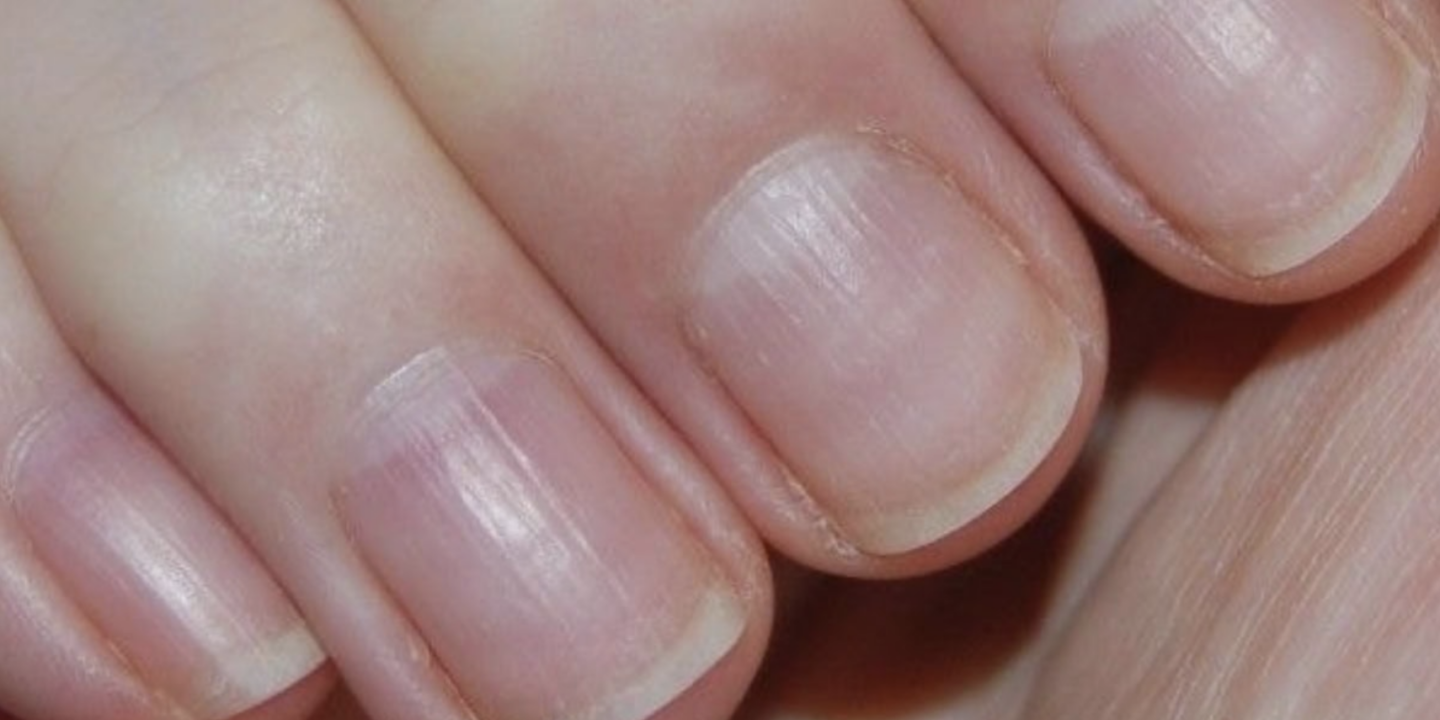
- Vertical ridges (longitudinal/oncychorrhexis): Thin lines running from base to tip, like the grain in wood
- Horizontal ridges (transverse/Beau’s lines): Deep grooves that cut across from side to side, indicating disrupted nail growth
Vertical ridges? Super common as nails naturally thin and dry out with age. Horizontal ridges? Those are your “check engine” lights—often tied to illness, major stress, or system-wide changes.
When Nail Ridges Are Normal—and When They’re Not
Not all ridges spell trouble. For most tech-savvy professionals juggling deadlines, slight vertical ridges are part of the aging package, with up to 80% of adults showing them by age 60.
Be on alert if you spot:
- Horizontal ridges across several nails
- Rapid changes in color, thickness, or shape
- Tenderness, pain, or swelling
If you see multiple nails affected or brand-new horizontal grooves, something bigger may be stirring beneath the surface—a reason to connect with your healthcare provider.
The Science Behind Nail Growth and Health
Here’s a quick anatomy tour:
- Nails grow from the matrix (just beneath your cuticle), pushing out old cells as tough, compacted keratin
- Average growth: About 3 millimeters per month, so what you see today was made weeks ago
- Healthy nails rely on balanced nutrition (think iron, zinc, protein, biotin), good circulation, and protection from trauma or chemicals
Imagine each nail as a slow-motion health diary; any interruption—illness, crash diet, repeated manicures—leaves its mark.
You don’t need to be a dermatologist to spot when your nails are acting out. A simple weekly scan can clue you in early, helping you intervene before problems get bigger.
In short: Subtle vertical ridges are aging’s calling card—but sudden changes, especially horizontal lines, are your cue to pause and investigate. Use your nails as a real-time wellness dashboard, and stay one step ahead.
Types of Nail Ridges and Their Distinct Features
Vertical Ridges (Onychorrhexis)
Picture thin, vertical lines running from the base to the tip of your nail—they may look subtle, or in some cases, stand out like faint grooves.
These vertical ridges become more common as we age: by age 50, up to 81% of adults notice them.
If you’ve buffed your nails too often, picked at manicures, or simply chalked it up to birthdays adding up, you’re not alone. The usual suspects include:
- Aging
- Mild trauma to the nail (like frequent manicures or typing)
- Nutrient absorption challenges (think iron or zinc deficiencies)
- Skin conditions (eczema or psoriasis)
Vertical ridges often mean your nails are just “weathering,” but if you spot:
- Sudden pain
- Color changes
- Fast, dramatic thickening
…it’s time to pause and check in with a pro.
Quotable tip: “Vertical ridges are as common as gray hairs—watch for what’s normal for you, not someone else.”
Horizontal Ridges (Beau’s Lines)
Imagine a deep groove cutting across the width of your nail—like someone drew a line from east to west.
These horizontal ridges—known as Beau’s lines—don’t mess around. They signal the nail stopped growing, often due to:
- Serious illness (COVID-19, pneumonia, heart attack)
- High fevers
- Major sudden stress
- Chemotherapy or harsh medications
Real-world stat: New horizontal ridges that appear on multiple nails can follow hospitalization or severe infection just 2–3 months prior—the time it takes for new nail growth to reveal the “event.”
If these show up suddenly on several nails or are paired with changes like swelling or tenderness, get a professional assessment ASAP.
Shareable moment: “Horizontal ridges are your body’s timestamps—every groove tells a story about a major disruption.”
When to Worry: Symptoms Signaling Bigger Issues
Some nail changes mean stop-and-check, not just “wait and see.” Key red flags include:
- Sudden discoloration or dark streaks
- Swelling, oozing, or pain
- Multiple new ridges at once
- Splinter hemorrhages (thin, dark lines)
Comparing all your fingernails and toenails can help—are the changes isolated, or is every nail involved?
Ask yourself: “Have there been any recent big changes in my health, stress levels, or medications?”
Nail ridges tell the story of your body’s recent history. Vertical lines are usually harmless markers of aging or daily stress, while horizontal grooves (Beau’s lines) always mean something bigger needs attention. Noticing the difference—and when to call your doctor—can make all the difference for both your nails and your health.
Root Causes: Why Nail Ridges Develop
External and Everyday Causes
Think of your nails as your body’s activity log—they record every knock, habit, and adventure.
The most common external triggers are activities or environments that stress or damage the nail matrix, the growth zone under your cuticle.
You’re especially at risk if you:
- Regularly get manicures or use acrylic/gel nails (all that buffing and filing adds up)
- Work with your hands (repetitive tapping or hard impacts put micro-stress on the nail bed)
- Expose your nails to harsh chemicals (cleaning products, acetone-based removers, or hand sanitizers)
- Wash hands frequently or do water-heavy chores (wet-dry cycles make nails brittle and weak)
A single aggressive salon visit might trigger a vertical ridge, but repeated trauma can make them a fixture.
Pro Tip: “If you see new ridges after a change in your nail-care routine, your nails are sending you a message—time to reassess those habits.”
Systemic and Medical Factors
Take a closer look: persistent nail ridges can be the tip of a bigger health iceberg.
Nutritional deficiencies are major players. You might be low in:
- Iron, zinc, protein, folic acid, or B12—deficiencies show up as brittle or ridged nails
- Low protein in the diet can create splitting or wavy lines
- Chronic skin diseases like eczema, psoriasis, or lichen planus may produce scaly, pitted, or grooved nails
Endocrine and immune disorders play a hidden role:
- Thyroid problems, diabetes, or rheumatoid arthritis are common culprits
- Severe illnesses (like COVID-19, kidney failure, or chemotherapy) often trigger horizontal ridges called Beau’s lines, signaling interrupted growth
- Certain medications (including some antibiotics, cancer treatments, and even heart drugs) can alter nail appearance
Picture this: “After a bout of high fever or starting a new medication, a single horizontal groove can slowly emerge, like a timestamp of that stressful week.”
When Underlying Health is the Real Concern
Nails aren’t just cosmetic—they’re “dashboard warning lights” for your wellness.
If ridges develop suddenly, spread to multiple nails, or arrive with other warning signs, it’s time for a deeper look.
- Review any recent changes: new diets, illnesses, major stress, or medication adjustments
- Look for other symptoms: fatigue, hair changes, skin lesions, or unexplained weight shifts
Self-checking your nail changes side-by-side with your overall health can be the difference between DIY fixes and getting a crucial early diagnosis.
Sometimes, what looks like a minor nail oddity is actually leverage for bigger self-care decisions.
Whether your ridges are from over-buffing, nutrient gaps, or deeper health changes, treating the real root will bring the best results—a quick polish can smooth the surface, but real resilience grows from the inside out.
Step-by-Step Solutions: Treating and Minimizing Nail Ridges
At-Home Strategies for Smoother Nails
Picture this: You're scrolling through your to-do list, and spot “fix nail ridges”—no need to book a fancy treatment yet.
Start with hydration:
- Opt for oils rich in ceramides, castor oil, or sweet almond oil—these trap moisture and boost nail elasticity
- Look for creams with hyaluronic acid or glycerin; skip alcohol-based or acetone-heavy products
Gentle exfoliation works wonders:
- Use a soft, tri-grit buffer; always move in the direction of nail growth, not back and forth
- Try a glycolic acid wipe once a week for smoothness—never sand your way to perfection
Protect your progress:
- Wear gloves for cleaning or any “messy” task—a quick barrier against water, sanitizer, and chemicals
- Trim nails straight across, and avoid over-buffing or cutting cuticles
Smart diet and supplement changes go a long way:
- Biotin and folic acid, plus silicon-rich foods (like oats or bananas), support new nail growth
- Results aren’t instant: Expect 3-6 months for visible improvement—think of it as “slow motion rejuvenation”
Add quick-fix polish:
- Ridge-filling base coats create a smooth, camera-ready finish—your secret for last-minute video calls
Nail hack moment: “A drop of almond oil at bedtime can make brittle, ridged nails look photo-ready by morning.”
When to Call in the Pros: Medical Treatments and Specialist Care
If you notice sudden ridges with pain, pus, or color change, it's time to see a dermatologist.
Here's how the experts handle it:
- Careful exam and medical history, and sometimes lab tests or nail biopsies for diagnosis
- Prescriptions for underlying causes: topical steroids (for eczema/psoriasis), targeted hardeners, or iron for anemia
- Advanced therapies for tough cases, especially disease-related or chemotherapy-induced changes
- Long-term routines: professionals often recommend hand treatments or nail serums formulated for medical-grade results
You’ll often hear, “If it’s not improving after two nail growth cycles, let’s investigate more deeply.”
Smart Product Picks: What Works and What Doesn’t
With so many options, what’s worth your time (and wallet)?
Science-backed products win:
- Serums with hyaluronic acid, ridge-filling base coats, or protein-enhanced polishes top the proven list
- Plant-based formulas offer gentler results, but may need more time to show improvement
- Avoid home remedies like lemon juice or toothpaste—these dry out nails and make ridges worse
Myth buster: “Buffing with a kitchen sponge won’t ‘erase’ ridges—skip it before you damage new growth.”
Daily, gentle care—hydration, protection, and patience—gets the best results for most nail ridges. If changes seem rapid, severe, or come with other symptoms, trust your instincts and let a pro help.
Prevention and Long-Term Care: Keeping Nails Resilient
Daily Habits for Stronger, Healthier Nails
Building resilient nails starts with small daily shifts that truly add up.
Swap harsh nail products for acetone-free removers and trim nails straight across to minimize splitting.
Embrace these nail-friendly routines:
- Moisturize nightly using a balm or oil (look for ceramides or coconut oil).
- Wear gloves for dishwashing, cleaning, or whenever you’ll get your hands wet for long.
- Avoid aggressive filing or buffing—gentle is the name of the game.
Picture this: your nails gleaming under soft kitchen lights because they haven’t seen a harsh chemical in weeks.
The Goldilocks Principle & Environmental Hygiene
Nails love a “just right” environment—not too dry, not too damp.
Repeated soak-and-dry cycles can make ridges worse, so:
- Limit hot water exposure and skip daily soaks.
- Use a humidifier in winter, but skip constant hand sanitizers with high alcohol (over 60%).
Balance is your best tool. Think of it like keeping tech equipment away from humidity and heat—nails thrive under the same rules.
Fatigue-Proofing During Stress and High Use
Life gets busy, and so can your hands.
If you’re typing all day or hitting the gym, fatigue-proof your nails with these key habits:
- Fuel up with foods rich in biotin, zinc, and folic acid—think eggs, nuts, whole grains.
- Supplement if tests reveal a deficiency, but don’t expect overnight miracles; nail changes can take 3-6 months to show.
“Protect your nails during high-stress sprints, just like you’d protect your laptop in a marathon work session.”
Periodic Self-Checks & Health Clues
A quick scan of all 10 nails once a month can catch issues early.
Look for:
- New ridges
- Sudden discoloration or dark streaks
- Swelling or pain
These small signs often tell you more about your overall health than you'd expect.
When Nail Ridges Tell a Bigger Story
Nail changes are like dashboard warning lights for your body.
If you spot multiple horizontal ridges (Beau’s lines) or see other symptoms—fatigue, hair loss, sudden illness—don’t ignore them.
- Jot down changes and timing on your phone or calendar.
- Share photos and notes at your annual health check—your doctor can cross-reference with medications or illnesses.
Tailor your routine to fit your workflow: tech pros can automate reminders for monthly self-checks, while busy creators might link nail care with screen breaks.
A resilient nail routine isn’t about perfection—it’s about noticing small changes and course-correcting early. Protecting your nails today can sometimes clue you into bigger health stories tomorrow.
Navigating Nail Ridges Within the Bigger Picture of Nail Health
Nail ridges aren’t just cosmetic quirks—they’re windows into your body’s wellbeing. Think of your nails as dashboard warning lights: small changes can tip you off to deeper health stories.
Vertical ridges are usually just “road markers,” common with age or minor trauma. But combine them with brittle texture or dark streaks, and suddenly you’re looking at a potential warning sign worth a second look.
How Nail Ridges Compare to Other Nail Changes
Nail ridges share the stage with:
- Nail psoriasis: causes pitting, roughness, and thickening, not just ridges
- Ingrown nails: present with red, swollen edges and can become infected
- Nail discoloration: yellow, brown, or black streaks can flag fungal infections, trauma, or melanomas
Truly, the difference between “totally normal” and “needs action” is in the combo:
- Harmless ridges: appear with age, grow out with time, no pain or color shift
- Red flags: sudden, deep horizontal grooves (Beau’s lines), painful swelling, pus, or color changes—time to call your doctor
Quick Troubleshooting Checklist
Spot something unusual in your nails? Run through this scan:
- Are ridges accompanied by pain, inflammation, or pus?
- Any abrupt color changes or dark streaks appearing?
- Are multiple nails changing, or just one?
- Have you had recent fevers, illness, new medications, or major stress?
Catch one or more of these? That’s your cue to seek medical advice—not just a new moisturizer.
Picture This: Nail Changes in the Real World
Imagine: After a tough bout of the flu, you notice deep grooves running horizontally on three nails. Or your tech-worn hands start to show vertical ridges, but now the edges hurt and turn red. Noticing these shifts early could mean the difference between quick reassurance and catching a health problem before it snowballs.
For a deeper dive into nail psoriasis, non-fungal disorders, or expert-approved care routines, check out our related guides for targeted action steps.
Even small nail changes have big stories to tell. The real win? Becoming the kind of person who spots them early—and knows when to act.
Conclusion
Your nails are more than a finishing touch—they’re a living record of your wellbeing and daily habits. Treating nail ridges isn’t about masking flaws; it’s about understanding what your body is telling you and acting on those signals for lasting health and confidence.
Empowering yourself with knowledge means you’re not just reacting to changes—you’re actively improving both your nail health and overall wellness.
Top takeaways you can put to work today:
- Hydrate your nails nightly with oils or creams rich in ceramides and hyaluronic acid to fight dryness and boost resilience.
- Protect hands during cleaning, dishwashing, or long typing sessions by wearing gloves and trimming nails straight across.
- Buff gently, not aggressively—use a tri-grit buffer and follow the natural grain to avoid more trauma.
- Upgrade your nutrition by adding biotin-rich foods and considering supplements if your diet falls short.
- Monitor for warning signs—pain, color changes, or horizontal grooves mean it’s time to check in with a healthcare pro.
Ready to put these tips into action? Try adding a minute of hydrating oil before bed, or set a calendar reminder for your next nail self-check. If you spot red flags, don’t hesitate—schedule that medical consult and give your nails (and health) the expert attention they deserve.
Your hands type your story—and your nails can hint at the plot twists before you feel them elsewhere. Make your nail care routine a wellness ritual, and let every detail reflect your commitment to staying a step ahead.
Every “ridge” is a reason to listen—because small changes today can build the strongest foundation for tomorrow.