Key Takeaways
Looking to spot, treat, or prevent toenail fungus in 2026? Here’s your crash course—packed with expert-backed, instantly actionable insights for anyone who wants healthy feet without the guesswork. Each takeaway delivers the core facts and next steps you need, designed for quick reading and confident decision-making.
- Catch warning signs early by watching for yellowing, thickening, or crumbling nails, especially if at-home treatments fail after 2-4 weeks or the infection spreads.
- Don’t DIY complex cases—people with diabetes, immune compromise, or rapidly changing nails should see a provider fast to avoid serious complications.
- Expect lab confirmation before oral medication; KOH, culture, PAS, or emerging DNA (PCR) tests are now standard for accurate, insurance-approved diagnosis.
- Know your ICD-10 codes—the most common for toe fungus is B35.1 (onychomycosis), and correct coding makes the difference for getting your treatment covered.
- Practice daily prevention: wash and dry feet thoroughly, rotate moisture-wicking socks and breathable shoes, and use antifungal sprays in shoes—prevention lowers recurrence by nearly 40%.
- Protect your circle by never sharing shoes, socks, or nail tools, and sanitize shared spaces to stop fungus from spreading at home or the gym.
- Ask power questions at your visit—inquire about diagnostic tests, treatment options, safety monitoring, and personalized prevention, ensuring clear answers and faster relief.
- Build your action plan: prep photos, symptom notes, and history before appointments, track nail changes, and stick to a monthly checkup routine for long-term health.
Use these scannable strategies to take control of toe fungus—then dive into the full article for guided checklists, prevention habits, and the latest on advanced diagnostic tools.
Introduction
Ever looked down at your toes and thought, “Huh—when did that nail get so yellow and thick?” You’re not alone. Over 35 million Americans will face toenail fungus this year, and many will miss early warning signs or waste months on failed treatments because they never got a real diagnosis.
If you rely on your feet to power through business days, workouts, or simply keep up with your schedule, ignoring stubborn nail changes can cost you way more than just comfort—it’s a common culprit behind ruined shoes, canceled plans, and that lingering embarrassment when flip-flop season rolls around.
Here’s the good news: diagnosing and preventing toenail fungus has gone high-tech in 2026, making it faster, more precise, and less disruptive to your routine. No more guesswork or waiting for months with ineffective creams—today’s smart diagnosis tools and actionable prevention strategies can help you:
- Spot the early signals of nail fungus before things get messy
- Understand real-world testing options (from classic to next-gen) and what they mean for your treatment plan
- Cut through insurance headaches with the right codes and documentation
- Actually prevent future outbreaks—with easy routines designed for real life and busy feet
Wondering if that thickened nail is just a bruise, or worried your home treatment isn’t doing much? We’ll walk through what to watch for, who needs a consult ASAP, and how to make appointments more productive.
You’ll get practical checklists, the latest on 2026-approved clinical strategies, and prevention tips even seasoned pros sometimes miss—all broken down into clear, actionable steps.
Ready to find out when it’s smart to act, why a quick lab test makes all the difference, and which habits will keep your nails healthy for good? Let’s start with the signs you should never ignore—so you can make confident moves before fungus stands a chance.
When to Suspect and Seek Help for Toenail Fungus
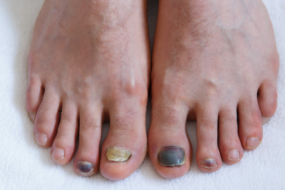
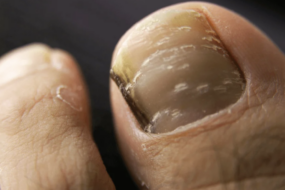
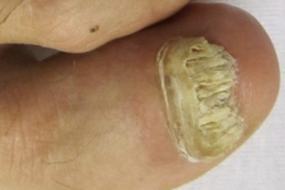
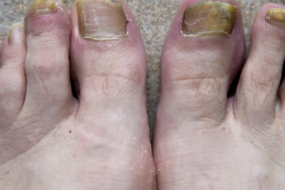
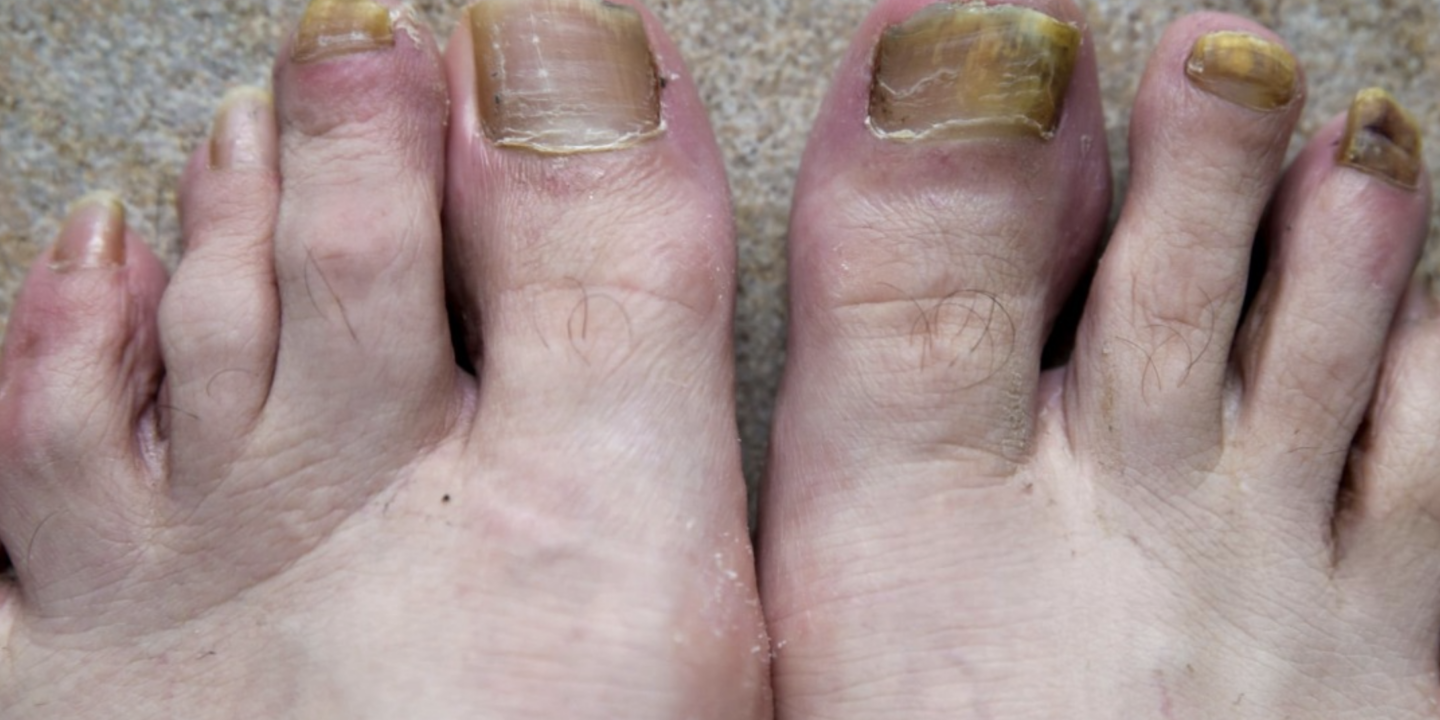
Spotting toenail fungus early can spare you months of hassle and recurring treatments. If you’re noticing odd changes in your toenails, it’s time to zero in. Picture this: you slip off your socks and see a yellowed, thickened nail, maybe with a crumbly or distorted edge—these are classic warning signs.
Common Signs: What Belongs on Your Radar
Be on the lookout for:
- Discoloration: yellow, brown, or milky white patches
- Thickening and crumbling: nail looks rough, lifts off the bed, or crumbles at the tip
- Mild odor and discomfort in shoes—especially if it’s getting harder to clip than usual
- Debris stuck under the nail or a gritty feeling
Fungus often starts in one nail, then creeps to others or infects skin (yup, that’s athlete’s foot tagging along). If you’re thinking, “Mine looks weird, but maybe it’s just a bump or bruise,” you’re not alone. Many people confuse fungus with:
- Psoriasis
- Eczema/dry skin
- Old trauma or nail injury
- Chronic paronychia (swollen cuticle)
- Tumors or lichen planus
Self-diagnosis? Often unreliable—lab confirmation is the new norm, especially before starting oral medicines.
“Don’t let nail changes become your new normal. Fungus left unchecked isn’t just unsightly—it can spread fast.”
When to Book a Consult: Action Triggers
Even if the symptoms feel minor or annoying (rather than dangerous), you’ll want to schedule a visit if:
- The nail keeps getting worse over weeks
- More nails or your skin are involved
- There’s noticeable pain, swelling, or odor
- At-home treatments aren’t working after 2-4 weeks
Waiting it out may lead to persistent infection, nail loss, or stubborn recurrence—costing you extra time and effort down the road.
Red Flags and When Not to DIY
For certain people and situations, you need a professional now:
- You have diabetes, immune suppression, poor circulation, or nerve issues
- The nail is rapidly changing shape, separating, or draining pus
- You feel significant pain or trouble walking
- You’ve already tried over-the-counter fixes with zero luck
“Infections play by their own rules—when in doubt, get checked out.”
Mild cases sometimes improve with drugstore solutions, but most need confirmation and guidance to avoid wasted time and repeated infection.
You don’t need to guess—if your nails are changing, set up a consult. Seeking prompt help is the fastest way to get clear answers, real relief, and the right plan.
The Professional Diagnosis Process: What Happens at the Doctor’s Office
Picture this: You walk into a clinic, worried about a thickened, yellow toenail. The process is much more high-tech and precise in 2026 than it used to be—and that’s good news for your feet and your wallet.
Your provider—whether a podiatrist, dermatologist, or primary care physician—will jump right into a few key steps:
- Thorough history check: They’ll ask about past athlete’s foot, injuries, diabetes, circulation, or immune issues.
- Examining your feet and nails: Expect close inspection of all toes, finger- and toenails, and surrounding skin.
- Risk factor review: Family history, past treatments, sports activity, and occupation all matter here.
If you’ve wondered, “Will my doctor just glance at my foot and guess?”—not anymore.
Diagnostic Testing Toolkit: Standard and Emerging Options
In 2026, nearly every clinic will combine a visual exam with confirmatory tests before starting oral treatment. Here’s what’s commonly used:
- KOH prep: Scraping under the nail, examined with a microscope. Fast (15–60 min), inexpensive, but only tells if fungus is there—~61% sensitivity, ~95% specificity.
- Fungal culture: Nail bits grown in a lab. Confirms the species, but with a lower sensitivity (~56%) and a wait (up to 4 weeks).
- Nail biopsy (PAS/GMS stain): Clipping analyzed microscopically—most sensitive (84%), but doesn’t identify fungus type.
Advanced clinics might offer:
- PCR/molecular testing: Detects fungus DNA, often in a day, with near-100% accuracy—but can pick up dead fungus, and not all insurances cover it yet.
- Dermoscopy and confocal microscopy: Non-invasive, offering a structural look for tough-to-diagnose cases.
- ATR-FTIR spectroscopy: Just entering research clinics—rapid and promising for the future.
- AI photo screening: Now used for triage or telehealth; image-based diagnosis boasts 70–96% sensitivity but isn’t the gold standard—yet.
Key point: Most clinics stick to KOH, culture, or PAS, but “bonus” tests may appear if you’re at a university or research site. “Diagnosis doesn’t have to be a guessing game—labs are your safety net.”
What to Expect During and After the Visit
Actual sample collection is usually quick:
- Cleaned nails: The provider clips or scrapes from the thickest, most discolored part—minimal discomfort.
- Results timing: KOH is same-day, cultures run several weeks, and PCR’s rapid but may cost extra.
While waiting:
- Mild cases: You might start a topical antifungal right away.
- Systemic treatment: Most doctors wait for lab confirmation before prescribing powerful oral meds, following current 2026 guidelines.
You’ll leave knowing the next steps and when to expect answers. “Confirmation before treatment isn’t just paperwork—it’s peace of mind.”
The big takeaway: Expect both a thorough physical exam and targeted lab testing for any suspected toe fungus in 2026. This combo protects your health, speeds up coverage, and avoids unnecessary medication. If you’re unsure where to turn, look for board-certified podiatrists and dermatologists—most have the latest diagnostic tools.
Understanding Toe Fungus ICD-10 Codes and What They Mean for You
Medical bills, insurance claims, and electronic health records all start with the same foundation: ICD-10 codes. These are the codes your doctor enters to officially document what's going on with your health—including toe fungus.
Getting the right ICD-10 code can be the difference between insurance covering your antifungal prescription or leaving you to pay out-of-pocket. It’s seriously that practical.
Why ICD-10 Codes Matter for Toe Fungus
Think of ICD-10 as the universal “language” for diagnoses. For toenail fungus (medical name: onychomycosis), your doctor picks a code that best matches the findings.
These codes power a lot behind the scenes:
- Insurance approval (for tests, medications, follow-ups)
- Tracking health across visits
- Ensuring prescriptions match your actual diagnosis
One incorrect code, and you might hit a wall with coverage. That’s why it pays to know what’s on your chart.
Most Common ICD-10 Codes for Nail and Foot Fungus
Here's what you might see on your paperwork:
- B35.1 – Onychomycosis (fungal nail infection of fingers or toes)
- B35.3 – Tinea pedis (athlete's foot)
- B37.2 – Candidiasis of skin and nail (yeast infection type)
- L60.8 – Other nail disorders (used if a fungus is suspected but not confirmed)
Example: Picture this—you have a yellow, thickened toenail and your doctor enters B35.1 to get your prescription approved the same day.
Tips for Navigating Codes and Coverage
If a claim is denied or a pharmacy stalls your prescription, ask your provider:
- “Can you confirm you used the ICD-10 code for onychomycosis (B35.1)?”
- “Was there documentation of lab confirmation—like KOH, PAS, or fungal culture—in my chart?”
- “Is there a more specific code that would help with my coverage?”
These quick questions can speed up treatment, especially if you’re dealing with stubborn insurance processes.
Knowing your ICD-10 code means you’re not relying on guesswork—it’s the shortcut to the right care and coverage. Toe fungus may be common, but getting it properly coded keeps you in control of your health and your wallet.
Proven Prevention Strategies: Keeping Toe Fungus Away (and Gone for Good)
Toenail fungus doesn’t stand a chance if you keep habits sharp and environments fungus-unfriendly. The three pillars: daily foot care, mindful footwear, and stop-the-spread routines—are supported by all major U.S. guidelines as of 2026 (AAD, Cleveland Clinic, CDC).
Daily Foot Care Habits
Consistency is king. Wash feet every day with soap and water, then dry thoroughly—especially between toes—to disrupt fungus-loving moisture.
- Use moisture-wicking socks and change them daily; swap immediately if feet get sweaty
- Rotate shoes so each pair gets a full 24 hours to dry out
- Sprinkle antifungal powder or spray inside shoes and on feet if you’re prone to sweat
Scenario: Picture the difference after a sweaty boot day—your fresh socks and dry sneakers are a real-life firewall against repeat infections.
Quotable: “The best time to fight fungus is every single morning—your routine is your strongest defense.”
Footwear and Environment Management
Your shoes are your environment’s frontline. Choose breathable, well-fitting shoes (leather, mesh, canvas) and dodge “foot saunas” made of plastic or rubber.
- At gyms, pools, or shared showers: always wear flip-flops or sandals—don’t gamble with bare feet
- After an infection, wash socks in hot water and disinfect shoes with antifungal spray before wearing them again
If you’re an athlete or wear work boots all day, remember: It’s not paranoia—it’s prevention.
Safe Nail Care and Grooming
Trim nails short, straight across—don’t dig into corners or cut so short you risk broken skin.
- Disinfect nail tools every use
- At salons: bring your own sanitized kit or verify the salon’s sterilization practice
- Give toenails time to breathe between polish applications; consider “breathable” polish if you paint often
Visual tip: A gleaming metal nail clipper next to a bottle of disinfectant—this is not just self-care, it’s advanced prevention.
Stopping the Spread: Protecting Family and Community
Fungi thrive on sharing. Don’t swap shoes, socks, or nail tools with anyone—even at home.
- Use separate towels and insist on shower sandals if a housemate’s infected
- Launder socks and towels in hot water; add antifungal spray to communal footwear
If someone in your household has fungus, it’s worth taking one extra step—clean shared showers and floors weekly.
Quotable: “A single pair of borrowed socks can spread fungus to your whole household—keep your gear to yourself.”
Recurrence Prevention
Cure is not the finish line—ongoing vigilance is key. Recurrence strikes up to 25% of patients within two years.
- Continue daily moisture precautions and shoe rotation even after successful treatment
- Consider once-weekly antifungal creams or sprays if you’re prone to recurrences (speak with your clinician)
- Do a monthly self-check for any new nail changes
Stay alert; your diligence is your insurance against relapse.
If you build these routines into daily life, you dodge not just the next infection, but the hassle, cost, and discomfort that come with it. Prevention is practical, powerful—and absolutely worth the (small) effort.
Essential Questions to Discuss with Your Provider (2025–2026 Edition)
Don’t wing your toe fungus visit—come armed with smart, direct questions that get you better results, faster relief, and clear answers about your timeline and options. A 2026 survey found patients remembered only half their doctor’s advice—so a written list turns you into the rare “power patient.” Picture yourself at your appointment: checklist in hand, hitting every angle in under five minutes.
Nail Down the Diagnosis
Start here—confirming fungus matters before anything goes in or on your body. Over 90% of US clinics (per 2026 guidelines) run at least one mycologic test before prescribing pills. Ask:
- “How do we know for sure this is a fungal infection and not something else?”
- “Will you do a KOH, PAS, culture, or PCR to confirm?”
- “Could this be caused by trauma, psoriasis, or another culprit?”
Even if you think “It’s obviously fungus,” remember that trauma and psoriasis commonly mimic these symptoms—lab backup makes all the difference.
Treatment Choices and Timeframes
Once infection is confirmed, what’s your menu of options? Treatments can last from weeks (topical) to months (oral)—and recurrence rates vary from 18–53% within 2 years. Don’t be shy—get specific:
- “What are my options—topical, oral, devices, or something new—and what’s best for my case?”
- “How long will this really take and what results are realistic with each method?”
- “Are there insurance or cost considerations with the recommended treatment?”
Picture this: choosing between a three-month oral regimen or a daily topical routine, based on both your medical profile and your willingness to follow through.
Safety, Monitoring, and Recurrence Prevention
Top concern for oral therapies: safety. Liver enzyme testing is standard for most oral antifungals—so ask:
- “Do I need baseline or repeat liver tests with this medication?”
- “What side effects or red flags should I watch for?”
Slide smoothly into recurrence prevention:
- “What should my daily care look like post-treatment?”
- “Which prevention steps matter most for my lifestyle—gym, office shoes, or frequent travel?”
- “How often should I check my nails or come back for review?”
Customizing for You: Age, Health, and Life
Wrap your appointment with personal details:
- “Given my age, health conditions (like diabetes), and severity, is there anything special I should do or avoid?”
- “Can we make an ongoing plan together to catch issues early?”
Top takeaway: The questions you ask set the tone for your care. Bring your own checklist—clarity now means fewer surprises later, and you’ll walk out feeling like a collaborator, not just a patient. When in doubt, ask—your health, your call.
What’s Next? Tailoring Your Action Plan
You’re not here for generic advice—you want a personalized strategy you can act on right now.
Picture this: You’re prepping for your first appointment, already fighting stubborn infection, or just want to keep your feet healthy for good. Either way, it’s time to build your checklist.
Pull out your phone or open a doc—here’s a fast, modular action plan:
- Preparing for your first appointment:
- Snap clear, well-lit photos of any affected nails
- Jot down all symptoms (pain, odor, color change, how long it’s been there)
- List your medical history—think diabetes, immune issues, foot injuries, or prior athlete’s foot
- Write out any treatments you’ve already tried (yes, even the home remedies)
- Dealing with persistent infection:
- Track which nails (and how many) are affected; note if it’s spreading
- Keep a simple calendar of therapies tried and results (dates, progress, side effects)
- Prepare questions on advanced therapies (PCR, topical vs. oral meds, device options)
- Maintaining long-term foot health:
- Set reminders for daily washing and drying
- Rotate moisture-wicking socks and air out your shoes for 24 hours between wears
- Schedule a monthly nail check—look for color or texture shifts
“Your best defense is a daily routine—small actions add up to fungus staying away.”
Where to Go Next: Deep Dives for Power Users
Ready to level up?
- See our Diagnosis Details page for step-by-step test walk-throughs
- Jump to Prevention Routines for visual guides and product shopping tips
- Find a Specialist tool to connect you with certified care in your area (appointments, virtual consults, coverage info)
Stay engaged—2026 guidelines keep evolving, and AI-based photo screening and ATR-FTIR fast testing are on the horizon.
“Toe fungus recurrence drops by nearly 40% when prevention steps are stuck to for 12 months—a simple habit change pays off.”
Keep the Momentum: Stay Ahead
- Follow new research for smarter self-care tips
- Share your plan with friends or family—healthier feet protect everyone
- Drop by weekly for the latest updates and support
Remember, “The sooner you act, the easier the outcome—don’t wait if you notice changes.”
You set the pace: even a tiny checklist personalized to you increases your odds of clear, healthy nails, and fewer annoying recurrences. Want extra backup? Browse the next section or schedule a consult—this is your blueprint for real action, not just idle tips.
Conclusion
Staying on top of toenail fungus isn’t just about appearance—it’s about taking charge of your health with practical, science-backed strategies. In 2026, you have smarter tools and clearer pathways than ever to diagnose, treat, and—most importantly—prevent stubborn recurrences.
You’re no longer in the dark or guessing. With the right steps, it’s completely possible to make toenail fungus a minor detour—not a long-term roadblock.
Here’s what you can do right now to turn knowledge into results:
- Snap photos and log symptoms before any consult—details drive faster, more targeted care
- Insist on lab confirmation of diagnosis before starting oral treatments (KOH, PAS, PCR—ask for specifics)
- Make daily foot care a non-negotiable habit: wash, dry, and rotate shoes and socks
- Guard your environment: use antifungal sprays, bring your own nail tools, and always wear sandals in shared spaces
- Own your action plan: write down questions, track progress, and keep prevention steps on autopilot
Ready to get ahead? Start with one improvement today—whether that’s drying your feet a little longer, checking your insurance codes, or prepping smart questions for your provider.
- Book a consult if nails are changing or treatments have stalled
- Share this guide with a friend or colleague—healthy feet make a difference everywhere
- Set a reminder for your next foot check or prevention routine
Prevention is proactive—every small habit you build today compounds into healthier, hassle-free feet tomorrow.
With a clear plan and a bit of persistence, you’re not just managing toenail fungus—you’re outpacing it.
Your first step is the most important—put it into motion. Healthy feet, stronger confidence, and smarter care start now.