Key Takeaways
If you’ve ever wondered why certain foods leave you wired and then wiped, it all comes down to blood sugar spikes—especially from high-glycemic foods. Here’s what every tech-savvy professional needs to know to make sharper choices, boost focus, and fuel steady energy during your busiest days.
- Baked russet potatoes are the #1 worst offender for blood sugar spikes, with a sky-high glycemic index (GI) of 111—higher than most candy bars or soft drinks.
- High-GI foods like cornflakes, white bread, and rice cakes break down quickly, flooding your bloodstream with glucose and triggering sharp energy crashes and intense cravings.
- Pairing carbs with protein, fiber, or healthy fats—think eggs with toast or hummus with crackers—slows glucose absorption and flattens blood sugar spikes.
- Portion control makes a major impact: Reducing how much of a high-GI food you eat can dramatically soften its blood sugar hit.
- AI-powered meal trackers and continuous glucose monitors allow you to see real-time feedback and optimize food choices with data, not guesswork.
- Personal responses can vary by genetics, gut health, and meal context—tracking your own numbers reveals hidden patterns and helps tailor smarter swaps.
- Sustainable habits beat rigid rules: Consistent meal timing, balanced macronutrients, and mindful eating work together to keep your energy up and your focus sharp.
Swap out sneaky blood sugar saboteurs, experiment with tech tools, and craft a routine that keeps you performing at your best—dive into the full article for examples, smart substitutions, and practical strategies!
Introduction
What if the food you reach for in a busy workday—the one you think fuels your brain—actually hijacks your energy and focus? One “healthy-looking” staple spikes blood sugar faster than candy bars or sweetened drinks, leaving you foggy, restless, and craving more.
As a tech-driven professional, you thrive on workflow hacks and smart optimization. But if your lunch triggers a blood sugar rollercoaster, even the sharpest AI can’t save you from that afternoon productivity crash. The culprit is sneaky, showing up everywhere from quick breakfasts to cafeteria lunches, and hits your system at double the speed of complex carbs.
Here’s where you get practical, science-backed clarity—not just myth-busting. You’ll discover:
- Which everyday foods cause the wildest spikes and why those crashes happen
- Simple swaps and pairing strategies that keep your energy—and your Zoom performance—steady
- AI-enabled tools for tracking your unique blood sugar responses, so you can optimize like a pro
We’ll also debunk why some so-called “low sugar” options are worse than soda, and show how tech-savvy tracking pays off where guesswork fails.
Curious how certain carbs short-circuit your afternoon focus? Or why your usual “healthy” breakfast is the hidden villain in your productivity story?
Wherever you are on your tech or health journey, understanding the real science behind blood sugar spikes can mean the difference between riding out your day on willpower—or building steady, reliable energy by design.
Up ahead, we’re pulling back the curtain: you’ll see exactly how your favorite foods play metabolic tricks, and how a few smart changes can leave you sharper, calmer, and in control—no complicated diet required.
Ready to find out what’s happening after that plate of pasta, and how to regain your edge? The answers are closer than you think.
Understanding Blood Sugar Spikes: The Science Behind It
Ever wondered why your energy crashes after a plate of pasta or a few slices of white bread? Blood sugar spikes are at the heart of it.
Every time you eat, especially carbohydrate-rich foods, your body turns carbs into glucose (sugar). This glucose then enters your bloodstream. The faster it happens, the higher your blood sugar spikes—think of this as a traffic jam on the metabolic highway.
Why Carbs Matter Most
But not all carbs are created equal. Rapidly-digestible carbs like white rice, cornflakes, or white bread break down at lightning speed, leading to some of the sharpest blood sugar jumps.
Here’s what happens after you eat these foods:
- Glucose hits your bloodstream quickly
- Your body releases insulin to usher sugar into cells
- If it’s too much, too fast? You get a spike, followed by a crash—and cravings come roaring back
Picture this: A breakfast of cornflakes and white toast can elevate your blood sugar twice as fast as the same calories from rolled oats and berries.
The Glycemic Index: Your Body’s Speed Limit
The glycemic index (GI) is like a speedometer for carbs. Foods are ranked on a scale of 0-100 based on how quickly they raise blood sugar.
- Low GI (under 55): Like a lazy river—slow and steady
- High GI (above 70): Think rapid rollercoaster—fast and dramatic
For example, a baked russet potato clocks in at GI 111—possibly the “speeding ticket” of the carb world.
More Than Just the Food: Why Spikes Vary
Blood sugar impact isn’t just about what you eat. These also play a big part:
- Portion size: More food, bigger spike
- Pairings: Adding protein or fat slows absorption—try eggs with your toast
- Individual differences: Gut health and metabolism make everyone’s “speed limits” a bit unique
Data shows repeated high-GI food hits can lead to:
- Energy crashes
- Increased cravings
- Heightened risk of insulin resistance, diabetes, and heart disease
The Takeaway
Every bite counts. Prioritizing low-GI foods, mindful portion sizes, and strategic pairings helps stabilize your energy and protect your long-term health. Imagine switching from a blood-sugar rollercoaster to a gentle train ride—your future self will thank you.
The #1 Worst Food for Your Blood Sugar: High-Glycemic Index Culprits
What Makes a Food the “Worst”?
When it comes to blood sugar spikes, not all carbs are created equal.
Foods earn the “worst” label when they combine:
- High glycemic index (GI) over 70
- Little or no dietary fiber
- Processed or refined starch content
- Minimal natural nutrients (think: vitamins, minerals, antioxidants)
This isn’t just about urban legends—study after study links these criteria to dangerous glucose surges.
Sure, everyone’s response varies, but across the board, these foods result in consistent, rapid spikes for most people.
If you’re aiming for steady energy and healthy blood sugar, these are the top foods to watch out for.
Top Offenders Ranked: High-GI Foods (with Data)
Let’s talk numbers. Here’s the current leaderboard, based on GI research:
These foods break down extremely fast in your body, flooding your bloodstream with glucose.
Think of a classic breakfast: cornflakes with white toast. Compared to rolled oats or whole-grain bread, this meal leads to a sugar surge that can double or triple what you’d see with lower-GI options.
Processed snacks—like crackers, rice cakes, and sodas—appear healthy but trigger some of the sharpest spikes documented.
“One bowl of cornflakes can send your blood sugar higher than two sweetened sodas.”
The Winner (or Loser): The Worst of the Worst
Ready for the “winner?” Research points straight to baked russet potatoes—clocking in at a GI of 111.
Picture this: it’s lunch, you grab a loaded baked potato from the cafeteria. Within an hour, your blood sugar can skyrocket, only to plummet later, leaving you exhausted and craving more carbs.
- These potatoes hit your bloodstream even faster than pure table sugar, leading to:
- Quick insulin surges
- Rollercoaster energy crashes
- Stronger hunger and cravings later on
While sugar-sweetened beverages (like soda) can have a lower GI, they're still major hazards thanks to high total sugar content and zero fiber—think of them as stealth saboteurs rather than outright front-runners.
“A single baked potato can spike blood sugar faster than most candy bars.”
Steering clear of top GI offenders like baked russet potatoes, cornflakes, and white bread is a smart move for stable energy and long-term health. Focus on whole, fiber-rich foods and watch how quickly your energy (and mood!) stabilizes.
Why These Foods Cause Trouble: Mechanisms and Effects
The Fast Track: How High-GI Foods Hit Your Bloodstream
Picture this: you eat a baked russet potato (GI 111) or a bowl of cornflakes (GI 93) for breakfast.
Within minutes, carbohydrates break down quickly into glucose, sending a sugar surge directly into your bloodstream.
Your body reacts with an insulin spike, rushing out the “sugar mop” to clear your blood.
But don’t celebrate yet—what follows is often a sharp glucose drop (hypoglycemia), leaving you sleepy, cranky, and hungry again.
The “Rollercoaster Effect”: What You’ll Actually Feel
It's not just numbers on a chart.
Eating high-GI foods like white bread or rice cakes means you’ll likely experience:
- Sudden energy bursts, followed by crashes that zap focus
- Intense hunger or cravings even if you ate just an hour ago
- Mood swings—from wired to tired in record time
It’s not just theoretical—real people report needing another snack sooner, or struggling with cravings that derail their workday.
Real Risks: Long-Term and Hidden Dangers
Regularly grabbing high-GI foods leads to more than restless afternoons.
Data shows consistent consumption increases your risk of:
- Insulin resistance (the first step toward type 2 diabetes)
- Higher chance of developing diabetes or worsening its control (studies link high-GI diets to a 20-40% increased risk)
- Cardiovascular problems down the line
Sneaky Offenders and Why It’s Not Always Obvious
It’s easy to be fooled.
Supposedly “healthy” choices like rice cakes, instant mashed potatoes (GI 87+), or white bread pack the same blood sugar punch as a can of soda.
How these foods are prepared matters:
- Cooking and portion size can ramp up the GI
- Cooling potatoes lowers their GI due to resistant starch formation
- Combined foods (like pairing bread with avocado) reduce the spike
Personalizing and Navigating the Impact
Not everyone reacts the same way.
Your genetics, gut bacteria, and what else is on your plate change the outcome.
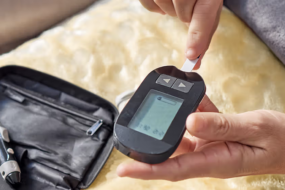
That’s why experimenting with swaps, logging your reactions, or using a continuous glucose monitor (CGM) pays off for tech-savvy professionals.
Here's the bottom line: High-GI foods trigger a blood sugar rollercoaster—ride it too often, and it drags down your energy, focus, and long-term health. Start swapping out sneaky offenders, pair wisely, and use data-driven tools to keep your blood sugar steady and productivity high.
Smart Swaps and Strategies: Managing and Mitigating Blood Sugar Spikes
Choosing Better Alternatives
Swapping out high-GI foods for smarter choices can feel like flipping a switch on your blood sugar stability.
Picture this: quinoa instead of white rice, sweet potatoes in place of russet potatoes, or whole grain bread over white bread—each of these swaps slows glucose release, keeping your energy on an even keel.
The secret sauce? It’s the “magic trio” of fiber, protein, and healthy fat, which work together to flatten the blood sugar curve.
Try these quick hacks for everyday meals:
- Mix lentils or beans into salads and grain bowls for added fiber and protein
- Add sliced avocado or a spoonful of hummus to sandwiches and wraps
- Use grated zucchini or cauliflower “rice” to bulk up stir fries or burrito bowls
Don’t aim for food elimination—think moderation! The glycemic load (GL) looks at both the type and amount of carbs, making it a more realistic tool for most people. In other words: a small serving of white rice paired with veggies and chicken can be a totally different experience than a plateful by itself.
“Fiber, protein, and fat aren’t just nutrients—they’re your blood sugar’s best friends.”
Meal Timing, Pairing, and Portions
Here’s a trick dietitians love: “Outsmart spikes by pairing.” Have your potatoes with Greek yogurt or add sprinklings of seeds and nuts—these slow digestion, so glucose enters your bloodstream like a gentle train, not a runaway rollercoaster.
When it comes to managing impact:
- Watch portions: A smaller serving of a high-GI food has a much less dramatic effect
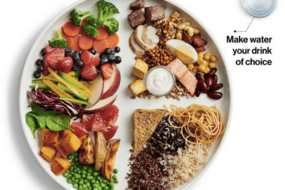
- Balance your plate: Fill half with non-starchy veggies, a quarter with lean protein, and the rest with whole grains or smart starches
- Experiment and note what works: Everyone’s blood sugar journey is a bit different
Busy day? Build to-go lunches that balance all the groups—think chickpea salad with greens and a slice of whole grain bread.
“How much you eat can sometimes matter even more than what you eat.”
AI and Tech Tools for Smarter Eating
Ready for a data-driven approach? AI-powered meal planning apps (like MyFitnessPal or PlateJoy) help suggest lower-GI meals based on your preferences and glucose data.
Continuous glucose monitors (CGMs) like Dexcom or FreeStyle Libre give real-time feedback, so you’ll actually see how that cinnamon roll lands on your graph.
Want to level up? Use:
- Diet-tracking apps that calculate glycemic load and flag food trends
- Meal planners that auto-swap high-GI items for smarter alternatives
- Smart kitchen gadgets that recommend recipes based on your health profile
There’s a learning curve, but most users get the hang of things within a week. Remember: you’re not expected to be perfect—just curious and adaptive.
“Let your tech work as hard as you do—shift from guessing to knowing.”
Small, sustainable swaps add up, giving you the power to tame your blood sugar and keep your days on track. Think of these strategies as tools in your kit—ready whenever you need a boost in clarity, energy, and control.
Beyond the Numbers: Personalizing Blood Sugar Management
Why “One-Size-Fits-All” Fails in Blood Sugar Control
If you’ve ever compared blood sugar graphs with a colleague after lunch, you know the truth: no two people react exactly the same way to the same meal.
What’s behind the difference? Picture this:
- Genetics: Some of us naturally process carbs fast, others slow.
- Gut microbiome: Your gut bacteria can make white rice a sugar bomb for one person—and a mild bump for another.
- Metabolism: Personal habits, fitness levels, and even sleep all play a role.
Add in stress or a hidden illness, and your numbers may zigzag compared to last week’s.
“The best meal plan is the one tailored to you — not your neighbor, not your favorite influencer.”
Logging, Tracking, and Course Correction
Ready to make your blood sugar data actually useful? Here’s how:
- Keep a food and blood sugar log (paper, app, or spreadsheet). Note what you eat and your blood glucose 1-2 hours later.
- Review and adjust every couple of weeks. If you notice russet potatoes make your numbers rocket, swap for sweet potatoes and see what changes next.
- Update routines: What worked in January might flop in June, especially as exercise or stress levels shift.
You don’t need to track everything forever, but even a two-week experiment can reveal surprising patterns.
“Think of your log as a GPS—it can reroute you before you hit a big roadblock.”
Collaborating With Healthcare Providers
DIY is great, but some things call for a professional touch.
Know when to get help:
- Blood sugars that stay above 180 mg/dL two hours after eating, even when making changes
- Frequent lows, unexplained swings, or “mystery” spikes
- Planning a major dietary overhaul or starting a new fitness routine
Roles to know:
- Registered Dietitians help tailor your meals to your numbers and your lifestyle.
- Diabetes Educators walk you through label reading, carb counting, and stress-proofing your plan.
Regular check-ins, open conversations, and bringing your food logs to appointments help pros help you.
“Clear, consistent tracking plus expert input is like having a coach and a custom playbook.”
A personal approach wins every time: by blending self-logged data and expert insights, you’ll create a system that adapts to your body—not the other way around. That’s how you turn confusing numbers into actionable wins for your day-to-day health.
Building Sustainable Habits for Lasting Blood Sugar Control
Focusing on Whole-Pattern Eating
Forget singling out one villain food—it’s your overall eating pattern that makes or breaks blood sugar control.
Develop habits that prioritize:
- Consistent meal timing to avoid wild glucose swings
- Balanced meals that combine smart carbs, lean proteins, and healthy fats
- Mindful eating—tuning in to hunger, fullness, and emotions at each meal
- Simple stress management strategies like taking a walk, deep breathing, or just putting your phone down while you eat
Picture this: Instead of obsessing over every potato or slice of bread, you’re crafting balanced lunches that keep you energized from your first Zoom call through the afternoon. That’s sustainable.
“A single food isn’t your enemy—random, chaotic eating patterns are.”
Staying Motivated and Navigating Setbacks
No plan is perfect, and that’s totally normal.
Stay on track by:
- Setting small, realistic targets, like “swap my morning pastry for a protein-packed breakfast three days a week”
- Tracking your wins and learning from days that go off-script—think progress, not perfection
- Leaning into community or tech-driven support—apps, forums, or a group text with a friend
Setbacks are just “course corrections,” not failures. “Today’s detour is tomorrow’s data point.”
Future Trends and Innovations
The blood sugar landscape is evolving faster than your favorite app gets updates.
Watch for game changers such as:
- AI-powered meal planning tools: Custom recommendations using your health data and food logs
- Next-gen glucose monitors: Real-time insight right on your phone or smartwatch
- Emerging research on gut health (did you know your microbiome could influence glucose spikes?) and new low-GI processing techniques
A little curiosity goes a long way—experiment with what works, and you’ll discover new shortcuts that dial down glucose drama.
“When you treat blood sugar management as a series of experiments, setbacks become discoveries—keep tweaking until you find your rhythm.”
Lasting blood sugar control is about discovering what fits your life, not just following a list of “don’ts.” Tiny, consistent changes—plus an openness to innovation—put you in the driver’s seat for sustainable success.
Conclusion
Stabilizing your blood sugar isn’t about restriction—it’s about making smart swaps and small shifts that compound into lasting energy, focus, and health gains. By understanding how certain foods drive those spikes, you’re already better equipped to outsmart the rollercoaster and build consistent momentum, both at work and beyond.
Here’s what you can put into play right now:
- Swap high-GI staples for whole, fiber-rich options like sweet potatoes, quinoa, or whole grain bread
- Pair every carb-heavy meal with protein and healthy fats—think eggs with toast or avocado on your rice bowl
- Monitor portions and experiment with timing to find your own ideal balance
- Use tech tools or a simple log to collect your own data and uncover patterns unique to you
- Connect with experts if blood sugar swings are frequent or stubborn
Ready to take action today?
- Audit your next meal: Is there a simple swap you can make—white rice for brown, or adding lentils to your salad?
- Try app-based meal planning for one week and watch how your energy shifts.
- Pair your next snack (even if it’s that baked potato!) with a side of Greek yogurt or nuts for a steadier ride.
Energy, clarity, and better health aren’t reserved for the few—they’re the return on tiny, consistent choices you make every day. Treat your meals as experiments, not ultimatums, and let curiosity drive the changes that matter most.
“A single smart swap doesn’t just smooth your blood sugar—it powers your entire day. Every bite is an opportunity for control, clarity, and real momentum.”