Key Takeaways
Diabetes management starts with everyday food choices, and knowing what to avoid can make all the difference. These quick insights offer practical, actionable tips to help you maintain stable blood sugar, feel energized, and make smart swaps—no nutrition degree required. Scan through and take control of your next meal.
- Refined carbs are blood sugar accelerants: Steer clear of white bread, instant rice, and sugary cereals to prevent glucose spikes and overwhelming insulin demands.
- Sugary foods and drinks are hidden saboteurs: Soda, sweetened yogurts, and packaged pastries can spike blood sugar by 30–50 mg/dL or more in under an hour—check labels for surprising sugar sources.
- Processed and fried foods multiply risks: Chips, crackers, and fast food hit hard with a destructive combo of sodium, unhealthy fats, and quick carbs, raising type 2 diabetes risk by up to 50 percent over time.
- Watch out for problematic proteins and fats: Regular consumption of processed meats and full-fat dairy increases inflammation and heart risk; swap for lean meats, fish, or plant-based proteins.
- Label reading is your best defense: Detect sneaky sugars and refined grains by scanning for terms like “high fructose corn syrup,” “enriched flour,” and “partially hydrogenated oils”—the shorter and simpler the ingredient list, the better.
- Portion size and pairings matter: Even healthy foods can disrupt blood sugar when portions are too big; fill half your plate with veggies and combine carbs with protein or fiber for steadier numbers.
- Focus on sustainable swaps and cooking methods: Trade white carbs for whole grains, bake or grill instead of fry, and batch-prep healthy snacks for grab-and-go simplicity.
- Personalize your strategy with tech and support: Monitor your individual responses using apps or CGMs, and consult a dietitian to create tailored routines that fit your lifestyle.
Every intentional bite—and smart swap—brings you closer to stable blood sugar and more energy. Dive into the full article for food lists, real-world examples, and practical tips you can use today.
Introduction
How often have you grabbed a quick sandwich, sipped a “healthy” fruit juice, or treated yourself to a bowl of rice—only to feel your energy crash or your blood sugar soar not long after?
If you’re managing diabetes, you know seemingly harmless foods can turn into blood sugar landmines. It’s not just about sugar cubes and dessert trays; even everyday staples and labeled “health” foods can pack a powerful punch where you least expect it.
Here’s the twist: over 60% of packaged foods in the average grocery store contain added sugars or fast-digesting carbs. That means so-called “safe” choices might be fueling the very rollercoaster you’re trying to avoid.
You’re not alone if you’ve ever thought, “Why did this meal spike my numbers—again?” Tech-minded professionals like you rely on smart solutions in work and life, and nutrition is no exception. The key isn’t just avoiding the obvious offenders; it’s building a mental cheat sheet of foods that work for you—not against you.
In this guide, you’ll quickly discover:
- Which everyday foods trigger blood sugar spikes—and what makes them problematic
- How refined carbs, sugary snacks, processed proteins, and hidden ingredients can disrupt your control
- Actionable swaps and label-check strategies to outsmart sneaky culprits
- Real-world tips and tech tools to help you automate better food decisions (yes, even on your busiest days)
Think of this as your upgrade manual for eating: not just managing numbers, but building daily routines that support your focus, energy, and long-term health.
Let’s take a closer look at the underlying why behind these off-limits foods—and how you can reclaim control with every bite.
Understanding the Impact of Food Choices on Diabetes
Your food choices have a direct, almost instant impact on your blood sugar and insulin levels.
Think of every meal as a set of dials you control: the right foods help keep your numbers steady, while the wrong ones can send your glucose on a rollercoaster ride.
Why Some Foods Are “Off-Limits” for Diabetes
When you eat foods high in refined carbs or sugar—like white bread or soda—blood sugar rises steeply and quickly.
Your body must release extra insulin to manage the surge, putting stress on your system.
That’s why you’ll often see certain everyday staples labeled as “off-limits” for people with diabetes:
- White breads, white rice, sugary cereals
- Soda, fruit juice, energy drinks
- Pastries, cakes, and most fast foods
These foods either lack fiber or pack in fast-digesting sugars—both guaranteed to spike your numbers.
“Every bite you take can either fuel stable energy or add friction to your diabetes management.”
The Glycemic Index, Glycemic Load, and Portion Size—What They Mean for You
Glycemic index (GI) measures how rapidly a food raises your blood sugar, scored from 0-100.
High-GI foods (over 70) like white bread or instant rice are digested fast, causing blood glucose to jump.
But it’s not just what you eat—it’s how much:
- Glycemic load (GL) accounts for both the quality and the quantity of carbs in a serving.
- Eating a small portion of a high-GI food will affect you less than a giant helping—portion size matters more than you might think.
“Picture this: A big bowl of white rice at lunch can cause a spike that lasts for hours—while a modest scoop of brown rice blends more smoothly with your body’s needs.”
Be Proactive, Not Just Reactive, Every Day
Smart eaters stay ahead by thinking proactively, not just reacting to blood sugar swings after they happen.
You’ll get the most predictable results by:
- Reading labels for hidden sugars and refined grains
- Planning meals before cravings hit
- Pairing carbs with protein or fiber to slow absorption
It’s not about perfection—it’s about setting clear guardrails so you can focus on life, not just your numbers.
Understanding which foods act as triggers empowers you to build a daily routine that keeps blood sugar in check, energy steady, and decision fatigue low—one intentional bite at a time.
High-Glycemic and Refined Carbohydrates: The Fast Lane to Sugar Spikes
What Are Refined Carbs and High-GI Foods?
Refined carbohydrates are those “quick fix” starches—think white bread, white rice, pastries, and most breakfast cereals.
They’re stripped of natural fiber and nutrients in processing, so your body digests them at warp speed.
The glycemic index (GI) ranks foods by how fast they raise your blood sugar compared to pure glucose.
Anything 70 or higher is high-GI—meaning a breakfast bagel or big bowl of rice can act like sugar in disguise.
Imagine breakfast: a fluffy white bagel, orange juice, sugary cereal—your blood sugar’s about to soar.
Why Do They Wreak Havoc for Diabetes?
Eating high-GI, refined carbs can set off a blood sugar surge within minutes.
- Studies show these foods can spike blood glucose by 30–50 mg/dL in just an hour
- They demand a big insulin response, which is tough for your body to keep up with
- Regularly “riding the glucose rollercoaster” is linked to weight gain, insulin resistance, and higher diabetes risk
Over time, this can mean tougher diabetes management, more complications, and “hidden” metabolic stress even if you feel okay.
“Refined carbs are the stealth mode of blood sugar spikes—they look innocent but change the game fast.”
Real-World Examples to Watch Out For
The sneaky offenders pop up everywhere:
- White bread, bagels, instant rice, dinner rolls, croissants
- Breakfast pastries, donuts, waffles, pancakes, and sugary cereals
- Restaurant sides: bread baskets, mashed potatoes, fries
- Processed snacks: crackers, pretzels, rice cakes
“Picture this: You reach for a classic snack—pretzels or rice cakes—and your glucose monitor lights up like a warning beacon.”
Smart Swaps and Pairings
Want an immediate upgrade? Try these:
- Whole grains like brown rice, quinoa, whole wheat pasta instead of white versions
- Limit portion sizes: trade a whole bagel for half or swap to a slice of dense, seeded bread
- Pair carbs with protein and fiber—think chicken with quinoa or avocado on seeded toast to slow sugar absorption
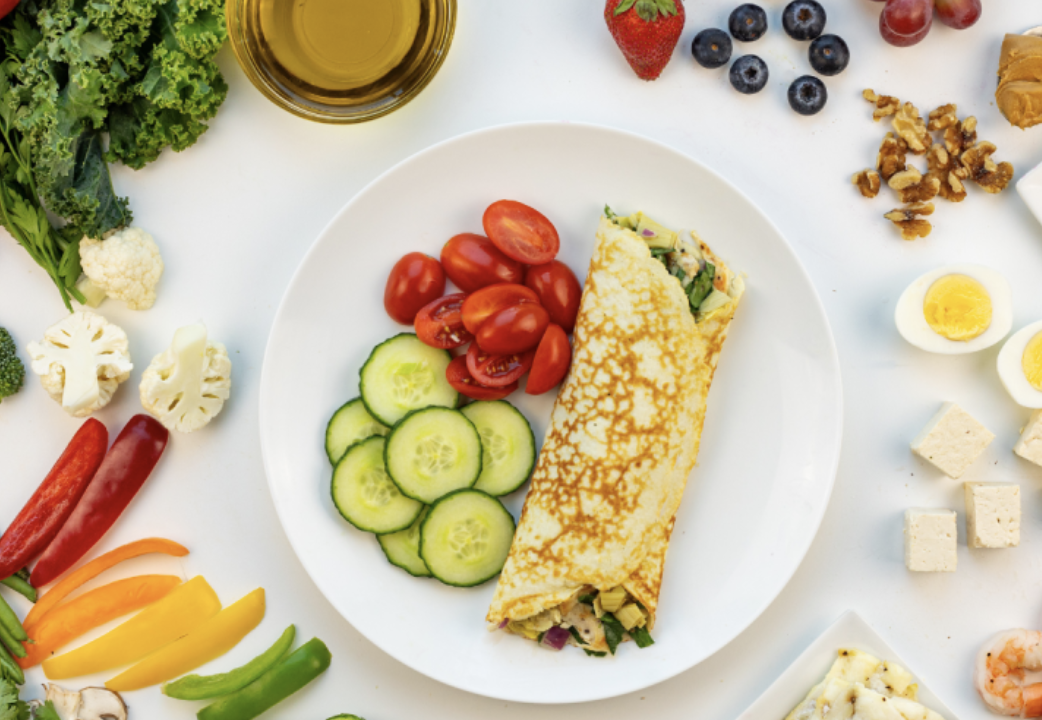
Visually, picture a plate split into sections—half non-starchy veggies, one quarter grains, one quarter lean protein.
“Every carb you swap or pair wisely is a step toward steadier energy, fewer crashes, and real control over your numbers.”
Being intentional with carb choices isn’t about zero tolerance—it’s about making small changes that add up to stabilize your blood sugar, boost energy, and reclaim better focus every day.
Sugary Foods and Beverages: The Usual Suspects
The Straight Sugar Offenders
Picture this: you start your day with a flavored yogurt, grab a pastry for your mid-morning pick-me-up, then wind down with a scoop of ice cream after dinner. Each of these can deliver massive sugar loads—sometimes more than a can of soda—directly into your bloodstream.
The top simple sugar offenders every person with diabetes should flag include:
- Candy, cookies, cakes, and donuts
- Ice cream and breakfast pastries
- Sweetened yogurts (some have up to 20g of sugar per serving)
- “Healthy” snack bars and granola options that often hide syrup, honey, or multiple forms of sugar
“Hidden sugars can turn an innocent snack into a blood sugar bomb,” is a line worth bookmarking for every label-reading trip.
The Drink Dilemma
Think staying away from desserts keeps you safe? Sugary drinks are fast-acting culprits—dumping sugar into your system much faster than solid foods ever can.
The everyday offenders:
- Soda (regular, diet sodas with “hidden” sugars)
- Fruit juices (even 100% juice = heavy sugar load)
- Energy drinks and sweetened teas
- Lattes or iced coffee with flavored syrups
Just one 12-ounce soda can spike your blood sugar by up to 45 mg/dL within 60 minutes. The CDC reports that sugar-sweetened beverages are the largest source of added sugar in the American diet, driving diabetes risk for millions.
“Liquid sugar is like hitting the gas pedal on your blood sugar—there’s no slow lane,” is an image that's hard to forget.
Sauce, Dressing, and Condiment Traps
Sugars love to hide in plain sight. Many condiments are sneaky sources, especially:
- Ketchup, barbecue sauce, and honey mustard
- Jams, preserves, and sweet chili sauce
- Maple syrup and pancake syrup
Even just a couple of tablespoons can add over 10g of sugar—often more than a donut!
Think you’re just adding flavor? Sometimes you’re adding a full serving’s worth of hidden sugar to your meal.
Making Sustainable Changes
The power lies in your daily swaps:
- Read ingredient lists for alternate names: look for corn syrup, maltose, dextrose, and fruit concentrate
- Choose natural sweeteners carefully: Stevia and monk fruit often work well; know that some artificial sweeteners may impact glucose or gut health
- Sparkling water, fruit-infused waters, and unsweetened teas make top-tier swaps
- Opt for homemade sauces (using herbs, spices, and citrus) or sugar-free commercial options
“Every swap is a vote for your own future blood sugar stability,” is a motivating mantra for every grocery haul or drive-thru visit.
Trimming sugary foods and drinks isn’t about perfection—it’s about knowing the usual suspects, spotting sugar traps, and building daily habits that put you in control. These are tiny pivots with massive impact for anyone living with diabetes.
Processed and Fried Foods: Salt, Fat, and Carbs Collide
Why Processed Equals Problematic for Blood Sugar
Let’s talk about what happens when you reach for those chips, crackers, and packaged snacks.
These highly processed foods pack a triple punch: tons of sodium, unhealthy fats, and fast-digesting carbs.
This combo drives up blood sugar fast, adds pressure to your heart, and fuels ongoing inflammation—exactly what you don’t want with diabetes.
You’ll often see:
- Chips, crackers, and packaged snacks: Quick-digesting, high in refined starch
- Convenience pastries and cookies: High sugar and saturated fats
- Packaged “healthy” bars: Often sneak in extra sugars or syrups
A recent review found that eating ultra-processed foods can raise your risk for type 2 diabetes by up to 50%—and those effects add up bite by bite.
The Crunchy and Crispy Temptation: Fried Foods
Fried foods have a serious blood sugar impact thanks to their combo of high-carb and fat.
Think about the all-stars of the fryer basket:
- French fries and fried potatoes (including tempura): GI rockets—turning those potatoes into quick-sugar
- Fried chips, onion rings, breaded meats: Get a double hit of starch and added oil
Why does frying make carbs so problematic? Fat slows emptying, but the super-refined outside means you get a longer, sharper glucose spike—plus all the extra calories and inflammatory oils.
Picture this: diving into a basket of fries, only to see your glucose monitor graph resemble a rollercoaster.
Fast Food and Packaged Convenience: A Closer Look
Fast food meals combine hidden sugars, trans fats, and oversized portions—a diabetes triple threat.
In one study, frequent fast food eaters were 27% more likely to develop type 2 diabetes.
Watch for:
- Sandwiches and burgers: Often stacked with sugar-loaded sauces, fried toppings, and double-sized buns
- Pizza, fried chicken, value meals: Contain trans fats that increase insulin resistance
Convenience costs more in health than in dollars—and the impact is sustained with every drive-thru run.
Navigating the Snack Attack
You don’t have to settle for boring snacks to keep blood sugar steady.
Smart, crave-worthy swaps include:
- Nuts or seeds—healthy fats, fiber, and protein for sustained energy
- Fresh veggies with hummus—crunchy, satisfying, with little sugar
- Plain Greek yogurt or cheese sticks over cheese-flavored crackers
Check those food labels: aim for less than 140mg sodium per serving, little to no added sugars, and avoid “partially hydrogenated oils.”
Eating less processed and fried foods doesn’t mean skipping all the fun. Watch for hidden sugars and fats lurking in your snacks, look for better alternatives you’ll actually enjoy, and remember—every smarter swap you make helps keep your blood sugar (and energy) stable all day.
Unhealthy Proteins and Fats: Rethinking Meat and Dairy with Diabetes
Processed and Red Meats: Beyond Blood Sugar
Processed meats—think bacon, hot dogs, sausages, and lunch meats—top the list of foods to rethink if you have diabetes.
Research shows that people who eat these meats regularly have a greater risk of heart disease and diabetes complications. In fact, every extra two servings of processed meat per week can raise type 2 diabetes risk by 19%.
But it’s not just about blood sugar. Processing adds preservatives and sodium, fueling inflammation and insulin resistance—two things you’re definitely not looking to invite.
“Picture this: A deli sandwich looks harmless, but those stacked meats can quietly raise your risk for heart problems and unstable blood sugars.”
The Dairy Dilemma: Full-Fat and Added Sugars
Not all dairy is created equal, especially for diabetes. Full-fat milk, butter, cream, and many cheeses are loaded with saturated fat, which raises cholesterol and heart risk—an important issue for anyone managing diabetes.
Watch out for sweetened yogurts or flavored dairy drinks. The added sugars can send your blood glucose for a ride, even when the label looks healthy.
- Compare: A single serving of flavored yogurt can contain up to twice the sugar of plain yogurt.
“Even your morning coffee creamer could add unwanted sugars and fats—a teaspoon here, a drizzle there, and suddenly your blood sugar is facing an unexpected spike.”
Problematic Fats: Trans and Saturated
Trans fats—think margarine with partially hydrogenated oils, some packaged baked goods, and snack foods—are notorious for increasing bad cholesterol and heart risk.
Saturated fats hide in coconut oil, palm oil, and bacon grease. For people with diabetes, these fats make it harder for insulin to work and worsen heart health.
- Studies show replacing just 5% of energy from saturated fat with healthier fats could lower diabetes risk by up to 22%.
“The wrong fats can hijack your progress, turning a ‘quick snack’ into a long-term health hurdle.”
Reworking Protein and Fat Choices
Smart swaps make a real impact.
- Choose lean proteins: chicken breast, fish, turkey, or plant-based options like beans and tofu.
- Go for lower-fat dairy: skim milk, reduced-fat cheese, or unsweetened plant-based milks.
- Prefer cooking methods like baking, grilling, or steaming over frying to minimize fat intake.
Try this: Build a plate with grilled salmon, roasted veggies, and a spoonful of plain Greek yogurt—satisfying, balanced, and friendly for your numbers.
When you consistently choose leaner proteins and healthier fats, you support stable blood sugar, protect your heart, and make everyday meals work for your goals—not against them. A few mindful swaps today can influence not just your next meal but your long-term health trajectory.
Advanced Tips: Navigating the Food Landscape with Diabetes
Beyond the Obvious—Hidden Risks and Exceptions
When managing diabetes, not every “healthy” food is your friend. High-sugar fruits like watermelon, pineapple, or large bananas can spike blood sugar almost as quickly as candy.
Picture this: A smoothie with a cup of pineapple and mango may sound nutritious but can rival soda in sugar content.
Foods from different cultures—think naan, sticky rice, or sweet plantains—often hide high glycemic index (GI) surprises. Even a so-called “whole grain” bread can pack as much carb punch as white bread, depending on processing.
Watch out for:
- Tropical fruits: Moderation is key; opt for berries or apples instead.
- International starchy dishes: Ask about ingredients and preparation, especially at restaurants.
- Unexpected sauces and glazes—teriyaki, sweet chili, or barbecue can be sugar bombs.
“Even a single oversized order of fries or a mango smoothie can undo a whole day of careful blood sugar management.”
Individual Variation and Experimentation
Everyone’s body is different—what spikes one person, barely budges another's numbers. Regular blood sugar monitoring gives you personalized data you can trust, not just general rules.
Try this workflow:
- Eat a “borderline” food—like a new breakfast cereal or takeout pizza slice.
- Track your pre-meal and 1-2 hour post-meal glucose.
- Note patterns in a journal or on an app.
With continuous glucose monitors (CGMs), you’ll get real-time trends—making it easier to connect meals with how you feel.
“Data isn’t just numbers—it's your personalized roadmap for what to eat.”
Portion Control & Balanced Meals
Portion size matters as much as food choice. Visual plate cues take the guesswork out of meal planning:
- Half the plate: Non-starchy veggies (broccoli, salad, peppers)
- Quarter: Lean protein (chicken, tofu, fish)
- Quarter: Whole grains or starchy veg (brown rice, sweet potato)
Pairing carbs with protein or fiber slows absorption—a handful of almonds with that apple, or veggies stirred into your pasta.
When eating out, ask for:
- Sauces on the side
- Half portions (or share entrees)
- Extra veggies instead of fries
“Your meal’s structure can prevent a blood sugar rollercoaster—even something as simple as a side salad makes a real difference.”
When in Doubt—Get Personalized
A registered dietitian or certified diabetes educator can streamline your meal choices and troubleshoot tricky situations. Tech-savvy? Try apps for logging meals, calculating carbs, and sync with your CGM for instant feedback.
Smart tools:
- Meal planning apps (like MyFitnessPal or MySugr)
- Continuous glucose monitors (Dexcom, Libre)
- Recipe databases tailored to diabetes-friendly eating
When you combine expert guidance with the latest tech, you’ve got an unbeatable combo for blood sugar control.
If you remember one thing: small, informed adjustments—like tracking your own data, mastering portions, or enlisting help—can successfully transform the way you eat with diabetes.
Food Labels, Hidden Ingredients, and Navigating Grocery Shopping
Decoding Nutrition Labels for Diabetes
The secret to managing diabetes at the grocery store? Think like a detective, not just a shopper. Every package hides clues about sugar, carbs, and fats—learning to spot them is your first line of defense.
Check the Nutrition Facts panel for these easy-to-miss offenders:
- Added sugars: Look for “sucrose,” “high fructose corn syrup,” “molasses,” or any word ending in “-ose.”
- Refined grains: “Enriched wheat flour” or “white flour” signal fast-absorbing carbs—opt for “100% whole grain” instead.
- Unhealthy fats: Watch for “partially hydrogenated oils” (trans fats) and “palm oil” or “coconut oil” (saturated fats).
Tip: Even “healthy” options like some granolas and yogurts can sneak in 15+ grams of sugar per serving—check serving sizes!
A quick scan can save you from unexpected blood sugar spikes. A 2023 study showed over 60% of processed foods in American supermarkets contain added sugar.
Marketing Hype vs. Useful Information
Labels can be a wild ride—“diabetes-friendly” doesn’t always mean safe. Want to avoid marketing pitfalls?
- Terms like “sugar-free” may swap in sugar alcohols that affect digestion or still have calories.
- “Low-carb” might only compare against the regular version—always verify grams per serving.
- Common loopholes: Manufacturers can claim “zero trans fat” if a single serving has less than 0.5g—but multiple servings add up fast.
Picture this: You grab a “healthy” salad dressing, but the label hides 7g of sugar in two tablespoons. Always read the fine print!
If you only remember one rule: The shorter and clearer the ingredient list, the better. “Whole rolled oats, nuts, cinnamon” wins over a paragraph of additives every time.
Building Your Healthier Pantry
Overhauling your pantry transforms every meal choice. Start small and build momentum:
Stock up on:
- Whole grains: Oats, quinoa, brown rice, barley
- High-fiber snacks: Unsalted nuts, seeds, roasted chickpeas, air-popped popcorn
- Low-sugar sauces: Salsa, mustard, vinegar-based dressings
Clear out:
- Sugary drinks and “energy” beverages
- White bread, processed cereals, instant noodles
- Shelf-stable pastries and packaged cookies
Quick wins: Imagine swapping your soda stash for sparkling water and your usual snack drawer for a mix of nuts and freeze-dried fruit. Suddenly, healthier choices become the path of least resistance.
Shopping smarter is your superpower—every label you check, every swap you make is a small win for blood sugar control. Start with one upgrade this week and make healthy the new default in your daily routine.
Food Swaps and Everyday Solutions for Diabetes-Friendly Eating
Simple Substitutions That Make a Real Difference
Making a few easy food swaps can help keep your blood sugar in check—without turning your routine upside down.
Try these every day, “I didn’t even notice” changes:
- Whole grains instead of white carbs: Trade white bread, rice, and pasta for brown rice, quinoa, whole wheat pasta, or barley.
- Veggies and legumes as carb foundations: Zucchini noodles, roasted sweet potato, or lentil salads offer filling, fiber-rich options versus traditional starches.
- Sweet treat alternatives: Satisfy cravings with fresh berries, apple slices with almond butter, or a square of dark chocolate (70%+ cocoa) in moderation.
Quotable insight: “Upgrading your go-to carbs is like switching from dial-up to high-speed internet—you’ll notice the smooth, steady difference.”
Cooking Methods Matter
How you prepare food is just as important as what’s on your plate.
- Choose baking, grilling, or steaming over frying for a lighter finish and lower fat content.
- Adapt recipes by swapping oil-heavy sauces for herbs, citrus, and flavorful spice blends.
- Cut the GI of your favorite meals by pairing carbs with lean protein or a handful of nuts.
Imagine prepping a weeknight dinner: a grilled chicken breast with quinoa and steamed broccoli, flavor-packed but absolutely diabetes-friendly.
Instant tip: “Grill, bake, or steam—your blood sugar will thank you at every meal.”
Real-World Scenarios and Solutions
Need grab-and-go options or meal inspiration? Here are swaps for everyday situations:
- Breakfast: Overnight oats (made with unsweetened milk and chia seeds) trump sugary cereal.
- Lunch: Swap white bread sandwiches for lettuce wraps or whole-grain pitas stuffed with veggies and lean deli meat.
- Snacks: Keep roasted chickpeas or string cheese handy instead of reaching for chips.
Facing the “What can I eat instead?” dilemma is easier with staples prepped ahead—think hard-boiled eggs, cut veggies, or fruit with Greek yogurt.
Share-worthy tip: “Batch-prepping healthy snacks on Sunday beats relying on the office vending machine all week.”
Making It Stick: Sustainable Habits for Long-Term Success
Make your swaps last by focusing on simple routines:
- Set specific weekly goals—like swapping rice three nights or batch-baking low-sugar muffins.
- Track progress using a free app; most can now import recipes, barcode-scan foods, and connect to continuous glucose monitors.
- Connect with support: Find online diabetes-friendly recipe groups or challenge a friend to try new meals together.
You’re building habits, not just skipping foods—a mindset that sticks.
Big takeaway: You don’t need to overhaul your pantry overnight. One smart swap at a time leads to measurable blood sugar wins and tastier meals you’ll look forward to.
Conclusion
Navigating what not to eat with diabetes isn’t about restriction—it’s about reclaiming control and crafting routines that put your health, energy, and focus first. The foods you choose give you daily power over your blood sugar and your future, one small, smart swap at a time.
You don’t need perfection. Tiny, consistent adjustments can transform your meals from hidden hazard zones to the foundation for steady numbers and more freedom to focus on what matters to you.
- Swap fast-digesting “white carbs” for high-fiber grains to keep blood sugar steady.
- Scan ingredient lists and nutrition labels to sidestep hidden sugars and trans fats.
- Pair every carb with a protein or fiber source—think apple with nuts, or pasta with veggies—to help prevent energy crashes.
- Batch-prep healthy snacks and meals each week, making the healthy choice your easiest option.
- Leverage tech tools—apps or CGMs—for personalized feedback and ongoing motivation.
Start where you are. Clean out one shelf, plan one swap, or set a new meal goal today. Small moves add up, and each action you take is a powerful investment in your long-term health and energy.
Remember: “Every bite is a chance to shape your future—one smart, confident choice at a time.”
Share this approach, try a new swap, and let your day-to-day decisions become the spark that transforms your diabetes management journey into one of possibility and real progress.