
Key Takeaways
If you’re eager to get more out of your nights (and your days), the 80/20 Rule for Sleep shows how a few smart shifts can overhaul your rest and energy. Here’s how to laser in on the habits that deliver maximum impact—without the overwhelm or perfectionism.
- Focus on the “vital few” habits—just 20% of your sleep actions (like a consistent bedtime and ideal bedroom setup) drive 80% of your overnight recovery.
- Set a regular sleep-wake schedule to gain up to 60 extra minutes of nightly rest and drop sleep disturbances by 40%, even if your routine isn’t perfect.
- Optimize your sleep environment—aim for cool (60-67°F), dark, and quiet—to boost deep sleep quality by 20% or more in most adults.
- Power down screens and caffeine at least 60 minutes before bed to reclaim 30+ minutes of deep sleep and enjoy clearer morning focus.
- Run a quick sleep audit each week to identify your top 2–3 disruptors (like tech, noise, or late-night stress) and swap in a wind-down ritual or other high-impact fix.
- Embrace 80/20 flexibility—protect your core routines 80% of the time, and allow a 20% margin for late projects, travel, or family chaos, knowing you can bounce back quickly.
- Use sleep data and signals as a guide—track trends with apps and watch for cues like grogginess or mood swings to make simple, targeted tweaks when life shifts.
Prioritize the changes that matter most and let the small stuff slide—your brain, body, and productivity will thank you. Dive into the full article for step-by-step strategies to put the sleep 80/20 rule into action tonight!
Introduction
Ever feel like you’re hustling to fix your sleep, but somehow it’s all just adding noise—and not much rest? If you’ve tried every sleep hack from herbal tea to fancy lightbulbs, but still wake up tired, you’re not alone.
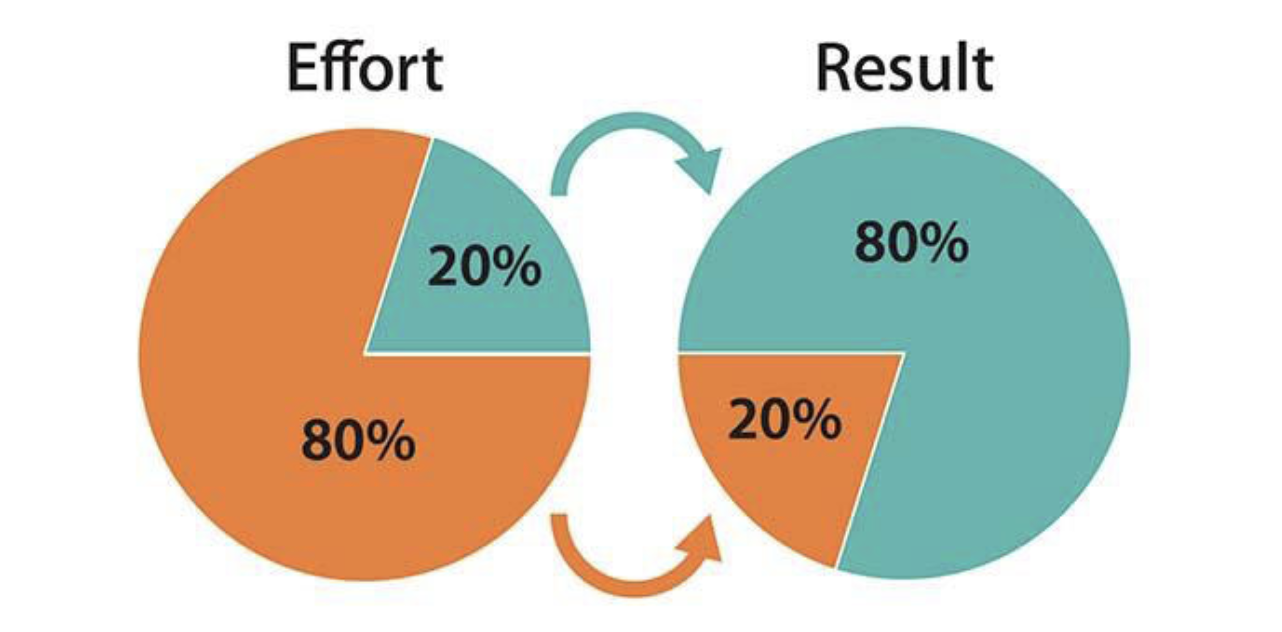
Here’s a truth that’ll change your approach: about 80% of sleep quality comes from just 20% of your habits. Yes, it’s the renowned 80/20 rule, and it applies to your rest just as much as your workflow or inbox.
Most of us spend our nights troubleshooting every little tweak—pillows, apps, supplements—when in reality, the major breakthroughs stem from a few “power moves.” Imagine if you could:
- Fall asleep faster, stay asleep longer, and wake up clearer—with fewer tweaks, not more
- Stop getting sidetracked by minor gadgetry and focus on the habits that deliver
- Apply real data and tech know-how for smarter (not harder) sleep routines
- Enjoy flexibility for late-night launches, family surprises, or travel—without the guilt trip
Think of it as an automation for your rest: identify your vital sleep routines, let go of perfection, and reclaim your energy for the innovations that matter.
If you’re ready to stop chasing every new sleep tip and start building a system that actually works—one that adapts when life (and work) gets hectic—you’re in the right place.
Up next, you’ll see exactly how the 80/20 principle transforms your approach to sleep, why just a few well-chosen habits have the biggest impact, and how to streamline your routine for maximum return on your effort and brainpower.
Let’s break down what really drives quality sleep—and which habits deserve your focus.
Understanding the 80/20 Rule (Pareto Principle) in the Context of Sleep
The 80/20 Rule, also called the Pareto Principle, says that roughly 80% of your results stem from just 20% of your activities.
When you apply this lens to sleep, you're not just chasing more hours in bed—you’re looking for the few habits that deliver the bulk of your rest and energy.
Think of it like organizing your digital workspace:
- You probably use only a handful of apps or files daily, yet they drive most of your productivity.
- Clearing digital clutter isn’t about deleting everything—just archiving the noisy 80% that barely matters.
Why Not Every Sleep Habit Counts
Not every habit is a game-changer for a good night’s sleep.
The science—and your own experience—shows that just a couple behaviors often drive the biggest improvements:
- Going to bed at a consistent time
- Optimizing your sleep environment (think: darkness, cool temp, quiet)
- Reducing late-night screens and caffeine
You could tweak your pillow or try fancy sleep gadgets—but those rarely move the needle the way a stable routine does.
Streamlining Sleep Like a Project Funnel
Picture this: If your project funnel leaks at one step, patching the rest works only so well.
Sleep is the same:
- Focusing on your “vital few” habits can transform your rest, even if other factors aren’t perfect.
- Trying to adjust everything at once wastes effort and creates stress.
In fact, studies show setting a consistent bedtime alone can improve total sleep time by over 60 minutes per night for many adults. That’s a massive return for a single change.
Takeaway
When you target the high-impact 20% of sleep habits, you’re no longer overwhelmed by minor tweaks—you’re building true rest into your life.
Focus on the “difference-makers,” and let the small stuff go. “Better sleep isn’t about doing it all—it’s about doing the right things, most of the time.”
That’s the 80/20 mindset in action—more energy, sharper thinking, and a happier you, just by getting smart with your sleep routine.
The Science Behind Sleep Quality and Core Habits
The Magic Starts Early: Deep Sleep’s Power Hour
When you close your eyes, your body doesn’t just hit “pause”—especially in the first few hours.
The first two sleep cycles are a powerhouse for restoration, pouring energy into tissue repair, memory consolidation, and growth hormone release.
Researchers have found that most of your deep sleep—about 60-80%—happens before midnight if you stick to a consistent bedtime.
Picture this: in the dark, quiet calm of your sleep sanctuary, your brain “takes out the trash,” clearing away toxins that impair focus and mood the next day.
“The first half of your sleep is like prime time for your brain and body to recover. Miss that, and the effects stack up.”
Why High-Quality Sleep Pays Dividends for Mind and Body
Solid sleep isn’t just for dreamers.
- Sharpens cognitive focus: Deep sleep fuels creative thinking, sharper memory, and faster decision-making
- Balances mood: Consistent sleep lowers anxiety and boosts emotional stability
- Restores physically: Critical repair processes—immune system regulation, muscle recovery—shift into high gear
Current data show that cutting even 1-2 hours of sleep over several nights can slash alertness by over 30%. That’s major when you’re in a fast-paced, always-on work mode.
Pinpointing the 20% of Sleep Habits Driving 80% of Results
Let’s get pragmatic: Not every sleep tweak is equal. Prioritize these high-impact factors for adults:
- Consistent sleep and wake times (weekdays and weekends)
- Bedroom environment: Cool (60-67°F), dark, quiet space
- 90-minute wind-down routine: Screens off, soft lighting, relaxing activity
- Avoid late caffeine, heavy meals, and screens 2+ hours before bed
Kids and families? The vital few look a little different:
- Age-appropriate bedtime and nap length: Infants need 14-16 hours, toddlers 11-14, and teens 8-10 on average
- Routine consistency: Same order of events at bedtime triggers sleepy signals
- Gentle transitions: Dimming lights, quiet reading, and familiar cues
“If you nail the 20% of habits that matter most, you unlock the lion’s share of sleep benefits—no need to overengineer your nights.”
Research-Backed Evidence You Can Lean On
Multiple studies confirm that room temperature, light, and sound adjustments alone can boost deep sleep quality by 20% or more.
Simple upgrades—a white noise machine, blackout curtains, or a caffeine cutoff—often yield bigger improvements than tweaking pillow types or hunting for miracle supplements.
“Think of your top sleep habits as the KPIs of rest—optimize here, and your whole routine levels up.”
Start by doubling down on the essentials: a consistent routine and a sleep-friendly space. The payoff? Sharper mornings, steadier energy, and better resilience—all from focusing on the few habits that move the needle most.
Practical Applications: Implementing the 80/20 Rule for Your Sleep Routine
Adult Sleep Optimization
Let’s cut right to the essentials: the majority of sleep gains come from just a few powerful habits.
You can unlock better rest by focusing on:
- A consistent sleep-wake time, even on weekends
- A dark, cool sleep environment (aim for 60–67°F; blackout curtains or a sleep mask work wonders)
- A tech curfew—no screens at least 60 minutes before bed
- Limiting caffeine within six hours of bedtime
Picture this: You run a quick “sleep audit” for a week. Maybe you discover that late Slack messages and post-dinner Netflix disrupt your wind-down. A personal audit comes down to:
- Identify your top 2–3 disruptors (screens, stress, noise, inconsistent timing)
- Target and remove the worst 20% behaviors (remember, it’s not about perfection)
- Reinvest those reclaimed minutes into winding down—a warm shower, a quick meditation, or simply dimming the lights
“Think of optimizing your sleep like tuning a productivity app: change one or two core settings, and everything runs smoother.”
80/20 for Parents and Families
Kids benefit tremendously from routines that are 80% consistent and 20% adaptable—life happens, and sleep can be resilient!
Here’s the real-world toolkit:
- Stick to age-appropriate schedules (infants: 14–16 hrs; toddlers: 10–13 hrs) most days
- Use visual cues—dim lights, favorite stories, pajamas—to reinforce routine
- Build in flexibility for late-nights, holidays, or travel, but keep familiar anchors
Visual scenario:
Sensitive sleepers? Start strict (100% routine), then back off to 90/10 or 80/20 as they grow more resilient.
“You don’t need ‘perfect’ consistency—just enough to see big results. Sleep resilience comes from small, smart habits stacked over time.”
Customization and Flexibility for Real Life
Tech professionals have wild schedules. Use your data like a roadmap: track what actually disrupts you, and adjust only those levers.
- Conduct regular check-ins (weekly, after travel, or following late night sprints)
- Allow a guilt-free “pass” for big nights—then hop right back into your core routine the next day
- Let your environment and energy cues (grogginess, focus, mood) dictate adjustments
- For families, don’t sweat the occasional nap in the car or bedtime story on FaceTime—the routine matters most over the long haul
In every scenario, the 80/20 approach is a framework for maximum improvement, not an all-or-nothing rule.
By targeting your highest-impact habits and embracing flexibility, you’ll get most of the rewards with far less stress—and that’s the real productivity boost.
High-Impact Sleep Strategies: What to Start and What to Stop
Prioritizing Your “Vital Few” Habits
Think of your sleep routine like your team’s star KPIs—a few factors move the needle, while the rest is just noise.
Consistent bedtime alone can help regulate your circadian rhythm, with studies showing a 40% drop in sleep disturbances for those who stick to regular lights-out hours.
For real, measurable improvement, focus on these top “vital few”:
- Same sleep-wake time, seven days a week
- Wind-down ritual: 30–90 minutes of screen-free calm before bed
- Bedroom settings: complete darkness, cool temperature (60-67°F), and white noise if needed
Sleep trackers and mindful journaling are like analytics dashboards—use them to spot trends, not chase perfection.
If your evenings are still a tech-adrenaline rush, picture this: You ditch the phone an hour early for a hot shower and reading. You fall asleep 17 minutes faster on average. That’s real data from recent research.
“A handful of smart changes make the biggest difference. The rest? Delegate or drop!”
Cutting Out the “Trivial Many” Sleep Saboteurs
Most sleep problems come from a predictable shortlist, not a hundred unknowns.
Here are the classic “sleep saboteurs”:
- Inconsistent bedtime/wake-up times
- Caffeine after 2 pm
- Screens or blue light exposure within 1 hour of sleep
- Overloading your mind with work stress before bed
Cutting just one—like moving your last coffee to before lunch—can reclaim up to 30 minutes of deep sleep the same night.
Use this self-quiz to find your villains:
- Which habit breaks my sleep 2+ nights per week?
- Does my bedroom feel calm, dark, and cool?
- Do I struggle with shutting off devices before bed?
Remember, the 80/20 approach means you can focus on a few big wins without a complete lifestyle overhaul.
Picture yourself streamlining your sleep routine the same way you’d clean up your digital workspace—keep only what’s essential, and let go of the clutter.
Spot your top disruptor, drop it for a week, and see what actually improves. This is a data-driven experiment, not a pass/fail test.
When you double down on those “vital few” and cut the obvious noise, you build a routine where better sleep becomes nearly automatic. That's your most valuable upgrade, without the overwhelm.
Adapting the 80/20 Rule to Real Life: Flexibility Without Guilt
Integrating the Principle Into Dynamic Lifestyles
Sleep routines don’t have to crumble the moment your work schedule, family plan, or travel itinerary throws a curveball.
Think of the 80/20 rule for sleep as your permission slip to prioritize what matters most—then stay calm about the rest.
Picture this: you’ve got a product launch and a late-night client call, plus a networking dinner the next day. You can protect your top 80% of sleep routine (like unplugging an hour before bed and keeping your room dark and cool), even if you let the other 20% flex a bit—think: watching one extra episode or slipping up on your bedtime, just occasionally.
Here’s how busy tech professionals can apply the 80/20 rule during those high-pressure weeks:
- Stick to your main routine pillars 80% of the time—like consistent sleep/wake hours and a wind-down habit
- Allow a 20% margin for interruptions—late projects, social events, travel
- Bounce back by resuming core habits the next night, not chasing “perfect” every day
“Consistency beats perfection—especially with sleep.”
Monitoring Sleep Cues and Making Data-Driven Adjustments
You don’t need a spreadsheet for every yawn, but watching your own (or your family's) sleep cues is the real-time dashboard for quality rest.
Check yourself and loved ones for signals like:
- Struggling to wake up or focus regularly
- Feeling sluggish after what “should” be enough sleep
- Kids getting cranky or overtired on days after a schedule slip
Data-driven tweaks start with simple observations and can get a boost from tech:
- Use a sleep app or wearable to spot recurring disruptions—but don’t obsess over every number
- Review your data weekly or bi-weekly for patterns: Are late screens the common denominator on rough mornings?
- Adjust one or two habits at a time, and reset when your routine drifts after life’s chaos
“Data is for direction, not for judgment—let trends guide, not guilt-trip.”
Stress Less, Recover Faster
Real-life sleep optimization isn’t all or nothing. The big win is knowing which routines protect your quality of rest, so you can adapt smoothly when life is messy. When you check in with your body’s signals and use data for smart adjustments, you’re giving yourself permission to bounce back—no guilt required.
Maintaining the vital few habits 80% of the time can move the needle on energy, mood, and focus far more than chasing an impossible 100%.
Measuring the Impact: Benefits, Outcomes, and Adjustments
Immediate and Long-Term Sleep Gains
You’ll see the 80/20 rule pay off fast—minor changes can lead to huge benefits for your sleep. Picture this: you commit to a regular bedtime, set your room temperature around 65°F, and power down screens an hour before sleep. Suddenly, you wake up with sharper focus and reliable energy—without even changing everything at once.
Based on research, adults who nail those 2-3 core habits report:
- 30-50% fewer next-day fatigue issues
- Noticeably more stable moods and less irritability
- Consistently higher daytime productivity
One “tiny tweak” like skipping late-night caffeine can lead to more restorative deep sleep cycles, which means better memory and decision-making during your busiest workdays.
Think about the team lead who shifts their schedule by just 20 minutes for better sleep—suddenly, morning emails are breezier and project meetings feel less stressful. When parents enforce a bedtime 80% of the week, kids bounce back from off-days with less fuss.
“Knocking out a handful of sleep disruptors can be the difference between ‘meh’ and ‘motivated’ every morning.”
When to Tweak Your 80/20 Approach
Sometimes, even the best sleep strategies stall out. Travel, stressful projects, or new life stages can throw your system off.
Here’s a quick checklist for recalibrating your 80/20 sleep routine:
- Is your sleep-wake timing still consistent, or has it drifted?
- Has your bedroom environment (noise, light, temp) changed?
- Any recent uptick in caffeine, late screens, or work stress?
- Have new demands shifted your need for more (or less) sleep?
If sleep quality slides, audit the 20% of habits that cause the most trouble first—just like you’d run a sprint review at work when numbers dip.
“Sleep isn’t a rigid formula—it’s a workflow you keep improving, not a box you check once.”
Encouraging a Growth Mindset
Instead of chasing perfection, treat sleep like a high-leverage project. Learn, adjust, and experiment as your needs shift.
- Update your strategy as you’d optimize your best AI tools—iterate and celebrate those quick wins.
- Every adjustment is data-driven, allowing you to bounce back from setbacks (hello, late client call or wild family weekend).
The most important takeaway: Find and double down on the vital habits that move the needle, then review and refine your routines as life evolves. Quality sleep is an ongoing project, and your next strong morning is one smart tweak away.
Conclusion
Bringing the 80/20 rule to your sleep routine is about getting more energy, sharper thinking, and steadier moods—all by spotlighting the handful of habits that make everything else easier.
You don’t have to overhaul your life to transform your rest. By focusing on the “vital few,” you’ll see quick wins that ripple through your productivity, creativity, and resilience.
Here’s how you can start making the most of your sleep, tonight:
- Set a consistent bedtime and wake-up time—even on weekends
- Prioritize a cool, dark, and quiet bedroom—small tweaks, big difference
- Create a 30–90 minute wind-down routine: screens off, lights dimmed, mind calmed
- Identify and cut just one key disruptor—late caffeine, last-minute emails, or work stress
- Use sleep tracking or a simple journal as your dashboard—spot trends and adjust, don’t aim for perfection
Ready for immediate action? Try this short, high-impact checklist:
- Pick the single habit that disrupts your sleep most often—commit to changing it for one week.
- Choose two “core pillars” (routine timing, room setup, or wind-down) and make them non-negotiable 80% of the time.
- Give yourself permission to flex with life’s curveballs—consistency, not rigidity, is your secret weapon.
Sleep isn’t a performance review—it’s a workflow you get to optimize, adapt, and improve.
Tiny, intentional changes can unlock mornings where you feel genuinely energized—and you’re only a few smart tweaks away from your best rest yet.
“Real rest isn’t about everything being perfect—it's about getting the few things right, most of the time.”
Let the 80/20 mindset transform your nights, so you can bring your sharpest self to the day ahead.