Key Takeaways
Whether you’re considering weight loss pills, prescription medications, or supplements, smart choices now can drive safer, more sustainable results in 2026. Here’s your quick, actionable cheat sheet—distilled from the latest science, real-world outcomes, and expert advice—so you can cut through the hype and make decisions that fit your goals and lifestyle.
- Prescription weight loss meds deliver proven results—options like tirzepatide (Zepbound) and semaglutide (Wegovy) lead to 15–22.5% average weight loss over 72 weeks, with the strongest results seen alongside lifestyle changes.
- Not everyone qualifies—safety first: Only those with a BMI ≥30 (or ≥27 with health risks) should consider prescription meds, while people with a history of thyroid cancer, pancreatitis, or pregnancy should steer clear.
- GLP-1s set the gold standard: Today’s GLP-1 drugs outperform older pills and are backed by solid data for both weight loss and heart protection—but require medical guidance, regular progress checks, and a realistic mindset about side effects.
- Orlistat (Alli) is the only FDA-approved OTC pill—expect modest results (about 5% weight loss) and be ready for gastrointestinal side effects if your fat intake is high.
- Most dietary supplements and “miracle” pills fail to deliver: Ignore marketing promises—no supplement is a shortcut, and FDA approval plus third-party testing are your only reliable green lights.
- The weight loss pipeline for 2026 is heating up: New options like retatrutide and oral GLP-1s may offer over 20% weight loss in pill form, but early adopters still need to weigh side effects, pricing, and safety.
- Skip unapproved compounded meds and shady online sources: Counterfeit and compounded products carry real risks—always insist on licensed pharmacies and valid prescriptions to protect your health.
- Long-term success comes from pairing meds with behavior change: Lasting results require consistent healthy habits, regular check-ins, and a solid support team—not just the latest medication.
Engage with the full guide for deeper dives, timely updates, and hands-on strategies to navigate your weight loss options confidently—2026’s best results start with smart, informed choices today.
Introduction
Imagine seeing a headline: “Lose up to 22.5% of your body weight—no surgery, no endless hours at the gym.” Tempting, right? That’s not clickbait—it’s the new norm in clinical studies for prescription weight loss medications. But between the surge of new pills, sketchy supplements, and big pharma buzz, sorting fact from fiction can feel like a full-time job.
Maybe you’re juggling deadlines and spreadsheets, wondering if there’s a smarter, science-backed way to tackle long-term weight—or maybe your group chat is buzzing with stories about GLP-1s and “miracle” meds. The landscape’s changed fast: injectables are mainstream, oral options are around the corner, and AI-driven health platforms claim to match you with the perfect plan overnight.
But here’s the catch: what works in headlines isn’t always what works for you. Professionals like you need more than hype—they need real odds, honest comparisons, and actionable advice that respects your time and intelligence.
This guide is built for the tech-savvy, results-focused reader who wants:
- Clear breakdowns of the most effective FDA-approved pills, their success rates, and tradeoffs
- Side-by-side comparisons (think “toolbox, not magic bullet”) to fit your lifestyle and health goals
- A look ahead at 2026’s most promising new drugs—plus what to watch for (and avoid)
- Safety checklists, pricing pitfalls, and social proof to keep you in control—not at the mercy of marketing
- Practical, evidence-based strategies that blend digital tools, expert guidance, and honest expectations
Reaching your “goal weight”—and staying there—looks different in 2026. Whether you want better performance, more energy, or just to finally outsmart the supplement aisle, it’s all about leveraging the right mix of medication, lifestyle, and smart support.
Ready to separate breakthrough from bandwagon? Let’s unpack exactly how medically assisted weight loss works, who should consider it, and why true results always start with expert insight.
Understanding Medically Assisted Weight Loss: Concepts, Efficacy & Who Should Consider It
Thinking about medically assisted weight loss? This means using FDA-approved prescription drugs, over-the-counter (OTC) pills, or dietary supplements—always as part of a strategy to improve health, not just for looks.
Prescription medications like tirzepatide (Zepbound) or semaglutide (Wegovy) are designed for people battling obesity or significant overweight with health risks. These aren’t just over-the-counter quick fixes—they act on your biology, like controlling appetite or blocking fat absorption.
Types of Medically Assisted Weight Loss
Here’s how they break down:
- Prescription Medications: Given by a doctor, backed by years of research (e.g., Zepbound, Wegovy).
- OTC FDA-Approved Pills: Lower dose, like Alli (orlistat, blocks fat absorption).
- Dietary Supplements: Mostly unproven, some risky or outright fake—be wary of bold claims.
Remember, “natural” often means unregulated and unproven.
Picture this: A patient with a BMI over 30 and type 2 diabetes sees real benefits with prescription meds—an average weight loss of up to 22.5% in 72 weeks, per recent studies.
Who Qualifies—and Who Doesn’t
Not everyone’s a match for these tools. Typical indications include:
- BMI ≥30 (or ≥27 with weight-related conditions like diabetes, hypertension, sleep apnea)
- Insurance approval can depend on comorbidities.
Who should avoid these approaches?
- Anyone seeking “cosmetic” fixes
- Those with a history of thyroid cancer, pancreatitis, or pregnancy
- People taking interactable medications (your doctor will screen for this)
A key takeaway for every reader: medically assisted weight loss is a marathon, not a sprint. Expect weight loss to plateau around 12–18 months, and maintenance takes ongoing effort.
Setting Realistic Goals & Why Expert Guidance Matters
Even the best prescription meds work best alongside lifestyle changes:
- Dietary tweaks
- Increased physical activity
- Behavioral or psychological support
Working with an obesity specialist isn’t just a formality—it’s how you navigate real-world hurdles, from medication side effects to adjusting expectations. As one expert says, “There’s no shortcut to lasting change, but these treatments can tip the odds in your favor.”
The best next move? Connect with a qualified provider to ensure your plan is safe, effective, and tailored to your health—not marketing hype. Real results start with the right support.
FDA-Approved Prescription Weight Loss Medications: Overview and Comparative Effectiveness
Classes and Mechanisms: How Each Major Drug Works
Prescription weight loss medications break down into three main categories.
- GLP-1 receptor agonists (like tirzepatide, semaglutide, liraglutide) activate hormones that help you feel full, tame cravings, and keep your appetite in check.
- Combination therapies (think phentermine-topiramate, naltrexone-bupropion) suppress appetite and reduce emotional or stress-related eating triggers.
- Fat absorption blockers (example: orlistat) actually stop your body from absorbing about 25% of the fat you eat—resulting in fewer calories sticking around.
Picture this: You're opening a toolbox. Each medication is a different tool—some sharpen your body’s “fullness signals,” others cut cravings, and a few block calories at the gate.
“Think of these as tools for specific jobs, not one-size-fits-all fixes.”
Latest Efficacy Data & Comparative Results
Let’s talk numbers and real-world outcomes—because busy professionals want the ROI upfront. Here’s a quick snapshot from the latest studies (2024-2025):
GLP-1s like tirzepatide and semaglutide now set the gold standard, with tirzepatide leading the pack on both total loss and protective health effects.
“GLP-1s have changed the weight loss landscape—losing 1 in every 5 pounds, not 1 or 2.”
Safety, Side Effects, and Monitoring
The top side effects? Digestive issues—nausea, diarrhea, constipation, and sometimes mild muscle loss if you’re not pairing meds with resistance training.
To prevent most issues:
- Start with a low dose and raise it slowly (known as titration).
- Prioritize supervised, progressive strength training.
- Follow regular check-ins with your doctor for early signs of problems.
Be aware of these red flags:
- History of thyroid cancer or pancreatitis,
- Current pregnancy,
- Conflicting medications.
For most, meds are well-tolerated over years, but real progress is measured: if you haven’t lost at least 5% of your body weight in 12-16 weeks on max dose, it’s smart to switch strategies.
“Side effects may come and go, but progress requires regular check-ups and honest assessment.”
Therapy Duration, Cost Considerations & Insurance
Expect to be in it for the long haul.
- Most people see the biggest results by 9–12 months, then hit a plateau.
- Weight often returns if you stop—think maintenance, not a magic month.
Costs are evolving:
- GLP-1s: $900–$1,400/month out-of-pocket (2025), though some insurance now covers them if you meet BMI or comorbidity requirements.
- Medications like orlistat are often cheaper, but don’t expect the same results.
“When it comes to weight loss meds, the monthly cost is real—but the value comes in improved health, fewer complications, and reduced long-term medical bills.”
The main win: Today’s FDA-approved medications deliver real weight loss for those who qualify, but they’re tools—most effective with personalized medical guidance and measurable goals. If you want results that last, think toolbox, not miracle pill.
Over-the-Counter Weight Loss Pills and Dietary Supplements: What Works, What Doesn’t
Orlistat (Alli): The Only FDA-Approved OTC Option
It’s rare for a weight loss supplement to deliver on its promises, but orlistat (Alli) is the one OTC option that’s actually FDA-approved.
Orlistat works by blocking about 25% of fat absorption in your digestive tract, helping you cut both calories and, ideally, cravings for greasy foods.
You’ll find Alli in 60mg capsules on store shelves—no prescription needed.
Here’s what to expect:
- Average Weight Loss: About 5% body weight over 6-12 months (think 10 pounds off 200 lbs)
- Common Side Effects: Oily stools, gas, urgent bathroom runs—especially after eating a high-fat meal
- Who Should Consider: Adults with BMI ≥25 who want a modest boost, but not a magic bullet
If you’d rather snack in sweatpants than run for the bathroom, keep fat intake moderate—too much and you’ll literally “see” the consequences.
Dietary Supplements: Evidence-Based vs. Myths
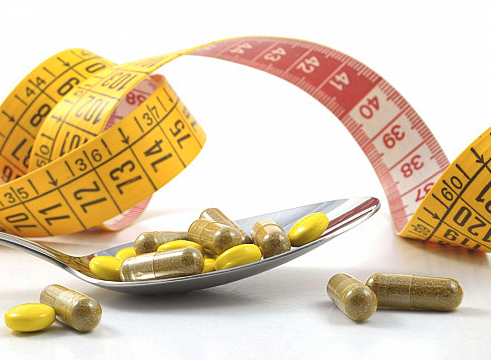
Most OTC weight loss supplements promise the moon but deliver little more than a lighter wallet—or worse, side effects.
Watch out for these supplement staples:
- Caffeine, garcinia cambogia, green tea extract, raspberry ketones: No reliable evidence for sustained weight loss
- “Miracle fat burners” and “detox teas”: Marketing, not medicine
Flip any bottle and spot these red flags instantly:
- Terms like “research only,” “not for human use,” “proprietary blend”
- No FDA approval or certification
- Claims of “rapid, guaranteed, or miracle” results
“Picture this: You’re shopping online, and the labels promise ‘slimming in days’—but the FDA is clear, no supplement is a shortcut, and some are straight-up dangerous.”
Navigating Claims and Avoiding Pitfalls
How can you cut through the hype?
Screen every supplement or OTC pill by asking:
- Who’s selling it, and what’s their track record?
- Is there peer-reviewed research backing the product—actual studies, not just testimonials?
- Are you seeing bold before-after photos, celebrity pitches, or suspiciously good reviews?
The safest route:
- Stick with products carrying FDA approval
- Consult a pharmacist or doctor before starting anything new
- Check for third-party lab reports (like USP or NSF seals) to avoid contaminants or hidden ingredients
One quotable truth: “If it seems too good to be true, it probably is—especially in the supplement aisle.”
The bottom line: Orlistat delivers small, proven results with a clear safety profile, but most supplements do not.
Smart, skeptical reading—and a chat with your healthcare provider—beat buying into big promises every time.
The 2026 Medication Pipeline: Innovations, Promising Results & Watch-Outs
Emerging Drugs to Watch
If you’re tracking the next wave in weight loss medications, the innovation pipeline for 2026 is seriously packed. The front-runners—retatrutide, orforglipron, MariTide, and monlunabant—are getting attention for both the numbers and the buzz.
- Retatrutide: Multi-action GLP-1/GIP/glucagon agonist; up to 24.2% weight loss at 48 weeks in Phase 2 trials
- MariTide: Early results report ~20% weight loss
- Orforglipron: Oral GLP-1 agonist; up to 11.2% loss in recent trials (good news for needle-shy folks)
- Monlunabant: CB1 blocker, showing ~7-13% but neuropsychiatric flags (watch for mood-related side effects)
These candidates come with different dosing—oral vs. injectable—and mechanisms, so “picking a pill” might actually mean something by 2026. Is it all hype? Not entirely: retatrutide’s numbers outpace today’s heavy-hitters. But keep your expectations smart—what works in trials doesn’t always translate to everyone.
Quotable: “2026 could bring a pill that matches or even exceeds the results of today’s injectables.” Picture this: your next weight loss option could fit in a weekly pill box instead of a sharps container.
Potential Impact & Safety Considerations
It’s exciting to see big results, but every new med comes with both headlines and hidden risks.
- Most common side effects: Still GI—nausea, diarrhea, constipation—plus potential long-term safety questions (think: mental health, metabolic effects)
- Approval timeline: Experts expect FDA decisions for several pipeline meds late 2025 or early 2026
- Access and adoption: If approved, the cost vs. benefit calculation will matter—especially as early programs hint at premium pricing
These drugs could shift how weight loss is managed: imagine a therapy that produces over 20% weight loss and helps your blood sugar and heart. Still, we recommend discussing risks with a specialist before jumping in.
Quotable: “Read the trial fine print—early data is promising, but side effects and affordability still matter.” Envision a future where “weight loss medication” means way more than appetite control.
Oral GLP-1s: The Coming Wave
The move from injections to orals is a game-changer for many. Oral GLP-1s like orforglipron mean more people will actually stick with therapy.
Pros:
- Easier daily routines (just a pill—bye, needles)
- Broader access for those who fear injections
Cons:
- Some oral versions require strict fasting or complex dosing routines
- Side effects and results still line up with injectables—don’t expect a zero-hassle shortcut
Spot early access or “founder” programs from major health brands and, if you’re an early adopter, keep an eye out for new guidance from dietitians and doctors as protocols evolve. Quotable: “The easier it is to take, the more likely you’ll stick with it—and see real results.”
Stay sharp: 2026’s weight loss medications bring powerful new tools, but the real magic happens when you pair innovation with guidance and honest expectations. The pills are getting smarter—just make sure your approach is too.
Compounded Medications, Counterfeits, and the Dangers of Unapproved Sources
Compounded Versions: Risks vs. Perceived Benefits
It’s tempting—compounded GLP-1s and tirzepatide promise a quick, custom fix as FDA-approved meds face shortages or insurance rejections.
These “alternatives” have exploded in popularity, but the danger is real: over 605+ adverse events reported by July 2025 include severe nausea, dosing errors, and hospitalizations.
Picture this: your neighbor buys “semaglutide” from a compounding pharmacy, only to land in the emergency room after a dosing mistake.
Common issues from compounded meds include:
- Dosage inaccuracies (some batches too strong, some too weak)
- No FDA oversight, so purity and potency vary
- Adverse events that often go unreported
- Unclear legal responsibility if something goes wrong
When providers order these unsanctioned mixtures, patients pay the price—your peace of mind shouldn’t depend on luck or label trust alone.
“If it’s not FDA-approved, you’re taking a gamble with your health—no matter how ‘customized’ it looks.”
The Rise of Counterfeits and Unsafe Online Sources
The boom in “research chemical” or “for lab use only” labeling isn’t a loophole—it’s a red flag.
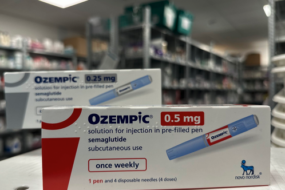
You can find knockoff “Ozempic” vials online at half price, only to get unknown filler or the wrong drug entirely.
Real-world harms include:
- Dangerous contaminants causing toxicity or allergic reactions
- People requiring hospitalization due to mislabeling, fake dosing, or unknown substances
- Financial loss—what you get rarely matches what you pay for
How to check for legitimacy? Stick to these essentials:
- Only buy from licensed pharmacies (brick-and-mortar or verified online)
- Require a valid prescription every time
- Watch out for deals that seem “too good to be true,” unusual labeling, or missing lot numbers
“If you wouldn’t eat sushi from a gas station, don’t inject or swallow a weight loss drug you bought on the web.”
Safe Sourcing Protocols
Here’s your three-step game plan for safety:
- Always demand documentation: FDA-approval, lot number, pharmacy license
- Educate colleagues or patients about label red flags: “compounded,” “research,” or “not for human use”
- Report any questionable sources to the FDA or your regulatory board
Engage in conversation—ask doctors where they source meds and clarify any doubts at the pharmacy counter.
Regulatory agencies are stepping up surveillance, but real-world vigilance starts with you.
“You’re your own best advocate: when options flood the market, double-check what you’re actually getting.”
Scams are ingenious but safety is straightforward—licensed pharmacy, recognized brand, valid prescription. Safeguarding your health means saying no to shortcuts, no matter how convincing the pitch.
Making the Right Choice: Safety, Sustainability, and Maximizing Results
Matching Medications to Individual Needs
Choosing the right weight loss medication isn’t one-size-fits-all—it’s all about personalized response.
Several factors can make or break your journey, including:
- Age: Metabolism and risks shift with each decade.
- Genetics: Some people simply respond better to specific drugs.
- Comorbidities: Diabetes, heart disease, or thyroid issues change your options.
- Preferences: Injection vs. pill, daily vs. weekly—the “how” matters for long-term use.
Most providers recommend checking your progress about 12-16 weeks after starting max dose. If you haven’t lost at least 5% of your starting weight (per FDA guideline), it’s time to adjust.
Weight loss isn’t a sprint—it’s a marathon packed with plateaus. Progress can slow after the first six months, so resetting expectations is key.
Integrating Medication with Behavior Change for Lasting Success
No prescription, no matter how strong, replaces lifestyle change.
Picture this: You’re on tirzepatide, dropping pounds fast. But skipping movement or poor sleep? That muscle loss risk shoots up.
For real, lasting results, pair your medication with:
- Nourishing, portion-controlled meals
- Regular movement (strength + cardio)
- Better sleep habits
- Building a healthier relationship with food
WHO guidance and every major medical group agree: Behavioral strategies are non-negotiable. Think of meds as turbo boosters—not autopilot.
A patient-centered plan could mean using an app to track daily habits, swapping late-night snacks for a 10-minute walk, or making a weekly check-in with a dietitian part of your routine.
“Medication opens the door, but habits keep it open.”
When to Consult Specialists and Building a Support Team
Sometimes, solo isn’t the smart path.
Consider reaching out if you:
- Plateau or regain after early success
- Struggle with emotional eating or motivation
- Have complex medical conditions (like PCOS, sleep apnea)
- Feel confused about conflicting advice
Your support team could include:
- An obesity medicine specialist for tailored drug guidance
- A registered dietitian for meal planning
- A therapist if food is tangled with stress
Tech makes accountability easy: Apps, virtual support groups, and fitness trackers help sustain momentum long after the novelty wears off.
“Real progress is built with a network, not in a vacuum.”
The bottom line: Maximize results by matching your tools (meds, habits, support) to your needs, not someone else’s success story. It’s all about building a sustainable system—one check-in, one healthy swap, one realistic goal at a time.
Strategic Overview: Connecting to Detailed Topics and Resources
Deep Dives for Further Reading
Your weight loss journey isn’t one-size-fits-all—making targeted, up-to-date information a must.
That’s why you’ll find linked sub-guides that zoom in on the details of each major route, like:
- In-depth profiles for Ozempic, Wegovy, and tirzepatide (think “user’s manuals” for each)
- Safe, practical breakdowns of OTC options (like Alli and phentermine)
- Clear myth-busting rundowns for supplements and “miracle” pills that often overpromise
These deep dives help you:
- Compare real-world results and side effect profiles side-by-side
- Get sample timelines, dose adjustments, and cost estimates from current clinical trial data (for example, tirzepatide’s 22.5% average loss in 72 weeks)
- See how expert recommendations might shift as new studies come in
“The best tool is the one that fits your needs—details matter.”
Staying Informed for 2026 and Beyond
If there’s one constant in weight management meds, it’s rapid change—and staying up-to-date is the secret weapon for long-term results.
Ongoing education means:
- Bookmarking authority sites: the FDA, Obesity Medicine Association, and your trusted healthcare team
- Following top medical news sources for breaking trial results (like updates on retatrutide, showing up to 24.2% weight loss at 48 weeks)
- Checking insurance or policy updates, since coverage and costs can shift quickly
Imagine this as future-proofing your strategy—you’re not just reacting, you’re readied for what’s next.
“Adaptability beats trends—prioritize science and expert guidance over quick fixes.”
Tools, Transitions, and Takeaways
Picture this: You’re comparing your prescription’s trial outcomes with your own weekly tracking app, or you’re reading supplement labels with a red-flag checklist in hand.
Immediately useful strategies include:
- Having direct links to explainer pages for every tool you’re considering
- Creating a list of trusted information sources to consult before trying anything new
- Setting a calendar reminder to review the latest updates each quarter
“Every informed choice compounds—empower yourself with clarity, and the results follow.”
Finding trusted, clear, and always-current resources is the cornerstone of getting the most from medically assisted weight loss as you move into 2026.
Conclusion
Choosing the right weight loss medication or supplement isn’t about chasing trends—it’s about harnessing evidence, real-world guidance, and tools that fit you. The landscape for 2026 is packed with powerful options, but your smartest results start with informed decisions and expert support.
You’ve got the insights—now it’s about turning them into a strategy that actually works in your life, not just on paper.
Key Takeaways to Drive Your Results:
- Work with a qualified provider to select the medication or approach best matched to your unique needs, not just what’s new or popular.
- Stay critical of big claims: Prioritize FDA-approved options and be extra cautious with anything sold online or labeled as “compounded” or “not for human use.”
- Pair medication with lasting habits: Combine treatments with realistic changes in nutrition, activity, sleep, and mindset—no pill will do it all alone.
- Track your progress and side effects—schedule check-ins and don’t wait if you’re not seeing results or run into issues.
- Own your education: Bookmark trustworthy sources, review updates quarterly, and keep an open channel with your healthcare team.
Ready for immediate action?
- Schedule a consult with an obesity medicine specialist or your primary care doctor to discuss your best-fit options.
- Map out a 3-month check-in plan (date, metrics, and support) so you’re always making data-driven decisions.
- Audit your current supplements—ditch anything unproven or risky, and switch to products backed by third-party validation if appropriate.
You’re not locked into one path or old stories—the power to drive your health journey is in your hands. Every step you take with care, curiosity, and expert support gets you closer to the sustainable results you deserve.
Big wins are built from small, consistent actions—so start today, stay smart, and rewrite your results for good.