Key Takeaways
If you’re considering Alli as a weight loss tool, it pays to know exactly how it works—and how to work it into your daily routine. Here’s your ultra-scannable guide to the real benefits, best practices, and essential watchouts for making Alli effective, safe, and worth your effort.
- Alli empowers user-driven weight loss by blocking about 30% of dietary fat absorption in the gut, helping you create a real calorie deficit without prescription hurdles.
- Expect modest, steady results—you’ll likely lose 5–6 pounds more per year than with diet alone, with a typical weight reduction of around 3.1% of your starting weight.
- Consistency is king—taking 1 capsule (60mg) per fat-containing meal, up to 3 times daily, and keeping dietary fat under 30% of total calories are non-negotiables for best results.
- Most users experience digestive side effects like oily stools or urgent bowel movements, especially after high-fat meals; these usually diminish within 2–4 weeks on a low-fat diet.
- Always pair Alli with a daily multivitamin at bedtime to counteract reduced absorption of vitamins A, D, E, and K.
- Tech-enabled tracking (think: apps, wearables, smart scales) dramatically improves accountability, helps you log meals accurately, and boosts your likelihood of success.
- Don’t double up on doses or treat Alli as a shortcut—max out at 3 capsules per day and remember: Alli works as an add-on, not a magic bullet.
- Skip Alli if you’re pregnant, under 18, or have certain medical issues like kidney, liver, or absorption problems—and always discuss new meds or supplements with your provider.
Ready to make weight loss more measurable and manageable? Dive into the full article for a hands-on, pro-level playbook to using Alli safely, effectively, and in sync with your tech-driven lifestyle.
Introduction
Ever wish you could block a third of the fat from every meal—without an extra trip to the doctor’s office or a prescription in hand? That’s exactly the promise Alli brings to your plate, and it’s one that’s earned it a spot in the toolkit of data-driven professionals looking to optimize both their health and their routines.
If you’re juggling work deadlines, fitness trackers, and the endless willpower war with takeout menus, Alli’s approach is refreshingly straightforward: FDA-approved, over-the-counter, and powered by real clinical results. No wild promises—just a modest, trackable boost for anyone pushing for steady weight loss while managing a busy schedule.
Here’s why Alli keeps popping up in conversations among tech-savvy pros:
- Blocks about 30% of dietary fat intake at the source
- Minimal systemic side effects so you stay sharp for your workflow
- Compatible with food tracking apps, wearables, and meal planning tools
You get the control and autonomy to manage your regimen—on your terms—while seeing actual progress in your data, not just wishful thinking on the bathroom scale.
But Alli isn’t a free pass for cheat days. Its real power unlocks when you sync it with:
- A low-fat, reduced-calorie diet
- Consistent exercise (even if “gym” means your living room and a smartwatch)
- Smart tracking habits that let you spot trends, not just tally calories
Whether you’re exploring weight loss solutions for the first time or curious about how Alli fits into the modern landscape of health tech, this article will give you the insider perspective you need.
Ready to see what happens when science meets user autonomy? Let’s break down what Alli is, how it works, and how tech-minded routines make all the difference for results and safety.
What Is Alli? An Overview for the Tech-Savvy Professional
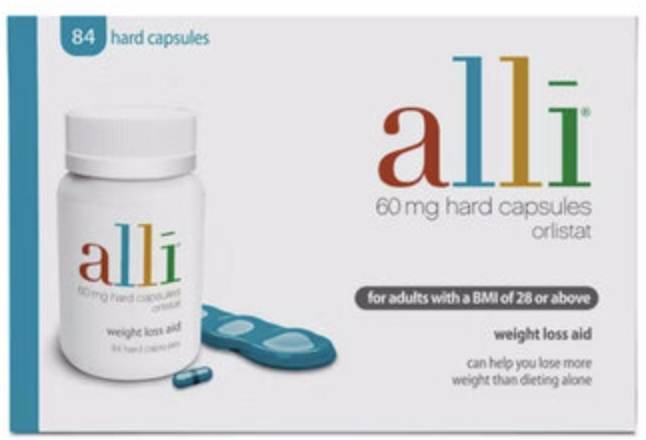
Alli (orlistat 60 mg) is a unique over-the-counter weight loss pill designed for adults with a BMI of 25 or higher.
Think of Alli as the first FDA-approved OTC fat blocker — putting medical-grade science directly into your hands without the need for a prescription.
Where Alli Fits in the Weight Loss Landscape
Alli emerged as a consumer-friendly version of prescription orlistat (Xenical) and is supported by over a decade of clinical use.
Picture a tech upgrade for your health:
- Prescription orlistat (Xenical) requires a doctor's visit and monitoring
- Alli is available at most pharmacies or online, giving you total user autonomy for managing your weight
Both versions share the core ingredient, but Alli delivers accessibility and control for busy professionals looking to DIY their progress.
What Makes Alli Stand Out?
Unlike most pills that work systemically, Alli acts where the action happens — directly in your gut.
Here’s why that matters:
- It blocks the absorption of about 30% of the fat you eat, creating a calorie deficit
- Minimal absorption into the blood means fewer systemic side effects
- No stimulants, making it safer for many with heart sensitivities
You’re empowered to manage your regimen, but also responsible for choosing a low-fat, reduced-calorie diet alongside Alli.
Who Should and Shouldn’t Use Alli?
Alli is best for those who:
- Have a BMI ≥25 (overweight or higher)
- Want a physician-backed, accessible tool for modest, sustainable weight loss
- Are ready to pair it with healthy eating and regular activity
For safety, avoid Alli if:
- You’re pregnant or breastfeeding
- You have chronic malabsorption, cholestasis, or significant kidney issues
- You’re under 18 or have a history of eating disorders
Always check interactions if you take other medications, and consult a provider for tailored advice.
Ready to make your weight loss routine smarter — not harder? Alli gives you control, science, and accessibility in one daily package. Remember: combining smart tech, tracking, and realistic expectations with Alli offers a powerful, user-driven approach to lasting results.
How Alli Works: The Science and Real-World Application
Lipase Inhibition and Calorie Blocking
Picture this: Alli’s main power move is shutting down your body’s ability to break down and absorb the fat you eat.
It works by targeting special digestive enzymes called lipases. When you take Alli, it's like “putting a lock on your kitchen’s junk food cabinet – the fat you eat can’t get in.”
Instead of breaking down, about 30% of the dietary fat you consume just passes right through—undigested and unabsorbed.
The numbers? That’s about a 200 calorie deficit per day if you keep meals consistent.
Here’s what makes Alli compelling for data-driven pros:
- Acts locally in the gut (minimal systemic absorption)
- No central nervous system effects (not a stimulant)
- Results you can quantify if you’re tracking fat intake
Imagine seeing those “blocked” calories in your tracking app, giving you real, measurable progress—not guesswork.
Quotable moment: “With Alli, the fat you dodge at lunch won’t haunt you later. It’s left behind, not stored.”
When and How to Take Alli
For best results, timing and consistency are everything.
The guidelines are simple but strict:
- 1 capsule (60 mg) per fat-containing meal
- Up to 3 times per day (breakfast, lunch, dinner—with dietary fat)
- Take at the time of the meal—not hours before or after
Miss the timing? You won’t get the full effect. Stack the dose? You’ll just invite side effects.
Your job:
- Stick to a low-fat, reduced-calorie diet
- Keep fat under 30% of daily calories (think: grilled chicken instead of burgers)
- Pair with regular exercise—because Alli isn’t a magic bullet, just a powerful nudge
Apps and wearables make meal tracking easier, but Alli only works as well as your routine.
Shareable truth: “Sorry, Alli won’t cancel out cheeseburgers—you still have to meet it halfway.”
Real-world users who thrive on structure and tech-powered tracking find Alli fits seamlessly into optimized routines—if you play by the rules. The secret is showing up consistently at mealtime, locking out extra fat, and letting the numbers do the talking. If you want your weight loss effort to feel quantifiable and actionable, Alli may be your kind of tool.
Alli Weight Loss Results: What You Can Realistically Expect
Short-Term and Long-Term Weight Loss Outcomes
If you’re eyeing Alli as a tech-savvy shortcut to dropping pounds, let’s break down what the data says—no hype, just numbers.
On average, Alli helps users lose 5-6 pounds more in 12 months than those taking a placebo (orlistat 60 mg).
That’s roughly 3.1% of your starting weight gone in a year—think of it as 1 out of every 30 pounds you carry.
- In the 4-year XENDOS study:
- Year 1: Users lost about 12.8 lbs (vs. 6.6 lbs without)
- Later years: Some regained weight, but net loss remained higher
For busy professionals, this is a modest but measurable boost—not a radical overhaul.
“Picture this: Over a year, your smart scale shows slow but steady drops, not wild swings,” is the story Alli often writes.
Individual Variability and Influencing Factors
Why don’t results always match up? The answer is in consistency—and a few real-world quirks.
Your experience with Alli depends on:
- How closely you follow a low-fat, reduced-calorie diet
- Your personal metabolism
- How active your lifestyle is
- Engagement with behavioral or tech-enabled support programs
Combining Alli with a structured program or a fitness app amplifies results.
Think of it as augmenting, not replacing, a well-organized approach.
As one user put it, “Don’t expect to wake up 30 pounds lighter after a month, but do expect measurable drops if you stick with the basics.”
User Experiences and Testimonials
Peek into any weight loss app or tech forum and you’ll notice a spectrum of stories—some high-fives, some shrugs.
Common themes include:
- “The early weeks are the trickiest, but tracking meals in an app made all the difference.”
- “Pairing Alli with a wearable step tracker helped me see progress—not just on the scale, but in energy and habits.”
- Some users feel frustrated if they trip up on the diet, reporting GI side effects when meals are high-fat
The consensus? Expect minor results over months, not miracles overnight.
You can picture people tweaking their routines—switching snacks, logging exercise in an app—using Alli as one more lever in the system.
For most, patience and routine are the “secret hacks” to making Alli worthwhile.
Sticking to Alli is about small, additive wins—think smarter, not harder. “If you log your habits and combine Alli with smart, sustainable changes, you’ll be part of the group that sees steady, healthy progress.”
Safety, Side Effects, and Mitigation Strategies
Common Side Effects: What to Expect and Why
With Alli, most users experience digestive side effects—but knowing how to manage them sets you up for success.
Expect these within the first few weeks:
- Oily or loose stools
- Gas with discharge (yes, it can be awkward)
- Urgent or more frequent bowel movements
- Mild abdominal pain
These symptoms happen because unabsorbed dietary fat gets excreted, not digested.
High-fat meals seriously crank up the side effects.
Picture this: You swap your salad for a double cheeseburger, and suddenly you’re sprinting to the restroom.
Stick with under 30% of your daily calories from fat—and most of these issues seriously dial down.
New users typically adapt within 2-4 weeks as their gut settles in, especially if they intentionally lower fat intake right from the start.
“Alli rewards low-fat eaters and holds cheeseburger fans accountable—literally.”
Serious Risks: The Rare But Important Warnings
Most people never encounter serious side effects, but awareness matters for peace of mind and safety.
Rare (but documented) risks with Alli include:
- Liver injury (13 reported cases among 40 million users, mostly with prescription orlistat)
- Kidney stones or injury (from fat-based calcium binding)
- Gallstones (linked to any weight loss, not just Alli)
- Pancreatitis (marked by severe upper abdominal pain and nausea)
Skip Alli entirely if you:
- Have active liver disease, chronic malabsorption, or cholestasis
- Are pregnant or have a history of kidney issues
Call your healthcare provider if you notice unusual jaundice (yellowing skin/eyes), severe pain, or other new symptoms that don’t resolve.
“If your bathroom habits are suddenly extreme or you notice yellow eyes, it’s time to hit pause and call your doc.”
Vitamins, Interactions, and Smart Supplementation
Fat-blocking means fat-soluble vitamins (A, D, E, K) are less easily absorbed while on Alli.
Daily multivitamin is a must.
- Take it at bedtime—separate from Alli—for max absorption.
Watch for prescription interactions, especially:
- Cyclosporine (immunosuppression)
- Warfarin (blood thinning)
- Other diabetes and thyroid meds
Keep your care team in the loop about all your supplements and prescriptions.
“Think of your bedtime multivitamin as a daily insurance policy—don’t skip it while using Alli.”
Alli works best when you manage side effects through simple diet choices, track your symptoms, and keep your care team informed. Treat this pill as a tool—not a shortcut—and you’ll maximize both safety and results.
Making Alli Work for You: Best Practices and Insider Tips
Building a Diet and Fitness Routine
If you want Alli to work its magic, your first upgrade is the low-fat, reduced-calorie diet—think less than 30% of your daily calories from fat.
Picture this: your plate features grilled chicken or chickpeas, quinoa or brown rice, and loads of fiber-rich veggies.
Need help tracking? Tap into apps like MyFitnessPal or Lose It! to log meals and fat grams with just a few clicks.
For busy pros, prepping quick, low-fat lunches (like turkey wraps, sushi bowls, or lentil soup) can keep you compliant and curb those desk-sandwich disasters.
Stack success by moving daily:
- Use an AI-powered step tracker—yes, your Fitbit or smartwatch totally counts
- Block 10 minutes for walking calls or stretch breaks
- Pair Alli with structured workouts via apps like Peloton, Nike Training Club, or Apple Fitness
Want even more lift? Join community groups or online forums for peer support and accountability.
“Think of your diet as a well-oiled project workflow—when each element runs smoothly, results stack up fast.”
Monitoring Progress and Adjusting Expectations
Track everything—not just your weight.
- Set up a simple spreadsheet, link your fitness tracker, or use smart scales with automatic sync
- Log side effects (like oily stools or urgent trips to the bathroom) as part of your review process
- Look for patterns before making changes: did high-fat days trigger more issues?
Expect to lose about 5-6 pounds more in a year versus diet alone—that's a 3.1% average weight reduction, not overnight transformation.
If you hit a plateau or aren't seeing movement after 2-3 months, reassess your diet or check in with a primary care provider.
“Progress with Alli is measured in steady, realistic wins—not rocket-speed losses.”
Avoiding Misuse and Common Pitfalls
- Never take more than three 60mg capsules per day—dose-doubling doesn’t double results
- Don’t use Alli as a license for heavy-fat splurges (“Sorry, you can’t hack Alli with cheeseburgers”)
- Avoid Alli entirely if you have a history of eating disorders or if ultra-rapid weight loss is your only goal
Stay focused on sustainable changes, not shortcuts or hacks.
“Your best results come from smart consistency—not from pushing boundaries.”
To sum it up, the fastest way to make Alli work for you is to pair it with tech-enabled diet tracking, daily movement, and a sustainable mindset. Picture your progress as a dashboard: every input counts, and small daily tweaks drive real, lasting results.
Alli Versus Other Weight Loss Pills: Context for the Curious Pro
Prescription Medications, OTC Alternatives, and Supplements
Choosing between Alli and other weight loss pills? Let’s keep it crisp: Alli (orlistat 60 mg) is your over-the-counter, non-prescription option that blocks about 30% of dietary fat from being absorbed—with effects limited to the gut, not your brain or bloodstream.
Compare this to:
- Prescription orlistat (Xenical, 120 mg): Same mechanism, higher dose, slightly greater effect, but only with a doctor’s script.
- GLP-1 agonists (like Wegovy, Ozempic): Prescription-only, injectables, act on appetite-regulating hormones for more substantial, often faster weight loss (think ~15%+ body weight over a year), but can mean more side effects and clinical monitoring.
- Stimulant prescriptions: Work differently (central appetite suppression), with risks like insomnia, blood pressure spikes, and dependency.
- Supplements: Most lack robust evidence; many are unregulated.
Picture this: Alli is the intro course to weight loss meds—accessible, user-controlled, and less intimidating than a weekly injection or strict prescription protocol.
“Think of Alli as the ‘plug-and-play’ option of the weight loss world—no need to install complex dependencies.”
Cost, Accessibility, and Suitability
- Alli: ~$60/month retail, OTC at major pharmacies, no doctor or insurance hoops. Quick to start, low system risk, but modest results—5-6 lbs average extra loss in a year.
- GLP-1s: $900–$1,100/month retail, prescription only, sometimes covered by insurance (with red tape). Bigger results, bigger price tag, more side effect questions.
- Xenical: $130–$200/month, needs an Rx.
- Supplements: Widely variable cost and quality.
The trade-off for Alli is clear—minimal systemic risk, high convenience, but no magic bullet. You’ll pay in discipline, not dollars or downtime.
“Not every pro needs to run the full software suite—sometimes you just need the right plugin.”
When Alli Makes Sense (And When It Doesn't)
Alli is a great fit if:
- You want a safe, accessible way to boost small, steady weight loss—especially if you’re already working on changing your habits.
- You prefer avoiding stimulants and serious side effects.
- You’re tech- or data-driven and ready to use tracking apps to maximize results.
You might skip Alli if:
- You’re seeking 10%+ weight loss quickly, have obesity-related complications, or need medical supervision (GLP-1s or more intensive treatments may be better).
- You dislike GI side effects or won’t manage your fat intake.
- You need results that insurance will help fund.
Action step: Weigh what matters most—accessibility, risk, and realistic outcomes—to match your choice to your needs and workflow.
Busy pros love that Alli offers autonomy, but smart decision-making is what delivers results—no hack replaces the basics.
Alli gives you low-barrier, modest support in your weight loss toolkit. If you need bigger results or tighter oversight, prescription options may win—but for many, Alli’s flexibility and safety are hard to beat.
Staying Current: What’s New and What the Future Holds for Alli
Regulatory Updates, Formulation Changes, and Research Trends
The landscape for Alli (orlistat 60 mg) has stayed stable—no major FDA warnings or new formulations have hit shelves recently.
However, it’s still front and center in guidelines as the only over-the-counter weight loss drug approved for adults with BMI ≥25.
Key clinical updates and trends include:
- No change in dosage: Standard use remains 60 mg per fat-containing meal, up to three times daily.
- Ongoing trials: Researchers are looking at how Alli performs in tech-supported lifestyle programs, mobile-health integrations, and alongside continuous glucose monitoring.
- Safety findings: The rare serious side effects (like liver and kidney injury) stay extremely uncommon—about 13 liver injury cases reported in 40+ million worldwide users, mostly with prescription doses.
Want to picture it? Imagine a connected future where your app nudges you about meals and tracks your dose, adjusting your plan in real time.
“Alli hasn’t changed overnight—but the digital world around it is evolving at breakneck speed.”
Alli, AI, and the Next Generation of Weight Management
Alli is carving out a niche in the modern, tech-enabled weight loss ecosystem.
Here’s where innovation is heading:
- AI-powered nutrition tracking: Apps now sync meals, activity, and even supplement timing. It’s like having a virtual nutritionist in your pocket.
- Smart supplementation plans: Watch for emerging tools that personalize when and how you take Alli, adjusting for your unique metabolism or dietary swings.
- Integration with wearables: Your fitness tracker isn’t just for counting steps—it can spot trends in your weight and remind you to log side effects or stick to your eating window.
“One-size-fits-all is fading fast—weight loss is getting personalized, smarter, and more connected by the month.”
Staying Ahead in a Rapidly Shifting Space
To keep your edge:
- Subscribe to updates from trusted sites and regulatory bodies (FDA, Mayo Clinic).
- Test drive app integrations that align with how you want to use Alli and track progress.
- Stay flexible—today’s best practice might be outdated next year as new research and tech solutions roll out.
Big picture: Alli is still effective, but the tools we use to manage, monitor, and maximize its impact are getting smarter by the day. If you want real, sustained results, keep your routine nimble and adopt what works for you as new options arise.
Conclusion
Alli delivers a science-backed, accessible solution for professionals seeking practical, tech-empowered weight loss—not a miracle, but a measurable nudge that fits into your busy, data-driven life.
Combining personal autonomy with medical-grade research, Alli stands out as a smart tool for those ready to track, tweak, and optimize their health journey with real numbers—not guesswork.
Here’s how you can put Alli to work for you:
- Pair Alli with a low-fat, reduced-calorie diet—use tracking apps to keep your numbers in check and minimize unwanted side effects.
- Log your meals, weight, and activity using your favorite fitness or nutrition app to build consistency and spot improvement trends.
- Take your multivitamin at bedtime (separated from Alli) to support vital nutrient absorption while optimizing your routine.
- Consult your healthcare provider before starting, especially if you’re managing health conditions or medications—safety first, always.
- Aim for small, steady progress—combine tech, tracking, and movement for results you can see (and measure) over time.
Ready to take the next step?
- Download a meal-tracking app today and start logging your intake—even before you begin Alli.
- Prep your kitchen with easy, low-fat meal options—give yourself clear choices and fewer temptations.
- Set a daily reminder for your multivitamin and Alli timing, integrating it into your existing routine.
- Connect with a support group or online community for accountability, shared tips, and tech hacks that keep you moving forward.
Your results aren’t defined by perfect days or “magic pills”—they’re built by the daily wins you measure and multiply.
Start with small changes, leverage smart tools, and let Alli be a powerful teammate—not the whole playbook.
Progress is never accidental—it’s engineered, tracked, and earned. You set the pace; Alli just helps you move the needle.