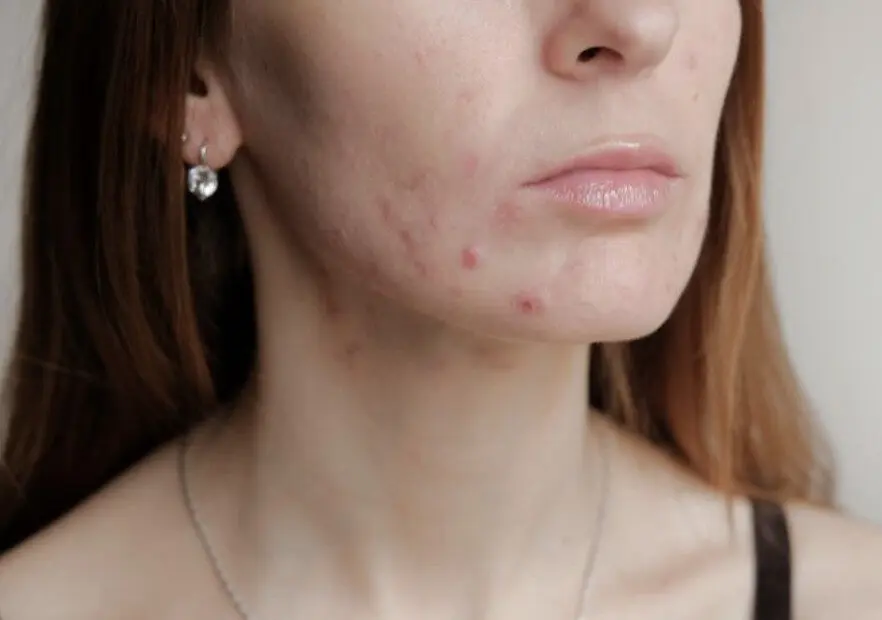
Key Takeaways
Identifying and understanding your acne type isn’t just dermatologist trivia—it’s the first step to smarter, more effective treatment. Here’s what busy, tech-smart professionals need to know to take charge of their skin (and skip wasted time on one-size-fits-all solutions):
- Acne exists on a spectrum, with non-inflammatory (blackheads, whiteheads) and inflammatory (papules, pustules, nodules, cysts) types—knowing the difference helps you target the right fix.
- Classifying your acne is the shortcut to better results—if you can spot the size, depth, and color of breakouts, you can personalize your routine and know when to call in a pro.
- Severity grading matters—mild acne (under 30 lesions), moderate (up to 125), and severe (deep nodules, >125 bumps) guide when to DIY vs. seek medical help and prevent long-term scarring.
- Multiple triggers stack up, from hormones and genetics to lifestyle factors like late nights, stress, and skipped cleansing. Tracking your unique patterns pays dividends in prevention.
- Self-assessment is your edge—use smartphone photos and natural light for real-time tracking, and spot early warning signs before breakouts worsen.
- OTC treatments work best for mild cases, while persistent, painful, or scarring acne means it’s time for customized, professional support.
- Emerging AI-powered apps and biomarker screening now help classify lesions and predict flare-ups, making data-driven, individualized care accessible to everyone.
- Proactive tracking and quick action can reduce scarring and frustration, unlocking clearer skin with less guesswork—think of your skin routine as an evolving, tech-aided workflow.
Ready for a routine reset? Dive into the full article for step-by-step acne identification tips, targeted treatments, and the latest tech transforming skin health.
Introduction
Ever noticed how two people can use the same skincare routine, but only one ends up with breakouts? Over 50% of adults misidentify their own acne type, leading to months of trial-and-error (and wasted money) on products that never quite hit the mark.
If you’ve ever stared into a magnifying mirror and wondered, “Is this just a blackhead—or something more complicated?” you’re not alone. Acne is one of the most misunderstood—and overcomplicated—skin concerns out there. But here’s the upside: knowing exactly what kind of acne you’re dealing with is the fastest way to get better results.
Why does classification matter for you, especially if you’re comfortable with data and hungry for efficiency? Because recognizing different acne types goes way beyond vanity—it’s about:
- Choosing targeted treatments (instead of grabbing whatever’s trending)
- Saving time and budget by skipping the guesswork
- Knowing when to handle it solo, and when professional guidance can prevent scars (and stress)
- Spotting hidden triggers—whether that’s mask irritation, sleep cycles, tech-driven stress, or something totally unique
Acne’s spectrum is wider than most skincare charts suggest: from sneaky “tech neck” spots after marathon workdays to deep, painful breakouts that don’t respond to OTC fixes.
And with new AI tools now classifying lesions and tracking patterns in real time, understanding your breakout type isn’t just for dermatologists—it’s the edge every efficiency-focused pro can use.
Here’s the real win: once you know which kind of acne you’re seeing, you can streamline your routine, cut through marketing noise, and make skin care as smart and systematic as the rest of your life.
Ready to decode what those bumps really mean—and what to do about them? In the next section, you’ll get practical, jargon-free insight into what acne actually is and why it happens, so you can start making more strategic choices right away.
Understanding Acne: What It Is and Why It Happens
Acne isn’t just a “teen problem”—it’s a skin condition that can affect anyone, from students to startup founders juggling Zoom meetings.
At its core, acne forms when pores—tiny skin channels—get blocked by excess oil (sebum), dead skin cells, and sometimes bacteria like Cutibacterium acnes.
Picture this: your pores are like a well-managed email inbox. When messages (oil and skin cells) pile up and the “delete” rule fails, everything gets cluttered, and the risk of glitches increases.
The Building Blocks of Breakouts
Acne has two main categories:
- Non-inflammatory acne: Blackheads and whiteheads are simple clogged pores with minimal redness.
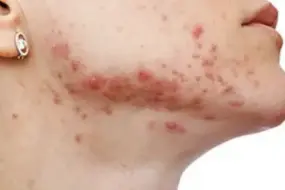
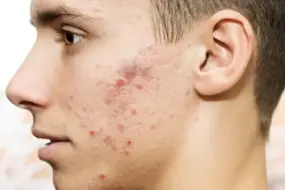
- Inflammatory acne: Here, pore walls rupture, letting bacteria and oil spread—leading to angry, red lesions like papules, pustules, nodules, and cysts.
Tech analogy: Non-inflammatory acne is a slow-loading webpage—it’s there but not disruptive; inflammatory acne is a site crash from too many requests at once.
Why It Happens (and Why Now)
Several players drive acne flare-ups:
- Hormones: Think stress, puberty, or cycles—each one triggers sebum production surges (hello, midday shine).
- Genetics: If your family clocked hours at the dermatologist, odds are higher you will too.
- Environment/Lifestyle: Humidity, sweat, certain foods, late nights, and even mask habits can tip your skin into “error” mode.
Fun fact: Around 85% of people between 12-24 experience acne, but it’s common in adults too—especially women balancing hormones and work responsibilities.
Why Classification Actually Matters
Classifying your acne isn’t just for dermatologists with color-coded charts—it’s how you choose:
- The right treatments (topical creams vs. prescription meds)
- When to get professional advice
- How to track progress and set realistic expectations
A smart approach means less wasted time (and money) on products that won’t work for your specific type.
Knowing the basics pays off: If you can ID your acne, you can personalize your routine and spot when it’s time for expert help. Whether you see “tiny black dots on the nose” or “painful jawline lumps,” understanding the root causes helps you go from overwhelmed to in control.
The Spectrum of Acne Lesions: Identifying What You See
Non-Inflammatory Acne (Comedonal)
Think of non-inflammatory acne as your skin’s less dramatic, but persistently annoying, clutter—the tech equivalent of too many browser tabs open but nothing crashing.
Most of these non-inflammatory lesions are painless and rarely cause scarring, making them the “mild alerts” of the acne world.
You’ll spot:
- Blackheads (open comedones):
- Look like tiny black dots
- Caused by oxidized oil (sebum) in open pores
- Most common along your nose, chin, and T-zone—think “prime real estate” for excess oil accumulation
- Whiteheads (closed comedones):
- Appear as tiny, firm, flesh-colored or white bumps
- The pore stays shut, so oil and skin cells are trapped beneath the surface
- Unlike regular pimples, there’s little redness or swelling
- Subclinical acne:
- Feels like your skin is rough or bumpy (especially under strong bathroom lighting)
- Often early-stage blockages and rarely red or inflamed
- Many people mistake these for texture issues instead of “starter” acne lesions
A shareable reminder: “Non-inflammatory acne is often what you see before you feel.”
Inflammatory Acne
When locked pores rupture, bacteria and oil spill out—the digital equivalent of a hard drive crash, but in your skin.
This triggers your immune system, leading to redness, pain, and sometimes scarring.
Inflammatory types, from mildest to most severe:
- Papules:
- Small, firm, red, and tender with no pus
- The “notification before an upgrade”—can become pustules with more inflammation
- Pustules:
- Red with a visible white or yellow pus center—classic “pimple” look
- Risks: Picking can spread bacteria or cause scars
- Nodules:
- Larger, deeper, hard, and painful beneath the surface
- Think of them as “deep system errors”—difficult to resolve without professional input
- Cysts:
- The most severe: soft, swollen, pus-filled, often reddish-violet
- High risk for scarring; requires medical management
A quick scan in the mirror? Inflamed bumps = higher urgency, deeper = bigger risk.
Special Focus: Subtypes and Rare Forms
Understanding subtypes helps you get granular—like sorting inboxes by urgency level:
- Comedonal acne: Just blackheads and whiteheads—think “low-risk alerts”
- Papulopustular acne: Lots of red bumps and pus-filled lesions dominate
- Nodulocystic acne: Deep, painful nodules and cysts—most severe, scarring likely if untreated
Rare but crucial:
- Acne conglobata: Large, interconnected abscesses; can scar deeply
- Acne fulminans: Sudden, ulcerative, with fever—urgent care needed
- Pyoderma faciale: Rapid-onset facial plaques (mostly adult women)—see a dermatologist ASAP
“Spotting depth and color is the difference between over-the-counter fixes and needing backup.”
For instant self-checks, focus on color, bump size, and tenderness—if you see deep, red, or rapidly worsening lesions, skip the DIY route and call a pro. Knowing your acne type isn’t just trivia—it’s the first step to smarter, targeted treatment. Picture this in your weekly routine: that “just a bump” could signal a different kind of solution.
Severity Grading: From Mild to Severe
Why Grade Acne Severity?
Grading systems like the Merck criteria aren’t just for dermatologists—they help you match your acne to the right treatment, fast. The difference between “bad breakout” and “severe acne” can shape whether you reach for an over-the-counter cream or need medical backup.
If you’ve ever wondered “Is this just a rough week, or something more serious?”—a quick classification makes all the difference.
Think of it like a status report for your skin: Are you looking at a few scattered bumps, or a larger, more persistent issue?
Official Severity Categories (with Visual Cues)
Here’s what dermatologists and AI-powered tracking apps look for:
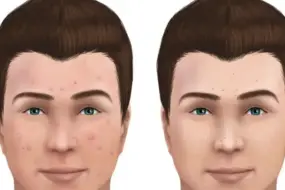
- Mild Acne
- Fewer than 20 comedones (blackheads/whiteheads)
- Fewer than 15 red or pus-filled spots
- Under 30 total lesions across the face/body
- Mostly on the surface; low risk for scars
- Moderate Acne
- 20–100 comedones
- 15–50 inflammatory lesions
- 30–125 total affected spots
- More visible and mixed lesions; some mild scarring possible
- Severe Acne
- More than 5 cysts or deep nodules
- Over 100 comedones or 50 inflammatory lesions
- More than 125 total bumps, possibly across the face, back, and chest
- High risk for scarring, pain, and emotional impact
Picture this: You’re tracking your breakouts in a smartphone photo log. If you’re seeing dozens of red bumps and some painful underground nodules, you’re in the severe category—and that’s when specialized treatment pays off.
Why This Grading Actually Matters
- Severity grading isn’t just a label—it’s a practical roadmap.
- Mild cases: Often handled with store-bought products like salicylic acid or gentle retinoids.
- Moderate cases: Might require stronger combos (think topical + oral meds).
- Severe breakouts—especially any scarring or cysts—mean it’s time to loop in a dermatologist.
“Early action is everything. Jumping on treatment at the ‘mild’ or ‘moderate’ stage can spare you scars and stress later.”
Pro tip: If you’re stuck wondering which camp you’re in, remember—any acne resistant to months of over-the-counter care, or anything causing scars, deserves professional help.
Severity grading takes the guesswork out of next steps. An honest assessment of your acne severity is the quickest way to clear skin and the right routine.
Root Causes and Triggers: What Drives Different Types of Acne
The Core Drivers: Why Acne Starts
Let’s get right to it: clogged pores are where acne begins—but what clogs them depends on dozens of moving pieces.
The primary culprits?
- Excess sebum (oil) production powered by your genetics, hormone surges (think puberty or monthly cycles), and even stress spikes at work
- Dead skin cells that don’t shed fast enough, especially if your nightly face wash becomes a “skip” after a long day
- Bacterial overgrowth—namely Cutibacterium acnes—gets trapped in oil-rich pores, leading to inflamed breakouts
Picture this: Your skin is like an email inbox. If oil, dead cells, and bacteria pile up without a “delete” or “spam filter,” you’ll get a breakout instead of “inbox zero.”
Hormones, Habits, and Hidden Triggers
If you notice flare-ups around your period, post-gym sweat, or after that 1am pizza binge, you’re not imagining things.
- Hormonal fluctuations (androgens, insulin surges) cause oil glands to switch to overdrive
- Diet and lifestyle: High glycemic foods, dairy, and late-night snacking can kick off new lesions
- Cosmetic buildup and skipping double-cleansing after sunscreen or heavy foundation create a residue playground for comedones
Did you know that stress can increase oil production by up to 30%? Those marathon coding sessions or tense deadlines might be worsening your skin.
Overlapping and Real-World Scenarios
Acne triggers often don’t work alone—they stack and interact.
Imagine this day: You’re burning through a work sprint (stress), forget to rinse off after the gym (sweat + bacteria), and grab comfort food (diet). If you see new breakouts, it makes total sense.
Frequent travel (think recycled airplane air and sleep shifts) plus late nights editing videos can add another layer of complication.
Share-worthy insight: “One person’s acne trigger could be another’s total non-issue. It’s all about your unique mix.”
Acne rarely boils down to just one cause—the intersection of oil, bacteria, dead skin, hormones, and habits drives almost every flare. The best next move? Track your own patterns and tweak routines by watching key triggers—small changes can prevent new breakouts.
Practical Guide to Identification and Next Steps
At-Home Self-Assessment
Spotting the right type of acne starts with a quick, focused self-check. Ask yourself:
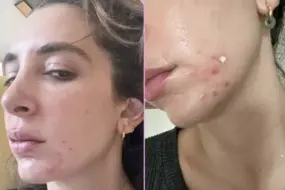
- What’s the size and color? Tiny black or white bumps point to comedones, while larger, red, or swollen spots mean inflammation.
- Is it painful or filled with pus? Papules are sensitive but dry; pustules have that classic “whitehead” top.
- How deep does it feel? If a bump is firm, tender, and under the surface, it could be a nodule or cyst.
Use these methods for an even clearer view:
- Stand in natural light with a mirror for truer color and depth.
- Snap smartphone photos over several days to track changes.
- Visually compare each spot with common acne types—referencing reliable sources or guides.
It's easy to confuse a deep nodule with a cyst, or underestimate a cluster as “just a breakout.” Over 50% of people misidentify their acne’s severity—which can delay effective treatment.
“A five-minute self-check with good lighting beats weeks of guessing what’s actually on your skin.”
“Your phone camera is your best diagnostic tool—use it to spot early warning signs or changing patterns.”
When to Seek Professional Help
You’ll want a dermatologist if you notice:
- Persistent nodules or cysts that stick around for weeks or leave marks
- Scarring, dark marks, or stubborn redness
- No improvement after 6–8 weeks of over-the-counter (OTC) treatments
A pro brings more than a prescription—they can:
- Clarify your acne type using specialized tools or grading scales.
- Create tailored treatment plans that adapt as your skin changes.
- Identify rare cases like nodulocystic acne or hormonal triggers you can’t see at home.
“Think of your dermatologist as a tech support agent for your skin—all the advanced diagnostics with a human touch.”
Treatment Considerations Overview
The right therapy isn’t one-size-fits-all; your acne’s type and severity guide your action plan:
- Mild, comedonal acne (blackheads/whiteheads): OTC topicals like salicylic acid or retinoids cost about $10–$40 a month and show results within 4–8 weeks.
- Inflammatory acne (pustules, papules): Layer in benzoyl peroxide or prescription antibiotics.
- Severe (nodules/cysts): Oral meds, hormonal options, and medical therapies—these should be managed with a professional, especially for scarring or deep lesions.
Stay curious—detailed guides on cystic, nodular, and hormonal acne are just a click away when you need deeper insights.
When in doubt, track your skin’s behavior and don’t hesitate to get help early. Most long-term scarring is preventable with tailored action—your next step is the most important one.
Looking Beyond: The Evolving Landscape of Acne Research and Classification
The science behind acne isn’t sitting still—major breakthroughs in research and technology are reshaping how we understand and tackle this complex condition.
Imagine this: AI-driven tools that don’t just track breakouts, but predict flare-ups before they start by analyzing your skin patterns, habits, and even stress levels.
New Technologies Shaping Acne Care
Today’s acne care is smarter:
- Mobile apps use AI to scan and classify lesions with up to 90% accuracy—think of it as having a dermatologist's eye in your pocket.
- Digital logs now sync with smart mirrors and wearables, helping users spot environmental triggers and track results over weeks, not months.
- Personalized skincare routines are built from your microbiome data, matching you with ingredients that actually work for your unique skin.
Picture this: You open an app, snap a photo, and instantly get a breakdown—“You’ve got mostly papulopustular acne; here’s a personalized plan.” That’s not science fiction—it’s rolling out in clinics and consumer apps right now.
Trends: Biomarkers, Customization, and Community
The hottest trends aren’t about new spot treatments, but personalized, evidence-based interventions:
- Research labs are exploring biomarker-based screening—imagine one quick swab guiding both diagnosis and therapy.
- Clinics use teledermatology and image analysis to serve rural or time-strapped patients within hours.
- Growing online communities provide real-world feedback, speeding up what actually works.
You might hear: “One AI-powered consultation saved me six months of ingredient guessing.” Or, “Tracking triggers on my phone totally changed the game.”
Ongoing Progress Means More Choices
The takeaway? Acne is no longer a one-size-fits-all problem—data-driven insights and emerging tech mean your treatment can evolve with you.
As new discoveries keep surfacing, you’ll have even more customized, proactive options to keep your skin (and confidence) clear.
Conclusion
Understanding your unique type of acne isn’t just skin-deep—it’s your fastest route to clear, confident skin and fewer flare-ups down the line.
By learning to identify what’s happening on your skin, you unlock smarter, more targeted treatment strategies—saving time, money, and frustration.
Actionable Takeaways:
- Pinpoint your acne type by focusing on color, depth, and tenderness—use your phone camera and good lighting for honest self-checks.
- Track your triggers—from late-night stress to dietary changes, mapping patterns means you can outsmart breakouts before they escalate.
- Grade the severity honestly so you can make informed decisions about when to try new products and when to consult a dermatologist.
- Stay curious about emerging tech—AI-powered apps and digital logs can supercharge your routine and reveal patterns you didn’t know existed.
Ready to take agency over your skin?
- Start a quick photo log for the next seven days; compare what you see to reputable references—no guesswork, just data-driven insights.
- Update your routine: Adjust one habit—maybe a cleanser swap or post-workout rinse—to observe real-world impact.
- Reach out to a pro the moment you spot persistent cysts, scarring, or no progress after a month—expert backup means faster results.
- Explore new tools: Try an AI or teledermatology app to enhance your self-assessment and catch trends early.
The best skincare journeys start with self-awareness, not self-doubt. Every tweak you make brings you closer to lasting clarity and confidence—because the more you personalize, the more you empower yourself.
Take the next step today—your future self will thank you every time you check the mirror.