Key Takeaways
Curious why your cellulite story looks different from everyone else’s? Genetics and hormones play starring roles, but you’ve got more control than you might think. Here’s what busy, tech-savvy professionals need to remember—these core points empower you to “hack” your biology for smoother, stronger skin.
- Genetics set your cellulite baseline, with family history nearly doubling your risk and unique DNA variants influencing skin structure and fat storage patterns.
- Hormones are powerful architects, especially estrogen, which targets classic “cellulite zones” and drives 90% of women to experience dimpling at some point.
- Your gene-hormone interaction makes results personal: even siblings or twins may see dramatically different cellulite outcomes due to how their bodies “tune” hormone sensitivity.
- Lifestyle acts as your software update— healthy habits like daily movement, Mediterranean-style eating, and stress management can “mute” risky genes, regardless of inheritance.
- New technology is personalizing solutions: from DNA kits pinpointing specific risk genes to AI-driven treatment matching, customized plans are replacing cookie-cutter fixes.
- Rapid or unexpected changes signal it’s time for expert input; consider a hormone panel or genetics consult if your cellulite suddenly worsens or pairs with other health shifts.
- Acceptance plus action delivers the best outcomes— you can’t rewrite your DNA, but optimizing diet, movement, and stress lets you manage what biology hands you.
Ready to decode your own cellulite story? Dive into the full article to learn how genetics, hormones, and lifestyle tweaks combine—so you can start shaping your results today.
Introduction
Ever wondered why two people with nearly identical lifestyles can have such wildly different cellulite stories? You might be laser-focused on your workouts and nutrition—yet those stubborn dimples still show up, thanks to forces working quietly behind the scenes: your DNA and hormones.
The real kicker? Over 90% of women notice cellulite at some stage, even if they're fit, healthy, or tech-savvy. It's not about willpower—it's about the hidden code running your biology.
For tech-interested professionals, this goes far beyond surface-deep beauty talk. Unpacking the genetics and hormones behind cellulite means tapping into a fascinating, data-driven puzzle—one that's now being decoded with the same precision as AI models or predictive analytics.
Here's what you'll gain as you read:
- A clear breakdown of how genetic traits set your cellulite baseline—and why family trends might be your roadmap
- Insights into key hormones (like estrogen, insulin, and even lesser-known players) that amplify or quiet those notorious dimples
- Evidence-backed ways to tweak your routine—think of it as “biohacking” with practical science instead of napkin math
We’ll also spotlight how lifestyle and environmental choices can rewrite your cellulite script, and what the latest tech—hello, gene panels and AI-powered assessments—means for creating customized solutions.
Curious to find out if your cellulite story is truly “written in stone,” or if you can tip the odds with the right strategy? The answer’s richer and more actionable than you’ve likely heard.
Let’s start by decoding the powerful genetic blueprint you’re born with—and the clues it can offer for your unique skin story.
The Genetic Foundations of Cellulite
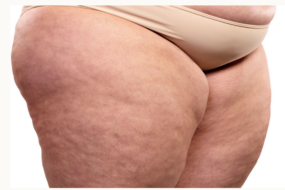
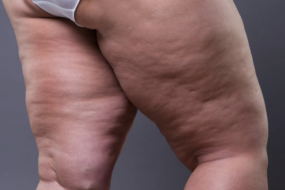
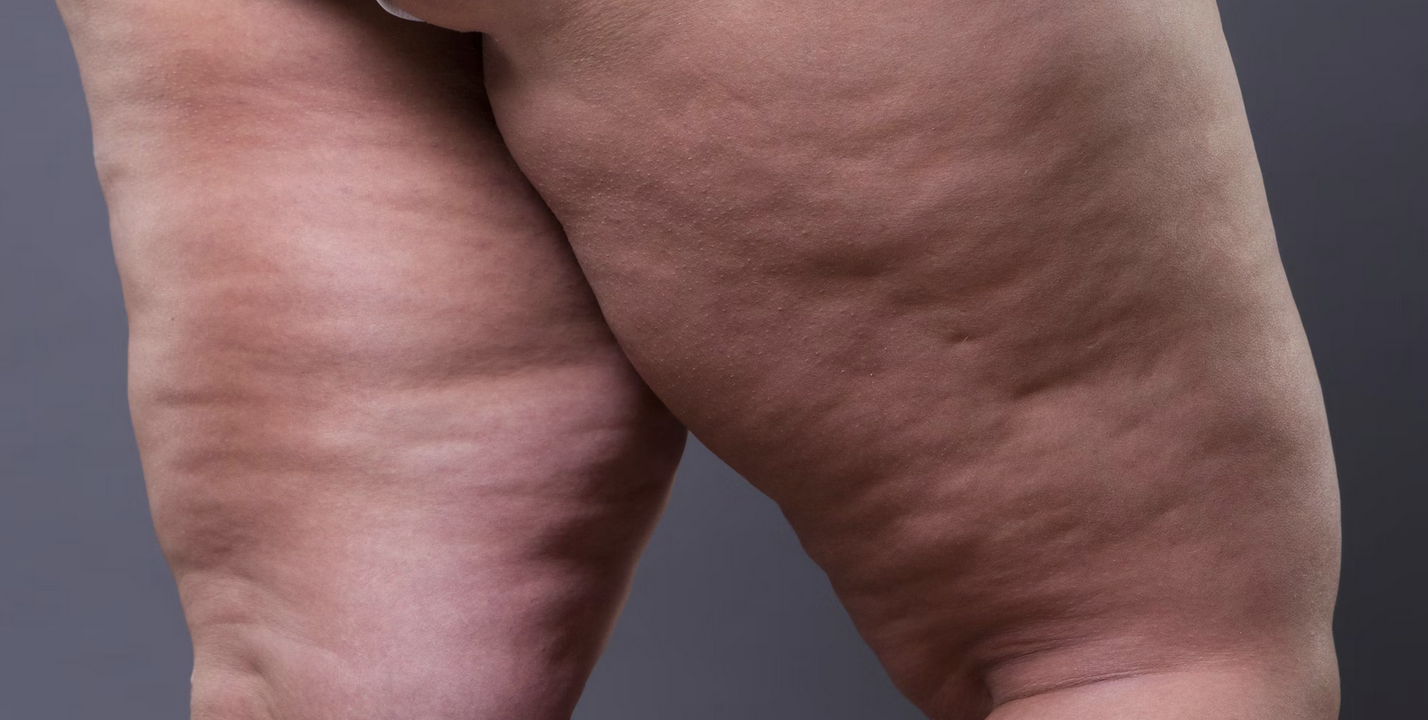
What’s behind the classic cellulite “family resemblance”? Often, it’s your genes. Genetic factors powerfully shape your risk and the specific ways cellulite shows up—or doesn’t. If you’ve ever noticed that cellulite seems to “run in families,” you’re spot on.
Family History and Heritability
- If your mother or sisters have visible cellulite, your own baseline risk naturally goes up.
- In one study, women whose mothers had moderate to severe cellulite were almost twice as likely to show similar patterns themselves.
- Family trends set realistic expectations: It’s not about willpower—it’s about inherited biology.
Takeaway: “If your mom has cellulite, that’s not a prediction—it’s a clue.”
Skin Structure, Collagen, and Fat Distribution
Let’s picture your skin as the top of a mattress:
- Genes dictate how thick your ‘mattress cover’ (skin) is, what the springs (collagen fibers) are made of, and how the padding (fat) is arranged.
- A thinner cover plus looser springs means more opportunity for the padding to “bulge” and create dimples.
- These subtle differences explain why some people develop deep dimples, while others stay relatively smooth—even at the same weight.
Quotable: “Cellulite is a design story written in your DNA.”
Metabolism, Fat Storage, and Microcirculation
- Genetic traits determine where you store fat—is it clustered on the thighs, or more even everywhere?
- Your genes also influence how quickly you gain (or lose) fat and how strong your capillary and lymphatic system are.
- Weak circulation and slow drainage can cause fluid retention, fueling that classic “puffy” look.
Visual: Imagine a garden hose—if the water can’t drain, you see puddles.
Noteworthy Genetic Research and Variants
Recent studies are spotlighting specific genes:
- The ACE gene (rs1799752) may raise cellulite risk, especially in smokers.
- Meanwhile, a variant in HIF1A (rs11549465) could lower the chance by up to 40% in lean women.
- Interested in testing? DNA kits are now bringing these once-hidden patterns into everyday focus.
Genes and Lifestyle: What You Can (and Can't) Control
- Your genes are your starting map, but lifestyle is the GPS rerouting your path.
- Why do some “high-risk” women stay smooth? Thanks to healthy diet, exercise, and avoiding triggers like smoking.
- Enter epigenetics: Think of your hardware (genes) loaded with software updates (lifestyle, habits, even stress levels).
As our understanding grows, your DNA doesn’t have the final word—actionable habits can tip the scale, even with a family history. If you want to shape your own story, use genetic clues as motivation for lifestyle upgrades that support smoother, stronger skin.
Hormones: The Silent Architects of Cellulite
Hormones are the behind-the-scenes engineers guiding where, when, and how much cellulite shows up. Wondering why those telltale dimples seem like a “women’s issue”? Meet your hormonal blueprint.
Estrogen: The Key Player
Estrogen leads the cellulite parade, channeling fat straight to your hips, thighs, and buttocks—the classic “cellulite zones.”
This hormone doesn’t just build fat; it also softens connective tissue, making those dimples more likely to appear.
Picture this: sudden cellulite pops up with puberty, pregnancy, menopause, or even after starting birth control. Estrogen flux is often the root cause.
- Drives fat deposition in “female-only” trouble spots
- Remodels collagen and connective tissue—imagine a mattress losing its bounce and letting the stuffing bulge
- Explains why 90% of women notice cellulite at some stage, versus only a tiny sliver of men
Quotable: “Notice newfound dimples during hormonal changes? Estrogen’s working overtime.”
Other Hormones in the Spotlight
Several other messengers amplify or moderate cellulite:
- Progesterone: Heightens fluid retention and puffiness, especially premenstrually.
- Prolactin: Promotes fat storage, climbing with stress or some medications.
- Insulin: Encourages more fat (especially if you’re insulin-resistant).
- Thyroid Hormones: Sluggish metabolism = slower fat breakdown, more visible cellulite.
- Catecholamines: Weakens fat breakdown if signaling is off, allowing cellulite to linger.
Hormonal shifts from conditions like hypothyroidism or changes in medication (antidepressants included!) can fast-track dimpling.
The Estrogen–Androgen Balance: Why Men Are Different
Men’s higher androgens and “brick wall” skin structure keep cellulite rare.
When men do get cellulite, it’s usually a red flag for hormone imbalance:
- Low testosterone (think hypogonadism, estrogen therapy)
- Disorders that disturb the delicate estrogen-androgen dance
If your partner’s suddenly asking about his own new dimples, hormonal health could be the culprit.
Adiponectin: The Unsung Regulator
Say hello to adiponectin—your potential anti-cellulite ally.
Low levels mean less protection against inflammation, fibrosis, and poor circulation—three ingredients for stubborn cellulite.
Emerging research points to boosting adiponectin as a future strategy for those struggling to shift dimples, no matter how hard they try.
When to Consider Hormone Testing or Medical Advice
It’s time for professional input if you spot:
- Rapidly worsening cellulite for no clear reason
- Signs of hormone disorders: fatigue, unexpected weight changes, hair loss, or lingering bloating
- New dimpling after medication or life changes
Doctors may order a simple hormone panel (sometimes covered by insurance) that sheds light on your unique risk profile.
At the heart of it all, cellulite is rarely just about your genes or your workout plan. Your hormone patterns are quietly—and powerfully—shaping your cellulite story. Spotting these patterns can be your first step toward smarter solutions.
Genetics Meets Hormones: The Interaction Puzzle
Ever wonder why two people can share the same hormone levels but end up with dramatically different cellulite patterns? Your genes and hormones aren’t just teammates—they’re sometimes fierce rivals when it comes to shaping your skin’s story.
Picture this: siblings with nearly identical diets and exercise habits, yet only one has those stubborn dimples. Or friends who hit the same workouts, but cellulite still shows up differently for each.
Genetic Differences in Hormone Sensitivity
Some of us are wired to be “super responders” to certain hormones. Think of your estrogen receptors like volume knobs—gene variants can turn them way up or barely audible.
- In one study, a specific HIF1A variant lowered cellulite risk by about 40% in lean women, simply by tweaking how cells respond to oxygen and fat storage.
- Even twins can end up with different cellulite if their genetic “switches” make them more or less sensitive to hormones like estrogen or insulin.
You'll hear people blame “bad genes” or “hormonal changes,” but it’s really the blend and balance of both.
Skin, Fat, and Circulation: Double-Influence Zones
Genes set the stage for skin thickness, collagen quality, and fat cell structure. Hormones direct the action—telling your body where to place fat and how your connective tissue stretches or breaks.
- Imagine your skin as a mattress: Genetics pick the thickness and spring firmness; hormones decide how much weight goes on top and which parts sag first.
- Microcirculation (tiny blood vessels and lymphatics) is shaped by inherited capacity and hormone-driven changes, affecting swelling and skin texture.
So, that “orange-peel” look? It's both your biological blueprint and your hormonal script reading together.
Lifestyle and Environment: Turning Genes On or Off
Think of your genes as the hardware, and your daily choices as the software updates.
- Healthy eating, regular movement, and not smoking can literally “mute” risky genes—this is epigenetics in action.
- Poor habits, on the other hand, can trigger both genetic vulnerabilities and hormonal swings—amplifying cellulite’s appearance, regardless of starting risk.
“You can't swap your DNA, but you can absolutely give your genes a better chance to work with you, not against you.”
Case Examples and Current Research Trends
Real-life: researchers found that women with high-risk genetic markers who stayed active and ate well had 30% less visible cellulite than those who didn’t, despite sharing the same gene variants.
- AI-powered risk models are now predicting who’s likely to respond to personalized treatments, based on the interplay of genes and hormones.
- There’s rising interest in tailoring skincare, laser therapies, and even lifestyle coaching to your unique bio-code.
So as science races ahead, picture a future where your cellulite strategy is uniquely yours—no more one-size-fits-all fixes.
The ultimate takeaway? Your cellulite story is written by both your DNA and your hormones—which means your results may always be a little different from everyone else’s. But with smart choices, you hold more of the pen than you might think.
Navigating Your Cellulite Risks: Practical Steps if Genetics or Hormones Are Factors
Assessing Your Personal Risk Profile
Start by getting crystal clear on your baseline risk—because knowledge is power, not a verdict.
- Ask yourself:
- Does my mother, grandmother, or sister have pronounced cellulite?
- Have I noticed changes at puberty, pregnancy, or menopause?
- Am I seeing rapid changes in skin texture along with emotional or physical shifts?
- If you answered “yes” to two or more questions, consider if it’s time for deeper insight—like a genetics consult or a hormone panel.
- Cue relatable scenario: Picture noticing new dimples after starting a new medication—that’s your body dropping a clue.
“Think of your risk assessment like running a quick system check before you troubleshoot: you’ll save time and make smarter decisions.”
Lifestyle Tweaks with Maximum Impact
You can’t change your genes—but you can absolutely “hack” your risk with smart habits.
- Top moves that lower risk:
- Daily movement—mix cardio with strength (30 minutes, 5x/week)
- Prioritize a Mediterranean-style diet: more color, less processed
- Hydrate for real (6-8 glasses/day, not “just coffee”)
- Manage stress—mindfulness or short walks to balance cortisol
- Offset hormone swings by:
- Stabilizing blood sugar with whole foods
- Eating vitamin C-rich foods to fuel collagen
- Supporting microcirculation with massage or dry brushing
Think of this as giving your genes “more sunshine and water, less stormy weather.”
Medical, Cosmetic, and Technology-Based Solutions
Wondering when to call in the experts? Notice:
- Sudden or severe cellulite change
- Possible hormone disorder signs (hair changes, unexpected swelling)
- Curiosity about tech-driven fixes
Dermatologists target skin quality and fat, while endocrinologists help decode hormone puzzles.
Some treatments—like radiofrequency or collagen-boosting injections—work better if your cellulite is driven more by skin structure than hormones.
Keep an eye on personalized solutions: AI-driven risk models and genetic matching for treatments are on the horizon (costs can range from $250 for panels to $3,000+ for premium combo therapies).
“The best solution isn’t always the most expensive—it’s the one matched to your biology.”
When Genetics or Hormones Are Front-and-Center: Mindset and Acceptance
Cellulite’s not a character flaw—it’s your cells in conversation with your blueprint.
- Accept what you can’t fully control (like family quirks)
- Double down on what you can: movement, nutrition, smart science-backed tweaks
You’re not at the mercy of your genes or hormones—think of them as your starting map, not your destiny.
Focus on smart action, realistic optimism, and curiosity; you’ll give yourself the best shot at managing cellulite—even when you can’t change the script entirely.
Conclusion
Understanding the intertwined roles of genetics and hormones empowers you to approach cellulite with clarity—not confusion or defeat. While you can’t rewrite your DNA or instantly reset your hormonal compass, you can absolutely shift the odds in your favor with smart, science-backed choices.
Let’s turn insight into impact with a few focused moves you can make right now:
- Pinpoint your personal risk: Check your family history and watch for hormonal shifts that trigger changes in your skin.
- Prioritize daily movement: Regular exercise fuels better circulation and helps “mute” your genetic vulnerabilities.
- Upgrade your menu: A Mediterranean-style diet and real hydration aren’t just trendy—they actually support smoother, stronger skin.
- Consider professional input: If you see rapid, unexplained changes, ask your doctor about hormone panels or genetics consults.
- Leverage tech advances: Keep an eye on AI-driven risk tools and personalized therapies to target your unique bio-profile.
Today is the perfect time to act: Book that wellness check, swap soda for water, or add a stretch break to your day—each small step nudges your biology in a better direction.
You’re not locked into your cellulite story—you’re a co-author. By decoding your genetic and hormonal “settings,” you’re equipped to make smarter choices that move you closer to the results you want.
Your biology might set the opening chapter, but it’s your choices—made, tweaked, and owned day after day—that let you write the pages that follow. That’s not just science; it’s real power in your hands.