Key Takeaways
Curious about beating cellulite without surgery? Here’s your fast track to what actually works, who benefits most, and how to match top non-surgical procedures to your real-life goals. Scan these powerful insights for a no-nonsense overview—designed for busy pros who want results, not hype.
- Cellulite is anatomy, not laziness—90% of women experience it due to connective tissue structure, genetics, and hormones, not poor health or “bad habits.”
- Energy-based treatments like Acoustic Wave Therapy (AWT) and Radiofrequency (RF) deliver visible smoothing with zero downtime—expect results in 4–8 sessions, lasting 3–12 months.
- Minimally invasive options (Cellfina, Avéli, Cellulaze) offer 2+ years of real improvement, using microblades or lasers to release deep dimples with just a few days of recovery.
- Pick procedures to match your comfort zone—choose noninvasive devices for quick-recovery, or minimally invasive options for the longest-lasting results if you’re okay with needles and bruising.
- Adjuncts like FDA-cleared massage (Endermologie, Endospheres) and injectables can extend or enhance results, but alone deliver mild, short-term change—use them for maintenance between clinical treatments.
- Set realistic goals for satisfaction—no treatment erases cellulite completely; focus on “improvement, not perfection” and partner with expert providers for a smart, tailored plan.
- Cost and downtime vary widely—expect $200–$600/session for energy devices, $2,000–$7,000 for durable subcision or laser, and maintenance regimens for ongoing smoothness.
- Ask the right questions at your consult—request before-and-after photos, typical downtime details, and always confirm the procedure or device is FDA-cleared for cellulite.
Ready to take the next step? Dive into the full article for expert comparisons, pro tips, and step-by-step advice on choosing your best-fit procedure for smoother, more confident skin—no scalpel required.
Introduction
Ever wish you could smooth out cellulite without surgery, downtime, or the guesswork of miracle creams? Nearly 90% of women and countless men face those stubborn dimples—no matter the diet, workout, or latest detox trend.
Picture this: You’ve got a high-stakes presentation, a last-minute invite poolside, and you want real solutions that actually fit your calendar—not just another never-ending ritual that lets you down.
Non-surgical cellulite treatments are booming for a reason: technology has finally caught up with our desire for visible, convenient improvements. With FDA-cleared devices and minimally invasive options, you can choose:
- Quick, in-office procedures that get you back to work the same day
- Durable smoothing for those willing to trade a day of downtime for years of confidence
- Adjunct tools—like massage devices and topical boosters—that extend or maintain your results
If you care about getting the facts—not false promises—you’ll find this guide practical, realistic, and outcome-focused.
You’re busy, results-driven, and looking for answers that respect your intelligence. That means clear comparisons, honest trade-offs, and a short learning curve around cost, downtime, and what actually works for tech-savvy professionals.
Curious what’s truly possible beyond the hype? We're cutting through the noise with actionable breakdowns, insider tips, and stats that let you make an informed decision.
Ready to discover how anatomy, science, and new tech are changing the cellulite game? Let’s start with what’s really happening beneath your skin—because understanding the problem is the first step to finding a solution that sticks.
Understanding Cellulite: The Science Behind the Dimples
Cellulite isn’t about “bad habits”—it’s about anatomy.
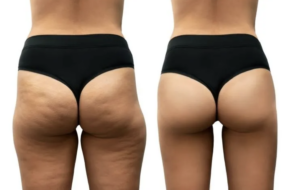
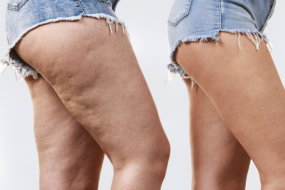
The dimpled look (think orange peel or cottage cheese) comes from fat cells pushing up against your skin while fibrous connective bands, called septa, pull it down.
Picture this: under the surface, fat cells swell within pockets, while vertical bands tether the skin downward. This tug-of-war is what creates visible dimpling—no matter how much you diet or exercise.
Busting Common Cellulite Myths
You’ve probably heard these before, but let’s clear the air:
- Cellulite isn’t a sign of poor health or weight
- Nearly 90% of women experience it at some point—compared to only 10% of men due to differences in fat structure
- “Detoxing” and crash diets won’t erase it
Blaming yourself? Genetics, hormones, and skin thickness play a far bigger role than lifestyle alone.
Anatomy + Reality: Why Cellulite Is So Persistent
The structure beneath your skin matters. Cellulite forms when:
- Fat cells grow larger
- Connective tissue bands (septa) stay tight or harden
- The skin thins with age, magnifying dimples
Factors that ramp up cellulite risk include:
- Hormonal shifts (pregnancy, menopause, birth control)
- Genetics—if family members have cellulite, you’re likely to get it too
- Lifestyle (e.g., inactivity, poor circulation, diets high in processed foods)
- Skin laxity and collagen loss over time
If you’re picturing a Venn diagram of causes, it’s a big, overlapping mix.
Why Are Non-Surgical Options Booming?
People want safer, less painful ways to improve cellulite—without major downtime.
Non-surgical treatments win with:
- Minimal risk (no anesthesia, no stitches)
- Zero to short downtime—back to work in hours, not weeks
- Measurable results after just a few sessions
Now, new energy-based devices (think radiofrequency and acoustic wave) lead the trend, and FDA-cleared options mean you’re not just chasing placebo.
Key takeaways: Cellulite is common, stubborn, and mostly about how you’re built—not how you live. Modern non-surgical options are popular for turning “improvement, not perfection” into realistic, visible change. That’s the science—and the opportunity—to take your next step with confidence.
Comparing Leading Non-Surgical Cellulite Procedures
Ready to navigate the world of non-surgical cellulite treatments? Let's break down what truly works—for real people who want visible results without surgery.
You'll see options divided into two main categories: noninvasive energy-based devices and minimally invasive durable treatments. Which one you choose depends on your comfort with downtime, needles, and how long you want results to last.
Noninvasive, Energy-Based Devices
Science-backed, FDA-cleared, and big on convenience—these solutions minimize recovery time.
Top energy-based devices with strong evidence:
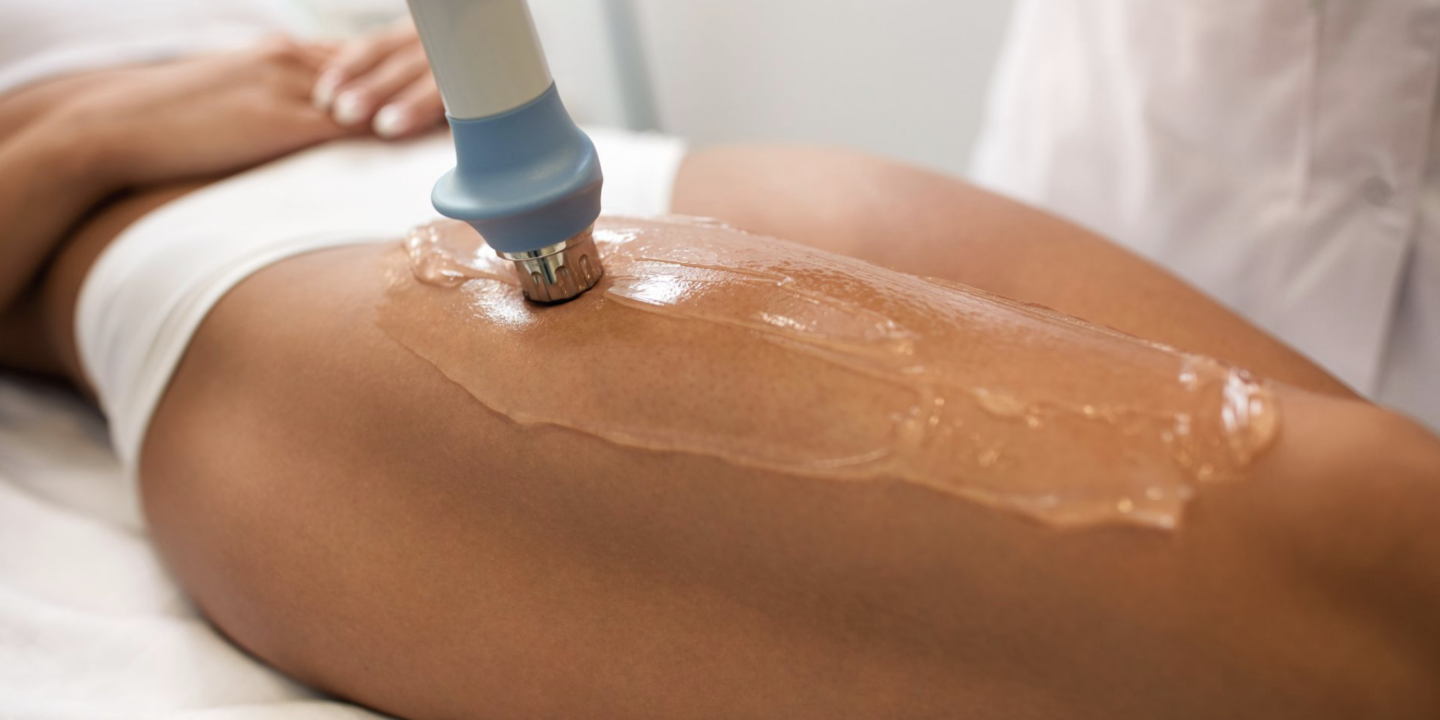
- Acoustic/Shock-Wave Therapy (AWT, Z-Wave, EMTONE): Uses mechanical sound/pressure waves to stimulate collagen and improve circulation.
- Radiofrequency (RF) Devices: (VelaShape, Venus Freeze, EMTONE)—apply heat to tighten skin and smooth out dimples.
- High-Intensity Focused Ultrasound (HIFU): Aims at deep tissue tightening for subtle contouring.
Picture this: You book a lunchtime session, head back to your next Zoom call, and see visible smoothing after a few weeks.
How Each Option Feels—and Delivers
- Acoustic/Shock-Wave: Feels like a deep-tissue massage, usually 4–8 sessions, no downtime, roughly $200–$500/session.
- RF Devices: Gentle warmth, most patients need a series of 4–6 treatments, mild redness possible, with short-lived improvement—think 3–6 months. Cost typically ranges $250–$600/session.
- HIFU: Delivers focused ultrasound pulses—noticeable tightening after 2–3 sessions, some mild tenderness, around $500–$1,500/session.
Best for those wanting quick recovery, minimal discomfort, and proven safety. These are your “in-office, back-to-work” solutions.
Minimally Invasive—Maximum, Long-Lasting Smoothing
If you want 2+ years of improvement and don’t mind needles or a day's downtime, these options are for you.
Top minimally invasive choices:
- Subcision (Cellfina, Avéli, manual techniques)
- Laser-Assisted Devices (like Cellulaze)
Here’s the difference:
- Subcision: Microblade or needle releases tight bands under skin. Cellfina and Avéli are FDA-cleared; 99% satisfaction at 2 years is documented in studies. Expect a couple of days of bruising, results can last 2+ years.
- Laser-Assisted (Cellulaze): Adds a laser fiber to melt some fat and boost collagen. Great for deeper or larger dimples; requires local anesthesia, similar downtime to classic subcision.
Picture walking in with deep dimples, then months later looking smooth with just one minor procedure.
Choosing the Right Approach
- Needle-shy? Try energy-based.
- Want the longest-lasting results? Subcision or laser-assisted are your best bets.
- Best short-term take: Noninvasive devices deliver improvement you can see fast—often with no downtime.
- Best long-term play: Minimally invasive treatments offer major smoothing, but with a day or two off your routine.
If you’re seeking visible results without surgery, start with RF or shock-wave therapy for mild to moderate cases. For stubborn dimples or if you want years—not months—of smoothness, ask about Cellfina, Avéli, or Cellulaze. No two bodies are the same, so matching your choice to your lifestyle pays off.
Realistic Results, Risks, and Maintenance: What You Need to Know
Getting real about cellulite reduction is the secret to satisfaction. Non-surgical treatments can dramatically improve dimples and skin texture, but no procedure fully eliminates cellulite—and results always vary by person.
Most energy-based options, like acoustic wave therapy or radiofrequency (RF), deliver visible smoothing that lasts anywhere from 3–12 months before maintenance sessions are needed. If you go with minimally invasive treatments—think subcision (Cellfina, Avéli) or laser-assisted procedures—expect smoothing effects that last 2+ years, sometimes longer.
Downtime and Recovery: Setting Your Expectations
Recovery can be as easy as heading back to work right after your session or, for deeper interventions, taking a few days for soreness and bruising to resolve.
Here’s what you’ll likely experience:
- Noninvasive energy devices: Little to no downtime, maybe mild redness or swelling (gone in hours).
- Subcision or laser-assisted treatments: Expect bruising, swelling, and tenderness for a few days up to two weeks. Most clients resume desk jobs within 1–3 days.
Risks and Side Effects: Quick Comparison
Let’s make this scannable:
- Mild, temporary issues: Redness, swelling, mild discomfort (energy-based)
- Moderate, short-term effects: Bruising, soreness, small risk of uneven texture (subcision, laser)
- Rare complications: Infection, scarring (all categories, but rare with board-certified providers)
“Almost all downtime is social, not medical. If you can cover a bruise, you can go back to your usual routine.”
Who’s a Match for What & When Combination Makes Sense
Wondering which group you fit?
- Needle-shy or ultra-busy pros: Go for AWT/shock wave, RF, or massage-based treatments
- Seeking the most durable change: You’ll want subcision or laser-assisted devices
Combo therapy is trending for a reason: pair energy-based devices with subcision for dramatic yet natural-looking results, spaced weeks or months apart.
Memorable Takeaways
Picture this: You finish a coffee break at work and walk out with a smoother silhouette—no downtime, no guesswork, just smart choices.
Cellulite solutions aren’t all-or-nothing: expect “improvement,” not “perfection”—and you’ll love your results much more. Always keep in mind: the best results come from realistic goals, expert providers, and a smart maintenance plan tailored to you.
Adjunct and Maintenance Options: Massage, Topicals, and Injectables
Looking to boost or maintain your cellulite results without going full-throttle on procedures? Adjunct treatments are designed for just that: gentle improvement, keeping results longer, or managing mild dimpling.
Think of this as your menu for maintenance, not miracles—these options won’t erase cellulite, but they can noticeably dial it down or extend the benefits of your main procedures.
Mechanical Massage & Lymphatic Devices (Endermologie, Endospheres)
Mechanical rollers and lymphatic devices (like Endermologie and Endospheres) use suction, vibration, and gentle pressure—sometimes paired with heat or radiofrequency—to boost circulation, encourage lymphatic flow, and temporarily smooth skin.
- FDA-cleared devices: Endermologie and Endospheres are both FDA-cleared for temporary cellulite reduction.
- Results: Most people see visible smoothing after 6–10 sessions; effects last a few weeks unless you keep up monthly maintenance.
- Cost & frequency: Expect $80–$200 per session; packages and subscriptions are common at medspas.
- Ideal for: Anyone seeking a gentle first step, or as maintenance after energy-based devices or subcision.
Visual scenario: Picture yourself getting a warm, rhythmic massage with a roller head—relaxing, quick, and minimal fuss.
Quick tip: “Regular maintenance is your secret weapon when results start to fade.”
Injectable Treatments (QWO, Hyperdilute Radiesse)
Injectables can target stubborn dimples—but each has its own niche.
- QWO: An FDA-approved enzyme (collagenase) designed to break the collagen bands that cause buttock cellulite. While studies showed clear effectiveness, it’s had supply and bruising concerns, so always ask about latest availability and risks.
- Hyperdilute Radiesse: Think of this as a “skin-thickening” filler—used off-label to support thinning skin and improve texture, but not a primary fix for deep dimpling.
- Side effects: Both treatments can cause significant bruising or swelling, so allow for social downtime (especially with QWO).
- Pro tip: “Always ask your provider about real-world results, typical downtime, and what’s realistic for your cellulite type.”
Topical and At-Home Solutions
Let’s talk reality: no cream will erase cellulite, but smart topical choices can support your professional results.
- Retinol creams (0.3%): Shown in studies to very modestly thicken skin and smooth some dimpling with regular use.
- OTC products: Caffeine, aminophylline, and similar creams offer only temporary tightening—great for a last-minute confidence boost but effects vanish within 24–48 hours.
- Lifestyle: Strength training, balanced nutrition, and hydration can subtly improve skin quality and hold results longer—but can’t snap tough collagen bands (the main cause of deep cellulite).
Picture this: Swiping on a retinol body lotion after your morning shower, knowing you’re making a small, consistent investment in your skin’s texture.
If you’re aiming for lasting results, combine these adjuncts with a core in-office treatment. For mild cases or between sessions, targeted maintenance can be the boost that makes an actual difference—just don’t expect a miracle from a massage or cream alone.
Navigating the Decision: Matching Options to Your Lifestyle and Goals
Choosing the best non-surgical cellulite procedure depends on your comfort with downtime, type of results you want, and your budget.
Let’s break down the essential factors to weigh before booking that first consultation:
What Matters Most? Zero Downtime, Long-Lasting Results, or Budget?
If you want needle-free and virtually instant recovery, focus on:
- Acoustic wave therapy (AWT): ~$200–$400/session, usually 4–8 sessions, no downtime
- Radiofrequency (RF) devices: ~$250–$600/session, 4–8 sessions, some warmth/firming, little to no downtime
These are ideal if you’re always on-the-go or needle-shy.
If you're OK with minor procedures for lasting smoothing:
- Subcision (Cellfina, Avéli): One-time cost $2,000–$4,000, results lasting 2+ years
- Laser-assisted subcision (Cellulaze): ~$3,500–$7,000, durable outcomes, some recovery time
Think of these as an “in-office reboot”—a few days of bruising, but long-term payoff.
Body Area and Severity Shape the Game
- Mild, diffuse cellulite: Try energy-based or massage/vacuum devices.
- Discrete, deep dimples: Subcision or Avéli typically delivers better smoothing.
- Sensitive to pain or risk? Choose noninvasive (AWT, RF), not minimally invasive.
Quick-Scan Treatment Comparison
Smart Questions to Bring to Your Provider
- What’s the typical downtime and maintenance?
- How many treatments until I see results?
- What side effects are most common for my skin type?
- Can you show before-and-after photos of similar cases?
- Is the device/procedure FDA-cleared for cellulite?
Picture this: You leave your provider’s office with a step-by-step plan—maybe it’s painless AWT sessions stacked into your lunch break, or one subcision appointment that changes your view of summer shorts season.
Your key move: Prioritize the outcome you value most—zero downtime, budget-friendly, or longest-lasting smoothing—and use these questions and comparisons to drive your decision-making conversation. That’s how you get results you’ll actually be excited to show off.
Conclusion
Choosing the right non-surgical cellulite solution isn’t about chasing hype—it’s about finding what aligns with your goals, comfort level, and lifestyle. Today’s science-backed options let you personalize your journey, so you’re never boxed in by one-size-fits-all thinking.
Whether you prefer a low-key approach or are ready for long-lasting results, you’ve got the tools (and the knowledge) to take control.
Key takeaways to put into action right now:
- Define your #1 priority—downtime, cost, or lasting results—before consulting a provider
- Bring a list of specific questions to your consultation (“Is this device FDA-cleared for cellulite?” is a must-ask)
- Match the treatment to your lifestyle—if you’re busy, energy-based devices may be your best friend
- Remember that combination therapy often delivers the most natural, lasting improvement
- Realistic expectations lead to satisfaction—aim for improvement, not perfection
Your next steps:
- Pick your top priority (safety, no downtime, long-term smoothing)
- Research trustworthy, board-certified providers who specialize in cellulite procedures
- Schedule a consultation and bring your list of smart questions—you’re the decision-maker here
- Consider starting with a low-commitment option (like acoustic wave or RF) to test what fits your needs best
When you take ownership of the process—asking the right questions, defining your goals, and choosing evidence-backed treatments—you’re not just addressing cellulite, you’re empowering yourself to feel great in your skin.
The real win? Your confidence outlasts any single treatment. Choose progress over perfection, and let every step be a move toward the version of you that feels boldest.
“Improvement is power, not perfection—so invest in what lets you move forward, one smart choice at a time.”