Key Takeaways
Ready to tackle cellulite with real results? These key takeaways give you the essential, no-nonsense strategies for using a cellulite massager effectively—so you can skip the hype and focus on what actually works. Save time, get smoother skin, and make smart choices with these actionable insights you can implement today.
- Consistency trumps intensity—using your cellulite massager 2–3 times per week for 15+ minutes delivers smoother skin, while sporadic use leads to faded results.
- Electric/vibration massagers at 50 Hz stand out for 34–56% cellulite reduction in clinical studies after 1–3 months, but manual tools and brushes work too if you stick with them.
- Gentle, controlled technique beats aggressive force—moderate pressure and slow, upward motions toward the heart maximize benefits and minimize bruising or irritation.
- Prep matters: Always start with clean, exfoliated skin and a water-based lotion for optimal glide and comfort—dirty tools or dry skin can sabotage your results.
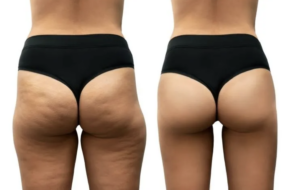
- Track progress visually—weekly photos or body measurements make subtle improvements concrete and boost motivation to maintain your routine.
- Realistic expectations are key: Massagers offer temporary, visible smoothing but won’t erase deep cellulite—results fade if you pause treatments.
- Layering with lifestyle habits—like hydration, balanced diet, and timing sessions post-workout—amplifies your results beyond just the tool itself.
- Smart integration wins: Treat your massager as part of a broader self-care strategy, combining with creams, dry brushing, or even clinical treatments for long-term skin benefits.
Consider this your crash course in effective, safe cellulite massage—dive into the full article for expert technique details, device picks, and habit-building tips that fit your lifestyle.
Introduction
Ever wonder why over 80% of women—regardless of fitness level or age—deal with those stubborn dimples on thighs and hips, even when everything else feels dialed in?
You’re not alone in that “why won’t this smooth out?” frustration. For busy professionals navigating a sea of high-tech wellness gadgets, finding a tool that actually makes a visible difference (without taking over your daily routine) is priority number one.
Here’s the twist: cellulite massagers can deliver real results, but only with the right approach—think targeted technique, smart device choice, and a little science-backed know-how. No magic wands or empty promises here; it’s all about building a low-effort ritual that rewards you with smoother skin and a sense of control.
You’ll gain practical insights—fast—from this guide, including:
- How cellulite actually forms (in simple, relatable terms)
- What the latest clinical research says about device effectiveness
- Which tools and techniques drive results—and which fall short
- How to tailor your routine to fit your skin, your schedule, and your tech preferences
- Pro habits and progress tracking hacks for long-term success
Whether you’ve invested in a sleek vibration gadget or a classic manual roller, you’ll come away knowing exactly how to maximize results—without resorting to extremes or high-cost clinical treatments.
And if you’re tech-curious (or a wellness optimizer), you’ll appreciate why consistency, not intensity, truly separates fleeting “before/after” moments from a lasting, healthy glow.
Curious about what’s really going on beneath the skin—and how to harness the latest tools without wasting time or money? Let’s start by demystifying what cellulite is, why it’s so common, and how modern massagers are engineered to make a visible impact.
Understanding Cellulite and How Massagers Work
Cellulite—those dimpled, uneven patches on thighs, hips, buttocks, and the abdomen—is one of the most common skin texture concerns for women worldwide.
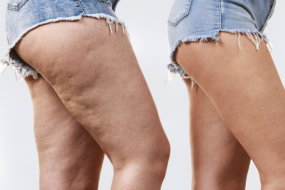
It forms when pockets of fat push up against connective tissue beneath the skin, leading to the classic orange-peel look that’s frustratingly stubborn.
Why Is Cellulite So Common?
Blame a mix of biology and lifestyle: 80–90% of women will develop cellulite at some point, regardless of body size or fitness.
Here’s how it settles in:
- Hormones: Estrogen and genetic factors affect how fat is distributed just below your skin.
- Skin Structure: Thin skin and weaker connective bands make dimpling more obvious.
- Circulation: Poor blood flow and slow lymphatic drainage can intensify the look and feeling of “lumpy” zones.
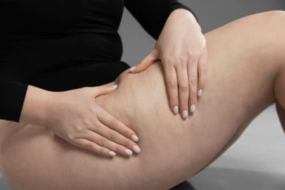
Picture this: You’re sitting at your desk, absentmindedly pinching your thigh and noticing skin dimples move as you squeeze—that’s the dermis meeting subcutaneous fat.
The Science Behind Cellulite Massagers
Cellulite massagers are designed to do one thing: interact with the dermis-hypodermis interface.
They boost circulation, improve lymphatic flow, and help “smooth out” the look of cellulite—at least temporarily.
Clinical studies show:
- Electro-mechanical massage devices can reduce visible cellulite by 34–56% after 1–3 months of 15-minute sessions, three times a week.
- However, results fade quickly if you pause your routine—maintenance is everything.
Massagers work best when used consistently, not aggressively, to avoid bruising or making skin texture worse.
What Can Massagers Really Do?
Let’s clear up expectations:
- Cellulite massagers aren’t miracle workers—they offer visible but not permanent improvements.
- Most users see skin smoothing and slight circumference reduction (hello, slimmer thighs!), but stopping treatments means the effects will slowly disappear.
Think of the process like pruning a garden: regular upkeep delivers results, but skip a few weeks and nature takes over.
To sum up, using a cellulite massager is about “visible wins without false promises.” “Consistency beats intensity every time.” When you understand the science, you’ll feel empowered by what these tools can—and can’t—achieve.
Types of Cellulite Massagers: Devices and Tools Compared
Looking for visible cellulite smoothing at home? Your first step is picking the right massager—but don’t worry, the landscape is less confusing than it looks.
You’ll see four main types on the market:
- Manual rollers: No batteries, classic textured cylinders you control by hand
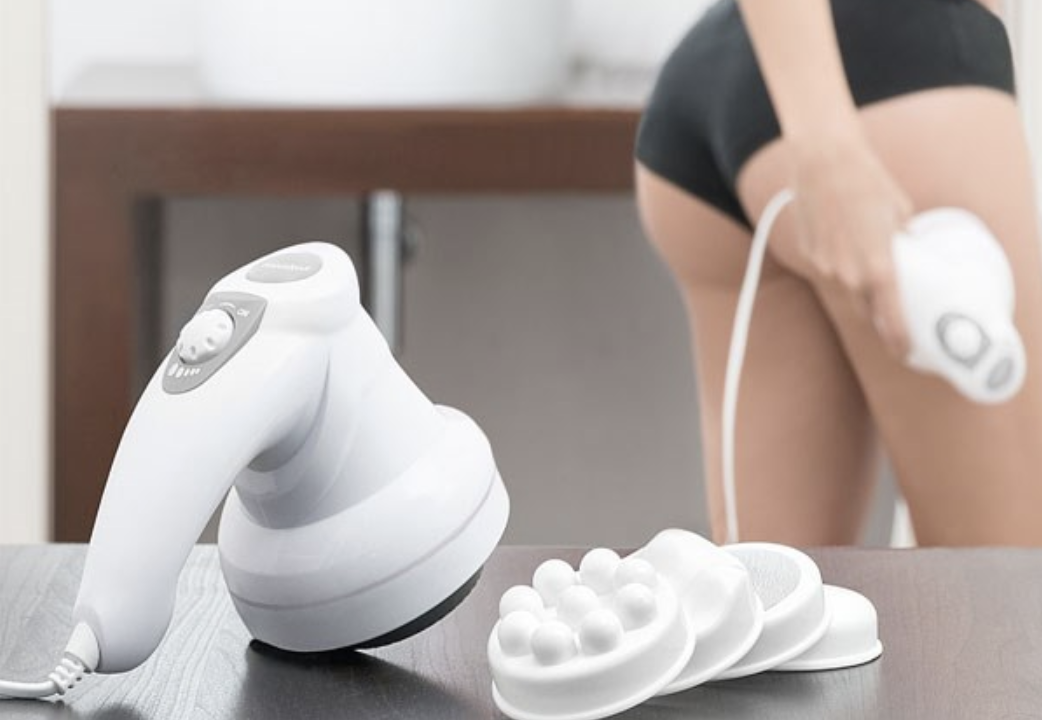
- Electric/vibration devices: Plug-in or battery-powered, vibrating at up to 50 Hz for deeper circulation boosts
- Massage guns: Powerful, percussion-based; originally for muscle recovery but popular for cellulite targeting
- Body brushes: Natural bristles for dry brushing and mild stimulation, often used as a pre-massage prep
Device Features, Best Uses, and Add-Ons
Each tool shines for a specific crowd:
- Manual rollers: Great for beginners or sensitive skin; excellent for quick sessions but require effort.
- Electric/vibration massagers: If you love set-and-forget tech and want clinical-level consistency, go electric; 50 Hz specifically outperforms lower frequencies for results—think 34% smoother skin after 2-3 months.
- Massage guns: Ideal for stubborn dimpling and post-workout recovery, best at low intensity on cellulite-prone areas.
- Brushes: The gentlest option, best for prepping skin, boosting microcirculation, and pairing with lotions.
Some massagers add heat (promises deeper relaxation) or EMS (electrical muscle stimulation) for extra muscle toning—though current research says the difference is subtle, not dramatic.
What the Data Actually Shows
Here’s where it gets interesting:
- No device is vastly superior; meta-analyses show that consistency and technique matter more than gadget choice.
- Electric massagers stand out in studies for longer-lasting skin smoothing, especially when used 15–60 minutes, 2–3x weekly.
- Manual tools and brushes deliver similar results, just more slowly.
Picture this: With any of these, “3 months of regular use can shrink cellulite dimpling by up to 56%—but stop, and the results fade fast.”
Quick Pros & Cons by Type
- Manual Rollers:
- Pros: Inexpensive, simple, travel-friendly
- Cons: Labor-intensive, less intensity, progress is gradual
- Electric/Vibration Devices:
- Pros: Fast, hands-free, consistent intensity, best for large areas
- Cons: More expensive ($40–$200), bulkier
- Massage Guns:
- Pros: Targeted, high power, great for multi-use
- Cons: Risk of bruising if overused, costly
- Body Brushes:
- Pros: Gentle, ideal for sensitive skin, quick prep
- Cons: Won’t drive deep results alone
Choosing the Right Tool for Your Needs
- Sensitive or thin skin? Opt for body brushes or gentle rollers.
- Looking for serious smoothing? Electric/vibration tools with 50 Hz frequency are your best bet.
- Short on time? Massage guns or electric rollers can make each session count.
Remember: It’s not about the fanciest tool, but which one fits your routine, skin type, and how much effort you want to invest. The real transformation happens with consistency—pick the tool you’ll actually use.
Massage Techniques for Maximum Cellulite Reduction
Manual Massage Methods
Looking for the most effective at-home approach? Manual massage tops the list—especially for those who want control and precision with zero tech required.
- Knead-and-roll (palper-rouler): Pinch, lift, and firmly roll skin between your thumbs and fingers. Think of it like using your hands to “iron out” stubborn dimples.
- Circular pressure: Press fingertips or knuckles into problem spots, moving in slow clockwise circles. This method helps detoxify tissues and boost oxygen flow.
- Petrissage: Grab skin gently, twist slightly, and knead as if you’re massaging bread dough—perfect for loosening tight spots and restoring elasticity.
- Light tapping: Use knuckles or loosely held fingers to tap rhythmically; this “wake-up call” jumpstarts circulation.
A little goes a long way—focus on moderate pressure rather than brute force. Overdoing it just invites bruising and irritation—not the smooth result you want.
Mistakes to avoid:
- Using excessive force (soreness ≠ effectiveness)
- Massaging in random directions (always move toward the heart for lymphatic flow)
- Forgetting skin hydration or skipping lotion
Ready for a visual? Picture kneading a soft stress ball along your thigh: pinch, roll, circle, and tap—all in a single minute.
Device-Assisted Techniques
For next-level results with less hand fatigue, electric massagers and massage guns deliver fast, consistent power. Data shows 50 Hz vibration for just 2-5 minutes can boost circulation up to 30 minutes afterward—beat that, manual routines!
- Electric/vibration devices: Glide the head slowly over skin (don’t hover), using the lowest comfortable setting to start. Spend at least 15 minutes per session, focusing on stubborn thigh and hip zones.
- Massage guns: Begin on low intensity. Use broad attachments for thighs and buttocks, gliding gently instead of pressing deep.
Most see smoother skin within 1-3 months with 2-3 weekly sessions. Watch out for irritation, uneven results, or bruising; if you notice these, back off.
A quick pro tip: Always clean devices before switching zones or users—skin safety matters.
Areas to Target (and Areas to Avoid)
Where should you focus? Top targets for cellulite massagers include:
- Thighs (outer and back)
- Buttocks
- Hips
- Lower abdomen
Treat gently or skip:
- Inner thighs
- Areas over visible veins or highly vascular skin
Aim for even coverage—work in overlapping passes, not just on the “worst” spot, to avoid patchy smoothing.
Picture this: Gliding a massager in long, steady strokes, each pass blending into the next, like painting a smooth gradient—no missed patches or red zones.
Expect visible improvement (34–56% smoother skin in clinical trials) when you use the right technique, proper coverage, and keep up with regular sessions. The winning combo: gentle pressure, smart targeting, and unwavering consistency.
Prepping and Supporting Your Cellulite Massage Routine
Skin and Device Preparation
Think of cellulite massage like prepping for a workout—if your skin and tools aren’t ready, you risk irritation and wasted effort.
Always start with these steps for results you can see and feel:
- Cleanse and exfoliate skin to remove sweat, oil, or leftover products. Fresh, dry skin helps your massager glide and makes every stroke count.
- Use a water-based lotion, lightweight gel, or cellulite cream as a glide aid. Heavy oils block device heads and increase slip risk.
- Sanitize your device before and after each session with gentle wipes or the manufacturer's cleaning solution. Bacteria buildup isn’t just gross—it can irritate sensitive zones.
“Picture this: You prep like a pro, and every sweep of your massager feels smooth, not sticky or scratchy.”
Enhancing Results with Lifestyle Changes
Cellulite massage works best as part of a daily ritual, not a stand-alone fix. Stack these habits to amplify effects:
- Stay hydrated—even moderate dehydration can slow lymphatic drainage.
- Eat a balanced diet rich in fiber, antioxidants, and lean protein to support skin repair and reduce inflammation.
- Time massage sessions with a short walk, brisk stretch, or post-workout cooldown. This combo ramps up circulation for a double-hit of smoothing power.
- Apply massagers after creams for next-level absorption—think of your device as the “turbocharger” for topicals.
“Hydrated skin, fueled body—you're primed for real transformation, not just temporary change.”
Tracking Progress and Maintaining Motivation
Consistency is king, but so is celebration. Make progress visible and your motivation will soar:
- Snap weekly photos or measure thigh/hip circumference to track subtle smoothing or reduced dimpling.
- Chart progress over 1–3 months, as clinical studies show up to 34-56% improvement in texture after regular sessions.
- Mark small wins—like smoother jeans fit or improved skin tone—with a treat or brag-worthy selfie.
“What gets measured gets improved. Watching your results stack up is half the fun—and all the motivation you need.”
A standout cellulite massage routine starts with clean skin and the right prep, gets a boost from healthy habits, and shines brightest when you track your wins. Small, repeatable actions compound into visible, lasting change.
Evidence, Limitations, and Safety Considerations
What the Research Actually Says
Clinical studies consistently show that regular use of cellulite massagers—manual or electric—can make skin appear 34-56% smoother after 1 to 3 months when used at least three times per week for 15 minutes per session.
This smoothing effect is linked to improved circulation, quicker lymphatic drainage, and short-term reduction in visible fat nodules.
But all good things fade: Once you stop, results diminish within weeks, because massagers redistribute fluids and temporarily boost skin elasticity rather than “melting” fat for good.
How do massagers stack up against other therapies? Most data puts their results a notch below more intensive interventions like shock wave or radiofrequency treatments, which often provide longer-lasting improvement—but at a much higher cost and commitment.
You might ask: “Are massagers enough on their own?” Research shows they work best as part of a comprehensive routine, not as a standalone solution.
Limitations and What to Expect
Picture this: Even after months of dedicated massage, those deep dimples won’t vanish entirely.
- Massagers are most effective for mild to moderate cellulite.
- They temporarily flatten the skin’s surface and smooth unevenness, but can’t dissolve deep fat or treat advanced fibrosis.
- Fluid redistribution, not fat breakdown, explains the fast improvements—think surface-level “blurring,” not structural change.
There’s a limit to what you can achieve: Using a device too aggressively doesn’t mean you’ll see faster or better results.
Side effects to watch for:
- Bruising
- Redness or irritation
- Reduced circulation from overuse
If you push too hard, you risk worsening sensitivity or damaging capillaries.
Safe Use Practices
Keeping your skin—and your results—safe starts with moderation and vigilance.
For most skin types, aim for:
- Gentle, slow movements
- Low-to-moderate device settings
- Sessions no longer than 60 minutes, 2-3 times per week
Dial it back if you spot:
- Ongoing bruises
- Unusual rashes
- Persistent swelling
Consult a dermatologist
- If you have highly sensitive skin, chronic health conditions, or are using other treatments.
- If you’re unsure about combining cellulite massage with prescription or professional therapies.
Skip these:
- Deep tissue techniques (they miss the surface fat and risk bruising)
- Swedish massage (too superficial)
- Cupping/vacuum (can cause looseness and spider veins)
- Pressotherapy (minimal research supports benefits for cellulite)
“Start gentle and listen to your body—when in doubt, less is more.”
The key takeaway: Cellulite massagers offer real, visible improvements—but only with regular use, realistic expectations, and safe technique. Results are temporary, so ongoing effort is your best friend. Always prioritize your skin’s health and enjoy the process as part of your broader self-care strategy.
Integrating Cellulite Massagers Into a Broader Treatment Strategy
Finding real, lasting impact on cellulite often means stacking strategies—not just relying on a single tool.
Many users see the best results when they combine their cellulite massager with other proven methods, both at home and (occasionally) in the clinic.
Where Cellulite Massagers Fit In
Massagers are the practical bridge between simple creams and professional treatments.
- Use them 2-3 times weekly alongside healthy habits to maintain skin texture after clinical procedures like radiofrequency or acoustic wave therapy.
- Solo, they’re the go-to choice for visible—but temporary—results, ideal for anyone seeking a budget-friendly, at-home alternative.
“Think of your massager as the gym membership for your skin: it only works if you keep showing up.”
Layering Your Regimen for Synergy
Adding compatible products and routines can supercharge your ROI.
Try this stack for maximum benefit:
- Begin with a retinol or caffeine gel to boost absorption when massaging.
- Alternate your sessions with dry brushing for enhanced exfoliation.
- Balance your schedule: Pro devices (radiofrequency, injectables) pair best when massager use is coordinated with practitioner guidance (timing, post-care windows).
Picture this: You massage while streaming your favorite show, then snap a monthly leg selfie for tracking—science with a side of self-care.
Keeping It Fun (and Consistent)
Making it easy is the secret to sticking with it long enough for meaningful gains.
- Set reminders or queue your routine with existing daily habits (e.g., right after your shower).
- Rotate between device types or music playlists for a “mini spa” experience.
- Share progress in group chats or journaling apps for accountability and motivation.
“Consistency, not intensity, is what transforms skin texture—dropped routines lead to faded results.”
Innovations Worth Watching
The next evolution? Devices are getting smarter and more customizable:
- Look for massagers with adjustable vibration frequencies, built-in heat, or AI-driven progress trackers.
- Clinical-grade features are migrating into affordable home tools—expect more cordless, ergonomic, and tech-integrated designs in the coming year.
Personalize for Success
Your ideal routine probably doesn’t look like anyone else’s.
Experiment until you find the timing, technique, and device that actually make you want to come back—comfort and enjoyment build momentum.
Bottom line: Integrating your cellulite massager into a broader regimen works best when you tailor it to your lifestyle, layer compatible treatments, and keep it easy enough to make it a habit you’ll actually enjoy.
Conclusion
Harnessing a cellulite massager isn’t just another self-care trend—it’s a practical, science-backed way to own your skin’s texture and take visible progress into your own hands.
You’re not chasing miracles here, but building smoother skin and confidence, one consistent session at a time—with results you can actually track, tweak, and take pride in.
Ready for real results? Prioritize these high-impact moves:
- Commit to regular massager use—2-3 times weekly—for momentum that sticks and visible change.
- Prep your skin and device every session with exfoliation, hydration, and clean tools to ensure comfort and results.
- Stack smart habits: Hydrate, move, and fuel your body in sync with your massage routine to amplify effects.
- Track progress visually and numerically—snag photos, record measurements, celebrate every small win to keep motivation high.
- Adjust technique based on feedback—listen to your skin, ease up if needed, and tweak your tool or pressure for the perfect fit.
Your next steps for smoother, more confident skin:
- Pick your device (manual roller, electric, or massage gun) based on comfort and routine.
- Schedule your first session today—even a quick 10-minute start beats perfection put off.
- Pair massage with healthy habits: drink an extra glass of water, take a brisk walk, and log your results for three weeks.
Taking charge of your skin means showing up for yourself, day after day—not waiting for a magic fix, but creating real change, one gentle stroke at a time.
Bold, visible results come from small, repeatable actions—so start now, enjoy the journey, and let your progress inspire what’s possible.
“Consistency over intensity: that’s how you transform possibility into progress—and make self-care something you genuinely look forward to.”