Key Takeaways
Understanding how your nutrition choices impact cellulite can help you make smarter, more effective changes without falling for hype. Below, you’ll find the most actionable, science-backed strategies to support smoother skin—delivered in quick, scannable insights for busy professionals.
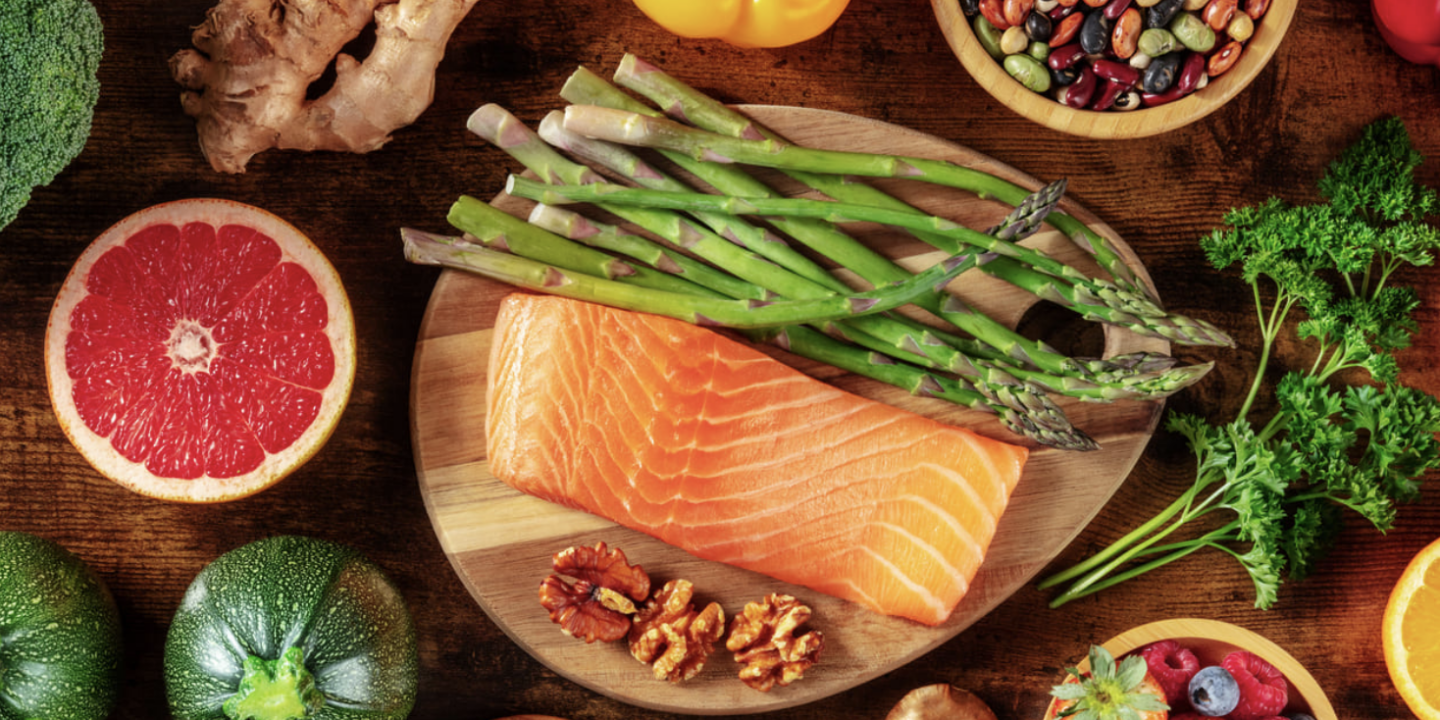
- Nutrition can’t “cure” cellulite, but a diet rich in fiber, antioxidants, lean proteins, and healthy fats can visibly reduce its appearance over time.
- High-fiber foods like oats, quinoa, and beans help flush toxins and stabilize blood sugar, making it easier to manage fat storage in cellulite-prone areas.
- Antioxidant-rich fruits and veggies—think berries, greens, and citrus—defend your collagen and connective tissue, helping to keep skin firm and resilient.
- Lean proteins and omega-3s from foods like fish, eggs, and walnuts actively fight inflammation and support skin structure for a smoother look.
- Hydration is a game-changer—aim for 6–10 cups of water or herbal tea daily to plump skin cells and promote healthy circulation.
- Processed foods, sugars, and salty snacks trigger inflammation and water retention, making cellulite look worse—swap these for whole-food snacks like nuts and fresh veggies.
- Collagen peptide supplements may reduce cellulite severity by 9–15% over 6 months, but consistency and combining with a balanced diet deliver the best results.
- Personalize your eating plan: Focus on small, sustainable swaps, track progress, and adjust for your body’s needs—progress beats perfection every time.
Small, realistic changes today can help you build a foundation for healthier, more resilient skin. Dive into the full article for meal ideas, customization tips, and the science behind every recommendation!
Introduction
What if your morning bagel or that late-night pizza binge could be showing up—literally—on your skin?
Most of us have stared down at our thighs or hips, noticed those stubborn dimples, and thought, “Is there anything I can actually do about this?”
Here’s the real kicker: up to 90% of women experience cellulite, regardless of fitness level, age, or body type.
Yet, in tech-driven circles where quick fixes and data are king, what often gets missed is this—your food choices can quietly influence how cellulite appears, but not in the hype-filled way most beauty brands suggest.
You won’t find a magic smoothie or “detox” tea in these pages.
Instead, you’ll discover:
- How nutrition impacts the deeper structure of your skin, connective tissue, and circulation
- Which daily food choices can become strategic allies in addressing cellulite’s root causes
- The most common eating habits and ingredients that can actually make dimpling more visible—often without you realizing it
Curious what’s actually backed by research, what’s just wishful thinking, and how tech-savvy professionals can separate science from Instagram hype?
You’re in the right place.
You’ll leave with a toolkit of evidence-based nutrition strategies—think smart swaps, consistent habits, and personalized tips that fit around your real life. No extremes, no false promises—just practical insights, clear explanations, and small shifts that stack up over time.
Whether you’re optimizing for professional confidence, self-care, or simply want smoother skin on your terms (not some airbrushed standard), understanding the intersection of diet and visible results puts you back in control.
Ready to see what goes on beneath the surface—and how your plate could influence what you see in the mirror?
Let’s connect the science behind nutrition, skin health, and cellulite in ways that are clear, honest, and refreshingly doable.
The Science of Cellulite and Nutrition: Connecting the Dots
Cellulite isn’t just a cosmetic frustration—it’s a structural issue beneath your skin’s surface.
Think of cellulite as fat trapped between rigid connective tissue bands, most often found on the thighs, hips, and buttocks.
A full 80-90% of women will see dimpling at some point, regardless of fitness level.
Why Nutrition Matters (But Won’t Erase It Overnight)
No diet alone can “cure” cellulite—let’s set that record straight.
But how you eat affects the health of your skin, connective tissue, circulation, and inflammation, which are all deeply connected to how cellulite looks.
Picture this: Eating high-sugar, processed foods is like pouring fuel on the cellulite fire, while filling your plate with antioxidants and fiber can put the brakes on that process.
The Nutritional Influence: Skin, Circulation, Toxins, and More
Here’s what the science highlights:
- Fiber-rich foods (oats, quinoa, beans) promote stable blood sugar and help your body flush toxins—key for managing new fat storage.
- Antioxidants (berries, leafy greens, citrus) help protect collagen and keep your skin more resilient.
- Lean proteins and omega-3s (fish, nuts, eggs) support skin structure and fight inflammation, which can otherwise set the stage for more noticeable cellulite.
In practice, your plate becomes your toolkit: every meal stacked with colorful vegetables, whole grains, and smart proteins is one micro-step toward firmer-looking skin.
Reality Check: What Research Actually Shows
You’ll hear wild claims, but here’s the bottom line:
- No food or supplement will “erase” cellulite completely.
- Recent studies show that adding collagen peptides may reduce cellulite severity after 6 months, but results are minor—think: softening, not vanishing, of dimples.
- Most visible changes from nutrition are modest and are just one piece of a bigger picture that includes exercise, stress management, and genetics.
If you’re expecting food to deliver overnight miracles, you’ll be frustrated—but if you’re playing the long game, there’s real, gradual improvement to be had.
Setting Healthy, Progress-Focused Expectations
It’s about progress, not perfection—choosing skin-friendly nutrition habits you can build on.
- Swap one processed snack per day for a handful of walnuts or sliced veggies.
- Aim for 6-10 cups of water and herbal teas, every single day, to keep skin cells plump and circulation humming.
- Experiment, track what works, and remember—your smoothest skin starts from within, but thrives on consistency, not restriction.
The big takeaway: Dial in your diet to support smoother skin, but remember—it’s just one lever. Real change requires a holistic approach and a healthy dose of patience.
Nutrients and Foods That Support Cellulite Reduction
When it comes to battling cellulite, food is a toolkit for your skin—not a magic eraser, but a strategic partner.
Your daily choices fuel processes like collagen production, circulation, and inflammation control—all of which impact how cellulite shows up.
Think of this section as a cheat sheet for building meals that quietly but steadily help smooth and strengthen what’s under your skin.
Fiber, Whole Grains, and Toxin Elimination
The first anti-cellulite MVP is fiber.
- High-fiber diets (think 25-35g daily) keep digestion humming, flush out excess hormones, and help your body eliminate toxins before they cause trouble.
- Top sources for busy days: buckwheat, quinoa, oats, brown rice, lentils, berries, and leafy greens.
Stable blood sugar means less fat gets stored under your skin—so fewer spikes from white bread and sodas can pay off.
“A hearty bowl of overnight oats with flaxseed is like hitting ‘refresh’ for your digestion and skin health.”
Antioxidant Powerhouses: Fruits, Veggies, and Polyphenols
Picture this: Every colorful meal is an act of defense against cellulite.
- Berries, citrus, artichokes, broccoli, beets, and dark leafy greens are antioxidant and polyphenol all-stars.
- They tackle oxidative stress and dial down the inflammation that can make cellulite more visible.
Want a quick win? Toss a big handful of spinach and blueberries into your next smoothie—fast, vibrant, and science-backed.
“Every forkful of color is like sending in a cleanup crew to your skin’s connective tissue.”
Lean Proteins, Collagen Boosters, and Skin Elasticity
Collagen is your body's scaffolding for smooth skin.
- Best everyday sources: chicken, fish, eggs, tofu, beans, lentils—each feeds connective tissue and repairs micro-damage.
- Emerging research shows oral collagen peptides may reduce cellulite severity after 6 months, but results are most impressive when paired with a balanced diet.
If you're curious about supplements, it's smart to check labels for hydrolyzed collagen and opt for reputable brands.
Omega-3s, Healthy Fats, and Hydration
Don’t underestimate the power of healthy fats and hydration.
- Omega-3-rich foods (salmon, walnuts, flaxseed, chia) fight inflammation and water retention, making skin look and feel smoother.
- Vitamin E (nuts, seeds, avocados) is like moisturizer from the inside out.
- Aim for 6–10 glasses of water daily; jazz it up with green tea or citrus slices for extra impact.
“Give your skin a long drink: hydrated cells plump up, minimizing dimples.”
Detox-Supporting Herbs and Functional Extras
Curious about cilantro, parsley, ginger, kelp, or gotu kola?
- Cilantro and parsley can support kidney function, while ginger boosts circulation—a small but meaningful player in the cellulite game.
- Evidence around kelp and gotu kola is intriguing but not rock solid; treat these as optional extras, not essentials.
Sprinkle fresh herbs on salads or blend them into dressings; their flavor pays dividends.
Big takeaway: While no meal plan will erase cellulite overnight, a focus on fiber, antioxidants, lean protein, healthy fats, and strategic hydration builds a stronger, more resilient foundation for your skin. The plate you assemble today is an investment in your future skin—so make each choice count.
Foods and Habits That Worsen Cellulite Appearance
Some foods and behaviors work overtime to make cellulite more obvious—even if you’re eating well in other areas.
Cellulite’s “enemies” promote inflammation, trigger water retention, and encourage fat storage right where you don’t want it.
A few days of mindless eating or drinking can visibly impact skin dimpling—think of that post-vacation bloat or those late-night salty snacks showing up on your thighs.
The Usual Suspects: Sugar, Refined Carbs, and Ultra-Processed Foods
When it comes to cellulite, a steady diet of soda, white bread, packaged snacks, and pastries is like a direct message to fat cells: “Settle in.”
- Refined sugars and flours throw your blood sugar on a rollercoaster and push your body to store more fat in cellulite-prone spots.
- Ultra-processed foods (think chips, cookies, sweets) stoke inflammation and break down collagen—the support structure your skin needs to stay smooth.
Want a more skin-friendly routine without feeling deprived?
- Swap candy or cookies for a piece of dark chocolate and a handful of berries.
- Replace white bread or crackers with seeded whole-grain toast or rice cakes.
- Stash raw nuts, baby carrots, or hummus packs at your desk for a stress-proof snack.
“Cellulite doesn’t love sugar highs—stable blood sugar is smoother skin’s low-key BFF.”
Salt, Processed Meats, and Excess Alcohol
Picture this: You’re heading out for pizza and drinks, and the next morning, your skin looks less like marble and more like a roadmap.
- Salt-laden foods (chips, cured meats, restaurant takeout) pull water into tissue, causing puffiness and deeper dimples.
- Alcohol slows circulation and impairs the body’s detox systems, making cellulite more noticeable.
Smart alternatives that won’t kill your social life:
- Choose grilled chicken or bean-based salads over deli meats at lunch.
- Limit alcohol to one glass, alternating with flavored sparkling water.
- If you’re snacky, air-popped popcorn or edamame outrank salty chips.
“Bloating from salt and drinks isn’t just uncomfortable—it amplifies every line and bump.”
Controversial Foods: Dairy and High-Saturated Fats
Dairy and saturated fats get plenty of buzz in cellulite circles, for good reason.
- Full-fat dairy, butter, processed cheese, and margarine can spike inflammation for some people—though results vary.
- Newer research shows cheeses/yogurts can fit moderation, especially in low-carb or high-protein diets.
How to decode the label like a pro:
- Look for “partially hydrogenated” (skip it); check for sodium and added sugars in processed items.
- If dairy upsets your skin, lean into Greek yogurt, kefir, or vegan swaps like almond ricotta.
“You get to define your non-negotiables—just remember: more plants, fewer processed fats, and your skin will thank you.”
Even a few everyday tweaks—swapping sweets for whole-food snacks, counting sodium, and limiting that “just one more drink”—can make cellulite less obvious, fast. The payoff? More bounce to your step (and your skin) by next week.
Building a Cellulite-Conscious Meal Plan
Crafting a realistic, anti-cellulite eating plan isn’t about perfection—it’s about balance, variety, and habits that fit your real life.
Forget restrictive “diets.” Instead, assemble a daily routine that highlights whole foods, plenty of color, and hydration without derailing your schedule or budget.
“Think of your meals as building blocks—each one a small step towards smoother, stronger skin.”
Sample Daily Eating Patterns
Picture this: You start your day with oatmeal topped with fresh berries and a sprinkle of flaxseed—fiber, antioxidants, and omega-3s in one bowl.
Lunch might be grilled salmon on a leafy green salad with avocado and shredded carrots.
Keep snacks practical and portable:
- Raw almonds or walnuts
- Carrot sticks with hummus
- Apple slices and herbal tea
Dinner can be simple and filling—like chicken stir-fry with brown rice, broccoli, and bell peppers.
These foods support collagen production, stabilize blood sugar, and reduce inflammation—three things science connects directly to cellulite reduction.
“Grab-and-go” favorites for busy professionals include:
- Greek yogurt with blueberries
- Overnight oats with seeds and fruit
- Pre-chopped veggie packs and nut butters
For hydration, aim for eight 8-ounce glasses (roughly 2 liters) plus a mug of green or dandelion tea to keep your skin plump and help flush toxins.
Customization Tips for Different Lifestyles
No need to stress if you’re vegetarian, dairy-free, or navigating food allergies—swap in:
- Tofu, edamame, or chickpeas for lean meats
- Gluten-free grains like quinoa or buckwheat
- Almond or soy yogurt instead of dairy options
Adapt meal prep to fit your world:
- Batch-cook on weekends for easy lunches
- Pre-portion snacks to avoid vending machine traps
- Opt for sheet-pan dinners for family meals
Mindful eating matters too. Take a pause, check in with your hunger—put away devices for a moment and savor the taste and texture on your plate.
The more you tailor your plan—and your mindset—the more likely you’ll stick with it, creating real change.
Consistency (not perfection) is your biggest ally. When you build habits that prioritize fiber, antioxidants, and hydration, you’re stacking the odds in your favor—one meal at a time. “Small, smart swaps every day can add up to real skin transformation over months, not just weeks.”
Setting Realistic Expectations: Evidence, Results, and Personalization
Cellulite isn’t a reflection of your workout ethic or willpower—it’s a combination of fat, connective tissue, and circulation patterns that no single diet can “erase.”
Robust research shows that while strategic nutrition can reduce cellulite’s visibility by supporting skin health, hydration, and inflammation reduction, results are typically modest, not miraculous.
What Science Actually Proves vs. Myths
Despite what you’ve seen on Instagram, there’s no FDA-approved dietary cure for cellulite.
Studies tracking collagen peptide supplements found an improvement of 9–15% in cellulite severity over 6 months—but these are best viewed as a boost, not a fix.
- Diet impacts the skin from the inside out: supporting collagen, improving circulation, and reducing fat storage.
- Changes are gradual, not overnight. Think weeks to months, not days.
Picture this: after two months of consistent anti-cellulite eating and exercise, you may notice smoother skin texture and less “dimpling” around your thighs—especially in good lighting.
The Power of Combining Strategies
You’ll get the best results when you combine:
- Balanced diet (fiber, antioxidants, lean proteins, healthy fats, hydration)
- Exercise (strength + cardio for improved circulation and muscle tone)
- Stress management (mindfulness, sleep, realistic goals)
- Medical support (when needed: lasers, massage, topical treatments)
Experts agree: Layering these tactics works better than relying on any one alone.
Personal Factors—And When to Get Expert Help
Your genetics, hormones, age, and lifestyle impact what results you see.
- Not everyone responds equally—even when following the same plan.
- If you’re feeling stuck or see little progress after 2–3 months, consider a consult with a registered dietitian for targeted tweaks.
- Allergies, intolerances, and medical conditions mean personalization is key.
Remember: “Your journey is unique. What works for your friend might not be right for you.”
Making smart diet changes gives your skin its best shot—but consistency and patience are your secret weapons for progress you can actually see.
Conclusion
Taking charge of your nutrition isn’t about chasing perfection or “fixing” your body—it’s about reclaiming control over the small, cumulative choices that shape your skin’s future.
Cellulite may be a complex puzzle, but when you use food as a strategic partner, you give yourself an edge that no fad diet or miracle cream can replace.
Your plate is a powerful toolkit—each meal is a step forward in supporting collagen, dialing down inflammation, and giving your skin its best shot at resilience.
Key Takeaways
- Prioritize whole, fiber-rich foods like oats, quinoa, and beans to fuel digestion and flush out toxins.
- Lean into antioxidants and healthy fats from berries, leafy greens, and nuts to protect your skin’s structure.
- Stay consistently hydrated each day with water, herbal teas, and water-rich snacks to keep skin cells plump.
- Limit refined sugars, processed snacks, and sodium to cut down on inflammation and water retention.
- Stack small wins—swapping just one daily snack or drink can build powerful momentum toward visible change.
Next Steps
- Audit your pantry and fridge: Replace one processed food with a whole-food alternative today.
- Set a hydration reminder on your phone—it’s the fastest route to plumper, healthier-looking skin.
- Build out a balanced grocery list using the anti-cellulite staples highlighted above.
Every nutritious bite you take is an investment in your skin’s strength and smoothness—proof that progress is built on what you choose next, not what’s happened before.
Ready for change? Small adjustments now mean visible confidence later. Your body—and your future self—are already thanking you.