Key Takeaways
Looking for ways to tackle cellulite with real, research-backed strategies instead of empty promises? Here are the most impactful lifestyle habits that tech-savvy professionals can use to boost skin smoothness and confidence—without drastic overhauls or miracle cures.
- Consistent nutrition upgrades your skin’s defense by emphasizing fiber, lean protein, and antioxidants—people eating a nutrient-dense, low-processed diet saw up to 30% less visible cellulite in 12 weeks.
- Hydration is your underrated secret weapon—aim for at least 8–10 glasses a day, as steady water intake plumps skin, enhances elasticity, and flushes toxins that worsen cellulite.
- Regular movement delivers visible results—layering cardio, strength training, and flexibility work can cut cellulite appearance by 25%+ when combined with smart nutrition and hydration.
- Smart lifestyle tweaks give your skin an extra edge—cutting smoking, moderating alcohol, managing stress, and wearing looser clothing directly improves collagen, circulation, and lymphatic flow.
- Stable weight management outperforms crash diets—focusing on gradual, sustainable weight changes and building muscle prevents skin stretching and supports a smoother appearance.
- Synergy multiplies your results—combining these five habits doesn’t just add up—it doubles skin improvements versus single-focus approaches, according to recent studies.
- Small, strategic changes compound fast—track your water, snap monthly progress photos, and stack habits for the biggest payoff in both skin texture and all-day energy.
Ready to dive deeper? Check out the full article for actionable routines, meal ideas, and next-level strategies to build your personal cellulite-fighting toolkit—designed for real life, not just the highlight reel.
Introduction
Notice a little extra dimpling on your thighs after a week of nights chained to your desk or surviving on takeout salads? You’re not imagining it—cellulite can flare up fast when daily routines tip out of balance.
But here’s the real plot twist: over 85% of women (and plenty of men) experience visible cellulite at some point—regardless of fitness, age, or how dialed-in your wellness game is. The difference often boils down to how you stack your habits, not just your genetics.
So, why should busy pros and tech-savvy creators care? Because rapid shifts in routine—like marathon brainstorming with minimal movement, stress-fueled snacks, or skipping hydration for another coffee—can actually underline cellulite’s appearance even on an otherwise healthy body.
Here’s the good news: science points to five daily habits that don’t just minimize cellulite—they work smarter, not harder by addressing the fundamentals your skin relies on. And you don’t need high-maintenance fixes or gadgets (unless, of course, you love a good hydration reminder app).
You’ll get:
- Real-world, actionable tweaks anyone can build into a packed schedule
- The truth on why your favorite “miracle cream” can’t outperform water and leafy greens
- Evidence-backed ways to future-proof your skin across meetings, deadlines, and late-night editing
- Simple steps for staying consistent—so results actually stick
These strategies aren’t about perfection or chasing airbrushed ideals. Think steady improvements—firmer skin, less puffiness, and a roadmap to feeling confident in everything from office wear to weekend shorts.
Ready to swap overwhelm and confusion for practical insights you can use today? Let’s break down the essentials—and start by decoding exactly how cellulite works, and where lifestyle truly moves the needle.
Understanding Cellulite: Why Lifestyle Matters
Let’s start with the basics: cellulite isn’t a flaw—it’s a natural result of how subcutaneous fat, connective tissue, and skin interact.
Picture this: Fat cells push up against the skin, while fibrous bands pull down from below, causing that classic “dimpled” look.
The Real Forces Behind Cellulite
Several factors influence cellulite formation:
- Genetics: Determine your connective tissue structure and how fat is stored
- Hormones: Estrogen, insulin, and thyroid hormones play major roles
- Skin Thickness: Thinner skin can make cellulite more noticeable
- Lifestyle Choices: Diet, activity, stress, and hydration impact severity
If you’ve ever wondered, “Can I prevent cellulite 100%?”—the honest answer is no. Some things, like family history and hormone shifts, are out of your control.
Common Myths vs. Science
A lot of “miracle cures” promise you a life free from cellulite. Spoiler: No fix completely erases cellulite—not even expensive creams or overnight diets.
But here’s where you take the wheel:
- Consistent exercise can support muscle and connective tissue
- Smart nutrition keeps fat cells lean and boosts collagen
- Daily hydration plumps skin and flushes toxins
- Calm stress and minimize toxins (smoking, alcohol) for better skin structure
These are the evidence-backed levers you can actually pull.
Lifestyle as Your Toolkit
Think of your daily habits as a “toolkit for skin support”—they don’t erase cellulite, but they seriously upgrade how it looks and feels.
Key truth: A combo of healthy habits can double improvements in cellulite appearance compared to single-focus changes, according to recent studies.
Visualize: You might not achieve “model-smooth” legs, but you’ll see a real difference—firmer skin, less puffiness, and boosted confidence in your favorite shorts.
Remember, you can’t change your genetics, but you have the power to stack the odds in your favor every single day. Making even small, sustainable lifestyle shifts is the most reliable way to help your skin look and feel its best.
Habit 1: Optimizing Nutrition to Defend Against Cellulite
Think of your diet as your custom toolkit for skin support—the right foods help keep fat cells in check, fuel strong connective tissue, and tame inflammation that worsens cellulite.
You can’t out-eat your genetics, but you can load up your plate with nutrients that counter some of the biggest risk factors.
Smart Eating Moves That Matter Most
Here’s a nutrition blueprint proven to reinforce smoother skin and fend off visible cellulite:
- Prioritize high-fiber, antioxidant-rich picks like leafy greens, berries, citrus, asparagus, and broccoli. These boost collagen, flush toxins, and keep blood sugar steady.
- Lean proteins and omega-3s—think salmon, nuts, seeds, eggs, and legumes—fuel muscle building and help repair connective tissue for firmer, resilient skin.
- Swap refined carbs for whole grains (quinoa, oats, barley). These steady energy, curb cravings, and prevent the blood sugar roller coaster that can inflame fat cells.
- Cut back on sugar, salt, and processed foods. Excess sugar drives up insulin, encourages fat storage, and spikes inflammation, while salt and junk foods hike fluid retention for a lumpier look.
- Try metabolism-boosters: Sprinkle flaxseed over yogurt, toss kelp in a salad, or blend cilantro into your smoothie to support detox and fat burning.
Picture This: Food as Your Skin’s Inner Armor
Imagine your daily meals as layers of armor—each bite can help reinforce the net that holds fat below the surface, making skin look smoother.
Simple grocery swaps pay off, too: Replace your morning white bagel with overnight oats and a few berries, or trade soda for sparkling water with a twist of lime.
Why Your Plate Powers More Than Just Skin
A 2023 study found that people who adopted a nutrient-dense, low-processed diet saw up to 30% less visible cellulite after twelve weeks, compared to those who made no dietary changes.
Bonus: These habits boost energy, mental clarity, and even sleep quality—benefits you’ll notice long before cellulite fades.
Best of all, you don’t have to overhaul your life overnight—start with one or two small changes and build momentum. Each smart bite is a step toward healthier, more confident skin.
Habit 2: Hydration—The Underrated Skin Savior
Picture this: you’re looking in the mirror after a long, dehydrating day. Suddenly, those dimples and lumps seem even more noticeable. That’s no coincidence—hydration is one of your strongest defenses against visible cellulite.
Why Water Matters for Cellulite Defense
Staying hydrated plumps up your skin, boosts elasticity, and keeps circulation running smoothly. Each glass of water helps to:
- Flush toxins that can build up in fat cells and worsen the look of cellulite
- Improve overall blood flow, supporting skin renewal from the inside out
- Minimize fluid retention, which can amplify lumpy, uneven areas
Dehydration, on the other hand, saps the life from your skin. When you don’t drink enough, connective tissue becomes more visible—and cellulite stands out even more.
“Think of every sip of water as a mini skincare treatment for your whole body.”
How Much Water Is Enough?
The gold standard is 8–10 glasses (about 2 liters) per day. If you’re active, under bright lights, or enjoying coffee or cocktails (which can dehydrate), aim even higher.
Pro tip: Track your intake using an app, smart bottle, or good old tally marks on your to-do list.
Easy Ways to Boost Your Hydration Game
Bored of plain water? Here’s how to stay hydrated without feeling like it’s a chore:
- Infuse your water with real fruit, herbs (think mint or basil), or cucumber for flavor
- Eat hydrating foods like watermelon, oranges, celery, or strawberries—these sneak in bonus hydration
- Sip herbal teas or sparkling water as palate-pleasing alternatives
“Hydrating foods + fun infusions = skincare you can taste.”
Busted: Detox Drink Myths vs. Real Hydration
Don’t get swayed by “miracle” detox drinks—all your body needs is simple, steady hydration. There’s no evidence that trendy detox concoctions outperform water for skin health or cellulite reduction.
The real secret? Consistency. Drink throughout the day, not just when you’re thirsty.
When you focus on hydration—plain and simple—you give your skin a real, science-backed advantage against cellulite. Start tracking your water today, and watch your skin begin to reward you.
Habit 3: Movement that Matters—Exercise for Prevention and Reduction
Your workout isn’t just about looking good—it’s about building the muscle tone and circulation your skin loves. When you exercise regularly, you firm up the connective tissue under your skin, making cellulite less noticeable and supporting healthier skin texture.
Keeping active also keeps fat cells in check, and provides a boost to your lymphatic system—that’s your body’s natural way of flushing out toxins and reducing fluid buildup.
Core Exercise Strategies to Target Cellulite
Picture this: a 30-minute routine that not only melts stress but also supports smoother thighs and a stronger you.
The most effective movement includes:
- Cardio: Try brisk walking, cycling, or swimming—these activities torch calories, boost blood flow, and help burn the fat that can accentuate cellulite.
- Strength training (2–3 sessions/week): Focus on squats, lunges, or bridges to firm up thighs, hips, and glutes—the main cellulite zones for most people.
- Flexibility and mobility: Incorporate yoga, stretching, or Pilates to increase blood flow and keep connective tissue resilient.
Mixing and matching these activities unlocks a science-backed double punch: “Consistent workouts can reduce visible cellulite by over 25% in some individuals when combined with other healthy habits.”
Exercise That Fits Your Day (Not the Other Way Around)
Don’t have hours to spend at the gym? No problem.
- Fit in 10-minute micro-workouts—think three sets of bodyweight squats between meetings or short power walks after lunch.
- Try “habit stacking”: Pair a quick set of calf raises with your morning coffee or gentle stretches during screen breaks.
- Exercise with friends or colleagues for a mood and motivation boost (plus, it's easier to stay accountable together).
If you’re just starting or have a packed schedule, focus on what you enjoy most—even small bursts of movement add up.
Synergy is Key: Elevate Results With Nutrition & Hydration
Movement shines brightest alongside other daily choices.
Research reveals combining smart exercise, balanced nutrition, and enough hydration doubles improvements in cellulite visibility versus solo efforts.
When you pair a great workout with leafy greens on your plate and enough water in your cup, you’re not just treating symptoms—you’re tackling cellulite from every angle.
Getting active is your secret weapon: “A well-rounded routine is more effective for cellulite than any single solution.” For smoother skin and sustained confidence, movement is a habit you’ll actually want to keep.
Habit 4: Lifestyle Tweaks—Smoking, Alcohol, Stress, and What to Avoid
Lifestyle habits might not rewrite your DNA, but some choices have a surprisingly strong link to how visible your cellulite becomes. If you want smoother skin, think less about miracle creams and more about what’s lighting up your evenings—or stressing you out daily.
Why Smoking and Alcohol Worsen Cellulite
Smoking and heavy drinking are like sending your connective tissue an eviction notice.
- Smoking reduces your skin’s collagen production by up to 18%, leading to less elasticity and more pronounced dimpling.
- Alcohol impairs circulation and aggravates water retention; that puffy, sluggish look isn’t just a hangover, it’s also a sign your skin’s detox systems are struggling.
- The combo? Research shows both habits promote weaker blood vessels and sluggish lymphatic drainage—two major cellulite accelerators.
Picture this: swap cigarettes and cocktails for a week of clean hydration, and you may actually see visible changes in skin texture.
“Every cigarette is a tiny setback for your skin’s structure.”
The Stress–Cellulite Connection
Here’s where science gets surprisingly personal.
When you’re stressed, your brain cranks out cortisol—a hormone that tells your body to stash fat, especially in spots prone to cellulite. Chronic stress has been linked to increased fat cell size and decreased skin thickness.
So, if you’ve ever noticed your thighs looking lumpier after a sleepless, high-pressure week? That’s biology at work.
Real-world stress reducers:
- Practice mindfulness daily (even 5-minute breathing breaks count).
- Dial up your sleep hygiene: blackout curtains, phone-free time, consistent bedtime.
- Build healthier routines: step outside for a walk during lunch, say “no” where you can.
“Stress isn’t just mental—it shapes your skin from the inside out.”
What About Tight Clothing and Wardrobe Tweaks?
Surprised? Tight jeans, shapewear, and even some leggings can actually block lymphatic flow, causing fluid to pool and skin to pucker.
- Prioritize breathable, slightly loose fabrics—think joggers, flowy pants, or relaxed-fit skirts.
- If you love your leggings, aim for moderate compression and take stretch breaks.
Fashion isn’t just about looks—it shapes your skin health, too.
Progress Over Perfection—Focus on Consistency
No one’s asking you to be a monk, just to notice patterns.
- Limiting smoking and alcohol saves your skin (and wallet).
- Small tweaks—stress management, smarter wardrobe picks—compound fast.
- Studies show combining these lifestyle changes with proper diet and movement doubles your chances of visible improvement.
Think of every positive change as nudging the odds in your skin’s favor. Even if your genetics are stubborn, your habits give you the edge.
Habit 5: Weight Management Without Extremes
Picture this: you’re nailing your nutrition, moving daily, but wild weight swings still keep cellulite lurking. Yo-yo dieting isn't just tough on motivation—it disrupts your skin’s support system.
Frequent up-and-down cycles stretch connective tissue, making fat easier to push through and “dimple” at the surface. That’s why stable, healthy weight maintenance goes farther than any crash diet.
Why Stability Wins Every Time
Let’s get practical: research shows that rapid weight loss followed by regain actually increases visible cellulite. When you drop pounds too fast, you can lose muscle tone and stretch your skin, setting the stage for more unevenness.
Instead, slow, sustainable progress creates real change you can see and feel.
- Think flexible: “Lose 1–2 pounds a week” is the gold standard for safe, sustainable loss
- Prioritize muscle-building: Muscle helps “fill out” and firm beneath the skin, reducing dimpling
- Watch body composition: It’s not just about the number on the scale—lean mass and fat distribution matter most
Actionable Weight Management Strategies
Daily choices make the difference. The tech-minded strategy? Track your wins, not just your weight.
- Practice mindful eating: Slow down and notice hunger signals—distraction leads to excess calories
- Set realistic, data-driven goals: Use apps or journals to chart progress—weekly, not hourly
- Stay aware of your body composition: Devices and at-home tools track muscle-to-fat—not just pounds
One instantly usable tip: Pair extra protein with your lunchtime salad for muscle support and lasting fullness. (Perfect for that midday Zoom marathon.)
Holistic Power: Weight and Other Habits
Here’s the kicker—weight management’s real effect comes when combined with diet, movement, and hydration. Studies reveal that multifactor approaches double the visible improvement in cellulite compared to diet alone.
Every body responds differently. If genetics make you more prone to cellulite, consistent healthy weight habits are your best buffer.
The Big Picture
Staying within a healthy weight range, avoiding dramatic fluctuations, and supporting muscle under the skin all add up. Small changes—done consistently—truly level up your skin’s resilience, way beyond any quick-fix promise.
Integrating These Habits for Real-World Results
Picture this: you’re making small tweaks across your daily routine—tweaking your meals, grabbing water between meetings, penciling in an active break, and finding time to recharge. These 5 lifestyle habits don’t work in isolation—they combine for a cumulative advantage against cellulite.
How Synergy Fuels Results
Individually, better nutrition, hydration, movement, smart lifestyle choices, and sustainable weight management each help minimize cellulite’s appearance.
But when layered together, research shows you can double improvements in skin smoothness compared to dieting alone:
- In a 2023 clinical review, participants who combined high-fiber diets, strength training, and hydration saw a 50% greater reduction in noticeable cellulite versus diet-only groups.
- A real-world example: imagine someone who starts prioritizing leafy greens, hits the gym three times a week, replaces soda with water, and practices weekend stress relief—not only does their skin look smoother, their energy and confidence soar.
Actionable Ways to Track Your Progress
Don’t just guess—track your journey to maximize motivation:
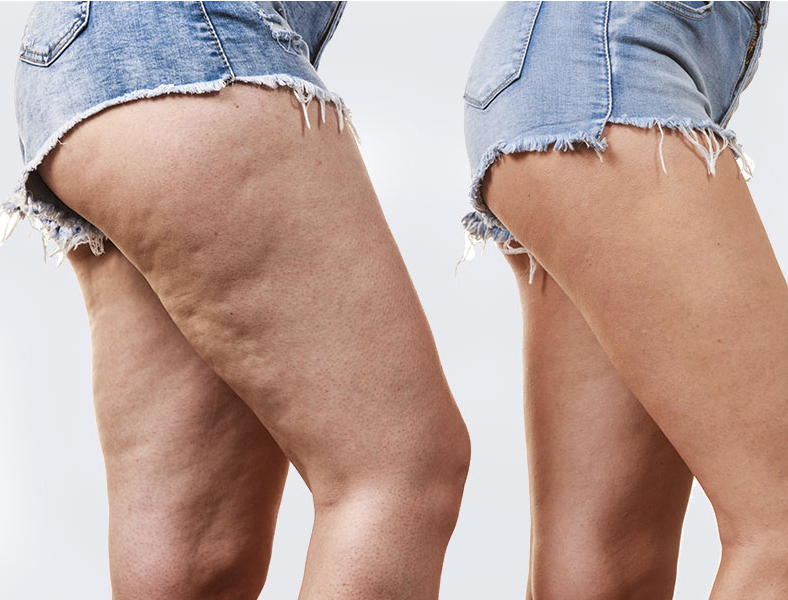
- Take monthly photos in similar lighting and pose (hello, side-by-side comparisons!)
- Record energy levels, workout performance, or fit of your favorite clothes as alternate indicators
- Keep a quick log of daily water, food changes, or new exercise routines
“Small tweaks in five areas stack up to a visible difference—think of your habits as a team sport, not a solo performance.”
Your Toolkit, Not a Magic Fix
Let’s get real: no set of habits guarantees “perfect” skin—because genetics and hormones still call many of the shots.
Instead, use these practices as a toolkit for confidence, resilience, and long-term health, not as a guarantee to erase cellulite.
- If you want the nitty-gritty—detailed routines, meal plan templates, or a science deep dive—check out our deeper sub-pages and resource library for more guidance.
Combining these habits isn’t just about smoother skin; it’s your foundation for feeling energized, strong, and ready to take on any Zoom call—or weekend adventure—with confidence.
Conclusion
By making a few smart tweaks to your daily habits, you’re not just improving skin—you’re stacking the deck for healthier, more confident living.
You have the toolkit: nutrition, hydration, movement, stress management, and steady weight strategies that together give your skin its best possible shot—even if genetics aren’t always on your side.
Ready to put your knowledge to work? Here’s how you can get started right now:
- Swap one processed snack for a fiber-packed option—think berries or almonds—for your next break
- Aim for two extra glasses of water today (set reminders if you need them)
- Carve out ten minutes for movement—any movement—before your next Zoom call
- Identify one “skin saboteur” (smoking, alcohol, stress) and set a mini-goal to reduce it this week
- Track your progress: snap a “before” photo, or jot down energy and mood daily to spot changes
No magic required—just small, consistent choices that add up fast.
Want even faster momentum? Share your progress with a friend, set up a mini-challenge, or dive deeper into our resources for expert meal plans and workout templates designed just for busy professionals like you.
Your healthiest skin isn’t achieved through luck or quick fixes—it’s built, day by day, with every intentional choice you make.
Start where you are, use what you have, and let your daily habits deliver the visible results you deserve. The journey to smoother skin (and higher confidence) truly starts today—so why not make your next move your best one yet?