Key Takeaways
If cellulite solutions are on your radar, you’re in the right place. This guide cuts through the noise to focus on science-backed strategies and realistic, modern advice you can actually use—no matter your body type, budget, or schedule. Here’s what you need to know to build a smoother-skin game plan for 2026.
- Cellulite is a structural skin issue, not just about fat—80–90% of women experience it, regardless of fitness or weight, due to fibrous bands beneath the skin.
- Best results come from targeting the bands—subcision treatments like Cellfina™ and Avéli deliver up to 99% satisfaction and 2–3+ years of smoother skin with a single in-office session.
- Energy-based and injectable treatments offer advanced options—lasers, acoustic devices, and collagenase injectables can visibly smooth dimples for 1–2 years, with satisfaction rates above 90% in clinical studies.
- Noninvasive devices and topicals provide only temporary smoothing—RF, acoustic waves, and caffeine creams offer modest boosts but require regular sessions and ongoing use.
- Nutrition and exercise support smoother skin from within—hydration, anti-inflammatory foods, and resistance training can reduce the visibility of dimples over time, though they can’t “cure” cellulite alone.
- Choosing the right strategy means personalizing your approach based on cellulite type, budget, needle/technology tolerance, and long-term goals—layering at-home, procedural, and lifestyle tactics drives the best results.
- Latest innovations lean heavily on AI and biotech—AI-powered skin mapping and new injectables promise 15–40% better outcomes in early trials, but always look for FDA clearance and real data before investing.
Ready to decode the marketing hype and craft a cellulite strategy that fits your real life? Dive into the full guide for step-by-step solutions and the smartest innovations coming in 2026.
Introduction
Ever found yourself scrutinizing your thighs in great lighting, wondering why all that hard work at the gym still leaves you with those stubborn dimples? You’re in excellent company—over 80% of women develop cellulite after puberty, regardless of how fit, lean, or health conscious they are.
It’s not just about looks or vanity. Cellulite can zap confidence for even the savviest professionals, showing up uninvited when you least expect it—like that poolside conference mixer or last-minute vacation.
But here’s the real twist: cellulite isn’t a sign of poor health, extra fat, or personal failing. It’s a structural skin phenomenon, affecting everyone from athletes to desk jockeys. That means you can have a killer routine, a balanced diet, and still spot those signature ripples. Frustrating? Absolutely—but also totally normal.
If you’re ready to cut through outdated myths, skip past “miracle cream” marketing, and finally get smart about solutions that actually deliver, you’re in the right place. This isn’t about shame or unrealistic #BodyGoals. It’s about understanding the science, demystifying options, and crafting a plan that fits real life (and, yes, your schedule and budget).
Here’s what you’ll walk away with:
- What actually causes cellulite—and why it shows up for almost everyone
- Breakdowns of proven treatments from tech-powered in-office fixes to practical at-home routines
- Clear-eyed comparisons of what lasts, what’s worth it, and what to skip
- Insider tips for combining strategies to fit your needs and confidence goals
You’ll also discover what’s just hype and what’s actually moving the needle in 2026, complete with actionable insights that save you time, money, and frustration.
As you start this journey, get ready to reframe the way you think about cellulite—what it is, why we all get it, and how modern solutions can help you feel great in your own skin.
Curious about what’s happening beneath the surface (literally and figuratively)? Let’s break down the foundations, myths, and realities you need to know next.
Understanding Cellulite: Foundations, Myths, and Realities
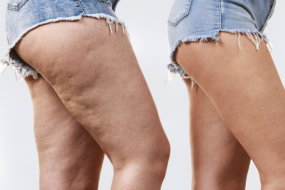
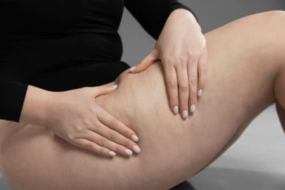
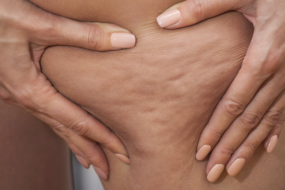
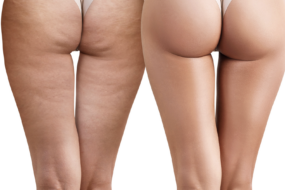
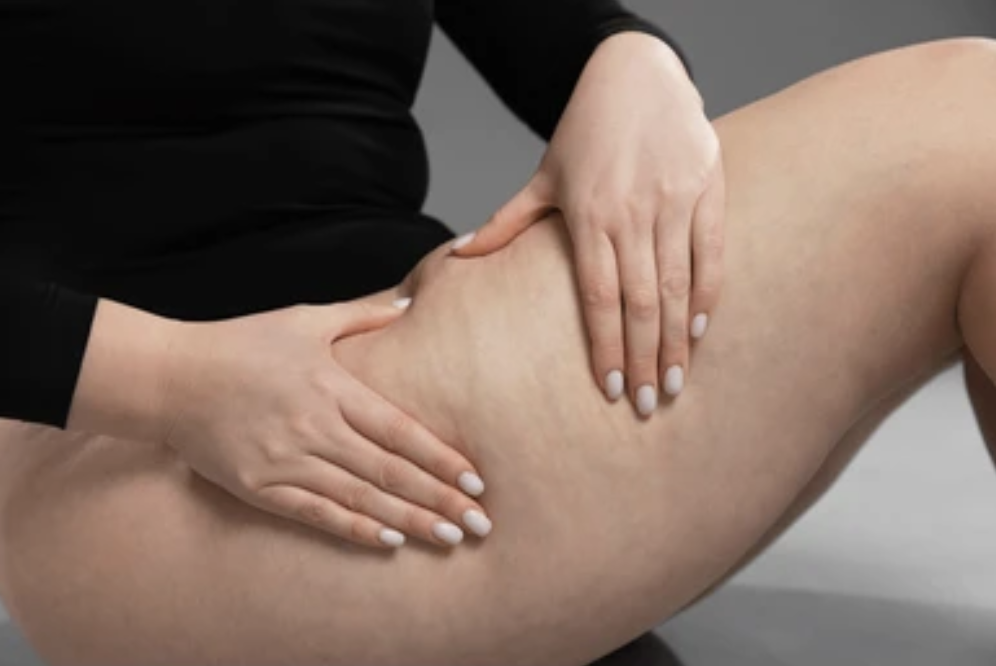
Cellulite is that familiar “orange peel” or dimpled texture you see most often on the thighs, buttocks, and hips.
If you’ve noticed it, you’re not alone—cellulite affects 80–90% of women after puberty and isn’t just a concern for one body type or weight class.
Why Cellulite Happens: Anatomy in Plain English
Picture this: beneath your skin, fibrous bands (septae) pull downward, trapping pockets of fat (called fat lobules) between the skin and muscle.
- This tug-of-war is what causes the classic lumpy or puckered appearance—even for lean, active people.
- The effect is more pronounced where your skin is thinner or the septae are tighter.
You can have rock-solid fitness habits, but still see cellulite, because it's driven by skin structure, not just fat.
Myths vs. Reality: What Cellulite Is Not
Let’s shatter some misbeliefs right now:
- It's not simply a “fat problem”—thin people get cellulite, too.
- You won’t “outgrow” cellulite or avoid it by dieting alone.
- Having cellulite doesn’t mean you’re unhealthy; it’s a normal anatomical variation, not a medical condition.
These points are crucial—cellulite simply doesn't discriminate based on wellness or weight.
What Really Drives Cellulite: Key Factors
So, what’s at play? Multiple influences contribute:
- Hormonal changes (especially estrogen fluctuations)
- Genetics (your family history matters)
- Skin thickness and how elastic your skin is
- Aging (your septae tighten as you get older)
- Circulation (reduced flow can make dimpling worse)
Genetics aren’t destiny, but they do set the rules for your skin’s background game.
The Social and Emotional Side: Why We Need to Talk About It
Cellulite takes up more space in our heads than it ever does on our bodies.
- “Did you know nearly every woman on the beach has it, even if you don’t see it?”
- The conversation around cellulite is shifting: normalizing it reduces shame and fuels confidence, not stigma.
The reality? Most people—men and women—will see cellulite on common sites:
- Thighs
- Buttocks
- Hips
- Abdomen
- Arms
A quick scan in the mirror or on social feeds proves it’s everywhere—so it’s time to drop the judgment.
True insight: Cellulite is a universal, structural skin pattern—not a flaw. Recognizing this empowers you to shift focus from blame to realistic, science-backed solutions.
Science-Backed Cellulite Treatments: What Actually Works
Band-Targeting: Physically Releasing the Root Cause
The most effective treatments address the core structural cause—the fibrous bands, or septae, beneath your skin that create the dimpled look.
Subcision works by physically cutting these bands, letting skin bounce upward for a smoother surface.
- Cellfina™ (vacuum-assisted subcision):
- Uses suction and a microblade to break tethers.
- 99% patient satisfaction in large studies; results last 2–3 years+.
- Side effects: mild bruising, some soreness, possible small risk of infection—typically fade in weeks.
- Manual targeted subcision (Avéli):
- Focuses on precision-releasing individual bands under local anesthesia.
- 95% see real improvement at 6 months.
- Main issues: bruising and tenderness, similar to Cellfina.
Picture this: One short in‑office treatment, and the dimples look visibly reduced for years—not weeks.
Energy-Based and Minimally Invasive Technologies
Lasers like Cellulaze (1440 nm Nd:YAG) use heat and light under your skin to:
- Cut septae
- Melt tiny amounts of fat
- Stimulate natural collagen repair
Studies show improvements in 90%+ of areas, lasting a year or more, with some enjoying smoothness for up to 3 years.
Expect some downtime: redness, swelling, and bruising are normal but manageable.
Acoustic devices (RESONIC):
- Noninvasive sound waves break up fibrous bands and spark new collagen.
- Cleared by the FDA for visible dimple reduction up to 1 year.
- One RESONIC session averages a 29.5% improvement at 12 weeks—and no needles required.
Memorable takeaway: Technology-based options are gaining ground, but real, lasting change still involves targeting the underlying bands.
Injectable Collagenase & Biostimulatory Fillers
Injectable collagenase (CCH):
- Dissolves the septae using enzymes, not scalpels.
- In major trials, buttock/thigh cellulite dimples softened for up to 2 years.
- Side effects: injectable bruising and soreness—short-term and expected.
Biostimulatory injectables (CaHA, PLLA):
- Used alone or after subcision for better skin elasticity and thicker skin.
- CaHA + ultrasound = visible tightening;
PLLA + subcision = 2+ years' improvement in both dimples and skin laxity.
Visual scenario: Imagine pairing a filler with band release—a “double boost” combo for dimpled, lax skin.
Comparing Duration, Satisfaction & Considerations
Here’s how main procedures stack up:
- Subcision (Cellfina, Avéli):
- 99% long-term satisfaction; best for single deep dimples; results last 2–3 years+; downtime 1–2 weeks.
- Lasers:
- 90% see improvements >1 year; more swelling/bruising; higher cost.
- Injectable collagenase:
- Up to 2-year improvement in studies; best for needle-friendly clients; short downtime.
- Acoustic subcision:
- Noninvasive, minimal downtime; moderate cost; results last at least a year.
- Side effects across options: bruising, tenderness, swelling—usually mild and self-limited.
- Who should consider what?
- Deep dimples: Go for subcision/Cellfina.
- Mild, diffuse or lax skin: Combine lasers or injectables.
- Needle-averse or cost-conscious: Acoustic or topicals help, but expect only limited, cosmetic improvements.
Take this with you: “Fix the fibrous bands, and you finally fix the dimples—science says so.” Matching treatment to your needs and expectations is step one in a sustainable cellulite game plan.
Noninvasive Devices, Topicals, and At-Home Methods: Setting Realistic Expectations
Noninvasive Energy Devices
Looking for visible results without downtime? Noninvasive energy devices like radiofrequency (RF), acoustic wave therapies, and cryolipolysis are the top contenders.
- RF devices heat deep tissue, stimulating collagen and tightening skin, but results are partial and usually require maintenance—think 4–6 sessions, repeated every few months.
- Acoustic wave therapy uses vibration pulses to boost circulation; studies show a series of 6–8 sessions can smooth skin modestly.
- Cryolipolysis (cooling fat) targets small bulges but is more effective for shaping than true cellulite smoothing.
FDA-cleared devices are the gold standard—always check for clinical backing, as some devices are better studied than others.
Picture this: smoothing your thighs in a medspa, but knowing you’ll revisit for touch-ups every season.
Key takeaway: “Temporary smoothing, regular sessions—don’t expect permanent results from these techy tools.”
Topical Treatments and Over-the-Counter Approaches
Topicals are everywhere—yet evidence for meaningful change is limited.
- Caffeine creams and retinoids (vitamin A derivatives) have shown small, short-term cellulite improvements in studies, but benefits vanish quickly after stopping the product.
- Continuous use is key: results fade within weeks if you stop.
- Watch for hype: Many creams lack regulation, and “miracle” claims can be a red flag.
Want a practical edge? Combine caffeine cream with a daily massage for a temporary confidence boost.
“There’s no overnight fix—even the best topical requires persistence and realistic expectations.”
Mechanical Massage, Endermologie, and Lymphatic Methods
Vacuum rollers, Endermologie, and professional lymphatic devices give the skin a brief, smooth look.
- Benefits: Temporary fluid redistribution, more glow for up to a week.
- Regular sessions—not one-off miracles—are essential (think 1–2 times per week).
- Best for: Anyone combining methods, prepping for events, or kickstarting a new program.
Imagine a spa session that feels relaxing and leaves your skin soft, but needs repeating for lasting effect.
Home Remedies and DIY Strategies
Craving a hands-on strategy? Dry brushing, at-home scrubs, and coffee grounds are among popular DIY options.
- Dry brushing can enhance circulation and exfoliation for a fresh feel, but clinical evidence is slim.
- Home scrubs offer smoothness and a ritualistic routine, with benefits that rarely last beyond the shower.
- Safety first: Test new ingredients and avoid aggressive scrubbing that can damage skin.
Want more? We’ve got deep dives in “Best Home Remedies for Cellulite Reduction 2026”—worth a look before a weekend glow-up.
The bottom line: Noninvasive and at-home options can boost confidence and skin feel temporarily, but real, lasting change comes with professional interventions and consistent effort. Think of these tools as polish, not paint—perfect for a touch-up, not a full renovation.
Diet, Exercise, and Lifestyle Factors: Supporting Smooth Skin from Within
Nutrition and Cellulite: Separating Myths from Truth
When it comes to cellulite, no magic food will erase dimples overnight, but your diet can absolutely influence skin texture and inflammation levels.
Hydration and anti-inflammatory foods support skin elasticity, making dimples less obvious. Picture this: a hydration-rich meal plan with cucumbers, leafy greens, and healthy fats can give your skin a subtle, daily glow.
Certain diet habits play a much bigger role than you might think:
- High sodium and added sugars: Lead to fluid retention and worsen “orange peel” texture.
- Ultra-processed foods: Correlate with higher rates of visible cellulite in large population studies.
- Healthy fats (like omega-3s), lean protein, and fiber: Shown to support smoother skin and optimal collagen production.
Craving practical steps? Check out “Diet and Nutrition Tips to Reduce Cellulite” for meal strategies that actually work.
“What you eat may not erase cellulite, but it can make a visible difference over time.”
Exercise: Resistance, Cardio, and Targeted Movement
Exercise is a key pillar—but let’s keep it real: many fit folks still spot dimples because cellulite is about your skin’s structure, not just body fat.
The science backs a combo approach:
- Resistance training (think squats, lunges): Firms and fills out dimples by building muscle beneath them.
- Cardio (brisk walking, HIIT): Reduces fat stores, helping smooth skin’s surface.
- Targeted routines: Focusing on glutes and thighs can enhance leg definition, though whole-body movement matters most for overall results.
“Thirty minutes a day can refresh not just your mood—but the texture of your skin.”
Get started with sample moves in “How to Get Rid of Cellulite on Legs Effectively” and “How to Remove Cellulite from Thighs and Bum 2026.”
Lifestyle Upgrades for Cellulite Prevention and Support
How you live shapes how your skin shows up. Consistency beats perfection here.
For better skin, focus on:
- Quality sleep: Fewer dark circles, more collagen repair.
- Stress management: Lower cortisol means fewer flare-ups.
- Limiting smoking and alcohol: Both break down collagen—leading to more pronounced dimpling.
- Skincare (hydration, gentle exfoliation): Keeps skin plump and luminous.
Want a routine you’ll actually stick with? See “How to Prevent Cellulite: Proven Lifestyle Changes” for actionable, proven steps.
Small daily choices build the foundation for visibly healthier, smoother skin.
In short, what you eat, how you move, and how you live all shape the story your skin tells—and small upgrades add up faster than you might think.
Choosing the Right Strategy: Personalization, Costs, and Expert Advice
Assessing Your Cellulite: Mapping Severity, Skin Quality, and Goals
Not all cellulite is created equal—understanding the type and location makes all the difference.
Start by identifying whether you’re looking at:
- Dimpled cellulite (deep, well-defined “pits”)
- Diffuse/orange peel cellulite (widespread but shallow texture)
- Skin laxity (looseness) vs. thicker underlying fat
Grab a mirror and good lighting to examine common trouble spots: thighs, buttocks, hips, abdomen, and arms.
If you notice dense, stubborn dimples (especially on the thighs), you’re likely a candidate for in-office treatments like Cellfina™ or RESONIC.
Faint texture or mild “rippling”? Don’t discount at-home routines and topical options.
Key rule: If cellulite is severe, painful, or not improving with home care—book a consult.
For tailored protocols by region, check our dedicated sub-pages:
Legs, Thighs, and Bum.
“Spotting the difference between dimpled and diffuse cellulite can change your whole treatment path.”
Cost Comparison and Accessibility of Leading Treatments
Price matters, and so does what you get for it.
Common cost ranges in 2026:
- Subcision (Cellfina, Avéli): $2,000–$5,000 per session (typical results last 1–3+ years)
- Laser procedures: $2,500–$7,000, often with longer downtime but lasting benefits
- Acoustic subcision (RESONIC): ~$2,000+ per session, noninvasive
- Injectables (CCH, fillers): $800–$3,500+, may need repeat visits
- Radiofrequency or acoustic devices: $300–$600 per session, require series and ongoing maintenance
- Topicals/massage: $20–$300 monthly, continuous commitment
Most treatments aren’t covered by insurance since they’re considered cosmetic.
Look for board-certified providers, ask about device brand names, and watch for “miracle cure” claims—credibility saves you money and regret.
“A great provider helps you invest wisely—not just spend more.”
Combining Approaches: Building a Sustainable, Multi-Modal Plan
Here’s insider wisdom: the best, most lasting results come from stacking strategies.
Build your plan around:
- Lifestyle upgrades (hydration, resistance training, balanced nutrition)
- Procedural treatments if you want deep, visible change
- Realistic maintenance (topicals, massage, touch-ups as needed)
Choose based on:
- Budget
- Needle tolerance
- Time commitment
- Desired speed and permanence of results
“Think of it like leveling up your skincare: you can combine basic upgrades with expert tools for ‘wow’ results.”
If you’re not sure where to start or progress stalls, loop in a dermatologist or cosmetic pro experienced with cellulite-specific tech—not just ‘fat melting’ devices.
Choosing your strategy is about matching the right science to your skin—and your lifestyle. For most, the real win comes from combining smart clinic treatments with ongoing at-home care, making sure every step fits your goals, budget, and confidence level.
The Evolving Landscape: What’s Next in Cellulite Research and Technology
Latest Advancements and Clinical Trials
Picture this: You walk into a clinic in 2026 and your cellulite treatment choices include not just classic lasers, but bioengineered injectables and AI-tailored therapies.
Recent years have seen a surge in next-generation solutions. Here’s what’s new:
- Novel injectable agents: Advanced collagenase variants are targeting stubborn dimples, with early-phase trials showing >40% longer-lasting improvement compared to 2023 therapies.
- Bioengineering approaches: Think tissue scaffolds and regenerative cell treatments designed to repair collagen and elastic fibers directly at the source.
- Next-gen devices: High-frequency acoustic platforms and dual-mode lasers are now achieving 15–25% greater smoothing after just 1–2 sessions, as seen in recent U.S. and European multicenter studies.
But not everything that glitters is gold. Staying sharp means:
- Watch out for the hype cycle. Many “miracle” gadgets proliferate before robust data backs lasting outcomes—always ask for clinical trial summaries and FDA clearances.
“Not every futuristic fix is ready for prime time—look for numbers, not just buzz.” That’s a rule your future self will thank you for.
Trends in Personalized Medicine and AI-Powered Aesthetics
The real disruption in 2026? Personalization powered by tech. Imagine you can upload photos, scan your genetics, and receive a bespoke treatment blueprint—it’s closer than you think.
AI is now being used for:
- 3D imaging and mapping to quantify every contour and dimple on the body.
- Predictive modeling: Algorithms forecast which combination of treatments will give the best results, factoring in your age, skin thickness, and even hormonal status.
- Genetic testing: Some clinics already tailor protocols based on markers linked to connective tissue resilience.
Busy professionals love actionable clarity, so ask your provider these questions:
- “What new technologies or clinical trials are available locally?”
- “Is this solution backed by peer-reviewed data or just manufacturer claims?”
- “How does this stack up in real-world durability and cost?”
“The future of smoother skin is smarter, not just newer.” Use the power of evidence and tech-driven personalization to shape your choices.
Staying ahead means blending proven science with curiosity about genuine breakthroughs. As AI and biotech converge in the cellulite space, the most prepared are those who ask sharp questions and track real results—not just the trends.
Conclusion
Your journey to smoother, more confident skin is about progress—not perfection. The smartest strategies blend science, tech, and realistic habits, giving you power over what’s possible, not just what’s promised.
To turn insights into impact, prioritize the actions that science and real-world success stories stand behind:
- Target the underlying bands with pro-level treatments for lasting, game-changing results
- Upgrade daily habits and nutrition to support your skin’s resilience from within
- Stack approaches—combine clinic procedures with at-home maintenance for visible, sustainable change
- Vet every option with a critical eye, seeking clinical proof (not just buzz) before you invest
- Keep your mindset flexible and curious, because technology and personalization are evolving fast
Here’s how you can start making real moves today:
- Book a consult with a board-certified provider to assess your unique skin and set up a tailored plan
- Audit your current habits—hydration, sleep, stress, and movement are the foundation of any visible upgrade
- Experiment with at-home techniques and topicals as supportive boosts, knowing their place in the big picture
- Stay in the loop—follow the latest research and don’t hesitate to pivot as new, proven solutions arrive
Cellulite doesn’t define you—your approach does. With every tech breakthrough and small habit shift, you’re not just chasing smoother skin; you’re building confidence on your own terms.
The next step isn’t about chasing perfection—it’s about claiming progress that’s real, repeatable, and yours. Ready to own it?