
Key Takeaways
Unlocking truly restful sleep in 2026 is about leveraging science-backed strategies, optimizing your environment, and building actionable routines that fit a busy, tech-driven lifestyle. Here’s how to turn small tweaks into major gains—so you can wake up sharper, more energized, and ready to own your day.
- Prioritize 7–9 hours of quality sleep every night—adults who miss just 2 hours report up to 25% lower productivity and slower reaction times.
- Consistency is king: Align your sleep schedule—go to bed and wake up at the same times daily (even weekends) to keep your internal clock—and energy—on point.
- Leverage the “10-3-2-1-0” rule to automate better rest: cut caffeine 10 hours before bed, stop meals/alcohol 3 hours prior, log off work 2 hours out, power down screens at 1 hour, and skip the snooze in the morning.
- Engineer your sleep environment: Cool, dark, and quiet bedrooms (60–68°F, blackout curtains, white noise) reduce time-to-sleep by 38% and boost quality by 20%.
- Master light exposure and screen habits: Ditch screens 60 minutes before bed; blue light delays sleep up to 60 minutes—use blue-light filters and aim for 45–60 minutes of morning sunlight to anchor your circadian rhythm.
- Stack simple wind-down routines: Try 4-7-8 breathing, gentle yoga, or guided meditation—research shows mindfulness audio helps users fall asleep 31% faster.
- Tackle obstacles proactively: If you’re awake for 20+ minutes, get up and do a quiet, screen-free activity; track patterns with wearables or diaries to pinpoint disruptors fast.
- Embrace power naps for a brain reboot: 10–20 minute naps between 1–3 p.m. improve alertness and mood—avoid longer naps to sidestep “nap hangover.”
Sharpen your focus, elevate your mood, and upgrade your daily performance by making sleep your top strategic resource—dive into the full article for a step-by-step mastery plan built for 2026.
Introduction
Ever wake up after eight hours in bed only to feel like you never slept at all? Over 70% of tech-driven professionals report restless nights—and the productivity slump, brain fog, and mood swings that follow.
Here’s the twist: sleep quality is now the competitive edge for high performers. The latest research links missing just 90 minutes of rest to a 33% drop in focus and creativity the very next day. For team leads, marketers, and creators chasing ambitious goals, deep sleep isn’t a luxury—it’s your unseen power tool.
You’re not alone if you’ve tried power naps, new mattresses, or blue-light apps without lasting success. The good news? 2026 brings a data-backed blueprint for sleep mastery—combining sleep science, smart scheduling, and AI-driven habit building—tailored for the demanding reality of tech-savvy pros.
In the next few minutes, you’ll unlock:
- Practical tactics that actually fit your calendar (and work, even during crunch cycles)
- 2026’s no-nonsense solutions for syncing your body’s clock using light, tech, and environment tweaks
- Sleep-friendly hacks to boost memory, mood, and morning momentum—without sacrificing career ambitions
Best of all, you’ll learn how to build sustainable habits—one micro-win at a time—that compound into energy and clarity month after month. Whether your obstacles are racing thoughts, constant notifications, or irregular schedules, this guide meets you where you are, with clear next steps for measurable impact.
Ready for a deeper look at why your next breakthrough might start with better rest? Let’s kick off by unpacking the science behind sleep—and the real reason those “just push through” nights cost more than you think.
Understanding the Science of Sleep: Why Rest Matters More Than Ever
Picture this: you wake up after a truly restorative night’s sleep. Your mind feels sharp, your mood is steady, and your energy is steady throughout those morning meetings. This isn’t luck—it's solid sleep science at work.
The magic of sleep is built on two core biological systems:
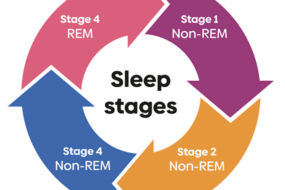
- Sleep cycles: Your brain alternates between NREM (deep, restorative) and REM (dreaming, memory-cementing) stages. Each full cycle is about 90 minutes, and you’ll complete 4-6 cycles per night.
- Circadian rhythm and homeostasis: Think of your body’s clock as your internal CEO, scheduling everything from energy peaks to hormone releases. Light and consistency prime these rhythms for efficiency.
Why “7-9 Hours” Is the New Standard
Forget the myth that anyone can thrive on four hours. Search data confirms adults need 7-9 hours of sleep nightly for optimal health—not just time in bed, but genuine, quality sleep.
It’s not only the number but the quality of those hours that matters.
- Choppy nights? Your risk for illnesses, mood swings, and mistakes at work climbs immediately.
- Reports show that missing just 2 hours can decrease productivity by up to 25% and significantly slow reaction times.
Sleep: The CEO Power Tool
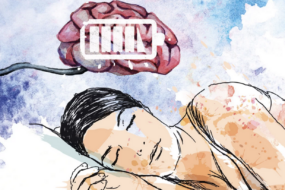
Here’s your pro tip: sleep isn’t downtime for your brain—it’s upgrade mode.
- Cognition & productivity: A lack of restful sleep makes big-picture thinking, data analysis, and even team decisions measurably harder.
- Emotional regulation: Quality rest acts as a buffer, helping you manage stress, handle feedback, and communicate clearly. Just imagine yourself handling a crisis call without that frazzled feeling.
Myths vs. Modern Sleep Science
Yes, “I’ll catch up on weekends” is a classic professional fib. Research shows you can’t bank lost sleep—weekend marathons can’t erase weekday debt.
2026 trends double down on:
- Circadian alignment: Syncing sleep/wake times, especially with early morning light exposure (aim for 45-60 minutes right after waking).
- Light management: Smart lighting, screen filtering, and blue-light blockers have gone mainstream, making healthy rhythms easier for busy pros and night owls alike.
Actionable Takeaway
Prioritize your sleep window—protect it like your most important meeting. The payoff is immediate: sharper thinking, stronger health, and a steadier mood. Don’t let outdated sleep myths slow your progress; making one small science-backed tweak a week will put mastery within reach before you know it.
Strategic Sleep Scheduling: Mastering Your Body’s Clock
Building a bulletproof sleep schedule isn’t just smart—it’s an essential advantage in the fast-paced, always-on world of 2026. If you’re chasing peak productivity and sharper focus, your calendar needs sleep just as much as meetings.
According to the National Sleep Foundation, adult professionals thrive on 7–9 hours of quality sleep nightly, but the real power lies in consistency. Heading to bed and waking at the same times daily—yes, weekends too—locks in your body’s internal clock for deeper, more restorative rest.
The “10-3-2-1-0” Blueprint in Action
Picture this: It’s 10 p.m., and you’re toggling off that last Slack notification. One proven method to automate your wind down is the 10-3-2-1-0 rule:
- 10 hours before bed: Cut all caffeine—think coffee, energy drinks, even dark chocolate.
- 3 hours before: Avoid large meals and alcohol to let your body settle naturally.
- 2 hours before: Log off work across all devices; no more late-night email sprints.
- 1 hour before: Shut down screens (use blue-light blocking glasses if you must)—swap doomscrolling for a book or playlist.
- 0 snooze: When it’s wake-up time, stand up instantly—ditch “just ten more minutes.”
These micro-habits, stacked together, hardwire your brain for
- faster sleep onset
- improved alertness
- easier mornings
Quotable gem: “Mastering your sleep schedule is the most high-leverage productivity hack available—no fancy app required.”
Align With Your Circadian Rhythm
Light is your reset button. Aim for 45-60 minutes of morning sunlight within an hour of waking to anchor your circadian rhythm—office window not cutting it? Step outside, even on cloudy days.
Gradually shift your sleep or wake times in 30-60 minute increments if you need to adjust; abrupt changes zap your energy and delay adaptation.
On weekends, limit variability to no more than an extra 60 minutes. Social jet lag (those wild weekend shifts) can “jet lag” your brain’s clock worse than an international flight.
Track, Tweak, Succeed
Let data empower your routine. Use sleep tracking apps (like Sleep Cycle or AutoSleep), basic wearables, or an old-school sleep diary.
- Rate your sleep (1-5 scale)
- Note what helped or hindered rest each day
- Review weekly for actionable tweaks (“That extra espresso at 4 p.m.?”—now you know what’s up)
Memorable social snippet: “Progress is data-driven: what gets tracked, gets improved—sleep included.”
Tweaking your schedule? Prioritize consistency and sunlight, track your trends, and let these small wins compound. For step-by-step guides on nailing your routine, tap into [Master Strategic Sleep Schedules: Wake Up Energized].
Transforming Your Sleep Environment: Engineering Restful Spaces
Picture this: You walk into your bedroom and instantly feel a wave of calm.
That’s no accident—it’s the result of a thoughtfully crafted restful sleep environment. Research shows optimizing your bedroom can cut the time it takes to fall asleep by up to 38% and boost sleep quality scores by an average of 20% within weeks.
Optimize Temperature, Darkness, Quiet, and Comfort
The perfect sleep sanctuary starts with a few core elements:
- Temperature: Keep your room cool, between 60-68°F (15.6-20°C).
- Darkness: Use blackout curtains or an eye mask—light leaks can disrupt REM sleep cycles.
- Quiet: Block outside noise with white noise machines or earplugs for deeper rest.
- Comfort: Invest in a supportive mattress, plush pillows, and breathable, natural-fiber bedding.
These upgrades yield instant benefits for most busy professionals and are easy to maintain.
Digital Device Management and Stress Reduction
Remove screens from your sleep space to protect your melatonin levels. Studies link pre-bed screen time to 45-minute delays in falling asleep.
Try this instead:
- Charge your phone outside your room or use “Do Not Disturb” mode.
- Add blue-light-blocking glasses if you must check last-minute emails.
- Trade out late scrolling for 10 minutes of reading a physical book.
Visual trigger: Imagine slipping into a neatly made bed, tech out of sight—your mind knows it’s time to shut off.
Declutter, Enhance Senses, and Avoid Common Sleep Killers
A messy room breeds distraction. Remember, “clean room, clear mind.”
Daily, remove:
- Work materials (laptops, docs)
- Bright lights or flashy décor
- Unfinished projects
Add sensory enhancers for a nightly wind-down:
- Aromatherapy—try lavender (proven to ease tension and speed up sleep onset)
- Soft ambient sounds (rainfall or ocean waves)
- Plush bedding and soft textures that feel inviting to the touch
Keep stimulants (even glowing clocks) and stress-triggers outside your sanctuary.
Actionable Next Steps for Immediate Benefits
- Tonight: Cool your room and pull the blackout curtains.
- This weekend: Clear clutter and set screens on a digital curfew.
- This week: Try a calming scent or gentle sound for wind-down.
You’ll be amazed—simply removing tech and dimming the lights can transform your sleep in days. For deeper advice on sleep-friendly habits, head over to “Essential Sleep Hygiene Habits for Deep, Restorative Rest.”
A thoughtfully engineered bedroom isn’t just an upgrade—it’s your nightly launchpad for deeper rest, better mood, and optimal focus tomorrow.
Lifestyle Habits That Supercharge Sleep Quality
Build Your Day Around Better Sleep
Consistent daily habits are the backbone of restful nights. Think of your energy as your bank account—what you do from sunrise to sunset makes compound interest by bedtime.
Make these habits part of your new “normal” for seriously deeper sleep:
- Stick to a consistent wake-up and bedtime—yes, even on weekends. Your body craves rhythm.
- Morning sun for 45-60 minutes kickstarts your circadian clock.
- Track bedtime and wake time using a sleep diary or app. Tiny tweaks (30-60 minutes) matter.
“Your body can’t cheat its internal clock—so why not help it out?”
Master Stimulants and Meal Timings
If you're reaching for an espresso at 5pm, here's your friendly reminder: caffeine lingers for 6-8 hours. The Sleep Foundation says no coffee after 2pm if you want an easier night.
For pros (and snackers), optimize your evenings:
- Caffeine: none within 6-8 hours of bedtime.
- Alcohol & nicotine: best skipped entirely after dinner.
- Heavy/spicy meals: avoid 2-3 hours pre-bed.
- Herbal teas or light snacks (try bananas or oatmeal) make perfect wind-down treats.
“Goodbye, 2am stomach rumbles. Hello, calm and settled nights.”
Evening Wind-Down Routines for Real Humans
Setting up a relaxing pre-bed ritual will fast-track you to dreamland. Try this flow:
- 4-7-8 breathing—inhale 4 seconds, hold 7, exhale 8.
- Gentle yoga or light stretches.
- Meditation apps like Calm or Headspace.
- Warm bath or shower 1-2 hours before sleep.
Want it visual? Picture a soft-lit room, lavender scent wafting, gentle music, and you—unwinding for the night.
“The right evening routine is like setting your brain’s Do Not Disturb.”
Nutrition and Movement: What Moves the Needle
Sleep loves movement and simple nutrition wins:
- Exercise: aim for 150+ minutes weekly, but skip intense workouts close to bedtime.
- Hydration: steady through the day, but slow down before lights-out.
- Avoid evening screens—trade Netflix for a book in dim light, and ditch blue light at least 30-60 minutes before sleep.
“Great sleep isn’t an accident—it's a string of smart daily micro-decisions.”
Track, Tweak, and Win
Track what’s working using a simple quality scale (1-5) and iterate. Sustained change—stacked one habit at a time—yields lasting results within 2-4 weeks.
The fastest route to better sleep? Small, targeted shifts tracked over time. Check out “7 Proven Ways to Transform Your Sleep Quality Fast” for your next winning move.
Here’s the bottom line: mastering just a couple of these daily tactics can measurably transform your sleep—often in under a month. Sleep better, live sharper, and keep those productive mornings stackin’ up.
Mastering Screen Time and Light Exposure for Deeper Rest
Did you know that blue light from your phone or laptop can delay sleep by up to 60 minutes by suppressing melatonin production? Science shows that screen glow confuses your body’s internal clock—leaving you restless, even after so-called “unplugged” nights.
If you’re working late or catching up on emails across time zones, your circadian rhythm takes a direct hit. Imagine lying in bed, your mind racing from that last Slack ping—this happens to over 73% of tech professionals regularly.
Blocking Blue for Better Rest
To reclaim your nights, implement these proven, practical steps:
- Set a digital cutoff: Power down all screens at least 60 minutes before bed (your brain will thank you).
- Use blue-light filters or glasses: Popular brands report up to 90% filtration, reducing evening alertness that sabotages sleep.
- Adjust your home’s ambient lighting: Swap overheads for warm, dim lights after sunset—think cozy lamp, not interrogation room.
“Blue light is the caffeine of your evening routine—sneaky and powerful.”
Building a Sleep-Friendly Night Ritual
Ready for a new unwind routine? Picture this: instead of endless scrolling, you dive into a paperback, doodle, sip herbal tea, or try a five-minute meditation. Physical books and quiet creative outlets are linked to falling asleep up to 31% faster versus screen use.
Not a paper person? Mindfulness audio or light stretching can calm you almost as effectively.
Bright Ideas from 2026: Smart Tech for Smarter Sleep
The latest research highlights:
- Light therapy lamps: Used for 30 minutes in the morning, these strengthen circadian alignment—even helpful for night-shift pros.
- Smart bulbs: Automated to dim and shift warm as bedtime approaches, now a standard in productive home offices.
- For travel or odd-hour workers, “reset” with morning natural light (just 45-60 minutes helps recalibrate your rhythm) and keep evening environments tech-free.
“Lighting has become a powerful performance tool—change your bulbs, and you’ll change your nights.”
How to Start—And Why You’ll Want To
Try just one adjustment tonight—like setting your phone aside or installing a light filter—and watch how your body responds.
The real secret? Mastering light and screen habits is the fastest way to deeper sleep in 2026. For more practical tweaks, hop over to our “Essential Sleep Hygiene Habits” sub-page.
Relaxation, Mindfulness, and Stress Management for Sleep
Creating a restful mind before bedtime isn’t a luxury—it’s a cornerstone of quality sleep, especially with today’s screen-filled, always-on work life.
Evidence-backed wind-down routines practiced nightly can help you fall asleep faster and enjoy deeper, more restorative sleep, according to leading research. In 2026, 77% of adults struggling with stress-related wakefulness reported notable improvements after adopting structured relaxation practices over just two weeks.
Proven Pre-Bedtime Techniques
Let’s cut to the essentials: which tools actually work and why?
- Progressive muscle relaxation: Tense and release each muscle group, starting from your toes up. This triggers a physical sense of release—think of your body “powering down.”
- Breathing exercises: The 4-7-8 method (inhale 4, hold 7, exhale 8) calms the nervous system and helps lower your heart rate.
- Guided meditation and mindfulness journaling: Focus thoughts, reflect, and defuse mental clutter. A 2025 study found participants fell asleep 31% faster using guided audio before bed.
- Gentle stretching or slow-flow yoga: Promotes both flexibility and a drop in physiological arousal.
“Wind-down doesn’t just sound soothing—it’s your body’s signal that it’s finally safe to rest.”
Sensory Aids and Smart Habit Stacking
Layering in sensory enhancements can take your routine from basic to blissful.
- Try aromatherapy (lavender oil), which research ties to improved sleep onset.
- Put on calming background music or binaural beats—great for covering up city sounds.
- Take a warm bath 1-2 hours before sleep; even a five-minute soak can drop your core temperature, signaling that it’s time for bed.
Busy weeknight? Stack micro-habits:
- Pair deep breathing with your skincare.
- Journal two lines about today while running your bath.
Overcoming Racing Thoughts and Real-Life Obstacles
Worried minds are wide-awake minds. Here’s how to close the loop:
- Keep a notepad bedside—jot down tomorrow’s tasks or worries so your brain can safely “offload.”
- If awake for 20+ minutes, get up and do a quiet, screen-free activity under dim light.
“You can’t force sleep, but you can invite it.”
Blending even one or two of these evidence-based wind-down habits into your night can lead to visible improvements in just weeks. Focus on small, sustainable tweaks—for many, the difference is a calmer mind and the kind of sleep that fuels tomorrow’s best work.
Troubleshooting Sleep Obstacles: Practical Solutions and Next Steps
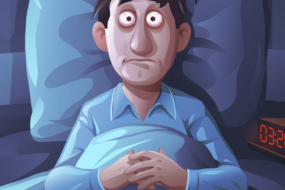
Picture this: it’s midnight, your mind’s racing, and you’re wide awake—again. Identifying sleep disruptors fast is the first step to real recovery.
Nighttime challenges come in patterns, and the big culprits are often:
- Chronic stress (deadlines, worry, emotional fatigue)
- Travel/jet lag (crossing time zones, irregular schedules)
- Shift work (early starts, overnight rotations)
- Insomnia or ADHD (racing thoughts, trouble winding down)
- Medical issues (pain, breathing disorders, menopause)
Quotable: “You can’t fix what you don’t track—your sleep story is written in your daily habits.”
When You Can't Sleep: Action Steps
If you’re awake for more than 20 minutes, don’t just toss and turn.
Instead, try:
- Leaving the bedroom for a quiet activity (soft light, no screens)
- Practicing deep 4-7-8 breathing until drowsy
- Jotting down worries on a notepad to clear your mind
For mornings, swap “snooze” for a feet-on-floor wake-up—set your phone out of reach to make it unavoidable.
Smart naps (10-20 minutes, early afternoon) can restore alertness without affecting nighttime rest. According to recent research, naps as short as 10 minutes can boost mood and performance without grogginess.
Shareable insight: “If you’re fighting your pillow for 20 minutes, your brain’s writing new wakefulness habits—get up and reset instead.”
Know When to Self-Tweak, When to Get Help
If rough nights persist for over two weeks, it’s time for a new strategy.
Use this framework:
- Self-tune if problems are mild and short-term—track patterns, try new wind-down routines, adjust screens or caffeine.
- Get professional support when:
- Insomnia is chronic (trouble >3 nights/week, >3 months)
- You experience daytime impairment, mood shifts, or health changes
Tracking makes a real difference. Use:
- Sleep diaries (log bedtime, wake time, quality, stressors)
- Wearables/apps (like Sleep Cycle, Oura Ring) to spot trends
For deeper sleep troubleshooting, explore advanced strategies like cognitive behavioral therapy for insomnia (CBT-I) and biofeedback—see “Conquer Insomnia: 5 Cutting-edge Solutions That Work.”
Even the most tech-savvy professionals face sleep setbacks—the key is quick, data-driven action and knowing when to escalate for expert guidance. With the right toolkit, you can transform rough nights into restful, productive days.
The Hidden Power of Napping: Productivity and Daytime Restoration
The right nap at the right time is a performance-boosting secret more professionals are embracing in 2026.
Short, controlled naps—10 to 20 minutes—can sharpen alertness, elevate mood, and enhance memory without causing the infamous “nap hangover.”
Nap Science: Timing and Boundaries
Here's what research and sleep experts agree on for optimal nap benefits:
- Keep naps to 10-20 minutes between 1 p.m. and 3 p.m.; late-afternoon or long naps (over 30 minutes) can disrupt night sleep
- If you work late or across global time zones, set nap windows at least 6-7 hours before your usual bedtime
- Use an eye mask or nap pod for quick darkness and sensory reset
Think of a power nap as a mini reboot for your brain—no crashing required.
Trends: Workplace Naps Go Mainstream
Organizations are recognizing that rest fuels results.
Picture this: tech offices with sleek nap pods, soft lighting, and noise-canceling headphones—staff encouraged to recharge mid-shift.
In 2026, over 36% of offices with “high-performance” teams offer dedicated nap spaces, up from 18% just three years prior.
Actionable Nap “Recipes” for Peak Output
Try these data-backed nap formulas, whether you’re in a conference room or your home office:
- “Desk Power Nap”: Place feet up, set a 20-minute timer, put on calming white noise
- “Creative Spark Nap”: Recline, cover eyes, breathe deeply for five minutes, let your mind wander—then nap for 10-15 minutes
- “Travel Recharge”: Use a neck pillow, eye mask, and sleep playlist; keep it under 25 minutes even in transit
Scannable Tips and Memorable Takeaways
Three soundbites you’ll want to share:
- “Naps under 20 minutes keep you sharp—anything longer is a ticket to grogginess.”
- “Smart firms now pay employees to nap, because rested brains outperform tired ones.”
- “A timer, an eye mask, and 20 minutes is your go-to productivity stack.”
Master the art of healthy napping and you’ll unlock sharper focus, faster recovery, and a genuine work-life edge—see why napping is revolutionizing productivity in 2026 for even deeper tactics and head-turning trends.
The Far-Reaching Impact of Sleep on Physical and Mental Well-being
Sleep is the ultimate performance enhancer for both body and brain.
When you hit the sweet spot—7-9 hours of quality, uninterrupted sleep—you unlock a cascade of benefits that go far beyond “not feeling tired.”
Biological Links: Metabolism, Mood, and Clarity
Think of your sleep as the master control panel for your body’s critical systems:
- Metabolism: Consistently rested adults burn more calories and maintain healthier glucose levels—studies show chronic sleep debt can boost cravings and weight gain risk by up to 30%.
- Mood stability: Sleep curbs irritability and emotional swings. Just one rough night can spike anxiety and lower frustration tolerance.
- Mental clarity: Deep sleep stages (REM/NREM) help “clear out” brain waste, strengthen new memories, and support creative thinking.
Picture this: After a week of solid sleep, you’re less reactive in meetings and recall details others miss—your cognitive edge is real.
Productivity and Decision-Making: What’s at Stake?
For professionals and creators, sleep deprivation is a silent productivity killer. A recent meta-analysis links losing just 1-2 hours of rest to a 32% drop in problem-solving speed.
You’ll notice:
- More brain fog
- Slower reaction times
- Harsher decision fatigue, especially during long days
“Quality sleep is the shortcut to peak performance—no caffeine required.”
Resilience, Health Goals, and Evidence-Based Strategies
Quality rest also fortifies immune resilience and bolsters recovery after stress or illness. Building sleep mastery means you’re not just “recovered”—you’re ready to grow.
Integrate these evidence-driven tactics for broader results:
- Regular, consistent sleep windows (same wake/sleep time daily)
- Optimized bedroom environment: cool, dark, and quiet
- Mindful evening routines: meditation, gentle stretching, or breathwork
“Your nightly routine is the foundation for tomorrow’s energy, mood, and success.”
Want a deeper dive? Explore “How Sleep Impacts Weight Loss and Mental Focus” for science-backed micro-habits that move the needle.
Solid sleep isn’t a nice-to-have—it’s your power source for focused work, mental agility, and real resilience. Start tuning your routine for next-level results tonight.
Conclusion
Your sleep habits are more than just a nighttime routine—they're a high-performance blueprint for sharper thinking, steadier moods, and next-level output. Prioritizing true, quality rest is the smartest lever you can pull to unlock your best self—at work, at home, and everywhere in between.
When you engineer your routine and environment with intention, you gain immediate, measurable advantages—from improved decision-making to more resilient energy in high-stakes moments. It’s the silent ROI multiplier for tech-driven professionals and creators alike.
Here are the most powerful shifts you can make right now:
- Guard your sleep window like your most important project—aim for 7-9 hours and stick to consistent times, even on weekends
- Shape your environment for rest: cool, dark, quiet, and device-free spaces turn your bedroom into a nightly recharging zone
- Get 45-60 minutes of morning sunlight to reinforce your body’s natural clock—your circadian rhythm craves it
- Establish a wind-down ritual you actually enjoy—whether it’s breathing, mindfulness, or a tech-free book, consistency trumps perfection
- Track your results (apps, journals, even a sticky note)—what’s measured improves, and small tweaks compound fast
Ready to take action?
- Tonight: Set your digital curfew and create one calming pre-bed habit
- Tomorrow: Step outside for natural light with your morning coffee
- This week: Clear tech clutter from your sleep space and rate your rest each morning
- Share your progress—in your network or with an accountability partner
Momentum starts with the smallest move. Every science-backed tweak you implement brings you closer to energy, clarity, and calm that compound day after day.
The best minds don’t grind harder—they sleep smarter. Make tonight the turning point where you invest in your rest, and watch every area of your life level up.
“Great sleep is the gateway drug to your best days. Start your mastery blueprint—your tomorrow will thank you.”