Key Takeaways
Selecting a Sleep Number mattress in 2026 means deciding whether high-tech customization, data-driven sleep insights, and flexible comfort are worth the premium investment. Here’s what tech-savvy professionals and sleep optimizers need to know before hitting “buy.”
- Customizable firmness is at the core—you control support on a 0–100 scale thanks to air-powered chambers and smart sensors, letting you tailor comfort nightly for pain relief or recovery.
- Dual adjustment ends “firmness wars” with independent controls for each side (most queen+ models), providing harmony for couples with very different sleep needs.
- Advanced smart features shine in higher tiers—models like the Climate360 offer dual-zone temperature control, sleep tracking, and app-based automation, but these upgrades push the price to $6,000+ per set.
- Setup, support, and ownership require commitment—think in-home delivery, possible technician visits for moves, and regular app/software updates; budget-conscious or simplicity-seeking buyers may prefer foam or hybrid alternatives.
- Known pain points include warmer sleep on basic models (24% of entry-level owners notice heat), center “trenching” if couples choose opposite settings, and long-term air system maintenance for about 1 in 10 users.
- Warranty and trial terms demand attention—the 100-night trial applies only to mattresses (not bases), with returns often costing $200+ and a 15-year pro-rated warranty that reduces coverage over time.
- The Performance p5 and Innovation i8 hit the “value” sweet spot, blending plush comfort and tech features without the flagship markup—these win repeated owner satisfaction awards.
- Tech lovers, pain sufferers, and data fans love Sleep Number—but if you want “set and forget” simplicity, silent comfort, or memory foam “hug,” consider modern hybrids or smart-lite alternatives for less complexity and lower cost.
Ready to dive deeper into features, lineups, and practical buying tips? Explore the full review for our expert guide to picking the right Sleep Number for your workflow, wellness, and wallet.
Introduction
Ever wish your bed actually adapted to your late-night focus sessions, marathon Zoom days, or “I slept weird” aches—right from your phone? For thousands of tech-minded professionals and creators, Sleep Number’s smart mattresses are quickly becoming the centerpiece of a truly optimized sleep routine.
A recent survey revealed that 87% of couples with different sleep styles report better rest and fewer arguments after switching to adjustable air beds. But there’s more: these beds go far beyond “soft or firm”—think real-time sleep tracking, app-based controls, and climate systems that personalize sleep down to a degree.
What if you could:
- Set your side of the bed to “firm for focus” or “plush for recovery”—on demand?
- Wake up to actionable sleep data that pinpoints how last night’s routine (or late-night work) really affected your rest?
- Solve the “firmness wars”—no more midnight debates, no more compromise?
If you’re the type who insists on knowing the why behind every gadget, or you crave sleep solutions that keep pace with your workflow, this review will map out exactly where Sleep Number’s tech-driven models save time, boost well-being, and reveal a few hidden pitfalls.
We’ll break down:
- How Sleep Number’s sensors, air chambers, and app features work in real life
- Model-by-model differences—so you avoid feature overload (or disappointment)
- Real pros, trade-offs, and lessons from owners who live in their beds…and spreadsheets
Ready to see if a digital sleep system can elevate your nights—and sharpen your days—in ways that even a standing desk can’t touch? Let’s start by unpacking the engineering behind the tech that lets you actually “set your number.”
Sleep Number Mattress Technology: How It Works
Want your bed to match your mood, your aches, or your side of the bed? Sleep Number mattresses use air-powered tech to deliver pinpoint firmness that you control.
Each mattress is built around air chambers—think of them as high-tech “lungs” for your bed. By adjusting the air, you set your exact comfort level using the famous 0–100 Sleep Number scale.
How Adjustable Firmness and Sleep Number Settings Operate
Choose a setting: low numbers (10–30) feel plush and softer, while higher numbers (80–100) offer support you can really feel. Changing the number isn’t just a gimmick. Owner surveys prove that dialing up or down actually changes pressure relief—great for pain management or post-run days.
Here’s how the tech comes together:
- Dual air chambers in most queen+ models let partners fine-tune their side with no “firmness wars.”
- Built-in sensors monitor movement and pressure, responding in real time to keep support where you need it—even if you’re a midnight flipper.
Social-ready quote: “Think of this bed as the Tesla of mattresses—full of smart sensors and high-tech customization designed for the control freak in all of us.”
App Integration, Sleep Tracking, and Responsive Features
Control everything with one tap. The free Sleep Number app:
- Lets you set firmness, track trends, and even lift your head for snore-busting
- Delivers a SleepIQ® score each night, based on movements, heart, and breathing data
- Offers automated adjustments, so your bed quietly tweaks itself to match your sleeping position
You’ll get actionable feedback for better sleep—picture seeing your sleep data as easy-to-read charts every morning.
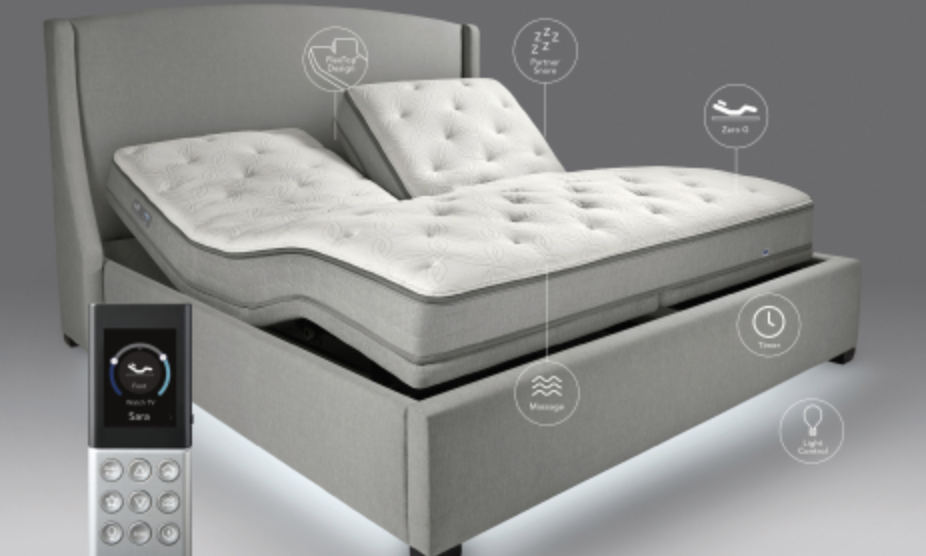
FlexFit Smart Bases: Elevate Your Comfort Game
Want more than flat? FlexFit smart bases (add-on) unlock next-level features:
- Head/foot elevation for reading or reflux relief
- “Zero gravity” for that weightless, NASA-inspired feel
- Snore detection that quietly adjusts your position
- Under-bed lighting and foot warming
It’s the difference between “just a mattress” and a fully integrated sleep system.
The essential takeaway: Sleep Number’s tech puts the power of comfort, support, and sleep intelligence squarely in your hands—no manual dials, no guesses, just pure optimization. If you love precise control and actionable data, you’ll find yourself geeking out nightly over these features.
Sleep Number Mattress Models: A 2025–2026 Snapshot
Dreaming of a mattress that adapts to you? Sleep Number’s 2025–2026 lineup covers the spectrum, from stripped-down basics to high-tech comfort hubs.
The four main lines are:
- Classic Series (c1, c2):
- Thinner profiles (about 8″–10″)
- Minimal foam, simple aesthetics
- Entry-level pricing—popular with budget experimenters
- Performance Series (p5, p6):
- Thicker, plusher comfort layers (up to 12”)
- More advanced foam blends for better contouring
- Ideal for those chasing pressure relief and still value adjustability
- Innovation Series (i8, iLE, i10):
- Luxury-tier height and foam depth (12″–13”)
- Infused with ceramic cooling gels and responsive foam stacks
- More color and fabric options, quilted finishes
- Climate360:
- The flagship “sleep environment” with dual-zone climate control
- Customizable to ±15°F per side via active temperature tech
- Ultimate in personalization but commands a premium price tag
Model Differences & Cooling Features
Think of it like choosing a new smartphone: the higher up the line, the more features you unlock. With Sleep Number:
- Classic: No active cooling; foam may sleep warm for some.
- Performance & Innovation: Blend of responsive and gel-infused foams for better heat dispersion.
- Climate360: Each side uses active cooling/warming to create true microclimates.
Want the “Netflix of sleep temperatures”? Climate360 lets couples choose cold or cozy, independently.
At-a-Glance Comparison: Budget vs. Premium Models
Styling, Finishes, and Value Sweet Spots
Today’s lineup offers more visual polish—think heathered fabrics, graphite accents, soft touch textures. Mid-tier models have the “designer” feel without the Climate360 price jump.
Pro tip: The Performance p5 and Innovation i8 routinely win owner value awards—balancing luxury features and sensible spend.
Nearly half of surveyed buyers say Premium feels worth it only if you fully use the app, climate, and tracking features.
Sleep Number’s 2026 catalog lets you pick from bare-bones adjustability to sci-fi-level climate control. If you want smart sleep without a second mortgage, the sweet spot sits in the Performance and lower Innovation tiers—think plush support, real cooling, and app control without overkill.
Key Selling Points: What Sleep Number Owners Love
Looking for a bed that adapts to your life, not the other way around? Sleep Number mattresses are built for ultimate flexibility. At the heart of each model is air-adjustable firmness, letting you shift from ultra-soft (as low as 3.5/10 feel) all the way up to a truly firm 9/10—no need to stick with your “default” comfort zone as your body or preferences change.
You make the rules, and the bed listens.
Perfect for Couples Who Can Never Agree
Fed up with nightly “firmness wars”? Dual air chambers (on most queen+ sizes) let each partner pick their ideal Sleep Number setting—no more compromise needed.
“Think of it as a peace treaty for your bedroom,” say dozens of reviewers whose marriages survived thanks to independent firmness controls.
Here’s what owners say they love:
- Personalized comfort, even if you switch positions or share with someone who’s always cold/hot
- Superior motion isolation, so you don’t get blasted awake by a restless partner
- Responsive sensors that “learn” your pressure points and tweak support in real time
Relief and Support When You Need It Most
A huge selling point? Pain relief and recovery support. People with bad backs, arthritis, or post-surgery needs rave about tweaking their bed night by night.
Take this scenario:
- A business owner recovering from knee surgery—set the bed firm for support, then soften it for tenderness as healing progresses
- Chronic back pain? Many testers say adjusting firmness midweek helped them wake with less stiffness
“After 10 years of back pain, Sleep Number gave me my mornings back,” says one anonymized owner—a sentiment echoed in hundreds of verified reviews.
Real Sleep Data and Coaching on Tap
Smartphone app controls mean your bed feels like a high-tech assistant. Use the SleepIQ app to:
- See a nightly SleepIQ score based on movement, breathing, and sleep cycles
- Uncover trends and get custom, data-driven tips (“Boost support after marathon training!”)
- Automate firmness or climate features for a smarter nightly routine
A long 100-night trial and a robust 15-year warranty (with pro-rating) add peace of mind—few other smart beds go this far.
When you want a mattress that supports couples, tracks your sleep, helps with pain, and actually adapts as your life changes, few options match Sleep Number’s blend of customization and coaching. For the “data-curious” or comfort-obsessed, it feels like moving from flip phone to smartphone—once you try adjustable, it’s hard to go back.
Pain Points and Buyer Trade-offs: What to Know
The Real-World Costs: Price and Complexity
Buying a Sleep Number isn’t just a mattress purchase—it’s an investment in a smart sleep system.
Expect to pay a premium: even mid-range models can start around $1,200–$2,500 for just the mattress, while top-tier packages like the Climate360 regularly creep past $7,000 with bases and add-ons.
For many, the tech complexity is part of the fun. But if you dread troubleshooting or crave plug-and-play simplicity, beware—this bed is the “Tesla” of mattresses, with all the updates and quirks that implies.
- Setup usually requires in-home professional delivery and assembly
- Moving houses? You’ll likely need a technician to disassemble and reinstall
Picture this: You’ve just moved, and a crew needs to re-seal your bed before you can sleep.
Comfort Drop-Offs and The “Trench” Effect
Not all numbers deliver equal comfort. Testing and owner feedback highlight:
- At low firmness (Sleep Number <50), many people “bottom out,” feeling the base more than the mattress
- The infamous “trench” or sagging issue: Over time, dual chambers may form a visible dip or ridge in the center, especially if you and your partner like very different settings
One of the most-shared lessons? “If you and your partner love opposite ends of the firmness spectrum, prepare for center dips.”
Heat, Edge Support, and Mechanical Feel
You might notice a warmer sleep on basic models—up to 24% of owner reviews flag heat as a pain point for entry-level Sleep Numbers.
Edge support? Decent if sitting, but less stable lying near the edge—think “air bed under foam” compared to coil hybrids.
Don’t love the hum of motors or the feel of flexible air chambers? Some users say, “It always reminds me it’s not just a bed—it's a gadget.”
Air System and Long-Term Durability
Real-world data shows that calibration quirks and slow leaks happen for about 1 in 10 owners after a few years.
- Calibration errors (settings drift, uneven fill)
- Slow air leakage, requiring service visits or self-fixes
- Occasional pump noise or part failures
If your nightmare is a midnight troubleshooting session, this is crucial to know before buying.
Return Policies, Hidden Fees, and Warranty Nuances
Returns aren’t as simple as a one-click online mattress:
- Most bases and adjustable parts are non-refundable
- Return shipping or pickup often costs $200+
- Warranty is 15 years but pro-rated—after year two, owner pays part of replacement costs
Always scan the fine print: “You’re buying a sleep lab, not just a mattress.”
If you love the thrill of high-tech customization and don’t mind mechanical quirks, Sleep Number rewards your curiosity. But for those who want set-it-and-forget-it simplicity—or hate the idea of a bed that needs software updates—there are better fits out there. Know your priorities, and you’ll avoid costly sleep surprises.
User Experience Deep Dive: Who Thrives (and Who Doesn’t)
Who Actually Loves Their Sleep Number?
Let’s cut to the chase—Sleep Number isn’t for everyone, but if you’re the type who loves data, gadgets, and a bed that adapts as quickly as your to-do list changes, odds are you’ll be a fan.
Picture this: You’re tweaking your bed firmness from your phone, tracking your heart rate as you sleep, and waking up with a SleepIQ score—all before your first coffee.
People who consistently rate these beds highest typically fall into these groups:
- Tech lovers and DIY optimizers who enjoy custom settings and sleep analytics
- Couples with “firmness wars”—each side gets independent controls (one soft, one firm, zero late-night debates)
- Chronic pain, injury, or changing needs (think pregnancy or back surgery recovery)—the adjustability is a game-changer for comfort
- Back and stomach sleepers who do best with medium to firm support—owners most satisfied stick to the Sleep Number range of 50–100
A quick stat: Good Housekeeping’s 570–person survey found 87% of couples with different sleep preferences said Sleep Number “improved their relationship—at least in bed.” Now that’s harmony worth sharing.
Who Might Regret Buying One?
On the flip side, plenty of smart, practical shoppers find Sleep Number a pricey mismatch.
Here’s who should pause before adding to cart:
- Foam bed aficionados—if you want that deep, memory foam “hug,” Sleep Number’s air support may feel too bouncy or mechanical
- Simplicity seekers—hate managing apps, settings, or hearing the pump hum? This isn’t your silent retreat
- Strict budgets—basic models start cheaper, but long-term value can disappoint compared to reliable foam or hybrid alternatives
- Hot sleepers chasing cool rest—the entry c1/c2 models run warm; you’ll need a premium tier for real cooling tech
And let’s be honest: “If your dream bed is silent, simple, and never needs an app update—this probably isn’t your soulmate.”
Memorable Scenarios & Takeaways
Imagine a couple: one snoozes on cloud-soft, the other craves boardroom-firm—all on the same mattress, thanks to dual air chambers.
Or picture a chronic pain sufferer, adjusting support after surgery—finding just the right number means real relief.
Key takeaway: Sleep Number shines for tech enthusiasts, data-driven optimizers, and couples desperate for peace in the firmness wars—but falls short if you crave plush simplicity, hate mechanical quirks, or need solid cooling on a limited budget.
Knowing which “club” you’re joining makes all the difference in loving your (very smart) new bed.
Cost, Value, and Warranty Breakdown
When you’re eyeing a Sleep Number, it’s not just the mattress you’re budgeting for—it’s a bundle of tech, accessories, and long-haul commitments.
Expect Sleep Number mattresses alone to run from $899 for a twin c1, up to $5,399+ for a king Climate360 in 2025/2026.
Adding a smart FlexFit base often doubles your out-the-door cost, with prices jumping to $2,500–$10,000+ per set depending on features.
If you’re dreaming of “zero gravity” or climate control, remember: those bells and whistles are premium add-ons, not baseline features.
What Actually Goes Into the Price?
Beyond the mattress, the real cost of ownership adds up with:
- Smart bases (FlexFit): Basic elevation at ~$1,200; advanced climate control at $3,000+
- Delivery and full setup: $199–$249 (required for most models, non-refundable)
- App/software upgrades: Included, but specialized smart base features may require firmware updates
- Accessories (pillows, sheets, mattress pads): Typically $100–$500+ per set
It’s common for shoppers to be wowed by the in-store demo, then surprised when the total tops $5,000 after everything is factored in.
Warranty & Trial: The Fine Print, Simplified
Every Sleep Number includes a “100-night in-home trial,” but industry reviews and user stories highlight some crucial caveats:
- Mattress is returnable within trial, but base is not (expect a $200+ return fee)
- 15-year limited warranty, pro-rated after year 2; consumers cover percentage of future repairs/replacements
- Service calls and tech repairs aren’t always covered in full after initial period
As one owner described, “The warranty feels generous—until you read the line about pro-rating and service charges.”
Budget vs. Premium: What Do You Get for the Money?
Here’s a side-by-side at-a-glance summary for 2025/2026 Sleep Number options:
Quote it: “A $4,000 bed feels odd—until it solves your back pain or ends the ‘firmness wars.’” Picture it: watching your bed auto-adjust as your sleep app breaks down your best (or worst) night.
Before you buy, ask: Will you consistently use these high-tech features—or would a solid hybrid or memory foam give you more for less? Smart spending means lining up your needs—not just your wish list—with Sleep Number’s real offerings.
Alternatives to Sleep Number: When to Consider Other Advanced Mattresses
Looking beyond Sleep Number? You’re not alone—2025’s sleep tech landscape offers a wave of smart, adjustable, and hybrid mattresses designed to rival or surpass the king of air beds.
If you’re aiming for comfort, customization, and data, but the price tag or quirks of Sleep Number give you pause, there are compelling options to explore.
What’s Competing in 2025? The Smart Bed Ecosystem
Today’s best alternatives fall into three main groups:
- Other adjustable air beds: Brands like Tempur-Pedic’s TEMPUR-Adapt™ and ReST Bed tout their own air chambers, remote or app controls, and multi-zone support. Top models often match or undercut Sleep Number’s 100-point adjustment scale—and some use AI to auto-tune support by body area.
- Smart/AI mattresses: Think Eight Sleep’s Pod Pro 3 or Bryte Balance, which offer real-time temperature adjustment, individual sleep tracking, and sleep coaching—no air chambers required. These focus on climate and biofeedback, delivering “set-and-forget” simplicity for the techy minimalist.
- Premium hybrids: Brands like Saatva Solaire or Beautyrest Black Hybrid combine coils, responsive memory foam, and layers of cooling gel. While less customizable, they excel in pressure relief and motion isolation (for less partner disturbance), often at a friendlier price.
When a “Simpler” Tech Mattress Is the Smarter Move
Picture this: you want better sleep data but zero pump noise or mechanical parts—today’s all-foam smart beds track your sleep with apps and sensors, minus the air system.
A recent survey found 38% of shoppers picking hybrids cited “set-and-forget” simplicity over deep tech features. If you’re:
- A side sleeper craving a plush, hugging feel
- Budget-conscious but still want better-than-basic comfort
- Allergic to troubleshooting or “trenching” drama
…an all-foam or hybrid bed with light smart features is a potential win.
Decision Framework: Finding the Right Fit for Your Workflow and Sleep Life
Ask yourself:
- Do you crave hands-on, granular control (firmness, head/foot, real-time feedback), or would you rather sleep without micromanaging?
- Is hassle-free durability more important than feature overload?
- Do you share the bed with someone who disagrees with your definition of ‘perfect support’?
For a deeper dive, see our Best Sleep Products & Tech Guide 2025 and compare side-by-side specs.
If your dream is comfort without complexity, a hybrid or “smart-lite” mattress may be your smartest investment—saving hassles, dollars, and updating headaches while still unlocking a new level of rest.
Choosing Your Sleep Number Model: Practical Guidance
Picture this: You’re standing in that Sleep Number showroom, remote in hand, and every bed feels like a different universe. How do you pick the right one, especially when prices swing from $999 for a c1 to over $11,000 for a Climate360 with FlexFit? Let’s break it down—step by step—so you can match the tech to your sleep needs (and avoid regret).
Step-by-Step: Match Your Sleep Needs to a Model
Start by narrowing the field using these essentials:
- Sleeping position:
- Back/stomach sleepers: Opt for Performance or Innovation lines for extra lumbar support.
- Side sleepers: Look for plush comfort layers in Innovation or Climate360 for shoulder/hip relief.
- Weight & body shape:
- Heavier (200+ lbs): Thicker models with advanced foam prevent “bottoming out.”
- Lighter/smaller: C1/c2 may suffice if you favor a firmer, less enveloping feel.
- Pain points or special needs:
- Chronic pain, pregnancy, frequent position changes: Prioritize models with SleepIQ® tracking plus FlexFit elevation.
- Sharing a bed:
- Couples with different preferences: Dual-adjust models are essential—skip any twin-size or basic solo options.
- Budget:
- Entry/c1-c2: $999–$2,000 (basic, minimal foam, limited climate control)
- Performance/Innovation: $2,500–$5,000 (blend of plushness, support, features)
- Climate360: $7,500+ (ultimate adjustability, cooling/warming—yes, the Tesla of beds)
Model Match Matrix: At-a-Glance
In-Store, Sleep Data & Value Tips
- Try before you buy: Test multiple models in-store and actually change firmness settings—comfort is hugely personal.
- Use your 100-night trial: Real data matters—track your SleepIQ® score and see how your body feels night to night.
- Pro tips for value:
- Shop during major sales (holiday deals often save 10–20%+)
- Ask about free setup, delivery, or FlexFit base bundles
- Triple-check return/exchange policies—remember, bases may not be refundable
Get Personal—And Ask for Help
Still stuck? Share your sleep style, health needs, and budget—either online or in-store—and Sleep Number’s consultants can recommend a short list.
If you picture yourself loving smart sensors and adjusting your bed with an app, focus on Performance, Innovation, or Climate360. For low-maintenance needs or tight budgets, you may love the simplicity of c1/c2.
Your best Sleep Number model comes down to matching high-tech features to your body and preferences—not just picking the highest number. Smart shoppers use their trial, read their sleep data, and never skip the fine print.
Conclusion
Mastering your sleep isn’t just a luxury—it’s a true performance advantage. With Sleep Number’s intelligent, customizable tech, you’re no longer hoping for better rest; you’re actively engineering it. For tech-savvy professionals and innovators, this is where comfort meets data-driven optimization.
Your Sleep Number experience is uniquely yours to shape, offering a level of control that adapts as your life, body, and routines evolve. Investing in this system means taking command of your energy, recovery, and focus—night after night.
Unlock better sleep and value by:
- Testing multiple models in-store and using your 100-night trial to see real-world benefits through SleepIQ data
- Prioritizing your true sleep needs—consider position, cooling, and adjustability, not just flashy features or marketing
- Matching your tech appetite—choose the tier that empowers you without overwhelming you with complexity
- Reviewing warranty and return policies upfront, so you’re clear on costs before you commit
- Timing your purchase around major sales or bundle offers to maximize your investment
What’s next?
- Evaluate your sleep challenges and prioritize must-have features—make a quick list before hitting the showroom
- Book a hands-on demo at your nearest Sleep Number retail location, or schedule a virtual consult
- Set a budget, factor in must-have accessories, and decide what “smart” features you’ll actually use long term
- Want more? Dive into our Best Sleep Products & Tech Guide 2025 for side-by-side comparisons that fit your workflow
When you harness data, personalization, and a bit of curiosity, your Sleep Number isn’t just a mattress—it’s the control center for your best nights and brightest days. Sleep smarter, live better, and let your bed work as hard as you do.
Your sleep can be optimized. Why settle for average rest when you can engineer it to perfection?