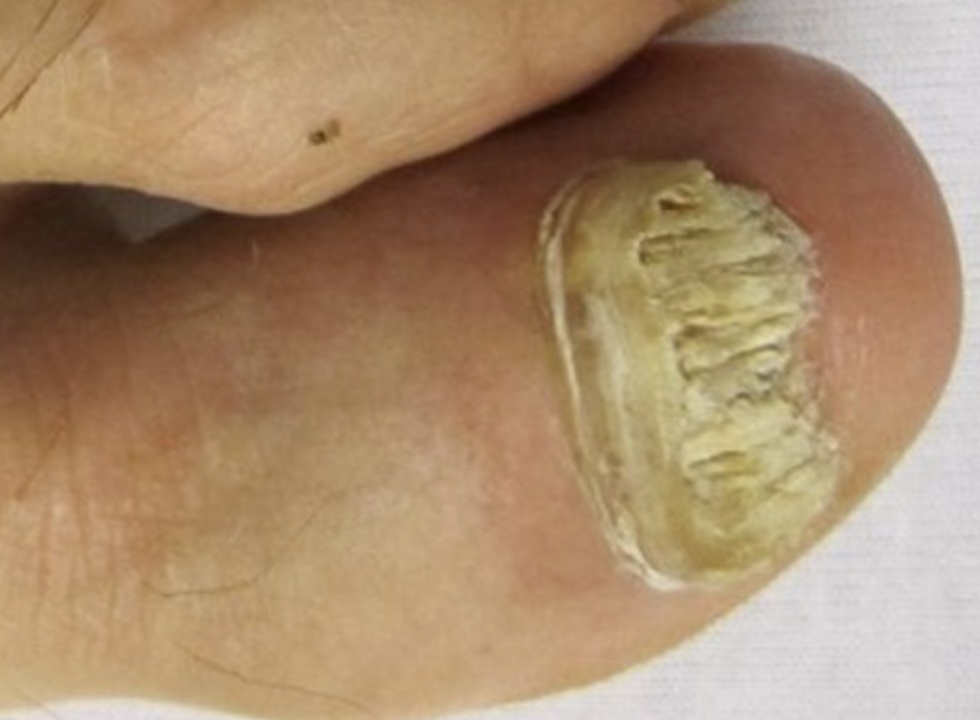
what causes toe fungusPin

Key Takeaways

If you’re wondering what really causes toe fungus—and how you can dodge it—you’re in the right spot. Here are the key risk factors broken down into instantly usable tips, so you can keep your feet healthier (and avoid giving fungus an open invitation).

  • Fungi target weak spots by entering through cracks, cuts, or damaged nail edges, so inspect nails regularly for any tiny injuries.
  • Warm, damp environments breed fungus, making locker rooms, public showers, and sweaty shoes top risk zones for infection.
  • Poor airflow at home encourages growth—keep bathrooms dry and change out soggy mats to reduce the chance of persistent moisture.
  • Non-breathable footwear and socks act as incubators for fungi, so choose ventilated shoes and quick-drying materials, especially after workouts.
  • Barefoot exposure in communal spaces dramatically increases risk; always wear flip-flops or shower shoes in shared environments.
  • Skipping foot hygiene boosts your odds—thoroughly dry your feet after swimming, bathing, or exercise to block fungal entry.
  • Minor nail or skin injuries can be high-risk—even a tiny cut or hangnail can serve as a gateway for infection, so treat small wounds promptly.

Keeping a step ahead of toe fungus is easier than you think—dive into the full article for deeper strategies and start protecting your feet today!

Introduction

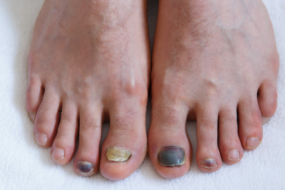
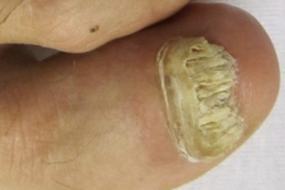
Picture this: you slip off your shoes after a long day, only to spot a yellowish patch creeping across a toenail. Annoying? Definitely. Uncommon? Not at all—one in ten people wrestle with toe fungus during their lives.

Ever wondered how something as simple as a gym shower or a favorite pair of sneakers could secretly raise your risk? Toe fungus isn’t just about personal hygiene or bad luck; it’s the result of a perfect storm of small, everyday habits—most of which sneak right under our radar.

If you’re hustling through meetings, squeezing in gym sessions, or working from hotspots all day, your feet are working overtime too. That means you’re exposed to hidden risk factors that most people overlook:

  • Swapping shoes after a rainstorm—or just leaving them damp in your gym bag
  • Forgetting to let your feet dry after a sweaty commute
  • Going barefoot in a hotel or shared workspace bathroom

Miss just one of these extra steps, and you’re opening the door to an issue that’s tougher to ditch than yesterday’s to-do list.

Here’s what you’ll get from this guide: crystal-clear explanations of how toe fungus actually starts, the key risk factors you can control (and a few you might not expect), plus practical, tech-friendly ways to reduce your risk right away.

Think of this as your shortcut to smarter self-care—so you can spend less time worrying about what’s lurking on the tile floor, and more time moving confidently through your day.

Ready to uncover the science (and a few surprises) behind toe fungus? Let’s step into what really causes the problem—starting with the microscopic invaders that target your toes.

Understanding the Root Causes of Toe Fungus

Toe fungus isn’t just a nuisance—it’s a microscopic invasion. Fungi like dermatophytes, yeasts, and molds see your toenails as prime real estate, thriving on keratin, the protein that nails are made of.

Picture this: cracks, tiny cuts, or weakened nail edges are like an open window for these unwanted houseguests. Once inside, the fungi multiply, taking advantage of any environment that’s warm and damp.

How Infection Happens

It’s easier than you’d expect for fungi to break in. Here’s how:

  • Entry points: Cracks, splits, or minor injuries to the nail or skin
  • Compromised barriers: Damaged cuticles, ingrown nails, or previous trauma

“Think of toe fungus as an opportunist—any breach in your nail’s defenses is an invitation.”

Environmental Conditions Behind Toe Fungus

Toe fungus thrives in places where moisture lingers.

  • Public hotspots: Locker rooms, pool decks, public showers, gym floors
  • Home risks: Bathrooms with poor airflow, damp tiles, soggy bathmats

You’re much more likely to encounter toe fungus if you spend time in humid climates, but even a sweaty shoe can mimic tropical conditions.

Real-World Risk Triggers

A few everyday scenarios that put you at higher risk:

  • Heading barefoot into shared showers or changing rooms
  • Letting your feet stew in tight, non-breathable shoes or sweaty socks
  • Skipping air-drying after workouts or swimming

“Walking around a gym locker room without shoes is like broadcasting a VIP invitation to every nearby fungus.”

What This Means for You

Any breach in your nail’s defenses—a tiny cut, a sweaty sock, or a steamy bathroom—can let fungi settle in. If you’re regularly exposed to warm, moist environments or have minor nail damage, your risk climbs fast.

Remember: “Toe fungus is opportunistic—lower your risk by keeping feet clean, dry, and protected in communal spaces.” Spotting and eliminating these risk factors early is your best defense.

Conclusion

Dodging toe fungus isn’t just about luck—it’s about identifying risk early and owning your prevention game. Protecting your feet means understanding where you’re most vulnerable and acting before tiny nuisances become persistent problems.

A few practical shifts can turn you from prime target to fungus-proof:

  • Keep feet dry: Always air out your shoes and socks after sweaty activities
  • Guard your toes: Use flip-flops in gyms, public pools, and showers
  • Stay vigilant: Inspect your feet and nails regularly for any subtle changes
  • Protect from injuries: Trim nails straight, care for cuticles, and avoid trauma
  • Choose breathable gear: Opt for socks and shoes that let your feet breathe

Ready to level up your foot health? Try these right now:

  • Swap out damp socks without delay—no excuses after that workout
  • Toss an extra pair of flip-flops in your gym bag or by the bathroom door
  • Give your feet a quick check tonight; small changes now prevent headaches later

Don’t leave it to chance. Your next confident step starts with smart prevention—because you’ve got better things to do than battle a pesky fungus.

Take charge today, and let healthy toes set the tone for every move you make!
Facebook

The Emotional Side of Menopause: Transformative Mindset Shifts https://99wellnesslessons.com/menopause-and-emotions/ Key Takeaways Navigating menopause is as much about mastering your mindset as it is about understanding your biology. If you’re a tech-savvy professional juggling career, family, and brain fog, these standout strategies will help you turn emotional curves into opportunities for resilience and growth—no overwhelm, just actionable insight. Hormonal shifts drive real emotional changes—declining estrogen and fluctuating brain chemistry lead to mood swings, anxiety, and brain fog for up to 4 in 10 women, so recognize these as biological, not shortcomings. Identify your top triggers early—sleep disruptions (impacting 63% of women), work stress, and family changes are the main culprits behind mood swings; spotting these lets you proactively manage them. Adopt a growth mindset for real relief—reframing menopause as a challenge and opportunity (not decline) measurably reduces depression and boosts resilience, per peer-reviewed studies. Practical self-management techniq https://99wellnesslessons.com/menopause-and-emotions/ Menopause #menopause

Sleep Apnea Explained: Risks, Diagnosis, and Treatment https://99wellnesslessons.com/sleep-apnea-explained/ Key Takeaways Understanding sleep apnea doesn’t have to be complicated—you just need the right insights at your fingertips. Here’s what tech-savvy professionals need to know to spot, tackle, and manage sleep apnea like a pro—whether you’re optimizing your health or just trying to make those mornings count. Sleep apnea is an invisible sleep disruptor that causes your airway to repeatedly block or collapse, leading to fragmented rest and serious drops in blood oxygen. Obstructive Sleep Apnea (OSA) dominates the landscape, making up 84% of adult cases, and is most common in men aged 40–70, but can affect anyone—including younger adults and post-menopausal women. Key warning signs include loud snoring, gasping, and crushing daytime fatigue—if you (or your smartwatch) notice persistent tiredness despite enough hours in bed, start asking questions. Untreated sleep apnea dramatically increases risk for high blood pressure, heart attack, stroke (up to 3x https://99wellnesslessons.com/sleep-apnea-explained/ Sleep #sleep

How to Lose Weight During Menopause, PCOS, and Pregnancy https://99wellnesslessons.com/how-to-lose-weight-during-menopause/ Key Takeaways If you're navigating weight changes during menopause, PCOS, or pregnancy, targeted, tech-savvy strategies can help you work with your hormones—not against them. Here are the most actionable, evidence-backed insights from the guide, designed for busy professionals who want fast, effective results. Hormonal changes demand custom solutions: Generic diet advice falls flat in menopause, PCOS, and pregnancy—adopt phase-specific strategies that respect your body’s unique needs. Strength training tops the list for menopause: Swap endless cardio for 2-3 resistance workouts weekly to boost metabolism and protect muscle as estrogen declines. Prioritize protein and low-GI foods for PCOS: 40%+ calories from lean protein and swapping to whole grains and low-GI fruits can double weight loss and improve energy. Pregnancy is about smart gain, not weight loss: Follow trimester-based calorie needs, targeting 25–35 lbs healthy gain total with extra calorie https://99wellnesslessons.com/how-to-lose-weight-during-menopause/ Menopause Weight Loss #menopause #weight #loss

Mindful Eating Practices for Sustainable Weight Loss https://99wellnesslessons.com/mindful-eating-practices/ Key Takeaways Mindful eating isn’t just another wellness trend—it’s a simple, science-backed upgrade to how you connect with food, helping you achieve sustainable weight loss without the usual diet drama. By weaving practical, bite-sized habits into your daily routine, you’ll reduce overeating, make better choices, and enjoy your meals more—no tech expertise required. Mindful eating outperforms diets by encouraging you to tune into real hunger signals instead of sticking to restrictive rules, resulting in long-term, sustainable weight loss and less rebound. Pause and check your hunger using the 0–10 scale before each meal or snack—this single habit helps you cut mindless eating and regain control, leading to 20% fewer calories consumed per meal. Eliminate screens and multitasking at meals to dramatically boost your awareness—studies show that distracted eating increases calorie intake by up to 30%, so focus fully on your food. Slow down and savor your me https://99wellnesslessons.com/mindful-eating-practices/ Weight Loss #weight #loss

Shocking Adult Toilet Stool Transformations: True Stories of Bathroom Upgrades & Health Benefits https://99wellnesslessons.com/shocking-real-stories-adult-toilet-stool-transformations/ Key Takeaways Curious whether a “toilet stool” can actually transform your daily routine? We break down the real user stories, science-backed benefits, and time-saving hacks behind this viral bathroom upgrade. Get ready to scan the key insights that matter for busy, tech-savvy professionals and wellness-minded teams. Adjusting your posture with a toilet stool lets your colon open more naturally, with 90% of users reporting more complete, strain-free bathroom trips in recent studies. Bathroom time drops dramatically—most adults save 3-8 minutes per trip, freeing up extra time for focused work or morning routines. Consistent results and easier digestion lead to less morning stress, predictable schedules, and improved confidence—even before those big virtual presentations. Getting started feels awkward for 2-3 days, but the “aha” moment hits quickly; most users never want to go back after just one week. Skeptics become converts fast—over 80% notice faster, https://99wellnesslessons.com/shocking-real-stories-adult-toilet-stool-transformations/ adult bathroom upgrades adult hygiene improvement adult toilet stool transformation bathroom renovation bathroom transformation experiences real life bathroom changes shocking real stories toilet makeover toilet remodeling ideas Toilet Stools unique toilet designs unusual bathroom stories #adult #bathroom #upgrades #adult #hygiene #improvement #adult #toilet #stool #transformation #bathroom #renovation #bathroom #transformation #experiences #real #life #bathroom #changes #shocking #real #stories #toilet #makeover #toilet #remodeling #ideas #toilet #stools #unique #toilet #designs #unusual #bathroom #stories

Weight Loss Pills, Medications, and Supplements: Complete Guide 2026 https://99wellnesslessons.com/weight-loss-pills/ Key Takeaways Whether you’re considering weight loss pills, prescription medications, or supplements, smart choices now can drive safer, more sustainable results in 2026. Here’s your quick, actionable cheat sheet—distilled from the latest science, real-world outcomes, and expert advice—so you can cut through the hype and make decisions that fit your goals and lifestyle. Prescription weight loss meds deliver proven results—options like tirzepatide (Zepbound) and semaglutide (Wegovy) lead to 15–22.5% average weight loss over 72 weeks, with the strongest results seen alongside lifestyle changes. Not everyone qualifies—safety first: Only those with a BMI ≥30 (or ≥27 with health risks) should consider prescription meds, while people with a history of thyroid cancer, pancreatitis, or pregnancy should steer clear. GLP-1s set the gold standard: Today’s GLP-1 drugs outperform older pills and are backed by solid data for both weight loss and heart protection—bu https://99wellnesslessons.com/weight-loss-pills/ Weight Loss #weight #loss

Enjoyed the post? Please share with friends!