Key Takeaways
If you’re weighing tea tree oil or Vicks VapoRub to tackle stubborn toenail fungus, these practical, research-backed insights will help you set realistic expectations and choose the smartest next steps. Here’s what matters most for fast-acting professionals seeking clear, actionable advice:
- Home remedies offer affordability and accessibility, but full cures are rare—expect only modest improvement from tea tree oil or Vicks, especially on thick or stubborn infections.
- Vicks VapoRub shows slightly better results than tea tree oil alone, with one study reporting 28% of users achieving total nail cure and 56% seeing partial improvement after up to 48 weeks of daily use.
- Medical antifungals remain the gold standard, delivering 70–80% cure rates for moderate to severe cases, but they carry higher costs and possible side effects.
- Success with home treatments requires serious commitment: daily application for 6–12 months and a willingness to accept slow, incremental progress.
- Proper prep boosts effectiveness: Trim, thin, and clean nails before applying treatments to maximize absorption and results.
- Tea tree oil must be diluted below 15% and used with care—apply daily, watch for skin irritation, and never ingest it.
- Vicks VapoRub is generally safe for adults when used as directed, but avoid if you have allergies to its ingredients or open wounds near the infection.
- Track your results and know when to seek medical help: If there’s no progress after 6 months, or if pain, spreading, or other complications arise, see your doctor promptly.
Want to dig deeper or get step-by-step application tips? Check out the full guide for actionable instructions and the science behind what really works.
Introduction
Staring at your toenails, you spot a thick, yellow patch that just won’t budge—sound familiar? You’re not alone: about 1 in 10 adults will battle some form of toenail fungus, and if you’ve Googled solutions, you know how wild the remedies can get.
Scrolling through forums or chatting with friends, you’ll find two DIY legends popping up over and over: tea tree oil and Vicks VapoRub. Price tags under $15 and promises of all-natural magic make them tempting—especially when prescription pills can cost hundreds and take months to work.
But here’s the question tech-savvy problem solvers like you are asking: Do these pharmacy staples actually clear up toenail fungus, or are they just old wives’ tales that haven’t caught up to real evidence?
If you love actionable data, straight talk, and practical routines you can try tonight (without a prescription required), you’re in exactly the right place. In this article, you’ll discover:
- How tea tree oil and Vicks really work (with clinical findings, not hype)
- Where DIY treatments can deliver—and where they fall short
- Step-by-step methods for safe, effective home use
- Clear red flags that signal it’s time to call in a pro
We’ll break down every claim into easy-to-understand steps, cut through the myths, and highlight which treatment may best fit your situation—no guesswork required.
Ready for the lowdown on home remedies versus medical options, plus a smart plan that respects your time and your wallet? Let’s start by demystifying what toenail fungus is, why home remedies are so wildly popular, and how you can set realistic expectations for your results.
Understanding Toenail Fungus and Home Remedies
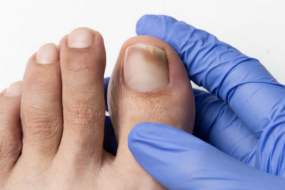
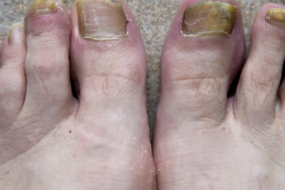
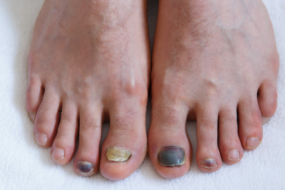
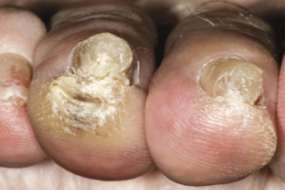
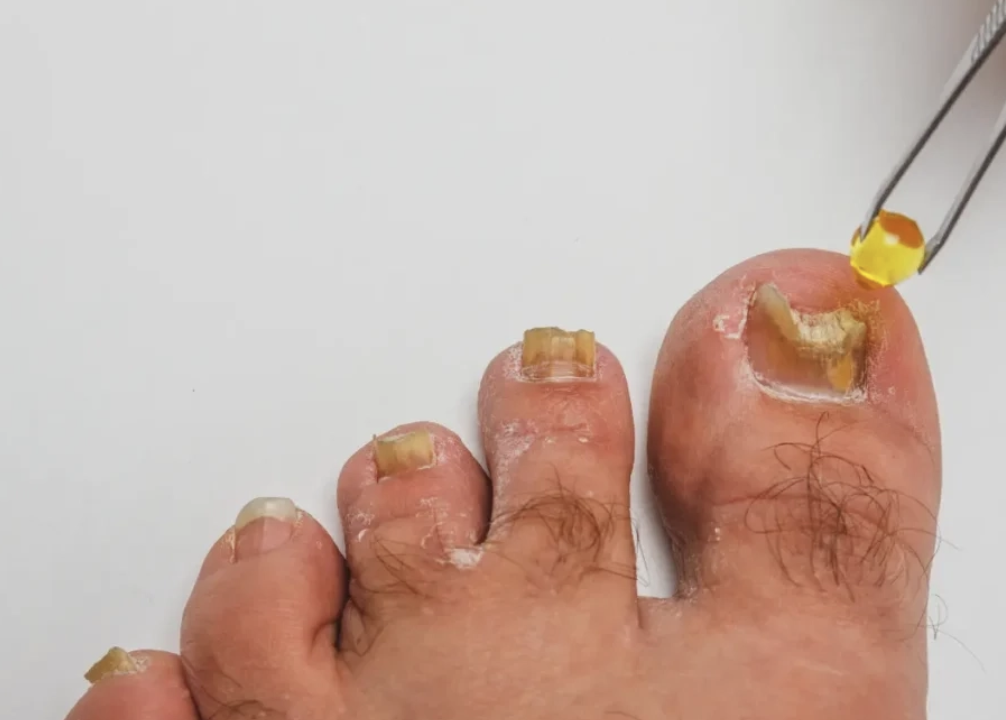
Toenail fungus, known medically as onychomycosis, is an incredibly common annoyance for adults—affecting roughly 10% of people worldwide. You’ll spot it by yellow, thickened, or brittle nails that gradually become misshapen or crumbly.
Fungal infections thrive anywhere that’s warm, damp, or tightly enclosed. Picture this: sweaty socks, gym showers, and tight shoes become the perfect breeding ground.
Key causes and risk factors:
- Walking barefoot in public areas (pools, locker rooms)
- Having sweaty feet or wearing non-breathable footwear
- Poor circulation, diabetes, or a weakened immune system
- Nail trauma or frequent manicures/pedicures
Why Home Remedies Like Tea Tree Oil and Vicks Get So Much Hype
With prescription antifungals sometimes costing hundreds of dollars and requiring three to twelve months of committed use, it’s no wonder people turn to what’s already in the medicine cabinet.
Top reasons home treatments are popular:
- Affordable and easy to find (no doctor visit needed)
- Seem “natural” or less risky than oral medications
- Countless blogs and social media promise quick wins
But here's the reality check: true success with home remedies is rare, especially compared to medical treatments. Most people trying tea tree oil or Vicks should expect only mild improvement—less discoloration or thickness—not total nail transformation.
“Success” with Home Options vs. Medical Treatments
Medical antifungal pills (like terbinafine) can cure up to 70–80% of infections, but come with side effects and require blood tests for some people.
By contrast, home remedies like tea tree oil and Vicks:
- Work slowly, if at all—think months, not weeks
- Offer unpredictable results: one study found just 28% of Vicks users with complete cure after 48 weeks
- Might be reasonable for small, mild infections, but rarely deliver total clearance
Limits and Smart Expectations for Non-Prescription Choices
When you try a home remedy, plan for a long haul—daily applications for up to a year. Nail fungus is stubborn, and topical products struggle to penetrate thick nails.
Risks to consider:
- Skin irritation or allergic reactions
- Wasted time if infections don’t improve
- Possible complications for people with diabetes, poor circulation, or immune problems
“Home remedies can help some people with very mild toenail fungus—but expect slow, modest progress, not instant results.”
For most, the key takeaway is this: if you’re hoping for a low-cost, DIY solution, expect commitment and patience—medical treatments still offer the most predictable path to clear nails.
Tea Tree Oil for Toenail Fungus: Evidence, Effectiveness, and Safety
How Tea Tree Oil Targets Fungus
Tea tree oil is a popular DIY solution for toenail fungus, thanks to its natural antifungal compounds.
Lab studies show it can kill the same fungi behind most nail infections—like Trichophyton rubrum.
But here’s the reality check: what works in a petri dish doesn’t automatically mean a cure on your toes.
Clinical Results: What the Data Really Shows
When tested on real people, tea tree oil’s track record is… mixed.
Consider this:
- A study using a cream with 2% butenafine + 5% tea tree oil reported an impressive 80% cure in 8 weeks.
- The catch? People using tea tree oil alone in the same study didn’t get rid of their fungus.
- Larger reviews agree: “Limited effectiveness” and a need for more high-quality studies is the consensus.
If you’re picturing overnight results, think again—recovery is slow, and total cures are rare with tea tree oil solo.
How to Use Tea Tree Oil Safely
Using tea tree oil is all about balance—enough to work, not so much to irritate.
Best practices include:
- Diluting tea tree oil to below 15% (mix with a carrier oil, like olive or coconut)
- Applying a few drops daily to clean, trimmed nails
- Watching for redness, peeling, or burning—signs you should stop
- Never swallowing tea tree oil—it’s toxic if ingested
Who Should Try (and Who Should Skip) Tea Tree Oil?
Tea tree oil makes sense if your case is mild or you want a low-cost, accessible option before trying prescriptions.
It’s worth considering if:
- You have 1-2 nails affected with thin discoloration
- You’re not pregnant, not a young child, and don’t have skin sensitivity
- You’re okay with a long game—think months not weeks
But avoid if:
- You have multiple thickened nails, diabetes, poor circulation, or compromised immunity
- You’re pregnant, nursing, or applying it to children’s skin
For most people, tea tree oil is best used as a complement to medical care or as a moderate-risk, patience-required home cure for mild fungus. If your infection is stubborn or spreading, professional antifungal treatments deliver far more reliable results—and faster peace of mind.
Vicks VapoRub as a Toenail Fungus Remedy: What the Research Shows
When it comes to home remedies for toenail fungus, Vicks VapoRub is one of the most buzzed-about contenders. But does it actually deliver?
What’s Inside: The Antifungal Lineup
Vicks VapoRub isn’t just a chest rub – it features four key ingredients with noted antifungal properties:
- Camphor: Shows some antifungal action in lab settings.
- Menthol: Cools and refreshes, but also disrupts some fungal growth.
- Eucalyptus oil: Has mild antifungal and anti-inflammatory effects.
- Thymol (from thyme): Potent against certain nail fungi.
Think of this as a “control-alt-delete” for fungus, at least in theory.
What Clinical Research Really Shows
The research on Vicks is limited, but here’s what stands out:
- In a small study of 18 people using Vicks daily for up to 48 weeks:
- 28% achieved full clinical and lab cure
- 56% saw partial improvement
- Around 16–17% didn’t notice any change
- No major side effects were reported.
“Picture this: You’re rubbing Vicks on your big toe every night for months, and eventually almost 1 in 3 see their nail look and test normal again.”
What to Expect: Duration, Experience, and Problems
Be ready for a long-haul routine:
- Consistency is everything: Daily applications for anywhere from 6 to 12 months.
- User feedback: Most people find it easy to use and affordable, with few complaints besides the scent.
Common issues include:
- Slow or partial results
- Potential skin sensitivity around the nail
How Vicks Compares With Tea Tree Oil
There are definite similarities, but also key differences:
- Vicks offers a “cocktail” approach—multiple antifungal agents in one jar.
- Tea tree oil alone hasn’t shown strong results in most clinical studies.
- Both require daily dedication and months of patience, but Vicks users often report higher satisfaction thanks to its texture and familiarity.
Is Vicks VapoRub Safe for Toenails?
Applied correctly, Vicks is generally safe for most adults:
- Only use on the nail and surrounding skin (never open wounds).
- Watch for redness, burning, or rash, especially if you have sensitive skin.
- Don’t use if you’re allergic to any ingredients.
Most users experience no serious side effects, making this a low-risk, high-patience remedy.
If you want to try Vicks, know that a “slow and steady” approach is your new reality—results may take months and a cure isn’t guaranteed, but it’s an accessible, affordable option for many.
Comparing Home Remedies to Standard Medical Treatments
When it comes to toenail fungus, the choice between home remedies and prescription treatments can feel overwhelming.
Nearly 1 in 10 people will deal with nail fungus, so you’re far from alone if you’re considering all your options.
Standard Medical Treatments: What to Expect
Medical treatments are designed for maximum effectiveness, especially with stubborn or severe infections.
- Oral antifungals like terbinafine boast the highest cure rates—70–80% in clinical studies.
- Oral drugs require a prescription and sometimes lab blood tests, since they can rarely affect liver function.
- Prescription topical solutions (efinaconazole, tavaborole) are better studied than home remedies, and target the fungus where it lives: under the nail.
- Over-the-counter antifungal creams or polishes work best for mild cases and may help prevent recurrence.
If you need fast, predictable results—and you don’t mind seeing a doctor—medical options are still the gold standard.
Home Remedies: Realistic Expectations
Tea tree oil and Vicks VapoRub are popular for a reason, but they don’t deliver miracle cures.
Here’s what the research shows:
- Tea tree oil: Studies show it may help as a complement to standard treatments, but used alone, full cures are rare.
- Vicks VapoRub: About 28% of people in one small study achieved total cure after up to 48 weeks of daily use; 56% saw partial clearing, the rest saw no change.
- Results typically take months—patience is essential.
These options are popular because they’re cheap, easy to use, and don’t require a prescription.
Who Should Try What—and When?
Consider a home remedy if:
- Your infection is mild (one or two thin nails, minimal symptoms).
- You have no diabetes, no circulation issues, and a healthy immune system.
- You’re okay with slow, uncertain progress.
Book a doctor’s visit if:
- You have thickened, multi-nail, or stubborn infections.
- You notice pain, spreading, or secondary infection.
- You have health conditions (like diabetes) that increase risk.
Price, Access, and Practical Factors
- Prescription meds can be expensive or require insurance.
- Home remedies are ultra-affordable: a bottle of tea tree oil or Vicks usually runs under $10-$15.
- Both require consistent daily use (think months, not weeks).
The Bottom Line
If you want the best odds of a quick, thorough fix, talk to your doctor about prescriptions.
But for mild cases or budget-conscious DIYers, home options like tea tree oil or Vicks are accessible—just keep your expectations realistic and your eyes open for signs it’s time to level up to medical care.
“Picture this: ten minutes a day can make a difference, but months of commitment may still not match the 80% cure rate from prescription pills.”
Step-by-Step Guide: How to Use Tea Tree Oil and Vicks Safely and Effectively
Prep First: Setting the Stage for Success
Before you reach for the tea tree oil or Vicks, get your toenails ready—this can boost absorption and results.
- Trim and file nails: Keep them as short as possible
- Thin thickened nails: Use a nail file to gently reduce nail thickness, especially if the surface is rough or crumbly
- Clean and dry completely: Wash your feet, then dry them thoroughly, including between your toes
Picture this: You're prepping like a pro before game day—the cleaner and thinner the nail, the better your chosen treatment can work its magic.
How to Apply Tea Tree Oil Properly
Tea tree oil requires the right approach to avoid irritation and maximize its effects.
- Dilute tea tree oil: Mix to a concentration under 15%—try 1 drop tea tree oil in 3-4 drops of a carrier oil (like olive or coconut oil)
- Apply daily: Use a cotton swab to dab the diluted oil on the affected nail and under the tip if possible
- Let it soak in: Keep the area dry and avoid socks or shoes for about 10 minutes
Watch for skin redness or irritation—if you notice burning, itching, or rash, stop and try a lower concentration.
Using Vicks VapoRub: What Works Best
Vicks works differently, and consistency is everything.
- Apply a small amount daily: Scoop a little Vicks with a cotton swab and rub onto the entire nail (and just under the top if possible)
- Monitor your progress: Check for changes in discoloration, thickness, or healthy nail growth every 2-3 weeks
- Stay patient: Studies show it typically takes 3-12 months for visible results—nearly 28% saw full cure after roughly a year of daily use
Pro tip: Moisture control is key. Dry feet, breathable socks, and open-toed shoes can help slow fungus growth.
Combining Remedies and Knowing When to Reassess
There’s little evidence that combining tea tree oil and Vicks boosts results—pick one, stick with it, and avoid doubling up unless advised by a doctor.
Track your results:
- Snap monthly photos: Nail changes are slow, so visuals help
- Watch for trouble: Worsening pain, redness, spreading, or no change after 6 months means it's time to see a medical professional
What to Remember
Treating toenail fungus at home is a slow, steady process, not a sprint. Prep your nails, apply daily, and check your progress—small steps add up over months. If the infection worsens or doesn’t respond, seeking professional help is the smart move.
Conclusion
Overcoming toenail fungus isn’t about miracle fixes—it’s about smart choices and steady habits that fit your life. Whether you’re drawn to tea tree oil, Vicks, or ready to talk prescriptions, the real victory is in taking consistent, targeted action that aligns with your health goals.
You’ve got options, and each comes with its own payoff. The best results happen when you combine diligent self-care with realistic expectations, staying proactive and flexible along the way.
Key Takeaways to Start Right Now:
- Prepare your nails: Trim, file, and keep them clean for better treatment absorption.
- Pick your method: Choose either tea tree oil (diluted properly) or Vicks—then stick with it daily for months.
- Track results: Snap progress photos, check your nails every 2–3 weeks, and adjust if needed.
- Be patient and persistent: Nail fungus won’t clear overnight—think marathon, not sprint.
- Know when to escalate: If you see no improvement after six months, or things get worse, bring in a professional.
Your Next Moves:
- Set a daily reminder on your phone to apply your chosen treatment and record your progress.
- Share your experience—join a community, or talk openly with your doctor to explore next-level options if needed.
- Prioritize foot hygiene: Dry feet, breathable socks, and breathable shoes can make all the difference.
- Stay curious: If a remedy isn’t working, research alternatives or seek expert advice—don’t let stubborn fungus steal your confidence.
You’re empowered to take charge—progress may be gradual, but every step counts toward healthier, clearer nails. Consistency is your real secret weapon.
“Your healthiest nails start with one committed action today—take it, and let optimism (not fungus!) grow.”