
Key Takeaways
Cutting through today’s nutrition noise is tougher than ever, but you don’t have to fall for outdated diet dogma. Here are the core truths about weight loss myths and what actually works, so you can skip the hype and build habits that last.
- Not all carbs or fats are the enemy—focus on nutrient-dense swaps and balanced portions instead of banning entire food groups for sustainable results.
- Calorie quality counts as much as quantity—opt for whole foods over highly processed snacks to stay fuller, fuel your body, and curb cravings.
- Willpower alone won’t win—your success is shaped by systems, habits, and support, not just self-control and math.
- Rigid diets and extreme restrictions backfire—moderation, flexibility, and eating patterns you can realistically maintain beat any fad or “detox” every time.
- Exercise and supplements aren’t shortcuts—lasting change comes from a real food foundation and movement you actually enjoy, not quick fixes or powders.
- Meal timing myths don’t determine success—total daily intake and what you eat matter far more than clock-based rules like “no carbs after 7pm.”
- Consistent small tweaks crush perfectionism—prioritize simple daily habits like filling half your plate with veggies, watching portions, and using the 80/20 rule for real progress.
Ready to bust the myths and focus on evidence-based strategies? Dive into the full guide for practical tips that fit your real life and unlock a smarter, healthier way to lose weight.
Introduction
Ever stared at your plate and wondered if that slice of bread is secretly sabotaging your weight loss—while your feed screams about miracle fixes and rule-breaking “detoxes”?
Turns out, you’re not imagining the confusion: over 80% of weight loss advice circulating online stems from outdated studies, marketing ploys, or viral posts—not legit evidence.
Scrolling through LinkedIn, TikTok, or Slack, it’s easy to feel “stuck on repeat”—should you cut carbs, fast until noon, or swear off pizza forever?
The real problem? Nutrition myths thrive in a world packed with algorithm-driven headlines and quick-fix promises—especially when everyone from coworkers to your favorite AI podcast host has an opinion.
So, how do you spot what actually works amid the noise?
This guide breaks down the trickiest nutrition myths holding you back—giving you the clarity, credibility, and control that smart professionals crave.
You’ll discover:
- Why myths like “carbs make you fat” and “detox teas banish belly fat” refuse to die
- How misleading advice leads to frustration, plateaus, and backlash binge cycles
- Simple, myth-busting swaps you can make without sacrificing the foods (and routines) you love
What’s in it for you?
A blueprint for sustainable results, built on real science—not impossible all-or-nothing rules. Practical tips tailored for busy people who thrive on evidence, not empty buzzwords.
Ready to stop second-guessing every lunch choice?
It’s time to break down the roots of nutrition confusion—starting with why these myths spread and stick, even when the science says otherwise.
Understanding Why Nutrition Myths Persist
Why is it that nutrition myths, especially around weight loss, spread so quickly and refuse to die—even when the science says otherwise?
Let’s face it: in 2026, your feed is an all-you-can-eat buffet of miracle diets and “detox” teas. But most of these ideas are copy-pasted from viral posts, influencer soundbites, and outdated headlines—not rigorous research.
Where Are All These Myths Coming From?
Here are the main offenders serving up confusing advice:
- Social media algorithms that promote sensational claims over nuance
- Aggressive product marketing targeting your insecurities with promises of rapid results
- Outdated science still echoing around blogs and news stories
- Media soundbites trimming down complex research into misleading catchphrases
Picture this: You see a headline, “Lose 10 pounds in a week by cutting all carbs!” or a TikTok with a trendy “before and after” transformation. No wonder it’s tempting—these messages are designed for maximum shares, not maximum truth.
Why Do Quick-Fix Myths Stick So Easily?
The appeal is more than just slick packaging.
- “Black-and-white” rules (“carbs are evil!”) feel manageable when life is chaotic
- Quick fixes promise relief without the messy business of hard change
- All-or-nothing mindsets are less mentally exhausting—at first
People crave clarity when the science feels overwhelming or contradictory. “Eat this, not that” is more satisfying than gray-area advice, even though it’s rarely what actually works.
Real-World Impact: Frustration, Plateaus, and Setbacks
Here’s the real cost:
- Fad diets create frustration when that “guaranteed” weight loss quickly stalls
- Being told to avoid your favorite foods leads to guilt, binge cycles, or just giving up
- Misinformation delays real progress and makes sustainable change harder than it needs to be
The result? Millions of smart people chasing their tails, wondering why results never stick.
Shift Your Mindset: What Actually Breaks the Cycle
The antidote is a shift from headline-chasing to evidence-based, sustainable strategies.
- Get curious about the why behind popular claims
- Be skeptical of any diet that bans entire food groups or promises overnight results
- Know that you’re not failing—the system is noisy, not your willpower
Think of this as deleting spam from your mental inbox. The sooner you ditch the noise, the faster you can focus on changes that actually move the needle.
When it comes to nutrition, ask: Is this advice coming from real science or recycled internet hype? Small, fact-driven tweaks—not fads—are what build lasting results you can see and feel.
Myth #1: Demonizing Specific Nutrients (Carbs, Fat, “Bad” Foods)
Carbs Are the Enemy?
You’ve probably heard, “Want to lose weight? Cut out all carbs!” But here’s the catch: quality matters much more than quantity.
Refined carbs—think white bread, sugary drinks, and snack foods—are best limited because they spike blood sugar and leave you hungry again fast.
But complex carbs (like oats, brown rice, beans, and fruit) are packed with fiber and slow-burn energy, making you feel fuller, longer.
- Instead of cutting all carbs, swap:
- White bread → whole-grain bread
- Sugary cereal → oatmeal or fruit & yogurt
- Cookies → roasted chickpeas
Picture this: a hearty bowl of lentil soup fuels your afternoon and beats a blood sugar crash from a donut, hands down.
“Not all carbs are created equal—ditch the white bread, not the sweet potato.”
Fat Makes You Fat?
Remember the fat-free craze? Turns out, healthy fats are essential for hormone balance, brain health, and feeling satisfied after a meal.
Low-fat foods often sneak in extra sugar and starch, which can sabotage your goals.
Focus on good fats in small portions:
- Avocado slices on salads
- A handful of walnuts or almonds
- Drizzle of olive oil on roasted veggies
- Fatty fish like salmon
Pro tip: Always check the nutrition label—“fat-free” doesn’t mean healthier or lower-calorie.
“Your brain and hormones need a little avocado more than another rice cake.”
You Must Completely Avoid “Bad” Foods
If you’ve tried the “never eat pizza again” route, you know how that story ends—usually with a binge and self-blame.
Restricting “bad” foods 100% almost always backfires. Why? Deprivation increases cravings, turns guilt up to max, and makes healthy habits harder to stick with.
Try the 80/20 or 90/10 rule:
- 80–90% whole, nutrient-dense foods
- 10–20% flexibility for favorites (yes, even dessert)
Imagine enjoying a scoop of ice cream guilt-free on Friday night because you built it into your healthy week.
Takeaway: Sustainable weight loss isn't about “demonizing” entire food groups—it’s about smarter swaps, balanced portions, and leaving room for real life. When you stop fearing carbs, fats, or an occasional treat, you open the door to a plan that actually sticks.
Myth #2: Oversimplifying Calories and “CICO” (Calories In, Calories Out)
All Calories Are Equal?
If you’ve heard “a calorie is a calorie,” you’re definitely not alone—but food quality matters as much as quantity.
A 200-calorie bowl of fruit and oats keeps you full far longer than 200 calories of chips, thanks to natural fiber, water, and nutrients.
Picture this: grabbing a handful of trail mix vs. a bag of gummy bears. Both can rack up calories, but only one supports sustained energy and keeps hunger in check.
- Whole foods (like beans, veggies, nuts) provide:
- More fiber for fullness
- Micro-nutrients that help regulate appetite
- Steadier blood sugar, curbing wild cravings
- Highly processed snacks (chips, candy, baked sweets):
- Deliver short bursts of energy
- Spike, then crash, your hunger hormone cycle
- Can make it much harder to stop at one serving
“You eat differently when each bite actually satisfies you”—try swapping a mid-afternoon cookie for a banana with peanut butter and see the difference for yourself.
“Healthy Food Is Unlimited”
Here’s where nutrition apps see lots of disputes: healthy foods still have calories, and portions can sneak up on you.
- Common “calorie traps” for the health-conscious:
- Large handfuls of nuts or granola
- Extra-large smoothies with fruit + nut butter
- Whole-grain crackers that quietly outpace chips for total calories
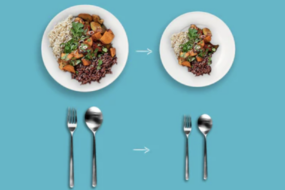
Action steps for mindful portion control:
- Measure out snacks, especially high-calorie healthy options
- Use smaller plates or bowls when serving energy-dense foods
- Pair healthy fats or carbs with vegetables to boost fullness
It’s all about balance, not endless green lights—even the cleanest foods can stall your progress if portions aren’t right.
Weight Loss Is Just About Willpower
If you’ve ever been told “just eat less and move more,” it’s time to dig deeper.
- Your appetite, metabolism, and weight are shaped by:
- Genetics and hormones (like ghrelin and leptin)
- Stress, sleep quality, and even past dieting battles
- Certain medications and medical conditions
- Research shows up to 80% of weight variation is influenced by these factors—not just willpower.
Real talk: “CICO” (calories in, calories out) is a starting principle, but the human body adapts to calorie cuts by slowing metabolism, ramping up hunger, and calling in every psychological trick in the book.
“Success is not about grit, but about systems”—think support, structure, and sometimes professional guidance.
Support your body with smarter systems, not just more self-control.
Key takeaway: Prioritize food quality, mindful portions, and self-compassion over calorie math and willpower alone. It’s not about perfectly tracking every bite—it’s about setting up a daily routine that keeps you nourished, satisfied, and consistent.
Myth #3: Extreme or Rigid Approaches Are Required
Skipping Meals or Cutting Major Food Groups
It’s easy to think skipping breakfast or slashing entire food groups will get you faster results—but the reality isn’t so simple.
These approaches often cause intense hunger, leading to late-night overeating or wild cravings that hit at the worst possible time.
Here’s what really happens when you get rigid:
- Skipping meals often leads to low energy, brain fog, and more impulsive food decisions later.
- Cutting out major groups (like carbs or dairy) risks missing out on key nutrients and makes social eating awkward.
- True, planned intermittent fasting is not the same as skipping meals chaotically—structure and consistency matter.
Picture this: You’re riding the “no lunch today” train, only to crash into a 1,000-calorie snack attack by 4 p.m.
Rigid restriction isn’t the shortcut it’s hyped up to be—it’s a recipe for burnout.
Fad Diets and Detoxes
Keto, juice cleanses, and “detox” diets show up everywhere online—but research tells a different story.
Most people regain 80–95% of the weight lost on extreme diets within one to five years, according to major studies.
Fad plans and harsh cleanses bring real risks:
- Metabolic slowdown
- Disordered eating patterns
- Fatigue, digestive, or hormone issues
Instead, what actually works? Moderation, balance, and gradual, sustainable shifts—not hopping on every trend for a temporary win.
Quotable snippet: “If a diet sounds too good to be true, it probably is—your metabolism isn’t fooled by hashtags or hype.”
“Low-Carb is the Only Way”
Low-carb and keto diets get lots of love in influencer circles—but the science is clear: There’s no single magic formula.
Successful weight loss comes from these universal patterns, no matter your carb level:
- Eating fewer ultra-processed foods
- Getting enough protein for fullness and muscle
- Moving in ways you actually enjoy, so it sticks
Both Mediterranean and high-fiber, lower-carb styles show strong results—as long as you can maintain it.
Takeaway for your next grocery run: Choose a plan you could follow in a normal week, not just on your most “motivated” Monday.
Rigid rules may look impressive on TikTok, but it’s consistency, not perfection, that actually works long-term.
Myth #4: Exercise and Supplements as Shortcuts
“You Can Out-Exercise a Bad Diet”
Let’s bust a popular belief: working out can’t erase a habit of daily fast food, sugar-filled drinks, or high-calorie snacks.
A typical 30-minute run burns about 300 calories; that’s less than one chocolate bar or a latte with extras.
When you compare the effort to the calories in, it’s clear why diet drives most of the results—for efficient weight loss, what’s on your plate matters more than hours logged in the gym.
Picture this: If you crush a HIIT session but follow it with a greasy burger, fries, and a soda, you may easily undo every drop of sweat from that workout.
Key ways to pair activity and nutrition for the best results:
- Let exercise support your healthy eating habits—not excuse overeating.
- Use physical activity to boost mood, maintain muscle, and support a calorie deficit.
- Don’t “earn” treats at the gym; “invest” in progress with both movement and mindful meals.
“You can’t outrun your fork” is more true than ever.
Supplements or Meal Replacements Won’t Do the Heavy Lifting
It’s tempting to believe shakes, pills, or powders are a shortcut to slimness, but these don’t replace the fiber, protein structure, and diverse nutrients in real food.
Consider these common pitfalls:
- Supplement-only approaches often leave gaps—especially in fiber, vitamins, and healthy fats.
- Many meal replacement shakes bring in extra sugars and additives, not long-term satisfaction.
- Relying on powders or bars can shrink your food variety and gut health.
Smart use is possible:
- Lean on supplements for specific needs (like a protein shake post-workout or a doctor-recommended vitamin).
- Always prioritize whole, minimally processed foods for sustainable nutrition.
For most people: “Real food > magic powder.”
“Detoxes,” Fat-Burning Foods, and Metabolism Myths
Detox teas, apple cider vinegar, and spicy “fat-burning” foods dominate social media headlines—but your liver, kidneys, and gut already detox you daily.
Here’s what actually works (and what doesn’t):
- No food or supplement reliably “melts fat”; any loss from detox or cleanse plans is usually water and comes right back.
- Claims about boosting metabolism with grapefruit, ACV, or cayenne have little scientific support.
- Evidence-based metabolism support? Enough protein, regular movement, and muscle-building activities.
Picture a shelf full of “detox” teas and trendy boosters—then imagine skipping all that, focusing instead on daily habits you can actually stick with.
Bottom line: Shortcuts rarely deliver lasting results—think sustained routines, not quick fixes. Pairing consistent nutrition, enjoyable activity, and a focus on real food is your real-life “secret sauce” for progress.
Myth #5: Timing is Everything
“Breakfast is Essential” and “No Eating After 7pm”
If you’ve heard you must eat breakfast or can’t eat after 7pm to lose weight, you’re not alone—these rules show up in almost every “quick tips” article or social post.
But here’s the truth: meal timing is rarely the most important factor for weight loss.
What actually matters most is how much—and what—you eat over the course of the entire day.
Why Meal Timing Myths Stick Around
It’s easy to believe “universal” rules like never skip breakfast or don’t eat after dark because they sound straightforward.
But, research shows there’s huge individual variation in:
- Hunger cues
- Energy needs
- Work/life schedules
Some people wake up ravenous; others don’t get hungry until noon.
Total Intake > The Clock
Here’s where it gets real: Whether you eat carbs at 8am or 8pm, your body focuses on total intake—not the hour on the clock.
Studies consistently show:
- People who skip breakfast don’t automatically gain weight—some compensate later, others don’t.
- Night eating is linked to weight gain mainly because it often means mindless, high-calorie snacking (think chips on the couch, not a sensible dinner).
So, the “no eating after 7pm” rule? It’s not magic. If a late meal fits your calorie needs and hunger rhythms, it works for you.
Build Meal Timing Around You
Instead of following blanket time-based rules, try this ultra-practical approach:
- Tune in to true hunger: Are you genuinely hungry, or just bored/tired?
- Align meals with your schedule: Early meeting? Pre-plan a portable breakfast or keep it light.
- Use planned “cut-off” times only if they help you curb late-night, extra snacking—not because a clock says so.
Picture this: You enjoy a balanced dinner at 8pm after a long workday, feel satisfied, and avoid raiding the fridge at midnight—that’s a win.
Memorable Takeaway
Your best meal timing is the one that keeps you energized, helps you avoid constant cravings, and fits your lifestyle—not someone else’s “rule.”
The key is to focus on total daily intake, not the time you eat, and design eating patterns that actually support your routine and goals.
What Actually Works: Evidence-Based Principles for Weight Loss
Let's get straight to what actually helps you lose weight and keep it off (and spoiler: it's not a juice cleanse or cutting out entire food groups).
The most successful, sustainable plans are built on evidence—not fads. Think simple habits you’d actually want to keep for the next five years, not just five days.
Pillars of Effective Weight Loss—No Gimmicks Required
Picture this: you’re sitting down to a dinner plate that’s half roasted veggies, a quarter grilled salmon, and a scoop of brown rice. That meal checks almost every evidence-based box for weight management.
Here’s what decades of research and real-world results tell us works best:
- Fill half your plate with vegetables, fruits, beans, or lentils
- Choose whole grains (oats, brown rice, quinoa, whole grain pasta/bread) over refined grains
- Include lean proteins (chicken, fish, tofu, eggs) at every meal to keep you full and preserve muscle
- Add healthy fats (olive oil, avocado, nuts, seeds) in moderation
- Limit added sugars and ultra-processed foods like soda, chips, and packaged sweets
- Watch portions—yes, even for healthy foods (a handful of nuts, not a bag)
Did you know? Swapping highly processed foods for whole foods can reduce your overall calorie intake by 500+ calories per day—no “diet” necessary. That’s a stat straight from recent nutrition science.
Action Over Perfection—Your Daily Playbook
Trying to overhaul everything overnight is a recipe for frustration and rebound weight gain. The real secret? Consistent, small, positive changes.
Here are actionable moves you can start right now:
- Take a lunch photo—do you see mostly plants and protein, or mostly white bread and chips?
- Schedule movement you actually enjoy (even a brisk 20-minute walk counts)
- Use the 80/20 rule: aim for 80–90% nutrient-dense food, and allow 10–20% flexibility for life’s celebrations
Imagine the impact, long-term, of steady tweaks instead of all-or-nothing swings. “Perfection is optional; progress is powerful” is a mindset that wins every time.
Your Next Step: Personalize, Don’t Punish
To create your own “myth-free” weight loss plan, start by taking stock:
- What foods make up most of your current meals?
- Where can you add in more fiber or protein?
- Are your portions aligned with your hunger—not your plate size?
Today’s choices—not yesterday’s myths—set the stage for real, lasting change. Swap confusion for clarity, and let your daily routine work for you, not against you.
Conclusion
Clearing out nutrition myths isn’t just about getting the facts straight—it’s about empowering yourself to make choices that are actually sustainable, satisfying, and science-backed.
When you filter out the noise and give yourself permission to favor evidence over internet hype, you gain real momentum—the kind that leads to results you can see and feel.
Here’s what moves the needle starting today:
- Build your meals around whole foods: fill half your plate with vegetables, fruits, beans, or lentils for top-tier energy and fullness.
- Ditch all-or-nothing thinking: Progress wins over perfection every single time.
- Question any nutrition claim that’s absolute, restrictive, or promises overnight change—your red flag for hype.
- Prioritize quality and mindful portions over calorie math or food rules.
- Let flexibility work for you: Enjoy your favorites in moderation, not exile.
Ready to act? Try this:
- Snap a quick photo of your next meal—what tweaks could make it more balanced or colorful?
- Swap one ultra-processed snack for something real and fiber-rich today.
- Set a micro-goal for movement or meal planning that feels easy, not overwhelming.
- Remember: **“Good enough” habits win out over “perfect” plans every day of the week.
You’re not here to chase every passing trend—you’re here to build eating patterns that last far beyond the latest headline.
Your real results come from clarity, consistency, and self-compassion. Every small upgrade adds up—ditch the drama and start fueling a version of you that thrives.
Rewrite the rules—not your willpower. The only diet worth following is one that actually fits your real life.