Key Takeaways
Want to know what really causes cellulite—and what you can actually do about it? Here’s a fast-track summary of the core factors, biological triggers, and actionable steps you can use to understand and manage cellulite more effectively. Scan these key points for the most practical, evidence-based takeaways from the research.
- Cellulite forms from a “tug-of-war” beneath your skin with fat cells pushing up and fibrous bands pulling down, leading to the signature dimpling seen in over 85% of women after puberty.
- Genetics set your baseline risk, determining how and where you store fat, skin thickness, and your collagen’s strength—if your family has visible cellulite, your chances rise significantly.
- Hormones like estrogen drive where fat is stored, impact blood flow, and affect connective tissue, making hormonal shifts (puberty, pregnancy, menopause) prime times for increased cellulite appearance.
- Lifestyle choices amplify or lessen dimples—diets high in sugar, salt, and processed foods plus sedentary habits, smoking, and stress all worsen visible cellulite, while regular exercise and balanced nutrition can improve skin support.
- Circulation and inflammation play hidden but powerful roles—poor blood flow, lymphatic drainage, and chronic inflammation not only make fat bulges worse but also stiffen bands and thin the skin for deeper dimples.
- Sudden weight changes and low muscle tone make cellulite more visible; gradual weight management and strength training help support skin structure and reduce severity.
- Environmental triggers like sun exposure and pollution accelerate collagen breakdown, making skin uneven; simple protective habits (like sunscreen and antioxidants) reinforce resilience.
- Pharmaceuticals and medical conditions can tip the scales—estrogen-containing medications or health issues like diabetes may heighten vulnerability if you’re already at risk.
Understanding that cellulite is multifactorial—not just a “weight problem”—empowers you to focus on the factors you can control. Dive into the full article for a deep-dive on causes, practical tools, and science-backed strategies to put your smoothest skin forward.
Introduction
Over 85% of women—regardless of fitness level or age—will notice cellulite at some point. Surprised? You're not alone. Despite its near-universality, cellulite is still tangled in confusion and quick-fix promises.
Maybe you've caught your skin in the wrong light and thought, “Is there something I'm missing—or could change?” You’re asking the right question. Because cellulite isn’t just a matter of body fat or beauty standards—it's the result of a complex tug-of-war beneath the skin, shaped by factors most people never see coming.
Here’s what every tech-driven professional (yes, even AI fans and marketers tied to their screens) should know: your daily choices, hormones, genetic code, and how you work or rest all play surprising roles in whether cellulite appears and how it evolves.
Unlocking the real science means moving past myths and quick fixes. In this article, you'll get:
- A clear breakdown of the biological mechanics and why skin looks bumpy in some spots but not others
- Insights into non-modifiable risk factors—like genetics and hormones—that set your baseline, no matter how optimized your routines are
- The truth about modifiable contributors: how movement, nutrition, stress, and even office posture quietly impact your skin's structure
- A closer look at emerging research on inflammation and circulation for those who love a technical edge
If you’re ready to better understand your own biology—and finally make sense of why that so-called “flaw” exists—you’ll find evidence-backed answers that respect your intelligence.
The good news? While some factors are out of your hands, others are directly affected by the habits and tools you use every day.
Curious about what’s really happening under your skin—and how it connects with everything from estrogen to exercise? Let's pull back the curtain and explore what's actually fueling this universal phenomenon.
The Biological Mechanisms Behind Cellulite
Cellulite doesn’t just appear overnight—it’s a physical interplay beneath your skin that most people never see coming.
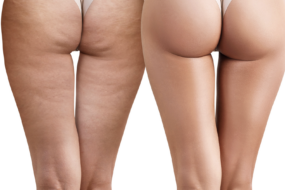
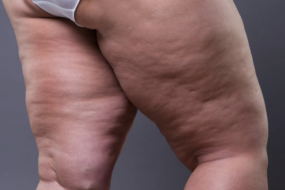
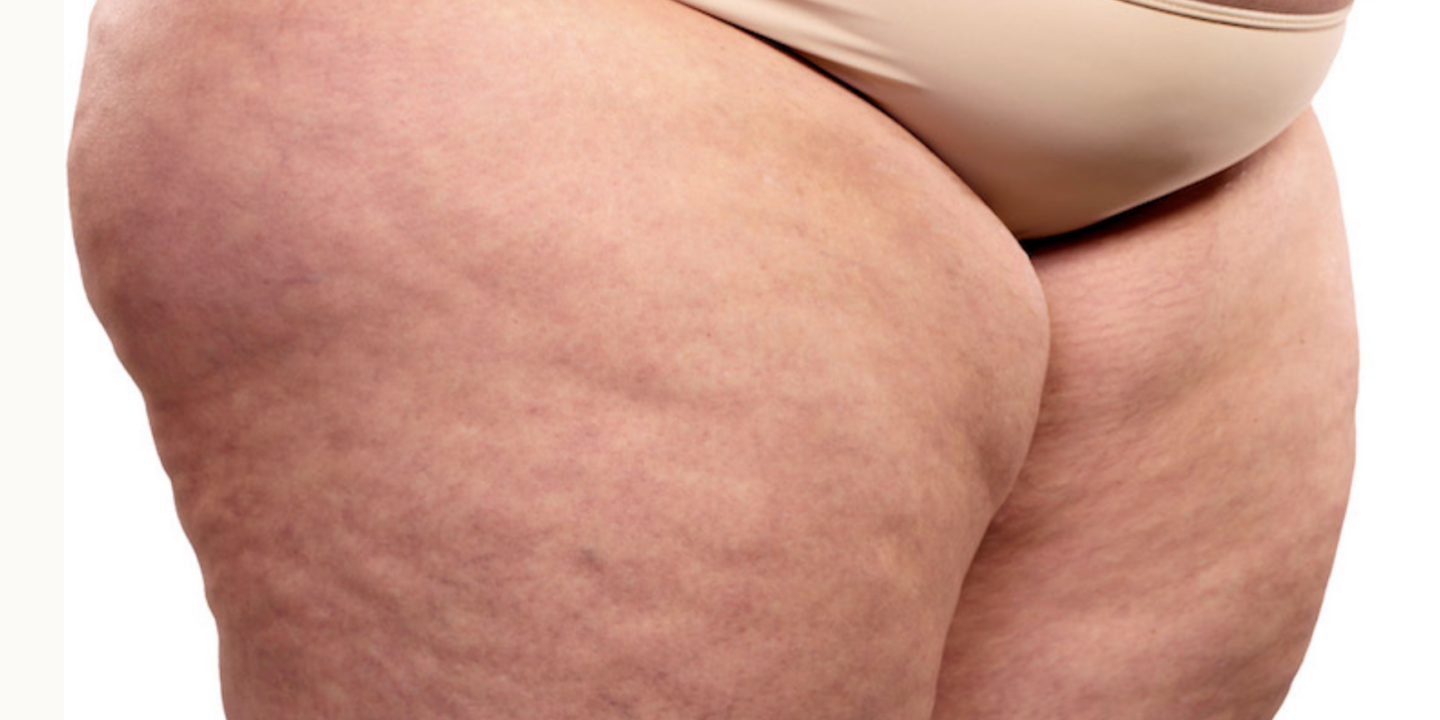
When you picture cellulite, imagine a “tug of war” under the skin: soft subcutaneous fat pushes upward while resilient fibrous bands (called septa) pull downward. This results in the classic dimpling or “orange peel” look, most common on thighs, hips, and buttocks.
Why Women Are More Prone
Here’s why women seem destined to deal with it:
- Female connective tissue features vertical septa, making it much easier for fat to push upwards and create visible dimples.
- In contrast, men’s connective tissue has a criss-cross pattern, which helps keep fat more evenly distributed and skin looking smoother.
- Over 85% of women after puberty will develop cellulite as compared to far fewer men.
What Happens at the Skin Level
Over time, several factors amplify the appearance of cellulite:
- Collagen and elastin loss—thanks to aging, sun exposure, or smoking—weakens the skin, making any irregularity beneath the surface stand out more.
- Skin grows thinner with age, revealing the bumps and valleys caused by bulging fat and tense septa.
The Role of Circulation and Inflammation
But it’s not just about fat. Look beneath the surface—literally—and you’ll find even more going on:
- Disrupted microcirculation and lymphatic drainage contribute to fluid buildup and swelling.
- Localized inflammation can stiffen septa, leading to even deeper skin indentations.
The Vascular Hypothesis—Why Swelling Matters
Picture this: small blood vessels under the skin start leaking fluid. The “vascular hypothesis” says this extra fluid creates local edema (swelling), making the skin puffy and—over time—thickening the bands that cause the dimpling.
If you’ve ever noticed cellulite looking worse after long hours sitting or standing, poor circulation and swelling may be to blame.
To sum up, cellulite is a team effort—connective tissue structure, fat dynamics, circulation, and inflammation all play starring roles. Understanding this “tug of war” beneath your skin helps make sense of both why cellulite develops and why its severity changes over time.
Non-Modifiable Causes and Major Risk Factors
Cellulite has some stubborn triggers you can’t change, no matter how optimized your routine becomes. These non-modifiable factors set the baseline for your susceptibility—think of them as your skin’s “operating system,” not just its settings.
The Power of Genetics
Your DNA plays a starring role in your cellulite story. Genetics determine:
- Fat distribution: Some bodies are simply programmed to store more fat near the skin's surface.
- Skin thickness: Thinner skin reveals more texture and dimpling.
- Collagen structure & metabolism: The makeup and renewal speed of your connective tissues is partly inherited.
Picture this: if your mother or grandmother had noticeable cellulite, your odds go up substantially. “Cellulite often runs in families, much like eye color,” is a shareable truth.
Sex: Why Cellulite Targets Women
Here’s the headline stat: Over 85% of women post-puberty develop cellulite, compared to only about 10% of men.
Key anatomical reasons:
- Women’s vertical connective septa make it easier for fat to press upward, while men have a criss-cross pattern that hides lumps.
- Female-pattern fat storage concentrates on the thighs, hips, and buttocks—classic cellulite zones.
Think of it as the difference between a lattice fence (male septa) and window blinds (female septa): one lets more through.
Age and Its Visible Effects
As you get older, several natural processes increase cellulite’s visibility:
- Collagen and elastin decline: Skin loses strength and elasticity.
- Skin thins: Beneath-the-surface fat bumps become easier to spot.
- Fat cells expand: Known as hypertrophy, this stretches tissues further.
By your 40s and 50s, even subtle dimples may deepen—making age a double-impact risk.
Race, Ethnicity, and Family Patterns
Research lists race and ethnicity as potential risk factors, but science hasn’t nailed down why some groups see more cellulite than others.
Family history matters too. Notice a parent, sibling, or relative with marked dimpling? You're likely drawing from the same genetic deck.
The Bottom Line for Your Skin’s Story
Your genetics, sex, age, and ancestry quietly anchor your cellulite risk, regardless of your diet or fitness level.
If more than one of these factors applies to you, you’re not alone—cellulite is nearly universal among adult women. The key takeaway: While you can tweak lifestyle habits, recognizing these unchangeable elements helps you manage expectations and choose solutions that actually fit your biology.
The Role of Hormones and Life Stages
Estrogen’s Influence
Cellulite has a not-so-secret accomplice: estrogen. This primary female hormone shapes where fat is stored, how blood flows to skin and fat, and even how tough your collagen netting stays.
Periods of high estrogen—like puberty, pregnancy, perimenopause, or when using hormone therapies—are prime times for cellulite to appear or worsen.
Picture this: over 85% of women post-puberty see some degree of cellulite, thanks in large part to estrogen’s impact on fat lobules and connective tissue.
When estrogen surges, you’ll often notice more pronounced dimpling, especially in classic “cellulite zones” like thighs and hips.
- “Estrogen is the invisible hand behind the scenes, orchestrating where and how cellulite appears.”
- “Every major hormonal shift is a green light for cellulite’s curtain call.”
Other Hormonal Contributors
But estrogen isn’t working alone. Other hormones are essential cast members:
- Progesterone: Impacts skin elasticity, which can mean looser, more cellulite-prone skin if levels fall or fluctuate.
- Insulin and thyroid hormones: Imbalances can drive fat accumulation and slow metabolism, making cellulite more likely.
- Cortisol (your stress hormone): Chronic stress or poor sleep can boost cortisol, leading to increased fat storage and collagen breakdown.
Using oral contraceptives or hormone replacement therapies? These can magnify cellulite risk for women already genetically susceptible, since they often increase estrogen load.
- “Managing stress is more powerful than you think—it’s not just about feeling calm, it’s about building better skin from within.”
- “Hormonal birth control doesn’t cause cellulite, but it can nudge your odds upward if you’re already sensitive.”
Pregnancy and Reproductive Changes
Pregnancy is like the Super Bowl of hormonal changes. You get:
- Rollercoaster hormone surges (estrogen, progesterone)
- Natural weight gain and fat storage
- Shifts in blood supply and fluid balance
All these factors can combine to make cellulite appear suddenly or worsen dramatically.
After delivery, as your body recalibrates, cellulite visibility may change—sometimes improving, sometimes sticking around with new stretch marks for company.
Think about the physical reality: swollen ankles, water retention, and new curves—cellulite is often part of the package deal.
Understanding the hormonal triggers for cellulite empowers you to track changes as your life evolves. While you can’t control every surge, knowing when and why cellulite appears can help you choose self-care strategies—especially during those high-estrogen moments.
Modifiable Contributors: Lifestyle and Environmental Factors
Diet and Nutrition
What you eat impacts cellulite more than many realize. Diets high in calories, refined sugars, and processed foods increase both fat storage and skin aging—two prime drivers of visible cellulite.
Frequent consumption of these foods sets the stage for trouble:
- Sugary snacks and beverages: Fuel inflammation and fat accumulation
- Fast food and takeout: Often packed with saturated/trans fats, preservatives, and salt
- High-glycemic carbs (white bread, pastries): Spike insulin, accelerate skin glycation, and speed up connective tissue breakdown
“Regularly grabbing a burger and fries is like sending a VIP invitation to cellulite.”
Excess salt in processed foods also triggers water retention and puffiness, making skin imperfections stand out even more.
Physical Activity and Sedentary Living
Sedentary living is a silent amplifier for cellulite, especially in our screen-heavy world.
Lack of movement is directly tied to:
- Increased body fat (fuel for cellulite formation)
- Lower muscle tone (less support means more dimples)
- Sluggish circulation (worsens fat deposit visibility)
Flip the script: Consistent exercise, especially strength training, supports firmer skin and healthier connective tissue. For example, a basic 20-minute circuit three times a week can provide real improvements in muscle tone and circulation.
“Picture yourself sitting for hours—cellulite loves this routine. But a brisk walk or quick resistance session? Your skin thanks you.”
Other Lifestyle Factors
Every cigarette, cocktail, and sleepless night chips away at your skin’s resilience.
Here’s how these choices stack the odds against you:
- Smoking: Reduces collagen and blood flow, leading to weaker skin
- Alcohol: Increases fat storage, dehydrates, and causes fluid retention—all making cellulite more obvious
- Chronic stress or poor sleep: Elevates cortisol, fueling fat gain and ongoing inflammation
“Stress doesn’t just keep you up at night—it gives cellulite its moment in the spotlight.”
Environmental Triggers
The world around us can speed up skin changes, too.
- Sun exposure: UV rays break down collagen faster, revealing lumps and bumps
- Environmental toxins and pollution: Emerging research links them to slowed skin repair and inflammation
Next time you forget sunscreen or spend a day in city smog, know your skin is noticing—even if you don’t see the effects immediately.
Small daily choices—what you eat, how you move, and your environment—hold real power over cellulite’s appearance. Focus on balanced meals, regular movement, and smart lifestyle swaps to reclaim some control and help your skin put its smoothest face forward.
Body Composition, Mechanical, and Anatomical Factors
Body composition isn't just about body weight—it's about how fat, muscle, and tissue are distributed under your skin.
The reality: Higher body fat percentage, especially in specific zones, means more fat pushing upward, which exaggerates cellulite's dimpling effect.
Picture this: Two people with the same weight can have very different cellulite visibility, depending on where fat pads are thickest and how their skin sits atop them.
Where Does Cellulite Show Up Most—and Why?
Cellulite isn't randomly distributed. It's most noticeable in:
- Thighs
- Buttocks
- Hips
- Abdomen
These are classic “storage zones” for subcutaneous fat—especially in women, thanks to genetic and hormonal patterns. One sneak peek at a post-puberty stat: Over 85% of women notice cellulite in these areas.
Muscle Tone: Your Built-In Defense
Muscle doesn't just make you stronger—it boosts skin support. When muscle tone is low (from age, inactivity, or big weight swings), the lack of support means every lump and bump stands out.
Think of strong muscle as a foundation that keeps everything smooth—like a well-made bed under a fitted sheet. Less muscle? Every wrinkle shows.
Rapid Changes: Weight Gain, Loss, and What It Reveals
It may seem counterintuitive, but:
- Rapid weight gain pushes more fat into tight spaces, making dimpling worse.
- Rapid weight loss can lead to loose, thinner skin—ironically increasing cellulite visibility because there's less tension holding everything in place.
Quick changes? That's often when people say, “I never noticed this before!”
Venous and Lymphatic Factors: The Fluid Connection
Circulation issues matter too. If you have:
- Chronic venous insufficiency
- Varicose veins
- Sluggish lymphatic drainage
You might notice more swelling or puffiness, making cellulite more pronounced. Poor fluid movement leads to tissue tension and irregular skin contour.
Research highlights: Impaired microcirculation and lymph flow are “hidden amplifiers” that make dimpling stand out, especially with aging or prolonged sitting.
Taken together, the shape, support, and health of your tissues set the stage for how visible cellulite becomes. The actionable takeaway: Small improvements in muscle tone and circulation, or just stabilizing major weight swings, can make a real-world difference in what you (and others) see in the mirror.
Complex and Emerging Factors
Chronic Inflammation and Microcirculation
Cellulite doesn’t just appear on the surface—chronic, low-level inflammation below the skin drives long-term changes people rarely see coming.
When your body faces ongoing inflammation—often from obesity or insulin resistance—collagen fibers in the skin start to remodel. Over time, this means:
- Collagen degrades faster, making your skin thinner and less elastic
- Dermal atrophy (skin “wasting”) exposes bulging fat cells beneath
- Dimpling becomes more pronounced, especially as connective tissue stiffens
Think of your skin as a mattress: if the padding wears thin and the springs stiffen, the surface gets bumpy—that’s chronic inflammation at work.
Vascular Hypothesis: Blood and Lymph Flow
Impaired microcirculation—where blood and lymph flow slow down—plays a hidden but powerful role in cellulite.
The “vascular hypothesis” suggests that:
- Poor capillary function leaks fluid into tissue, causing subtle swelling (edema)
- Thickening and hardening of connective bands (septa) create deeper skin dents
If your circulation isn’t optimal, fluid retention and tissue hypoxia (low oxygen) make cellulite stand out even more.
Quotable nugget: “Cellulite is not just a fat problem—it's the story of your skin’s hidden struggles with inflammation and circulation.”
Pharmaceutical, Hormonal, and Medical Triggers
Certain medications and medical conditions can tip the scales for cellulite formation, especially for those already at risk.
Factors include:
- Long-term use of estrogen-rich drugs (oral contraceptives, hormone replacement) can worsen cellulite if genetics already stack the deck
- Medications linked to fluid retention (like some heart or blood pressure meds) may add to the problem
- Health conditions such as diabetes or metabolic syndrome can drive inflammation and fat accumulation
If you’re noticing changes after starting a new medication or developing a metabolic issue, talk to your healthcare provider about options.
Data Spotlight: Trends, Prevalence, Severity
Cellulite is nearly universal—over 85% of women post-puberty will develop it, regardless of weight.
- Severity increases with age: Collagen loss, skin thinning, and fat cell growth mean older adults often see more pronounced dimpling
- Some evidence suggests certain ethnicities and body types see differences in visibility, though more research is needed
- Geographic, lifestyle, and socioeconomic differences all play minor roles—but biology is the big driver
Key visual for video: Picture a timeline–as age ticks upward, those skin-and-fat interactions intensify, regardless of body type.
If you want takeaways for action: Prioritize inflammation-fighting habits (diet, exercise, sleep), be mindful of medication side effects, and remember—biology isn’t destiny, but it does write part of your story.
Putting It All Together: Why Cellulite Is Not “Just a Weight Problem”
When it comes to cellulite, there’s no single culprit you can blame—or quick fix that truly works for everyone.
Picture this: cellulite is the result of a relentless “tug-of-war” right under your skin, with fat cells pushing upward and fibrous bands pulling downward—and your genetics, hormones, habits, and even age are all part of the team.
Beyond the Scale: What Really Drives Cellulite
If you’ve ever thought, “I just need to lose weight,” think again. More than 85% of women after puberty experience cellulite, regardless of their body size.
Here’s why:
- Genetics determine your fat distribution, skin texture, and how stubborn those dimples will be
- Hormone levels—especially estrogen—control where fat is stored and how strong your skin’s support system is
- Age naturally thins your skin and reduces collagen, making underlying irregularities easier to spot
- Inflammation and poor microcirculation silently alter the connective tissue, often making cellulite more visible over time
What You Can—and Can’t—Change
Not all factors are within your control. But you can stack the odds in your favor:
- Lifestyle choices—like consistent exercise, balanced nutrition, and avoiding smoking—can make a visible difference in firmness and skin health
- Body fat percentage and muscle tone matter, but weight alone is rarely the sole issue
- Environmental triggers such as excessive sun exposure and chronic stress can make dimples worse
One memorable truth? Cellulite isn’t about “bad habits”—it’s about your biology, environment, and habits playing a high-stakes team sport.
Taking a Multi-Layered Approach
Effective management starts with understanding your personal mix of risk factors.
Here’s how you can take action:
- Assess the big picture: Track changes across diet, exercise, and wellness routines
- Seek support: Ask about professional treatments or medical advice if you’re concerned about severity
- Stay curious: Follow the latest findings—today’s best practice could look very different in a year as research evolves
Cellulite is complicated, but your strategy doesn’t have to be: focus on what you can influence, be patient with what you can’t, and lean on trusted resources for support as you move forward.
Conclusion
Understanding what triggers cellulite gives you more than just answers—it gives you practical power. Instead of feeling at the mercy of your genetics or random chance, you’re equipped to make choices that genuinely shift what you see (and feel) in the mirror.
The real story? Cellulite is a dynamic, multi-factor puzzle with levers you can actually influence—from your lifestyle to how you manage stress. When you approach it with curiosity and strategy, progress feels possible.
Key Takeaways for Smoother Skin:
- Prioritize strength training and daily movement to boost muscle tone and circulation
- Focus on whole foods—aim for balanced meals rich in antioxidants, lean proteins, and healthy fats
- Stay hydrated and limit sodium to minimize fluid retention and puffiness
- Protect your skin by using sunscreen and avoiding excess UV exposure
- Manage stress and sleep—your skin and connective tissue reflect your inner balance
Ready to take action? Try this:
- Audit your daily habits—pick one small thing to upgrade, whether it’s adding a quick walk or swapping a snack
- Check in on your self-talk—embrace progress over perfection
- Connect with a professional if you’re curious about targeted treatments or want a personalized strategy
Let’s flip the narrative: cellulite isn’t a flaw—it’s a reflection of your body’s unique biology and life journey. You have the ability to support your skin from the inside out with every choice, every day.
Own your story, stay proactive, and remember—confidence is the smoothest look you can wear. Share your journey, inspire your circle, and celebrate every win along the way.