Key Takeaways
Protecting your eyesight with diabetes is easier—and more powerful—than you think. These quick, actionable insights help you stay ahead of silent risks and make sight-saving care a seamless part of your life. Here’s how to put eye health on autopilot and keep your vision sharp for years to come:
- Consistently high blood sugar is the main threat to your eyes—keep A1C below 7.0% to slash your risk of diabetes-related vision loss by up to 76%.
- Schedule annual dilated eye exams—catch up to 95% of sight-threatening issues early, long before you notice symptoms.
- Watch for urgent warnings: sudden floaters, flashes, or dark spots mean it’s time to call your eye doctor immediately—don’t wait for problems to clear up on their own.
- Pair blood sugar control with blood pressure and cholesterol checks at every doctor visit—triple protection gives your retina the best chance at long-term health.
- Use digital tools and reminders (calendar alerts, health apps, and CGMs) to make vision care automatic, easy, and impossible to forget.
- Eat for your eyes: add leafy greens, berries, omega-3s, and make a habit of 150+ minutes of activity a week for everyday retinal support.
- Leverage early, outpatient treatments like laser therapy or anti-VEGF injections—when you act fast, 60–90% of vision loss is preventable and recovery time is minimal.
- Collaborate with your care team and insurance—stay proactive about costs, new tech, and evolving guidelines to keep your eye care plan future-proof.
Don't wait for symptoms—put these steps into action now, and unlock decades of strong, clear vision with confidence. Dive into the full article for practical strategies and inspiring success stories you can make your own.
Introduction
Imagine waking up to discover your vision looks different—sharper in some spots, cloudier in others. For anyone living with diabetes, that scenario isn’t rare; in fact, diabetes is now the leading cause of vision loss among working-age adults.
You’re used to optimizing your workflows, tracking data points, and leveraging technology for better outcomes—so here’s the good news: 95% of diabetes-related vision loss is preventable with simple, proactive habits.
Yet, the risk is nearly invisible. For most, eye damage begins long before symptoms show up—think of it like a bug in your code that silently corrupts data until the system crashes. That makes regular, actionable steps your main line of defense.
You’ll discover:
- What happens inside your eyes when blood sugar fluctuates—and why small changes matter
- The most common diabetes-linked eye conditions and how to spot red flags before they escalate
- Evidence-backed strategies (from nutrition tweaks to AI-powered health tools) that actually work for protecting your sight
- How to make prevention seamless—using digital reminders, quick hacks, and team-based care to keep your vision future-proof
These aren’t just medical checklists—they’re practical, tech-friendly moves you can plug straight into your routine.
Ready to see what’s working behind the scenes in your own eyes, and how simple changes can keep your world in focus? Let’s zoom in on the real impact of diabetes on your eye health—starting with the silent damage most people miss.
Understanding How Diabetes Affects Eye Health
Diabetes quietly raises the stakes for your eyes, often before you spot a single change.
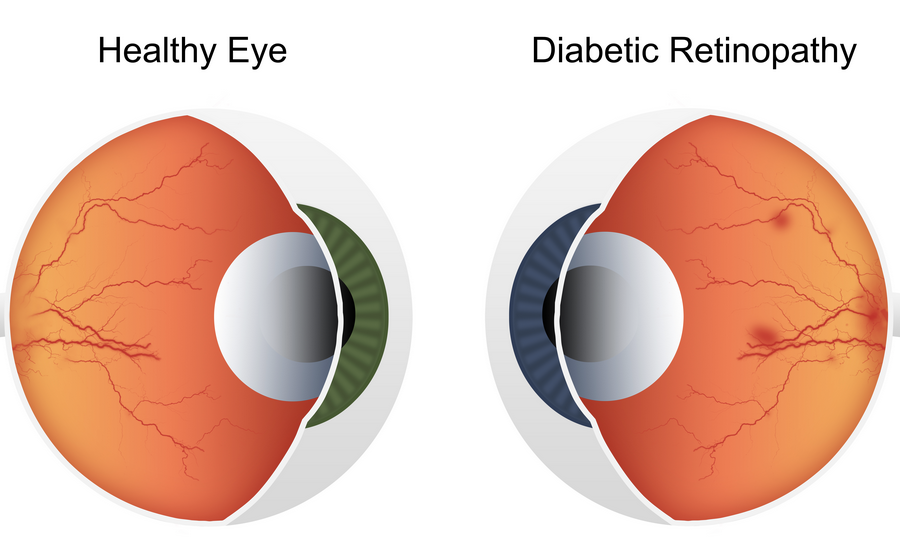
Consistently high blood sugar weakens the tiny blood vessels in your retina—the light-sensitive “screen” at the back of your eye.
Over time, these vessels may:
- Leak fluid or blood, clouding your vision
- Grow abnormally, risking severe complications
- Trigger swelling or pressure changes inside the eye
Picture this: Your retina is like your smartphone screen—a crack or glitch, even in one corner, can mess up the entire display.
90% of people don’t notice early damage. It’s silent, slow, and often only obvious when vision is already at risk.
“Think of high blood sugar as a hacker creeping into your device—by the time you see the glitch, a lot more has happened behind the scenes.”
Key Eye Conditions Linked to Diabetes
Four main issues top the list for anyone with diabetes:
- Diabetic retinopathy: The #1 diabetes-related eye condition, it comes in two main stages:
- Nonproliferative: Vessels start to leak—usually with no symptoms
- Proliferative: Fragile new vessels bleed, which might cause retinal detachment or sudden vision loss
- Diabetic macular edema: Fluid seeps into the central retina (macula), blurring straight-ahead, sharp vision—like trying to read through a fogged-up windshield.
- Cataracts: Diabetes often causes clouding of the eye’s lens far earlier—and more often—than average, doubling your odds compared to non-diabetics.
- Glaucoma: Doubles your baseline risk. Here, pressure inside the eye quietly harms the optic nerve over time.
Short-term, sudden swings in blood sugar can also make your vision temporarily blurry. If your sight seems to shift after a meal or workout, this could be why.
The Real-World Impact and What to Watch For
People aged 18–64 with diabetes are especially vulnerable—this is the leading cause of vision loss in working-age adults.
Here’s your fast-action checklist:
- Get annual dilated eye exams—catch problems early, before symptoms appear
- Watch for any shifts in vision quality, including blurry spots or color changes
- Prioritize glucose control to halt silent damage: target your A1C, monitor regularly, and know that every small improvement matters
Spotting a problem early can save your sight for decades. The #1 takeaway: Prevention works. Don’t wait for symptoms—be proactive, and make eye checks a non-negotiable part of your diabetes toolkit.
Warning Signs and When to Act Fast
Diabetes-related eye changes often sneak up silently—by the time you notice symptoms, a preventable problem may already be urgent.
If your eyesight suddenly shifts, it’s your cue to act fast, not wait and hope.
What Are the Key Warning Signs?
Watch for these late-stage eye symptoms:
- Blurred or fluctuating vision (things seem hazy or change from hour to hour)
- New floaters (tiny dark specks drifting across your line of sight)
- Dark spots or missing patches in your vision
- Sudden flashes of light, almost like a camera flash in the corner of your eye
- Changes in how you see colors (faded, dull, or off)
- Blind spots—areas where your vision just “falls out” entirely
These red flags often appear only after significant damage—think of it as a “low battery” light on your vision. You don’t get many warnings before the lights go out.
When Should You Seek Immediate Care?
Here’s a quick decision guide:
- If you see flashes or sudden floaters, contact your eye doctor the same day.
- Notice a sudden curtain or shadow moving across your view? Treat it as an emergency—go to urgent care or the ER.
- Experiencing rapid, unexplained vision changes? Don’t just wait for it to “clear up” after a blood sugar swing—get checked within 24 hours.
Picture this: You’re reading late, and dark spots start dancing across your vision. That’s your cue to close your laptop and call your optometrist, not to just rub your eyes.
Don't Ignore These Trends
Most people with diabetes are at risk for vision loss between ages 18 and 64—but in up to 95% of cases, timely attention can save your sight.
It’s tempting to write off blurry vision as screen fatigue, but in diabetes, waiting is costly. “If you’re seeing sudden changes, your window for saving vision is measured in hours or days—not weeks.”
Symptoms often show up when retinopathy or macular edema has already advanced.
To protect your vision, commit this to memory: Any fast change in vision deserves urgent attention—and most problems are treatable if you move quickly.
Staying alert to these warning signs puts you in the driver’s seat—giving you the best shot at seeing clearly for years to come.
Strategies for Protecting Your Vision
Here’s the good news: up to 90–95% of diabetes-related vision loss can be prevented by simply sticking to a few powerful habits.
You don’t need superhero discipline or overwhelming routines—these strategies are designed to be practical and actually fit your life. Picture this: you’re just a few tweaks away from crystal-clear vision decades down the line.
Routine Eye Exams: Your Most Powerful Early Warning System
Annual dilated eye exams should be non-negotiable for anyone with diabetes.
Why? Because eye diseases like diabetic retinopathy can progress for years without symptoms—by the time you notice blurry spots, significant damage may already be done.
- Book with a provider who knows diabetes: Ask if they regularly see patients with diabetes, and don’t settle for places that skip dilation “because your vision seems fine.”
- Get reminders that work for you: Use calendar apps, set recurring digital alerts, or connect with health portals that nudge you when it’s time to screen again.
- Think of your retina as the screen on your phone: catching a small crack early is worlds easier (and cheaper) than a full replacement.
Quotable: “Annual eye exams are like insurance for your sight—don’t wait for trouble before calling for help.”
Mastering Blood Sugar, Blood Pressure, and Cholesterol
Protecting your vision means keeping a close eye on these three numbers:
- A1C (blood sugar)
- Blood pressure
- Cholesterol
Aiming for your target A1C (usually below 7.0%) can help slash your risk of eye disease by up to 76%. Don’t forget:
- Use home monitors (BP cuffs, glucose meters) and linked reminders.
- Make meds as easy as possible—think pill organizers, auto-refills, or pharmacy text alerts.
- Partner with your care team to adjust your plan based on your actual numbers, not just averages.
Quotable: “Your numbers are more than stats—they’re real signals protecting your eyes every single day.”
Eating, Moving, and Living for Healthy Eyes
A few simple swaps pack a punch for eye health:
- Add leafy greens, berries, and carrots for antioxidants.
- Get omega-3s from salmon and walnuts to support your retinal cells.
- Hit 150+ minutes of activity per week (walk after lunch, try desk stretches, or cycle on weekends).
Don’t overlook the basics:
- Wear polarized sunglasses or blue-light blockers.
- Stick to the 20-20-20 rule: every 20 minutes, look 20 feet away for 20 seconds.
- Smoking? Even cutting back delivers benefits for your blood vessels—and your eyes.
Quotable: “Eating for your eyes means eating for your whole body—snacking on vision-saving choices pays off all day.”
Leveraging Tech for Better Blood Sugar and Eye Outcomes
Technology can become your secret weapon for vision protection:
- Continuous glucose monitors (CGMs) and insulin pumps keep blood sugar swings in check, translating to long-term eye safety.
- Use telehealth eye screenings and health apps to track changes—catching issues before they become emergencies.
- Integrate reminders in your digital calendar or sync with your electronic medical records for “set it and forget it” protection.
Imagine your smartwatch buzzing with a heads-up: “Annual exam due next week—keep your vision strong!”
Making vision care automatic, actionable, and totally within your reach means you’re not just hoping for healthy eyes—you’re building in protection every single day.
Treatment Options: What Happens if Problems Are Found?
Getting a call that your eye exam found a diabetes-related problem can feel overwhelming, but here's a quick reality check: up to 90–95% of vision loss is preventable when you act early and follow evidence-based care.
Most treatment options today are quick, highly effective, and available in outpatient settings.
Most Common, Effective Treatments
Here’s what your eye care team may recommend, depending on the condition and stage:
- Laser therapy: Doctors use painless laser light to seal leaking blood vessels or shrink abnormal new ones—this can happen in the office and generally takes less than 30 minutes.
- Anti-VEGF injections: These medicine injections block a protein that causes abnormal blood vessel growth, helping control swelling and prevent bleeding.
- Surgery for advanced cases: Procedures like vitrectomy can remove blood pooled inside the eye or repair retinal detachments—most people go home the same day.
Setting Realistic Outcomes
Early action is the key to saving sight.
Picture this: Treating diabetic retinopathy in its earliest, nonproliferative stage often preserves nearly all central vision, while waiting until symptoms appear can mean permanent loss.
- Laser and injection therapies stabilize or improve vision for 60–90% of treated people.
- Many treatments take just minutes, with minimal recovery time.
- Early treatment means you’re still driving, reading, and working—often without major life disruption.
What About the Cost and Coverage?
Healthcare moves fast, but not always your wallet. Fortunately, most insurance plans—including Medicare and Medicaid—cover medically necessary eye treatments for diabetes.
If you’re uninsured, explore:
- Community clinics or nonprofit eye care programs for reduced fees
- Pharmaceutical assistance programs for medication savings
- Hospital-based financial counselors who help navigate payment options
Actionable Takeaways
- If your provider recommends treatment, ask how soon you should start and what you can expect for follow-up visits.
- Set up reminders for both medication and future exams—your phone is your best ally here.
- Remember: “Early treatment keeps your world in focus.” Don’t wait for symptoms to act.
Fast, proactive care can make all the difference. Lean on your care team, seek support for costs, and use every resource—your vision is worth it.
Real-World Results: Stats and Success Stories
Here’s the headline: with regular diabetes management, up to 95% of severe vision loss is preventable—that’s not just hype, it’s evidence-based reality.
If you’re managing diabetes today, there’s more hope than ever that your eyesight can stay strong for decades.
What does this look like in practice? Let’s zoom in on a few scenarios that could play out in real life.
What the Numbers Really Mean for Your Eyes
- Over 7 out of 10 adults with diabetes who get yearly dilated eye exams avoid significant vision problems for years.
- People who keep their A1C within target cut their risk of vision loss by 40–60% compared to those with uncontrolled blood sugar.
- Simple routines—from blood pressure checks to using protective sunglasses—layer up big impact over time.
Imagine this: You’re in your 40s, juggling work and family, and you get a reminder from your health app—“It’s time for your eye exam.” That quick, 30-minute appointment could prevent years of complicated treatments down the road.
Success Stories: Diabetes Doesn’t Have to Mean Sight Loss
- Maria, age 52: Diagnosed with Type 2 diabetes eight years ago, she set up annual reminders and religiously schedules her eye appointments. She still drives at night and reads the smallest print—her doctor says her retinas look “remarkably healthy.”
- Sam, 39: After skipping a few years of exams, noticed floaters and blurred vision. Early intervention with laser therapy got him back to marathon training, with only minor changes to his routine.
“Most people who prioritize prevention maintain excellent vision for decades, even with diabetes.” That’s a fact you can build your plan around.
Your Takeaway: Proactive = Powerful
Real-world data makes it clear—vision loss isn’t inevitable with diabetes. Instead, every step you take to check your eyes, control sugars, and follow through on care brings you closer to a future where sight stays strong.
Take advantage of technologies, notifications, and a healthcare team that wants to help you win at prevention.
A small habit today, like scheduling this year’s eye exam, is the kind of move your future self will celebrate.
Building an Eye Care Action Plan
Taking charge of your eye health with diabetes isn’t just a “nice to have”—it’s your best line of defense against preventable vision loss.
Busy day? Here’s the streamlined routine that makes a real difference:
- Schedule an annual dilated eye exam—this finds 90–95% of serious issues before they threaten your sight
- Monitor your blood sugar daily, using a log or digital app; aim for your target A1C (think of it as your blood sugar report card)
- Prioritize blood pressure and cholesterol checks every doctor visit—high numbers hit your eyes harder when diabetes is in the mix
The Essential Checklist: Habits That Protect Your Vision
Picture this: you start the week, and your phone buzzes with a calendar notification—“Eye exam this Thursday.” Proactive reminders keep prevention in play.
Stack up the easy wins with these best practices:
- Stick to eye-friendly nutrition: Load up on leafy greens, berries, carrots, and omega-3-rich foods like salmon or walnuts
- Hit 150+ minutes of exercise a week: Try walking, cycling, or anything that gets your heart rate up
- Toss on sunglasses (100% UVA/UVB protection) every time you step out—yes, even in winter
- Use the 20-20-20 rule for screens: Every 20 minutes, look at something 20 feet away for 20 seconds
- Quit smoking for good: The benefits for your eyes start within days; ask your care team for programs or resources
Partner Up: Collaborate and Stay Ahead
Think of your health team as your pit crew—your best outcomes come from teamwork. Share updates and concerns with your doctor, share device data (from your CGM or fitness tracker), and bring questions from articles or new research.
Leverage your circle:
- Join a diabetes support network (online forums or local meetups)
- Tap into digital health tools—sync eye appointments and medication reminders on your phone to streamline care
- Check your insurance for eye care coverage—early, regular screening costs a fraction of what late-stage treatments do
Never Miss a Step: Keep Learning and Innovating
Trends move fast: telehealth eye screenings, app-based tracking, and new treatments arrive every year.
Stay sharp by:
- Following trusted diabetes and eye health organizations on social media
- Signing up for clinic newsletters for guideline updates and tech tips
- Watching for breakthroughs—like AI-driven eye imaging that’s making screenings faster and more accessible
A strong eye care action plan isn’t just about prevention—it’s about stacking small, simple habits that, together, protect your vision for decades to come. Start today, and the future looks a lot clearer.
Conclusion
Protecting your vision with diabetes isn’t just possible—it’s entirely within your reach. By turning knowledge into action, you can stay ahead of eye issues and make strong vision a natural part of your health journey.
Every step, from small daily habits to leveraging the right tech, directly boosts your long-term eye health and quality of life.
Key Takeaways for Protecting Your Vision:
- Book your annual dilated eye exam and set digital reminders so it never slips through the cracks
- Monitor your blood sugar, blood pressure, and cholesterol—every small improvement protects your sight
- Upgrade your nutrition with leafy greens, berries, and omega-3s for eye-supporting power
- Embrace proven tech tools—continuous glucose monitors or health apps turn proactive care into a seamless routine
- React quickly to sudden changes in vision—urgent attention keeps problems small and treatable
Next Steps:
- Add your next eye exam to your calendar right now—or set up an automatic reminder with your favorite app
- Share these strategies with your care team and ask for support in building simple, sustainable routines
- Join an online community or connect with others managing diabetes for real-world support and motivation
Every healthy choice stacks up—today’s action is tomorrow’s clear vision. Empower yourself to look ahead with confidence; your future self will thank you.
You’re not just preserving your sight—you’re investing in every moment you’ll see, experience, and create. It starts now.