Key Takeaways
If you’re tired of recurring ingrown nails—or just want to solve the problem fast—this guide cuts straight to the most effective 2026 treatment strategies. Scan these expert-backed insights for clear, immediate actions and tech-forward options designed for busy, tech-savvy professionals.
- Act quickly at the first sign of redness or swelling—early intervention with warm soaks, OTC topicals, and roomy shoes turns most mild ingrown nails around in under a week.
- Don't round nail corners—trim straight across and disinfect tools every time to drop ingrown risk by up to 30%, especially for runners and those in tight shoes.
- Embrace next-gen solutions like Onyfix and silicone braces for pain-free, no-downtime nail realignment—ideal for early-stage cases, kids, or anyone with health risks.
- Partial nail avulsion with matrixectomy delivers a 94–98% cure rate, gets you back in your shoes in 2–4 days, and customizes care to fix only what’s broken—perfect for moderate, recurring problems.
- CO₂-laser procedures slash downtime to just 1–2 days and preserve nail appearance, making them a smart pick for busy pros and appearance-conscious patients.
- Severe pain, pus, or spreading redness means it’s time to see a specialist—don’t DIY if you’re limping, see infection, or have diabetes.
- Consistent prevention outperforms crisis management—use braces, splints, or nail taping after any episode and tap AI-powered apps to monitor recovery and flag early signs of relapse.
- Leverage telemedicine for fast triage and remote care—photo uploads, video consults, and AI symptom checks now make expert help accessible from your phone.
By following these practical, tech-enabled steps, you’ll stay a step ahead of ingrown nails in 2026—explore the full article for deeper strategies and expert decision tools tailored to your needs.
Introduction
Ever find yourself limping out of an important meeting, only to realize a tiny, irritated toenail is sabotaging your productivity—and your mood?
Ingrown nails sound minor, but these stubborn “tech glitches of the foot” can bring even the busiest professional to a standstill.
In 2026, you’re not stuck with outdated advice or one-size-fits-all fixes. Advanced home-care kits, precision surgical tools, and noninvasive AI-powered options have transformed treatment—putting real control (and comfort) back at your fingertips.
Let’s be honest: if you’re the type who automates workflows, tracks data, or relies on your mobility for non-stop workdays, waiting weeks for a sore toe to heal isn’t an option.
You want answers that cut downtime, reduce recurrence, and use the latest medical tech without adding headaches to your already full plate.
What will you get here?
- Quick-scan breakdowns of every treatment: from DIY home care and wearables, to surgical solutions and next-gen laser/AI interventions
- Clear decision points on when to escalate from home support to professional care—paired with actual recovery timelines and real-world costs
- Smart, actionable tips woven with tech-savvy prevention strategies so you can keep your feet in shape and your work on track
Curious about which options really deliver results (and which are just marketing hype)? Wondering if classic soaks or AI-guided clinics offer the best ROI for your time, budget, and health?
You’re about to get a practical, no-fluff roadmap that respects your intelligence, efficiency, and need for real solutions.
Let’s start by pinpointing the root causes and risk factors—so you can see where prevention meets innovation.
Understanding Ingrown Nails: Causes and Risk Factors
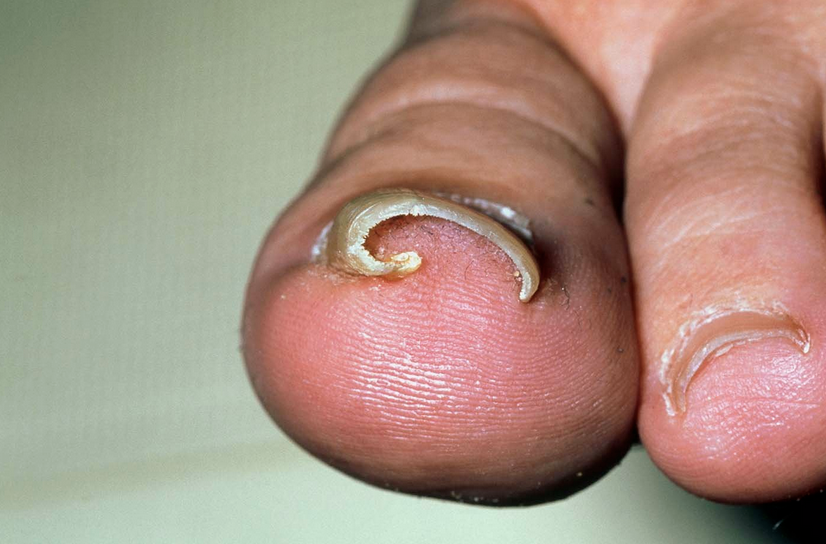
Ingrown nails—especially affecting the big toe—happen when the edge of the nail grows into the surrounding skin, causing pain, swelling, and sometimes infection.
Think of your nail as a mini train riding on tracks: when the edge veers off, it digs into the platform (your skin), causing a wreck of redness and irritation.
Anyone can get an ingrown nail, but some people are definitely at higher risk.
Anatomy: Why Nails Go Rogue
At the core, your toenail sits on three key parts:
- Nail plate: the hard visible part
- Nail matrix: the hidden growth zone under the cuticle
- Periungual tissue: the soft skin around the nail’s edges
When these structures are thrown off—like when the tracks get bent by pressure or cuts—the nail starts digging inward.
Risk Factors: Are You on the List?
You’re much more likely to wrestle with ingrown nails if you tick off any of these boxes:
- Improper nail trimming: Cutting nails too short or rounding corners lets the skin overgrow the nail
- Tight shoes or repetitive trauma: Squeezing, stubbing, or cycling pressure drives the nail edge into the flesh
- Genetic quirks: Curved (pincer) nails, inherited toe shapes, or existing nail disorders up your risk
- Medical conditions: Diabetes, poor circulation, and an immune system on the fritz make infections fiercer and healing slower
Picture this: after running a half-marathon in new shoes, you notice the corner of your big toenail is throbbing and red—a classic first warning sign.
Severity: Mild, Moderate, or Time to Panic?
Severity isn’t just about pain:
- Mild: Redness, tenderness, slight swelling
- Moderate: Oozing, pus, obvious infection
- Severe: Intense pain, overgrown tissue (granulation), or trouble walking
Knowing your severity level shapes your next step—conservative care vs. immediate specialist referral.
Quick-Scan Takeaways
- Cutting corners with nail scissors is the #1 preventable cause
- Tight footwear turns mild cases into medical emergencies
- “If your nail feels more like a splinter, it’s time to act—don’t wait for infection”
Recognizing what puts you in the danger zone is your best chance at beating ingrown nails before they send you limping to the clinic.
Home Remedies and Conservative Care in 2026
Soaks, Topicals, and Self-Care Strategies
Managing an ingrown nail at home is all about reducing pain, inflammation, and infection risk—fast.
Start with a warm water soak (add Epsom salt or a drop of antiseptic). Soak the affected toe for:
- 15–20 minutes
- 2–4 times daily
This softens the nail edge and soothes swelling.
After soaking:
- Pat dry gently
- Apply a topical antibiotic ointment if any redness or mild discharge appears
- Consider a thin layer of low-potency corticosteroid cream to manage inflammation, if advised by your pharmacist
Most over-the-counter ointments cost $7–$18. If infection worsens or pain persists, a prescription product may be needed—never ignore worsening symptoms.
Building your defense, keep your feet dry, switch to roomier shoes, and avoid picking at the nail. “Most mild ingrowns turn the corner in a week with vigilant care.”
Nail-Edge Lifting, Splinting, and Taping
When you catch an ingrown nail early, a simple lift-and-splint trick can be a game-changer.
Picture this: like slipping a soft bumper beneath the sharp train track of your nail, you're preventing it from veering deeper into the skin.
Try:
- Sliding a small piece of cotton or dental floss under the ingrown nail edge after soaking
- Securing the edge with hypoallergenic tape to gently tug skin away
- For DIYers, tiny gutter splints—thin plastic tubes—can be placed by a pro or yourself if you’re tech-savvy
Pros: You avoid more invasive treatments and keep the nail growing out safely.
Cons: If you see persistent pain, pus, or the nail won’t budge, it’s time to escalate your care.
Toe Protectors, Braces, and Commercial Products
Ready-made gadgets have exploded in popularity in 2024–2026, and not just for tech geeks.
Toe caps, separators, and soft silicone braces shield tender skin and guide the nail’s regrowth path.
Look for these at:
- Local pharmacies
- Major online retailers (think Amazon, Walgreens.com)
- Specialty foot-care clinics
Top-reviewed brands like GelGuard® and NailEase® Soft Braces get love for comfort and ease, though real-world reviews warn they’re less effective for severe cases or if infection has set in.
“Think of these tools like a bike helmet: great protection for simple falls, but not for major crashes.” These are essential for the early or mild stage and can delay or even prevent the need for surgery.
The most important takeaway: act early with soaks, careful hygiene, and home-based protection to keep a mild ingrown nail from derailing your week—and remember, persistent pain means it’s time to bring in the pros.
Medical Interventions: Surgical and Minimally Invasive Treatments
Partial Nail Avulsion With Chemical Matrixectomy
Think of partial nail avulsion as a tech upgrade for your toenail—precise, powerful, and designed with efficiency in mind.
The procedure is performed under local anesthesia. Your podiatrist will:
- Remove only the ingrowing side of the nail (not the whole nail—just the “problem line”).
- Use a targeted application of phenol (88%) or sodium hydroxide (10%) to the nail matrix (root), preventing regrowth at the offending edge.
This method is ideal for:
- Moderate-to-severe cases
- Repeated recurrences
- Nails with a built-in “structural flaw”
You can expect:
- 94–98% success rates for stopping recurrence
- Typical downtime: back in normal shoes within 2–4 days
- Recurrence is rare but not impossible—about 2–6% may require a second intervention
Note: The treated edge often appears permanently “squared off” or slightly narrower—a small price for long-term relief.
Quotable: “Treat only what’s broken—leave the rest untouched.”
Total Nail Avulsion and Matrix Destruction
If both nail borders are off the rails, or you’re facing chronic infection or major deformity, total nail avulsion (TNA) with matrix destruction is the go-to.
Here’s what’s involved:
- Removal of the entire nail plate, sometimes combined with chemical/surgical destruction of the matrix (for a permanent solution).
- Typical indications: severe infection, both edges involved, or failed past procedures
Expect:
- Recovery takes longer—return to full function in 1–2 weeks
- Nail may not regrow, or may regrow thinner, distorted, or not at all
- This is the “hard reset” of nail surgery—it solves pain but changes appearance
Only opt for TNA if other options have failed or if function/aesthetics aren’t your priority.
Quotable: “Sometimes, the best fix is a clean slate.”
Wedge Resection, Traditional Matrixectomy, and Adjunct Laser Procedures
For tech pros who want precision, wedge resection and traditional matrixectomy provide time-tested results.
These procedures typically include:
- Surgical excision of the ingrown piece (using a scalpel or fine instruments)
- Direct destruction of the associated matrix (“root” tissue); may use surgery, chemical, or laser
Why still the gold standard?
- Lower recurrence with meticulous matrix removal
- Moderate downtime; pain usually subsides in 2–4 days
- Laser adjuncts offer faster healing and less post-op pain, though high-quality comparative data is still emerging
Data spotlight: CO₂-laser matrixectomy can see cure rates of 94%, with patients walking within 1.4 days and near-zero complications.
Quotable: “Precision matters—removing just enough tissue for lasting results.”
These medical interventions range from focused fixes to full resets, letting you balance recovery, appearance, and recurrence according to your priorities. For most tech-minded professionals, precise procedures like partial avulsion with matrixectomy deliver high success, quick turnaround, and the ultimate productivity boost—pain-free, functional feet.
Advanced and Emerging Options in 2024–2026
Onyfix and Modern Nail Correction Systems
Picture this: You sit down in a clinic, and instead of numbing shots and scalpels, your provider applies a slim, translucent strip to your nail—no pain, no downtime, just a quick flash of light to harden the resin.
That’s Onyfix in action—a noninvasive, pain-free nail brace designed to gently retrain “curved” or problem nails back into proper alignment.
- Best for:
- Early-to-moderate ingrown nails
- Patients preferring to avoid surgery (kids, diabetics, or anyone with high-risk medical histories)
- Those with pincer, split, or damaged nails
- How it works:
- Nail is cleaned and prepped
- Moldable resin is painted and hardened with light
- System stays on 6–12 weeks, working invisibly as you walk, work, or travel
- Most people feel nothing—expect same-day return to normal shoes
- Cost & access:
- Typically $75–$200 per session (less than surgery in many markets)
- Now widely available via dermatologists and podiatrists in major cities; growing global adoption
- Insurance coverage varies—ask at booking
“In 2026, nail correction braces are as routine as wrist supports—if you value comfort and minimal disruption, this could be your go-to.”
CO₂-Laser Soft-Tissue Procedures and Matrix-Sparing Alternatives
Imagine leaving a 10-minute appointment, walking out with zero bandages, and going back to work the next day.
That’s what CO₂-laser ablation offers busy professionals with advanced ingrown nails.
- What it does:
- Precisely vaporizes inflamed soft tissue (not the nail root)
- Preserves the nail’s look and function
- 2024 outcome data:
- 94% cure rate (47 patients; 52 procedures)
- Typical return to walking: 1.4 days
- Cosmetic results rated as “excellent”
- Relapse? Only 6%—and most fixable with a second quick procedure
- Barriers:
- Access still limited to specialty laser clinics
- Costs range $350–$700
- Insurance reimbursement can be hit-or-miss; referrals often required
“Laser treatments are rewriting the rules—think of them as the ‘precision edit tool’ for stubborn or recurring ingrown nails.”
Other Laser-Assisted and High-Tech Techniques
For patients and clinicians looking to push the envelope:
- Adjunct lasers can be used with or instead of chemicals during nail surgery
- Found to reduce pain, deliver shorter recovery, and lead to precise tissue removal
- Limited head-to-head trial data vs. legacy methods—innovative clinics are tracking outcomes closely
- Regulatory gray area in some markets; best for tech enthusiasts or those with access to cutting-edge providers
Takeaway: “High-tech doesn’t always mean high risk—sometimes the latest options offer the best blend of safety, speed, and style for your feet.”
If you’re looking for pain-free, quick-recovery options for ingrown nails in 2026, these emerging systems offer real, practical hope—especially if you value convenience, minimal downtime, or need solutions tailored to complex health needs.
Comparing Options: How to Choose the Right Approach
Practical Decision-Making Framework
Choosing the best ingrown nail treatment in 2026 is all about matching the solution to your specific situation—and your personal preferences.
Picture this: You’re facing an ingrown nail for the first time and wondering, “Do I really need surgery, or is there a less intense fix?”
It boils down to these steps:
- Mild/First Episode:
- Try warm soaks, topical antiseptics, gentle nail-edge lifting (with cotton/floss), and footwear tweaks.
- OTC braces or Onyfix work well if your nail shape is the main culprit.
- Moderate/Recurrent:
- Conventional go-to remains partial nail avulsion with phenol or NaOH matrixectomy—highly effective and often covered by insurance.
- CO₂-laser soft-tissue procedures are gaining fans for faster recovery and impressive cosmetic outcomes (think back to work in 1–2 days).
- Severe or Both Sides Affected:
- Consider total nail avulsion, especially for major deformity or infection, but weigh the permanent change in nail appearance.
- Special Considerations:
- Diabetics, immunosuppressed, or those with vascular disease should lean toward noninvasive, matrix-sparing techniques (like Onyfix or CO₂-laser).
Checklists and flowcharts, now standard in clinics, can streamline your choices—don’t hesitate to ask your provider for a visual guide.
Data-Driven Discussion: Success Rates, Recovery, and Risks
Here's what the numbers look like when you’re comparing your options:
- Partial nail avulsion with phenol/NaOH:
- Success rates: 85–92%
- Recurrence: <15%
- Recovery: 5–7 days to normal activity
- Out-of-pocket cost: $200–$700 (insurance often pays majority)
- CO₂-laser soft-tissue ablation:
- Cure rate: 94%
- Relapse: 6% (retreated successfully)
- Back on your feet: ~1.4 days
- Cosmetic outcome: Nail and matrix preserved; no distortion
- Onyfix and high-tech braces:
- Best for: Early/moderate, high-risk patients
- Cost: $80–$300 per session; multiple sessions possible
- Benefits: Painless, zero recovery time, can wear normal shoes
Keep in mind:
- Risks include infection, nail deformity, and regrowth issues—communicate your priorities for downtime, appearance, and budget.
- Insurance trends: Surgical and CO₂-laser treatments are usually reimbursed; innovative systems like Onyfix may be self-pay (for now).
What's crucial: Treatment choice should work for your lifestyle, health status, and cosmetic goals—don’t settle for a “one-size-fits-all.” The data’s clear—newer options make it possible to recover faster, preserve your nail, and sidestep downtime, so ask your provider which mix of old standards and new tech fits you best.
When to See a Specialist and What to Expect
Spotting the right time to call in a specialist isn’t always obvious—but certain symptoms demand attention.
If you notice any of the following, it’s time to level up your care:
- Severe or throbbing pain that doesn’t ease with OTC painkillers
- Red, hot swelling spreading away from the nail (think: what you’d see after a wasp sting, but worse)
- Chronic or repeated ingrown nails that don’t respond to home remedies
- Pus, foul odor, or obvious infection
- Difficulty walking or wearing shoes
A single case of “I can’t put weight on my toe” is a green light for professional help.
“The moment you struggle to walk, it’s beyond a DIY fix.”
What Your First Specialist Appointment Looks Like
Picture this: you arrive, kick off your shoes, and a podiatrist or dermatologist does a side-by-side exam of both feet.
They’ll:
- Assess pain, swelling, and any signs of infection
- Check nail shape, thickness, and curvature
- Classify the severity (mild, moderate, or severe) based on current medical guidelines
Expect a mix of tactile checks and questions about your nail-cutting habits, shoe choices, and general health. They may also ask for details about:
- Previous nail procedures or recurrent problems
- Any history of diabetes, vascular issues, or immune system concerns
Key Questions to Ask During Your Visit
Don’t leave until you get answers that matter to your day-to-day life.
- “Which treatment options fit the severity of my ingrown nail?”
- “Am I a candidate for Onyfix or CO₂-laser treatment?”
- “What recovery time and recurrence rates can I expect with each intervention?”
- “Will my insurance cover these newer approaches?”
Pro tip: “Treat your appointment like a strategy session—ask what’s most likely to work for your lifestyle.”
How Your Health History Shapes Your Roadmap
Specialists adapt therapies if you have:
- Diabetes, circulation problems, or immunosuppression—often favoring noninvasive or matrix-sparing options (like Onyfix)
- History of allergic reactions—shaping choices around topical and injected agents
You’ll likely get a tailored action plan, especially if you’re managing other health issues.
Digital Consults and Remote Recommendations
Telemedicine for foot health? It’s more common than you might think.
Clinics now offer:
- Video consults for early triage or post-procedure check-ins
- Remote product recommendations (toe braces, OTC ointments shipped to your door)
- Access to AI-driven symptom checkers and digital aftercare plans
Picture snapping a photo of your toe, uploading it, and having a specialist respond within hours—a trend gaining ground from 2024 through 2026.
Whether you’re battling recurring pain or facing a first-timer’s infection, knowing when and how to escalate care saves downtime and reduces complications. Immediate action for severe symptoms—and honest, well-prepared conversations at the clinic—are your best strategies for long-term relief.
Prevention, Aftercare, and Long-Term Relief
Keeping ingrown nails at bay in 2026 comes down to your daily routine. Consistent foot care is the best prevention—think of it as a software update for your toes: a little time now saves you headaches later.
Essential At-Home Habits
Use these proven practices to minimize your risk:
- Trim nails straight across—not too short, and leave the corners visible to avoid sharp edges “veering off track.”
- Disinfect your tools before each use and keep a dedicated nail clipper for toes.
- Practice daily foot hygiene: wash and dry thoroughly, focusing between toes.
Imagine: You finish a 12-hour workday and slip off your shoes to find your feet still pain-free—a simple nail trim could be the reason why.
Footwear Choices and Environment
Your shoes can be your best friend or worst enemy.
- Select roomy, breathable footwear that gives toes space to move.
- Rotate shoes and socks to avoid persistent moisture.
- For runners or those with high mileage on their feet, replace athletic shoes every 350–500 miles.
“Tight shoes sabotage your nails the way poor data sabotages your project.”
Preventive Tools That Actually Work
According to 2025 studies, manual methods and new tech both play a role.
- Braces, splints, and toe protectors lower recurrence by guiding nail growth—use especially after minor ingrown episodes.
- Nail taping helps train the skin and nail apart.
- Most effective? Education: a single session with a podiatrist drops recurrence rates by up to 30%.
“Today's toe brace is tomorrow’s pain-free meeting.”
Aftercare and Smart Monitoring
Prevent relapse by treating recovery like a project with checkpoints.
- Follow up at set intervals: check for swelling, redness, or tenderness weekly.
- Use photos or an app to track progress over months—AI-based foot care tools can flag early signs of recurrence.
- If symptoms return or worsen, see a specialist within 48 hours to avoid downtime.
Integrate Care Into Your Routine
Pair foot assessments with daily tasks, like charging your phone or making coffee. Automation fans: use reminders or smart health trackers for regular checks.
For ongoing learning:
- Download trusted podiatry reference apps or bookmark up-to-date sites like the American Academy of Dermatology.
- Try AI-based foot scanning tools—some are now covered by major health plans, making early detection easier than ever.
Smart, tech-friendly prevention and maintenance keep your feet ahead of problems. The actionable secret? Consistency beats complexity—regular care trumps reactively chasing a cure.
Conclusion
Choosing the right ingrown nail treatment in 2026 isn't just about eliminating discomfort—it's about reclaiming your comfort, mobility, and productivity with solutions that meet your personal needs and tech-forward lifestyle.
Today’s options let you fix mild issues before they escalate or harness advanced, low-downtime procedures for chronic or severe problems. Every step empowers you to keep your focus on what matters—your work, your passions, and your daily life.
Here are the most practical, actionable takeaways you can put into play right now:
- Act early: Don’t wait—address the first signs of pain or redness with at-home care to save time and avoid complications.
- Choose tech-driven prevention: Try AI foot care apps, digital reminders, or modern braces for smarter, ongoing foot health.
- Consult a specialist if symptoms persist: Severe pain, infection, or recurrence isn’t just “annoying”—it deserves prompt, professional attention.
- Prioritize proper footwear and trimming habits: Small changes—like straight across cutting—have a huge impact long-term.
- Explore advanced options: If you want the fastest recovery and best cosmetic outcome, ask about Onyfix, CO₂-laser, or other matrix-sparing tools at your next visit.
Make it happen—schedule a foot check-in today, refresh your shoe game, or book a digital consult the moment discomfort surfaces. Proactive steps now prevent downtime later and keep your stride smooth and pain-free.
“Optimizing your foot health is like fine-tuning your workflow—the right strategy keeps you moving forward, ready for anything. Don’t let an ingrown nail slow your momentum—step confidently into the future you deserve.”