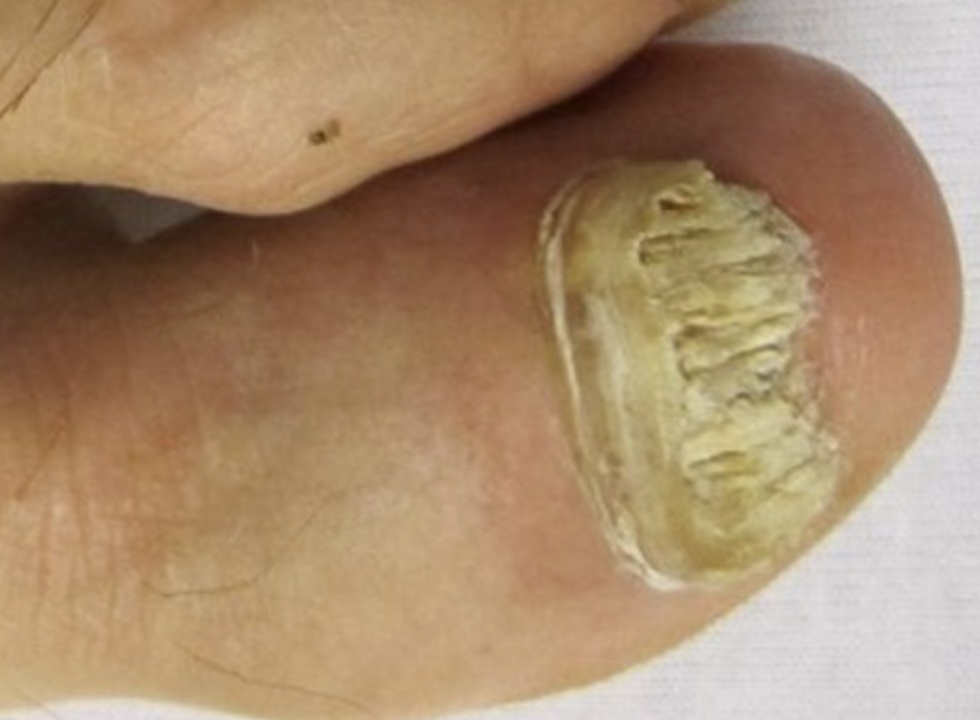
what causes toe fungusPin

Key Takeaways

If you’re wondering what really causes toe fungus—and how you can dodge it—you’re in the right spot. Here are the key risk factors broken down into instantly usable tips, so you can keep your feet healthier (and avoid giving fungus an open invitation).

  • Fungi target weak spots by entering through cracks, cuts, or damaged nail edges, so inspect nails regularly for any tiny injuries.
  • Warm, damp environments breed fungus, making locker rooms, public showers, and sweaty shoes top risk zones for infection.
  • Poor airflow at home encourages growth—keep bathrooms dry and change out soggy mats to reduce the chance of persistent moisture.
  • Non-breathable footwear and socks act as incubators for fungi, so choose ventilated shoes and quick-drying materials, especially after workouts.
  • Barefoot exposure in communal spaces dramatically increases risk; always wear flip-flops or shower shoes in shared environments.
  • Skipping foot hygiene boosts your odds—thoroughly dry your feet after swimming, bathing, or exercise to block fungal entry.
  • Minor nail or skin injuries can be high-risk—even a tiny cut or hangnail can serve as a gateway for infection, so treat small wounds promptly.

Keeping a step ahead of toe fungus is easier than you think—dive into the full article for deeper strategies and start protecting your feet today!

Introduction

Picture this: you slip off your shoes after a long day, only to spot a yellowish patch creeping across a toenail. Annoying? Definitely. Uncommon? Not at all—one in ten people wrestle with toe fungus during their lives.

Ever wondered how something as simple as a gym shower or a favorite pair of sneakers could secretly raise your risk? Toe fungus isn’t just about personal hygiene or bad luck; it’s the result of a perfect storm of small, everyday habits—most of which sneak right under our radar.

If you’re hustling through meetings, squeezing in gym sessions, or working from hotspots all day, your feet are working overtime too. That means you’re exposed to hidden risk factors that most people overlook:

  • Swapping shoes after a rainstorm—or just leaving them damp in your gym bag
  • Forgetting to let your feet dry after a sweaty commute
  • Going barefoot in a hotel or shared workspace bathroom

Miss just one of these extra steps, and you’re opening the door to an issue that’s tougher to ditch than yesterday’s to-do list.

Here’s what you’ll get from this guide: crystal-clear explanations of how toe fungus actually starts, the key risk factors you can control (and a few you might not expect), plus practical, tech-friendly ways to reduce your risk right away.

Think of this as your shortcut to smarter self-care—so you can spend less time worrying about what’s lurking on the tile floor, and more time moving confidently through your day.

Ready to uncover the science (and a few surprises) behind toe fungus? Let’s step into what really causes the problem—starting with the microscopic invaders that target your toes.

Understanding the Root Causes of Toe Fungus

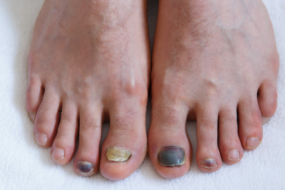
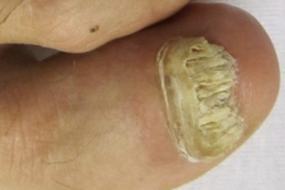
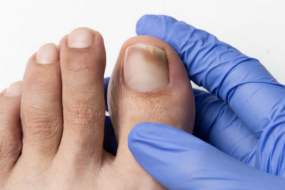
Toe fungus isn’t just a nuisance—it’s a microscopic invasion. Fungi like dermatophytes, yeasts, and molds see your toenails as prime real estate, thriving on keratin, the protein that nails are made of.

Picture this: cracks, tiny cuts, or weakened nail edges are like an open window for these unwanted houseguests. Once inside, the fungi multiply, taking advantage of any environment that’s warm and damp.

How Infection Happens

It’s easier than you’d expect for fungi to break in. Here’s how:

  • Entry points: Cracks, splits, or minor injuries to the nail or skin
  • Compromised barriers: Damaged cuticles, ingrown nails, or previous trauma

“Think of toe fungus as an opportunist—any breach in your nail’s defenses is an invitation.”

Environmental Conditions Behind Toe Fungus

Toe fungus thrives in places where moisture lingers.

  • Public hotspots: Locker rooms, pool decks, public showers, gym floors
  • Home risks: Bathrooms with poor airflow, damp tiles, soggy bathmats

You’re much more likely to encounter toe fungus if you spend time in humid climates, but even a sweaty shoe can mimic tropical conditions.

Real-World Risk Triggers

A few everyday scenarios that put you at higher risk:

  • Heading barefoot into shared showers or changing rooms
  • Letting your feet stew in tight, non-breathable shoes or sweaty socks
  • Skipping air-drying after workouts or swimming

“Walking around a gym locker room without shoes is like broadcasting a VIP invitation to every nearby fungus.”

What This Means for You

Any breach in your nail’s defenses—a tiny cut, a sweaty sock, or a steamy bathroom—can let fungi settle in. If you’re regularly exposed to warm, moist environments or have minor nail damage, your risk climbs fast.

Remember: “Toe fungus is opportunistic—lower your risk by keeping feet clean, dry, and protected in communal spaces.” Spotting and eliminating these risk factors early is your best defense.

Conclusion

Dodging toe fungus isn’t just about luck—it’s about identifying risk early and owning your prevention game. Protecting your feet means understanding where you’re most vulnerable and acting before tiny nuisances become persistent problems.

A few practical shifts can turn you from prime target to fungus-proof:

  • Keep feet dry: Always air out your shoes and socks after sweaty activities
  • Guard your toes: Use flip-flops in gyms, public pools, and showers
  • Stay vigilant: Inspect your feet and nails regularly for any subtle changes
  • Protect from injuries: Trim nails straight, care for cuticles, and avoid trauma
  • Choose breathable gear: Opt for socks and shoes that let your feet breathe

Ready to level up your foot health? Try these right now:

  • Swap out damp socks without delay—no excuses after that workout
  • Toss an extra pair of flip-flops in your gym bag or by the bathroom door
  • Give your feet a quick check tonight; small changes now prevent headaches later

Don’t leave it to chance. Your next confident step starts with smart prevention—because you’ve got better things to do than battle a pesky fungus.

Take charge today, and let healthy toes set the tone for every move you make!
Facebook

Shoulder Joint Pain Exercises for Effective Relief https://99wellnesslessons.com/shoulder-joint-pain-exercises/ Key Takeaways Shoulder pain slowing you down? These science-backed, easy-to-implement exercises and strategies deliver fast relief—and real, lasting results. Here are the actionable highlights, so you can get moving (and keep working) pain-free, without reading a medical textbook. Movement trumps total rest—consistent, gentle exercise beats inactivity for most shoulder pain, boosting flexibility and cutting recovery time by up to 50%. Targeted stretches like the across-the-chest and doorway stretch quickly improve shoulder mobility in as little as 2-4 weeks when done 3-5 times per week. Strengthening key support muscles (think shoulder blade squeezes and wall angels) reduces injury risk by up to 40% and transforms nagging desk aches into resilience you’ll notice. Smart routines are short and simple—just 10-15 minutes, 3-5 times a week is proven to deliver measurable pain relief and better function. Tune into “good pain” vs. “bad pain”—sharp or persi https://99wellnesslessons.com/shoulder-joint-pain-exercises/ Joint Pain #joint #pain

Tea Tree Oil and Vicks for Toenail Fungus: Do They Work? https://99wellnesslessons.com/toe-nail-fungus-tea-tree-oil/ Key Takeaways If you’re weighing tea tree oil or Vicks VapoRub to tackle stubborn toenail fungus, these practical, research-backed insights will help you set realistic expectations and choose the smartest next steps. Here’s what matters most for fast-acting professionals seeking clear, actionable advice: Home remedies offer affordability and accessibility, but full cures are rare—expect only modest improvement from tea tree oil or Vicks, especially on thick or stubborn infections. Vicks VapoRub shows slightly better results than tea tree oil alone, with one study reporting 28% of users achieving total nail cure and 56% seeing partial improvement after up to 48 weeks of daily use. Medical antifungals remain the gold standard, delivering 70–80% cure rates for moderate to severe cases, but they carry higher costs and possible side effects. Success with home treatments requires serious commitment: daily application for 6–12 months and a willingness to accept slow, https://99wellnesslessons.com/toe-nail-fungus-tea-tree-oil/ Toe Fungus #toe #fungus

Technology’s Impact on Sleep Patterns in 2026 https://99wellnesslessons.com/technologys-impact-on-sleep-patterns/ Key Takeaways Want to get ahead of tech-driven sleep disruption in 2026? Here are the must-know, actionable insights for professionals and entrepreneurs navigating the intersection of digital living and restorative rest. These bite-sized takeaways will help you rethink nightly routines and harness technology for better sleep—without letting it run the show. Digital devices dominate sleep routines, with over 65% of tech pros using screens within an hour of bedtime and blue light exposure up 40% since 2022. Blue light from screens and LEDs delays melatonin release, leading to later bedtimes, more fragmented rest, and growing sleep debt—make screen-free wind-downs a nightly ritual for better sleep. Wearables and sleep-tracking apps are double-edged swords: use them for trend spotting and actionable feedback, but avoid the trap of “orthosomnia”—anxiety from obsessing over perfect metrics. AI-powered sleep tech transforms your bedroom into a smart sanctuary, with t https://99wellnesslessons.com/technologys-impact-on-sleep-patterns/ Sleep #sleep

Natural Joint Pain Remedies That Actually Work (Backed by Science) https://99wellnesslessons.com/natural-remedies-for-joint-pain/ Key Takeaways Looking for natural joint pain relief that’s actually proven—not just wishful thinking? Here’s your shortcut to the most actionable, science-backed strategies, distilled for easy, mobile-friendly scanning. Get the best of natural approaches with practical advice you can use right away. Prioritize evidence over hype by choosing natural remedies with peer-reviewed studies and clear dosage data—curcumin (1,500 mg/day), omega-3s (350–2,400 mg/day), and movement therapies stand out. Remember “natural” doesn’t always mean safe—herbal supplements like turmeric, ginger, and cat’s claw can interact with medications and cause side effects, so always consult your doctor first. Optimize your diet for real relief by adding more omega-3-rich foods (salmon, walnuts) and following Mediterranean or plant-based meal plans proven to reduce inflammation and pain. Leverage at-home physical therapies like heat/cold packs, massage, and guided movement (yoga, https://99wellnesslessons.com/natural-remedies-for-joint-pain/ Joint Pain #joint #pain

How Exercise Revolutionizes Diabetes Outcomes https://99wellnesslessons.com/physical-activity-diabetes/ Key Takeaways Ready to revolutionize your approach to diabetes management? Here’s what every tech-savvy professional should know about how exercise reshapes diabetes outcomes in 2026. Scan these actionable tips to unlock the science, strategies, and real-world hacks that put better control right at your fingertips. Exercise is now a first-line treatment for both type 1 and type 2 diabetes, rivaling medication for impact on blood sugar control and overall health. Just one workout boosts insulin sensitivity and improves glucose uptake for up to 72 hours, helping you make every session count. Consistent aerobic activity lowers HbA1c by 0.5–0.7 points, while resistance training can improve insulin sensitivity by 48%—combine both for the strongest results. Personalized activity targets are data-driven in 2026: adults should aim for 150–300 minutes/week of moderate-to-vigorous aerobic exercise plus resistance training 2–3 times weekly for optimal outcomes. Breaki https://99wellnesslessons.com/physical-activity-diabetes/ Diabetes #diabetes

Best Menopause Supplements for Relief in 2026 https://99wellnesslessons.com/best-menopause-supplements/ Key Takeaways When it comes to navigating menopause in 2026, tech-savvy professionals want smart, actionable insights—not generic wellness hype. These key takeaways give you the latest, evidence-based strategies to build your optimal supplement routine, quickly and confidently. Nonhormonal menopause supplements offer real relief for symptoms like hot flashes, night sweats, and mood swings—without prescription hormones or synthetic ingredients. Science-backed standouts for 2026 include Siberian rhubarb extract (up to 90% hot flash reduction), black cohosh, standardized pollen extract, St. John’s wort, and soy phytoestrogens, each supported by clinical studies and transparent ingredient sourcing. Symptom-matching is your shortcut to results: Use targeted supplements (like L-theanine and magnesium for sleep, omega-3s for mood, calcium and vitamin D for bone health) based on your dominant menopause challenges. Blends are trending—but transparency is key: Choose mult https://99wellnesslessons.com/best-menopause-supplements/ Menopause #menopause

Enjoyed the post? Please share with friends!