Key Takeaways
Busy professionals need practical, no-nonsense insights—especially when it comes to toe fungus, a surprisingly common but often ignored threat to both comfort and confidence. Here are the must-know facts, causes, and red flags to keep your feet (and workflow) fungus-free, all in under thirty seconds.
- Toe fungus is incredibly common, affecting about 1 in 10 adults, and often starts as a tiny yellow or white spot that’s easy to overlook.
- Dermatophyte fungi thrive in damp, dark environments, making tight shoes, sweaty socks, and communal showers the top hotspots for infection.
- Key risk factors include athlete’s foot, chronic shoe-wearing, nail trauma, and medical conditions like diabetes or compromised immunity—if your feet are sweaty or injured, you're in the danger zone.
- Early symptoms show as faint discoloration or nail thickening, but ignoring these signs lets fungus slowly destroy nail structure over months or even years.
- Nail fungus often masquerades as other conditions—like psoriasis, injuries, or bacterial infections—so compare symptoms carefully or consult a pro before self-treating.
- Unchecked fungus can lead to permanent nail deformity, walking pain, or even serious infections in high-risk groups; prevention saves hassle and healthcare costs.
- Biofilms (fungal “fortresses”) can make infections stubborn, so act early—modern treatments and digital tools (like photo checks or AI reminders) are your new best defense.
- Keep feet clean, dry, and ventilated, rotate shoes, and use app reminders for regular checks—“dry toes beat fungus every time.”
Don’t let toe fungus sneak up on your stride or your schedule—catch changes early, apply these tech-smart tips, and jump into the main article for a deeper dive into prevention and fast action.
Introduction
Ever noticed an odd yellow spot on your toenail after a marathon day in sneakers—or maybe while hustling barefoot around a gym locker room?
You’re not alone: roughly 1 in 10 adults will wrestle with toe fungus at some point—and if you’re a busy professional, never-ending shoe days and tight schedules put your feet in prime risk territory.
For anyone who’s ever found themselves Googling weird nail symptoms mid-Zoom call, here’s the kicker: toe fungus is shockingly easy to pick up and even easier to ignore, often flying under the radar until nails turn brittle, discolored, or downright uncooperative.
Think of it as a “sleeper bug” for your feet—a tiny invader with big consequences for mobility, comfort, and yes, confidence.
If you’re tech-savvy, data-driven, and on your feet all day (or sliding between boardrooms and barre classes), knowing the hidden triggers and early warning signs can keep your work and workout routines running smoothly.
Getting ahead of toe fungus means less time guessing and more time focusing on the things that matter—whether that’s closing deals, managing campaigns, or just enjoying a sandal season without second thoughts.
Here’s what’s in store:
- How toe fungus sneaks in and why it targets busy, tech-minded pros
- The telltale symptoms and warning signs (including what to watch for before things spiral)
- Key risk factors: daily habits, work environments, and even gadget-driven lifestyles that fuel fungal growth
- How toe fungus stacks up against other common foot troubles—because not every funky nail is fungal
- Immediate, actionable tips to stop infection fast—and fresh insights on smarter, digital-age prevention
If you’ve ever questioned whether that weird spot on your nail is just a fleeting mark or the start of something stubborn, you’re definitely in the right place.
So—what exactly is toe fungus, and why does it matter to people who’d rather solve problems early and keep moving?
Let’s break down the basics, starting with what toe fungus looks like from the ground up.
What Is Toe Fungus? Understanding the Basics
Toe fungus (the medical term is onychomycosis) is a common infection where fungi invade your toenail and its bed, slowly turning healthy nails thick, discolored, and tough to manage.
Picture this: you glance down and notice your toenail has a weird yellow spot or feels oddly thick—think of it as a persistent weed sprouting in the “soil” of your nail, stubborn and hard to get rid of.
If you work long hours in shoes, frequent gyms or pools, or simply lead a busy life, toe fungus is more common than you think—about 1 in 10 adults will deal with it at some point.
The Fungal Lineup: Fungi, Yeasts, & Molds
Not all foot invaders are created equal.
Let’s make this simple:
- Fungi are a huge group that includes mushrooms, yeasts, and molds.
- Dermatophytes (a subgroup, especially Trichophyton) are the most frequent culprits—imagine them as the “usual suspects” lurking in socks, showers, and sweaty shoes.
- Yeasts and non-dermatophyte molds sometimes cause infections, especially in fingernails or already damaged toenails, but they’re not the main players here.
If there’s one thing shoe closets everywhere should worry about, it’s those lurking dermatophytes.
How the Infection Develops (And Why It Matters)
Fungi sneak in through:
- Tiny cracks, splits, or cuts in the nail or surrounding skin
- Warm, damp environments where toes rarely see sunlight (cue tight shoes and steamy locker rooms)
Once inside, the fungus thrives, feeding on nail keratin (the tough stuff nails are made of), and slowly spreads beneath the nail plate.
Think: It’s not a dramatic overnight takeover, but a slow, persistent invasion—months or even years can go by before you notice major changes.
Why Professionals & Everyday Folks Should Care
More than a simple nuisance, untreated nail fungus can interfere with walking, fitting shoes, and even professional confidence, especially if your job keeps you on your feet or in public view.
Left unchecked, what looks like “just a yellow spot” can become a source of pain—and a stubborn project to fix.
Bottom line: Spotting toenail fungus early gives you the upper hand. Don’t ignore subtle changes; what starts small can soon be a persistent, literal thorn in your side—or shoe.
Causes and Key Risk Factors: How and Why Toe Fungus Develops
How Fungus Invades the Toe
Toe fungus starts its offensive by slipping in through small cracks, tiny cuts, or weak spots around the nail.
Picture this: you just finished a pickup basketball game, peeled off your sweaty socks, and stepped barefoot into the locker room shower. That’s prime time for these unwelcome guests to barge in.
- Microscopic fungi (mainly dermatophytes like Trichophyton) thrive in moist, low-blood-flow areas, making toes an easy target.
- Even simple acts like gardening without shoes or bruising your toenail at work can create entry points for infection.
Quotable: “Toe fungus makes itself at home anywhere there's a crack, a little injury, and some lingering dampness.”
Major Risk Factors
Certain life and work habits push your feet into the “high risk” zone. If this sounds familiar, you're not alone—over one in ten adults will deal with toenail fungus at some point.
Key risk factors include:
- History of athlete’s foot
- Walking barefoot in communal, wet places (think gyms or pools)
- Tight or unventilated shoes
- Nail trauma from sports, accidents, or heavy work
- Aging, diabetes, circulation problems, or immune suppression
Pro tip: If your job keeps your feet hot and sweaty all day, you’re in prime fungus territory.
Environmental and Behavioral Contributors
Personal habits matter more than you’d think. Picture communal showers as “bacterial swimming pools for your toes.”
- Inconsistent hygiene—skipping a shower after the gym or not drying between toes
- Nail grooming habits—cutting nails too short or with unclean tools
- Living or working in humid spaces—offices with little ventilation or shoes that barely breathe
Quotable: “Community showers are a microbe meet-up you definitely don’t want to RSVP for.”
Latest Research & Trends
New research underscores athlete’s foot as a top source of nail infections—if you see itchy, scaly skin between your toes, pay attention.
- Biofilms, or “fungal fortresses,” help chronic infections resist treatment, so breaking through these layers is now a top priority in therapy.
- Researchers are focusing on host genetics, immune status, and microtrauma—basically, why some people fight fungus off easily and others don’t.
Quick prevention tips:
- Keep feet clean and dry
- Rotate your shoes (let 'em dry out)
- Avoid barefoot time in public showers
Quotable: “Fungus needs moisture to thrive—so dry toes are your best defense!”
If you know what puts you at risk, you can head off toe fungus before it grabs a foothold—literally. Recognizing these causes gives you the edge to keep your feet clear, comfortable, and fungus-free.
Recognizing Toe Fungus: Symptoms and Warning Signs
Early Symptoms: Spotting Trouble Before It Spreads
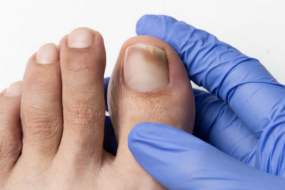
Catching toe fungus early means watching for the smallest shifts—a tiny white or yellow spot under the nail tip, edge, or side.
You might notice:
- Faint discoloration (“Did my toenail just high-five a yellow highlighter?”)
- A subtle, barely-there thickening or change in nail texture
These early signs often get missed because there’s no pain or drama—just a quiet change in shade or smoothness.
Pro tip: A nail that goes from clear to cloudy or pale yellow at the tip is your first nudge to take a closer look.
“A yellow smudge near your nail edge is the first red (or yellow) flag of fungal trouble.”
Advanced Symptoms: What Happens if Fungus Progresses
If the fungus sets up camp, things ramp up slowly—think months, not days.
You’ll likely see a combination of:
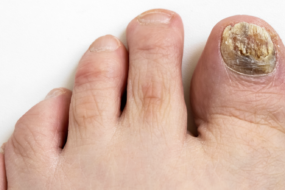
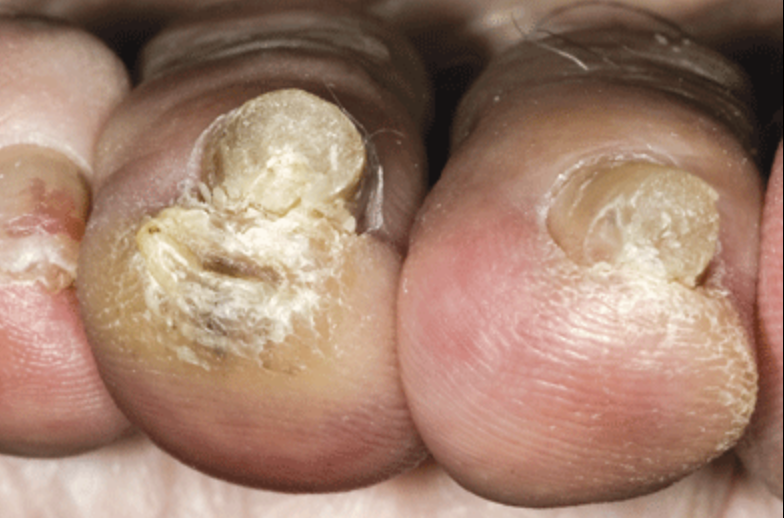
- Intense discoloration: Yellow, brown, green, or even black streaks or patches
- Notable thickening and hardening—nails become tough and difficult to clip
- Edges turn brittle, crumbly, or ragged
- Distinct warping, curling, or nails lifting from the bed
- Buildup of debris under the nail and sometimes a truly unpleasant odor
Walking might get uncomfortable as the nail thickens or lifts. Shoes may suddenly feel too tight—even if they fit last week.
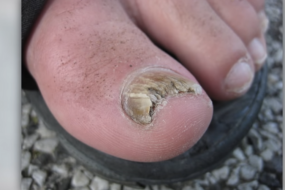
Picture this: A toenail looking more like a stale cracker—crumbly, oddly shaped, and with a brownish tint.
“Toe fungus is a slow-moving invader… changing your nail’s color, shape, and even your stride.”
Localized vs. Spreading Effects
At first, the damage stays local: only the nail and nearby skin show changes.
However, it’s rarely content to stay put.
- Athlete’s foot (itchy, peeling skin between toes) often tags along or pops up first.
- The fungus can move to other toenails or even the skin, especially if you’re dealing with sweaty feet, communal showers, or frequent barefoot moments.
If you spot similar changes in more than one nail or notice skin irritation nearby, consider it a signal the infection could be on the move.
“One discolored nail is annoying. A cluster—plus itchy skin—means it’s time to act fast.”
The key: spot subtle nail changes early and act before the problem spreads. Reliable, color changes and textural shifts are your first warning—don't wait for pain or a nail ready to crumble.
Toe Fungus vs. Other Foot and Nail Conditions
Common Look-Alikes: What Else Could It Be?
If your toenails are acting up, it’s not always toe fungus—that yellowed, thick, or crumbly nail could have another culprit behind it.
Several conditions can mimic the look and feel of onychomycosis, and the wrong self-diagnosis can waste time or even make things worse.
Let’s break down the main fungus impersonators:
- Nail psoriasis: Often causes pitting, red spots under the nail, or “oil-drop” discoloration, not just thickening or yellowing.
- Trauma or injury: Results in bruising (dark blood spots), splits, or thickening—think “did you drop something on it?”
- Bacterial infections: Green/blackish nails, often with sticky or foul-smelling discharge.
- Discoloration from dyes or medications: Sudden color change after using polish, iodine, or certain antibiotics.
Quick-Glance Feature Chart
“If your toenail seems off and you’re not sure why—think of this table as your first triage tool, but don’t skip calling the pros.”
When to Suspect Toe Fungus (and When Not To)
You’re more likely looking at actual toe fungus if you notice:
- Slow, progressive yellow or brown discoloration
- Thickening with crumbly or jagged edges
- Nails lifting, warping, or separating from the bed
- History of sweaty feet, athlete’s foot, or locker room exposure
But, look for signs that suggest another cause:
- Sudden black spot after injury (trauma)
- Even, small pits across several nails (psoriasis)
- Green color and wet, foul-smelling discharge (bacterial)
- Color changes after switching nail polish or starting a new medication
If symptoms don’t match the classic fungus picture—or if you have pain, rapid spread, or underlying medical issues—get a pro’s opinion.
“Trying to guess your own diagnosis is like playing foot roulette—smart techies go for certainty, not just a hunch.”
Picture this: a closeup shot comparing two nails—one yellow, thick, and crumbly, the other smooth but dark from a dropped phone.
Paying attention to these clues helps you skip months of guessing and get your feet back in action faster.
Main takeaway: Not all weird nails are fungus—spot the differences or talk to a clinician so you can actually solve the problem, not just chase symptoms.
Risks, Complications, and What Happens if Toe Fungus Is Left Untreated
Progression of the Condition
Unchecked, toe fungus creeps from one nail to the next, often taking over entire feet in slow-motion.
Most people don’t notice until more than one toenail is involved—by then, nail damage rarely reverses on its own.
Picture this: what starts as a yellow spot can spread into a thick, crumbly nail that no clipper can tame.
“Fungal nail infections move at a glacial pace, but their damage lingers for years.”
Health Risks for At-Risk Groups
The real danger lurks for folks with diabetes, poor circulation, or weakened immune systems.
These groups face serious risks, like:
- Secondary bacterial infections (think cellulitis—painful, hot, red skin that needs urgent medical attention)
- Increased chance of persistent, recurrent infections that resist treatment
- Higher health care costs: chronic foot problems can mean repeat doctor visits, dressings, or hospitalization
“If your immune system’s already in the red zone, a simple toenail bug can become a far bigger threat.”
Long-Term Nail and Foot Complications
Toe fungus ignored for too long can lead to:
- Permanent nail deformity (warped, thick, or misshapen nails for life)
- Ingrown nails and chronic foot pain
- Trouble walking, fitting shoes, or exercising comfortably
- Social or emotional impact—many avoid sandals, pools, or even social events
“It’s easy to hide ugly toenails—until they make walking, running, or just slipping on shoes a daily hassle.”
Rare but Serious Complications
Systemic illness from nail fungus is rare—but for some, it’s a red flag for something worse.
See a doctor immediately if you have:
- Sudden redness, swelling, or pain around the nail
- Fever or a spreading rash on your foot or leg
- Signs of infection in a high-risk group (especially if diabetic, elderly, or immune suppressed)
Red, hot, swollen—don’t wait to escalate.
Leaving toe fungus untreated is a gamble that can mean chronic pain, lost nails, or much bigger problems—especially if you’re already at risk. Spot warning signs early, protect your feet, and don’t let a tiny infection ruin your stride.
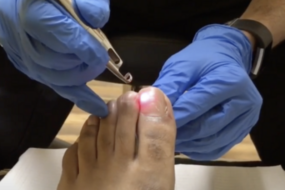
What Toe Fungus Looks Like: Practical Visual Identification
Describing the Spectrum of Appearances
Toe fungus has a surprisingly broad appearance—think of it as a visual spectrum for your nails.
Most cases start subtle, but build over time:
- A small white or yellow spot under the nail tip or side
- Yellow-brown streaks that look like someone used a highlighter on your nail
- Thickening nails that feel harder than they used to and refuse to trim easily
- Nails that go from smooth to crumbly or ragged at the edges, as if they “break off like a dry cracker”
- Odd colors—yellow, brown, even green or black, not unlike a bruised fruit left too long on the counter
Picture this: You notice your pinky toenail’s gone cloudy-yellow and feels gritty. By the time you look up “toenail fungus,” it’s started looking warped or curling up at the edge—that’s classic progression.
“You’ll know something’s off if your toenail is as brittle as old paper or turning not-quite-natural colors.”
Red Flags and When to Seek Help
If you spot any rapid changes or severe symptoms, don’t ignore it.
It’s time to get help if you notice:
- Sudden swelling or pain in your toe
- Multiple nails are changing fast or detaching
- Dark, streaky discoloration—especially if the area hurts
- Nail thickening with debris or a foul odor that worsens
For high-risk readers (diabetes, immune issues, poor circulation), even mild changes are a reason to get checked. “The best way to avoid a bigger problem is to spot toe fungus before it takes over your shoe budget.”
Visual Aids and Further Self-Assessment
Seeing images can really anchor what to look for.
Quick self-checks:
- Use bright, natural light or a flashlight
- Compare both feet—even subtle differences can signal early fungus
- Keep toes clean and dry before you inspect
- Avoid guessing—view photo galleries [see our fungal nail photo guide] for clearer comparisons
Don’t risk treating the wrong thing—nail fungus can mimic other conditions, so context matters.
Key takeaway: If your toenail suddenly looks “off,” turns crumbly or thick, or feels oddly firm and yellow, it’s worth getting real-life eyes on it. Early attention keeps simple problems from becoming persistent, time-consuming ones.
Advances in Understanding and Managing Toe Fungus
Biofilms, Chronicity, and Why Treatment Can Be Tough
Think of toe fungus as a group of squatters who don’t just move in—they build “fortresses” to stick around.
These “fortresses” are called biofilms—slick communities where fungi protect themselves with a tough shield, making standard treatments remarkably stubborn.
It’s like trying to kill weeds hiding behind armor; regular antifungals often can’t break through, especially if the infection has lasted months (or even years).
This is why up to 25% of people see infections return after treatment, according to recent research.
Quotable insight: “Biofilms turn simple fungal squatters into long-term, fortified pests.”
New Diagnostic and Management Approaches
Now, doctors aren’t just guessing and prescribing—there’s a push for targeted strategies and smarter testing in chronic or recurrent cases.
Here’s what’s new in the field:
- Advanced lab tests: DNA-based fungal ID instead of basic cultures
- Personalized treatment plans: factoring in host genetics, immune issues, and previous infections
- Emerging therapies: laser/light, improved topical agents, and even combos aimed at breaking biofilms
- Prevention focus: Emphasis on spotting symptoms early and addressing key risk factors (like athlete’s foot or nail trauma) right away
Picture this for video: A nail under a microscope, tough fungal “walls” lighting up as the latest treatment targets them directly.
Shareable tip: “Spotting toe fungus in the first month beats battling a biofilm-filled fortress later.”
Personalizing Prevention and Care
Modern advice is highly actionable and uses a digital-first playbook—here’s what works:
- Keep feet clean and dry: Change socks, air out shoes, wash feet daily
- Choose breathable footwear: Skip tight, plastic-based shoes for natural materials
- Use digital reminders: Set up app alerts to check for changes, snap photos, and remind yourself about hygiene routines
- Monitor for recurrence: Compare both feet monthly or use a smart device to track symptoms
- Stay alert for new tech: AI-powered apps now help track nail changes and flag potential recurrences early
If you’ve ever wished for a health assistant in your pocket, know that mobile tools for foot health are on the rise—especially for chronic cases.
“Think of digital foot-checks as a preventative audit—catching issues before they become headline news for your toes.”
Every step you take—cleaner habits, smarter footwear, or even a quick photo check—chips away at toe fungus’s defenses and keeps your nails in top shape.
Conclusion
Tackling toe fungus isn’t just about clear nails; it’s about reclaiming comfort, mobility, and self-confidence in every step you take. Knowing the risks, recognizing early signs, and acting now gives you a head start—so fungus never becomes more than a minor detour.
Staying proactive can make all the difference. Here are your must-do moves:
- Check your toenails weekly for color changes, thickening, or subtle new spots—the earlier you spot it, the easier it is to fix
- Keep your feet clean, dry, and well-ventilated—good hygiene and breathable shoes are your frontline defense
- Rotate footwear and let shoes air out—don’t give fungus a cozy place to settle
- Avoid barefoot time in communal spaces—always pack shower sandals for gyms, pools, or lockers
- Turn to professional help early if you notice pain, persistent nail changes, or you’re in a higher-risk group (like those with diabetes or circulation issues)
Ready to take action? Start today by snapping a photo of your toenails for reference, adding a monthly foot check to your digital calendar, and making shoe rotation a habit. If you spot signs, act fast: early attention can mean the difference between a quick fix and a stubborn, monthslong project.
Don’t let toe fungus sideline your stride—own your foot health, stay vigilant, and turn small habits into big wins. Your next confident, pain-free step starts right now.
“A single minute of attention today saves months of hassle tomorrow—give your feet the head start they deserve.”