Key Takeaways
Here’s your quick-hit guide to navigating the world of cellulite therapy—professional or at-home. Get the real story on what delivers lasting results, how to keep your investment safe, and which choices might fit your goals, lifestyle, and tech comfort best.
- Professional cellulite treatments provide the most dramatic, long-lasting results—subcision (Cellfina, Avéli) can erase deep dimples for 2–3+ years, while at-home solutions focus on surface smoothing only.
- At-home treatments offer convenience and lower cost, but deliver mild, temporary improvements—think hydration and subtle texture smoothing that fade within days or weeks.
- Risk vs. reward is clear: Clinic-based procedures deliver real change but involve higher costs and rare risks, demanding skilled providers; DIY methods are safer but yield limited results.
- Budget dictates impact: A $3K–$8K clinic session can mean years of smooth skin, while spending $200–$500+ yearly on at-home tools and creams yields maintenance-level results only.
- Choosing your best route starts with your cellulite type and goals—target deep dimples with professional subcision or injectables, and mild texture with at-home routines or clinic energy devices.
- Maintenance is non-negotiable: Long-term results demand both ongoing at-home care and occasional clinic touch-ups, blending strategies for maximum payoff.
- Stay ahead with new tech: Hybrid protocols, AI-assisted imaging, and next-gen RF/laser combos are making clinic treatments faster, more customized, and trackable via smart apps.
- Always verify safety—stick with FDA-cleared products and board-certified providers, and patch test new at-home devices to minimize risks and side effects.
Remember, smart choices balance expectations, investment, and maintenance. Dive into the full article for real-world strategies and pro insights to maximize your cellulite treatment journey!
Introduction
What if the difference between a quick fix and years of smoother skin came down to more than just budget—or a single trip to the clinic?
If you’ve ever found yourself scrolling through dramatic before-and-afters, debating between splurging on pro cellulite treatments or building an at-home routine, you’re not alone. The choices are dizzying, the promises are everywhere, and the reality? Results (and risks) are not all created equal.
Here’s the clincher: Over 85% of women struggle with cellulite—yet only a fraction see lasting, visible change. For tech-savvy professionals and curious AI enthusiasts alike, the real question isn’t just “What works?” but how to maximize returns—on your time, investment, and confidence.
Think of your options like upgrading your workflow:
- Clinic-based therapies cut straight to the root, breaking the stubborn bands beneath the surface and delivering results that can last years.
- At-home solutions—from smart devices to targeted creams—shine for maintenance, subtle smoothing, or stretching your clinic investment further.
- And then there’s the hybrid approach, using data-driven insights and the latest tools to craft a plan as unique as your schedule.
You’ll discover:
- The real science behind cellulite—and why targeting the structure matters more than skin-deep tricks
- How professional and at-home treatments stack up by effectiveness, risk, and cost
- Smart strategies to blend tech, technique, and maintenance routines for results that stick
Ready for an honest look—free of hype—at which therapies truly deliver and how you can harness tech and expert-recommended strategies to get the results you’re after?
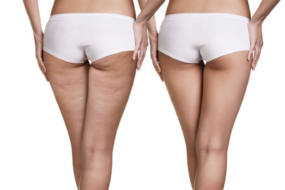
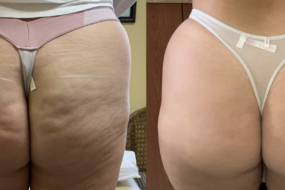
Let’s break down what works, what’s new, and how you can choose a cellulite solution that’s both science-backed and sustainable for your life, starting with a side-by-side look at professional and DIY outcomes.
Comparing Effectiveness: Professional Therapies vs. At‑Home Methods
What actually works on cellulite, and how do professional and at-home approaches really stack up? Here’s the no-spin breakdown on what each path can (and can’t) do for those stubborn dimples.
Understanding the Science: Why Cellulite Happens
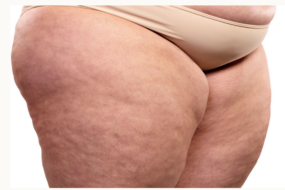
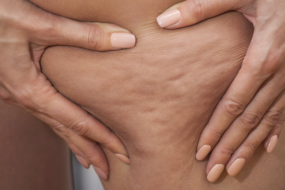
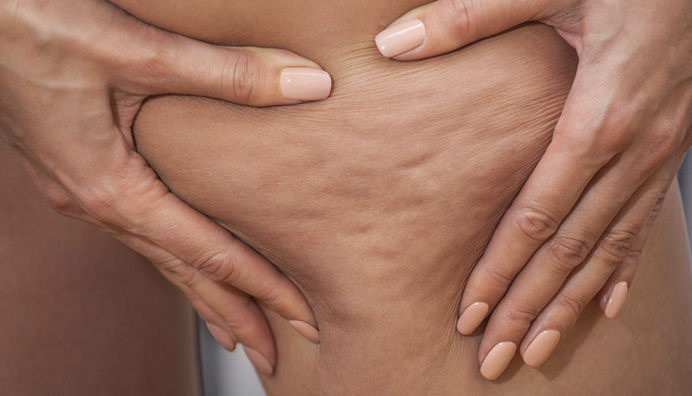
Cellulite forms when fibrous bands (septa) tether the skin down over pockets of fat, creating a lumpy or dimpled look—especially on thighs and buttocks.
Factors at play:
- Skin thickness and elasticity
- Fat distribution (largely genetic)
- Hormones and circulation
Think of it as a mattress: the springs (septa) pull downward, while soft padding (fat) pushes up.
Professional Treatments: Proven Power & Results
Clinic-based options directly address cellulite’s structural problem—not just the surface.
- Subcision/septa-cutting (Avéli, Cellfina):
- Physically release the tight, culprit bands
- Results are typically immediate and can persist for 2–3+ years
- Most effective for distinct, single dimples
- Energy-based devices (RF, laser, acoustic wave):
- Stimulate collagen production and skin tightening
- Require multiple sessions, with effects often lasting 1–2 years
- Injectables (Qwo, biostimulatory fillers):
- Dissolve fibrous bands or enhance skin thickness
- Offer visible smoothing, but need maintenance treatments
Quote to share:
“There’s no cream or roller at home that rivals a single Cellfina or Avéli session for dimple correction.”
At-Home Methods: Supportive & Surface-Level Changes
Self-care approaches play a supporting role—but set your expectations realistically.
- Topical creams and massage tools:
- Give temporary smoothing and possibly better hydration
- Results fade fast—think days, not months
- Home-use RF/ultrasound/body devices:
- Safer for frequent use, but much lower-powered than medical devices
- Best suited for maintenance between clinic treatments
- Lifestyle upgrades (exercise, healthy weight):
- Improve tone, but won’t erase dimples—focus on what you can control for a confidence boost
Visual scenario:
Picture this: a professional subcision visibly erases a deep dimple in one afternoon; meanwhile, a home massage roller delivers subtle smoothing if you use it religiously.
Targeting Different Types: Dimpled vs. Wavy Cellulite
- Deep, defined dimples:
- Respond best to subcision/septa-cutting or injectables
- Diffuse, wavy “orange peel” texture:
- See the most from energy devices, topical care, and regular lifestyle routines
Key Takeaway
For lasting, standout results (especially on “true” dimples), professional treatments win hands down.
At-home options are great for maintenance and mild smoothing—but don’t expect a total transformation.
Memorable wisdom:
“If you’re seeking real, visible change, clinics fix what home remedies simply can’t reach.”
Safety and Risks: Weighing the Trade-Offs
When it comes to cellulite treatments, the first thing to know is this: professional procedures and at-home methods offer very different risk profiles right from the start.
Professional Therapies: What to Expect
In clinics, qualified providers use FDA-cleared devices and protocols—think Avéli, Cellfina, and top energy-based machines.
You’ll usually see:
- Temporary swelling, bruising, or soreness at treated sites (fairly common; expect a week or so of downtime, especially after subcision).
- Rare but serious risks such as infection, uneven skin contour, or reactions to local anesthesia. These are extremely uncommon when treatments are performed by experienced medical staff.
- Strict medical screening: not everyone is a candidate; for example, certain energy devices may be unsafe with pacemakers or autoimmune diseases.
When it comes to real-world safety: “A good provider makes powerful treatments safe. A wrong call can make risks real.” It’s a classic case of higher rewards, higher risks in skilled hands.
At-Home Treatments: What Can Go Wrong?
Over-the-counter and DIY options put you in control, but that usually means lower risk—and limited results.
Typical at-home methods (think topical creams, dry brushes, massage tools, home-use devices) come with:
- Mild issues like skin irritation, rashes, or mild sensitivity—for most users, these are more annoying than dangerous.
- If you misuse home devices or buy from sketchy sources, you face small but real dangers: minor burns, unexpected reactions, or simply wasting money on gadgets that do nothing.
- Beware unregulated or counterfeit products—social media is full of “miracle device” fakes. Always check reviews and look for proper safety certifications.
Remember: “Less powerful doesn’t mean no risk—it just means you’re less likely to cause harm, but also less likely to see a real difference.”
Smart Choices: How to Minimize Risk
No matter your approach, here’s how to tip the odds in your favor:
- Always choose board-certified, experienced providers for in-office treatments.
- Never skip a medical consult—it’s how you avoid dangerous contraindications.
- For at-home, stick to reputable brands and follow instructions exactly. Never increase frequency looking for faster results.
- Patch test new creams and devices on a small area before using widely.
Picture this: You’re weighing a $3,000 subcision with a week of bruising or a $100 cream you can apply at breakfast—different experiences, very different expectations.
The bottom line: Professional cellulite therapies deliver bigger and longer-lasting changes, but carry real (albeit rare) risks that demand expert handling. At-home options are low-risk and budget-friendly, perfect for cautious dabblers or maintaining clinic results. If in doubt, start simple—and always consult with a pro before you level up.
Cost Comparison: Investment, Value, and What to Expect
When it comes to treating cellulite, the price tags vary as wildly as the results. Let’s start with the most effective options—professional, in-office treatments.
- Subcision/septa release (Cellfina, Avéli): $2,500–$8,500 per session (often one treatment for multi-year results)
- Energy-based devices (RF, laser, acoustic wave): $500–$1,000+ per session (requires 4–10 sessions, sometimes annually)
- Injectables (collagenase, fillers): $800–$2,500 per round (maintenance varies)
- Other in-clinic methods (Endermologie, CoolSculpting): $80–$200 per session or $1,500+ per area
While these numbers may cause sticker shock, one subcision session can erase deep dimples for up to three years, making the upfront investment feel more like buying time than just a result.
At-Home Options: Lower Stakes, Ongoing Spend
Now, let’s zoom in on the at-home aisle. Here, costs are typically a fraction of in-office alternatives, but so are the long-term effects.
- Topical creams, lotions, serums: $30–$100 per product, repeated over months
- Manual tools (brushes, rollers, cups): $20–$100 one-time
- Home-use devices (RF, ultrasound): $150–$400+ upfront, ongoing use needed
Most users spend $200–$500+ per year, often rolling these into their regular skincare budgets. The catch? Results tend to be temporary—think “light blur” over “major upgrade.”
Annualized vs. Upfront: What Costs Stack Up Over Time?
Picture this: You invest $4,500 in a professional Cellfina treatment and enjoy smoother skin on your thighs for more than two years, low maintenance required.
Compare that to a DIY approach: $60/month in creams and $200 for a device totals over $900 per year, for subtle smoothing that demands discipline.
- Professional = high cost, major correction, low maintenance
- At-home = lower ongoing spend, modest improvement, regular effort
When Does Each Make Sense? Simple Rules to Follow
- Opt for professional when:
- You want noticeable, lasting change
- You’re comfortable with procedural costs and minor downtime
- Treating severe dimpling or multiple areas
- Stick with at-home if:
- Your budget is limited
- You’re okay with gentle, temporary improvement
- Maintenance routines fit your lifestyle
“A single in-office treatment can give you years of confidence—while home care rewards persistence, not perfection.” Imagine two friends: One splurges on Cellfina, posts #SmoothForLife selfies for three summers; the other prefers trust in lotions but checks progress after every application.
Ultimately, it’s about mapping your budget, goals, and tolerance for maintenance to the right strategy—and always being realistic about which improvements are possible at which price point.
Deciding Factors: Choosing the Right Approach for You
Start with Your Cellulite Profile
Think about what you see in the mirror: Is your cellulite mostly mild texture, or are distinct dimples and waves a concern?
- Mild, mostly texture/rippling: You may see faint lines or a general unevenness—most noticeable under certain lighting.
- Moderate, some dimples + ripple: Deeper, more visible marks that remain even when you’re standing.
- Severe, deep dimples/”quilted” look: Clear, pronounced depressions covering larger areas or multiple zones.
“Know what you’re aiming to change—dimples or overall smoothness?” That’s a key first decision.
Match Desired Results to the Best Path
Here’s how expectations shape the smartest plan:
- If you want major, visible correction that lasts, especially for stubborn dimples, professional options like subcision (Cellfina, Avéli) or advanced device series deliver the biggest lift (think, 2–3+ years for subcision).
- For subtle smoothing, short-term glow, or budget-friendly tweaks, at-home products and tools—think creams, massagers, or home RF devices—offer improvement that’s gentle and temporary (often days to weeks).
If convenience is non-negotiable, at-home tools win on flexibility, but not on dramatic results.
Consider Cost, Risk, and Lifestyle Fit
Let’s break down real-world choices:
- High budget, okay with downtime: Go straight to a clinic for subcision ($3K–$8K per session, rarely repeated).
- Moderate budget, no downtime wanted: Look at multi-session device packages ($700–$1,000+ per appointment), or clinics with non-invasive energy options.
- Limited budget, prefer DIY: Stick to $30–$400 yearly spend on topicals and home gadgets. Expect visible but mild improvements.
Don’t forget your calendar—Can you commit to routines, or do you crave “one and done”?
Visual: “What’s My Best Route?” Decision Guide
- Want to erase distinct, deep dimples? → Book a professional subcision consult
- Prefer gradual smoothing without risks? → Try at-home tools and lifestyle changes
- Saw great results at the clinic? → Maintain with at-home devices for ongoing support
- Unsure or have medical issues? → Always consult a board-certified dermatologist first
Expert wisdom: Blend strategies. Many see the best results by boosting professional gains with smart, ongoing maintenance at home.
Busy readers takeaway: Pinpoint your needs, weigh results vs. investment, and choose a plan you’ll actually stick to. Whether you want big changes or simple self-care, there’s a path designed for your goals.
The Role of Maintenance and Combination Strategies
Why Maintenance Never Stops After Your First Win
You just invested in a professional cellulite treatment—Cellfina, RF microneedling, or maybe a round of laser body contouring.
But here’s the reality: lasting results require a little ongoing care. Think of post-treatment skin like a high-performance car—it shines with upkeep, but fades fast if you ignore maintenance.
Professional + At-Home: Your Cellulite “Synergy Stack”
The real secret? Combine those advanced in-office fixes with smart, consistent self-care routines:
- Topical creams and hydration—Speed up skin repair and maintain smoothness by applying dermatologist-recommended serums (e.g., caffeine, retinol) several times a week.
- Manual massage tools—Use rollers, dry brushes, or cups 2–3 times weekly to boost circulation and keep skin texture looking fresher.
- Home-use RF/ultrasound devices—If you’ve already gotten professional RF or laser, home gadgets can help maintain those results, but remember: consumer devices work best as boosters, not replacements.
Picture this: You’ve just finished a clinic treatment and keep your glow going by doing a 10-minute body brush morning routine in your favorite playlist background.
Scheduling: What Real-World Maintenance Looks Like
- Touch-ups or clinic follow-ups are generally needed every 12–24 months for subcision or laser-based approaches.
- At-home care (creams, devices, massage) is often ongoing—daily or every few days for best effect.
- Combination approaches (office + home) often yield results that look great for years, with short, actionable routines that fit real life.
“Your best results are rarely one-and-done—consistency is the real transformation trick,” say specialists seeing thousands of patients a year.
Keys to Maximizing Results: Habits That Stick
Boost your cellulite therapy ROI by:
- Setting realistic expectations—even the best clinic results need ongoing TLC.
- Making routines enjoyable—keep a beautiful brush on the bathroom counter, or choose creams with scents that motivate you.
- Checking in with your provider about which home-care products are really safe and helpful for your unique skin.
The Cellulite Management Mindset
The world’s top clinics agree: Ongoing skin support bridges the gap between “after” photos and long-term satisfaction.
Blending professional procedures with manageable home routines isn't just a trend—it’s how you keep your results visible, year after year. For the most visible, lasting change, think maintenance, not miracles.
Trends and Innovations: What’s New (2025 and Beyond)
The cellulite treatment space is moving fast, with new devices and combination therapies promising more dramatic—and sometimes longer-lasting—results.
Think of recent FDA-cleared devices: in 2024, the next-gen subcision systems (like Avéli) refined their targeting, while advanced radiofrequency (RF) and laser combo platforms delivered tighter, smoother skin with less downtime.
What’s Hitting Clinics and Shelves Right Now
Emerging trends you’ll see in real clinics and product launches include:
- Collagenase injectables (like Qwo’s reformulations) for dissolving dimple-causing bands
- Next-gen biostimulatory fillers (Sculptra, Radiesse) that thicken dermal layers for wave-type cellulite
- Hybrid protocols pairing subcision, RF, and laser in a single session
- Smart home-use tech—RF, ultrasound, and LED massagers with smart app tracking
- Subscription-based home devices that use adaptive energy dosing
Curious about visual results? Picture rows of before-and-after images glowing on practitioner Instagram—some real, some airbrushed, but the best clinics back up claims with measurable reduction seen after 1–2 professional sessions.
Which Technologies Are Worth Watching?
- Energy-based systems with dual modalities (RF + ultrasound) are reporting up to 35% improvement in dimple depth after a short course.
- Injectable treatments: promising, but require ongoing maintenance—and aren’t perfect for everyone.
- Home-use devices harness similar tech, but at lower intensity; think maintenance, not transformation.
Stay skeptical of “miracle” launches that guarantee results after a single at-home session—most dermatologists reinforce that major change only happens with clinic-grade solutions.
How AI and Automation Are Raising the Bar
AI is finally cracking the beauty scene:
- AI-powered imaging apps now help map cellulite, analyze progress, and customize protocols
- New home devices sync to your phone, tracking patterns, guiding intensity, and offering tips in real time
Want a taste of what’s coming? In 2025, expect clinical decision tools to recommend personalized plans and at-home maintenance schedules—all driven by your unique skin data.
Staying Smart: How to Vet New Solutions
A few ground rules to keep your results real:
- Only try FDA-cleared tech—steer clear of “influencer” gadgets from unverified brands
- Track clinical trials (search clinicaltrials.gov for “cellulite” and new device names)
- Watch for updates from trusted sources like the American Academy of Dermatology and large dermatology or aesthetics clinics
- Don’t be swayed by before/after photos alone—demand real clinical data whenever possible
Cellulite therapy will keep evolving—but “major, lasting change still comes from clinic-based, multi-pronged interventions.” Stay tuned to trusted sources, and remember: real progress always beats flashy promises.
Conclusion
Choosing between professional and at-home cellulite therapies isn’t just about chasing smoother skin—it’s about investing in confidence, time, and results that fit your lifestyle.
You’re not limited to a single path. With so many advances in both clinic-grade treatments and smarter at-home tech, you have more control and flexibility than ever before.
- Pinpoint your cellulite goals—Are you targeting deep dimples, overall texture, or just want subtle smoothing?
- Match your approach to your expectations—For visible, lasting change, book a consult for professional therapies; for gentle upkeep, use at-home routines.
- Prioritize safety first by verifying credentials, reading reviews, and choosing only FDA-cleared solutions.
- Blend strategies for maintenance—clinic results stick around much longer when you pair them with simple, consistent self-care at home.
- Keep learning and tracking—use AI apps or photos to monitor progress and adjust your plan as needed.
Ready to take the first step?
- Schedule a consult with a trusted dermatologist if you want dramatic improvement or have medical questions.
- Audit your current routine—swap out old products, or commit to a new massage habit for the next month.
- Stay skeptical of “miracle” gadgets—always prioritize safety, reputation, and real clinical data.
Don’t settle for a one-size-fits-all approach: Your best results come from tailoring solutions to your needs, lifestyle, and budget—then sticking with the habits that make your investment last.
Smoother skin is just one part of the story; the real transformation happens when you invest in your own confidence, one smart step at a time.