Key Takeaways
Ready to level-up your approach to acne scar removal? This guide unpacks the latest, most effective clinical strategies—plus what actually works at home—so you can choose smarter, faster, and more confidently. Here’s what you need to know to invest your energy (and dollars) where it counts.
- Identify your scar type first—knowing whether you have atrophic, hypertrophic, or keloid scars instantly guides which clinical treatments will work best for you.
- Advanced lasers and microneedling lead the pack for real results—ablative CO₂ lasers can achieve up to 90% scar improvement while RF microneedling suits all skin tones with minimal downtime.
- Combination therapies outperform single treatments by delivering 66–75% greater scar reduction, so custom protocols are now the gold standard for mixed or stubborn scars.
- Mechanical fixes like subcision and punch excision target deep or “tethered” scars that lasers can’t reach—unlocking smoother skin for even the toughest cases.
- At-home methods are best for mild scars or maintenance—think slow, steady upgrades from retinoids and light peels, not miracle cures for deep marks.
- Smart sun protection (SPF 30+) is non-negotiable; skipping sunscreen can worsen scar visibility and derail your progress—especially with active treatments.
- Personalization is everything—no two faces heal the same—so insist on a plan tailored to your unique scar pattern, skin tone, and health history.
- Expect a multi-session journey, not an overnight fix—most see noticeable results after 3–6 sessions and full transformations within 3–6 months.
Explore the full article to discover which cutting-edge techniques—and practical home moves—will help you conquer acne scars for smoother, more confident skin.
Introduction
Ever look in the mirror under harsh bathroom lights and think, “How is that scar still a thing—even after all the treatments I’ve tried?” You’re not alone: over 80% of adults with acne scars say it impacts their confidence at work and social events. But here’s the kicker—most scars that stick around aren’t stubborn by accident; they’re the result of specific skin responses that regular routines just can’t touch.
Tech-driven professionals like you get it—solving persistent problems isn’t about hoping for better results, it’s about using smarter methods. Advanced acne scar removal is no different. The breakthrough? Modern clinical solutions blend high-precision tech, personalized strategies, and proven results, offering relief far beyond what over-the-counter creams or “miracle” serums ever could.
In this guide, you’ll discover:
- Why different scars demand different tech—and how matching treatment to scar type maximizes outcomes
- Leading-edge solutions like fractional lasers, radiofrequency microneedling, and surgical subcision—each explained in plain language
- Combination therapies that stack multiple methods for dramatically improved results
- Real-world recovery timelines, risks, stats, and what to expect—tailored for busy pros and tech-tinkerers
- At-home regimens that actually complement clinic breakthroughs
Wondering if you’re a candidate for the latest innovations? Curious whether downtime or side effects will slow you down? Or maybe you just want to see progress you can actually measure? We’ll get into all that—plus insider questions to ask, emerging trends, and how to track real improvements (not just Instagram filters).
The science and technology behind smooth, even skin have changed fast—and the best path forward starts by understanding what’s happening beneath the surface.
Here’s how to spot your scar “blueprint” and unlock the treatments that finally make a difference.
Understanding Acne Scars: Types and Formation
Ever wonder why some acne marks vanish and others seem embedded for years? Acne scars form when deep skin inflammation triggers abnormal healing, leaving dents, bumps, or discolored marks behind. Persistent scars mean typical repair processes—like collagen rebuilding—get disrupted, often due to severe or repeated breakouts.
The Main Types of Acne Scars (And Why They Matter)
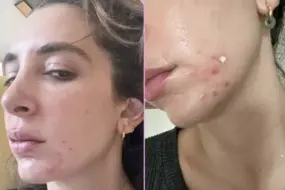
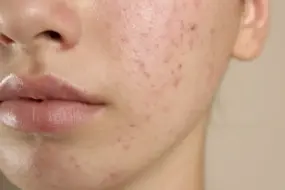
Not all scars tell the same story, and knowing your type is step one for picking the right fix. Picture this: acne scars are like dents in drywall—each “dent” needs a different repair kit.
- Atrophic scars (loss of skin tissue):
- Ice pick: Deep, narrow, pitted marks.
- Boxcar: Broad, sharp-edged depressions—think “craters.”
- Rolling: Soft, shallow dips with sloping edges.
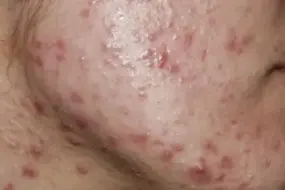
- Hypertrophic scars: Raised, firm, sometimes reddish scars (usually on the chest/back).
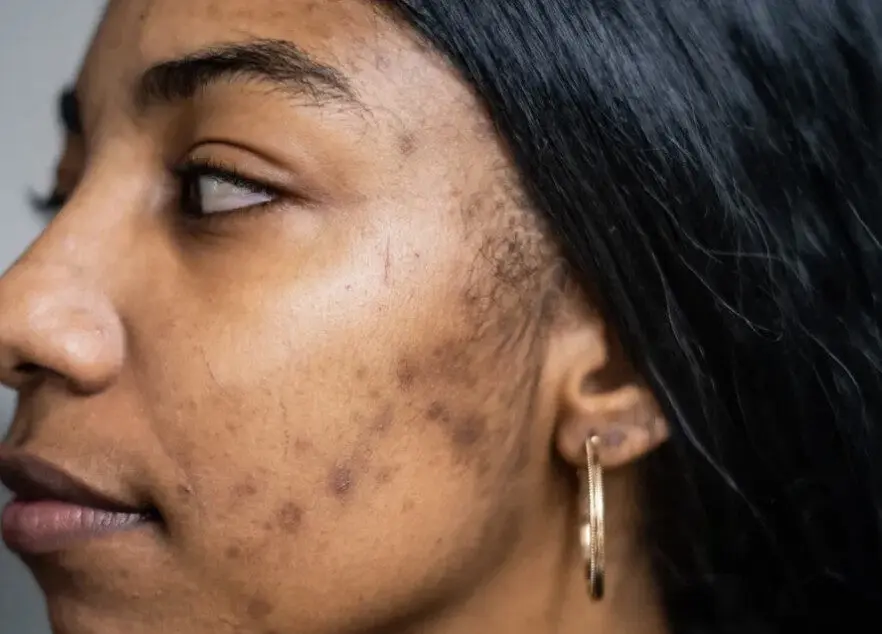
- Keloids: Thick, rope-like, and can extend beyond the acne site—more common on darker complexions.
Your scar type shapes everything: from which laser works best, to whether you’ll need subcision, peels, or professional fillers.
“Think of atrophic scars as valleys in a landscape and keloids like stubborn speedbumps—each one calls for its own engineering plan.”
Collagen Loss, Inflammation, and Healing Gone Haywire
Scarring starts when inflammation destroys natural collagen, the protein that keeps skin smooth and bouncy.
- Mild inflammation = slight discoloration
- Deep inflammation = tissue breakdown, uneven repair, permanent marks
If you’ve ever picked at a pimple (guilty as charged), you’re not alone—this increases scar risk by up to 50%.
Busting Common Acne Scar Myths
Let’s address the elephant in the skincare aisle: Not all scars fade naturally.
- 70% of deep atrophic scars will not resolve on their own without intervention
- Myths like “sunlight helps fade marks” actually set back healing, since UV can worsen hyperpigmentation
Don’t wait for magic to happen—targeted treatments fueled by recent advances are your best shot at real results.
Getting clear on scar type, healing history, and what actually drives scar formation is your first, most actionable step on the journey to smooth skin. Start by looking at your scars not as flaws, but as unique “blueprints” that guide your personalized treatment plan.
Today’s Gold Standard: Advanced Clinical Scar Removal Techniques
The most effective acne scar solutions aren’t found in a bottle—they happen in the clinic, wielding technology that literally reshapes your skin’s architecture.
Think of it as precision remodeling: lasers and microneedles work beneath the surface, triggering your skin to build fresh, smooth collagen where tough scars once lived.
The Big Three: What Works—And For Whom
Here’s what’s dominating dermatology right now:
- Ablative Fractional Lasers (CO₂, Er:YAG)
- Non-Ablative and Picosecond Lasers
- Fractional Radiofrequency Microneedling (FRMN)
Each tackles different scar types and skin tones—so let’s break it down.
Ablative Fractional Lasers: Maximum Power, Maximum Payoff
Ablative lasers like CO₂ (10,600 nm) and Er:YAG (2,940 nm) are the heavy hitters.
- Best for: Deep, stubborn atrophic scars (think: boxcar, ice pick)
- How it works: Vaporizes scar tissue, triggers massive collagen reboot
- Results: Up to 90% improvement in scar depth (clinically tested)
- Downtime: Expect 5–7 days of visible “downtime”—think redness, peeling, and a week where you'll want to keep Zoom off (or use a filter!)
- Suitability: Powerful—but higher pigment skin (Fitzpatrick IV-VI) can risk dark spots or light patches, so precision settings (and the right clinic) matter
Picture this: One session and you’re seeing new, smoother skin emerge, but you’ll need time at home to recover.
Non-Ablative & Picosecond Lasers: Fast Recovery, Smart Targeting
If you can’t take a week off, non-ablative and picosecond lasers are the go-to.
- Best for: Moderate scarring, maintenance, and darker skin tones
- How it works: Stimulates collagen without vaporizing the surface—gentler, but still game-changing
- Stats: 32–75% reduction in scar volume; sessions require only 3–5 days of subtle redness or swelling
- Safety: Designed for a broad range of skin tones (especially Fitzpatrick III–VI), with a lower risk of pigment side effects
Quotable takeaway: “Lasers have evolved—they’re no longer one-shade-fits-all.”
Fractional Radiofrequency Microneedling: Collagen, Unplugged
FRMN combines energy and microneedles for a gentler but powerful approach.
- Best for: Rolling and boxcar scars, especially on melanin-rich skin
- How it works: Tiny needles deliver heat into the dermis, boosting your skin’s natural regeneration—no surface damage required
- Benefits:
- Minimal downtime (2–4 days of mild redness/tenderness)
- Lower risk of pigment changes for ALL skin tones
- Repeatable every 4–6 weeks for ongoing improvement
- Improvement: Studies show meaningful filling of indented scars—without the drama of aggressive laser peels
Imagine walking out after lunch with only a flush—and knowing your skin is rebuilding under the surface.
No single solution grabs the crown for every scar or skin type, but today’s clinical techniques—with numbers like up to 90% improvement—make fading stubborn scars a real possibility. The real win? Results are both visible and confidence-boosting, making every session a meaningful investment in your skin’s future.
Powerful Combination Therapies: Why One Size Doesn’t Fit All
Combining advanced techniques is quickly becoming the gold standard for tackling persistent acne scars—especially if your scars aren't all the same shape or depth.
Imagine this: you walk into a clinic with a mix of rolling and ice pick scars. Instead of a single treatment, your dermatologist recommends a custom sequence—for example, starting with laser resurfacing, followed by subcision, then finishing with a session of PRP (platelet-rich plasma). Each step targets a different aspect of your scars, stacking the odds in your favor.
When and Why Combination Beats One-Off Treatments
One technique can only go so far. Clinical data shows that multi-modal approaches boost results by 66% to 75% in scar depth reduction compared to single modalities.
Here’s what combination therapy can look like:
- Laser resurfacing + manual sculpting: Lasers kickstart collagen, while manual techniques fine-tune textures.
- Subcision + fillers + PRP: Break up scar tethers, then add volume, and top off with growth factors to supercharge healing.
- Fractional RF microneedling (FRMN) + lasers: Blend collagen-boosting energy with surface smoothing for tough, mixed patterns.
Seamless transitions between these steps mean quicker, more visible improvements—often with reduced downtime.
Real-World Examples and What to Expect
A typical treatment timeline might look like this:
- Session 1: CO₂ laser resurfacing for deep ice pick scars (expect 1 week of visible recovery)
- Session 2 (4-6 weeks later): Subcision and filler for rolling scars (3-5 days downtime)
- Session 3: PRP to speed up healing and improve overall texture
Most patients see noticeable results—up to 75% improvement—across just 3 to 6 sessions spaced a few weeks apart.
Smart Questions to Ask Your Dermatologist
Don’t walk into your consult empty-handed. Consider these questions:
- “Which combination is right for my skin type and scar pattern?”
- “What downtime should I expect for each stage?”
- “Are there risks unique to combining these procedures?”
- “How soon will I see results, and what maintenance is needed?”
Key Takeaway
Mix-and-match therapies are your shortcut to smooth, even skin—especially if your scars are complex or varied. Ask your dermatologist about stacked options to unlock faster recovery and better results. Remember: personalized combos often outperform any one-size-fits-all approach. Picture this as a tailor-made journey, not a one-stop fix.
Next-Gen Approaches: Specialized Procedures and Innovations
Picture this: you’re staring down acne scars that just won’t budge, even after multiple creams or laser sessions. Sometimes, only next-gen strategies can make a difference.
When Mechanical Fixes Are the Secret Weapon
Let’s talk mechanical and surgical approaches—because not every scar responds to surface treatments.
- Subcision: A minor, in-office procedure using a needle to break up deep scar bands. Perfect for stubborn rolling scars that create “valleys” in the skin.
- Punch Excision/Grafting: Removes individual, deep “ice pick” or boxcar scars. Think of it as cutting out the worst dents and patching them with fresh skin.
- Dual-Plane Subcision: Targets two scar layers at once, offering dramatic smoothing for complex cases.
For truly deep or “tethered” scarring, these tools are often the only ticket to a flat, even texture.
Quotable: “Some scars need more than a surface fix—they need a mechanical release.”
Chemical Power-Ups: Why TCA CROSS is a Standout
Meet TCA CROSS (Chemical Reconstruction of Skin Scars): almost like a precision paintbrush for severe ice pick scars.
- 65–100% TCA is dabbed right into the scar, causing controlled injury and collagen surge.
- It’s most effective when combined with microneedling or lasers for layered results.
- Picture this: a tough, pinpoint scar fading out session by session.
Quotable: “TCA CROSS pinpoints what lasers can’t touch—deep ice pick scars.”
Biologics and Fillers: Boosts Beyond the Basics
The newest trend: injectables and regenerative boosters for scarring.
- Hyaluronic Acid Fillers: Instantly smooth out rolling scars—lasting several months.
- Platelet-Rich Plasma (PRP/PRF): Concentrates your own growth factors for faster healing and ongoing improvement.
- Autologous Fat/Nanofat Grafting: Harvested from your body, this fat adds volume and subtle smoothing, especially after subcision.
What’s on the Horizon? RF, Lasers, & Early Preventions
- RF microneedling vs. lasers: Emerging data shows both effective, but RF often safer for darker skin (minimizing pigmentation risk).
- Combining isotretinoin and procedure: New research says early pairing is safer than ever.
- Ongoing studies promise techniques that are faster, safer, and even more customizable.
Quotable: “Acne scar innovation is all about mixing precision, power, and personalization.”
No one-size-fits-all fix exists. Treat each scar as unique, and you’ll unlock options from surgical tweaks to biologic boosters—often in smart combination. That’s how today’s savvy professionals conquer even the deepest scars, building a future of smoother, more confident skin.
At-Home and Non-Clinical Options: What Really Works (And What Won’t)
Know the Limits Before You Dive In
The truth: at-home acne scar treatments can help, but they’ll never fully replace advanced clinic procedures.
Think of these as maintenance steps—great for mild texture issues or as a post-clinic routine, but not a miracle for deep, stubborn scars.
Most DIY approaches only target the upper skin layers, so don’t expect a matching before-and-after to pro-level lasers.
“Fast fix” TikTok hacks? If it sounds too good to be true, it almost always is.
What Actually Works (and What’s Just Hype)
For practical, evidence-based home care, focus on proven dermatology staples:
- Topical retinoids (available OTC or by Rx): Encourage skin turnover and boost collagen over time. Think slow and steady—visible results may take 3–6 months.
- Resurfacing pads (glycolic, lactic acid): Gently smooth mild roughness and brighten skin, but won’t erase deep ice pick or boxcar scars.
- Gentle home microneedling rollers (0.2–0.3 mm): May boost product absorption and mild texture, but don’t expect clinic-level results.
- Mild home peels (up to 10% acids): Exfoliate surface, but offer limited impact compared to in-office TCA CROSS (65–100%), which targets deeper scars.
“Picture this: A retinoid at night, resurfacing pad twice a week, and sunscreen every single day. Results look more ‘subtle polish’ than ‘total transformation.’”
When to Skip the DIY Route
Some red flags instantly signal, “Time to see a professional”:
- Deep atrophic scars (ice pick, boxcar, rolling)
- Persistent redness, swelling, or new pigmentation after home treatments
- Unusual pain or scabbing
- Worsening of scars or dark spots
For those with darker skin tones (Fitzpatrick IV–VI), avoid aggressive home peels or dermabrasion tools—these can trigger unwanted pigment changes or even permanent scarring.
A dermatologist can personalize your plan and minimize risks.
Maximize Results: Prepping and After-Care
Smart prep and routine can level up both home and clinic results:
- Daily SPF 30+ is non-negotiable; many at-home treatments make your skin more sun-sensitive.
- Discontinue strong actives (e.g., retinoids, peels) 3–5 days before clinic sessions to avoid irritation.
- Post-clinic, focus on barrier repair: gentle cleanser, fragrance-free moisturizer, and serious sun protection.
Memorable takeaway: “Great skin is built daily—not in a single night, mask, or miracle cream.”
Bottom line: At-home options are perfect for gentle upkeep and mild scars, but if stubborn marks are holding you back, professional help is your shortcut to smoother, more confident skin.
Safety, Side Effects, and Personalization: What to Know Before You Commit
If you’re considering advanced acne scar removal, get ready for honest, practical answers—because knowing what to expect is half the battle.
Picture this: You’re excited about smoother skin, but every method—from lasers to microneedling—means a different road to get there.
What’s Normal? Realistic Recovery Timelines
Most clinical scar treatments come with some real-world downtime.
- Ablative lasers: Expect 5–7 days of visible peeling and redness, with improvement up to 90% for deep scars.
- Lasers for busy pros: Picosecond/non-ablative lasers mean 3–5 days of mild swelling—easier on your calendar.
- FR Microneedling: Redness fades within 1–3 days, making this solid for low-fuss recovery.
Common short-term side effects?
- Redness
- Mild swelling
- Peeling
- Temporary skin darkening or lightening
Rare but Possible: Serious Adverse Effects
Complications are rare, but being prepared matters.
- Persistent pigmentation changes
- Infection
- Scarring
- Higher risk for those with autoimmune issues, poor wound healing, or darker skin types (certain lasers only)
Up to 25% of people with medium-to-dark skin report post-inflammatory hyperpigmentation after lasers. That’s why modality matters for every skin tone.
Why Personalization Makes or Breaks Outcomes
No two faces heal the same—literally.
- Skin tone: Fitzpatrick IV–VI? Ask about RF microneedling and picosecond lasers, as they’re safer for melanin-rich skin.
- Scar type: Deep ice pick? Ablative CO₂ may be your ticket. Rolling scars? Combine subcision and fillers for best results.
- Health history: Recent isotretinoin use, immune suppression, or history of keloids? Bring it up first thing.
A board-certified dermatologist can tailor your entire plan. Quick quizzes or Instagram filters can’t replace an expert eye.
What’s New and What to Ask
Trends in acne scar care are moving fast: Clinical trials on combination therapies, RF vs. lasers, and safer protocols for all skin types are popping up everywhere.
When you book your consult, bring this checklist:
- What’s my scar type and ideal modalities?
- What results look realistic—percentages, timelines, costs?
- What’s the chance of side effects for my skin tone and health?
- How many sessions—and what does recovery feel like?
- Can I see before-and-after photos of cases like mine?
- How are new findings shaping your recommendations?
“Ask the uncomfortable questions now so your skin can thank you later.”
Personalization isn’t a luxury—it’s non-negotiable for acne scar success. Setting smart expectations, knowing your risks, and demanding a plan built for you turns wishful thinking into real, visible progress.
Results, Outcomes, and The Road Ahead: Tracking What Success Looks Like
What to Expect: Timelines, Sessions, and Progress
When you start any advanced acne scar treatment, expect visible changes to emerge gradually—not overnight.
Most clinical procedures reveal results in stages:
- Initial improvement is often seen in 4-6 weeks as new collagen forms.
- Full results can take 3-6 months to appear, with skin continuing to remodel beneath the surface.
- Typical protocol? 3-6 sessions, spaced about 4-8 weeks apart, optimize results and allow for recovery.
As one dermatologist puts it: “Real transformation takes patience—think marathon, not sprint.”
Improvement Rates, Durability, and Maintenance
How much better can your scars actually get? Recent data offer some eye-opening stats:
- Ablative lasers (CO₂, Er:YAG): Up to 90% improvement in atrophic scars after several sessions—with the deepest dents fading noticeably.
- Non-ablative and picosecond lasers: Reduce scar volume by 32–75% on average, especially for darker skin tones and busy professionals who want less downtime.
- Combination therapies (subcision + fillers, FRMN + laser): Lead to 66–75% reduction in scar depth, delivering smoother texture and faster healing.
Want your investment to last?
- Follow personalized aftercare routines: strong sun protection, gentle actives, and sometimes maintenance procedures yearly.
- Be honest with your dermatologist—track your progress with before-and-after photos for true perspective.
Hot tip: “Picture this: Your skin, six months from today—clearer, smoother, more even than you believed possible.”
Realistic Self-Assessment and Mental Wellness
The journey leaves room for “before” and “after,” but mental progress matters, too.
- Set realistic goals—even 50% improvement can transform how you look in video calls or under natural light.
- Don’t compare your journey to photoshopped perfection; every scar tells a chapter you’re now choosing to rewrite.
Remember: “Healing isn’t just about smoother skin—it’s about regaining your confidence, one layer at a time.”
Trends, Research, and the Future of Acne Scar Removal
Fresh innovations are reshaping what’s possible.
- RF microneedling and hybrid laser platforms are making treatments safer for all skin tones—major win, especially if you have a deeper complexion.
- New studies are exploring earlier interventions (think: pairing isotretinoin with lasers) for even faster, more lasting results.
- Multi-therapy protocols and biologics (like PRP/PRF) are under intense research—watch for smarter, more personalized solutions in coming years.
The big win? We’re living through the most exciting era for acne scar reversal ever.
The takeaway: With the right treatment track, steady patience, and solid guidance, smoother skin isn’t just a dream—it’s a real, trackable outcome you can start working toward today.
Conclusion
Unlocking smoother, more confident skin is absolutely within your reach—thanks to a new era of advanced, highly personalized acne scar solutions. Today’s science-driven treatments aren’t just about erasing marks; they’re about empowering you to reclaim your skin’s story with real results and smarter choices.
You don’t have to settle for temporary fixes or survivor’s guilt from “scar stories.” The key is using expert tools and tailored strategies to fit your unique needs, lifestyle, and skin tone—not just what’s trending on social.
Your Most Actionable Takeaways
- Get your scars professionally classified before committing to any treatment—this determines your ideal options and fast-tracks real results.
- Combine therapies (like lasers + microneedling) for deeper, faster improvement—don’t just settle for one-size-fits-all fixes.
- Prioritize safety and personalization by partnering with a board-certified dermatologist who understands both your skin and your goals.
- Upgrade your daily skincare: consistent SPF and gentle maintenance extend your in-office wins and prevent new scars.
- Track your journey—real progress is measured in stages, not overnight miracles.
Next Steps
- Book a professional assessment—bring your list of questions and ask about combination treatments, risks, and realistic timelines.
- Audit your skincare routine for gaps: is your sunscreen up to snuff? Are you prepping right before procedures?
- Stay engaged with the latest breakthroughs—follow reputable dermatology resources and keep your routine fresh as new techniques emerge.
Here’s your rallying cry: You’re now equipped to ditch passive hope and start leading your transformation—one smart, evidence-based decision at a time.
Next-level results don’t come from waiting—they come from action. Claim the future of your skin, and let every session you invest become a bold new chapter in your confidence story.