Key Takeaways
Curious about when cellulite actually starts and what drives those unexpected dimples? Here’s your quick-scan, no-fluff guide to the real science—and actionable steps—behind cellulite’s debut and progression. Get straight to the core facts—no myth, just the essentials.
- Cellulite usually starts after puberty—for most, it appears as early as ages 14–15, with over 85% of women seeing visible dimples by age 21.
- Hormonal changes are the main trigger—puberty, pregnancy, oral contraceptives, and menopause drive most onset and flare-ups.
- Genetics set your cellulite clock—if your mom, sisters, or aunts noticed cellulite early or intensely, your risk and starting age are likely similar.
- Lifestyle habits shape severity, not inevitability—while regular movement and a diet rich in whole foods support skin resilience, even lean, active women can develop cellulite.
- Cellulite doesn’t discriminate by body type—up to 9 in 10 postpubertal women will develop it, including those who are fit or slim.
- Prevalence and appearance vary by ethnicity and geography—nearly all Caucasian women develop cellulite, while it’s less common in Asian, Black, and those in traditional-lifestyle communities.
- It’s a biology project, not a personal failing—connective tissue and fat cell structure matter more than weight or willpower, so focus on skin health over perfection.
- Major life milestones often reveal new changes—expect increased dimpling in your teens, post-pregnancy, and after menopause due to collagen shifts and hormonal dips.
Understanding the real causes and timeline means you can stop stressing about “when” or “why”—you’re right on schedule, and totally normal. Dive into the full article for practical tips that put you in control of your skin’s health journey.
Introduction
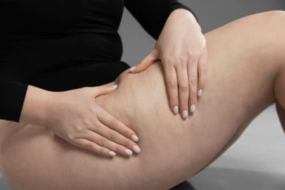
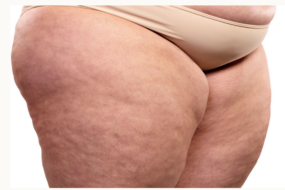
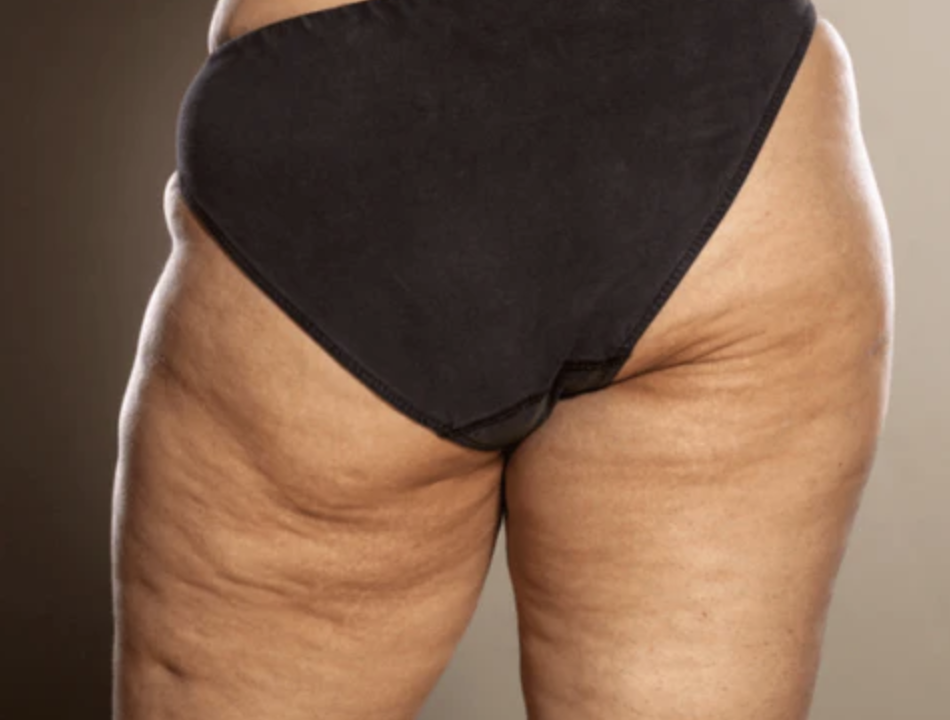
Ever noticed a faint dimple on your thigh and wondered, “Wait, is this supposed to happen already?” You’re not alone—over 85% of women spot some degree of cellulite by their early twenties. And here’s the kicker: for some, it starts before they can drive; for others, not until well into menopause. There’s no universal timeline, but nearly every woman sees those telltale dimples sooner or later.
Why does cellulite love to keep us guessing about when it will show up? Blame a trio of unpredictable factors:
- Hormonal rollercoasters (puberty, pregnancy, menopause, even birth control)
- Genetics (your family’s cellulite clock might run fast—or slow)
- Lifestyle habits, like how much you move, what you eat, and even where you live
It’s easy to think of cellulite as a “body issue”—but really, it’s a blend of biology and your unique life story. The good news? You’re about to get clarity, not just another list of beauty myths.
In this guide, you’ll quickly get:
- The real age ranges when cellulite typically starts and why some get it decades before others
- How hormones and genetics call the shots (not just what you do at the gym)
- The role of lifestyle and environment—what’s in your control and what isn’t
- Answers to sticky questions like, “Why me? Why now?”—plus some myth-busting along the way
Think of it as step-by-step troubleshooting for your skin: you’ll see which “glitches” are standard (spoiler: nearly all of them), which are tied to life milestones, and which tweaks might gently smooth the journey.
Ready to decode when and why cellulite actually shows up—and what that means for you? Let’s unpack the timeline, starting with the surprising patterns most women will recognize long before the next birthday rolls around.
Understanding When Cellulite Starts: Age of Onset and Prevalence
Ever wondered if you're “too young” for cellulite, or why it seems to hit overnight? Here’s the real deal: cellulite usually appears right after puberty—sometimes as early as the first period, most often during the teenage years.
Think of cellulite like a tech bug—it hits nearly 9 out of 10 women by their early twenties, but for some, it shows up later, even into their 40s, 50s, or beyond.
Stats and Scenarios: Who Gets Cellulite—and When?
- Over 85% of women notice cellulite after age 20-21
- Nearly all postpubertal Caucasian women will develop visible dimples
- Onset can be as early as age 14-15, but some don’t see changes until their 60s
- It’s rare, but possible, to have a “late-bloomer” case after menopause
Picture this: One reader spots a faint dimple at 15, while her friend doesn’t notice any until child number two, years later. There’s no “right” age—timing varies widely and doesn’t always match expectations.
Why the Huge Range? Lifestyles, Genetics & Location
Let’s unpack the reasons for variability in cellulite’s debut:
- Genetics: Family patterns can set your “cellulite clock” years ahead—or behind—your peers
- Hormone surges: Puberty, pregnancy, oral contraceptives, and menopause are common trigger points
- Diet & activity: Traditional lifestyles, especially where diets are less processed, often mean less cellulite; it’s far less common in developing regions
- Even lean, active women aren’t immune due to subcutaneous structure differences—biology always has the final word
Wondering why your timeline is different? It’s a blend of all these factors, not just body weight.
Age Milestones: How Cellulite Progresses by Decade
- Puberty (teens): Estrogen ramps up, connective tissue loosens, and the first dimples may appear
- 20s-30s: Cellulite prevalence spikes sharply as lifestyle and hormonal shifts accelerate fat storage
- 40s-50s: Collagen decline and skin thinning amplify dimpling; the texture can become more pronounced
- 60+: Fat lobules expand as skin loses elasticity, causing deeper and wider dimples—though some first notice cellulite this late, it’s unusual
“Cellulite doesn’t check your calendar—it follows your hormones.” Visualize your skin and connective tissue changing over time, and it’s easy to see why so many women notice new or worsening cellulite at different ages.
No matter your starting point, knowing these milestones helps you spot patterns, separate myth from reality, and focus on what you can actually control. Most importantly, if you’ve just noticed cellulite, you’re completely normal—it’s a journey nearly all women share.
Hormones, Genetics, and the Science of Why: Root Causes by Age
Ever wondered, “Why does cellulite seem to pick its own schedule?” Let’s cut through the noise: cellulite’s arrival and severity are programmed deep in your biology.
It’s not just about what you eat or how often you move. The real story starts beneath your skin, in the way your fat cells (fat lobules) and connective tissue (fibrous septa) are arranged—a design that’s uniquely female.
Picture this: female skin structure is like a mattress with vertical springs (septa) that let fat lobules push upward. That’s where the dimples start. Men, in contrast, have a tighter, crisscross structure, so fewer of them spot the same “bugs” in their skin’s code.
Estrogen and Hormonal Rollercoasters
Cellulite’s favorite sidekick? Estrogen. This hormone drives many of the changes you see (and feel) as you pass through:
- Puberty: The “on switch” for visible cellulite, thanks to higher estrogen and changing fat patterns.
- Pregnancy: Both estrogen surges and increased fat storage mean wheels-up for more dimpling.
- Menopause: Here, falling estrogen thins skin and redistributes fat, making cellulite more obvious.
- Oral contraceptives and HRT: These also influence your body’s estrogen load and can shift cellulite’s timeline.
“Cellulite is like a weather app for your hormones—when estrogen jumps or dips, skin texture forecasts change.”
Inherited and Biological Risk Factors
Not all cellulite stories are written the same. Genetics play a starring role:
- Family History: If your mom or sisters saw cellulite early or severely, your risk is higher, even with similar routines.
- Skin thickness and collagen: Thicker skin and better collagen mean less visible cellulite—think of it as your body’s natural Photoshop filter.
- Ethnicity: Studies show nearly all Caucasian women develop cellulite, while it’s less common among Asian and Black women. Regional differences also pop up—traditional-lifestyle populations often see less severe cases, likely due to diet and activity.
It’s not just about fitness—plenty of lean, strong women spot cellulite thanks to their genetic hand.
What Does This Mean for You?
Three quick takeaways:
- Hormones set the stage for when and how cellulite appears.
- Your collagen, skin structure, and family history influence visibility—sometimes, more than any lifestyle tweak.
- Cellulite is a biology project, not a personal failing. Even your most disciplined habits compete with genetic blueprints.
If you’ve ever asked, “Why now?” or “Why me?”—rest easy. For most women, this is just the biology of being female, upgraded and repeated across generations.
Life Stages and Cellulite: Puberty, Pregnancy, and Menopause
Cellulite is like a subtle notification—sometimes it pops up early, sometimes much later, but most women will see it during hormonal “hot spots.” If you're wondering when the changes typically start or why dimples appear seemingly out of nowhere, it's all about shifts in female hormones.
Puberty: The First Signs
For many, cellulite first makes its debut shortly after their first period—think ages 13 to 15.
- Estrogen surges during puberty stimulate fat storage in the hips and thighs.
- Rapid body growth stretches connective tissue, allowing fat lobules to press upward and create that signature dimpling.
- Studies show that by age 21, over 85% of women have visible cellulite—often first noticed by teens in the locker room or trying on new clothes.
Picture this: “Sara noticed those faint dimples in high school gym class, which made her wonder if she was just developing differently from her friends (she wasn’t—this is incredibly common).”
Pregnancy: Hormone Highways and Fat Shifts
Pregnancy takes hormone fluctuations to new levels, and cellulite often becomes more pronounced due to:
- Estrogen and progesterone spikes (increasing fat storage, especially on the thighs and buttocks)
- Water retention and circulatory slowdowns, both of which amplify skin puffiness and dimpling
- Many women—like Emily, who ignored cellulite until postpartum—found that new patches arrived with her baby bump
If you’re already dealing with cellulite, pregnancy can deepen those dimples, but even first-timers may notice changes.
Menopause and Beyond: Collagen Drops and New Dimpling
Menopause is the third “hot spot,” and it’s a perfect recipe for increased visibility:
- Estrogen levels plummet, which thins the skin and weakens connective tissue
- Fat redistributes (belly, thighs, and upper arms become new hotspots)
- “Julie’s cellulite became more defined after she hit menopause, especially as her skin got thinner and dimmer”
Oral Contraceptives and HRT: The Hormone Connection
Oral contraceptives and hormone replacement therapy (HRT) aren’t just about birth control or menopause relief—they alter estrogen levels too.
- Hormonal contraceptives can trigger earlier or more visible cellulite, especially if you’re genetically prone.
- HRT in menopause may, for some, stabilize skin structure slightly, but the overall risk remains high whenever estrogen levels shift.
Real-World Examples and Scenarios
- “Sara noticed dimples in high school.”
- “Emily’s cellulite worsened post-pregnancy.”
- “Julie’s became more prominent after menopause.”
Each of these scenarios is different, but all normalize the experience—cellulite is a nearly universal part of the female journey.
No matter your life stage, hormonal shifts are the main drivers behind new or worsening cellulite. Recognizing these patterns can help you focus on what you can control (like lifestyle tweaks and skin health) rather than feeling surprised by entirely natural changes.
Lifestyle, Diet, and Environmental Triggers Across the Decades
Everyday choices shape the onset and severity of cellulite—and yes, some habits can fast-track those famous dimples.
Think about lifestyle like a control panel: Some switches you can change, while others (hello, genetics) are locked in.
- Sedentary routines (hours glued to your desk) slow blood flow and lymphatic drainage, making it easier for fat to build up under the skin.
- Regular movement—whether it’s a lunchtime walk or spontaneous dance break—boosts circulation and helps keep tissues healthy at every age.
You can’t out-exercise your genes, but activity stacks the odds in your favor.
Diet Decisions: The Good, The Bad, and the Dimple-Making
Your diet acts like code for your skin health—and some “lines” have more bugs than others.
- High salt and carb intake encourages fluid retention and swelling, exaggerating cellulite’s appearance.
- Processed foods, excessive sugar, and low water intake weaken collagen and skin elasticity, making that orange-peel texture pop.
- On the flip side, hydration, fiber, and whole foods support firmer, more resilient skin.
Picture this: That late-night pizza run won’t leave a crater tomorrow, but eating “empty” foods on repeat programs in trouble over time.
Toxins, Aging, and Why Skin Matters More Over 40
Cellulite isn’t just about fat—it’s also about what surrounds it.
- Smoking and heavy drinking reduce blood flow and boost inflammation, weakening your skin’s support network.
- Plastics, pollution, and other everyday toxins jump in, adding stress through chronic, low-grade inflammation.
Once you hit your 40s and 50s, time does its thing: Collagen dips, fat cells swell, and skin thins. That’s why cellulite gets deeper and more visible with age, even if your weight stays steady.
Want a cheat sheet?
- In your 20s: Prioritize nutrition and regular movement.
- By your 40s: Think strength training and antioxidant-rich foods to fight collagen loss.
- When you’re 60+: Target hydration and gentle activity, like swimming, to keep skin and circulation thriving.
Share-Worthy Real Talk: Cellulite Is a Long Game
“Cellulite is like tech debt: The earlier you maintain the system, the less patching you’ll need later.”
Every lifestyle choice nudges the odds—so even if those dimples show up uninvited, you’ve still got plenty of say in how they evolve.
Key Stats, Trends, and Myths: What the Latest Research Really Shows
Picture this: cellulite is almost as inevitable as inbox overload—85–90% of all postpubertal women will see it by age 21, and there's no “unsubscribe” button.
Cellulite can appear as early as puberty (ages 14–15) for some, while others don’t notice it until their 40s, 50s, or even later, depending on genetics, hormones, and lifestyle choices.
You’re not alone—nearly all Caucasian women develop cellulite, while it’s less common in traditional-lifestyle populations or developing regions, possibly due to diet and daily activity differences.
Scanning the Facts: Age of Onset, Prevalence, and Global Differences
- Onset typically starts between ages 14–30; emerging just after your first period is normal
- Prevalence spikes after 20–21, affecting up to 9 in 10 women by that age
- Ethnic disparities exist: cellulite is most visible—and studied—in Caucasian populations, but less prevalent in women with firmer connective tissue (often seen in some Asian and African groups)
- Rural or traditional diets and constant movement correlate with lower visible cellulite rates
It’s the “universal bug” of female skin—even the fittest woman can develop cellulite. Genetics, underlying fat architecture, and female hormones call many of the shots.
Debunking Myths: What Cellulite Isn’t
Let’s clear up some lingering misconceptions:
- “Only overweight people get cellulite.” False. Over 80% of slim, athletic women have it.
- “It's just a diet problem.” Hard nope. Genetics and estrogen matter much more than a burger here and there.
- “Cellulite is always preventable.” Don’t blame yourself: connective tissue structure is often the deciding factor.
Quotable moment: “Having cellulite doesn’t mean you’re unhealthy—it just means you’re human.”
Your Biggest Questions, Answered
- Will weight loss get rid of cellulite? It may reduce its appearance, but won’t eliminate it—skin and connective tissue stay the same.
- Why did mine get worse after pregnancy or menopause? Think hormonal rollercoaster: estrogen swings affect connective tissue, fat storage, and skin thickness at every major life stage.
- Is there a magic fix? Not yet. Topical creams, laser treatments, and diets offer modest results but rarely deliver a “smooth reboot.”
Here's what matters: Cellulite is normal, common, and influenced by age, hormones, genetics, and lifestyle—not just diet or fitness level.
The key takeaway? Recognize cellulite as a standard part of your skin’s journey—not a sign of poor choices or lost control. Adjust your expectations, focus on skin health, and know you’re in good company worldwide.
Conclusion
Understanding the timeline of cellulite isn’t just trivia—it’s a powerful first step toward taking control of your skin health and ditching outdated myths for good.
By seeing cellulite as a normal, nearly universal experience, you can focus on empowering choices that protect your confidence and well-being at every age.
Key Takeaways:
- Recognize cellulite as a sign of biology, not failure—hormones and genetics shape this journey for almost every woman
- Prioritize movement (even a daily walk counts) to support circulation and skin health
- Embrace nutrition that boosts collagen and hydration for firmer, more resilient skin
- Release comparison—there’s no “right” time for cellulite to appear, so focus on your own path
- Stay informed, not discouraged: The more you understand the science, the less power cellulite has over your self-image
Next Steps:
- Try adding one healthy habit today—whether it’s a five-minute desk stretch, an extra glass of water, or a swap to whole foods at lunch
- Talk openly with friends or family to normalize the conversation and break the stigma
- Invest in a skin care routine focused on hydration and gentle strength—consistency matters more than overnight fixes
- If you have concerns, consult a trusted professional to discuss your options and separate fact from hype
Remember, cellulite is part of the female code, not a programming error. The way you treat your body and talk to yourself matters more than any timeline or trend.
Own your biology, own your confidence—because real beauty embraces every chapter, dimples and all.