Key Takeaways
Grasping the real impact of nail products means going beyond nail polish trends—to the very foundation of nail health, risk, and results. Whether you're prepping for your next meeting or demo video, these insights will keep both your nails and your peace of mind in top shape.
- Nail products interact with both the surface and structure—overuse or harsh chemicals can cause moisture loss, brittleness, and splitting, especially if polish is left on for more than two weeks.
- Nails don’t “breathe”—they get nutrients from blood flow, not the air, so choosing breathable or heavy gels changes moisture levels, not oxygen flow.
- Strategic product use protects and repairs—conditioners, strengtheners, and cuticle oils with clinically-backed ingredients like hyaluronic acid can make nails up to 70% more resilient against brittleness.
- Prolonged polish or improper removal leads to deeper damage—splitting, white patches, and roughness are common if you skip regular moisturizing or rush removal.
- Watch for allergies and irritation—acrylates and formaldehyde top the list of culprits behind redness, blisters, and chronic nail changes, especially in sensitive users.
- Systemic risks rise with frequent exposure—nail techs and sensitive groups need gloves, ventilation, and ingredient vigilance to avoid the effects of the “toxic trio” (formaldehyde, toluene, DBP).
- Check every label—marketing claims aren’t safety guarantees—scan for “5-free” or “toxic trio free,” but always double-check for hidden irritants or allergens.
- Prioritize clean tools and quick symptom response—disinfect after every use and seek expert help at the first sign of persistent pain, infection, or allergic reaction.
For the healthiest, most confident nails—scan your products, tailor your habits, and don’t be shy about prioritizing safety over style. Dive into the full article for a smarter, science-backed approach to modern nail care.
Introduction
Ever pull off that satisfying gel polish strip—only to find your nail plate left chalky, split, or a little worse for wear?
You’re not alone; over 50% of regular manicure fans say they’ve noticed changes like thinning, brittleness, or unwanted white patches after extended nail product use.
With today’s nail tech evolving fast—from “breathable” polishes to strength-boosting serums—the line between beauty upgrade and hidden hazard gets blurry.
The reality? Even top-shelf products can either protect or seriously stress your natural nails, depending on what’s inside—and how you use them.
You’ve probably asked yourself:
- Are gel manicures or acrylics making my nails weaker over time?
- Do “non-toxic” formulas really live up to their claims?
- What’s actually happening beneath the surface if I keep polish on for weeks?
- How can I get that polished look without sacrificing nail health?
Here’s the good news: understanding the real science behind nail products helps you spot the difference between trends, myths, and what actually works for your daily routine.
In this guide, you’ll:
- Uncover how nail products interact with the intricate layers of your natural nails
- See the positive impacts—from confidence-boosting color to targeted treatments that strengthen and restore
- Learn what risks to watch for—like allergic reactions, splitting, and even long-term health effects
- Get a no-nonsense look at how to decode ingredient lists, adopt safer habits, and leverage fresh industry innovations
Whether you’re deep-diving as a wellness-conscious creator, or you just want strong, great-looking nails that last, these insights put you in control.
So, how exactly do polish, gels, and next-gen topcoats shape the condition—and future—of your nails?
Let’s start with what’s happening at the most fundamental level, and how every product choice affects your natural nail structure.
How Nail Products Interact with Natural Nail Structure
Understanding how nail products affect your natural nails starts with the basics: nail anatomy.
Your nail plate is a hardened, layered structure made of keratin—the same tough protein in your hair and skin.
Beneath this, the nail matrix generates new growth, while the cuticle acts as a seal that helps keep out bacteria and chemicals.
Penetration—Surface or Structural?
Think of your nails as a piece of fine wood—what you put on top really matters.
- Surface-level effects come from polishes and topcoats, which mostly sit on your nail plate
- Deeper changes can occur if harsh ingredients or over-filing penetrate to the keratin layers, leading to moisture loss and weakened structure
- Moisture-absorbing ingredients (like acetone) may strip water, making nails feel dry and brittle
Here's a scenario: Two weeks of polish wear without removal can double your risk for splitting, or onychoschizia, especially if you skip hydrating treatments.
Not All Nails “Breathe”—And That’s Okay
A persistent myth is that your nails “breathe.”
In reality, nails don’t need oxygen from the air—all their nutrients come through blood flow in the nail bed, not from the surface.
But not all products are created equal:
- Some “breathable” polishes actually allow water vapor to move through, potentially reducing moisture trapping (but not delivering oxygen)
- Heavy gels and acrylics form barrier layers that may lock in moisture—or, if ill-applied, promote keratin granulation or white patching when peeled away
Real-World Application—Protection or Peril?
Picture this: using a topcoat is like varnishing wood—it protects, but too many layers or poor prep can lead to chipping, flaking, or even fungus sneaking underneath.
Want to minimize damage? Prioritize these actionable habits:
- Never leave polish on for more than two weeks
- Go easy on buffing and rough filing—each pass thins your keratin
- Moisturize nails and cuticles before and after product use
Memorable Takeaways
Your nail plate is a living barrier, not a sponge—what you apply shapes both protection and risk.
Understanding how nail products interact with your nails is the first step to safer choices—think of every application as adding a new coat to prized wood: tailor your approach, and you’ll keep your foundation strong.
Positive Impacts of Nail Products on Nail Condition
Cosmetic Improvements and Functional Benefits
Nail products don’t just look good—they can transform both appearance and function in a single brushstroke. For many, a polished manicure means more than color; it’s a way to mask and manage nail imperfections instantly.
Think of common issues:
- Onychoschizia (splitting)
- Nail pitting or onychorrhexis (brittleness)
- Habit tic deformity (ridges)
- Onychophagia (nail biting)
- Anonychia (absent nails)
A quick coat of polish or gel can boost confidence, helping you present well in high-stakes meetings or creative shoots—even if your natural nails are struggling underneath.
Nail brands now leverage:
- Strengtheners and conditioners to prevent further damage
- Cuticle oils enriched with nutrients
- Advanced ingredients like Pistacia lentiscus and hyaluronic acid to target fragility (studies show daily use improves resilience for up to 70% of users dealing with brittle nails)
Here’s a stat for your next client brief: 85% of salon clients say nail products have a positive impact on self-perception, citing “professional polish” as both a look and a mood lift.
At-Home Versus Professional Application
Wondering where to get the best results? Here’s the tradeoff:
- Professional manicures can offer longer-lasting, even applications (often up to 2-3 weeks without chipping).
- At-home solutions have become more advanced, but typically last 7-10 days—perfect if you like to switch up colors.
The secret: For chronic nail problems or visible deformities, ask about custom treatments or pro formulas—these often include targeted vitamins and are applied by skilled techs who spot underlying issues early.
Picture this: You’re prepping a demo video—using a strengthener on a visibly split nail, recording how the gloss smooths imperfections in real time. This is the kind of visual that gets shared on TikTok.
When to Use Nail Products Therapeutically
Nail products aren’t just cosmetic; they’re part of many self-care or recovery routines:
- Covering up discoloration or irregular shapes while nails recover post-infection or trauma
- Using medically formulated bases to treat fungus or supplement during chemo recovery
- Temporary solutions (camouflage or patching) as “confidence armor” during stressful periods
Pro tip: Dermatologists often recommend “therapeutic manicures” to support healing, especially after procedures, when self-image needs a lift.
Key Takeaways
Choosing the right nail product can do more than cover imperfections—it can act as a real solution for fragile, stressed, or problem-prone nails. Instant confidence, visible improvements, and even medical benefits are all on the table—just be strategic with product choice and application for the healthiest, happiest nails possible.
Adverse Local Effects: Nails and Surrounding Skin
Common Damage from Prolonged or Improper Use
Nail products can backfire if used too long or incorrectly. It’s not just about chipped polish—damage can run much deeper, especially after two weeks (or more) of continuous wear.
Typical damage patterns include:
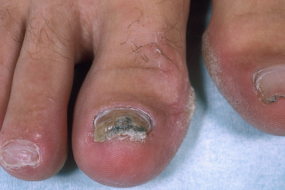
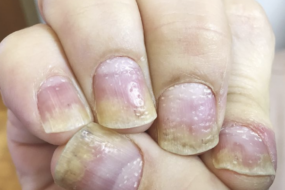
- Onycholysis (the nail lifting off the bed)
- Pseudoleukonychia (white patches left behind after removing polish)
- Keratin granulation (rough, grainy spots)
- Subungual hyperkeratosis (thickened buildup under nails)
Harsh removers like acetone and aggressive filing strip away natural oils and layers, making nails fragile and flaky—a real-life “before and after” you don’t want.
“Leaving polish on for more than 2 weeks increases the risk of splits, stains, and white spots—sometimes in less time than you’d think.”
Allergic and Irritant Reactions
Sensitive skin? Allergic contact dermatitis is on the rise—symptoms can sneak up as redness, blisters, or itching around your nails and fingertips.
Watch for:
- Paronychia (infected, swollen cuticle edges)
- Pterygium inversum unguis (ingrown, overgrown cuticle attached to the nail underside)
- Psoriasiform changes (splinter hemorrhages, nail thinning)
Main troublemakers?
- Acrylates like HEMA/MMA (in over 60% of gel products)
- Formaldehyde and certain resins found in polishes and glues
You’re more likely to react if you have sensitive skin, repeat exposures, or certain genetic factors. Catching stinging or redness early can help you avoid weeks of painful recovery.
“Even the most subtle itch, rash, or swelling after a manicure is your early warning—don’t ignore it.”
Secondary Risks: Infection and Spread
“Picture this: dirt and bacteria thrive in the gap under a lifted artificial nail—you might not notice until an infection sets in.”
Risks multiply with:
- Artificial enhancements that trap moisture and microbes
- Torn cuticles that become open doors for bacteria
- Nail glue burns creating patches of damaged skin
At-home use bumps up danger if you skip sterilizing your tools. Salon visits carry risk too, especially without visible cleaning practices or tool swaps between customers.
Top actionable tips:
- Sterilize personal tools every use
- Insist on fresh or disinfected instruments at salons
- Avoid polish on already-damaged or infected nails
When nail products go wrong, the signs aren’t subtle: painful swelling, oozing skin, or stubborn splits say it’s time for a reset—or expert help. The best defense is staying alert to early symptoms and dialing down on product exposure when anything feels off.
Systemic Health Effects and Long-Term Risks
Routes of Exposure: Skin, Air, and Accidental Contact
Every time you use nail products, there’s more going on than just color and shine. Chemicals enter your body not just through the nail plate but through:
- Skin absorption (especially if cuticles are broken)
- Inhalation of vapor from products, removers, and dust
- Accidental ingestion from hand-to-mouth contact
On average, nail technicians are exposed 40+ hours a week, while consumers might only use polish 2–6 times per month. That difference matters—the higher the exposure, the higher the potential risk.
FDA, OSHA, and EU all have guidelines in place, but not every bottle on your shelf matches the latest recommendations. Knowing what you touch, breathe, and accidentally ingest can change the safety equation.
“What you put on your nails doesn’t always stay on your nails—exposure can be skin-deep or much deeper.”
Chemicals of Concern: The Toxic Trio (and More)
Let’s talk about the notorious “toxic trio” lurking in many nail products:
- Formaldehyde: Found in hardeners and polishes; linked to asthma, allergies, and is a known carcinogen
- Toluene: Present in polishes and glue; may damage liver/kidneys and affect fetus development
- DBP (Dibutyl Phthalate): Used for flexibility; disrupts hormones and impacts reproductive health
Here’s a quick-reference table you can screenshot for your next shopping trip:
Many brands now advertise “5-free” or “toxic trio-free”—but ingredient lists can be misleading. Even “low-toxin” formulas may use substitute chemicals.
“If you can’t pronounce it, you might want to Google it.”
Special Populations: Who’s Most Vulnerable?
Salon technicians stand in the chemical cloud far more than the average user. Their risk rises with:
- Prolonged exposure (think, 8-hour shifts)
- Lack of protective gear—gloves and masks are non-negotiable
- Poor ventilation in salons
Sensitive groups—like kids and pregnant people—aren’t just “extra careful” for good reason. Chemical exposure data shows:
- DBP and TPO can impact fetal and neurological development
- Children have thinner skin and higher absorption rates
Case in point: Infant poisoning from removers and altered pulse oximeter readings after heavy chemical use—rare but real.
If nails suddenly change color, or you notice serious irritation or trouble breathing after a manicure, it’s time to get professional help fast.
Vigilance is your best tool: Understand ingredient labels, limit exposure where you can, and always prioritize safety—especially if you’re in a high-risk or high-use group. Little changes, like using gloves or choosing products with fewer questionable chemicals, have a big impact over time.
Making Safer Choices: Product Labels, Best Practices, and Innovations
Deciphering Labels and Marketing Claims
Ever see “toxic trio free,” “5-free,” or “hypoallergenic” on your nail polish?
These claims sound reassuring, but they deserve a closer look.
- “Toxic trio free” means the formula is made without formaldehyde, toluene, or DBP—common ingredients linked to cancer, reproductive, and respiratory risks.
- “5-free,” “7-free,” or “10-free” signals even more excluded chemicals, but there’s no legal definition—always double-check the ingredient list.
- “Hypoallergenic” isn’t a guarantee; allergies to acrylates or resins can still happen, especially if you’re prone to sensitivity.
Scan those labels like you’d scan for allergens in food—similar-looking bottles can have very different risks.
“If you can’t pronounce it, scan it for your own peace of mind.”
Practical Application Tips to Minimize Risk
Staying safe with nail products isn’t rocket science, but a few habits go a long way.
- Limit polish or gel wear to less than 2 weeks per application; longer increases risk for splitting and fungal infection.
- Always use gentle removers—avoid aggressive peeling or picking to prevent keratin damage.
- Disinfect tools every session, even at home: your nail file isn’t immune to bacteria.
- Steer clear of acrylates if you’ve had rashes or allergies, and skip acetone in poorly ventilated spaces.
- At salons, check sterilization protocols, and don’t hesitate to request single-use tools or see the tech’s cleaning routine.
Picture a neon sign: “Your cuticles and lungs will thank you for every safety step.”
“Tools are only as clean as the hands that use them—don’t be shy to ask.”
Advances and Innovations in Safer Nail Products
Today's nail shelf looks very different from ten years ago—low-toxin and “breathable” options are on the rise.
- Breathable polishes claim to allow water vapor through, helping reduce moisture loss beneath the nail.
- Look for UV shields or topcoats to cut down on light exposure risk.
- Brands now offer biomimetic treatments—think hyaluronic acid or Pistacia lentiscus added for strength and flexibility.
- Alternative hardeners avoid formaldehyde, and new removers swap out harsh solvents for gentle, skin-friendly ingredients.
For pros and DIYers alike, the industry’s moving fast: expect even safer, more effective options on shelves soon.
“Imagine a manicure that’s as gentle as your favorite moisturizer—this is where the field is heading.”
When to Seek Expert Help
How do you know it’s time to call in the experts?
Watch for these red flags:
- Persistent redness, swelling, or pain after product use
- White spots, nail lifting, or streaking not resolving in days
- Sudden rashes, itching, or breathing troubles
Reach out to a board-certified dermatologist or nail specialist, and use reliable, evidence-based sources when sorting through online tips.
“Don’t wait—when in doubt, swap DIY for an MD.”
Building nail safety into your routine is all about knowing what you’re using, trusting your body’s signals, and keeping cleanliness non-negotiable—your nails (and your health) are worth it.
Conclusion
Treating your nails well is both a science and an act of self-care. When you know exactly how nail products interact with your natural nail structure—and how to choose and use them strategically—you set yourself up for resilient nails that don’t just look great, but also stand up to daily life and high-pressure moments.
You’ve got the tools and insight to make smarter, safer choices—from reading labels more critically, to adopting pro-level habits at home or in the salon. The next step is turning this knowledge into action so your nails stay strong, healthy, and ready for whatever the workweek (or weekend) brings.
Key actions to boost nail condition and minimize risk:
- Limit polish or gel wear to under 2 weeks to reduce splitting and infection risk
- Moisturize nails and cuticles after every product use for ongoing protection
- Disinfect your tools (yes, even at home) before every session
- Double-check ingredients for acrylates, the “toxic trio,” and other red-flag chemicals
- Prioritize gentle removal methods—leave picking and peeling in the past
Ready to put this into practice? Start by scanning the ingredient list on your favorite product, giving your tools a thorough clean tonight, or booking a manicure with a tech who explains their hygiene steps. Even small, intentional changes add up to healthier nails and fewer surprises down the line.
You’re now equipped to make every nail choice a power move—for your health, your confidence, and your style. Remember: the real impact is in your daily routine, not just in the polish. Take smart steps now, and let your strongest, healthiest nails tell the story.
“What you put on your nails is really a decision about how you show up—for yourself and for the world.”