Key Takeaways
Nailing the right portion sizes and managing your caloric intake is the not-so-secret tech behind effective, sustainable weight loss. Whether you’re automating your food tracking or just downsizing your lunch container, these practical, evidence-based tips will help you stay full, avoid sneaky calorie traps, and see results without turning mealtime into a chore.
- Portion sizes directly impact calorie intake—research shows that doubling your portion bumps calories by 25–35%, often without you noticing or compensating later.
- Downsizing portions of high-energy-dense foods like snacks, sweets, and fried items leads to sustainable weight loss, with studies showing up to 0.6 kg less weight gain in weeks.
- Calculate your calorie needs using tools—track your basal metabolic rate (BMR) and activity with apps or wearables to set an accurate, personalized calorie goal for weight loss.
- Leverage portion-control tech—apps, food scales, and pre-portioned containers simplify tracking and cut daily calorie intake by as much as 35%.
- Prioritize low-energy-dense foods—load up on vegetables, fruits, and broth-based soups to enjoy larger, more satisfying plates with fewer calories.
- Outsmart social and restaurant traps by sharing entrées, swapping for smaller plates, and using app-based reminders to keep portions in check, even in tricky environments.
- Build lasting portion awareness—use your hand as a reference, snap meal photos, and batch prep in advance; studies show tech pros often underestimate calories by 20–30% without these habits.
- Avoid common pitfalls like “healthy” food overages, hidden add-ons, and restaurant-size portions—rethinking your environment and using small daily tweaks outperforms fad diets every time.
For a deeper dive into optimizing your portions and calories the smart, sustainable way, check out the full article—your future self (and your smartwatch) will thank you.
Introduction
Ever catch yourself at the bottom of a family-size snack bag, wondering how “just a handful” turned into a vanishing act? You’re not alone—most professionals underestimate their calorie intake by up to 30% at each meal, even when trying to eat healthy.
Blame it on portion distortion: restaurant plates have doubled in size over the last 20 years, and even “healthy” foods like trail mix or protein bars can quietly sabotage your goals if you’re not paying attention.
For tech-savvy marketers, creators, and business pros, knowing exactly what—and how much—you’re eating is a low-key superpower for weight loss. It’s not about giving up your favorites, but about making data-driven adjustments that fit your high-paced lifestyle (and busy Slack schedule).
What can you expect to walk away with?
- Strategies to accurately size up portions, even on the go
- Tools and tech to automate calorie awareness—so tracking doesn’t steal your bandwidth
- Actionable swaps and visual cues that make lasting change feel easy, not restrictive
You’ll discover how portion size quietly influences your weight, why your body’s “auto-compensate” feature is way less effective than your smartphone’s, and how making a few subtle tweaks can lead to measurable results.
Ready to turn mealtime into a workflow you can actually master—without endless food scales or flavorless diets?
Here’s what every tech pro needs to know about portion sizes, caloric intake, and the simple, science-backed tweaks that finally move the needle on weight loss.
Let’s start by sizing up why portions matter more than you think—and how just a small change in your lunch routine can ripple out into real, sustainable progress.
Understanding Portion Sizes: Why They Matter for Weight Loss
Picture this: You sit down for lunch, and the plate looks generous—maybe even cozy. But hidden in that plate is a critical factor in your weight loss journey: portion size.
Simply put, bigger portions almost always mean more calories consumed—no matter how healthy or “clean” the food.
It’s almost like refilling your gas tank well past ‘full’. Eventually, you’re dealing with overflow.
The Evidence: More Food, More Calories
Clinical research shows just how powerful portion sizes are.
- Doubling a portion typically leads to a 25–35% increase in calorie intake at that meal.
- In an 11-day study, making every portion 50% larger racked up an extra 423 calories per day—with hardly any reduction in later meals.
- Systematic reviews confirm: downsizing portions reliably cuts daily energy intake, even more than just switching from very large to just large.
Your body’s “natural compensation” system is surprisingly weak—you won’t instinctively eat less at your next meeting or dinner just because lunch was supersized.
Real-World Impacts and Common Pitfalls
What’s the immediate impact?
- In studies, serving participants smaller portions led to about 0.6 kg less weight gain over just a few weeks.
- Using pre-portioned meals and snacks helps people automatically eat less without really noticing.
Yet the most common myths still linger:
- The “it’s healthy, so I can’t overeat” trap—think nuts, avocados, even dense whole-grain crackers.
- The idea that only junk food needs to be measured.
As one dietitian puts it, “Shrinking portions is more like dialing down the volume, not cutting the music. You’ll still eat enjoyable meals—just less background noise.”
Actionable Takeaways
Here’s how tech professionals can grab control of portion sizes today:
- Prioritize smaller portions of energy-dense foods like snacks, sweets, or fried items.
- Use pre-portioned foods or containers to set easy, automatic limits—especially on busy days.
- Treat “healthy” foods with as much awareness as treat-day treats.
Most importantly, downsizing portions isn’t about restriction—it’s a sustainable, evidence-backed strategy for making weight loss work in modern life. Just like adjusting the scope of a project in your workflow, right-sizing your portions leads directly to better results you’ll notice on the scale.
Caloric Intake: Determining Your Daily Needs for Weight Loss
Ever wish you could unlock the exact number of calories your body needs to shed a few pounds—or more? Spoiler: You can, and it’s simpler than most nutrition jargon makes it sound.
To get your daily calorie needs, you’re basically calculating two things:
- Basal metabolic rate (BMR): Calories you burn just being alive (breathing, thinking, existing at your desk)
- Activity calories: Those you burn walking, working out, or even fidgeting during Zoom calls
The formula most tech professionals use? The Mifflin-St Jeor equation. But you don’t need to crunch it by hand—use a calculator or tracking app.
Variables That Change Your “Magic Number”
Your age, gender, activity level, and body composition all matter. Picture a 35-year-old marketer:
- If she’s desk-bound, her needs might be ~1,700–1,900 kcal/day
- With regular exercise? Bump it up to 2,100–2,400 kcal/day
Most people underestimate intake by up to 25%. That almond handful at 4 p.m.? Probably more than you think.
To lose weight, aim for a moderate calorie deficit—usually 300 to 500 calories less than your maintenance level.
The Science of Calories In vs. Calories Out
Think of your body as a financial budget:
- Spend fewer calories than you “earn,” and you’ll lose weight
- Consistently outspend, and the “savings” (body fat) goes down
In 2026, experts still say: Sustained calorie deficit is required for weight loss.
Emerging research suggests some tweaks for highly active or tech-savvy lifestyles, but the basics haven’t changed.
Tools and Tech to Track Your Intake
Ready to geek out? Tracking has never been easier:
- Top apps: MyFitnessPal, Cronometer, Lose It!
- Smart devices: Wearables like Fitbit or Apple Watch sync your movement and estimate calories
- AI tools: Snap a photo of your lunch, and some apps will log it automatically
Add food logging to your daily workflow—set reminders or automate post-meal entries. Avoid “logging fatigue” by using barcode scanning and frequent foods lists. Picture this: Your smartwatch buzzing gently, reminding you after a team lunch—so you don’t forget those bonus fries.
Recognizing your actual calorie needs is step one for effective weight loss. Automate the math, use technology to stay honest, and remember: Consistency, not perfection, drives results.
Portion Control in Action: Strategies That Actually Work
Controlling how much you eat isn’t a guessing game—it’s a method that works, backed by research and real results.
Reducing portion size can cut daily calories by up to 35%. Most of us eat what’s in front of us, even if it’s more than we need.
Picture this: Your lunch container is extra-large, and you fill it. You’re not just fueling up—you’re going for a calorie overflow.
Top Methods for Managing Portions You Can Use Today
Smart portion control is less about the food, more about the routine.
Try these strategies:
- Shrink portions of energy-dense foods: Think fried snacks, cakes, and fatty meats—cut these first, and you’ll see a huge calorie drop.
- Pre-portion meals and snacks: Use single-serving containers or buy pre-portioned packs so you don’t have to eyeball it.
- Read labels every time: It’s sneaky how “one serving” sometimes means half that bag or bottle. Don’t get tricked—double check serving sizes before you dig in.
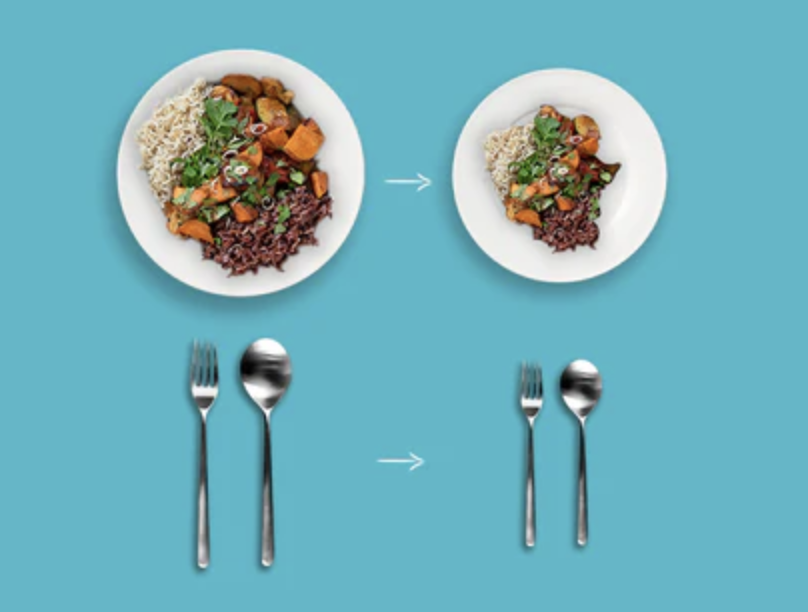
- Swap the plates and bowls: Using smaller dishware can lead to eating up to 22% less—no calorie tracking headaches required.
Instant win: “Think of switching dishes like switching from default to dark mode—subtle, effective, and easy to stick with.”
Visual Cues & Everyday Tech for Consistency
Beware: Plates, bowls, and packaging are silent influencers.
A giant bowl means bigger servings, without you noticing.
Try these quick tech-integrated habits:
- Use food scales or hand-size references: Palm = protein, fist = veggies, thumb = fats—simple, visual, always with you.
- Leverage calorie tracking apps: Tech like MyFitnessPal or AI-enabled meal loggers can keep your portions on target.
- Set smart reminders on your phone to prompt mindful eating breaks.
“These ‘portion hacks’ fit right into your workflow—no drastic changes, just smarter choices.”
Mindful Eating & Behavioral Tweaks
Speed matters: Slowing down gives your stomach time to send the ‘I’m full’ signal.
Don’t eat distracted; picture yourself actually noticing your food, not your Slack notifications.
Try these easy tweaks:
- Put snacks in a bowl, not the bag: When it’s gone, you’re done. No sneaky refills.
- Pause and check your hunger: A ten-second check-in beats mindlessly clearing your plate.
- Leave the kitchen after eating: Out of sight, out of snacking.
Takeaway: Shrink your portions, not your satisfaction. Small, deliberate changes—like measuring, pre-portioning, and swapping out dishware—set you up for success without the stress. The most reliable wins? Cut back on energy-dense foods and use your environment to support your goals—because what’s around you matters as much as what’s on your plate.
Energy Density: Making Portions Work for You, Not Against You
Imagine eating a heaping plate of food that actually helps you lose weight—sounds better than just trimming every meal, right?
This is where understanding energy density—or “calories per bite”—comes into play.
Foods with high water or fiber content (think broccoli or a big bowl of strawberries) deliver lots of volume for fewer calories, leaving you full on less.
In contrast, foods like fried snacks, pastries, or chocolate bars pack a ton of calories into every tiny portion.
Large Portions, Lower Calories: The Power of Low-Energy-Dense Foods
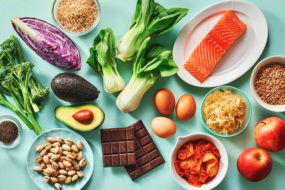
When you load your plate with low-energy-dense choices such as:
- Non-starchy vegetables (spinach, tomatoes, mushrooms)
- Fruits (berries, oranges, watermelon)
- Broth-based soups and whole grains
- Air-popped popcorn (skip the butter!)
You can eat larger portions, feel satisfied, and still stay within your calorie goals.
It’s like getting that “second helping,” minus the guilt and waistband creep.
High-energy-dense foods—fried foods, sweets, creamy sauces—are calorie landmines: it takes just a few bites to undo a deficit.
Building Sustainable, Satisfying Meals
There are two main approaches to cutting calories:
- Portion slashing: Eat half, feel half-full.
- Volume eating: Build meals by maximizing food volume (using low-energy-dense foods) so you feel full, not deprived.
Recent studies show that people replacing part of their high-density choices with low-density options:
- Reduce daily calories by up to 400 kcal/day
- Report more satisfaction and better long-term results
Template for your next lunch:
- Half your plate = vegetables
- A quarter = lean protein
- A quarter = whole grains or legumes
- Finish with fruit or broth soup
Snap a before-and-after picture: same plate size, twice the produce, a fraction of the calories.
Real-World Results & Fresh Data
A large meta-analysis found that downsizing portions of high-energy-dense foods directly reduced average daily intake, while adding more low-density foods kept fullness intact.
Clinical weight loss programs using this tactic reported:
- 0.6 kg less weight gain when smaller, lower-density portions were served
- Higher rates of weight loss maintenance when using pre-portioned or low-energy-dense meals
Picture this: a big salad with grilled chicken and beans—full plate, full stomach, slim calorie count.
When you think about portion control, focus on what's on your plate, not just how much.
Key takeaway: Shifting to low-energy-dense foods lets you fill up, satisfy hunger, and make weight loss sustainable—no precision scale or endless measuring required. The best portion strategy isn’t about eating less of everything—it’s about eating smarter, with meals that work for you.
Navigating Restaurants, Social Situations, and Mindless Eating
When you’re eating out or grabbing takeout, portion control feels impossible—but it doesn’t have to be. Packed restaurants, business lunches, and endless buffets are designed for overeating, not moderation.
Being strategic can save you hundreds of calories—studies show doubling restaurant portions bumps calorie intake by 25–35%. That’s the equivalent of an extra dessert, even when you swear you’re just “tasting.”
Outsmarting Tricky Eating Environments
Ready for a real-world scenario? Picture this:
- You sit down at a restaurant with friends. Before anyone orders, the bread basket lands in front of you.
- The menu’s a mile long, and portions are anyone’s guess.
Here’s how tech-savvy pros keep control without awkwardness:
- Share entrées or ask the server to box up half when your meal arrives.
- Skip or move the breadbasket out of reach—it’s responsible for hundreds of stealth calories.
- Order first to limit last-second peer pressure.
- Use apps like MyFitnessPal, Yazio, or even a smart scale paired to your phone to log calories on the spot (bonus: many now recognize restaurant dishes automatically).
- Set AI reminders to check in before meals—give yourself a digital nudge to “pause” before digging in.
Social Gatherings, Buffet Lines, and Work Events
Walking the buffet? The science is clear: the more variety and larger the plates, the more you’ll eat—no matter your willpower.
Cut through the chaos with these steps:
- Survey the spread first—pick your must-haves before grabbing a plate.
- Use a smaller plate (when available); diners eat 30-40% less just by downsizing.
- Limit “automatic refills”—crispy snacks or drinks, for example, by serving yourself once and stepping away.
- Choose one small dessert and savor it, skipping the impulse for seconds.
Environmental cues matter more than you realize: dim lighting, big groups, and even your seat in the room all shape how much you’ll eat.
Combat Mindless Eating in Any Setting
Office meeting with endless snacks? It’s not just about willpower; it’s about friction.
- Keep snacks out of arm’s reach, or set a reminder to check in before grazing.
- Pre-portion treats in advance so you know your limit.
- Don’t eat directly from packages—“hand meets bag” is weight-loss sabotage in action.
Picture yourself at your next conference: You’re calmly prepped, logging with your phone as you go, choosing smart, feeling confident—no restriction, just informed choices.
The key takeaway? A few simple, tech-assisted tactics let you enjoy social occasions without letting portions or calories run wild. Next meal out, you’ll have the strategy and stats on your side.
Building Portion Awareness and Long-Term Habits
Learning to estimate portions by eye is like training a new app—you won’t get everything right the first time, but you’ll improve fast with feedback.
For most people, the biggest challenge is realizing how much they’re actually eating compared to calorie goals. Studies show the average tech pro underestimates intake by as much as 20–30% per meal.
Sharpen Your Portion-Guessing Skills
The first step is building your internal “portion radar.” Try these:
- Use your hand as a portable measure (palm for proteins, fist for carbs)
- Snap a photo of your meal before eating—review it later and guess the calories for a reality check
- Compare portions with actual kitchen tools at home, then “guestimate” away from home
Just like debugging code, expect mistakes at first. Over time, even complicated plates start to look familiar.
Normalize the Learning Curve
You’ll have days when the numbers surprise you (hello, bottomless pasta bowl!). Trial, error, and laughter are all part of rewiring your portion instincts.
Picture this: You’re at a team lunch, eyeing a “healthy” wrap. By checking the nutrition info (or scanning with an app), you discover it’s actually two servings—saving you from unintentionally doubling your calories.
Making Portion Control a Lifestyle, Not a Chore
The pros don’t measure every bite forever—they automate, systematize, and move on.
Borrow these habit-building hacks:
- Gamify progress: use streak trackers, step challenges, or friendly competitions
- Batch prep with pre-portioned containers so “I’m too busy” no longer means “I guessed wrong”
- Anchor your portions to existing routines (like only eating snacks at your desk after logging them)
Remember, “You don’t need to measure every gram forever—just like you don’t need GPS for your neighborhood after a while.” With a little repetition, portion awareness becomes second nature, freeing up brainpower for all your big ideas.
The upshot: Perfect isn’t required—practice and tiny tweaks matter far more. Over time, these micro-habits transform portion control from a diet rule to an invisible ally for weight management.
Common Mistakes and How to Dodge Them
Spotting and dodging the biggest portion pitfalls is your ticket to sustainable weight loss—think of it as debugging your eating habits. You don’t need to be a math whiz, but a little know-how goes a long way.
Sneaky Ways We Sabotage Progress
Most people underestimate calories by up to 30%, even when they’re trying to be careful.
Hidden portions love to lurk in “healthy” foods—think granola, avocados, smoothie bowls. Restaurants? Their average entrée is double the size you’d need for weight loss.
Top mistakes include:
- Eyeballing portions instead of measuring (that almond “handful” is often two!)
- Forgetting sneaky add-ons: sauces, soft drinks, bread baskets
- Assuming “organic” or “low-fat” means you get a free pass on portions
- Falling victim to “supersized” plateware at home or when eating out
Busted Myths and Easy Wins
Don’t be fooled by well-meaning advice or viral food hacks.
Watch out for:
- The myth that “all small portions are good…”—if it’s a mini-cup of ice cream, it still matters by the scoop
- The fantasy that “calories don’t count if you eat on the move” (sorry, desk snackers)
- Believing meal-skipping will boost weight loss—a plateau is more likely
Quick fixes:
- Use a kitchen scale for a week to recalibrate your “portion radar”
- Downsize your plates and bowls to instantly eat less without thinking about it
- Pre-portion snacks in advance instead of eating from the package
“Restaurant portions are like tech launch events—impressive, exciting, and often way too much in one sitting.”
When Progress Stalls: Quick Troubleshooting
Feel stuck despite your best efforts? Plateaus and setbacks happen.
Here’s your go-to checklist:
- Revisit portion sizes—creep happens when stress or distraction sets in.
- Audit for hidden calories in beverages, dressings, and “just a taste” nibbles.
- Shake up routines: swap plates, eat mindfully, reset with a food log.
Picture this: You’re swiping left on the bread basket, switching to a smaller plate, and finally outsmarting that never-ending office snack stash.
The upshot: Strong portion control beats trendy food fads every time. With a few smart tweaks, you’ll sidestep the most common mistakes—and watch the results add up, one meal at a time.
Conclusion
Mastering portion sizes and understanding your unique caloric needs isn’t just another box to check on your wellness to-do list—it’s a powerful system for reclaiming both confidence and results, even with a packed, tech-driven schedule.
Small adjustments to how you serve, track, and enjoy your meals can turn weight management from a daunting project into a streamlined part of your daily workflow—one that fits alongside your analytics dashboards or content calendars.
Here’s where you put knowledge into motion:
- Pre-portion meals and snacks ahead of time to create effortless guardrails, especially during busy workdays or social events.
- Embrace low-energy-dense foods—like vegetables and fruits—to keep your plates full and your calories in check.
- Harness tech tools and calorie tracking apps—set daily reminders, scan barcodes, or snap quick photos to build honest, data-backed habits.
- Swap your dinnerware for smaller plates and bowls to downsize portions without overthinking it.
- Pause for a hunger check-in before, during, and after meals; use it as your new “status check” for your appetite.
Ready to go from “guessing” to knowing—and finally see results on your own timeline?
Start by making one immediate tweak before your next meal: measure, swap your plate, or set up a tracking app. Tiny changes, compounded daily, add up to transformative results you control.
Remember: portion awareness is a skill, not a rulebook—it gets sharper every time you use it.
What you put on your plate is as strategic as any campaign, code push, or business decision—feed your goals, not just your cravings.
Your success story starts with the next portion. Own it.