

What Not to Eat If You’re Diabetic: Key Foods to Avoid https://99wellnesslessons.com/what-not-to-eat-if-youre-diabetic/ Key Takeaways Diabetes management starts with everyday food choices, and knowing what to avoid can make all the difference. These quick insights offer practical, actionable tips to help you maintain stable blood sugar, feel energized, and make smart swaps—no nutrition degree required. Scan through and take control of your next meal. Refined carbs are blood sugar accelerants: Steer clear of white bread, instant rice, and sugary cereals to prevent glucose spikes and overwhelming insulin demands. Sugary foods and drinks are hidden saboteurs: Soda, sweetened yogurts, and packaged pastries can spike blood sugar by 30–50 mg/dL or more in under an hour—check labels for surprising sugar sources. Processed and fried foods multiply risks: Chips, crackers, and fast food hit hard with a destructive combo of sodium, unhealthy fats, and quick carbs, raising type 2 diabetes risk by up to 50 percent over time. Watch out for problematic proteins and fats: Regular consu https://99wellnesslessons.com/what-not-to-eat-if-youre-diabetic/ Diabetes #diabetes

Does Green Tea Help You Lose Weight? Science Explained https://99wellnesslessons.com/green-tea-how-to-lose-weight/ Key Takeaways Curious if green tea can give your weight loss routine a real edge? Here’s what the science—and practical strategy—actually say about green tea’s role in supporting your goals. Scan these bite-sized takeaways and walk away with everything you need to know (and nothing you don’t). Green tea offers a modest metabolic boost, mainly thanks to EGCG and caffeine working together to gently increase thermogenesis and fat oxidation. Most impact is seen with 2–4 cups daily (or <1000 mg catechins from supplements) over 8–12 weeks, resulting in an average weight loss of 0.5–2 kg. Brewed green tea is safest and most effective, while high-dose extracts raise the risk of side effects without bigger benefits. Pair green tea with calorie control and regular movement—on its own, it won’t outpace an unbalanced diet or sedentary habits. Results vary by individual: Factors like genetics, gut microbiome, and caffeine sensitivity can significantly influ https://99wellnesslessons.com/green-tea-how-to-lose-weight/ Weight Loss #weight #loss

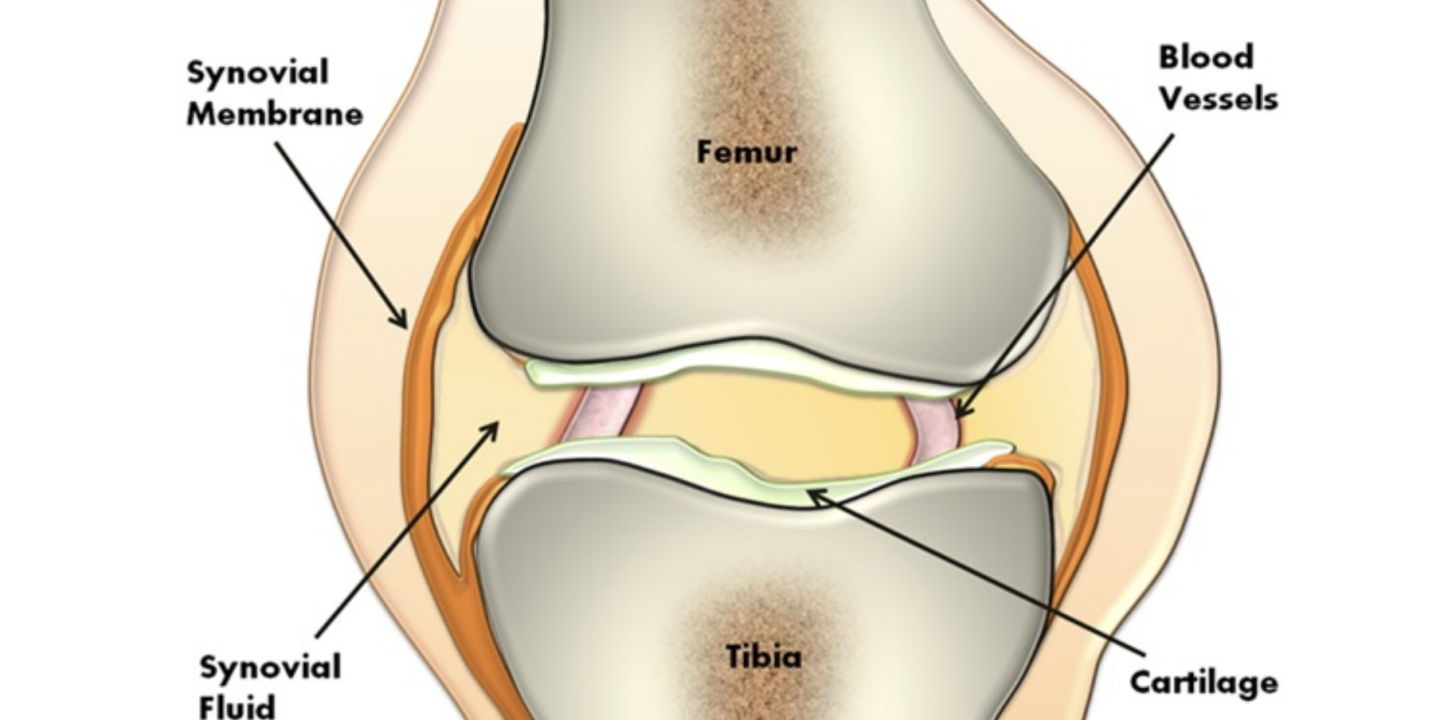
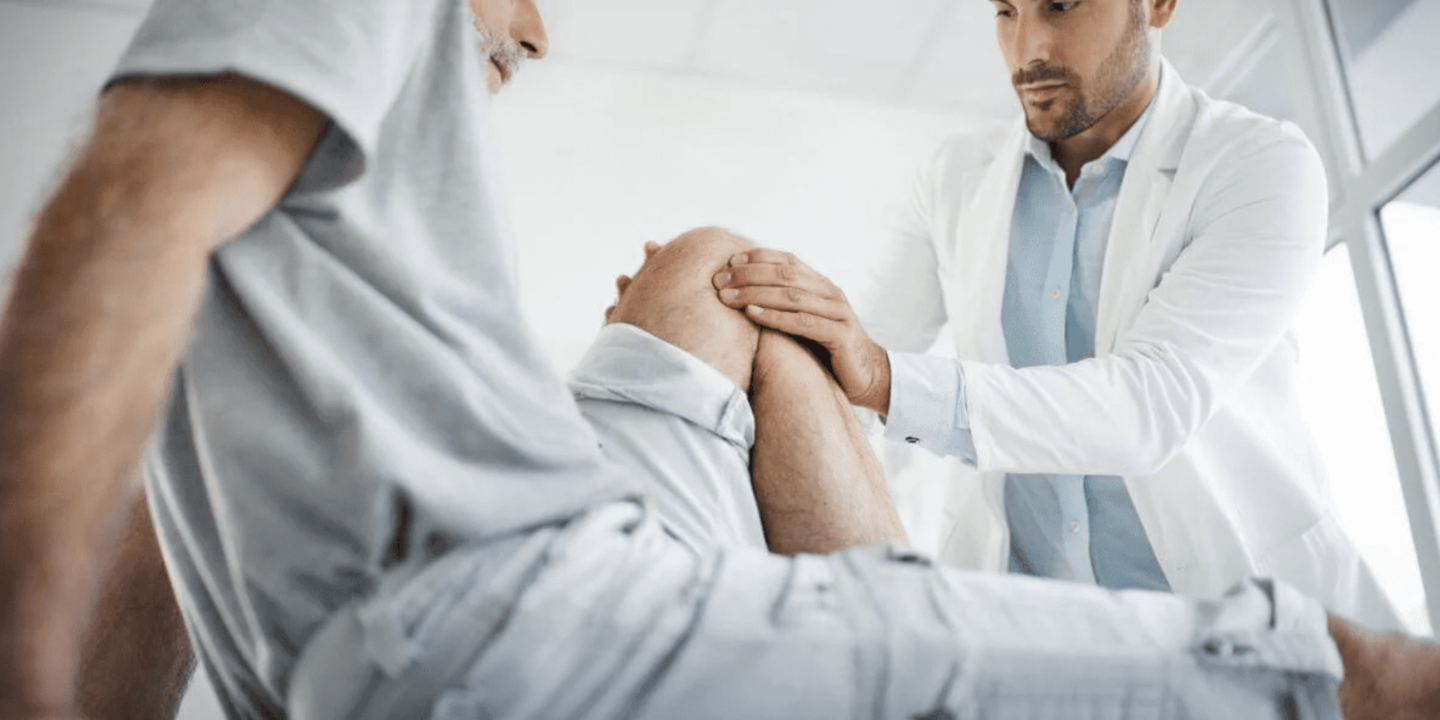
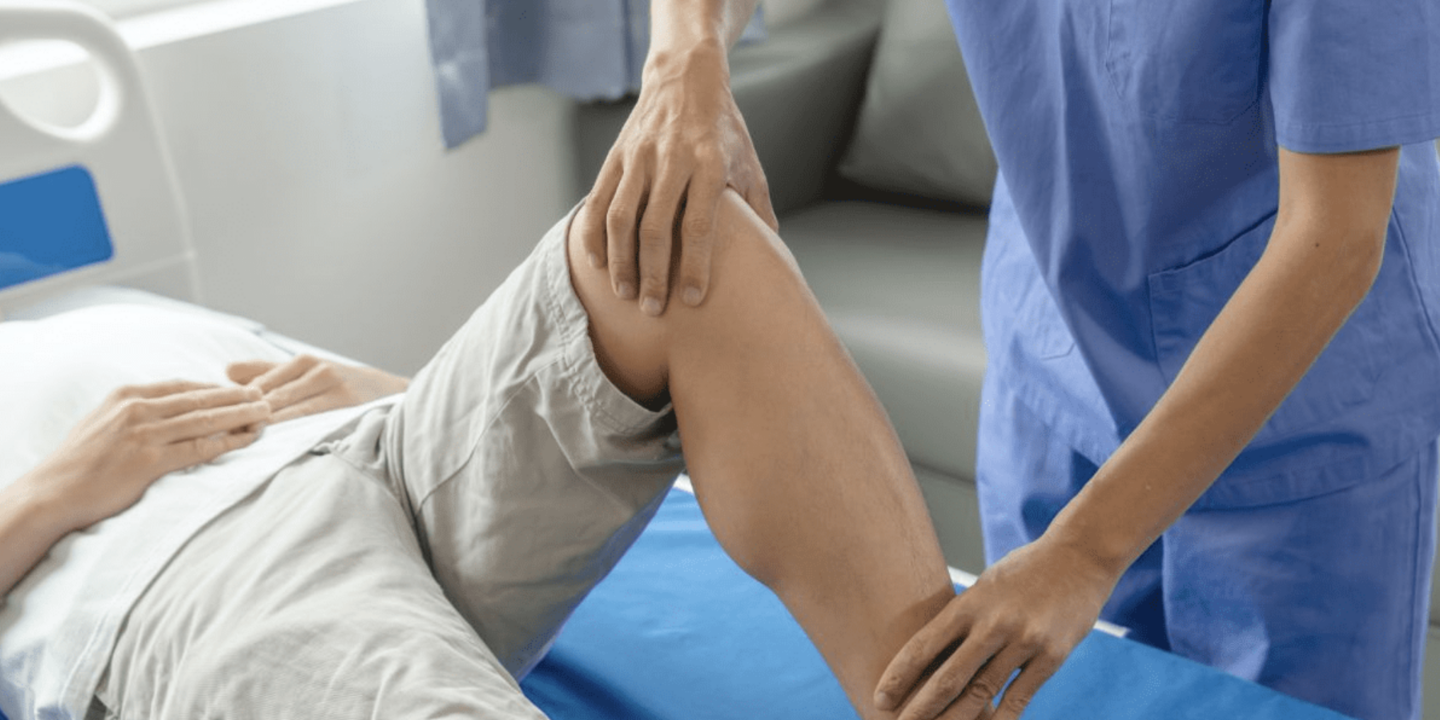
Diagnosing Joint Pain: Tests and Procedures https://99wellnesslessons.com/diagnosis-of-joint-pain/ Key Takeaways Diagnosing joint pain is a collaborative, multi-step process that blends your personal story with cutting-edge tools, giving you the fastest track to relief and long-term joint health. Here’s what tech-savvy professionals need to know to streamline their diagnostic journey, ask smarter questions, and get results sooner. Clear communication is your superpower—nearly 80% of joint pain diagnoses are narrowed down by the details you provide during your first appointment. Start with a comprehensive self-assessment by tracking when and how your pain changes, associated symptoms, and recent events; bringing this context saves you both time and money. Physical exams are data-rich moments—providers use hands-on techniques and quick functional screens to focus testing, reduce unnecessary scans, and accelerate targeted treatment. Smart bloodwork reveals invisible causes; request checks for ESR, CRP, autoimmune markers, and infection panels to uncover inflammati https://99wellnesslessons.com/diagnosis-of-joint-pain/ Joint Pain #joint #pain

How to Lose Weight: Proven Strategies for Real Results https://99wellnesslessons.com/how-to-lose-weight/ Key Takeaways Unlocking real, sustainable weight loss in 2026 goes beyond fads—it's about evidence-backed strategies and building habits that fit your real life. These actionable insights cut through the noise and empower you to start making progress, one practical step at a time. Sustained calorie deficit drives results—aim for a 500–1,000 calorie cut daily to lose 1–2 lbs per week, focusing on consistency over perfection for lasting change. Smart eating trumps crash diets—choose a plan (Mediterranean, low-carb, or high-protein) that fits your preferences and builds satisfying, nutrient-rich meals you can stick with long term. Physical activity supercharges weight loss—strive for 30–45 minutes of moderate movement, 3–5 times a week, to burn fat, sharpen your mind, and maintain weight loss. Behavioral strategies make new habits stick—set clear, trackable goals using apps or visual trackers, and lean on accountability for triple the success rate over si https://99wellnesslessons.com/how-to-lose-weight/ Weight Loss #weight #loss

Best Home Remedies for Cellulite Reduction 2026 https://99wellnesslessons.com/home-remedies-for-cellulite/ Key Takeaways If you’re ready to tackle cellulite with real-world solutions and a tech-pro’s mindset, these essentials boil down the article’s best expertise. Here’s your cheat sheet to smart, science-backed home remedies that fit a demanding, results-oriented lifestyle—no hype, just actionable wins. Cellulite is normal, not a flaw—over 90% of women (and many men) have it, and genetics, hormones, and tissue structure matter more than lifestyle or cleanses. Consistent routines beat “miracle fixes”—visible improvements require 4 weeks to 6 months of steady habits like massage, targeted nutrition, and movement. Nutritional strategies matter—focus on fiber-rich veggies, collagen sources (like broths or peptides), and hydration to minimize dimpling and boost skin resilience. Caffeine scrubs and retinol creams deliver quick surface results—apply coffee grounds or 0.3% retinol for smoother-looking skin ahead of big moments or video calls. Dry brushing, https://99wellnesslessons.com/home-remedies-for-cellulite/ Cellulite #cellulite

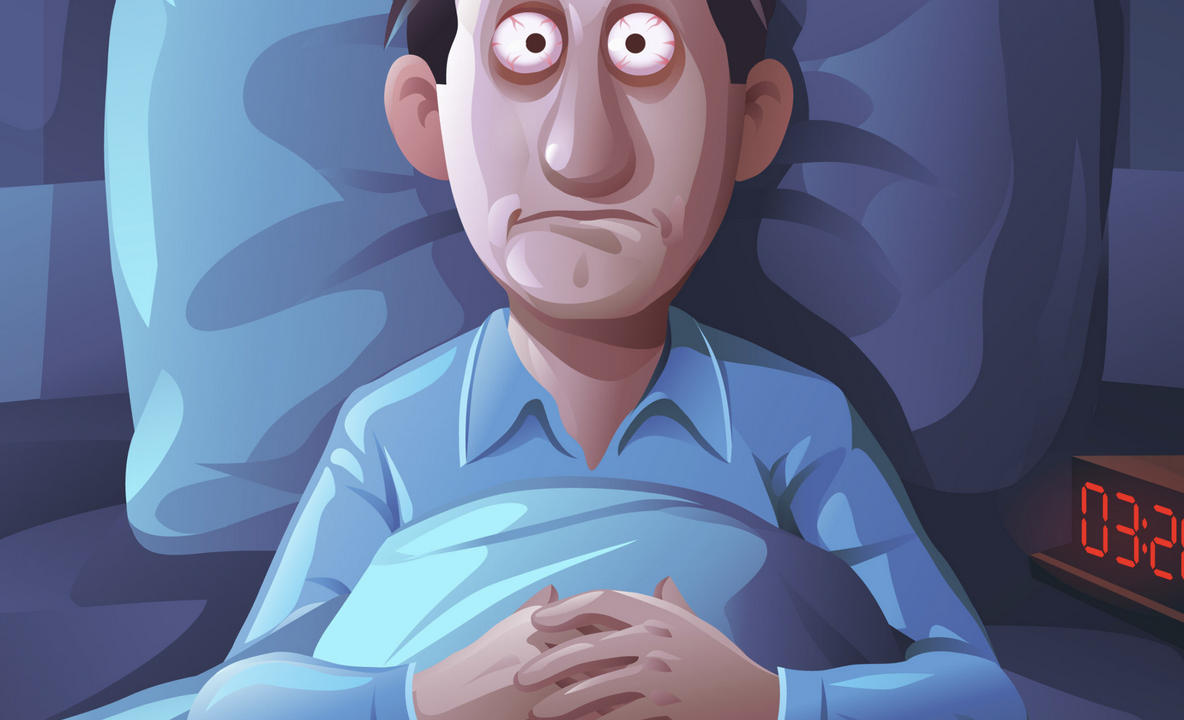
Technology’s Impact on Sleep Patterns in 2026 https://99wellnesslessons.com/technologys-impact-on-sleep-patterns/ Key Takeaways Want to get ahead of tech-driven sleep disruption in 2026? Here are the must-know, actionable insights for professionals and entrepreneurs navigating the intersection of digital living and restorative rest. These bite-sized takeaways will help you rethink nightly routines and harness technology for better sleep—without letting it run the show. Digital devices dominate sleep routines, with over 65% of tech pros using screens within an hour of bedtime and blue light exposure up 40% since 2022. Blue light from screens and LEDs delays melatonin release, leading to later bedtimes, more fragmented rest, and growing sleep debt—make screen-free wind-downs a nightly ritual for better sleep. Wearables and sleep-tracking apps are double-edged swords: use them for trend spotting and actionable feedback, but avoid the trap of “orthosomnia”—anxiety from obsessing over perfect metrics. AI-powered sleep tech transforms your bedroom into a smart sanctuary, with t https://99wellnesslessons.com/technologys-impact-on-sleep-patterns/ Sleep #sleep
© 2025. All rights reserved by Merkaba Solutions Ltd. Advertising Disclosure | Affiliate Disclosure | Amazon Affiliate Disclosure | Antispam | Cookies Policy | General Disclaimer | Privacy Policy |