Key Takeaways
Want to outsmart cellulite in 2026? Here’s your science-backed, action-focused cheat sheet—designed for tech-savvy professionals who value real results over empty promises. Scan below for the breakthrough truths, practical strategies, and next-level tactics that will transform how you approach cellulite prevention and solutions.
- Cellulite is universal and biology-driven with up to 90% of women affected—genetics, hormones, and skin structure deal the cards, while lifestyle factors adjust the outcome.
- Top 2026 breakthroughs blend smart diagnostics and combination therapies—AI-powered plans, high-frequency ultrasound, and stacked treatments like RF plus laser deliver up to 35% visible improvement in weeks, not years.
- FDA-cleared procedures such as Cellfina, Avéli, and CCH injections lead for lasting results, offering up to 2–3 years of smoother skin for the right candidates, with sustained success rates near 80%.
- Non-invasive energy therapies outperform solo topicals—radiofrequency and laser combos provide real-world smoothing for 70%+ of patients, while creams and gadgets deliver only superficial, temporary benefits for most users.
- Personalized, AI-driven regimens deliver faster progress by mapping your unique skin, fat, and connective tissue profile—expect 30% quicker visible results versus generic protocols.
- Smart lifestyle habits multiply results: High-antioxidant nutrition, hydration (8+ glasses daily), resistance exercise, stress reduction, and quality sleep are your long-game defense against worsening dimples.
- No one-size-fits-all cure exists—real gains come from hybrid strategies tailored to your skin, hormones, and habits, not miracle gadgets or miracle creams.
- Ask focused questions before choosing a treatment: Understand severity, cost, duration, and safety—and always align options with your biology and long-term goals.
Ready to cut through the noise and make smarter, evidence-based choices? Dive into the full guide to unlock a personalized cellulite action plan that puts you—and the science—in charge.
Introduction
Did you know up to 90% of women and nearly one in five men experience visible cellulite—no matter their lifestyle, workout routine, or body size?
If you’ve ever squinted at a dimple in the mirror or wondered why “miracle” creams seem to vanish long before your cellulite does, you’re in very good company—and you’re asking all the right questions.
Here in 2026, science is rewriting the cellulite conversation with new tools, real data, and smarter strategies.
Forget the hype and quick fixes; today’s solutions tackle cellulite with the accuracy of AI-powered scans, personalized care plans, and evidence-based treatments that deliver measurable results (not just promises).
Whether you’re a marketer, creator, or tech-forward business leader, odds are you want results you can trust—and to understand the “why” behind every recommendation.
Here’s what you’ll uncover:
- What really creates cellulite beneath your skin—and why it’s often unavoidable
- The latest AI-powered diagnostic tools and energy-based treatments making waves in clinics
- Surprising truths about genetics, hormones, and lifestyle that shift your risk
- Cutting-edge research—from clinical trials to high-frequency ultrasound tracking
- Practical, science-backed routines for prevention and daily improvement
If you’ve ever felt overwhelmed by the noise and marketing spins, consider this your shortcut to what genuinely works (and what just works your patience).
We’ll break down complex science into relatable insights, spotlight real progress with shareable stats and moments, and show where the innovation is heading—so you can upgrade your skin strategy with confidence.
Ready to see what’s really happening under the surface?
It all starts with understanding the anatomy—and the myths—that shape the cellulite story we’ve been told for decades.
Understanding Cellulite: The Science Beneath the Surface
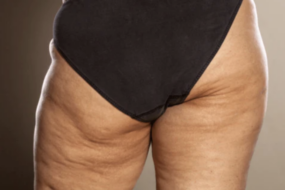
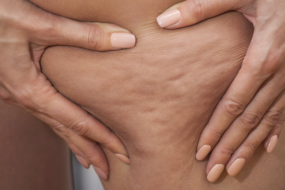
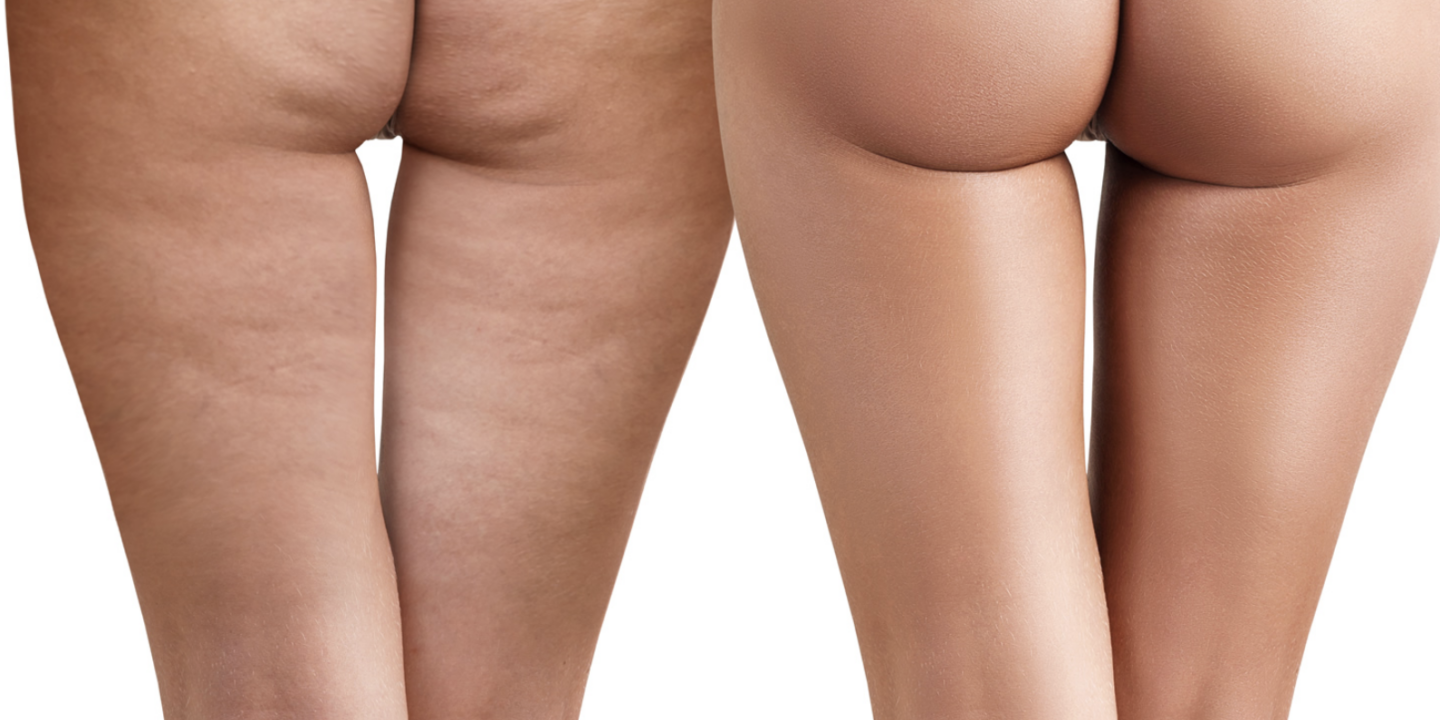
Cellulite is dimpled, uneven skin most often spotted on the thighs, buttocks, and hips—think of the “orange peel” effect that appears when fat pushes up against connective tissue beneath the skin.
About 85–90% of women will notice some degree of cellulite after puberty, regardless of body shape or size.
Men get it too, but far less commonly—and usually only if their collagen structure or hormones change due to medical factors.
Anatomy 101: Why Cellulite Happens
Picture this: three distinct skin layers at play:
- Your outer layer (epidermis)
- A middle, elastic layer loaded with collagen (dermis)
- A layer of fat cells held in place by bands called fibrous septa
When these fibrous bands pull downward while fat pushes upward, you get the classic dimpling.
Cellulite comes in several “grades”:
- Grade 1: No visible dimpling lying down or standing (pinch to spot it)
- Grade 2: Dimples visible when standing
- Grade 3: Deep, visible indentations at all times
The Hidden Variables: Anatomy, Circulation, and Skin Elasticity
Your skin’s thickness, the structure of your septa, and how well your blood circulates all directly affect who gets cellulite—and how obvious it is.
For example, thinner skin or reduced blood flow can make cellulite much more noticeable, while firmer skin and robust circulation can mask even higher levels of fat beneath.
Just ask: why do some athletes spot dimpling despite rigorous training? Genetics dictate the architecture of skin and connective tissue from the get-go.
The Real Causes: Genetics, Hormones, and Lifestyle
Blame your DNA first—if your mom had cellulite, odds are you’re predisposed.
Hormones play sidekick roles:
- Estrogen increases fat storage in classic regions
- Insulin and cortisol impact circulation and tissue structure
- Thyroid hormones subtly tweak connective tissue behavior
Life events like puberty, pregnancy, and menopause can make cellulite show up seemingly overnight, thanks to shifting hormone levels.
Lifestyle matters too:
- High-sugar diets, lack of exercise, and ongoing stress can all worsen visible cellulite
- Chronic dehydration and yo-yo dieting can deplete skin’s resilience
Think of cellulite as a recipe: genetics and hormones supply the main ingredients, but lifestyle choices adjust the flavor and intensity.
Common Myths—Busted Before We Begin
- Thin people get cellulite, too—body size doesn’t exempt you.
- No cream or gadget alone “cures” cellulite (despite what splashy ads claim).
- 80% of consumer-tested creams provide minimal or fleeting effects, according to recent surveys.
Cellulite isn’t about laziness, and it’s not always fully preventable—it’s a natural, universal trait shaped by biology and behavior.
When you really understand the why behind cellulite, you’re far better equipped to tackle the “what next”—with evidence, not empty promises.
2026: Key Trends and Breakthroughs in Cellulite Research
The science of cellulite in 2026 feels a lot like standing at the edge of a tech-powered skincare revolution—think targeted treatments, AI diagnostics, and real clinical results backed by hard numbers.
If you’re hoping for a game plan that’s more “data-driven” than “wishful thinking,” this is your year.
The New Research Landscape: What’s Actually Moving the Needle
We’re seeing a sharp shift toward combination therapies and personalized protocols.
Today’s top trends include:
- AI-driven treatment plans: Smart diagnostics and AI modeling customize protocols to your skin and body map.
- Combination energy therapies: Radiofrequency, laser, and vacuum treatments offer stacked benefits—clinics now frequently combine these for maximum results.
- FDA-cleared injectables: CCH (collagenase clostridium histolyticum) delivers up to 20% reduction for moderate-to-severe cellulite in trial data.
Imagine a clinic using high-frequency ultrasound to map your cellulite’s precise depth and structure, then applying a blend of device therapies and targeted injectables based on your unique profile. That’s not a pitch—it’s standard practice in leading centers.
“This year, personalization is the new gold standard for results—no more one-size-fits-all cellulite fixes.”
Diagnostics Upgrade: Ultrasound and AI Assessment Tools
Advanced imaging isn’t just for research journals anymore.
- High-frequency ultrasound: Now tracks changes in dermis density and fat protrusion before and after each treatment.
- AI-powered analytics: These systems rapidly spot trends in skin elasticity and fat structure, supporting continuous plan updates.
These tools create real-time snapshots—picture crisp ultrasound visuals, highlighted bands, and progress metrics—making results easy to see and share.
Clinical Trials Reshaping the Field
If you’re chasing breakthroughs, keep these names on your radar:
- CBL-514 (SUPREME-01): Currently in FDA Phase III, targets localized fat and cellulite with non-surgical injections; US trial results expected by early 2027.
- Avéli Prospective Study: Validates septa-release for long-term smoothing—glutes, thighs, abdomen—now tracking three-year outcomes.
- Poly-L-lactic acid fillers: Under review for buttocks cellulite, showing promise in boosting skin volume and texture.
Many therapies now offer visible improvement in weeks—not years.
Where Research Still Falls Short
While the toolbox is overflowing with innovation, the science is still catching up in a few big areas:
- No universal cure exists: Most “miracle” creams and gadgets underperform—80% fail in consumer studies.
- Results are often moderate: Temporary reductions of 13–20% are the norm, depending on severity and skin type.
- Long-term outcomes and safety: Still under active study for emerging procedures.
Here’s the reality: “Evidence-backed treatments set the bar, but managing expectations is essential—cellulite isn’t a ‘solved’ problem, yet.”
Today’s tech-forward cellulite research is all about tailored protocols, meaningful tracking, and results you can measure and see. Stay focused on options with real data—personalization and professional assessment are your best friends for next-level skin confidence.
Evidence-Based Treatments: What Works in 2026
Cellulite fixes aren't one-size-fits-all—results vary by treatment, expectation, and your individual biology.
Temporary improvements often come with creams and devices, while longer-lasting results are now possible with minimally invasive procedures and energy-based technologies. It's all about choosing the right match for your goals and budget.
Minimally Invasive and Surgical Procedures
If you're looking for FDA-cleared results, these are the 2026 standouts:
- CCH injections (collagenase clostridium histolyticum): Break down fibrous septa (the bands causing dimples). Phase 2/3 trials showed up to 61% marked improvement in moderate-to-severe cellulite on the buttocks and thighs after 3 sessions.
- Cellfina: One-time subcision that cuts the bands under the skin. 96% of patients see clear improvement after two years. Most suitable for stubborn, defined dimples.
- Avéli: Hand-held surgical device that releases septa bands. Under recent studies, users often experience smoother, long-lasting results—especially in tough contouring cases.
- Poly-L-lactic acid fillers: Still in trials, but early data shows promise for buttocks smoothing.
“Think of these options as hitting ‘reset' on your skin's texture—tough on dimples, strong on lasting change.”
Non-Invasive Energy-Based Solutions
Prefer non-surgical options with proven traction? New combinations are leading the charge:
- Radiofrequency (RF): Stimulates deeper collagen remodeling, with visible toning after 4-8 sessions. Symmed RF is currently favored for thigh smoothing.
- Laser: Targets underlying fat and tightens skin for a dual-action approach.
- Ultrasound and Acoustic Wave Therapy: Break up fat and encourage circulation—perfect for subtle, generalized dimpling.
- Combination therapy (RF + laser + vacuum): Delivers improved firmness, less puffiness; sessions yield results within weeks.
Current data suggests combination therapy outperforms solo treatments, with average visible reduction rates of 20-35%.
“Picture this: a spa visit that not only feels great but delivers science-backed skin smoothing by your next beach trip.”
Topicals, Devices, and At-Home Approaches
Let’s keep it real—most creams and at-home gadgets promise more than they deliver.
- Gels/Creams (e.g., Defense Body): Clinical results show moderate smoothing for stages 2–3, but effects are often short-lived (weeks vs. months).
- At-home devices: 8 in 10 users report only minor results per recent surveys.
- Mesotherapy: Non-surgical injections gaining popularity, especially as a “booster” alongside professional treatments.
Professional guidance is key—not all products are created equal, and misuse can be costly.
Oral Supplements and Integrative Therapies
2026’s buzz surrounds two emerging supplements:
- Pycnogenol (150 mg/day): In a 12-week study, women saw a 13.6% reduction in severity—a visible difference for many.
- Verisol collagen peptides (2.5 g/day): Over 6 months, users with lower BMI showed the most improvement, with effects lasting a month after the last dose.
While evidence is promising, experts agree: supplements work best as part of a broader plan—think synergy, not magic bullet.
“Cellulite care in 2026 is a spectrum—choose your starting point and layer your tactics for success.”
Smart cellulite solutions in 2026 mean matching science-backed treatments to your goals, skin type, and lifestyle. Think beyond miracle creams: go for personalized, multi-modal strategies and give your skin the real shot it deserves.
Smart Prevention: Lifestyle Habits That Support Smoother Skin
Taking control of cellulite prevention isn’t rocket science, but it does start with understanding that daily habits shape your skin’s future.
Cellulite isn’t just about genetics—what you put on your plate, your workout choices, and your downtime rituals all add up under the surface. If you picture your skin as a dynamic canvas, the brushstrokes come from what you do every single day.
Prevention Starts in the Everyday Choices
Evidence shows that up to 80% of women face moderate to severe cellulite, regardless of body size or age. But here’s a key: small, sustainable changes often produce the most noticeable results over time.
Start with these essential habits that dermatologists and recent studies consistently endorse:
- Upgrade Your Nutrition: Focus on high-antioxidant foods, steady protein, and limit processed salt and sugar, which can worsen dimpling.
- Drink More Water: Aim for at least 8 glasses daily; proper hydration plumps the skin and supports collagen.
- Move Strategically: Combine resistance training (think squats and lunges) with daily walking to keep blood flowing and build supportive muscle.
Think of Prevention Like “Future-Proofing” Your Skin
Everyday routines create a ripple effect on skin texture. Stress, for example, spikes cortisol, which breaks down collagen; so, integrating stress reduction can literally smooth things out over time.
- Practice Mindful Stress Relief: Whether it’s five minutes of deep breathing, short walks, or unplugging from digital noise, your skin (and brain) will thank you.
- Prioritize Quality Sleep: Evidence links seven hours of restful sleep to stronger skin repair and firmer texture.
- Break Up With Bad Habits: Smoking, heavy drinking, and chronic yo-yo dieting not only sabotage skin health—they make cellulite worse, faster.
Five Habits That Make a Visible Difference
If you remember one thing, let it be this:
“Every glass of water, rep in the gym, or night of great sleep is a micro-investment in smoother skin.”
- Eat clean, hydrate often, move daily.
- Protect your sleep like it’s your best skin serum.
- Ditch habits that drain collagen and elasticity.
Picture this: Three months from now, you look in the mirror and your skin looks noticeably firmer. That’s the power of prevention lived daily. In the battle against cellulite, habits beat heroic efforts—one positive choice at a time.
Cutting Through Cellulite Myths: What Really Matters
Cellulite is one of those topics everyone seems to have an opinion on—but not all advice holds up to the science. Let’s cut through the noise and tackle the most persistent myths, setting you up for better decisions.
The Top Myths That Keep Coming Back
You’ve probably heard these promises more than once. Here’s what the data actually says:
- “Cellulite creams erase dimples.” Up to 80% of at-home creams have little to no measurable effect after 12 weeks, according to recent surveys.
- “Only people with high body fat get cellulite.” A staggering 90% of women—regardless of size or fitness—will see cellulite at some point.
- “It’s just a skin issue.” Experts agree: connective tissue, circulation, and hormones play a bigger role than skin thickness alone.
- “Permanent removal is possible with one treatment.” Even the most advanced 2026 therapies (like CCH injections and Cellfina) produce moderate, not miraculous, improvement—think 13-20% reduction, not total erasure.
Why Miracle Cures Fall Flat (And What Actually Works)
Picture this: a flashy ad guarantees dramatic results in days. Fast forward three months—results are minimal, and your wallet might feel thinner than your thighs.
Here’s why these solutions fall short:
- Topical fixes rarely address root causes—they don’t reach the fibrous bands or deep fat layers beneath the skin.
- One-size-fits-all promises ignore your unique hormone profile, genetics, and lifestyle.
- “Quick fix” devices underdeliver: Most gadgets can’t match the effectiveness of clinical energy-based treatments or FDA-cleared procedures.
Science supports combination strategies over miracle single shots. Just ask the 2026 trend trackers and researchers: hybrid approaches (RF + laser + subcision) consistently outperform stand-alone products.
Setting Realistic Expectations (And Avoiding Disappointment)
The hard truth: there’s no universal cure for cellulite yet.
But you can set yourself up for success by focusing on what we know works best:
- Long-lasting results are most attainable with FDA-cleared procedures (like Cellfina, Avéli, CCH).
- Visible improvement is realistic—total dimple-free skin isn’t. Expect smoothing and reduction, not perfection.
- Smart prevention and healthy habits (nutrition, exercise, stress management) help manage severity, though genetics always matter.
“Don’t chase the impossible—optimize for what’s truly achievable.” That’s the science-backed, real-world approach that empowers you to keep it realistic and avoid disappointment down the line.
When you understand what actually works versus what’s wishful thinking, you’ll invest your time and resources far more wisely—no magic potions required.
Personalized Strategies: AI, Diagnostics, and Tailored Plans
Smart, personalized cellulite care has officially landed in 2026. The rise of AI-powered diagnostics and high-frequency ultrasound isn’t just tech hype—it’s changing outcomes for real people.
Picture this: You walk into a med spa, and instead of a cursory glance, a clinician runs a high-frequency ultrasound to map the exact structure of your skin, fat, and those stubborn fibrous septa bands. Results pop up on a screen, analyzed by an AI trained on thousands of outcomes.
How AI and Imaging Are Changing the Game
These new tools allow practitioners to:
- Pinpoint the grade and severity of cellulite, not just eyeball it
- Map fat protrusions, dermis thickness, and connective tissue tension
- Track changes after each session for objective before-and-after data
AI systems—now FDA-cleared for diagnostic support—process this rich imagery alongside your medical and lifestyle history. Within minutes, you’re handed a customized care plan that factors in past results, new research, and even hormone fluctuations.
Real-World Tailoring: From Assessment to Action
Let’s say you’re considering RF (radiofrequency) therapy combined with targeted injectables. Your AI-driven assessment indicates you’d benefit most by combining two modalities—maybe even spacing treatments differently to fit your skin’s recovery cycle.
Peer-reviewed data shows that patients monitored with AI/ultrasound experience up to 30% faster visible results and improved long-term outcomes compared to standardized protocols.
- “It’s like upgrading from a one-size-fits-all diet to a meal plan written just for you.”
- “We’re now seeing cellulite mapped and monitored with the precision of a weather app.”
AI-Powered Planning: Capabilities and Caveats
Current systems can:
- Predict likely outcomes based on variables like BMI and septa depth
- Suggest optimal combinations—RF plus massage, injectables plus energy therapy
- Flag when results plateau, recommending alternative approaches
But there are realistic boundaries:
- Most models are trained on specific demographics and may not perform equally for all skin types or body compositions
- AI excels at prediction and planning—not replacing hands-on expertise
The Takeaway
Personalized cellulite care in 2026 means data-driven choices, truly tailored regimens, and smarter tracking—raising the odds that your efforts pay off. For anyone determined to outsmart cellulite, the best strategy is clear: let tech make your plan as unique as your skin.
Navigating Options: Choosing the Right Solution for You
Picture this: you’re staring in the mirror, wondering which cellulite solution actually fits your story—because every body (and every dimple) is unique.
To make your next move count, start by mapping your “cellulite story”:
- Genetics: Did either parent have noticeable cellulite or similar traits?
- Hormonal shifts: Have you seen changes around puberty, pregnancy, or menopause?
- Lifestyle: How’s your routine with movement, nutrition, stress, and sleep?
By spotlighting these factors, you create a foundation for a truly personalized strategy.
Smart Questions for Your Next Consult
Before signing up for any procedure, arm yourself with a shortlist of must-ask questions:
- What category does my cellulite fall into (mild, moderate, severe)?
- How long do results typically last for this treatment—months, years, or less?
- What’s the typical cost per session—and the number of sessions needed?
- Any side effects or downtime to plan for?
- Are some results more noticeable for specific skin types or body areas?
Walk into your consult with this list, and you’ll leave with clarity, not regrets.
Comparing the Big-Name Treatments: Outcomes & Safety
Let’s break down the current top categories by results and realities:
- Minimally invasive options: FDA-cleared CCH and Cellfina—up to 2-3 years of smoother skin, with success rates near 80%. Avéli shows fast improvement, especially for tough dimples.
- Energy-based therapies: Radiofrequency (RF) and laser combos—visible results by third session, moderate improvement for 70%+ users, sessions require little downtime.
- At-home tools/topicals: Gels, massage gadgets—mild, temporary smoothing; effective in less than 20% of users, per 2025 surveys.
Quote-worthy tip: “The best solution is the one your skin, schedule, and comfort level say ‘yes’ to.”
Special Cases & Realistic Planning
Every situation is different—so look out for nuances that matter:
- High BMI or dense tissue: More robust treatments (like subcision or CCH) typically deliver stronger results.
- Complex skin types or medical needs: Always check with board-certified specialists if you have sensitivities, darker pigmentation, or underlying conditions.
- Medical red flags: Seek a professional opinion if your cellulite changes rapidly, feels hard, or is painful.
Your ideal plan links realistic expectations, medical insight, and self-care—no miracles needed.
When you match your biology, goals, and the right questions, you end up with recommendations that fit you—not just the latest trend. The most powerful cellulite strategy in 2026 is informed, individualized, and puts results in your control.
The Future of Cellulite Solutions: What’s Next?
Cellulite innovation in 2026 is shifting fast—and the next wave is all about personalization, smarter tech, and blending self-care with science.
Combination therapies are at the center of new clinical trials, with treatment stacks like RF (radiofrequency) plus targeted lasers plus vacuum massage offering up to 20% visible improvement in severe cases by directly targeting the root causes: collagen breakdown, weakened septa, and lymph flow.
Near-Term Breakthroughs: Trials and Tech Trends
If you’re seeking “the next big thing” to watch, these are the game-changers on expert radar:
- CBL-514 injectable (Phase III trial): Aiming to melt localized fat and reduce cellulite, with FDA updates due by early 2027—meaning potential clinic launches could roll out in 2-3 years.
- AI-powered assessment tools: Platforms now use dermal scan data to customize treatment and monitor progress via high-frequency ultrasound, driving “smart” plans that adapt in real time.
- Avéli and Cellfina advancements: Early data points to longer-lasting smoothing by directly cutting tethered septa—expect new safety and durability studies to shape guidelines by mid-2026.
Realistic Timelines and What to Watch
Experts agree: Most “miracle” solutions are out, hybrid protocols are in. Picture this—within a single appointment, you could have your cellulite scanned, mapped, and a tailored sequence of energy treatments, injections, or minimally invasive options deployed on the spot.
- Pilot studies: Look for Kinesio taping and poly-L-lactic acid fillers becoming accessible outside trial settings by late 2026.
- Supplement breakthroughs: Watch Pycnogenol and Verisol collagen peptides, which showed 13%+ reduction in severity at moderate cost and with mild, self-guided routines.
The Intersection of Technology, Expertise, and Self-Care
The real future? No single cure—all progress comes from blending smart diagnostics, expert protocols, and your own daily habits.
- AI and ultrasound assess which protocol gets you the most bang-for-buck.
- Hybrid treatments meet “next-gen” self-care (think: home devices tuned by app-guided, clinic-calibrated plans).
“Cellulite solutions are heading toward true customization—think of a future where your treatment plan adapts as your body does.”
“In 2026, the needle is moving because high-tech tools and proven care finally talk to each other.”
“The most effective cellulite fixes of tomorrow will be the ones built around you.”
If you’re tracking real innovation (not hype), focus on combination therapies tailored by AI and evidence—where the perfect plan is as unique as your skin.
Frequently Asked Questions About Cellulite (Optional Supplementary Section)
How Long Do Results from Treatment X Last?
Results vary wildly by treatment type, body area, and individual differences.
Here’s what the latest studies and real-world reports show:
- CCH injections: Effects can last 6-12 months, with some users seeing longer benefits in FDA trials.
- Cellfina/Avéli: Both offer up to 3 years of visible reduction when targeting the fibrous septa dimples directly.
- Non-invasive options (RF/laser/acoustic wave): Most show 12 weeks of noticeable improvement, but maintenance treatments are often required.
- Topicals and gadgets: Clinical data finds effects are short-lived—typically 1-3 weeks—for the 20% who respond at all.
A single session can make an immediate difference, but maintenance is the name of the game with most options.
Are Results Different for Men and Women?
Let’s bust a myth: while cellulite affects 80-90% of women, less than 10% of men experience it.
Why such a gap?
- Women’s skin structure: More vertical connective tissue (fibrous septa) causes the classic dimpling appearance.
- Hormonal differences: Estrogen drives fat storage and skin elasticity changes in women, peaking during puberty, pregnancy, and menopause.
- BMI and body comp: Cellulite can affect all body types, but severity is often greater in those with higher BMI—regardless of gender.
If you picture a spectrum, most women will experience visible cellulite at some stage; for men, it's rare and usually linked to hormonal shifts or medications.
Is It Possible to Prevent Cellulite 100%?
No solution guarantees complete cellulite prevention, regardless of genetics, tech, or lifestyle.
Here are actionable habits that support smoother skin:
- Strength training & movement: Resistance workouts boost collagen and circulation for all body types.
- Hydration and mindful eating: Supports connective tissue strength.
- Stress and sleep: Chronic stress and poor rest can worsen skin texture.
Even the most advanced procedures—like combination RF and ultrasound—yield about 13-20% average reduction in controlled studies.
Think of cellulite as a natural part of skin architecture, not a failure of self-care—progress is possible, but perfection isn’t the goal.
Still want more details or next steps? Visit our sub-pages for deep dives, before-and-after galleries, and access to medical guidance—your pathway to smarter, evidence-driven choices starts here.
Conclusion
Cutting through cellulite confusion in 2026 isn’t about chasing miracles—it’s about owning your unique biology and leveraging innovation for results that actually matter to YOU.
Armed with the smartest science, personalized diagnostics, and proven lifestyle shifts, you now hold the keys to making confident, empowered choices—for smoother skin and stronger self-image.
The best breakthroughs are the ones you can act on—right now. Keep these essentials top of mind:
- Prioritize combination therapies and seek out care plans tailored to your unique skin profile; personalization drives results.
- Leverage AI-powered diagnostics or professional ultrasound mapping to take the guesswork out of your next move.
- Invest in daily habits—optimized nutrition, consistent hydration, resistance exercise, and mindful stress relief all create visible change over time.
- Don’t fall for quick-fix hype—expect realistic, measurable improvement (not perfection) for the long game.
- Talk to qualified pros: Bring targeted questions to your consult and partner with specialists who value evidence over empty promises.
Action starts today:
- Map your “cellulite story”—genetics, hormones, lifestyle.
- Schedule a professional assessment—or research clinics using the latest AI/ultrasound tools in your city.
- Implement one smarter habit (hydration, resistance training, or stress management) before your next session or product trial.
- Set clear, science-based goals; track your progress with photos and objective measures—not hype.
“Cellulite solutions in 2026 aren’t about chasing perfection—they’re about taking control, one smart step at a time.”
Your skin’s story is yours to author. With the right insights and a willingness to take action, you’ll spark real transformation—no miracle claims required.
Ready to shape your next chapter? Start now, and give your confidence the upgrade it deserves.