Key Takeaways
Getting a handle on diabetes starts with understanding the key differences between each type, the factors that cause them, and why that knowledge shapes smarter care. Here are the most actionable insights you can use right now—delivered in a format built for quick scanning and sharing.
- Diabetes is a blood sugar control breakdown, where either insulin production falters or your body stops responding to insulin’s “open up!” signal, causing energy imbalances and cell damage.
- Type 1 diabetes hits early and suddenly, caused by an autoimmune attack that wipes out insulin-producing cells—making daily insulin therapy a must, regardless of age.
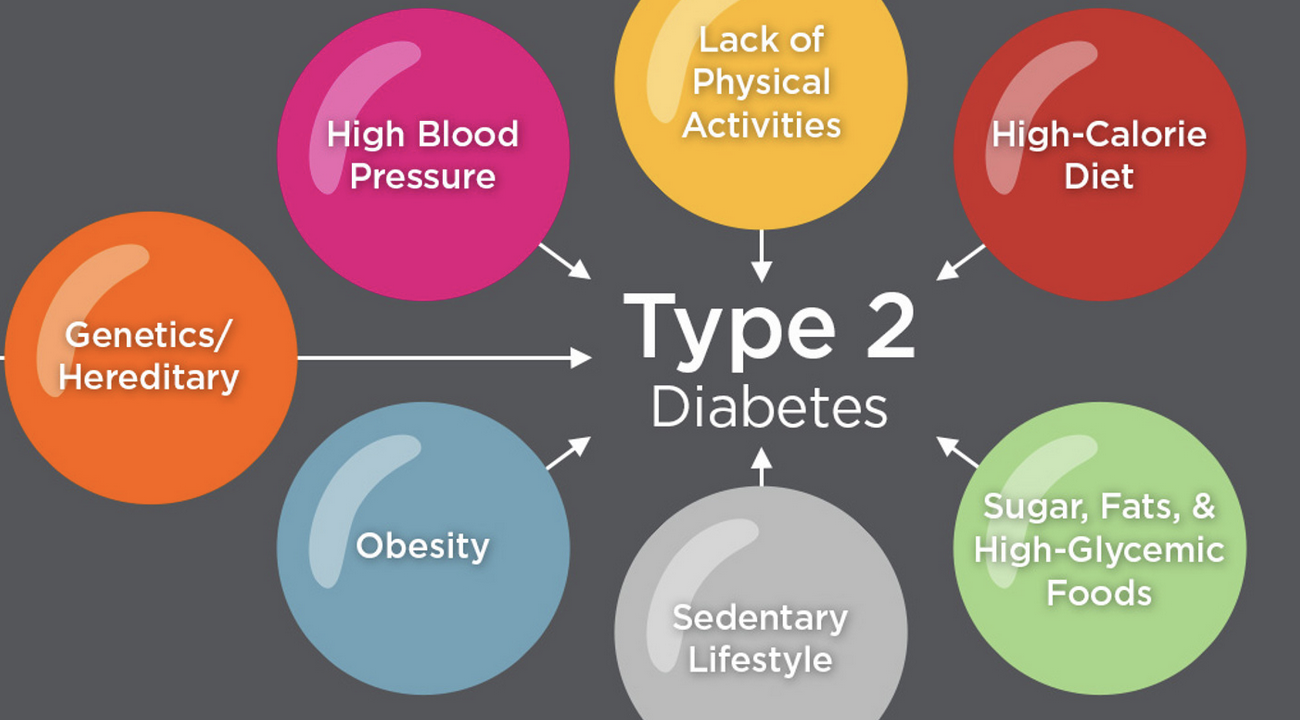
- Type 2 diabetes is a slow-build resistance, where your cells ignore insulin—risk factors include obesity, inactivity, age over 45, and family history, and management starts with lifestyle tweaks and regular screening.
- Gestational diabetes is pregnancy-triggered, driven by hormonal shifts; it usually resolves after delivery but doubles the long-term risk of Type 2 for moms.
- Rare diabetes types (like MODY, LADA, or Type 3c) require precise genetic or condition-based diagnosis, unlocking targeted treatments that can mean the difference between lifelong insulin and simpler solutions.
- Your genetic “blueprint” sets the stage, but daily habits decide the script—88% of people with Type 2 diabetes have a modifiable risk, highlighting the powerful impact of diet, movement, and sleep.
- Getting the type right guides the plan: blood tests (A1C, FPG, OGTT), antibody checks, and sometimes genetic screens ensure you match symptoms to the best treatment—reducing misdiagnoses and years of trial-and-error.
- Diabetes isn’t just a “sugar” problem or caused by one bad habit—every type has a unique story. Regular screening, myth-busting, and knowing your risk can lead to earlier intervention and fewer complications.
Want the full picture, practical analogies, and expert tips? Dive into the complete article to level up your prevention, diagnosis, and management strategy today.
Introduction
Imagine waking up feeling sluggish, grabbing an extra coffee or skipping your morning walk—and chalking it up to “just being busy.” But what if those small energy dips and routines hint at something bigger brewing beneath the surface? Right now, over 1 in 10 adults in the U.S. live with diabetes, and globally, that number is climbing fast.
For tech-savvy professionals and creators like you, data and cause-and-effect matter—so here’s the real kicker: not all diabetes works the same way. It’s not just about sugar or lifestyle. Some types develop silently; others strike suddenly. Understanding the difference isn’t just trivia—it’s the secret to tailored, effective prevention and management.
Picture diabetes as a glitch in your body’s operating system. One version is an immune bug that attacks your “insulin software.” Another is more like an ignored security update—cells just stop listening, and issues pile up quietly until things break. There are even rarer editions triggered by genes, conditions, or major life changes. Each requires its own fix, and a generic patch usually falls short.
Here’s what you’ll walk away with:
- Crystal-clear breakdowns of the main diabetes types—what sets them apart and where they overlap
- A look under the hood at real-world causes, from genetic “source code” to modern living’s daily bugs
- Actionable answers to the myths and trending questions your team, clients, or family might ask
- Memorable analogies that make diabetes (finally) make sense—even for non-medical minds
If you care about optimizing your well-being, sharpening your professional toolkit, or just demystifying health tech concepts, you’re in exactly the right place. The more you recognize the different “error messages” your body might send, the smarter— and faster—your response can be.
So, what actually happens inside your body’s own glucose “OS”? The next section lays the groundwork, making it simple to spot red flags and understand how this intricate system is designed to run.
What Is Diabetes? Laying the Foundation
Picture your body like a high-tech, always-on thermostat—except instead of heat, it’s constantly working to keep your blood sugar (glucose) levels in check.
When you eat, glucose floods your bloodstream. To keep things balanced, your pancreas releases insulin, the hormone that lets cells grab that sugar for energy or storage.
But with diabetes, this system breaks down.
- In Type 1 diabetes, your immune system accidentally destroys the insulin makers.
- With Type 2 diabetes, your body still makes insulin, but your cells ignore its “open up!” command—so sugar piles up.
- Some forms, like gestational diabetes, happen due to unique triggers (hello, pregnancy hormones) but the outcome is the same: out-of-balance blood sugar.
The Everyday Analogy: Your Body’s Sugar Thermostat
Think of insulin as your body's thermostat app—smoothly adjusting things in the background.
- When it’s working, you stay “just right.”
- When diabetes steps in, the thermostat glitches. Suddenly, your rooms (aka, your organs) are way too hot or cold—too much or too little sugar flowing.
- No matter the type, diabetes = regular thermostat updates required—manual input, new settings, or even a hardware overhaul.
“Diabetes isn’t about one broken part—it’s the whole temperature control system running amok.”
Why Understanding Diabetes Types and Causes Actually Matters
It’s tempting to lump all diabetes into one bucket, but here’s what separates a “good enough” fix from personalized, high-efficiency control:
- Different types need different solutions—insulin shots, diet tweaks, meds, or combinations
- Knowing your specific risk factors (like genetics or lifestyle) helps you spot problems early, sometimes before symptoms appear
- Understanding what’s broken means your care team can target the root cause—not just put a band-aid on symptoms
“A misdiagnosis can mean years of trial and error before real results.”
Fast Takeaways You Can Use Right Now
- Diabetes is a blood sugar balancing act—when it fails, blood glucose sticks around, damaging cells over time
- Insulin is the key player—whether you’re low on supply or your body has stopped listening, the result is the same: energy chaos
- The underlying reason for your diabetes is the ultimate roadmap to the right treatment, better control, and fewer complications
The bottom line? Knowing the “how” and “why” of blood sugar gone rogue isn’t just trivia—it’s your best weapon for smarter prevention and management. Every type matters, and so does the story behind it.
The Main Types of Diabetes: Core Differences and Overlapping Themes
Type 1 Diabetes: When Your Immune System Gets Confused
Think of Type 1 diabetes as your immune system making a classic “friendly fire” mistake—your body accidentally targets its own helpers, destroying the insulin-producing beta cells in the pancreas.
This loss means your body can’t manage blood glucose, so insulin therapy becomes non-negotiable.
You'll often see Type 1 in:
- Children
- Teens
- Young adults
But yes—it can surprise you later in life too.
Why does this happen? It’s partly in your genes, but factors like viral infections or even cold weather are current suspects.
So, if you picture a kid rapidly losing weight, feeling thirsty, and peeing a lot, you’re seeing the typical warning signs.
Quotable insight: “Type 1 isn’t lifestyle-driven; it’s your system misreading the map.”
Type 2 Diabetes: The Slow Creep of Insulin Resistance
Type 2 diabetes is stealthy and slow. Your body makes insulin, but your cells just stop listening—that's insulin resistance.
Over time, the pancreas can’t keep up, leading to higher blood sugar that often goes undiagnosed for years.
Current stats say about 1 in 10 U.S. adults have Type 2, with numbers rising globally.
Risk factors hit the modern lifestyle hard:
- Obesity or overweight
- Physical inactivity
- Family history
- Age over 45
- Ethnic background (higher in African American, Hispanic/Latino, Native American, Pacific Islander, Asian American groups)
- History of gestational diabetes
- High blood pressure or poor sleep
Management usually starts with lifestyle tweaks—diet, movement, sometimes oral meds, and, later, maybe insulin.
“Picture millions walking around, feeling fine but with sugar levels inching up year after year.”
Shareable tip: “Type 2 sneaks up—if you have risk factors, regular screening isn’t optional.”
Gestational Diabetes: The Pregnancy-Specific Challenge
Gestational diabetes stars during pregnancy, typically showing up in the second or third trimester—just when everything else feels like it's changing.
Blame it on pregnancy hormones: they can make your cells less responsive to insulin, spiking blood sugar levels temporarily.
Here’s who’s most at risk:
- Those who are overweight
- Family history of diabetes
- Certain ethnic groups (same as Type 2)
Risks aren’t just for mom (pre-eclampsia, Type 2 later) but also for baby (higher birth weight, hypoglycemia after birth).
The silver lining: gestational diabetes often resolves after delivery, but it leaves mom at increased risk for future Type 2.
Actionable moment: “Screening during pregnancy is vital—early action protects two lives, not just one.”
No matter which type, diabetes is all about the body’s struggle to manage blood sugar. Spotting the patterns—autoimmune attack, insidious resistance, or pregnancy hormones—can empower you to catch early warning signs and take personalized action today.
Beyond the Big 3: Exploring Less Common Diabetes Types
Monogenic and Genetic Diabetes Variants
Not all diabetes fits neatly into the classic type 1, type 2, or gestational boxes.
Some rare forms are driven directly by genetics, often with signs that appear surprisingly early or in unexpected age groups.
Picture this: a teenager diagnosed with diabetes, but without the usual autoimmunity or insulin resistance—here’s where monogenic diabetes steps in.
- Maturity-onset diabetes of the young (MODY): Caused by a single-gene mutation, MODY often runs in families and appears in teens or young adults. It’s regularly mistaken for type 1 but usually progresses more slowly.
- Neonatal diabetes: Look for this in infants younger than 6 months. While some cases need insulin, certain genetic types can be managed with oral medications—changing a child’s daily reality overnight.
- Latent autoimmune diabetes in adults (LADA): Think of LADA as “stealth” type 1 diabetes for adults, usually diagnosed after 30. It creeps in slowly, sometimes requiring insulin years down the line.
“Not all diabetes comes with a warning sign—sometimes it’s hidden, inherited, or quietly brewing for years.”
Secondary and Condition-Linked Diabetes
Diabetes can also emerge as a side effect of other conditions or treatments. Imagine managing a chronic illness and suddenly discovering blood sugar issues tied to your primary disease—these forms require a different playbook.
- Type 3c diabetes: This develops after direct damage to the pancreas from causes like pancreatitis, pancreatic surgery, or cystic fibrosis. Think of your pancreas as vital hardware—if it malfunctions, sugar control goes haywire.
- Steroid-induced diabetes: Taking glucocorticoids for conditions like asthma or arthritis can send blood sugar soaring. This effect happens to up to 50% of patients on high-dose steroids.
- Disease-associated diabetes: Disorders like Wolfram Syndrome or cystic fibrosis can push the pancreas past its tipping point, creating long-term glucose control challenges.
Diagnosis here is less about classic patterns and more about unraveling medical history, recent treatments, and the root cause. You’re not just matching symptoms—you’re solving a complex puzzle.
Real-World Impact and Key Differences
Let’s bullet out how these types stand apart in the daily grind:
- Diagnosis: Relies on genetic testing, antibody screens, or revealing a medical “backstory.”
- Treatment: Solutions range from targeted oral meds (as in some MODY and neonatal cases) to insulin, or managing the underlying disease itself.
- Prognosis: Tailored management can mean fewer complications and, in some cases, a lighter treatment burden.
“Knowing the specific type can literally change the treatment game—turning lifelong injections into a pill, or sparking new hope after years of frustration.”
Rare diabetes types remind us: personalized diagnosis and therapy are essential. If something about a diabetes story doesn’t fit the usual mold, it’s a signal to dig deeper—whether you’re a patient, a provider, or advising someone in your professional network.
What Causes Diabetes? Untangling the Risk Factors
Genetic Predisposition: Your Blueprint and Probability
Think of your genes as the blueprint for your body's glucose system—they set the stage, but environment decides the script.
Some types are tightly linked to genetic inheritance:
- Type 1 diabetes often runs in families, yet less than 10% of relatives will develop it—meaning, “genes load the gun, but the environment pulls the trigger.”
- Type 2 diabetes has a much higher heritability, especially if both parents are affected.
- Certain ethnicities—like African American, Hispanic/Latino, and Asian American—carry higher risk due to both genetic and socio-cultural factors.
Gene mutations play a significant role in rare types (MODY, neonatal diabetes), while family history can double your chances regardless of type.
Picture this: In a family with a strong diabetes history, a healthy lifestyle can be the plot twist that rewrites your genetic story.
“Genes make the map—your daily choices decide the route.”
Environmental and Lifestyle Triggers
Modern life often teeters the blood sugar balance. The biggies?
- Unhealthy diet and excess weight make cells tune out insulin’s signals.
- Lack of physical activity ramps up resistance—think sitting in meetings vs. walking at lunch.
- Poor sleep habits and chronic stress? Welcome to the insulin resistance club.
- For Type 1, unusual suspects like early viral infections or cold weather are linked, especially in kids.
- Socioeconomic challenges—such as limited access to healthy food or healthcare—raise risk even further.
A 2023 study found that 88% of people with Type 2 diabetes had at least one modifiable lifestyle risk. That’s a huge opportunity for change.
“Your couch can be a risk factor—just like your DNA.”
Hormones, Medications, and Disease Connections
Shifts in your body can also tip the scales:
- Pregnancy hormones may trigger gestational diabetes—usually around the 24th week.
- Steroid medications (for asthma, autoimmune conditions, etc.) are notorious for raising blood sugar.
- Diseases that affect the pancreas (like pancreatitis or cystic fibrosis) can cause Type 3c diabetes.
Picture this: After a high-dose steroid treatment, your blood sugar hikes—sometimes without classic risk factors.
Comparisons: Shared and Unique Risk Factors Across Types
Here’s where the overlap—and key differences—get visual. Take a look:
- Shared risks: Family history, certain ethnicities, inactivity, obesity, pancreatic diseases, some medications.
- Unique to Type 1: Autoimmune triggers, early environment.
- Unique to Type 2: Age >45, hypertension, dyslipidemia, NAFLD, chronic sleep deficit.
- Unique to gestational: Pregnancy, history of large babies, PCOS, pregnancy after age 25.
The global diabetes rate has nearly doubled since 1980, paralleling rising obesity and sedentary lifestyles. Picture nearly 1 in 10 adults worldwide living with some form of diabetes in 2025.
“Small daily habits can outweigh even strong genetic odds.”
Modern diabetes is rarely about just one cause—it’s genetics, environment, and lifestyle in a complex dance. Knowing which risks apply lets you target what you can change today.
Diagnosing Diabetes: How Types and Causes Guide Testing
Blood Tests and Biomarkers: The Diagnostic Toolkit
When you’re checking for diabetes, blood tests do the heavy lifting.
The three must-have tests for diagnosis are:
- A1C test: Shows your average blood sugar over the last 2–3 months. A result of 6.5% or higher usually signals diabetes.
- Fasting plasma glucose (FPG): Measures blood sugar after you haven’t eaten for at least 8 hours. 126 mg/dL or above? That’s a big red flag.
- Oral glucose tolerance test (OGTT): After you drink a glucose solution, this test tracks your body’s sugar-processing skills at specific intervals.
If your type is unclear, your doctor may add:
- Antibody tests: Pinpoint Type 1 diabetes or LADA by detecting immune system activity—think of it as “catching your body in the act.”
- Genetic tests: Useful for rare diabetes types like MODY and neonatal diabetes, especially when there’s a young diagnosis or strong family pattern.
“A1C, FPG, and OGTT form the diagnostic backbone—think of them as your ‘blood sugar resume.’”
Why Origin Matters: Tailoring Treatment to the Underlying Cause
Getting the diabetes type right shapes everything about your treatment plan.
Your route could go several ways, including:
- Type 1 or LADA: Immediate insulin, customized monitoring, and ongoing antibody checks.
- Type 2 diabetes: Start with lifestyle changes (diet and activity), then add oral meds or sometimes insulin if needed.
- Gestational diabetes: Daily blood sugar checks, meal planning, and (for about 10–20% of cases) insulin therapy during pregnancy.
- MODY or Type 3c: May need specialized drugs, genetic counseling, or treatment for related conditions.
Picture this: With a correct diagnosis, you get the “right type, right plan”—which means lower complication risks and tailored monitoring.
Real-World Impact and Expert Takeaways
Diagnosis isn’t just a label—it’s a roadmap.
- Roughly 1 in 5 people with diabetes don’t even know they have it—making regular screening and correct testing vital for prevention and early care.
- “Think of your test results as a traffic light system: green for normal, yellow for prediabetes, red for action mode.”
- Newer trends include earlier screening for at-risk groups and extra testing in atypical or mixed-type cases (think “double diabetes” or unusual adult presentations).
The bottom line? If you recognize symptoms or have risk factors, testing gets you clarity—and clarity leads to targeted, effective care.
Common Misconceptions and Trending Questions About Diabetes Types
Think diabetes is all about eating too much sugar or only affects overweight people? It’s time to bust those myths—fast.
Most folks are surprised to learn that Type 1 diabetes isn’t caused by food choices at all. Instead, it’s an autoimmune reaction that targets the cells making insulin—think of it as your body’s own defense system getting confused and launching a misguided attack.
Myth-Busting the Big Misconceptions
Some of the most common myths you’ll hear (and maybe have believed yourself):
- “Eating sugar causes diabetes.” False. Type 1 doesn’t come from sugar. Type 2 is influenced by many factors, including genetics and lifestyle, but one donut doesn’t seal your fate.
- “Only overweight people get diabetes.” Over 10% of people with Type 2 are at a healthy weight, and people with Type 1 can be any size.
- “Children can't get Type 2, and adults can't get Type 1.” Both types can occur at any age—Type 1 in adults is a thing, and Type 2 is showing up in kids more than ever.
- “If you develop gestational diabetes, it only matters during pregnancy.” Actually, it doubles your lifetime risk of developing Type 2 diabetes later on.
Shareable line: “No, eating birthday cake isn’t a one-way ticket to diabetes city.”
Hot Topics: New Types and Hybrid Forms
If you’ve Googled diabetes lately, you’ve probably stumbled onto confusing new terms:
- Type 3c diabetes: This form happens when the pancreas itself is damaged (think chronic pancreatitis or surgery—not lifestyle).
- LADA (latent autoimmune diabetes in adults): Slow-moving autoimmune diabetes that starts in adulthood, often misdiagnosed as Type 2.
- Double diabetes: A rare combo—someone with Type 1 develops insulin resistance typical of Type 2.
- Prediabetes: Not a formal type, but a warning zone—nearly 1 in 3 U.S. adults have it but most don’t know.
Perfect for video: Picture someone who feels fine but learns at age 35 their “Type 2” is actually LADA, needing a different plan.
FAQs You’re Actually Searching For
Here are real questions people ask—and the quick answers:
- Can adults get Type 1 diabetes? Yes. Around 40% of new patients are adults.
- Is prediabetes a “real” diagnosis? Yes, and it’s reversible with the right lifestyle tweaks.
- Are all types treated the same? No—Type 1 always needs insulin, while Type 2 and others rely on a mix of lifestyle, pills, and sometimes insulin.
Quotable nugget: “Diabetes isn’t one-size-fits-all—diagnosis and treatment depend on your unique type.”
When in doubt, remember: Knowing the type of diabetes unlocks better, more personalized management. Staying curious about the facts beats guessing every time.
Conclusion
Grasping the different types and root causes of diabetes isn’t just textbook knowledge—it’s your real-world toolkit for building a healthier future. The most effective management always begins with understanding what’s actually happening in your body, so you—and your care team—can respond with precision instead of guesswork.
By untangling diabetes from myth and one-size-fits-all thinking, you put yourself in the driver’s seat. The data, the diagnosis, and your daily decisions all become powerful levers for change, not just labels.
Here’s how you can put this knowledge to work right away:
- Schedule proactive screening if you have risk factors like family history, inactivity, or recent pregnancy—catching changes early gives you more options.
- Have a real conversation with your healthcare team about your specific diabetes type and what’s driving it—don’t settle for vague answers.
- Revisit your daily routine: Small steps (like more movement or better sleep) can dramatically impact your glucose control and long-term risk.
- Cut through the noise by sharing accurate info—help debunk diabetes myths in your circles with the facts you now know.
- Consider genetic or antibody testing if your diagnosis or family story doesn’t fit the classic pattern—precision matters.
Ready for the next move?
- Pick one change—a screening, a conversation, or a daily habit—and put it on your calendar today.
- Bookmark or share this guide with someone who needs clarity around diabetes. Your action could inspire theirs.
Knowledge is your ultimate prevention tool.
Diabetes isn’t one story—it’s a complex system you can learn to manage, personalize, and even outsmart. The power to rewrite your health narrative starts with asking better questions, staying curious, and taking the very first step today.
“When you own the facts, you own the outcomes—so make your next step count.”