Key Takeaways
Looking to upgrade your health—and your bathroom routine—in record time? Here’s what tech-savvy professionals and wellness-focused adults need to know about toilet stools in 2026. Scan these key insights for immediate, actionable tips and smarter daily choices.
- Posture is the game-changer—using a toilet stool aligns your digestive tract, removing the “kink” that makes elimination slow and uncomfortable on standard toilets.
- Science-backed benefits are clear: 90% of adults report less straining and 71% finish faster after just four weeks of stool use—most feel results within days, not months.
- Choose the right fit for real-world comfort by matching height, material, and weight capacity to your space and needs—think 7–9″ for knee elevation and non-slip bases for safety.
- Integration is easy: Place your stool in sight, pair it with daily habits (like your morning coffee), and expect it to feel natural within 7–10 days—awkwardness fades fast.
- Results are highly individual—most users experience a comfort and efficiency boost, but pairing your stool with hydration, fiber, and movement creates the biggest health wins.
- New design trends for 2026 include smart sensors, adjustable heights, and eco-friendly materials, making today’s stools seamless in both function and style.
- Toilet stools are a proven, low-risk upgrade—they deliver everyday digestive relief and are endorsed by health professionals as a first-line, non-drug tool for constipation, hemorrhoids, and preventive wellness.
Ready to transform your gut health—one bathroom trip at a time? Dive into the full guide for product picks, expert tips, and real user stories that bring the science (and the results) to life.
Introduction
Ever found yourself checking your phone during a longer-than-expected pit stop, quietly wondering, “Isn’t there a better way to do this?” You’re not alone. Nine out of ten adults admit to occasional bathroom frustration—whether it’s taking too long, feeling uncomfortable, or just wishing for a smarter way to get on with their day.
Here’s the surprising bit: your bathroom posture might matter more than your morning coffee. The rise of adult toilet stools has transformed daily routines for tech pros, busy business owners, and wellness-minded creators—think of it as a literal “elevation” for your health, not just your feet.
What’s the buzz about? Forward-thinking adults are adopting science-backed posture tools that:
- Cut average bathroom time by up to 71%
- Deliver relief from chronic straining and digestive discomfort
- Support a proactive approach to gut health—without meds or major changes
Current research shows that even minor improvements in posture can lead to noticeably faster, easier, and more complete trips—plus, they’re being recommended by 70% of GI clinics in 2025. If you’re aiming for peak productivity and well-being without sacrificing convenience or design, the right toilet stool could be your new secret weapon.
We’ll unravel:
- The surprising science powering the adult toilet stool movement
- Real-world stats and stories—what actually changes for adults who make the switch
- Essential features to pick your perfect fit (even in a tiny city apartment)
- Totally practical advice on integrating this upgrade into your daily routine
Ready to rethink how “just sitting” impacts everything from your health to your schedule? Up next: the smart science behind why posture is the game-changer modern adults never knew they needed.
The Science Behind Toilet Stools: How Posture Changes Everything
The Anatomy of Elimination: Why Sitting Falls Short
Your digestive tract works like a coordinated plumbing system—when everything’s aligned, waste moves out smoothly.
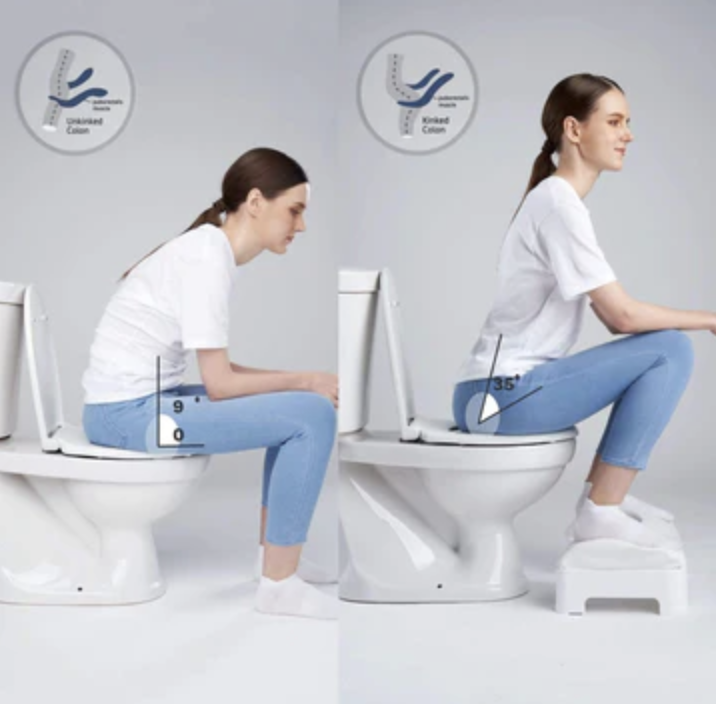
But with a standard Western toilet, sitting upright creates a sharp rectoanal angle, like a bent pipe, which forces your body to push harder.
Think of your bathroom plumbing: when there’s a kink in the hose, nothing flows easily—your colon faces a similar challenge on a regular toilet.
Studies show that squatting naturally straightens this angle, letting the body do its thing with far less resistance.
Many adults don’t realize that posture alone can create a major backup, making bathroom trips longer and much less comfortable.
How a Toilet Stool Transforms Your Toilet Posture
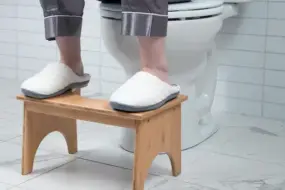
Elevating your feet on a toilet stool simulates a squat while you’re still in the comfort of a seated position.
This key adjustment does a few things:
- Lifts your knees above your hips
- Tips your upper body slightly forward
- Relaxes the crucial puborectalis muscle, straightening the rectal canal
With the pathway now clear, waste exits more easily—most adults say it feels surprisingly natural after a few tries.
Think of it as a quick posture hack that gives your insides the alignment upgrade they’ve been missing.
Breaking Down the Benefits: What Happens When You Use a Toilet Stool
Right away, most people report at least one of these rapid-fire changes:
- Less straining: 90% of adults in clinical studies report less effort required
- Quicker bathroom trips: 71% finish faster, and many describe more “complete” emptying after each visit
- Reduced discomfort: The easier alignment lowers sensation of stuckness
Recent reviews confirm the hype: Findings consistently show reduced strain scores (by nearly 50%) and faster emptying when footstools are used.
Picture this: morning routines where you spend less time, less energy, and leave feeling lighter—some say it’s the healthiest three minutes of their day.
Toilet stools aren’t just a wellness fad; they’re a science-backed upgrade for your digestive health that any adult can try today.
Here’s what matters most—a small shift in posture creates outsized health returns for modern adults. Integrating a toilet stool can streamline your routine, reduce discomfort, and help you feel more in control every day.
Health Impacts & Evidence: What Research Really Shows
Documented Benefits: The Evidence Up to 2026
Thinking about adding a toilet stool to your daily routine? The numbers speak for themselves.
- In one widely-cited study, 90% of adults reported less straining and 71% said their bowel movements were quicker after using a stool for just 4 weeks.
- Many users described a more “complete” feeling—imagine less time waiting and more confidence that you’re finished.
Picture this: sitting on the toilet, knees slightly raised, and feeling everything just…move more easily.
Current clinical reviews agree that toilet stools deliver a lineup of legitimate benefits:
- Easier, more efficient bowel movements: Reduced strain and faster times
- Constipation relief & prevention: Endorsed as a first-line, non-drug strategy by health professionals
- Hemorrhoid and fissure reduction: Less straining means less risk
- Pelvic floor health: Easier relaxation helps protect against prolapse symptoms
- General digestive comfort: Lower stats on constipation and some other digestive woes
“Most adults feel the difference in days—not weeks.” That’s a shareable headline for anyone who’s on the fence.
Limitations, Cautions, and Who May Not Benefit
Of course, toilet stools aren’t a universal fix—let’s keep expectations real.
- Evidence quality: Most studies are small, short-term, and still evolving; big definitive answers are pending
- Not a cure-all: You’ll still want to focus on fiber, fluids, and movement for holistic gut health
- Physical concerns: Those with joint pain or limited mobility may need extra support
Here’s the bottom line: results are highly individual. Some folks experience dramatic improvement, while others notice only subtle change.
Imagine a tech upgrade that helps most users—but not every workflow is identical.
“Try it for a week and see what changes for you.” That’s practical advice worth sharing in any health channel.
Toilet Stool vs. No Stool: What’s the Real Difference?
When you compare outcomes, stools tend to win on:
- Comfort and speed: Bowel movements are quicker, more comfortable
- Evacuation efficiency: Users feel more complete emptying
- Health profile: Lower self-reported rates of constipation, hemorrhoids, and straining duration
If you want the details, our full comparative analysis breaks it down side-by-side.
Visualize two mornings—one with a stool, one without. The time saved and strain avoided are hard to ignore.
Key takeaway: For many adults, adding a toilet stool leads to noticeably better bathroom comfort, less strain, and a preventive boost for lifelong digestive health—all in a low-cost, low-risk way that’s easy to test for yourself.
Real Stories, Real Results: Adult Toilet Stool Transformations
User Experiences: From Skepticism to Success
Picture this: You’re staring at a chunky plastic stool in your modern bathroom, wondering if elevating your feet will really change your day.
For many adults, that first encounter comes with a heavy dose of skepticism. Users report everything from curiosity about “bathroom posture” to doubts it could improve stubborn constipation or persistent discomfort.
But data-driven reviews tell a revealing story:
- 90% of adults in one clinical study experienced less straining after four weeks with a toilet stool.
- About 7 out of 10 people found their trips “quicker and more complete”, even if they didn’t expect much.
One quotable fan summed it up: “I didn’t expect a small footstool to change my health habits, but now I wouldn’t go without it.”
Inspiring Case Highlights
Let’s zoom in on real-world change. Here are anonymized, everyday examples:
- Chronic constipation sufferer: After years of battling bloating and incomplete movements, “Ava” saw her morning routine cut by half after switching. “The relief was immediate.”
- Busy marketer seeking prevention: “Krish,” normally healthy but stuck at his desk, uses his stool to “keep things moving” and prevent problems before they start.
- Shared household: Multiple adults at “The Taylors” swear the footstool minimized tension and embarrassment around slow BMs for all members.
Find deeper dives and unfiltered testimonials on our linked user story hub.
Barriers, Adaptations & Learning Curves
Not every journey is seamless. Most new users hit at least one of these speedbumps:
- Initial awkwardness: Feeling “weird” or laughing about the novelty.
- Family resistance: Partners poking fun or kids using the stool for everything but its purpose.
- Setup struggles: Finding the right height or dealing with slippery bathroom tiles.
Adaptation is the norm, not the exception:
- Creative solutions include using sticky pads for grip, testing different brands, or even turning stool time into a wellness challenge.
- Adjustment typically takes 1–2 weeks, after which most report the process becomes “second nature.”
The big win? “The day it just felt normal—I realized I was never going back.”
Every adult’s transformation looks a bit different, but you’ll find most share this: a surprising improvement in comfort, speed, and confidence—plus a few laughs and “I should’ve tried this sooner” moments along the way.
Choosing the Right Toilet Stool: Features & Fit for Modern Adults
What to Look For in an Adult Toilet Stool
If you want a toilet stool that actually improves your daily comfort, focus on three elements first: height, material, and weight capacity.
- Height: Your knees should be slightly above your hips when sitting—picture sitting at a desk with your feet propped comfortably. Standard stool heights are 7″–9″, but matching stool size to both your toilet and body height makes all the difference.
- Material: Options range from easy-clean plastic, warm bamboo (popular in 2026 for its eco edge), to sturdy metal for max durability.
- Weight Capacity: Look for clear manufacturer specs. Some minimalist styles cap at 225 lbs, deluxe models go higher, and adjustable/foldable designs are trending for shared bathrooms or frequent travelers.
If you’re cramped for space, foldable or stackable stools are clutch. Prefer something stylish? Sleek minimalist and modern “invisible” stools blend in—yes, your bathroom can feel beautiful and functional at once.
Pro tip: Test the fit in your space with a stack of books before buying—the right setup feels “made for you.”
“Think of matching your stool to your bathroom like picking sneakers for a run—fit and comfort are everything.”
Durability, Hygiene, and Aesthetics
Every material brings its own vibe and maintenance game.
- Plastic: Light, affordable, usually the easiest to keep clean—just wipe and go.
- Bamboo: Eco-friendly, feels warmer underfoot, but needs occasional oiling to stay gorgeous.
- Metal (often coated): Outlasts the rest in durability, though design can be colder and pricier.
Look for non-slip bases—they’re a must for safety. Smooth or rounded edges make cleaning fly by. In 2026, buyers want pieces that “just work,” store easily, and actually look good on video calls or bathroom clips.
“Imagine a stool that quietly disappears when you need the space back—that’s design meeting real-world living.”
Deciding Based on Your Personal Needs
Go in with your main goal front and center:
- Chronic constipation or hemorrhoids? Opt for a supportive, stable stool you can use daily.
- Preventive health or sharing with family? Adjustable or lightweight designs suit multiple users.
- Small bathroom or open concept? Foldable stools or clear acrylic versions vanish when not in use.
Households with kids, guests, or different height needs get the most mileage from adjustable and easy-to-store options.
For a granular walk-through, check out our full selection guide—designed so you never second-guess your purchase.
“The right stool isn’t just a gadget—it’s a subtle wellness upgrade you’ll use every day.”
The best toilet stool is the one you’ll use consistently—comfort, size, and real-world fit beat fancy features every time. Take a minute to picture what seamless would feel like in your own space, and let that guide your pick.
Making the Change: Practical Integration for Everyday Health
Step-by-Step Guide: How to Use a Toilet Stool Effectively
Ready to make your bathroom routine smarter and more comfortable? Start with these simple steps:
- Place your stool securely in front of the toilet before sitting down.
- Sit as usual, then raise your feet onto the stool so your knees are above your hips—picture the posture you’d have while squatting on a trail.
- Lean slightly forward, resting your forearms on your thighs—this relaxes your body and supports natural alignment.
To avoid common mistakes, never strain or hold your breath. Breathe deeply and let gravity help you—forced pushing defeats the purpose and adds risk.
“For 90% of adults in recent studies, this setup meant quicker, easier, and more complete bowel movements.”
Building a New Healthy Habit
Wondering how to make this new routine stick? Leverage behavioral cues and convenience:
- Keep your stool in plain sight so it’s always within reach.
- Pair stool use with an existing habit, like your morning coffee or brushing your teeth.
- Set a phone reminder, or stick a note on the mirror for the first week.
Feeling weird at first? That’s normal! Most people report that it feels natural within 7–10 days. Invite partners, kids, or even houseguests to try—turn it into a conversation about wellness rather than an awkward secret.
“Picture this: You walk in, prop up your feet, and suddenly, what felt odd last week now feels like second nature.”
Troubleshooting & Optimization: When It’s Not Working As Expected
If you’re running into wobbly stools or discomfort, quick adjustments can help:
- Try a different stool height—if your knees aren’t at least at hip level, you may need a taller model.
- Ensure the base is non-slip to avoid frustrating slides.
- If your legs feel cramped, test a wider style for more room.
To get the full benefit, don’t go it alone—combine the stool with fiber-rich foods, plenty of water, and regular activity. Some people find results instantly, others notice subtle changes over weeks—give your body time.
“The right toilet stool and posture can turn a daily frustration into a moment of comfort and efficiency.”
Transforming your bathroom routine can be simple: right setup, a little patience, and a sense of humor turn awkward beginnings into lasting health wins. Let your next pit stop be the start of better gut health, one stool at a time.
Beyond the Hype: The 2026 Outlook for Toilet Stools & Adult Digestive Health
What Sets Toilet Stools Apart in 2026
Think “smarter, greener, and built for real life”—that’s the new era for adult toilet stools.
Design upgrades in 2026 mean you’ll see:
- Smart sensors that measure posture and give instant feedback on your squat
- Adjustable heights and angles for a truly custom fit, even in small bathrooms
- Eco-friendly materials like bamboo and recycled plastics that blend into modern decor
Brands have made big leaps: toilet stools are no longer an awkward bathroom extra—they’re a visually appealing, practical part of a high-functioning home.
One quote to remember:
“Your next bathroom upgrade isn’t just about style—it’s about how you feel after every visit.”
Who Can Benefit Most in Today’s World
Today’s adult toilet stools offer immediate, practical advantages for many health-focused people.
Picture this: you’re a content creator on back-to-back calls, or a parent juggling ten things at once—a 90-second, effortless bathroom break with less strain sounds pretty appealing, right?
The top users who see great results include:
- Wellness seekers who value preventative health tools
- Adults with constipation, hemorrhoids, or pelvic floor issues looking for non-drug relief
- Those wanting to adopt better habits before problems start
When should you pause and ask a professional?
If you have persistent GI symptoms (blood, severe pain, sudden changes), it’s time for a medical check—not just a bathroom upgrade.
The Role of Toilet Stools Within a 360° Gut Health Strategy
Toilet stools work best as one part of a holistic approach.
Imagine gut health as a four-legged stool—posture tools, diet, movement, and hydration all need to be solid.
Current trends show:
- Professional recommendations are rising, with 70% of surveyed GI clinics in 2025 suggesting posture tools as a non-invasive first step
- More adults are pairing stools with fiber-rich meals, smart hydration habits, and daily activity for better results
Ready to dive deeper or want expert Q&A?
You’ll find curated resources and easy next steps in our linked hub—because a “one-minute posture change” could be your most underrated health investment.
The real takeaway: Integrating a toilet stool isn’t just hype for 2026—it’s a real, user-driven change that keeps proving its worth in modern digestive wellness.
Conclusion
An adult toilet stool isn’t just a quirky bathroom upgrade—it’s a practical, science-backed shift that can radically streamline your daily comfort and digestive health.
By changing how you position your body, you unlock a smarter, healthier way to care for your gut, reduce strain, and bring real efficiency to a part of everyday life that often gets overlooked.
Key Takeaways:
- Tiny posture changes can yield oversized health returns—alignment truly matters more than most realize.
- Integrate a toilet stool that fits your body and space for optimal results; adjust height and material to suit your needs.
- Consistency builds new habits—keep your stool visible and pair it with another routine for seamless adoption.
- Troubleshoot quickly: upgrade to non-slip, adjust height, or experiment with positioning if it feels awkward at first.
- Pair posture changes with core gut health practices: stay hydrated, eat fiber-rich foods, and stay active.
Ready for better bathroom breaks?
- Pick a toilet stool that matches your needs—test with household items if you’re undecided before buying.
- Set up your space for success, putting the stool front and center to make the habit automatic.
- Invite family or housemates to join—normalizing the routine brings everyone onboard quickly.
- Check your progress after a week and fine-tune for comfort.
- Explore additional resources in our user hub for advanced tips and expert Q&A.
Small shifts lead to big wins: When you treat posture as tech for your health, every bathroom visit turns into a chance to feel better, lighter, and more in control.
You’re just one simple step away from making your digestive well-being as effortless and natural as it should be—why not take it today?
“Innovation starts in the most unexpected places—sometimes, what changes your life is right under your feet.”