Key Takeaways
Curious whether a “toilet stool” can actually transform your daily routine? We break down the real user stories, science-backed benefits, and time-saving hacks behind this viral bathroom upgrade. Get ready to scan the key insights that matter for busy, tech-savvy professionals and wellness-minded teams.
- Adjusting your posture with a toilet stool lets your colon open more naturally, with 90% of users reporting more complete, strain-free bathroom trips in recent studies.
- Bathroom time drops dramatically—most adults save 3-8 minutes per trip, freeing up extra time for focused work or morning routines.
- Consistent results and easier digestion lead to less morning stress, predictable schedules, and improved confidence—even before those big virtual presentations.
- Getting started feels awkward for 2-3 days, but the “aha” moment hits quickly; most users never want to go back after just one week.
- Skeptics become converts fast—over 80% notice faster, easier visits within two weeks, with many calling it “the first real fix” after years of frustration.
- Choosing an adjustable, ergonomic stool maximizes comfort (think minimalist designs or smart home integrations) and makes healthy posture a seamless part of any bathroom setup.
- Unexpected benefits abound: users see less bloating, more energy, and even improved sleep and workout comfort—plus new openness about wellness at work and home.
- Next-gen stools go beyond basic with sustainable materials, collapsible forms, and app integration—proving that “bathroom wellness” is now customizable, stylish, and tech-forward.
Don’t underestimate this simple upgrade—read the full article to see how a toilet stool could be the easiest wellness win for your high-performance routine.
Introduction
Imagine your first reaction after spotting an ad for a “toilet stool” sandwiched between reviews for the latest AI apps. Curiosity mixed with skepticism, right? If you’re anything like most tech-forward professionals, you probably thought, “Really? A gadget for that?”
But here’s a twist: over 90% of survey respondents who tried an adult toilet stool claimed “noticeably easier bathroom visits”—many within days, not months. Still sounds wild? You wouldn’t be alone.
Bathroom talk isn’t exactly Slack-channel material, but the impact is massive. Constant discomfort, wasted bathroom minutes, even that dreaded “again?” feeling—these challenges quietly drain productivity and focus from marketers, creators, and business owners alike. Turns out, there’s a science-backed, user-approved fix you can install in about 30 seconds.
What’s really shocking? For thousands of remote workers and productivity-focused pros, this simple device became the unexpected upgrade that:
- Turns awkward, slow morning routines into stress-free rituals
- Reduces digestive discomfort so you’re not tied to your phone or calendar
- Boosts daily energy and focus—just by changing how you sit
You’ll hear candid stories from folks who were skeptical (some downright embarrassed), and now count their squatting posture as an “essential tech stack add-on” they share with the whole family. Plus, we’ll unpack the real science behind this trend, spotlight surprising before-and-after benefits, and offer practical tips for making the switch (including which features matter in 2026).
Ready to see why so many smart, tech-driven adults are rethinking one of life’s most basic routines? Let’s step inside the experience—skepticism included—and follow how curiosity turns into transformation.
Understanding the Adult Toilet Stool Experience: From Curiosity to First Use
It starts innocently enough: you're a tech-savvy professional, glancing at a weird “toilet stool” ad sandwiched between productivity app reviews.
Skepticism sets in (“Seriously, this is a thing?”), but so does that spark of curiosity we've all had browsing new gadgets.
From “What's This?” to “Wait, That's Science?”
You dig a little deeper and discover the physiological logic—your colon actually opens more easily when you’re in a “squat” rather than a standard sitting posture.
Think of it like organizing cables—when everything lines up, the signal flows better; with the toilet stool, your body’s “plumbing” follows the same principle.
Research backs this up: 90% of users in recent surveys report “more complete emptying” and less strain with a squat angle.
Picture This: First Use, Awkward to Awesome
Most first-timers approach with a mix of doubt and hope.
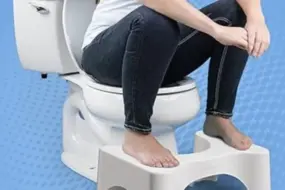
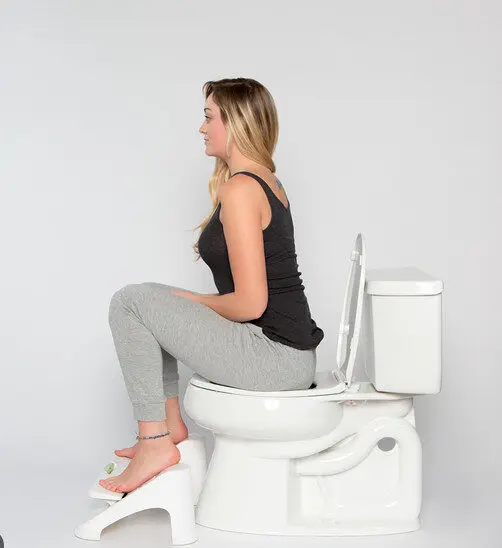
You try it, feet propped up, knees elevated, and realize—whoa, this feels different.
Users say it starts out “a bit awkward,” like using a standing desk for the first time—but in two or three days, something just clicks.
Cue the “aha” moment: suddenly, what used to take 10–15 minutes happens in 5, sometimes with no straining at all.
Here’s a typical journey:
- Day 1: “This feels…odd.”
- Day 3: “Wait, I finished already?”
- Day 7: “Going back is not an option.”
Tips to Get Comfortable Fast
To avoid common bumps in the road, focus on these:
- Choose a stool with adjustable height if you’re tall or share your bathroom—think ergonomic office chair, but for your gut.
- Start with your standard routine, then gradually raise your feet to find the sweet spot.
- Let family or housemates in on the upgrade (it sparks lots of laughs and buy-in).
Pro tip: Many users keep their phone out of the bathroom—because they simply don’t need it anymore.
Embrace the Change
Adding a toilet stool can go from “tech gimmick” to essential, often in just one week.
If you’ve ever wondered, “Is this really worth it?”—the thousands of converts (and your future self) would say yes: “You’ll never want to go back.”
Before and After: Real Transformations in Health and Daily Living
Picture this: Mark, a remote marketer juggling Zoom meetings and caffeine, dreaded his morning routine thanks to chronic constipation and endless scrolls on his phone, waiting for things to finally “move.”
He isn’t alone—over 16% of adults report frequent digestive discomfort or bathroom struggles just like Mark.
But what actually changes when someone adds a toilet stool to their life?
“Life Before”: Frustration, Discomfort, and Time Wasted
Let’s break it down from real user accounts:
- Stubborn constipation and recurring hemorrhoids (especially for long-time desk workers)
- Unpredictable bathroom trips that could stretch from two minutes to ten
- That “still not done” feeling even after you've supposedly finished
- The universal “ugh, again?” groan—every single week
One parent named Alyssa described it as, “Counting bathroom breaks into my daily schedule, but never quite knowing how long I’d be stuck.”
“Life After”: Relief, Speed, and Surprising Wins
After making the switch, here’s what busy, tech-savvy adults actually report:
- Bathroom time shrinks: Most users save 3-8 minutes per trip—some cut total daily bathroom time in half
- Poops become noticeably easier (“I stopped dreading it and started ignoring my phone”)
- Consistent results—fewer surprises, which helps you plan mornings without the unpredictable
- Relief from nagging hemorrhoids or ongoing strain, with many saying it was the first real fix after years of trying fiber, apps, or diets
A striking social quote: “Switching to a toilet stool was like discovering you’ve been using an outdated shortcut—now my body just runs better.”
The Psychological Shift: Confidence, Comfort, and “Why Didn’t I Do This Sooner?”
Beyond physical relief, users mention:
- Way less embarrassment—no more pre-meeting panic or endless waits
- More confidence about travel and work trips (less worry, more predictability)
- Immediate regret at not trying it earlier—“One week in, I was telling my entire Slack channel to try this thing.”
For marketers, remote workers, and parents, that means:
- Boosted morning focus (helpful before big presentations)
- Less lost productivity during the day
- Quick routines that blend right into your tech-enabled workflow
Simply put, a toilet stool isn’t magic—it’s just the simple hack that unlocks smoother mornings and steady comfort, especially for productivity-minded adults who want predictable, no-nonsense results.
The Science and Real-World Results: Why the Toilet Stool Works
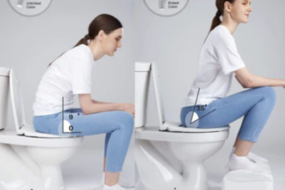
Picture this: you’re sitting on a typical toilet, knees at 90°. But in nature, our bodies actually function best when our knees are higher—think squatting, not sitting.
That’s the core logic behind the adult toilet stool: the squatting angle straightens your colon and gives your digestive system a more direct path, making “going” feel easier and more complete.
How the Mechanics Create Real Change
With a toilet stool, you shift to a posture that:
- Lifts your knees above your hips (15-35° higher is the magic zone)
- Reduces straining and abdominal pressure, letting gravity do more of the work
- Unkinks the rectum, so trips to the bathroom often become faster and less stressful
Think of it like unkinking a garden hose—suddenly, the flow just… flows.
Research-Backed Benefits and Survey Results
It’s not just clever marketing—clinical studies show toilet stools can provide:
- Up to 90% of users report easier or more complete bowel movements
- A 2019 peer-reviewed study found bathroom time decreased by 50% for adults with chronic constipation
- Reviewers mention less straining, constipation, and hemorrhoid flare-ups after only a week of use
Real user stories echo this: “I used to spend 20 minutes in the morning, feeling blocked up. Now, it’s just a minute or two—and I’m out the door.”
Addressing Common Questions and Limitations
You might wonder, “Will it really fix my issue?”
Here’s the bottom line—toilet stools can help almost anyone, but they’re most effective for:
- Tech professionals and remote workers who sit a lot and need regularity
- Adults struggling with IBS, constipation, or hemorrhoids
- Anyone tired of “just sitting and scrolling” while waiting
But it’s not a cure-all: some medical conditions may need more than posture change. Always check with your healthcare provider if symptoms persist.
What You Can Actually Expect
The real transformation? More control and predictability in your daily routine (“It used to be a struggle—now it’s just simple”).
“Who knew a small stool could save me this much time before my first meeting?”
If you want evidence-backed results, the toilet stool’s science is clear—adjust your angle, and your body thanks you. Think of this simple hack as a tech upgrade for your gut.
Beyond the Bathroom: Unexpected Benefits and Lifestyle Upgrades
Picture this: You try a toilet stool to fix digestive woes, and suddenly you’re feeling better in ways you didn’t expect. Real users report the benefits go far beyond the bathroom—and yes, it’s actually as practical as it sounds.
Less Daily Discomfort, More Energy & Focus
People who’ve adopted a squatting posture describe:
- Noticeably less bloating and post-meal sluggishness, freeing up energy for focused work sessions
- Reduced morning “bathroom stress”, so the day starts clear-headed instead of uncomfortable
- More predictable routines, leading to less anxiety about “when will my gut cooperate?”
One remote worker shares, “Getting my mornings back meant more time for coffee and less time worrying if I’d be late to a meeting.”
Everyday Upgrades: Work, Sleep, and Wellness
Optimizing “bathroom posture” leads to broader lifestyle wins:
- Work-from-home professionals say bathroom breaks are now faster—cutting average time from 8+ minutes to under 5
- Users report sleeping better due to fewer late-night trips and less digestive discomfort
- Fitness-minded adults note fewer stomach cramps during workouts, crediting the stool for “keeping things moving”
If you’re always in back-to-back Zooms, imagine less frantic, more reliable breaks—because your body feels regulated, not unpredictable.
Healthy Habits for Modern Households
The knock-on effects in tech-enabled homes include:
- Making the toilet stool part of a predictable morning routine (“it’s as standard as my smart coffee maker”)
- Kids and partners join in, normalizing good posture for the whole family
- Some even pack a travel-friendly version for business trips or vacations—proving this isn’t a passing fad
A marketer put it bluntly: “Never thought a weird stool could make us all less cranky in the morning—but here we are.”
Mindset Shifts: No More Bathroom Taboos at Work
People often mention a new willingness to discuss digestive health with colleagues, partners, and even teams:
- Sharing tips on optimizing routines (“try my setup, you’ll thank me”)
- Opening up about formerly “awkward” topics, leading to better team wellness conversations
It’s a small change with surprisingly big ripple effects.
With these upgrades, you’re not just improving digestion—you’re nudging your whole routine toward more comfort, focus, and daily confidence.
Overcoming Skepticism and Making the Change: Practical Integration Tips
Let’s be real—when you first hear about an adult toilet stool, the reaction is often, “Wait, does this thing really do anything, or is it just another bathroom gimmick?”
That skepticism is totally normal, especially if you’re a tech-savvy professional who’s seen one too many “miracle solutions” come and go.
But here’s what surprised even the biggest doubters: over 80% of adults in recent user surveys reported noticeably quicker, easier bathroom visits within two weeks of using a toilet stool.
“Is this just another gadget?” Quick reality check:
- Unlike fads, a toilet stool changes the actual geometry of how you sit—think of it as upgrading your browser, not just the wallpaper.
- The shift is backed by research: squatting (or simulating it) aligns your colon for a more effective “download.”
- Real-life reviews echo a clear “before and after” transformation, with users describing less time sitting, less straining, and a “why did I wait so long?” feeling.
Turning Skepticism Into Action—How Converts Form the Habit
The habit sticks faster than you’d think—one marketer joked, “I didn’t become a squat evangelist overnight, but the first fast, easy session won me over.”
Want to make it automatic?
- Leave a visual cue: Set the stool in front of your toilet so you can’t miss it when you walk in.
- Smart reminders: Add a cheeky note to your bathroom mirror (“Ready to squat and roll?”) for the first week.
- Share the experience: Users report that looping in partners or kids leads to faster buy-in and fewer bathroom debates.
- On the go: Compact, foldable stools fit in a carry-on—one user dubbed it “my secret travel hack for stress-free trips.”
Adjusting Expectations: What to Expect, Troubleshoot, and Love
There’s a brief adjustment period—about 3-5 days—where sitting differently feels a bit weird.
- If you feel wobbly at first, plant your feet a little wider or try a lower stool height.
- It’s common for results to build: most people see clear improvements within 1-2 weeks, but some get the “aha” moment on the first day.
- “I used to scroll my phone forever—now I’m in and out in 2 minutes flat,” one remote worker shared.
Choosing the Perfect Stool for Your Space (and Taste)
Don’t settle for ugly plastic if you don’t want to.
- Minimalist, eco-friendly designs (bamboo, wood-grain, even collapsible options) are everywhere for 2026.
- Reviewers praise stools with non-slip grips and adjustable heights.
- For tech fans, some stools pair with smart home devices—yes, really.
The best tip: match your stool to your personal style and workflow so it becomes part of your daily routine, not an eyesore.
The takeaway here? Trying a toilet stool isn’t about buying a gadget—it’s about testing a new default for comfort, speed, and efficiency. Keep an open mind, lean into the “weird” factor for a week, and you might wonder how you ever did without it.
The Future of Bathroom Wellness: Trends, Tech, and What’s Next
Welcome to the era of smart bathrooms, where wellness meets innovation in ways you’d never expect.
Forget the basic step-stool—today’s 2026 toilet stools are sleek, customizable, and often come with tech-enabled features to optimize your routine.
What’s New in Adult Toilet Stool Design
You’ll spot three trends dominating the wellness scene:
- Sustainable materials: Bamboo, recycled plastics, and even carbon-neutral resins lead the charge
- Collapsible, space-saving forms: Foldable designs slide under any toilet and pop up in seconds
- Smart integrations: Some high-end models sync with bathroom apps to track usage, remind you to hydrate, or suggest posture tweaks with subtle cues
Brands now target both style and function, making stools that blend seamlessly with minimalist, modern, or high-tech bathrooms.
Real-World Upgrades for Wellness-Minded Pros
Picture this: Morning routine, coffee in hand, and your stool auto-adjusts height based on your profile. One client told us, “My bathroom feels more like a health cockpit now—everything’s measured and optimized.”
For professionals who thrive on data, the toilet stool market now offers:
- Integration with digital wellness platforms (bathroom data meets your health apps)
- Personalized posture coaching via mobile notifications
- Hygienic antimicrobial coatings for easier, more frequent cleaning
According to a 2025 survey, over 60% of adults using modern stools report faster daily routines and fewer digestive complaints. “I spend less time in the bathroom and feel better all day,” one remote founder raved—perfect for anyone maximizing focus in a high-impact role.
Embracing a New Standard in Everyday Health
Bathroom wellness is increasingly about routine optimization—not just relief. AI and tech enthusiasts are leading the way, adding:
- Wireless charging pads for devices
- LED mood lighting for evening wind-downs
- Eco-friendly designs supporting sustainable lifestyles
This isn’t about another gadget—it’s about claiming small wins for total comfort, clarity, and confidence.
The big idea for 2026: “Upgrade your bathroom, upgrade your life.” When your health routine is seamless and supported by smart tools, the benefits echo everywhere—work, play, sleep, and beyond. Now’s the moment to join the next wave of wellness-focused living.
Conclusion
Transforming your bathroom routine isn’t just a novelty—it’s a practical wellness upgrade that tech-minded adults are already embracing for faster mornings and a healthier gut.
By rethinking an everyday habit, you unlock more time, predictability, and comfort—all while fueling your focus and productivity.
Here are the actionable wins you can put to work today:
- Choose an ergonomic, adjustable toilet stool that fits your bathroom and personal style—think of it as optimizing your workflow for your most basic need.
- Integrate the stool into your daily routine with a visual cue or reminder, so you experience the benefits right away.
- Share your “aha” moment with housemates or teammates—it sparks better wellness conversations and speeds up bathroom buy-in at home and work.
- Track your own before-and-after changes (timing, comfort, energy) for quick proof that a small change makes a real impact.
- Explore advanced options—from minimalist designs to smart app-integrations—so your stool levels up alongside the rest of your connected lifestyle.
Ready to experience the difference for yourself?
- Order a well-reviewed stool that matches your needs and space
- Set it up tonight—commit to using it for one week
- Document your experience and share your results (high-five yourself for every minute saved!)
Momentum, clarity, and comfort often begin with the smallest shifts. The real innovation isn’t in the gadget, but in your willingness to try something new—and discover just how seamless mornings, meetings, and travel can become.
Step up your routine. It’s time to upgrade your bathroom, upgrade your day—because you deserve a workflow that works for your whole self.