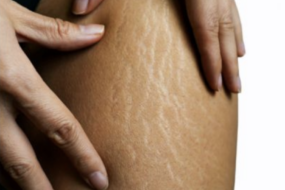

Key Takeaways
Want to minimize cellulite’s visibility and stack the odds in your favor? Focus on evidence-based daily habits that deliver real results—no magic creams or “perfect” bodies required. Here are the most actionable, high-impact strategies to help you prevent and reduce cellulite, optimized for fast scanning and busy lifestyles:
- Stable weight is your #1 asset: Avoid yo-yo dieting—losing or gaining more than 5% body weight up and down yearly boosts loose, dimple-prone skin by 30%.
- Strength training smooths skin: Just 2–3 leg workouts per week (think squats and lunges) help build muscle, support connective tissue, and make cellulite less visible in 8–12 weeks.
- Whole-food nutrition beats fads: A balanced diet—lean protein, colorful produce, whole grains, and healthy fats—not only manages weight but also fortifies your skin from the inside out.
- Hydration minimizes dimpling: Drinking 1.5–2 liters of water daily keeps skin plump and resilient; dehydrated skin looks rougher and spotlights cellulite.
- Routine movement trumps marathons: Frequent activity breaks (even brisk 15-minute walks) enhance circulation and slow cellulite development—80% of active women report less visible cellulite.
- Smart skincare protects collagen: Daily moisturizer and SPF 30+ guard against collagen loss, while gentle exfoliation keeps skin smoother—skipping the sun means stronger, firmer skin long-term.
- Lifestyle swaps make a dent: Cut back smoking and alcohol, ditch tight clothes occasionally, and use tech reminders to make skin-friendly habits stick.
- Adjuncts offer extra, not main, support: Supplements, creams, or massages may provide modest, temporary results—but outcomes are subtle and best paired with foundational habits.
Prioritize stable weight, strength-building routines, real-food choices, and hydration for the biggest impact—and remember, prevention is about progress, not perfection. Explore the full article for personalized routines, mistake-proof strategies, and a smarter way to support your skin.
Introduction
Ever notice how even the most active, health-focused people still find themselves battling stubborn skin dimples? You’re not alone—up to 90% of women spot cellulite at some point, regardless of fitness or body type.
If you’ve ever wondered why endless squats and expensive creams don’t guarantee smooth skin, you’re uncovering a truth most wellness influencers skip: cellulite isn’t just about willpower or weight—genetics, hormones, and skin structure play the starring roles.
Facing this reality head-on opens the door to real, science-backed prevention (and yes, real-world results).
Here’s the good news: while you can’t rewire your DNA, you absolutely can lower your risk and minimize cellulite’s visibility with a handful of strategic, practical habits.
For tech-minded pros who want more than quick fixes, think about prevention the way you’d approach network security—not an impossible promise of “zero threats,” but a smart, layered risk reduction strategy that puts you in control.
You’ll discover:
- Which behaviors strongly influence cellulite (and why small, sustainable shifts beat “miracle” solutions)
- How body composition, nutrition, and hydration impact skin texture—with actionable tweaks that fit real life
- The best routines for exercise and skincare that support firmer, more resilient skin
- When it’s time to seek professional insight instead of guessing at home
No overhyped promises—just an expert-driven roadmap that respects your intelligence (and your busy schedule).
Ready to rethink “prevention” and prioritize what actually works?
Let’s clear the static and explore what truly drives cellulite risk—starting with the facts everyone should know.
Understanding Cellulite Risk: What “Prevention” Really Means
Cellulite affects up to 90% of women at some point—so let’s drop the illusion that it’s rare or strictly a “weight” problem.
For tech-savvy professionals who crave facts, here’s the real deal: cellulite is driven by genetics, hormones, and the natural structure of your connective tissue—not just lifestyle choices.
Picture this: even an Olympic athlete can spot dimpling, thanks to how fat is distributed and held down by connective tissue bands beneath the skin.
Reframing “Prevention”: Risk Reduction Counts
The truth? You can’t guarantee a life without cellulite, but you can absolutely reduce your risk and manage how noticeable it is.
Think of prevention more as a spectrum of risk reduction and appearance management—like optimizing your network for security, not expecting zero threats.
Expecting total avoidance sets you up for frustration.
Here’s what is actually within your control:
- Improving muscle tone and minimizing significant weight fluctuations
- Supporting healthy skin and connective tissue through smart nutrition, good skincare, and adequate hydration
- Reducing lifestyle factors: smoking, inactivity, frequent tight clothing, and excessive alcohol
Dimpling Dynamics: Why Does Cellulite Happen?
Cellulite’s signature “orange peel” or “mattress” texture comes from:
- Fat cells pushing upward from below the skin
- Stiff connective tissue pulling downward in bands
- Structural differences: female skin is thinner and connective tissue is less crosshatched than in men, which explains the gender gap
A quick visual: imagine a soft mattress with buttons stitched tightly across the surface—fat bulges between them, causing wavy dips.
Myths, Evidence, and When to Get Help
Let’s debunk a top myth: “Only overweight people get cellulite.” False—even lean, fit individuals experience cellulite due to genetics and skin structure.
What isn’t normal: Rapid, painful, or hard swelling, sudden dramatic changes in leg texture, or signs of vascular issues. These may need medical evaluation—cellulite should never be hot, red, or cause pain.
If you notice any of these symptoms, reach out to a healthcare professional to rule out underlying problems like lymphedema or vascular disease.
The bottom line: Real prevention is about stacking the odds in your favor, not chasing perfection. You can lower risk and visibility, but cellulite is a natural part of most bodies—yes, even yours.
Weight Management and Body Composition
Picture this: two people, same weight, but one has visible cellulite and the other barely any. The key difference? How body fat is stored and distributed—not just the number on the scale.
Excess body fat, especially around the thighs and hips, increases the visibility of cellulite.
But here’s the catch: you don’t need to be overweight to see dimpling. Even lean individuals can have cellulite if their skin structure and genetics line up that way.
The True Power of a Stable Weight
Rapid weight swings—think crash diets or yo-yo dieting—break down skin elasticity, leaving you with loose skin that emphasizes cellulite’s texture.
Instead, focus on:
- Gradual, sustainable fat loss (aiming for just 1–2 pounds per week)
- Avoiding crash diets that promise “fast results” but often backfire
- Maintaining a steady weight to protect your skin’s firmness and support healthy connective tissue
A famous truism: “Cellulite doesn’t disappear with weight loss—it just shifts its appearance.”
Genetics, Skin, and Why Perfection Isn’t the Goal
Here’s what doesn’t get enough airtime: genetics play a huge role. Around 80–90% of women will develop cellulite at some point, no matter how fit.
Lean, muscular people with thin skin or unique fat distribution can still see classic puckering.
Instead of targeting “perfection,” aim for your healthiest, realistic body composition. You’ll maximize resilience—without falling for myths.
Actionable Strategies for Everyday Results
Don’t just set weight goals—lean into habits that make long-term difference:
- Track your calorie intake with apps or wearables for simple control
- Prioritize resistance exercises to build muscle (think squats and lunges for practical impact)
- Celebrate healthy milestones, not just aesthetics
- Embrace fluctuations—consistency over time beats fluctuating fast fixes
Key Data for Real-World Success
Studies show yo-yo dieting (more than 5% body weight up and down multiple times per year) increases the risk of loose, dimple-prone skin by 30%.
The cost of “miracle” quick fixes? Often wasted time and motivation.
A healthy, steady approach keeps your connective tissue strong and your skin smoother for the long run.
Making sustainable choices around weight and muscle keeps you ahead of the cellulite “curve,” no matter where you’re starting. It isn’t about being perfect—it’s about making your next decade your healthiest yet.
Exercise Strategies to Lower Cellulite Risk
Staying physically active is your single most powerful tool for minimizing cellulite’s appearance—and not just on the surface. Regular movement ticks the boxes for fat reduction, muscle building, and improved circulation all at once.
Just picture this: over 80% of women with higher physical activity levels report less visible cellulite, regardless of age or body type. That’s not magic—that’s science on your side.
Break Down the Best Workouts
Different exercise styles target cellulite risk from multiple angles. Here’s how each one stacks up:
- Cardio (walking, running, swimming, cycling): Boosts global fat burn and helps shrink fat cells under dimple-prone skin.
- Strength training (squats, lunges, glute/leg routines): Adds muscle volume, which supports firmer skin and can smooth contours.
- Flexibility training (yoga, Pilates, stretching): Promotes lymphatic drainage and tissue recovery for healthy, resilient skin.
If you’re squeezing activity between meetings, brisk 15-minute walks and desk squats count—a little movement goes a long way.
Sample Weekly Routine for Realistic Results
Aim for a blend, not a boot camp. Here’s an easy, sustainable formula:
- 3–5 cardio sessions: 20–40 minutes each
- 2–3 strength workouts: lower-body focus (glutes, thighs, calves)
- 2 flexibility/stretch sessions: yoga/Pilates for 20 minutes
This isn’t about smashing records—it’s about consistency over intensity. Even modest weekly activity can make skin smoother by supporting circulation and healthy body fat levels.
Quotable moment: “Quick, sweaty sprints? Fantastic—but showing up for your routine every week is where real cellulite risk reduction lives.”
Consistency Beats “Miracle Workouts”
There are no shortcuts or “one weird trick” exercises for cellulite. Research shows steady, repeated effort is what matters—visible changes appear after 12–24 weeks of regular activity.
Busy schedule? Stack exercises into your commute or batch calls with a walking meeting. “Picture yourself on a sidewalk call, earning both steps and client points at once.”
Your action plan: blend cardio, strength, and flexibility every week, focusing on habits, not hacks. That’s the only “miracle method” cellulite risk ever needs.
Nutrition Habits for Smoother-Looking Skin
If you want to dial down the dimples and support smooth-looking skin, your food choices play a starring role—no mystery supplements required.
The most evidence-based way? Focus on whole foods and minimize the processed stuff. This means piling your plate with:
- Lean protein (think: grilled chicken breast, tofu, beans)
- Colorful vegetables and fruits (tomatoes, berries, leafy greens)
- Whole grains and fiber-rich foods (oats, lentils, brown rice)
- Healthy fats such as omega-3s from salmon, walnuts, and olive oil
Not only does this lineup help manage weight and reduce fat buildup, but it also fights unwanted water retention from sneaky ingredients like added salt and sugars.
Key Nutrients for Skin & Connective Tissue
When it comes to real science—not just influencer hype—certain vitamins and minerals give your skin’s support network a true advantage.
For cellular repair and collagen strength, reach for:
- Vitamin C (citrus, kiwi, peppers)
- Vitamin A (carrots, spinach, sweet potato)
- Vitamin E (avocado, almonds, sunflower seeds)
- Vitamin D (fortified dairy, eggs, sunlight)
- B-complex vitamins (whole grains, legumes, bananas)
- Zinc (pumpkin seeds, beans, red meat)
These nutrients help keep connective tissue resilient and firm—making cellulite much less spotlight-stealing.
Picture This: Cellulite-Minimizing Meals
Staring into your fridge at 7 a.m.? Visualize these meal ideas that blend prevention and convenience:
- Breakfast: Greek yogurt parfait with berries and pumpkin seeds
- Lunch: Quinoa salad with leafy greens, grilled chicken, avocado, and chickpeas
- Snack: Hummus and carrots, or an apple with almond butter
- Dinner: Baked salmon, roasted sweet potatoes, and steamed broccoli
Or think of a shopping cart loaded with vibrant produce, lean proteins, and hearty whole grains—a recipe for both taste and smoother skin.
Fast Food Fix? Not So Fast
Highly processed snacks and sugary drinks sneak in extra sodium and simple carbs, puffing up fat cells and draining skin’s resilience. Choosing real, ingredient-based snacks saves your waistline—and your thighs—some trouble.
Every snack or meal is a chance to feed your skin’s foundation. With a few smarter swaps, you’ll not only support smoother contours, but also feel better fueled for everything your busy day throws at you.
The Role of Hydration in Cellulite Risk Reduction
Picture this: well-hydrated skin that appears smoother, firmer, and more even—making cellulite far less noticeable. It’s not magic, it’s the science of water supporting your connective tissue.
When you’re hydrated, your skin cells are plumper, and your underlying structures work better, minimizing the dimpled effect that defines cellulite.
Research shows that dehydrated skin is thinner, rougher, and more likely to reveal bumps and valleys—giving cellulite the spotlight.
Hydration Targets: How Much Water Do You Really Need?
The classic starting point: 6–8 glasses (1.5–2 liters) of water per day.
But here’s the real-world adjustment:
- Increase intake if you work out, sweat often, or live in a hot climate.
- Rely on thirst, but don’t ignore subtle clues—fatigue, headaches, and dry lips often signal it’s time to refill your glass.
- Both herbal teas and water-rich foods (think cucumbers, melons, leafy greens) count toward your total.
What Happens When You’re Dehydrated?
Dehydration doesn’t just leave you feeling sluggish—it shows right on your skin:
- Loss of elasticity makes cellulite look more pronounced.
- Skin texture becomes rougher and more uneven.
- Connective tissue may weaken, letting fat push forward and create dimples.
Visually, picture sunken cheeks and that crinkly texture—hydration helps maintain the bounce rather than a deflated look.
Easy Hydration Habits for Busy Days
Staying hydrated doesn’t have to feel like a chore. Try:
- Set phone reminders or use a hydration app to nudge you throughout the day.
- Infuse water with citrus, berries, or mint to keep it exciting.
- Keep a large reusable bottle at your workspace—a subtle nudge (and eco-friendly win).
Quotable for your next feed: “Moisture is your skin’s unsung hero—even the best skincare can’t replace eight daily glasses.” And that’s never been truer for cellulite visibility.
Staying on top of hydration is a simple, high-impact tactic to help your skin look its best. For most people, a few tweaks—like adding flavor or reminders—are all it takes to give your skin the support it needs to keep cellulite less conspicuous.
Skincare Routines That Support Prevention
Consistent skincare truly matters when it comes to cellulite prevention and risk reduction. We're not talking expensive spa days—just smart, daily habits that help your skin look and feel tighter.
Here’s your high-impact skincare basics checklist:
- Gentle cleansing every morning and night (think non-stripping, skin-friendly formulas)
- Daily moisturizing with rich creams or lightweight lotions to support elasticity
- Regular exfoliation: 1-2x per week using a scrub or mitt to boost cell turnover and smoothness
Why Sun Protection = Collagen Protection
Picture this: skin that’s been baked by the sun tends to look crêpey, thin, and more dimpled—especially over time.
- UV exposure damages collagen, making cellulite more visible
- Use broad-spectrum SPF 30+ (every single day, not just at the beach)
- Wide-brim hats and UPF-rated clothing add protection for legs and body
The “sun-kissed” look isn’t worth higher long-term cellulite risk. Remember, “Protect your collagen like your WiFi password” is advice worth sharing.
Professional Treatments vs. At-Home Care
You might wonder: do you need fancy clinical treatments to make a difference?
- At-home routines (cleansing, moisture, SPF, gentle exfoliation) deliver most of the value for prevention
- Professional options (laser, radiofrequency, intensive peels) may help with collagen but usually require multiple sessions and $100s–$1000s in cost
- Visible improvement from pro treatment often lasts just months, not years
For most, smart daily habits = better ROI than sporadic pricey procedures.
What Science Says About Creams and Topicals
Tempted by a tube promising “miracle” smoothing? Let’s clear the air:
- Caffeine creams: can temporarily tighten skin for a mild reduction in dimpling (think a few hours to days)
- Retinol and botanicals: may improve skin texture by supporting collagen with persistent use
- All effects are modest and short-term—continuous use is key, and results vary
There’s no magic lotion, but ingredients like retinol or caffeine offer an approachable boost when paired with realistic expectations.
Effective cellulite prevention is about playing the long game: balance simple, consistent skincare, sun defense, and occasional topical upgrades. The biggest win? Supporting your skin’s natural strength with small, daily rituals that pay compound interest over time.
Lifestyle Choices: Habits That Influence Cellulite Development
Your daily habits have a bigger impact on cellulite risk than most people realize. While you can’t outsmart genetics, you can cut your odds—or the visibility—by changing a few common routines.
The Big Three Habit Risks:
- Smoking accelerates skin aging, breaks down collagen, and reduces blood flow. If you ever wondered why skin sometimes looks thinner or more dimpled in smokers, here’s your answer. Think of every cigarette as a step closer to connective-tissue breakdown.
- Excessive alcohol delivers a double-whammy: empty calories that often store as fat, plus increased fluid shifts that exaggerate swelling in cellulite-prone spots. Studies link higher alcohol intake with greater fat accumulation and worsened skin tone. A couple of extra cocktails per week adds up faster than you’d think.
- Prolonged sitting and tight clothing impair circulation. Hours on end at your desk or in compression leggings can reduce both blood and lymph flow—exactly the conditions cellulite loves. Picture this: after a long day at your workstation, your thighs and backside are left with less oxygen and more fluid retention.
Small Swaps for Big Results
- Sneak in movement breaks: Set a 30-minute timer to stand up, stretch, or walk around.
- Choose non-constrictive clothes at least a few times a week to help your lower body “breathe.”
- Try mindfulness tech tools: Use an app to track your smoking or drinking, nudging your mind toward healthier limits.
How Quick Changes Really Add Up
- Within weeks of avoiding processed foods, drinking more water, and moving every hour, you can see subtle improvements in skin texture.
- People who ditch the “all or nothing” mindset and start with small steps—like swapping leggings for looser pants, or trading one cocktail for a mocktail—often see motivation snowball.
Memorable Takeaway
Your everyday choices—how you move, what you wear, how much you smoke or drink—shape your skin’s future just as much as your genes. “Cellulite isn’t just about the cards you’re dealt; it’s how you play them that counts.” The best prevention? Frequent movement, mindful habits, and real self-care add up to skin that feels stronger and looks smoother.
Adjunct Approaches: Supplements, Massage, and Beyond
Looking for an edge beyond the basics? Adjunct strategies like supplements, massage, and topical creams are everywhere—though the real-world impact is often modest.
Let's break down what actually works, what's just hype, and where science currently stands.
Supplements: Modest Support, Not Magic Pills
Some oral supplements show small benefits for cellulite, but don’t expect miracles.
Popular examples include:
- Grape seed extract
- Gotu kola (Centella asiatica)
- Marine oils (such as fish or krill oil)
These supplements may support microcirculation or connective tissue strength, but studies are limited and effects are subtle. Always ask your healthcare provider before starting, especially if you take other meds.
Picture this: you pop a supplement expecting beach-ready thighs, but the real improvement is so subtle you might only notice in close-up. The bottom line: These are supportive—not standalone—solutions.
Topical Creams and Lotions: What Can They Really Do?
You’ve seen endless ads for creams promising to “erase cellulite overnight.” Here's the truth:
Evidence suggests continuous use of:
- Caffeine-based products to temporarily tighten the skin
- Retinol creams to encourage thicker, firmer skin after weeks of use
- Selected botanical extracts (like horse chestnut or ginkgo)
Results are generally mild and last only as long as you keep using them. These creams can cost anywhere from $20 to $100+ per bottle, so set your expectations (and budget) realistically.
Shareable insight: “No cream ‘melts’ cellulite—at best, you get a subtle smoothing effect if you’re diligent.”
Massage & Manual Techniques: Short-Term Perks
Physical methods—think manual massage, dry brushing, or professional lymphatic drainage—can provide a temporary smoother look by:
- Boosting circulation
- Reducing localized fluid retention
Visualize a spa session: your skin feels firmer for a few hours or days, but the effect fades unless you keep it up. Studies show daily or weekly massage may help, but these don’t fix the structural causes of cellulite.
Key point: These tools work best as part of a larger prevention strategy, not your only plan of attack.
Use Adjuncts Wisely
If you’re considering adjunct approaches:
- Talk to a healthcare provider first—especially about supplements and medicated creams
- Skip the “silver bullet” mindset: no single product will eliminate cellulite
The most sharable takeaway? Mixing evidence-based healthy habits with the right adjuncts gives you the most control—without falling for hype.
Summary Chart: Highest-Impact Actions for Cellulite Prevention
If you want to know what actually moves the needle with cellulite prevention, here’s your shortcut: focus your efforts where science—and real people’s results—say they matter most.
Below is your at-a-glance, impact-ranked action guide.
Immediate Wins: Most Impact Strategies
The two most proven, highest-leverage moves:
- Maintain a stable, healthy weight: Large weight swings or excess fat magnify cellulite. Slow, sustainable loss outperforms quick fixes.
- Build and keep muscle tone (especially in legs and glutes): Strength training visibly supports the skin’s surface by smoothing dimple-prone zones.
Did you know? Just 2-3 leg strength workouts per week can noticeably reduce cellulite’s visibility in as little as 8 weeks.
Smart Everyday Habits: Significant Impact Moves
Ready for results you can taste and feel? Prioritize:
- Balanced, minimally processed diet: Fill your plate with lean protein, colorful produce, whole grains, and healthy fats.
- Stay hydrated: Aim for at least 1.5–2 liters of water a day; add more if you’re active or traveling.
Quotable: “A water bottle at your desk often works better than any ‘miracle’ cellulite cream.”
Supportive Moves: Moderate Impact Actions
Don’t let small habits fly under the radar. These matter, too:
- Consistent skincare: Gentle cleansing, regular moisturizer, and SPF help protect collagen.
- Avoid or minimize smoking/alcohol: Both are shortcut tickets to weaker skin and worse dimpling.
- Take movement breaks and loosen up: Get up every hour. Ditch tight jeans for a bit; it all adds up.
Picture this: More coffee breaks to walk, less after-work wine—all for smoother legs.
Bonus Extras: Supportive and Minor Impact
Curious about the “add-ons”? Consider these, knowing the effects are modest:
- Supplements (grape seed extract, gotu kola): Some early promise, but not a fix-all—consult your MD first.
- Massages, dry brushing, or topical creams: Can smooth skin temporarily; best paired with bigger strategies.
Tailored Guidance for Every Lifestyle
- Busy professionals: Keep a reusable water bottle at your workspace, swap elevators for stairs, and batch-prep healthy snacks.
- Fitness enthusiasts: Mix cardio with strength; stretch or yoga counts, too.
- Frequent travelers: Prioritize hydration and circulation on long flights; pack resistance bands for quick workouts anywhere.
Your biggest takeaway? Prioritize weight stability, regular exercise, and real-food habits—these deliver the strongest and most lasting results. The rest? Nice bonuses, not the main event.
When to Seek Professional Advice
Cellulite is almost always a cosmetic issue, but some changes in your skin or symptoms should grab your attention. If you notice new swelling, pain, or a hard lump along with cellulite, it’s time to take a closer look.
Sudden, dramatic changes aren’t normal—especially if they happen quickly or in just one area. Think of it as a flashing warning light: most cellulite changes slowly, but overnight dimpling, redness, or heat can signal something beyond routine skin texture.
Quick-Scan Symptom Checklist
If you experience any of the following with cellulite, contact a healthcare provider:
- Sudden or severe swelling in your legs, ankles, or feet
- Pain in the area with cellulite, especially if it’s new
- Hardened or unusually firm skin under the dimpled surface
- Redness, warmth, or visible inflammation
- Rapid increase in dimpling limited to one spot
- Open sores or skin lesions that don’t heal
Visual cue: Picture standing in front of the mirror—if you see even, gradual changes, that’s typical cellulite. But if you spot a “hot spot,” like a growing patch of swelling or discomfort, don’t brush it off.
Why Clinical Input Matters
While nearly 90% of women see cellulite at some point, sudden changes can point to:
- Vascular problems (e.g., vein blockages or clotting)
- Lymphatic conditions (e.g., lymphedema, infection)
- Skin infections (like cellulitis, not to be confused with cellulite)
A board-certified dermatologist or vascular specialist can distinguish cosmetic vs. medical issues—saving you stress, money, and guesswork. Most insurance carriers cover visits for sudden swelling or pain because these symptoms flag true health risks.
Empowering Your Next Steps
Don’t second-guess your instincts. If you think “this just isn’t normal,” you’re probably right. Keep track of your symptoms and when they appear so you can share a clear story with your provider.
“You know your body better than anyone—if something feels off, speak up.”
Cellulite is almost always harmless, but don’t ignore red flags. Early evaluation leads to faster answers and peace of mind. If you catch something early, you give yourself the best shot at an easy fix.
Conclusion
Investing in cellulite prevention isn’t about chasing the impossible—it’s about leveraging smart, research-backed habits so you feel confident in your skin and in control of your wellness journey. The real value is in making small, high-impact changes that compound over time, giving your skin the best shot at staying strong, smooth, and vibrant.
No matter your genetics or where you’re starting from, you have the power to reduce your risk and keep cellulite in the background—not the spotlight. Every step you take is a win for your skin’s future.
- Prioritize regular movement—aim for a mix of cardio and strength training each week for maximum impact.
- Keep your weight stable with gradual changes instead of crash diets.
- Eat real, whole foods (lean protein, colorful produce, fiber-rich grains, and healthy fats) and hydrate consistently.
- Upgrade your daily skincare—gentle cleansing, moisturizer, and SPF are non-negotiables.
- Ditch all-or-nothing thinking—even modest changes in daily routine can reduce visible cellulite over time.
Here’s what you can do right now:
- Plan your week: Schedule two leg strength workouts and at least three brisk walks.
- Audit your kitchen: Fill your next grocery trip with one new produce pick and swap salty snacks for nuts or fruit.
- Hydrate smarter: Set a reminder or download an app to keep your water intake on track today.
- Refresh your skincare shelf: Make SPF and daily moisturizer part of your morning routine.
- Take a movement break: Stand up and stretch—yep, now counts!
Your skin’s story is shaped by hundreds of everyday choices—not a single “quick fix.” When you stack smart habits and embrace progress over perfection, you give yourself real, lasting results.
The most visible glow-up? Believing your efforts matter. Start with one habit today, and you’ll thank yourself a year from now.
“Strong skin, stronger you—cellulite doesn’t stand a chance against your daily momentum.”