
Key Takeaways
Curious how a simple bathroom tweak can level up your daily routine? Here’s what you need to know about toilet stools—the small, ergonomic hack with outsized health benefits. Scan these quick insights to see why tech-minded pros are adding a new tool to the bathroom and how you can unlock measurable comfort right away.
- Toilet stools optimize your posture by raising your feet to simulate squatting, which naturally straightens the anorectal angle and makes bowel movements faster and easier.
- Clinical studies back the results: 71% of users finished quicker and 90% reported less straining in just four weeks of using a toilet stool, translating to real, noticeable improvement.
- Increased bathroom “completeness” means less residual discomfort, helping you move through your day without that lingering “unfinished” feeling or endless scrolling on your phone.
- Modern toilet stools come in all shapes and sizes for personalized comfort—look for adjustable heights and eco-friendly designs to fit your space and style.
- Toilet stools are low-risk and accessible: Fewer than 1% report minor side effects, with the biggest benefits seen in users with mild constipation or frequent straining.
- Maximize gains by pairing your stool with fiber, hydration, and movement—think of it as a team sport for gut wellness, not a one-player shortcut.
- The future is smart and stylish: Expect innovations like ergonomic adjustments, app-linked feedback, and seamless integration into modern bathrooms.
Ready to cut your bathroom time and boost gut comfort? Dive into the full article for a friendly, expert guide on bringing this tiny innovation into your healthier daily upgrade.
Introduction
Ever find yourself wondering why a simple visit to the bathroom can sometimes feel like a never-ending download—slow, frustrating, and anything but seamless?
You’re not alone. Over 60% of adults report occasional straining or that “never really finished” feeling after using a standard toilet. For busy professionals who value efficiency (in the office and at home), this isn’t just an inconvenience—it’s a daily drain on focus and well-being.
Here’s the twist: a humble device as unglamorous as a toilet stool is making big waves in the wellness world, with clinical studies showing that users can experience up to 71% faster bowel movements and 90% report less straining—all just by changing your sitting posture for a few minutes a day.
What’s driving this surge in popularity? It’s not hype—it’s science, design, and a growing body of data showing that a smarter bathroom setup can mean:
- Less abdominal effort, more comfort (goodbye, endless scrolling on your phone)
- Shorter trips and a stronger feeling of “I’m done”
- Day-to-day gains in focus, energy, and overall gut satisfaction
If you’re the type who optimizes workflows, embraces ergonomic upgrades, or just appreciates efficient solutions backed by real results, you’re in the right place.
We’ll break down:
- The surprising mechanics behind toilet stools and why your anatomy actually prefers “squat mode”
- Tangible, evidence-backed benefits for busy people (and what the studies actually show)
- How easy it is to integrate this low-fuss upgrade into your daily routine—no learning curve, no tech support ticket required
Curious how a subtle shift in bathroom posture can streamline your most private routine?
Let’s unpack the science, design, and practical tips that are reshaping what it means to “go”—starting with what your body really wants every time you take a seat.
Understanding Toilet Stools: The Science and Design
Toilet stools might look simple, but they’re designed to make your bathroom visits more efficient—by working with your body’s natural mechanics.
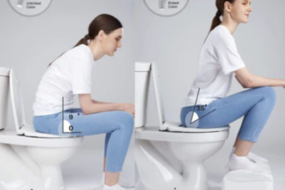
In a typical Western sitting toilet, your knees form a 90-degree angle and your hips stay level with your seat. In traditional squatting postures, the knees come much closer to the chest, dramatically changing how your internal plumbing lines up.
Why Posture Changes Everything
Here’s the quick science: the anorectal angle (think of it as your body’s exit ramp for waste) stays kinked in a sitting position, making it harder for things to move through.
When you squat— or use a toilet stool to raise your feet— the angle straightens, reducing “bends in the pipe” so to speak. This means:
- Less abdominal straining
- Shorter bathroom time
- A stronger sense of “I’m actually finished”
Imagine shifting from squeezing toothpaste out of a half-folded tube, to a tube with a clear, straight path— that’s the effect in action.
Anatomy, Engineering, and Modern Design

A good toilet stool tilts your hips and lifts your feet, usually 7-9 inches; it’s like putting your body in a “semi-squat,” even with a standard toilet.
Modern versions come in:
- Different heights for tall and shorter users
- Materials from polished plastic to eco-friendly bamboo
- Adjustable widths for one-size-fits-all ease
This is ergonomic innovation for something nobody likes to talk about— but everyone can benefit from.
The Science: What Studies Show
You might wonder, “Does it actually work?” Clinical trials say yes. In a 4-week study, 71% of toilet stool users reported faster bowel movements, and 90% had less straining.
Reviews from thousands of users echo this effect, citing not just speed but also more “completeness”— a subtle, but powerful difference you’ll notice after a few days.
User surveys show two-thirds plan to keep using their stool after a trial— real-world data that speaks volumes.
If you picture this in use, it’s a bit like shifting to high-speed WiFi after dial-up: the job’s done quicker, with less frustration.
With simple design tweaks, toilet stools deliver results that line up with what your anatomy actually wants. The key takeaway: smart posture upgrades can make a real difference, and the science (plus user experience) backs it up every time you take a seat.
How Toilet Stools Improve Bowel Movements
The Mechanisms Behind the Benefits
Most standard toilets keep us in a sitting position, which creates a sharp bend in the anorectal angle—the area where your rectum meets your anus. This bend acts a bit like a kink in your garden hose, making it harder for waste to pass comfortably.
A toilet stool lifts your feet, shifting your posture into a semi-squat that straightens the anorectal angle. This simple tweak isn’t just ergonomic—clinical studies show it actually reduces intra-abdominal pressure while you go, meaning less pushing and discomfort.
Short-term trials reveal quick, measurable advantages for healthy adults:
- Faster bowel movements—71% of users in one study finished more quickly
- Significantly less straining—90% reported easier evacuation
- Stronger sense of complete emptiness—a key metric for bathroom satisfaction
Picture this: placing your feet on a sturdy stool next time you go is a bit like flipping a switch from dial-up to high-speed internet—things just work smoother and faster.
The Practical Effects in Day-to-Day Life
What do real users notice right away? Most describe a noticeable difference in how “finished” and light they feel after a BM—less lingering, less bloating, fewer repeat trips to the bathroom.
Reviews and large online surveys point to consistent benefits:
- Easier, quicker trips—no more scrolling endless newsfeeds waiting to feel done
- More comfort and less strain—especially helpful when constipated
- Higher satisfaction scores—people rate their overall bathroom comfort much higher with a stool in the mix
Switching to a toilet stool is a low-effort upgrade—think of it as “batch processing” your BMs for maximum efficiency. You move through your day with less distraction, whether you’re coding, pitching clients, or chasing after kids.
The core insight: using a toilet stool straightens your plumbing, reduces effort, and lets you finish up quicker—without fuss or tech headaches. It’s a micro-change that reliably leads to macro-comfort, and most users wouldn’t go back after trying it.
Health Outcomes Supported by Evidence
Strongest, Most Consistent Benefits
The science is clear: toilet stools reliably make bathroom trips easier, faster, and more comfortable for most adults.
Clinical studies and user surveys both highlight the same three wins:
- Less straining: 90% of Squatty Potty study participants reported less effort during bowel movements.
- Shorter time on the toilet: 71% reported faster bathroom sessions after just four weeks of use.
- A better sense of “completeness”: Users mention feeling more finished—less time worrying about “did I really go?”
These results aren’t theoretical—they’re felt in everyday routines. Think of it like skipping the morning traffic jam: small changes make the whole process smoother.
Surveys of thousands of buyers echo this, with high satisfaction rates for people seeking comfort and relief from mild constipation.
Quotable snippet: “With a toilet stool, bathroom breaks became a two-minute detour instead of a ten-minute wait.”
Potential for Long-Term Disease Prevention (And the Caveats)
So, does switching to a toilet stool prevent chronic bowel issues down the line? Here’s what we know:
- Studies point to reduced straining as a pathway to less constipation and fewer hemorrhoids—but most research is short-term.
- Some observational data suggest sitting toilets might be connected to higher risks of diverticulosis in certain populations, but evidence isn’t airtight.
For tech-minded readers: Think of current findings as “beta stage.” Solid signals, yes, but not a locked launch.
- Most clinical recommendations still focus on fiber, hydration, and movement as foundational habits—toilet stools are an excellent sidekick, not the lone superhero.
- Reported adverse effects are rare (less than 1%) and mostly mild, like transient leg numbness or muscle cramps.
Quotable snippet: “A toilet stool won’t replace your veggies and morning jog, but it could finally make bathroom time a breeze.”
Data-Backed Insights and Everyday Use
If you’re a data-lover or early adopter, here are a few rapid-fire takeaways:
- Real-world users report smoother, quicker routines (71%+).
- Clinical trials show less straining—key for long-term pelvic health.
- Evidence for preventing serious disease? Still developing, but the risk–benefit equation is favorable.
Picture this: You shift your feet onto a stool, and your bathroom routine feels easier and lighter—no extra gadgets, no steep learning curve.
The essentials? Toilet stools improve comfort and efficiency now, with promising trends for broader health benefits ahead—but don’t ditch those healthy habits just yet.
Who Might (and Might Not) Benefit Most
Best Fit Users & Clinical Considerations
If you’re someone who struggles with mild to moderate constipation, a toilet stool could be a near-instant upgrade to your daily routine.
You’re also in the “best fit” zone if you often catch yourself straining or feeling like you never quite finish on the toilet.
For those looking to stay ahead of gut health problems, toilet stools are gaining traction as a preventative measure—think of them as an ergonomic tweak for your digestive system.
Typical users who report the greatest satisfaction include:
- People with occasional or regular constipation
- Anyone experiencing straining or incomplete evacuation
- Individuals who value preventative daily habits for gut wellness
In real-world surveys, up to 90% of users experienced less straining after switching, while 71% said their bowel movements were faster—those are numbers you can feel proud to share in a meeting … or maybe just with close friends.
For most healthy adults with no mobility issues, the risk of side effects is extremely low—toilet stools are simple, inexpensive, and require no prescription.
“Adding a stool to your setup can turn an awkward morning ritual into a five-star experience.”
When to Use Caution
Rare, but notable, side effects show up in less than 1% of users according to analysis of thousands of online reviews.
Potential issues include:
- Temporary leg numbness or tingling
- Musculoskeletal discomfort (think minor low back or hip ache)
- Falls or slips for anyone with poor balance or restricted movement
If you, or someone in your household, has poor mobility or any form of neuropathy, extra care is warranted.
Tailored recommendations matter, especially for:
- Older adults with joint, balance, or mobility challenges
- Individuals with limited lower-body strength
- Those at risk of tripping or falling—reach for adaptive devices or lower-profile stools instead
Picture this: someone with knee or balance issues uses a tall, rigid stool and suddenly finds their legs “asleep” while standing up—definitely not the outcome we want for your wellness routine.
If your bathroom goals fit the typical use case—regular, healthy, efficient digestion—a toilet stool is an accessible “efficiency hack” with little risk. But for those with physical limitations, prioritize safety and comfort over the promise of quick wins. In short, the right bathroom posture can transform daily life, but—just like any tech upgrade—one size doesn’t always fit all.
Integrating a Toilet Stool Into Holistic Bowel Health
The Bigger Picture: Lifestyle, Diet, and Daily Habits
A toilet stool isn’t a silver bullet—it’s part of a smarter, whole-person strategy for gut health. Think of it like a standing desk for your digestive system: small upgrade, big difference in how you feel every day.
For real results, combine your stool with these proven habits:
- Eat more fiber: Aim for 25-30 grams daily from whole grains, veggies, fruits, and legumes.
- Stay hydrated: Most adults need at least 2 liters (8 cups) of water daily to keep stools soft and moving.
- Move your body: Just 20-30 minutes of walking per day helps regulate digestion and reduces straining on the toilet.
Pro tip: The “squat” position works best when your knees are elevated above your hips, thighs pressed gently against your belly. If it feels awkward at first, adjust the stool height or shift your posture until it feels natural.
Getting Comfortable With a Toilet Stool: Troubleshooting & Tips
Switching to a toilet stool can take a little trial and error. About 2 out of 3 new users report it feels strange the first week, but most adjust within days.
Try these troubleshooting tips:
- If you feel off balance: Use a lower stool, or keep feet flat while leaning forward.
- Cramping or leg discomfort? Shift your position or take short breaks.
- Test different times: Use your stool for your main daily BM first, then add as you get comfortable.
A relatable image: “Learning a new bathroom routine is kind of like breaking in a new pair of shoes—some wobbles at first, but soon it’s second nature.”
Identifying When to Seek Professional Guidance
Sometimes, a toilet stool isn’t enough. You’ll want to see your healthcare provider if you experience:
- Severe or sudden constipation lasting more than seven days
- Rectal bleeding or persistent pain
- Any unexplained weight loss or anemia
Common mistakes include using a stool that’s too high (leading to strain), or neglecting to combine posture with fiber and hydration.
“When in doubt, adjust, experiment, and—as with any health change—ask for guidance if something feels off.”
A toilet stool works best as a team player alongside fiber, hydration, and movement. For most, it’s a simple, affordable way to make bathroom visits faster and more comfortable—just remember, lasting bowel health is always a group effort.
The Future of Toilet Stools: Research, Innovation, and Trends
The world of toilet stools is evolving far beyond the original plastic “step” you might remember.
Ongoing research continues to explore how these simple devices impact everything from comfort to chronic constipation, with institutions tracking metrics like straining, evacuation time, and user-reported satisfaction.
Randomized studies and user surveys have already shown up to 90% reduction in straining and 71% faster bathroom visits for most healthy adults.
What’s Next in Toilet Stool Tech?
Innovation is moving fast as manufacturers and researchers respond to demand for add-ons and personalization.
Picture this in your daily routine:
- Smart toilet stools that monitor posture and provide feedback for optimal alignment
- Personalized ergonomic solutions—think adjustability for height, angle, and even weight distribution
- Integration with modern bathroom design so that accessibility is seamless, discreet, and stylish
Some brands are beginning to test sensor-equipped prototypes and app-linked devices, helping users troubleshoot technique and identify their best posture.
Open Questions (and What to Watch)
Savvy readers know that even as benefits stack up, big questions remain about long-term impacts.
For instance, will smart stools actually improve outcomes, or will they get lost in notification fatigue? Could universal designs benefit those with mobility challenges without sacrificing convenience for the rest of us?
Here’s what to keep an eye on:
- Results from upcoming large, multi-year clinical trials
- Cost trends and whether smart features justify the price (think: $30 for basic plastic models vs. $175 for high-tech versions)
- New guidelines for integrating toilet stools with accessibility and ongoing home renovation trends
Experiment, Stay Curious
In this space, curiosity is currency.
As toilet stools become sleeker and smarter, the most important habit is a willingness to experiment and adjust.
“Stay curious, try new setups, and remember that even small upgrades can transform your daily comfort.”
The real win? Finding what suits your body and routine best—and being open to new evidence as it emerges.
Conclusion
The science—and thousands of real-world experiences—make one thing clear: toilet stools deliver a surprisingly big upgrade for such a simple device. With just a small change to your daily routine, you can support better comfort, cut down on straining, and streamline that oh-so-awkward part of your day.
You don’t need to be a wellness enthusiast to benefit. This is user-focused, actionable ergonomics—designed for real life, whether you’re squeezing in a morning routine before video calls or simply want less hassle in the bathroom.
Takeaways to move you forward:
- Elevate your feet: Use a toilet stool to straighten your posture and reduce unnecessary effort.
- Pair posture with lifestyle: Combine your stool with more fiber, hydration, and movement for maximum effect.
- Start small: Try a basic model or repurpose a sturdy box—just make sure your knees are higher than your hips.
- Tweak and personalize: Adjust height or position until it feels natural; comfort means better results.
- Stay curious: Watch for new smart solutions and ergonomic designs as the field evolves.
Ready to take action?
- Add a toilet stool to your next shopping list—or DIY a safe alternative today.
- Experiment with positioning at your next bathroom trip and note how you feel.
- Share your experience with friends or family—sometimes the weirdest tips become the most shared wisdom.
- Stay on the lookout for the next wave of innovations—feedback and open-mindedness often lead to the best upgrades.
Change doesn’t always require radical effort; sometimes, a simple shift in posture is all it takes to unlock daily comfort and confidence.
Give yourself permission to experiment, optimize—and maybe even laugh at how much brighter your day gets.
Smart habits start here.