Key Takeaways
Understanding the different types of cellulite can help you cut through confusion and choose strategies that actually work for your skin. Here are the most important, practical insights you need to map, track, and tackle cellulite—without wasted effort or guesswork.
- Cellulite comes in three main types—soft (spongy & puffy), hard (firm & stubborn), and mixed (combo texture)—each needing different care and solutions.
- Matching your treatment to your cellulite type is crucial; firming routines target loose, soft cellulite, while massage and hydration help puffy, edematous areas.
- Severity grades (0–3) quickly gauge visibility—Grade 1 dimples only when pinched, while Grade 3 is visible no matter your position.
- Patterns like “deep dimples” or “mattress quilting” reveal hidden factors influencing your cellulite, so spotting your unique pattern can boost mobile self-assessment.
- Cellulite type, grade, and pattern often change with age, weight, hormones, and lifestyle—so track yours regularly to monitor progress.
- Quick self-check: if dimples vanish lying down, it’s likely soft; if they stick around, think hard or mixed—simple tips save time in front of the mirror.
- AI-powered tools can scan and map cellulite change for smarter, tech-driven self-care—take advantage where available.
- No single fix works for all types—think personalized routines, not one-size-fits-all solutions, for the most effective results.
By pinpointing your cellulite’s specific type, grade, and pattern, you’re ready to skip generic advice and make confident, targeted choices—dive deeper into the article for step-by-step self-mapping and expert-backed solutions.
Introduction
If you’ve ever caught yourself wondering if all cellulite is the same—spoiler alert: it’s not, and the difference matters more than you think.
Over 90% of women (and plenty of men, too) will see some form of cellulite in their lifetime, but what shows up in the mirror can look—and feel—radically different from one person to the next.
Maybe you notice familiar “orange-peel” skin after sitting for a bit, or you spot those deeper, stubborn dimples that just won’t budge, no matter how tech-savvy your approach is. It’s all cellulite, yet the underlying type can change your treatment game, expectations, and even how you talk about it with a pro or your favorite AI self-care tool.
Understanding how cellulite types differ isn’t just about vanity—it's the fast lane to:
- Targeted solutions (instead of generic fixes that leave you guessing)
- Clearer communication with clinicians, friends, or even AI apps
- Accurately tracking changes to see if that new routine pays off
Think of it like troubleshooting software—knowing whether you’re dealing with a bug, a lag, or a system crash makes all the difference. Your skin’s “debugging” process can be just as precise and satisfying.
You’ll get a practical, jargon-free breakdown of the main cellulite types, see real-world scenarios to recognize them, and discover why pattern and visibility (“severity grade”) matter as much as what you feel or see.
Curious about why your thighs look quilted while your colleague’s seem smooth, or how tech might help? Mapping your unique cellulite profile will actually shape your strategy.
Ready to see how cellulite types are classified—and what that means for treatment, tech tools, and self-care? Up next, we’ll break down the basics (in plain English), including the crucial differences between type and severity grade, and why getting specific could save you time and frustration with every choice you make.
Understanding Cellulite “Types”: The Basics
Cellulite isn’t a “one-size-fits-all” skin concern—doctors use two main factors to classify it:
- The type (how the tissue actually feels and looks)
- The severity grade (how visible it appears)
Think of classifying cellulite like sorting tech gadgets—not all lumps and bumps work the same way under the hood, even if they look similar from a distance.
Why Knowing the Difference Matters
Identifying your cellulite type helps with:
- Choosing the right treatments (some work best for specific types)
- Communicating clearly with professionals—or friends
- Tracking changes over time, so you know if your efforts are paying off
A quick pro tip: if your skin feels soft and looks puffy, you’re likely dealing with “soft” cellulite, while firmer, stubborn dimples may be the “hard” type.
The Big Three Cellulite Types
Clinicians and researchers generally agree on three main types of cellulite:
- Soft (Edematous/Water) Cellulite:
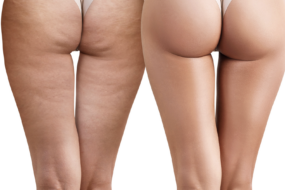
- Feels spongy, looks puffy, classic “orange-peel” texture
- Common on thighs and buttocks
- Hard (Fibrous/Sclerotic) Cellulite:
- Feels firm, tough, more like “cottage cheese” or a mattress
- Dimples are visible even when lying down
- Mixed or Adipose (Fat-Dominant) Cellulite:
- Combines soft and hard features, general lumpiness, and may change with weight shifts
Quotable for sharing:
“Not all cellulite is created equal. What you feel and what you see on your skin gives you key clues for smart self-care.”
What Influences Your Cellulite Type?
The way cellulite shows up depends on:
- Body area—thighs, buttocks, abdomen, or knees
- Age and hormonal stage—it often shifts during pregnancy, menopause, or dramatic weight change
- Genetics and lifestyle—your DNA, activity level, diet, and hydration all play a part
Picture this: Two people, same age, both see dimples on their thighs—one’s are puffy and change when she sits, the other’s are firm, like tiny craters—totally different types, and that matters for treatment.
Staying aware of your unique mix of cellulite type and grade is the quickest route to realistic expectations and confident choices. If you want your self-care, aesthetic treatments, or tech solutions to work smarter—not harder—start by getting clear on what’s really going on under your skin.
The Three Main Types of Cellulite and Their Defining Traits
Soft (Edematous/Water) Cellulite
If you notice classic orange-peel skin that feels soft, spongy, or slightly puffy, you’re likely seeing soft cellulite—sometimes called “edematous” or “water” cellulite.
You’ll usually find this type:
- On the thighs and buttocks
- Alongside mild swelling or a “shiny” look in some light
- Showing many shallow dimples that shift when you change position
Fluid retention and poor circulation play a big role here, with looser connective tissue allowing for gentle, pillowy texture.
It’s especially common in women and most likely to appear:
- During hormonal changes (puberty, pregnancy, menopause)
- After sudden weight gain or loss
Most people find it painless and more obvious when standing. If your cellulite vanishes when you lie down, it probably fits this type.
Quotable: “Picture this: A plush, bumpy cushion—soft and dimpled, but never hard or sore to touch.”
Hard (Fibrous/Sclerotic) Cellulite
Unlike the spongy version, hard (fibrous) cellulite looks and feels denser, firmer, and tighter.
You’ll spot it by:
- Deep, sharp dimples—think “cottage cheese” or a well-used mattress
- Skin that barely moves when pinched
- Persistent texture: the dents stick around even when you’re lying down
This type is caused by stiff, thickened connective tissue (fibrosis) that builds up over time.
It’s often found in:
- Athletic, younger individuals with low body fat
- People who’ve had the same cellulite spots for years
You might feel tenderness or mild pain on pressure—visualize running a finger over rocky terrain, not soft hills.
Quotable: “Hard cellulite is like stubborn code: tricky to modify and always visible, no matter your position.”
Mixed and Adipose (Fat-Dominant) Cellulite
Most adults see a mix of soft, hard, and classic adipose (fat-dominant) cellulite—especially with age or body changes.
You’re looking for:
- Soft, untoned areas with bumps mixed with tighter patches
- General lumpiness: Not sure if it’s puffy water or tight fibrous? That’s mixed type.
- Bumps are often more obvious in some postures or with muscle flexing
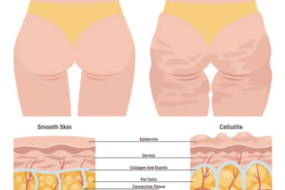
This happens when skin laxity, fat deposits, and different tissue types layer together—making this “the wild card of cellulite.”
Common in:
- Those with fluctuations in weight or body composition
- People nearing perimenopause or with a family history of bumpy skin
It may look and feel different every day—sometimes soft, sometimes firm.
Quotable: “If your cellulite feels like a patchwork quilt of textures, you’re not alone—most people fall into the mixed camp.”
No two cases of cellulite are identical, but knowing your type (soft, hard, or mixed) makes it easier to set expectations, experiment with solutions, and talk confidently with pros or AI-driven tools. By matching what you see and feel to these categories, you’ve already made a huge step toward informed self-care.
Severity Grading: How Visible Is Your Cellulite?
Grading Scales Clinicians Use
When it comes to measuring cellulite, clinicians use clear, practical grading scales to keep things consistent.
The Nürnberger–Müller scale (Grade 0–3) is a favorite, along with simple 3-grade alternatives—think of it as the UX for your skin’s texture.
Here’s how the grades break down in plain English:
- Grade 0: Skin is smooth—no dimpling, even if you pinch or squeeze.
- Grade 1: Looks smooth at rest, but dimpling appears when you pinch—a bit like a magic trick.
- Grade 2: Dimpling’s visible when standing, but fades if you’re lying down.
- Grade 3: Dimpling is obvious all the time—standing, sitting, or lying down.
If you’re looking in the mirror, try this:
- Pinch your thigh—see a slight orange-peel? That’s likely Grade 1.
- Notice deep, cottage cheese-like dimples when standing? That’s Grade 2.
- Skin looks mattress‑like no matter your position? You’re probably at Grade 3.
Remember: “Cellulite grades work like bug reports—sometimes they’re only visible under certain conditions.”
Why Severity Varies (and What Influences It)
Severity isn’t set in stone—it can change with your habits, genes, and the natural behavior of your body’s tissues.
Key factors that increase or decrease your cellulite grade include:
- Lifestyle: Sedentary routines, poor diet, or dehydration often worsen appearance.
- Genetics: Some of us are just wired for dimples—thanks, family tree!
- Weight and muscle tone: Fluctuations can amp up or soften severity.
- Aging and hormones: Estrogen shifts and aging skin often elevate grade, especially after age 40.
- Tissue type: Thinner or looser skin can make mild cellulite more obvious.
Common question: Is severity the same on every body part? Nope! Just like WiFi dead zones, cellulite can show up in unexpected places and with different intensity—even on the same person.
A quick reality check: “Your grade isn’t a verdict—it’s just a snapshot. Cellulite is incredibly common, changes over time, and doesn’t define health.”
Bottom line: Spotting your cellulite’s grade can help you track changes, set realistic expectations, and pick solutions that fit your lifestyle—no judgment, just practical insight.
Patterns and Shapes: The “Look” of Cellulite in Real Life
Shapes and Surface Irregularities
When you scan your skin, you’ll notice cellulite doesn’t just follow one template—its shapes and surface quirks tell a real story.
Picture this: some thighs show deep, spaced dimples (like thumbprints in clay), while others have a uniform, “quilted” or mattress-like pattern that looks like the stitching on a padded jacket.
You’ll also see:
- Mini moon craters—isolated, round impressions that pop up on the buttocks
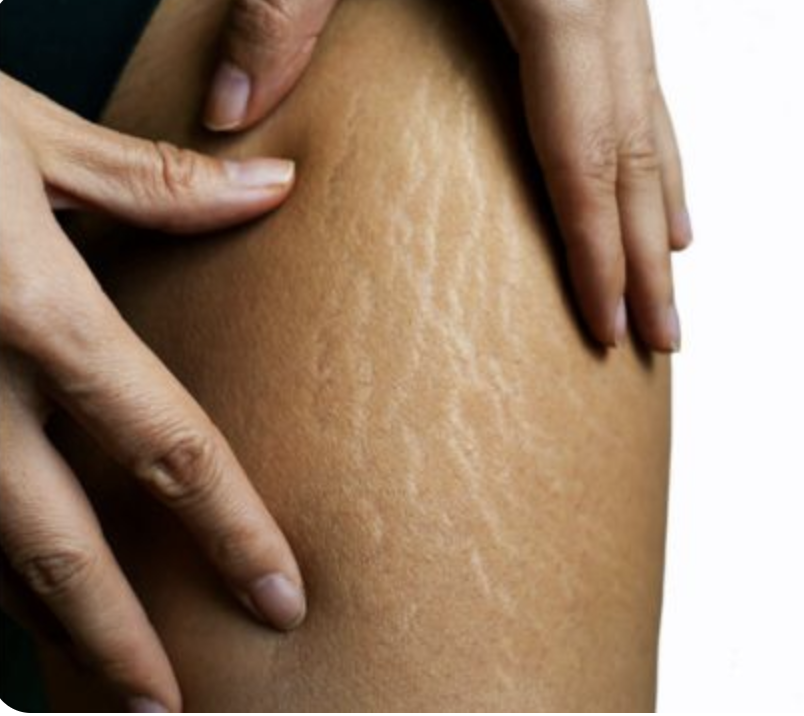
- Horizontal or streak-like indentations, especially running along the inner thigh
- Uneven, bumpy textures—skin that looks like it’s taken on a gentle, rocky landscape
Different zones have their own signature look. For example:
- Thighs often mix quilted dimples and streaks
- Buttocks tend to feature deep craters or a “mattress” look
- Abdomen can show more dispersed, shallow bumps
Key factors shaping your pattern include:
- Skin thickness—thicker skin can disguise deep dimples
- Fat layer and distribution—more fat gives rise to “bigger” patterns
- Muscle tone and contours—a strong muscle base can create sharper skin indentations
- Lifestyle habits—lack of movement and hydration tend to worsen irregular textures
What “Pattern” Can Tell You
Here’s where it gets practical: the pattern you see often hints at the “type” and “stage” of your cellulite.
Want to troubleshoot at home? Watch for these:
- Single deep dimples—often linked to hard (fibrous) cellulite
- Widespread puffiness with many small indents—points to soft or edematous types
- Large, gentle mounds with loose skin—frequently tied to weight fluctuations or rapid loss
Real-world scenario: After weight loss, it’s common to develop streaked, loose-edged patterns—the skin’s structure hasn’t had time to “catch up.”
Clinics and beauty tech startups are now introducing AI-powered imaging tools that scan the skin and classify pattern, severity, and even progression over time. These tools can highlight subtle changes invisible to the naked eye, helping you “map” your skin the way a fitness tracker maps your steps.
Your cellulite’s surface pattern isn’t just cosmetic—it’s like a fingerprint, offering clues about what’s happening below. Recognize your pattern, and you’ll make better choices about treatments, track progress more clearly, and set realistic expectations. “Cellulite patterns are unique and ever-changing—like a mood ring for your skin.”
Combining Type, Grade, and Pattern: Mapping Your Unique Cellulite Profile
Clinical Frameworks for Real-World Assessment
Understanding your cellulite isn’t about guesswork—it’s about systematic mapping.
Clinicians don’t rely on “one look fits all.” Instead, they blend three crucial details: type, grade, and pattern.
When a dermatologist assesses your cellulite, they typically ask:
- Where is it located? (thighs, buttocks, abdomen, arms)
- How does it feel? (soft, spongy, firm, tender)
- When is it visible? (only when pinched, only standing, always)
- What’s the most noticeable surface pattern? (dimples, mattress texture, bumpy, streaks)
These are more than surface questions—they’re the shortcut to targeted recommendations and skipping generic advice.
Some clinics use a four-part system, blending:
- Structural dimples only (Type 1)
- Dimples + loose skin (Type 2)
- Dimples, skin laxity, higher fat volume (Type 3)
- Dimples, high fat, but firm surface (Type 4)
Matching all three elements is crucial for realistic treatment expectations and spotting progress over time.
Below is a comparison chart you’ll see in advanced offices—yes, you can do this yourself at home:
Quotable moment: “Think of mapping cellulite like debugging code—you need more than just the error message to fix it.”
Everyday Applications: How to Use Your Cellulite Profile
Knowing your unique profile isn’t just for show—it’s your secret weapon for personalized results.
Here’s what you can do right now:
- Choose products: Match treatments to type (firming for lax skin, massage for puffy or fluid-heavy spots).
- Track progress: Use your map to monitor real changes—not just how you look in Instagram lighting.
- Realistic expectations: Quick fixes work better on early-stage, soft cellulite; long-standing, firm types usually need longer-term care.
And what’s out of your control? Despite the myths:
- No one product fixes all types—that’s like expecting one app to run your whole business.
- Cellulite isn’t just about weight; genetics, hormones, and even hydration matter.
- Some patterns respond better to AI-driven imaging for tracking subtle changes—yes, there’s an app for that.
Memorable phrase you’ll want to share: “If only our WiFi router came with a cellulite map—until then, use this framework for smarter self-care.”
In a nutshell: Pairing type, grade, and pattern gives you actionable insights—the best filter for your next product purchase, self-care upgrade, or professional consult. Picture this—personalized care, smarter choices, less wasted time.
Conclusion
Understanding your unique cellulite profile unlocks smarter, more targeted self-care—finally moving beyond generic advice and one-size-fits-all fixes. By mapping your type, grade, and pattern, you empower yourself to make decisions that actually align with your skin’s real story.
You’re not stuck with old myths or blind trial and error—you have a starting point, a progress map, and the ability to communicate clearly with both pros and tech tools.
Key Takeaways
- Get specific: Identify your cellulite’s type, grade, and pattern to create your personal “skin map.”
- Choose products and routines that match your unique profile—don’t just follow trends.
- Use simple at-home tests (pinch, press, change position) to track changes and celebrate progress.
- Harness tech where possible—consider AI-powered imaging apps for a clearer view over time.
- Remember: Genetics and lifestyle play a big role. Don’t measure your progress against anyone else’s.
Next Steps
- Assess yourself today: Use the mapping framework above in front of the mirror—make a quick note of what you find.
- Share your “cellulite fingerprint” with your dermatologist or aesthetic pro to skip the guesswork at your next visit.
- Try a new routine or product for your mapped type, and commit to tracking your results over the next few weeks.
- Stay curious: Explore if tech tools or digital trackers can help you see subtle improvements you might otherwise miss.
Your skin changes every day—so does your map. The more you understand the unique language your skin speaks, the better your chance at results that feel truly personal.
Empower yourself with real knowledge, invest in what fits you, and remember: “Smart self-care means working with your skin, not against it.”
You’re not just chasing smoother skin—you’re building a toolkit for confidence, clarity, and ongoing self-discovery. That’s real progress worth sharing.