
Key Takeaways
Here’s your quick-start guide to measuring sleep quality like a pro in 2026. These actionable insights are tailored for tech-forward professionals and AI enthusiasts who want results, not just data. Scan these highlights, apply them tonight, and transform the way you rest (and perform) tomorrow.
- Sleep quality trumps quantity—your focus should be on how refreshed you feel, not simply how many hours you log.
- Hybrid tracking is the gold standard—pair subjective tools (like PSQI or PLATO) with wearables or sleep apps for a complete, 360° view of sleep health.
- Validate with trusted instruments—go for research-backed tools like the PSQI, PLATO, and PROMIS, which deliver reliable results in as little as 4-10 minutes.
- Device data needs context—wearables spot trends but aren’t medical-grade; combine digital insights with personal check-ins for real-world improvements.
- Consistency drives results—weekly measurements and daily quick-checks reveal patterns; two weeks of tracking can pinpoint what’s really working (or not).
- Watch for actionable red flags—if you see sleep efficiency below 85% or persistent tiredness, consider expert help or clinical testing.
- Smart sleep optimization is simple—adjust light, screens, mealtimes, and wind-down routines, then track improvements for rapid, real-life gains.
- Data privacy matters—favor apps and wearables with strong encryption and transparent settings, especially if you’re sharing info at work or with healthcare providers.
Ready to uncover what’s really powering your nights? Dive into the full article for a step-by-step toolkit and discover how smarter sleep tracking can upgrade your energy, mood, and workplace performance.
Introduction
Ever wonder why a full night’s sleep sometimes leaves you groggy—while a shorter rest can have you ready to crush your day? It’s not the hours you log—it’s the quality of your sleep that really counts.
For tech-savvy professionals and AI aficionados, knowing exactly how well you’re sleeping isn’t just about avoiding mid-morning brain fog—it’s a competitive edge. Studies show that poor sleep can slash productivity, stifle creativity, and even derail your next big project.
Here’s the twist: tracking sleep quality in 2026 is easier, smarter, and way more personalized than ever before. Gone are the days when you had to guess what’s sabotaging your nights. With today’s arsenal of wearables, mobile apps, and bite-sized surveys, you can decode:
- Why insomnia won’t quit (even with zero late-night emails)
- How that new AI-powered tracker stacks up to the gold-standard PSQI
- The hidden links between your screen time, mood swings, and REM cycles
But with so many tools and tech in play—not to mention very real accuracy pitfalls—where do you start? And more importantly: how do you turn data into better, more productive mornings (without wasting your evenings on setup)?
Whether you're a marketer dialing in your energy for campaign launches, a content creator seeking sharper focus, or an automation enthusiast optimizing every ounce of recovery, the right sleep measurement approach can help you reclaim control.
In this guide, you’ll get practical strategies for measuring and improving sleep quality—including the best self-assessment tools, next-gen wearables, and essential best practices for 2026. We’ll break down strengths, limitations, and how to find the perfect tech-fit for your unique workflow—no snooze-button tactics required.
So, what actually defines “good sleep,” and which tools are worth your time? The answers might just change the way you work, think, and feel—starting tonight.
Understanding Sleep Quality: Why It Matters
Sleep quality isn’t just about the number of hours you’re out cold—it’s about how deeply you rest and how refreshed you feel the next day. Think of it like your nightly software update: miss too many, and unexpected glitches can pop up in your mood, memory, or focus.
Some folks might log eight hours in bed but wake up groggy, while others rock a shorter snooze and still feel unstoppable. That’s the difference between sleep quantity (time) and sleep quality (restfulness and recovery).
Real-World Impacts: Your Energy, Mood, and Beyond
Bad sleep quality doesn’t hide. You’ll spot it in:
- Dragging energy that coffee can’t fix
- Mood swings and short fuses at work
- Lowered productivity or creativity blocks
- Increased health risks—from diabetes to heart disease
One quotable fact: “Sleep quality makes the difference between powering through your Monday and crashing before noon.”
Sleep Cycles: The Rhythm That Powers Quality
Sleep runs in cycles—light, deep, and REM—each crucial for recharging your mind and body. If you’re only hitting the light stages, you miss that data backup your brain needs.
Imagine a night where you drift in and out: you may hit all the cycles, but if you’re interrupted, restoration is incomplete. That’s why trackers and sleep studies look at how often you wake up or how quickly you fall asleep (latency).
What “Good Sleep” Really Means—And Common Myths
A classic myth? More hours mean better quality. Not quite. True restorative sleep means you:
- Fall asleep easily
- Stay asleep (minimal tossing and turning)
- Wake up energized—not groggy or confused
“Good” sleep isn’t measured by hours alone—it’s the depth, consistency, and your morning after that count most.
Why Tech Pros and Modern Workplaces Care
Recent research shows poor sleep quality cuts into memory, reaction time, and even workplace effectiveness. One line for sharing: “Deep sleep is the ultimate productivity hack the business world can’t ignore.
Emerging trends highlight how cognitive performance and immune strength are directly impacted by how well you rest, not just how long.
Optimal sleep quality puts you in control—beyond just counting hours, you’re investing in brighter days, sharper thinking, and long-term resilience. Aim for depth, not just duration, and your brain (and business) will thank you.
Core Methods for Measuring Sleep Quality
Subjective vs. Objective: Why Both Matter
When it comes to understanding sleep, quality matters more than just quantity.
Picture this: You slept eight hours, but you’re groggy and unfocused—classic case of “not enough deep sleep.”
Subjective measures capture your perception—how refreshed you feel, how often you toss and turn, or if you wake up feeling ready to seize the day.
Objective tools track what actually happened while you slept—movement, heart rate, or even brain waves.
Pairing both offers a more reliable picture of your nightly “software update.”
Mapping the Sleep Measurement Landscape
Here’s how people and pros check sleep quality in 2026:
- Self-report questionnaires (like PSQI, PROMIS, PLATO): Ask about sleep patterns, daytime energy, and disturbances
- Wearable tech (smart rings, watches, trackers): Detect movement, heart rate, and breathing for continuous data
- Sleep diaries and logs: Note bedtime, wake time, and how you feel (your daily weather report)
- Clinical tools and polysomnography: In-lab sensors capture brain waves, oxygen, and muscle activity—think MRI for sleep (dive deeper in the pillar article)
Each tool provides a unique lens—questionnaires reveal your story, while wearables act as tiny sleep detectives.
Weighing Strengths & Pitfalls
No single method is perfect.
Consider this:
- Questionnaires are cost-effective, validated, and quick (as little as 4-10 minutes), but rely on memory and honesty
- Wearables deliver nightly feedback and trends, but can miss nuanced disturbances (accuracy often varies by brand or model)
- Sleep diaries excel for pattern-spotting, but require routine discipline—think meal tracking, but for your sleep
- Polysomnography is the gold-standard for diagnosis, but too complex for daily use (expect a higher out-of-pocket cost and clinical setting)
“Diaries are your personal weather report—wearables are more like a home weather station.”
Hybrid Approaches: The Smartest Move
In 2026, top experts recommend:
- Combining PRO tools (like PSQI) with wearables for a 360° view
- Syncing digital logs with app-based trackers to spot trends and outliers
- Using clinical testing for red flags or ongoing problems
Imagine merging your Fitbit sleep stats with your morning mood check-in—suddenly, the numbers match the narrative.
For tech professionals and AI enthusiasts, the hybrid method isn’t just best practice—it’s scalable and automation-friendly.
Bringing it all together: Mixing subjective and objective tools gives you more than numbers—a true understanding of your sleep’s strengths and weak links. Start with a simple questionnaire, layer in tracking tech, and watch patterns shift in real time. Want better nights? Make measurement your secret weapon.
Top Sleep Quality Tools & Instruments of 2026
Ready to unlock what’s really happening with your sleep? In 2026, the best sleep measurement tools blend scientific rigor with user-friendly tech—giving you actionable insights you can actually use.
Here’s your flash-forward toolkit of the gold-standard sleep quality instruments and what makes each one shine:
Snapshot: 2026’s Must-Know Sleep Tools
PSQI: The Global Gold Standard
The Pittsburgh Sleep Quality Index (PSQI) is the MVP for sleep research—think of it as the sleep industry’s Pro Tools.
- Tracks duration, disturbances, sleep onset latency, and daily dysfunction
- Available in a brief 6-question version for tight schedules
- Still, PSQI is subjective—wearables may reveal different patterns
Picture this: You’re using PSQI monthly via app, tracking improvements after a month of bedtime tweaks.
PLATO: Precision for Sleep Apnea
PLATO zeroes in on sleep apnea—ideal for CPAP users or those tracking therapy progress.
- Device integration and EHR compatibility speed up check-ins
- Friendly enough for patients at any tech level (5th-grade reading)
Try running PLATO every clinic visit for a clean timeline of OSA symptoms.
PROMIS & Other Brief Tools: Digital Flexibility
PROMIS Sleep Disturbance offers a customizable experience: pick 4, 8, or the deep-dive 27-item version—plus, computerized adaptive formats.
- Integrates smoothly with health apps
- Translates well to wellness programs or large population studies
Daytime Sleepiness & Multi-Dimensional Health
- Epworth Sleepiness Scale: Lightning fast, perfect for assessing how sleep impacts workday productivity
- RU-SATED, GSQ-6, FOSQ: Best for quick population-level snapshots or chronic fatigue tracking in older adults
Pro tip: Layer the Epworth with PSQI for both overnight and next-day clarity—it’s like looking at sleep with both IR and x-ray goggles.
Validation, Permissions & Next-Level Insights
- Most tools are FDA-guided, robustly validated, and require proper licensing for institutional use (PSQI from Pitt)
- Official scoring algorithms and centralized databases help maintain accuracy across apps and workflows
- In 2026, combining subjective surveys with wearable device data gives a fuller, real-world view you can actually act on
The big takeaway: Think beyond just tracking hours—pair a gold-standard tool with a wearable or app for deeper, smarter sleep insights and practical next-day energy boosts. Ready to see what’s really powering your nights?
Digital Tools, Apps, and Wearables: The New Frontier
Picture this: you wake up, check your smartwatch, and see a breakdown of your night’s rest—REM cycles, wake-ups, even your heart rate trends. Sleep tech in 2026 turns your bed into a personal lab, and it’s easier than ever to use.
What’s Leading Sleep Tracking Right Now?
You’ll find an incredible range of sleep-tracking apps and wearables this year, each designed to turn your nighttime patterns into actionable, easy-to-read data.
Top performers in 2026 include:
- Oura Ring Gen 4: Advanced sensors track temperature, movement, SpO₂, and integrate directly with apps for custom insights.
- Whoop 6.0 Band: Focuses on strain recovery and provides sleep “coaching” based on your cycles.
- Sleep Cycle App: Uses your phone’s microphone or smartwatch for sleep stage estimates and integrates with questionnaires like the Brief PSQI.
If you’re tech-savvy, many devices now sync with sleep questionnaires—think combining your nightly Oura ring report with a quick PSQI check-in, or even using PLATO integration modules right inside your clinic’s EHR on a tablet.
Key Features to Seek (and What to Watch Out For)
Choosing a tracker? Prioritize features that actually impact your health:
- Accuracy: Look for medical-grade sensors and regular software updates.
- Ease of use: Fast setup and clean, mobile-first interfaces are a must.
- Actionable feedback: Clear recommendations, not just “you slept 6 hours.”
But—know these limitations:
- Wearables show trends, not medical diagnoses; deep sleep data may not be perfectly accurate.
- Privacy and data security can vary: look for tools with HIPAA-level protections if your info matters.
Merging Tech with True Self-Knowledge
Here’s the power move: combine objective data from your devices with subjective check-ins (like mood trackers or digital sleep questionnaires).
- Example workflow: Log your daily PSQI score in-app, then sync with your Oura dashboard to look for patterns between your sleep quality ratings and last night’s biometrics.
- For shift workers or entrepreneurs managing stress, hybrid tracking clarifies what’s helping—and what’s hurting—your sleep.
Real user story: A content marketer started weekly self-assessments using the Sleep Cycle app and PSQI; within a month, she pinpointed coffee after 6 p.m. as the culprit behind her “broken” sleep.
Privacy & Data Considerations
Tech pros should demand transparency and control:
- Check app privacy settings, especially with cloud-synced data.
- Prefer platforms with anonymous, encrypted storage options.
- If integrating with workplace wellness programs, review exactly what gets shared.
“Every data point is a breadcrumb to better sleep—but only if you control the trail,” is a share-worthy reminder for your team.
Modern sleep tracking unlocks a daily feedback loop: pair digital insights with your experience, and you’ll spot both subtle saboteurs and hidden wins. Start simple—track, reflect, and watch your sleep IQ skyrocket.
Best Practices for Tracking and Improving Your Sleep
Sleep tracking works best when the plan fits your unique life—whether you're a busy professional, a tech enthusiast, or someone with complex sleep needs.
Start by asking yourself, “What am I hoping to change or learn?”
- Are you curious about how stress at work affects your rest?
- Need to monitor therapy for sleep apnea or shift work exhaustion?
How Often Should You Track Sleep?
Consistency beats volume.
For most, measuring once a week (deep dive) and 2-3 quick check-ins works best.
- Use tools like the PSQI monthly for a comprehensive snapshot (5-10 minutes).
- Add quick questionnaires or device-based logs daily or weekly.
- Track for at least two weeks straight to see real patterns, not just outliers.
Making Sense of Your Results
Seeing numbers is one thing—knowing what they mean is game-changing.
Look for these red flags:
- Sleep efficiency below 85%
- Daytime sleepiness interfering with work or focus
- Loud, frequent snoring, or waking up gasping (possible sleep apnea)
If you see these, you might want to tag in a sleep specialist.
Patient-Friendly Tracking That Actually Works
Pick tools that meet you where you are:
- Low-literacy options like PLATO (5th-grade reading level, 4 minutes to complete)
- App integration (set auto-reminders and digital logs in one tap)
- For pros: EHR-friendly data and real-time charting speed up workflow
Simple Step-by-Step Sleep Tracking Workflow
Try this easy workflow for two weeks:
- Fill out a quick daily sleep diary (bedtime, wake time, sleep interruptions, morning mood)
- Wear a smart tracker (if you love data, sync to your app)
- Once a week, use a validated tool (like PSQI) for the big picture
- Review all data for patterns every Sunday—look for triggers (late caffeine, screens, stress)
Spotting Patterns, Adapting Fast
Use trends, not perfection, to inform tweaks:
- Notice frequent wakeups linked to late meals? Try an earlier dinner.
- Still sleepy at 10 AM after 8 hours? Adjust bedtime or test for underlying issues.
- Short bursts of bad sleep after a deadline? Normalize—it’s about averages.
Quick-Win Strategies for Better Sleep
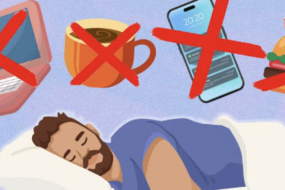
- Dim the lights an hour before bed
- Set your phone to “Do Not Disturb”
- Try a 10-minute wind-down (stretching, reading, or white noise)
- Keep your bedroom cool and dark
Picture this: You, tracking sleep like a pro, making small adjustments, and—within weeks—waking up sharper, more focused, and actually rested.
Takeaway: The magic isn’t in the tool—it’s in tracking with intention, spotting your own trends, and being willing to experiment for better, more restful nights.
Limitations, Pitfalls, and the Future of Measuring Sleep
Even with the latest apps and wearables, measuring sleep quality is still trickier than it seems.
Many tools, from the gold-standard PSQI to your favorite smartwatch, depend on subjective input that rarely tells the whole story.
Data can be messy—think of a night where your wearable says you had restless sleep, but you felt pretty refreshed at breakfast.
Where Current Tools Fall Short
Here are a few big challenges with today’s sleep trackers:
- Subjectivity: Most questionnaires reflect your perception rather than biological markers. Your nightly “score” can swing with mood, stress, or memory gaps.
- Device Inaccuracies: Even top-tier trackers might miss the mark; for many devices, lab-grade accuracy is still a promise, not a guarantee. Studies show commercial wearables disagree with gold-standard polysomnography by up to 30% on sleep stage time.
- Complex Data: Ever open your sleep app only to feel lost in charts? Many people struggle translating metrics like “latency” or “efficiency” into actionable steps.
Navigating Frustrations and Knowing When to Get Help
There’s a learning curve: syncing devices, journaling every morning, or sorting through raw data can get old fast.
If your data feels “off,” or you’re seeing red flags like regular exhaustion despite decent numbers, it’s time to move beyond DIY tracking.
- Professional sleep evaluations (like overnight studies or consultations) are a must if you suspect sleep disorders, chronic fatigue, or persistent insomnia symptoms.
- Hybrid approaches—combining app data with expert input—can solve mysteries no gadget can explain alone.
The Future: Smarter Tools and Personalized Insights
Here’s what’s just around the corner for 2026 and beyond:
- AI/ML-powered analysis is making complex sleep data easier to interpret (imagine your tracker auto-suggesting hacks based on your unique trends).
- Integration with health platforms: Picture your sleep app syncing directly with your EHR or sharing real-time reports with your doctor.
- Personalized diagnostics are on the rise, moving tracking from “nice to know” to “actionable.”
Final Takeaway
No tool is perfect, but informed tracking beats guesswork every time.
Think of these devices and questionnaires as your starting point—not your full report card.
Act on the patterns, watch for red flags, and remember: “Sleep data matters most when it changes what you do next.”
Conclusion
Unlocking deeper, more rejuvenating sleep is about working smarter—not just harder or longer. When you blend today’s cutting-edge tools with intentional self-tracking, you move beyond guesswork and start shaping truly restorative nights.
You have the power to transform your rest and, by extension, your energy, performance, and clarity at work and home. Start with the right framework and let the data spark actionable change.
Here are your standout, actionable takeaways:
- Combine subjective and objective trackers—use a validated sleep questionnaire alongside a wearable or app for the full picture.
- Consistency matters more than perfection—track at regular intervals rather than obsessing over every data point.
- Sync your findings with real-life tweaks—test adjustments like earlier wind-down routines or changing up your bedtime, and watch the trends.
- Prioritize privacy and control—review your app’s data settings and keep your health information secure.
- Don’t hesitate to flag red-alerts—if you’re still tired or spot troubling patterns, loop in a sleep expert for deeper guidance.
Ready to put this into practice?
- Choose your primary tracker—maybe your favorite wearable or a simple app.
- Commit to a two-week tracking sprint—layer in a brief questionnaire and keep notes about “why” your nights feel better or worse.
- Actively experiment—tweak one habit at a time and review your results weekly.
- Share your insights or improvements with your team, family, or community—better sleep is too good not to spread.
Great sleep isn’t luck—it’s a series of smart, intentional choices backed by real data.
Be your own sleep architect, and let each night power up your next big day.
Because when you measure what matters, better days truly begin the night before.