Key Takeaways
Nodular acne isn’t just another breakout—it’s a deep, painful, and often stubborn form of acne that needs proactive, strategic action. Here’s what every tech-savvy professional and AI enthusiast should know for faster relief, smarter prevention, and better long-term skin health.
- Recognize nodular acne early by identifying deep, painful lumps with no visible “head”—these are different from typical pimples and require urgent attention to prevent permanent scars.
- Know the real causes: Hormones, genetics, and inflammation—not poor hygiene—drive nodular acne, so over-washing or harsh scrubs can make things worse, not better.
- Don’t expect OTC products to fix it—only prescription solutions and dermatologist care effectively target the deep-rooted inflammation nodules create.
- Track your flare-ups with data-driven habits: Log breakouts, hormonal shifts, and stress triggers in an app or calendar for more personalized, effective treatment (boosting solution-finding by 40%).
- Build a prevention-first, tech-smart routine: Commit to non-comedogenic, oil-free products, gentle cleansing, and no picking—small adjustments can cut new breakouts by up to 60% and slashing scarring risk by 80%.
- Act fast if you notice scars or dark marks: Early intervention with professional treatments (from retinoids to lasers) speeds healing and minimizes lasting damage, especially if started at the first sign of trouble.
- Prioritize mental health and support: Address emotional stress early and seek help if confidence takes a hit—professional communities and mental health resources can keep you resilient and focused.
- Stay consistent and collaborate with experts: Think of your dermatologist as your “skin IT partner”—regular check-ins and shared log data boost outcomes and keep your workflow (and skin) performing at its best.
Ready to dig deeper? The full guide walks you through every step—from recognizing early symptoms to building a proactive, AI-powered routine with your dermatologist.
Introduction
Ever had a stubborn, painful “knot” under your skin that just won’t budge—no head, no relief, just lingering discomfort for weeks? You’re not alone. Roughly 1 in 5 adults who battle acne deal with these deeper, more intense breakouts—and for tech professionals, marketers, and creators, these frustrating flare-ups can sideline more than your confidence.
Nodular acne isn’t your average breakout. It’s a whole different ballgame, with deep inflammation that’s notorious for causing long-term scars, dark marks, and stress before your next big on-camera moment. If you’ve tried cycling through face washes, spot treatments, or the latest “miracle” hack and still wind up staring down a painful red lump—there’s a reason for that.
Why does nodular acne hit so hard, and why does standard self-care fail to touch it? The answer goes deeper (literally). Whether you’re prepping for a major pitch, or just need your skin as sharp as your next workflow, understanding this severe acne type is your shortcut to:
- Pinpointing early warning signs and taking action before permanent scarring sets in
- Decoding real-world triggers—from hormone surges and genetics to late work nights and high-stress crunches
- Choosing treatment tactics that actually work (yes, there are evidence-backed options beyond another cleanser aisle doom-scroll)
- Building a practical prevention toolkit—so your routine works for you, not against you
Ready for a fresh perspective on what’s happening under the surface—and how you can reclaim control? You’re about to get straight answers, actionable advice, and a clear look at why professional care is non-negotiable for nodular acne.
Let’s start by unpacking what makes nodular acne so unique—and why spotting it early matters for your skin’s future.
What Is Nodular Acne? Understanding a Unique and Serious Acne Type
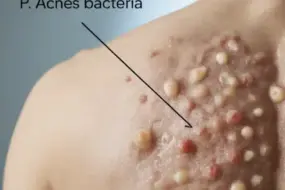
Nodular acne isn’t just a bigger zit—it’s a severe, inflammatory form of acne that forms firm, tender lumps deep beneath your skin.
Think of a nodule as a “painful knot” you can feel, but usually can’t see as a whitehead.
How Nodular Acne Stands Out
What sets nodular acne apart? Here’s what makes it unique:
- Size: Nodules are much larger and deeper than typical pimples—picture a marble under your skin, not a surface bump.
- Pain: They’re often very painful, even if you never touch them.
- Scarring Risk: These bumps can linger for weeks or months and leave visible scars or dark marks if not treated quickly.
- No “Head”: Unlike common pimples, nodules don’t come to a head and can’t be popped.
When you hear “blind pimple,” it’s usually a nodule—the inflammation sits far below the surface.
Nodular Acne: Why It’s Serious (and Not Just Another Pimple)
Nodular acne is medically considered “severe” because:
- Nodules create deep inflammation that damages skin tissue.
- They almost always require a dermatologist’s care—over-the-counter fixes rarely work.
- Without early intervention, up to 90% of nodular acne sufferers will develop permanent scarring or discoloration.
This isn’t the kind of breakout you “wait out”—it’s a flag for prompt, professional action.
Who Gets Nodular Acne? Busting Myths and Knowing the Risks
Nodular acne mostly shows up in:
- Teens and young adults (thanks to hormone surges)
- People with family history of severe acne
- Those experiencing hormonal shifts (think puberty, periods, pregnancy, or PCOS)
It’s a myth that nodular acne only happens because you don’t wash your face enough. Stress, genetics, and hormones play a huge role. Scrubbing or “drying out” your skin can actually make things worse, not better.
Recognizing the Signs Quickly
To recap:
- Deep, painful knots with no head signal nodular acne—not just normal breakouts.
- If you spot these, see a dermatologist fast: early treatment means less scarring, less pain, and more control.
When you’re dealing with nodular acne, “just try a new cleanser” won’t cut it. Real relief requires understanding what’s happening under your skin—and making sure help comes at the right time.
Key Causes and Risk Factors of Nodular Acne
Picture this: you wake up to a sore, hard lump under your skin—no whitehead, just red, deep, and painful. That’s what separates nodular acne from the average breakout. These aren’t just big pimples; nodules form when a pore gets clogged and inflammation erupts way below the skin’s surface.
It all starts with three main culprits:
- Excess oil (sebum) floods the pore
- Dead skin cells block the way out
- Bacteria (C. acnes) multiply, triggering inflammation
When these pile up, your body’s immune response shifts into overdrive—think of a traffic jam beneath the surface, then a construction crew called in for emergency repairs.
Who’s Most at Risk—and Why?
Certain groups seem to get nodular acne more often, and it’s not just down to “bad luck.” The top risk factors include:
- Hormonal changes: puberty, monthly cycles, pregnancy, PCOS, hormone-based medications (like steroids or some birth controls)
- Genetics: if a parent or sibling had severe acne, your odds got bumped up—about 80% of acne risk is inherited
- Medications: steroids and others that affect hormone levels or oil production can make breakouts worse
- Comedogenic skincare or makeup: heavy, pore-clogging products aren’t your friends
- Lifestyle and environment: stress (hello, cortisol), sweat, friction from gear or clothing, and inconsistent cleansing routines
Nearly 67% of severe acne cases involve hormonal or medication-related triggers—a reminder that this isn’t just about hygiene.
How It Happens: Real-World Analogies
Think of your skin like a crowded tech office—too many projects (oil), outdated files (dead cells), and someone left the door open for “bugs” (bacteria). The result? An internal meltdown leading to swollen, painful knots—classic nodular acne.
- Hormones work like rush hour: When hormones spike, oil production ramps up and traffic (clogs) follows
- Inflammation is your body’s IT “firewall”— sometimes it overreacts, causing swelling and pain
What This Means for You
If your acne follows your cycle, intensifies with stress, or pops up after a new medication, these patterns are data—useful for your treatment plan.
- Track flare-ups in relation to stress, products, or hormone shifts
- Switch to non-comedogenic routines and evaluate which daily habits might be low-key sabotaging your skin
Early, targeted changes cut your scarring risk dramatically and help you collaborate with a dermatologist rather than go it alone. Bottom line: nodular acne is about much more than clogged pores—knowing your unique triggers is your best strategy for real progress.
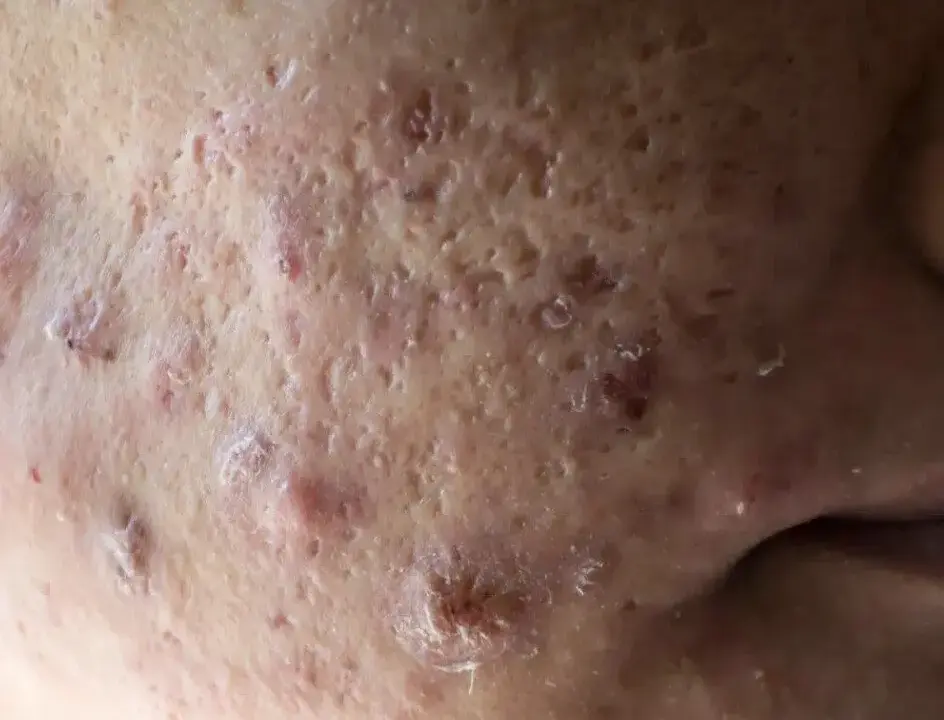
Recognizing Nodular Acne: Symptoms and Visual Cues
Spotting nodular acne isn’t just about size—it’s about depth and pain.
Picture this: instead of a standard pimple, you feel a hard, deep lump that sits well below the surface of your skin, closer to the “roots” than the surface.
Nodular acne got the nickname “blind pimple” for a reason—no whitehead or visible tip, just a large, sore knot that refuses to come to a head.
What Nodular Acne Looks and Feels Like
When you run your fingers over it, a nodule is:
- Large (often the size of a pencil eraser or bigger)
- Firm and immobile—almost like a pebble buried in the skin
- Painful to touch; feels deep and tender
Colors vary based on your skin tone and inflammation level:
- On lighter skin, nodules can look intensely red or pink
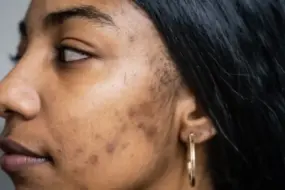
- On medium and deeper tones, they may appear purple, brown, or even almost black
You’ll often notice redness and swelling spreading around the lump itself.
Why Nodules Hurt (And How They Evolve)
What makes these bumps so brutal?
Nodular acne forms when deep pockets of inflammation wrap around trapped oil and bacteria beneath the skin, like a mini pressure chamber.
This inflammation:
- Triggers intense pain by irritating nerves deep in the skin
- Makes the area hot and tender—sometimes pulsating with discomfort
Without treatment, these nodules can linger for weeks to months, often healing with:
- Dark spots (hyperpigmentation)
- Indented or raised scars
Where Nodular Acne Shows Up—and Why It Matters
Nodular acne tends to target “classic” high-oil areas:
- Jawline, chin, and cheeks (especially along the lower face)
- Back, chest, neck, and shoulders—where sweat, oil, and friction are common
These areas aren’t just random—they’re where our oil glands work in overdrive.
Emotional Impact and Early Signs
For professionals and anyone on camera, nodular acne can mean more than discomfort.
It can lead to:
- Stress before big meetings or presentations
- Self-consciousness when video conferencing
- Worry about long-term scars that affect confidence
If you’re noticing:
- Recurring deep lumps (especially in the same spots)
- Tenderness before any bump appears
- Bumps that won’t “pop” or resolve in the usual few days
That’s your cue: get ahead of it before permanent scarring starts.
When you know the signs—a deep, painful knot that’s slow to heal—you’re primed to act. Catching nodular acne early can mean the difference between a short-term issue and years of visible reminders.
Nodular vs. Cystic and Other Acne Types: Key Differences and Why They Matter
Spotting the Standouts: Nodular vs. Cystic vs. “Regular” Acne
Not all acne is created equal—nodular acne is a whole different beast compared to your everyday pimple.
Here’s a quick breakdown so you can confidently self-identify what’s happening on your skin:
- Nodules: Hard, deep, and very painful lumps under the skin. They rarely come to a head or have visible pus. Think of them as the “iceberg” of acne—the mass is mostly beneath the surface.
- Cysts: These are softer, pus-filled, and may come to a head or rupture, increasing your risk for infection and deep scarring.
- Nodulocystic acne: When your skin throws both at you—deep, hard nodules and large, pus-filled cysts—this combination signals severe inflammatory acne.
Picture this: If you touch your face and feel a painful knot that won’t budge (and doesn’t look like it’s going to “pop”), you’re likely dealing with a nodule—not just a stubborn zit.
“If your pimple never seems to surface—or feels like a buried marble—you’re in nodule territory.”
Quick Reference: How to Tell the Difference
Get fast clarity with these visual cues:
- Nodules: Red, pink, or dark (on richer skin tones); large (over 5mm), round, and firm.
- Cysts: Balloon-like bump, often softer, can leak or ooze.
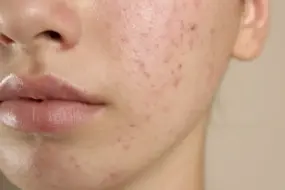
- Whiteheads/Blackheads (comedonal acne): Small, at the surface, easy to “see” and squeeze.
- Papules/Pustules: Small, red or white, usually go away faster and don’t burrow deep.
Why Accurate Diagnosis Changes Everything
Identifying your acne subtype isn’t just a detail—it defines your next step:
- Nodular and cystic acne almost always need prescription treatment. Over-the-counter fixes rarely touch these deep lesions—and waiting risks permanent marks.
- Misdirected at-home remedies (scrubbing, picking, harsh creams) can actually push inflammation deeper, especially in nodular or cystic cases.
“Treating nodular acne like a typical pimple? That’s like using a sticky note to fix a cracked screen—ineffective and frustrating.”
When to Seek Professional Help vs. Manage at Home
Here’s a smart rule of thumb for the tech-minded:
- Seek a dermatologist if:
- Painful, firm bumps recur in the same spot
- Lesions don’t surface after a few days
- You’re seeing early signs of scarring or dark marks
- Multiple nodules/cysts form at once
- Try gentle at-home care only for:
- Surface-level pimples (whiteheads, blackheads)
- Occasional, mild breakouts without deep knots
Pro tip: The faster you treat nodular or cystic acne, the lower your risk for permanent skin damage—a difference that can last for years.
To sum up, knowing your acne type is the shortcut to real results. If you’re facing deep, painful lumps—not your average breakout—it’s time for expert guidance. Don’t gamble with your skin’s long-term story.
Treatment Strategies: What Actually Works for Nodular Acne
If you’re battling nodular acne, you already know that over-the-counter creams usually let you down—sometimes, they even add fuel to the fire. Why? Nodules lurk deep beneath the skin, far out of reach from surface treatments like basic benzoyl peroxide washes or drugstore spot gels.
Here’s what the research and real-world results say actually works:
Why OTC Isn’t Enough—and Can Even Make It Worse
- OTC options (washes, spot treatments) rarely reach deep inflammation
- Harsh scrubs or overuse can increase redness and aggravate nodules
- “If it’s a nodule, drugstore products just won’t cut it—think prescription or in-office first.”
Game-Changers: Prescription Topicals
- Topical retinoids (tretinoin, adapalene): unclog pores, boost cell turnover, help prevent new breakouts
- Prescription benzoyl peroxide: delivered in higher-strength formulas, kills bacteria and brings down inflammation
- Topical antibiotics (often in combos): cut down acne-causing bacteria, especially when paired with benzoyl peroxide
- Adjuncts like salicylic acid, AHAs/BHAs: keep skin smooth but play a supporting role
Systemic and Oral Therapies—The Next Level
- Oral antibiotics such as doxycycline: shrink nodules by calming inflammation, especially effective for widespread or stubborn breakouts
- Hormonal options (birth control pills, spironolactone): target oil production for those whose acne is linked to hormonal cycles or PCOS
- Isotretinoin (Accutane): a heavy-hitter that attacks all four major acne causes—used for severe, scarring, or treatment-resistant nodular acne
- Requires strict monitoring due to side effects; not for use during pregnancy
In-Office Dermatologist Procedures
- Intralesional corticosteroid injections: shrink painful nodules almost overnight
- Professional drainage/extraction: safely clear out lesions—never attempt this at home
- Extras: chemical peels and laser/light therapies are showing promising results for both active acne and reducing future scars
At-Home Support—Do’s, Don’ts, and Must-Know Habits
- Use oil-free, non-comedogenic skin care and makeup every day
- Cleanse gently (1–2 times daily); avoid scrubbing or picking, which dramatically increases your scarring risk
- “Still tempted to squeeze? Imagine a permanent mark that outlasts the nodule.”
Setting Expectations and Next Steps
Even with powerful treatments, expect several weeks to months before you see dramatic clearing; lasting change takes consistency and patience. Bold moves, not quick fixes, are your path to healthier skin.
The bottom line: Prescription solutions and expert care are non-negotiable for nodular acne—so if you’re seeing deep, painful lumps or new scars, now’s the time to connect with a dermatologist. A proactive game plan today is your best defense against scars tomorrow.
Prevention, Lifestyle, and Long-term Management
Staying ahead of nodular acne means building smart habits into your daily routine—think of it as lot less “self-care trend” and a lot more “essential IT for your skin.” The right moves aren’t complicated, but missing one can make the difference between a quick fade and months of scarring.
To seriously lower your odds of new nodules (and the marks they leave behind):
- Commit to non-comedogenic, oil-free skin care and makeup—this one switch can reduce fresh breakouts by 60%, according to recent dermatology findings.
- Always remove cosmetics fully before bed, even after late nights or long flights.
- Use gentle, non-stripping cleansers 1-2 times daily; abrasive scrubs or “over-washing” can inflame sensitive skin, leading to more deep breakouts—not fewer.
- No picking, no squeezing, no exceptions. Manipulating nodules increases permanent scarring risk by up to 80%.
Stress, Sweaty Environments, and High-Tech Triggers
Here's something most guides skip: stress management isn’t just self-help fluff—chronic stress literally increases oil production via cortisol spikes. “Tech stress” (think tight deadlines, endless notifications) can mess with your breakouts, too.
- Try five-minute breathing resets or app-based mindfulness when you feel tension building in the day.
- Change pillowcases twice a week and clean your phone screen daily—these small hygiene moves often get overlooked.
- Workout enthusiast? Opt for loose, moisture-wicking gear and shower as soon as possible post-exercise. Friction and sweat are common invisible triggers for jawline or back nodules.
Stay Consistent—Keep Your Pro In The Loop
Think of your dermatologist as your skin’s “IT consultant”: schedule regular check-ins, especially after a lifecycle of flare-ups or changes in medication.
- Use “skin tracker” apps or a shared digital calendar to log breakouts, routines, and responses to treatments. This data can speed up solution-finding by up to 40% over guesswork alone.
- If you notice a deep, painful lump forming, act quickly—fast intervention is the #1 reason some professionals escape scarring altogether.
Picture this: you’re prepping for a big meeting, and your skin is on point—not by accident, but thanks to a routine that’s just as purposeful as your workflow. Your daily signals, not your skin, should command attention in the office or on camera.
Skin health isn’t a one-time project; it runs on consistent, tech-savvy habits and early intervention. Treat your management plan like an ongoing software update: make tweaks, review performance, and loop in the experts early. That’s the real difference between chasing breakouts and controlling them.
Addressing Scarring, Hyperpigmentation, and Emotional Impact
Nodular acne isn’t just physically painful—it’s notorious for leaving behind long-lasting marks. Because nodules form deep beneath the skin, they often cause more scarring and discoloration than typical breakouts.
The Science of Scarring: Why Nodular Acne Leaves a Mark
Here’s what happens under your skin:
- Intense inflammation damages both top and deep skin layers
- This can result in permanent scars as the body rushes to heal
- Up to 95% of people with severe acne develop some form of scarring
These scars aren’t one-size-fits-all. You might see:
- Indented (atrophic) scars—like icepick or boxcar shapes
- Raised (hypertrophic) scars, which are more common on the chest
- Dark marks (hyperpigmentation) or lingering redness, especially on medium to deep skin tones
Faster Fade: Realistic Solutions for Post-Acne Marks
You don’t have to live with reminders of old breakouts forever. Current evidence points to a mix of medical, cosmetic, and supportive options that make a real difference:
- Fractional lasers and microneedling—break up old scar tissue, stimulate smoother skin
- Chemical peels—speed exfoliation, fade dark spots, and even tone
- Topical retinoids or prescription creams—reduce discoloration over several months
- In-office injections—help flatten raised scars (cost varies, but expect $150–$500 per session)
Pro tip: Sun protection is non-negotiable—unprotected skin makes dark marks stick around longer.
Emotional Impact: Dealing With Stigma and Self-Confidence
Picture this: You’re prepping for a video call, but a fresh nodule and its shadowy aftermath linger on screen. Nodular acne can leave more than skin marks—it can seriously dent your self-esteem and impact work life.
Common emotional effects include:
- Feeling self-conscious during meetings, networking events, or social media appearances
- Anxiety or frustration from persistent scarring, as if your skin is stuck in “highlight” mode
- Workplace stress—especially when visibility counts
Support That Moves With You: Professional Help and Resilience Tips
Look, you don’t have to go it alone.
- Reach out to a mental health professional if acne hits your mood hard
- Join support groups (online or IRL) to trade tips and stories—sometimes, just hearing “me too” goes a long way
- Thousands of professionals manage visible acne and scar-related anxiety—success at work is absolutely possible
Not every scar tells the whole story. Today’s combination of dermatologist-led treatments, smart daily routines, and emotional support means you can confidently reduce both the physical and mental marks nodular acne leaves behind.
Conclusion
Conquering nodular acne is about more than just clearer skin—it’s about reclaiming confidence, showing up authentically, and preventing long-term scars that can tell the wrong story about you. With the right understanding and tools, you’re empowered to take action before nodular acne impacts your health, career, or self-esteem.
Here’s how you can make smart, immediate moves for healthier skin and greater confidence:
- Consult a dermatologist quickly if you notice deep, painful lumps—early intervention can prevent permanent scars and speed recovery.
- Switch to non-comedogenic, oil-free skincare and makeup—this simple upgrade is game-changing in reducing new breakouts.
- Stop picking or squeezing—hands off means less scarring and a smoother path to healing.
- Track flare-ups and triggers with an app or journal—spotting patterns gives you data to customize your skincare or treatment plan.
- Prioritize stress management and healthy daily habits—even five-minute resets or swapping pillowcases can make all the difference.
Next steps? Reach out to a skin professional today if you’re seeing early signs of nodular acne. Update your daily skincare routine to focus on protection, not punishment. And—just as important—cultivate kindness toward your skin and yourself as you navigate solutions.
You have the power (and knowledge) to take control of your skin story—don’t wait for nodular acne to call the shots. Start proactive, expert-backed steps now and picture this: the real you, facing every screen, stage, and opportunity with confidence.
Visible change starts beneath the surface. Your first move today? That’s where transformation begins.