Key Takeaways
Looking to take charge of cellulite with science-backed options? Here’s a quick-hit guide to the most effective, practical insights from the latest research—no fluff, just what works in real life. Whether you’re eyeing high-tech procedures or smart daily habits, these tips will help you make confident, informed choices for smoother skin.
- Minimally invasive treatments lead the pack by directly targeting the fibrous collagen bands under your skin—Cellfina and Aveli deliver 90–99% satisfaction rates with results lasting 2–3+ years after just one quick session.
- Non-invasive devices offer quick refreshes with zero downtime—think RF, laser, or acoustic wave therapy for 67–93% satisfaction and visible smoothing that typically lasts 6–12 months before a touch-up is needed.
- Topical creams and at-home solutions can boost tone but set your expectations: consistent use achieves up to 81% improvement in skin texture, mostly from hydration and surface smoothing—not actual dimple removal.
- No treatment erases cellulite forever—set your sights on visible improvement, not perfection, as even the best clinical options aim for smoother, more confident skin rather than a flawless finish.
- Pair medical treatments with lifestyle upgrades—regular strength training, cardio, hydration, and balanced nutrition all help maintain results and support firmer-looking skin between clinic visits.
- Smart candidates consult pros first: work with a dermatologist to match treatments to your skin type, cellulite severity, and health profile for maximum effect and safety.
- Watch for the next wave of tech—AI-guided tools, triple-frequency ultrasound, and gene-targeting therapies are reshaping what's possible, but always check for solid clinical data before you buy into the buzz.
- Combining approaches delivers the best results—integrate procedures, home care, and healthy habits to amplify outcomes and keep cellulite at bay long-term.
Ready to level up your skin confidence? Dive into the full article for the science, the real-world results, and practical steps to find the right cellulite solution for you.
Introduction
Ever felt frustrated after yet another “miracle” cream barely softens those stubborn dimples—while the latest laser promises the moon and delivers more of the same? You’re not alone. Over 85% of women (and a significant number of men) will see cellulite at some point, despite fitness, advanced diets, or the smartest wearables.
Here’s what might surprise you: most clinical treatments only smooth out 50–90% of visible cellulite—there’s no permanent, all-in-one fix yet. But in 2026, new tech and medical breakthroughs are finally bringing measurable, satisfaction-driven results to people who demand more.
For anyone comfortable with innovation, these aren’t empty promises. Real-world users and medical trials are seeing:
- Minimally invasive procedures delivering lasting “reset button” effects
- Non-invasive tech with improved comfort and limited downtime
- Smarter at-home devices and emerging injectables—with actual before-and-after stats to back up claims
If you’re a results-oriented pro or curious about leveraging high-tech solutions—this matters even more. Why? Because navigating today’s crowded market without context can waste money, time, and confidence. Knowing which options live up to the data—and which strategies actually complement professional treatments—puts you back in control.
You'll discover:
- Which treatments show the highest satisfaction—and why
- How AI-driven devices and smarter clinical workflows change the game
- Practical lifestyle upgrades that keep skin smoother, longer
- Sneak peeks at what’s on the horizon for tech-savvy users and professionals
Ready for an honest look at what works, how long results last, who’s a candidate, and which upgrades won’t leave you chasing “flawless” forever?
Let’s examine the science of cellulite—starting beneath the surface, where the real story begins.
Understanding Cellulite and Treatment Challenges
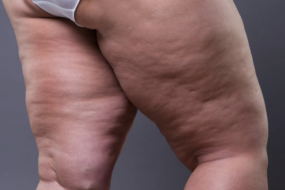
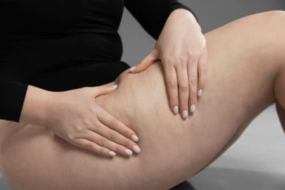
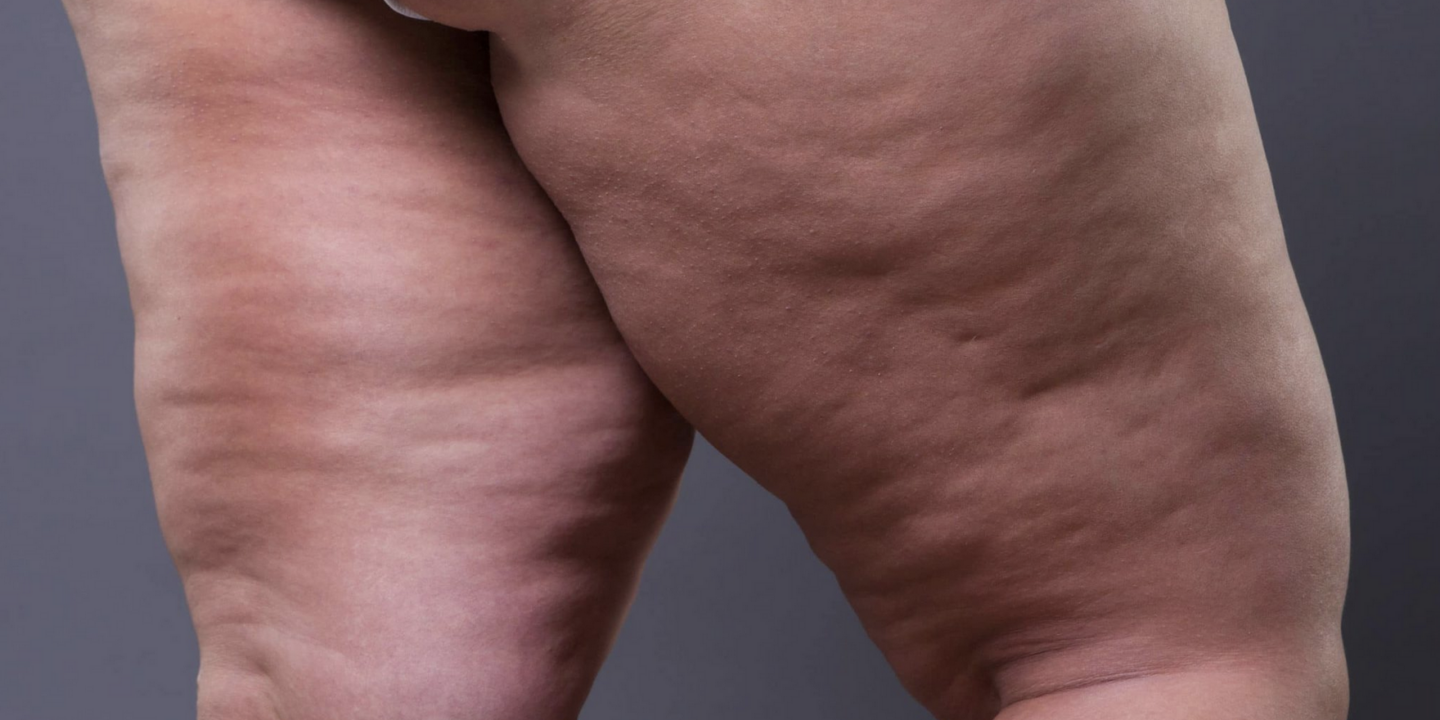
Cellulite isn’t a surface problem—it’s all about structure beneath your skin. Think of it as fat pushing through a web of fibrous bands, causing dimples and that famous “orange peel” look.
Cellulite affects 80–90% of women at some point, regardless of fitness or weight. Genetics, hormones, and age all play a big role. If you picture two friends—one lean, one curvy—both can have cellulite due to factors you can’t see.
Why Cellulite Seems So Stubborn
Those tough collagen bands (called septae) don’t respond to diet or exercise alone.
- Estrogen changes skin thickness and circulation over time
- Genetics decide where, when, and how much cellulite shows up
- Aging thins your skin, letting those fat cells pop through more
No matter how many lunges you do, you can’t “burn away” these internal structures.
Common Myths and Misconceptions
Let’s bust the biggest myths:
- There is no permanent cellulite cure—treatments offer smoother skin, not magic erasers
- Visible “reduction” can mean improved texture, less dimpling, or better tone—not total disappearance
- Costly creams and gadgets often promise more than they deliver
A leading 2025 study found that even top minimally invasive treatments, like Cellfina or Aveli, deliver 2-3+ years of smoother skin, not a forever fix.
Setting Goals: What Results Really Mean
If you’re hoping for “perfect skin,” pause for a reality check.
- Clinical results often mean 50–90% visible reduction (not 100%)
- Satisfaction means less self-consciousness, not a Photoshop finish
- Results vary: skin type, age, and severity predict success
“Improvement” is a spectrum—picture going from strong dimples to faint ripples.
Finding the Right Plan—Who Is a Candidate?
Before you book any procedure, think like a pro:
- Consult a dermatologist for an honest assessment
- Match treatments to your unique skin type, age, and cellulite grade
- Screen for health conditions, allergies, or medication conflicts
Treatments aren’t one-size-fits-all. The best approaches pair realistic goals with expert guidance.
Still, remember: “Visible improvement beats unrealistic promises—aim for confidence, not perfection.” Focusing on the right expectations means every win feels bigger.
Minimally Invasive Medical Procedures: Leading Options and Outcomes
Looking for a cellulite treatment that actually lasts? By 2026, minimally invasive procedures have taken center stage, thanks to their ability to target the root cause—fibrous septae—and deliver results that most creams can’t touch.
These advanced solutions include FDA-approved techniques like Cellfina, Aveli, and enzymatic injectables (CCH), all with substantial satisfaction rates and longer-lasting improvements compared to surface-level treatments.
Cellfina and Subcision Techniques
Picture this: A skilled provider uses a precise, miniature blade or needle to literally release the tethered bands under your skin that cause dimples.
- Cellfina and manual subcision both break apart fibrous collagen bands, leading to a smoother surface almost immediately.
- Real stories? In one large clinical study, 99% of patients were happy with their outcome and results routinely lasted 2-3+ years.
- One quick session usually does it (45–60 minutes), with only 2-3 days of downtime—mainly swelling, bruising, or tenderness.
- Best for: People with clear, deep dimples on thighs or buttocks and realistic expectations about “smoother, not perfect” skin.
Quotable snapshot: “Cellfina is the closest you’ll get to a ‘reset button’ for cellulite, with satisfaction rates topping 99%.
Aveli: Precision Release for Stubborn Cellulite
Aveli is the new kid on the block, but it’s making waves.
- Using a smart device with real-time feedback, Aveli lets providers release exactly the right bands—while they watch the results under your skin.
- It’s just one session; most return to normal in 1–2 days, with minor bruising or swelling.
- Best for: Targeting specific problem spots on the buttocks and thighs.
- Latest data shows 90%+ satisfaction at one year. Long-term studies are coming, but early adopters love the “customized” approach.
Pro tip: Imagine a highly targeted approach—no more guessing which bands to treat.
Enzymatic Injectables (CCH/Qwo-like)
If you’d rather skip sharp tools, CCH injectable treatments dissolve collagen bands with specialized enzymes.
- Clinical trials in 2025 show 93% satisfaction at 3-6 months and results last up to two years.
- Three quick sessions (about 15 minutes each, spaced 21 days apart).
- Temporary bruising or swelling is common, but recovery is minimal.
- These injectables are under ongoing review, so ask your provider about evolving safety data and regulatory updates.
Real-world shareable: “CCH shots offer cellulite fading in three sessions—fast, with no surgery and minimal downtime.
Whether you want 1-and-done results or a needle-free option, these treatments hit where creams can’t, and their satisfaction rates (90-99%) speak for themselves. If deep dimples and stubborn spots drive you nuts, minimally invasive methods may be your shortcut to smoother confidence—and you’ll know what to expect before you even book.
Non-Invasive Treatments: Effectiveness and Limitations
When you want visible cellulite improvement without needles or downtime, non-invasive treatments lead the pack.
These options, ranging from RF and laser devices to topical creams, are popular because you can get back to your day right after your session.
Why Non-Invasive? Key Benefits and Drawbacks
Here’s why so many people choose these methods:
- Minimal to zero downtime—walk in, walk out.
- Accessible for a broader range of people and skin types.
- Often less intimidating and require fewer clinic visits.
But, there’s one important catch: Results are typically modest and temporary compared to minimally invasive procedures.
You can expect:
- Dimpling or circumference reduction, often -2.09 cm in thigh circumference.
- Satisfaction rates between 67% and 93% in short-term studies.
- Results that usually last 6 to 12 months before maintenance is needed.
Think of it as a solid refresh rather than a total reset.
Acoustic Wave Therapy and Ultrasound: How They Work
These next-gen treatments use sound waves to:
- Boost circulation
- Break up fibrous connective tissue
- Temporarily smooth the skin’s surface
Patients often need a series of sessions (4-8 per cycle). Expect to repeat the process twice a year to keep improvements going.
The ideal candidate is someone with mild to moderate cellulite who’s realistic about seeing improvement, not perfection.
Topical Creams and At-Home Solutions: What Science Really Shows
When you see those before-and-after photos for caffeine or retinol creams, keep the numbers in mind:
- 81% of users show improved tone and texture after 12 weeks.
- Placebo groups still see a 32% bump, largely from moisturization.
Results are real, but focus on enhanced skin quality rather than dimple erasure.
For best outcomes:
- Apply consistently
- Pair with massage or dry-brushing
- Lower your expectations—think “airbrush,” not “Photoshop”
What’s New: Devices on the Horizon
Emerging tech like triple-frequency ultrasound and needle-free mesotherapy are making waves.
- Early 2026 results look promising for both smoothing and longer-lasting results.
- But, robust, multi-year data isn’t in yet—so stay tuned and talk to your dermatologist before you buy in.
Picture this: LED-lit devices, daily app reminders, and “micro-sculpt” routines as part of a personalized home spa.
Non-invasive cellulite treatments offer a realistic path to smoother, firmer-looking skin with flexibility and little disruption to your routine—just remember, for long-term results, maintenance is your new best friend.
Comparing Treatment Effectiveness, Safety, and Satisfaction
Looking for the most effective way to smooth cellulite? The answer depends on how much downtime you’ll tolerate, what kind of results you want, and your skin’s unique profile.
Minimally invasive procedures like Cellfina, Aveli, and CCH injectables are the current gold standard, directly targeting the fibrous bands that cause dimpling.
Non-invasive devices (RF, laser, acoustic wave) work on surface texture—think modest, short-term improvement with regular upkeep. Topical creams and at-home methods? They’re low-commitment but offer only temporary, subtle smoothing.
Key Treatment Comparisons (2026)
Picture this: You’re faced with a spectrum of options, each with different promises. Here’s how they stack up at a glance:
Quotable: “No treatment eliminates cellulite forever, but some come awfully close to hitting ‘refresh’ on your skin for years.”
Safety, Risks, and Who Should Consider Each Option
Think of each option like a tool—some are hammers, others are paintbrushes. Minimally invasive procedures carry short downtime, swelling, or bruising. Ideal if you:
- Want dramatic, long-lasting change.
- Are healthy, with moderate–severe cellulite.
- Can handle a few days out of the gym.
Non-invasive treatments suit those looking for:
- Gradual, no-recovery improvements.
- “Touch up” results before an event.
- Milder or early-stage cellulite.
Topicals fit if you:
- Prefer lowest risk and instant gratification.
- Have mild dimpling or want to boost other treatments.
- Value easy, ongoing routines.
Real-World Results and What Improvement “Feels” Like
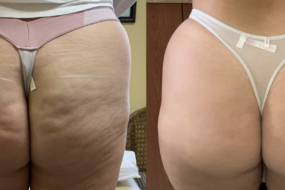
Here’s the reality check: You’ll see smoother, less dimpled skin—not total erasure. Expect phrases like “more confident in shorts” rather than “flawless legs overnight.”
Statistically, most users report:
- 2–3 years of visible results with Cellfina or Aveli (99%+ satisfaction).
- 6–12 months maintenance cycles for devices like RF/laser (67–93% happy).
- Up to 81% noticeable improvement (tone/texture) with the right topical—versus 32% with placebo.
The smart move? Combine approaches for results that both look and feel natural. The goal isn’t “no cellulite”—it’s confidence in your own skin, with solutions that fit your real life.
Lifestyle, Nutrition, and Everyday Strategies: Complementary Approaches
Cellulite isn’t just about what happens in the dermatologist’s office. Everyday choices—what you eat, how you move, and your regular routines—can change how cellulite looks and how long your professional results last.
Picture this: you complete a high-impact cellulite procedure and enjoy those first few weeks of smoother skin. The real secret to keeping those gains? How you treat your body every day.
Small Shifts, Noticeable Results
Research shows that regular exercise and smart nutrition both improve skin tone and may help minimize the appearance of dimpling.
Here’s what helps:
- Strength training: Building muscle gives skin a firmer, lifted look, especially in problem areas.
- Steady cardio: Increases circulation, helping flush out fluids and keep tissues supple.
- Hydration: Drinking enough water (aim for 8+ glasses daily) makes skin appear plumper and smoother.
- Balanced nutrition: Diets high in colorful fruits, veggies, lean protein, and healthy fats improve skin health over time.
- Weight management: Even small changes can noticeably decrease the severity of cellulite for many people.
Extend the Benefits of Clinical Treatments
Imagine pairing a professional treatment with these simple upgrades:
- Consistent exercise routines maintain results by keeping fat and connective tissue in better balance.
- Skincare with retinol or caffeine creams smooths skin texture alongside medical approaches.
- Compression garments (think bike shorts or leggings) can temporarily soften dimples and reduce fluid buildup.
- Avoiding high-sugar, salty, and highly processed foods helps minimize tissue swelling and fluid retention.
Don’t Get Distracted by Hype
Not all tips trending online are worth your time (or cash). Here’s the truth:
- “Miracle” creams, vibrating devices, or DIY coffee scrubs won't make cellulite disappear—no matter how convincing the ad copy sounds.
- Supplements and detox teas often lack any proven benefit, according to the latest 2026 studies.
Real Stories, Real Momentum
Imagine seeing a noticeable lift just by swapping out soda for water, or by adding 10 minutes of lunges to your morning.
For most people, combining small, daily changes with effective medical treatments sets you up for the most visible and lasting results—and lets you feel more in control.
You don’t need a total life overhaul—just smart tweaks that actually work. Focus on what delivers real, evidence-backed improvement so your efforts show up not just today, but months down the line.
The Future of Cellulite Treatments: Trends and Upcoming Innovations
Picture this: By 2026, cellulite treatment innovation is moving faster than ever. New tech and techniques are hitting clinical trials that could totally reshape what results are possible.
Gene editing, injectable compounds, and even regenerative medicine are on the radar for researchers targeting cellulite at the cellular level.
What's Around the Corner for Cellulite Care?
Here’s a snapshot of where the field is headed:
- Gene-targeting therapies might let dermatologists “switch off” cellulite-prone genes—no creams required.
- Biologically active regenerative injectables could rebuild skin structure, not just hide dimples.
- Next-gen devices—think triple-frequency ultrasound—are promising better smoothing in less time, with data from Caliway’s Phase II (2024) pointing to real change.
FDA approvals in 2025-2026 are expected for improved:
- Collagenase-based injectables with longer-lasting effects (2+ years).
- Smart, AI-guided subcision tools for customized treatment, adapting in real-time to tissue response.
What Clinicians—and Patients—Want Next
Experts are aiming for:
- Results that last at least 3-5 years, not months.
- Less downtime, shorter recovery, and fewer side effects.
- Broader effectiveness for all skin types, genders, and severities, moving beyond “one-size-fits-most.”
Imagine a future where a 45-minute, smart device session keeps your skin smooth for years, no matter your age or skin tone.
Staying Informed and Avoiding the Hype
It’s tempting to believe every new “miracle” claim, but savvy patients and pros should:
- Check for real clinical data (look for patient numbers, blinded studies, FDA status).
- Compare session numbers, duration of results, and side effect rates before investing.
- Ask about long-term safety data—anything without results beyond 1-2 years deserves extra caution.
“Don’t let hype empty your wallet. Only invest in what’s backed by science and peer-reviewed results.”
Tech for the Next Generation of Results
If you’re tech-curious, here’s how to get ahead:
- Teledermatology: Snap high-res photos and get same-day feedback from experts—right from your phone.
- Smart home skin monitors: Track cellulite changes, hydration, or skin firmness with IoT apps.
- Set reminders for post-treatment care, sync with wearable trackers, or log lifestyle factors to boost results.
The bottom line: The next wave of cellulite treatments is all about data, precision, and longer-lasting results. By knowing what’s coming and using digital tools, you’ll make smarter choices—without falling for hype or temporary fixes.
Conclusion
True progress in cellulite reduction isn’t about chasing perfection—it’s about making empowered, science-backed choices for smoother, more confident skin.
You now have a toolkit of proven options, from targeted medical treatments to effective daily strategies, all designed to fit your lifestyle and goals.
Every step you take—whether it’s choosing the right procedure or tweaking your routines—multiplies your results.
To make real change starting today:
- Book a dermatologist consultation for a personalized plan that fits your unique skin and expectations
- Prioritize proven treatments over hype—look for FDA-approved options with strong satisfaction data
- Commit to small, everyday upgrades like regular hydration, strength training, and nutrient-rich meals
- Pair clinical approaches with smart maintenance, using retinol or caffeine creams to boost and extend results
- Stay curious about upcoming tech and check for ongoing clinical results before trying the newest devices
Ready to raise your confidence and take control over cellulite?
- Schedule your expert consultation
- Map out a lifestyle routine that supports and sustains smoother skin
- Share your journey—or support others—by connecting with communities focused on real, evidence-driven results
Confidence isn’t about flawless skin—it’s about feeling at home in yours. Each smart choice you make is another step toward that reality. The smoother future you want? It starts with what you do next.
So take action, embrace progress, and let your results speak for themselves.